
Earthquakes can strike without warning, turning even the most ordinary day into a race against time. Living in a vibrant place like Mexico City, where seismic activity is common, it’s essential to be prepared. But what does that mean for you and your loved ones? Building an earthquake survival kit is not just a checkmark on your to-do list—it’s about creating a safety net that gives you peace of mind in an unpredictable world. In this guide, we’ll walk you through the must-have items for your survival kit, offer tips on staying organized, and invite you to reflect on what truly matters when disaster strikes. By investing some time and effort now, you’ll empower yourself and your family with the confidence to face any emergency head-on.
A comprehensive Mexico City Earthquake Survival Kit should include essential items such as ample drinking water, a first aid kit, multi-tools or knives, firemaking tools, and a flashlight with extra batteries. Additionally, consider including comfort items like decent boots, a rain poncho, and a sturdy backpack to facilitate evacuation.
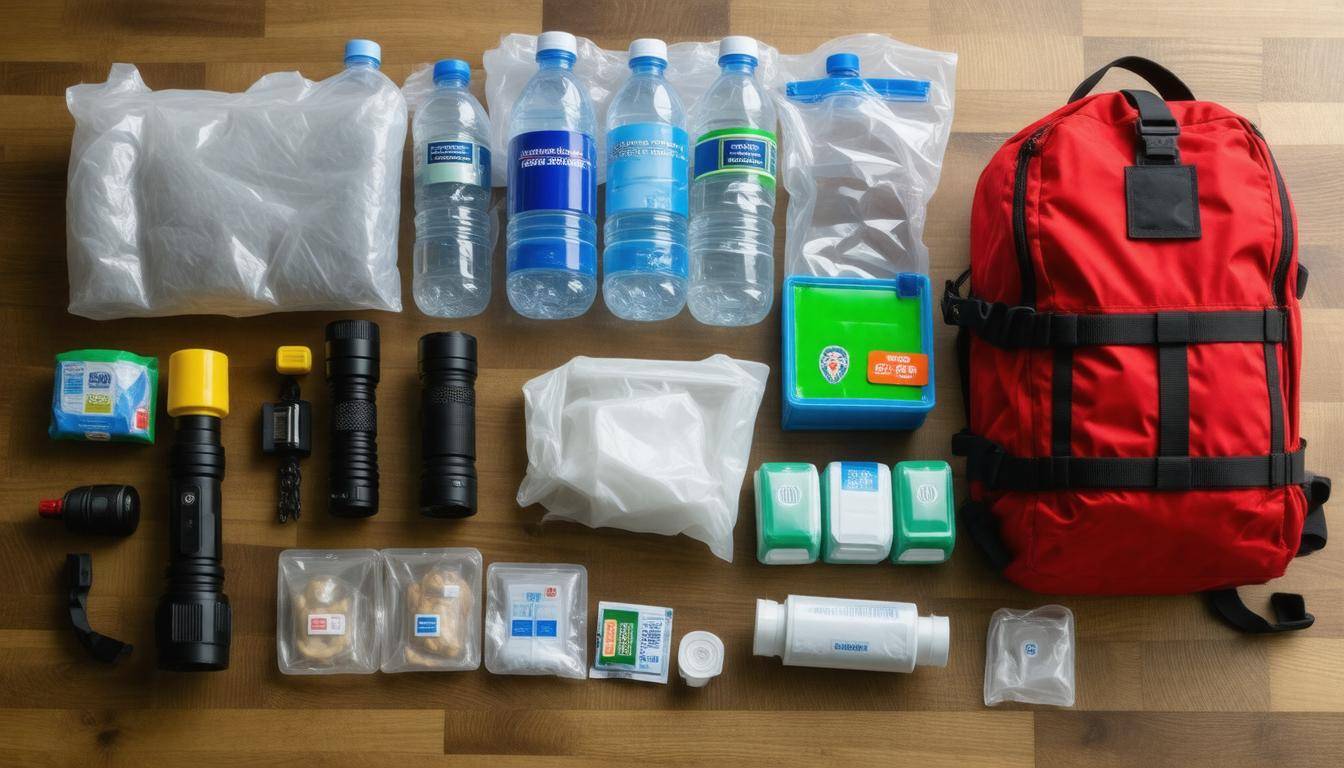
Essential Earthquake Survival Kit Items
At its core, an earthquake survival kit is about ensuring you have the foundational needs to endure the first few days following a disaster. Each item in the kit serves a specific purpose, making it imperative to understand not just what to include but why it’s important. Let’s start with the basic supplies.
Water is a non-negotiable necessity. The Red Cross recommends storing at least one gallon per person per day for a minimum of three days. This may seem excessive, but in the chaos following an earthquake, clean water becomes precious. In urban areas, infrastructure can be damaged, leading to contamination of water sources. Therefore, including portable water filters or purification tablets to treat potentially contaminated water is a smart move. You might think you won’t need them, but preparation often outweighs prediction.
Moving on from hydration, food supplies are equally essential for maintaining energy levels during times of crisis.
Non-perishable food items round out your kit and can take many forms—canned goods, dry cereals, and energy bars are excellent choices. Look for options that are low in sodium yet high in protein; they will provide sustained energy without overwhelming your body with unnecessary additives. Comfort items like chocolate or snack bars can bring a sense of normalcy and relief during stressful times.
While food and water keep your body going, you’ll also need to make sure you can see where you’re going when the lights go out.
Enter flashlights and extra batteries—crucial tools when power goes down following a quake. It’s often overlooked how quickly night falls after tremors. Opt for LED flashlights as they are more energy-efficient with brighter output compared to traditional bulbs. Make sure to check your batteries regularly; there’s nothing worse than reaching for a flashlight only to find it dark when you need it illuminated the most!
However powerful those lights may be, they won’t help if you can’t signal for help if needed.
This brings us to the importance of a whistle—a small but effective tool. If you find yourself trapped under debris, loud noises such as shouting might deplete your energy quickly and go unheard amidst chaotic sounds. A whistle carries further and requires less effort; it’s an essential item that can increase your chances of being rescued when milliseconds count.
After ensuring you can see and signal in case of emergency, we cannot forget warmth—especially regarding comfort.
Finally, consider adding sleeping bags or warm blankets to your kit. Earthquakes often disrupt heating systems causing rapid drops in temperature which can lead to hypothermia. Having something warm at hand is not just about comfort; it’s about survival. These items can make all the difference in keeping you safe until help arrives.
With these essentials prepared in your earthquake survival kit, you’re on solid ground as you gear up for unexpected challenges ahead—such as having sufficient medical supplies at hand to address potential injuries.
First Aid Supplies
Building a first aid kit is like crafting a safety net. In moments of chaos, this collection of essential supplies could very well be the difference between minor harm and severe complications. Earthquakes are unpredictable, and the aftermath can leave you facing unexpected injuries. Because of that, it’s vital to have items on hand that allow for quick and effective response to various emergencies.
Starting with adhesive bandages, these little helpers come in different sizes and shapes. They cover minor cuts and scrapes effectively, protecting them from dirt while aiding the healing process. You might think of them as your first line of defense against infection. Having larger bandages for bigger abrasions ensures you’re prepared for any scenario.
Next in line are sterile gauze pads. These pads are crucial when handling larger wounds that need more than just a bandage. They absorb blood and keep the wound clean until professional medical help can be accessed if needed. Pair them with some medical tape to secure gauze in place; together they work to promote healing while safeguarding against contaminants.
Cleaning is just as important as covering wounds, which makes antiseptic wipes another critical item. Not only do these wipes help cleanse the skin around an injury, but they also reduce the risk of infections that can complicate recovery. Keeping your kit stocked with these ensures you’re not just practicing first aid; you’re being proactive about future health concerns.
How often do we find splinters or debris embedded in small cuts? This brings us to tweezers—a tool many overlook when preparing their first aid kit. Tweezers can remove small foreign particles without causing further injury to the surrounding area, allowing wounds to heal properly without embedding harmful materials deeper into the skin.
While cleaning and covering injuries is vital, pain management shouldn’t be ignored: hence the addition of pain relievers to your arsenal. Medications such as ibuprofen or acetaminophen offer relief from discomfort caused by injuries or stress during chaotic situations like earthquakes. Regularly checking expiration dates on these medications ensures effectiveness when you need them most.
When treating sprains or strains—common injuries during earthquakes—elastic bandages provide support and stabilization. They wrap around injured limbs, helping to alleviate pressure and encourage healing before one can access advanced care. Moreover, knowing proper wrapping techniques can extend their benefit even further.
An Emergency Contact List
Lastly, maintaining an emergency contact list within your first aid kit serves a twofold purpose: ensuring that vital information is accessible in times of distress and letting others know whom to contact if you can’t convey that yourself due to injuries. Include numbers for doctors, family members, local emergency services—and consider having this document laminated or placed in a waterproof pouch for durability.
By equipping your first aid kit with these supplies, you’ll enhance not just your preparedness but also your confidence in handling potential injuries during unsettling events. Understanding how to secure essential provisions plays a critical role in fortifying your overall readiness for any emergency situation that may arise.
Emergency Food and Water
Building an emergency food supply is crucial when preparing for earthquakes, especially in a city like Mexico City where seismic activity can catch residents off guard. The goal is to have a well-rounded reserve that includes nutritionally rich items with long shelf lives that your family will eat. Starting with basics, staples such as rice and beans provide excellent nutrition and can be stored easily for long periods, making them the backbone of many emergency kits.
To ensure you’re well-prepared, focus on incorporating various types of food into your pantry. Canned foods are particularly valuable due to their extended shelf life. Opt for canned vegetables, beans, and ready-to-eat meals—not only do they require no cooking, but they also deliver nutrients without hassle. During past emergencies, I’ve witnessed how fulfilling it can be to dig into something you know will keep you full.
In my experience, high-energy snacks like granola bars, nuts, or dried fruits serve as great morale boosters under stress. Their compact size makes them easy to stash away while providing quick energy when you need it most. It’s like having little pockets of comfort ready at any moment.
Water isn’t just important; it’s critical for survival. A good rule of thumb is to store at least a three-day supply per person—but if possible, aim for a week’s worth. Lately, I’ve learned the importance of getting bottled water that has been dated appropriately so you know when it needs replacing.
Essential Tools and Supplies
Additionally, don’t overlook tools and supplies that make accessing your food easier:
- Manual Can Opener: Essential for any canned goods; it might be overlooked but becomes invaluable when the power’s out.
- Water Purification Tablets: These can be a lifesaver if your stored water runs low.
Once you’ve established your essential food and water reserves, consider how important it is to maintain this stock properly as well as the documentation and tools you’ll need for comprehensive preparedness in challenging situations.
Important Documentation and Tools
When preparing for an earthquake, it’s critical to have essential documents and versatile tools ready at your fingertips. Consider them your survival toolkit: they provide not just physical support after a disaster but also peace of mind. For instance, identification papers such as ID cards and passports are invaluable when you need to validate your identity or seek assistance from authorities or emergency services.
Imagine being in a situation where you need to access your insurance information amidst chaos; having those documented is like having an anchor in a storm. Home, health, and vehicle insurance documents allow you to deal with claims swiftly after an earthquake. It’s one thing to endure the tremors; it’s another to navigate the aftermath efficiently without crucial paperwork.
Alongside your identification, keep an amount of emergency cash stashed away. In digital-first societies like ours, it’s easy to forget the power of cold hard cash until ATM machines are down and credit card systems fail. Having small bills ensures that you can buy necessities or barter if required.
Versatile Tools
Now let’s talk about tools—specifically a multi-tool. Picture this: you’re in an unstable environment where immediate fixes are necessary. A multi-tool combining pliers, knives, and screwdrivers can become your best friend when it comes to various tasks, from making quick repairs to opening cans of food.
And let’s not overlook duct tape! This versatile hero is often underestimated but can serve multiple purposes—from implementing temporary repairs on damaged structures to securing items that may shift unexpectedly after the quake. It’s handy in ways we often don’t think about.
Having local maps in your kit is essential, especially in an emergency when GPS devices might become unreliable due to system overloads. Paper maps can help you navigate out of unsafe areas quickly while keeping you informed about local resources such as shelters or hospitals.
As you gather these critical documents and tools, their storage and accessibility become paramount; therefore, selecting the right carrier for these essentials could vastly improve your preparedness when disaster strikes.
Choosing the Right Bag
When it comes to choosing the perfect bag for your earthquake survival kit, there are several factors to ponder, ensuring your choice fits your specific needs and situation. A sturdy, well-designed bag can make all the difference between scrambling to find gear under pressure or having everything at your fingertips. Think about the bag’s purpose first: Is it just for the essentials, or will it also need to carry larger items such as food and water?
A backpack tends to be a solid first choice. Opt for one with multiple compartments; this provides better organization and allows you to separate your tools, medical supplies, and food without everything getting jumbled together. Padded straps are another feature worth considering—if you’re trekking through debris or carrying heavy loads, those padded straps can mean less strain on your shoulders.
Waterproof bags are essential if you’re in an area prone to floods or adverse weather conditions post-earthquake. Protecting your supplies from potential water damage can save you significant trouble later on. Investing in high-quality waterproof materials ensures that your vital items remain dry and usable when you need them most.
Bug Out Bags
Additionally, bug out bags are gaining popularity, specifically designed for emergencies like earthquakes. These bags are often made from durable materials and include features like MOLLE webbing for additional storage options. This modular system offers a way to attach extra pouches or gear, providing flexibility depending on what you may need in any given situation.
The right bag should feel comfortable while offering practical solutions to keep you organized and ready to act swiftly when necessary. Let’s now explore some valuable strategies and adjustments you can implement in your immediate surroundings to enhance safety during seismic events.
Home Safety Measures
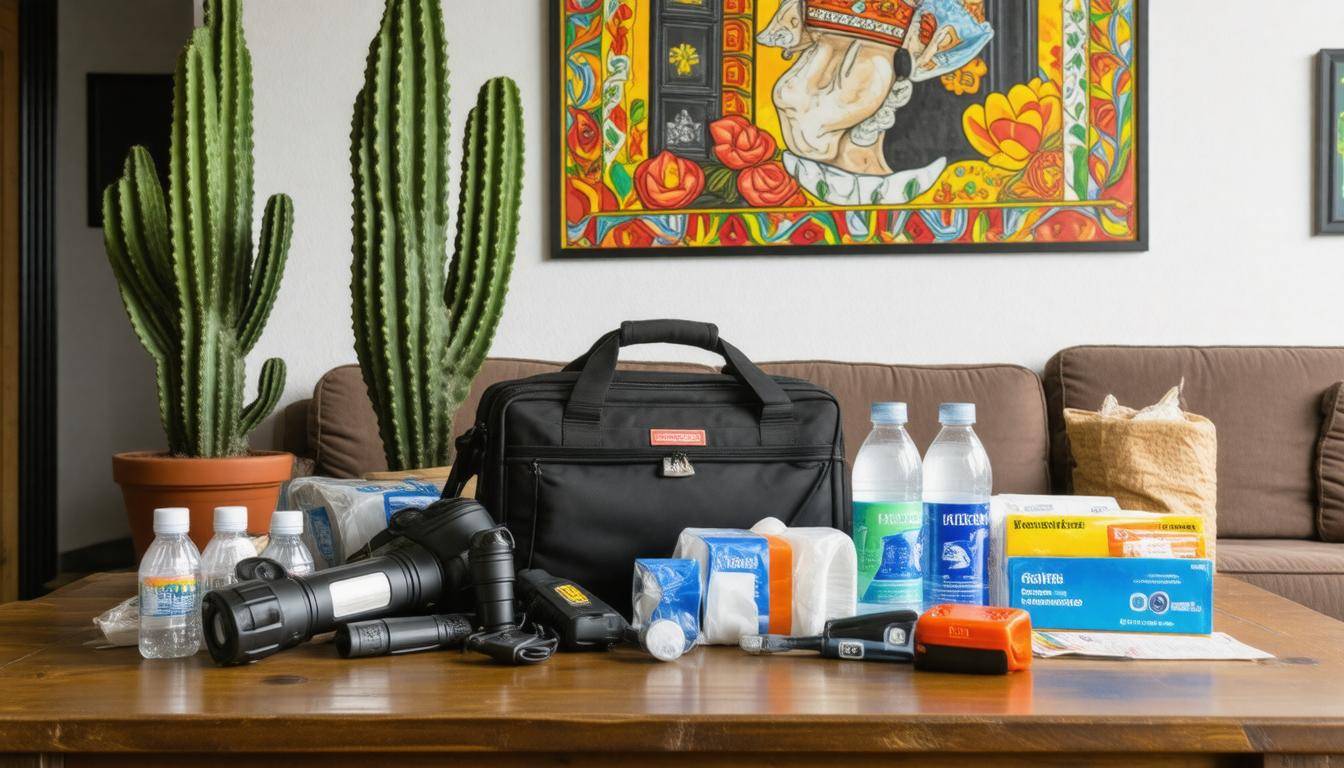
Preparing your home for earthquakes means taking proactive steps to ensure that your living space remains as secure as possible during times of calamity. One essential measure is securing heavy furniture, which can easily become hazards if not properly anchored. Imagine coming home to find your bookshelf toppled over, its contents strewn across the floor—what a disaster! To prevent this, consider using brackets and straps to secure large items like bookshelves, televisions, and cabinets firmly to the walls. This simple yet effective technique can save you from potential injury and damage during an unexpected shake.
Securing Furniture
In addition to securing heavy furniture, it’s equally critical to latch kitchen cabinets. Without sturdy latches, dishes and glassware may tumble out with alarming force. It’s an easy fix, and securing cabinet doors ensures you’ll be able to address what could turn into a chaotic mess after an earthquake strikes. By taking these precautions, you safeguard both your belongings and family members who might be nearby.
Now that we have addressed securing furniture, let’s move on to identifying the safe zones within your home. These are critical areas where individuals can take cover when shaking starts. Encourage everyone in your household—especially children—to learn about safe spots like sturdy tables or interior walls that provide the best protection from falling debris. You might even consider practicing drills so that this knowledge becomes second nature in times of emergency.
Safe Zones
Furthermore, establishing clear emergency exits is vital for swift action during an earthquake. Ensure that all exit routes from your home are unobstructed and accessible; unexpected clutter can turn what should be a quick escape into a tragic delay. Conduct regular checks on these exit paths to confirm that nothing is blocking the doorways or hallways.
Remember, preparedness isn’t simply about gathering supplies; it’s about creating a sound plan within the entire household for navigating potential dangers successfully.
As you implement these safety measures, keep in mind that effective planning goes hand-in-hand with readiness for durable solutions in the face of emergencies. Let’s explore next how to enhance the resilience of your earthquake preparedness.
Maintaining Your Earthquake Kit
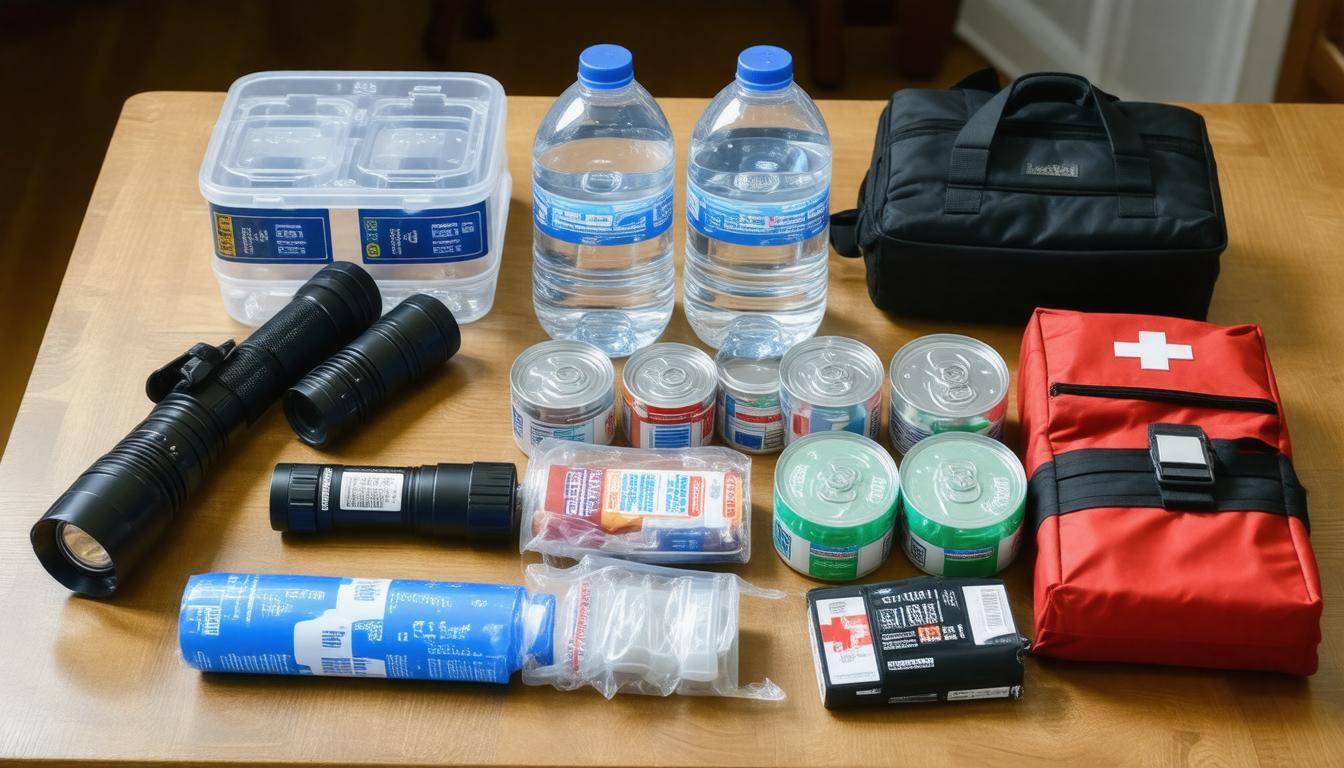
Ensuring that your emergency kit remains effective when you need it most is vital. It’s not just about having the supplies; it’s about knowing they will serve their purpose when catastrophe strikes. One essential aspect of this reliability is conducting inventory checks. Every six months, go through your kit meticulously. This means checking expiration dates on food items and ensuring water supplies are fresh—after all, one gallon per person per day is a good guideline, but it doesn’t help if that water is two years old. Inspect batteries too; they should be in good condition without any signs of leakage or damage.
Additionally, keeping your non-perishable food items rotating can prevent waste and promote freshness. This involves removing older cans and replacing them with newer stock, making sure to consume the older items before their deadlines pass. It’s like a mini inventory system within your kit—all designed to ensure that no matter what happens, you’ll have reliable supplies ready at hand.
Once you’ve conducted your inventory check, the next step is equally important.
Update Documents
Another critical element is updating documents within your kit. From medical records and identification papers to contact lists for family members, keeping these up-to-date can make a significant difference in an emergency situation. It’s common for phone numbers and addresses to change; thus, having current information readily available can save precious time during a crisis.
Remember: Digital copies of these documents can be stored safely on your phone or a cloud service as a backup; this ensures you won’t lose access even if you need to flee quickly.
With documents sorted, it’s also paramount to ensure everything in your kit functions properly.
Test Equipment
Conducting functional checks on key equipment like flashlights, radios, and other electronics cannot be overstated. Imagine fumbling in the dark during an emergency only to discover that your flashlight has dead batteries! Periodically testing these devices guarantees they’re working correctly when you need them most.
For effective testing:
- Replace batteries in flashlights and radios every six months.
- Run a quick test of your radio to ensure you can tune in to local emergency broadcasts—a lifeline during disasters.
- Store all devices in a manner that protects them from wear and tear.
Much like the story of the boy who cried wolf, forgetting to check your supplies could leave you yelling for help when there’s no one around.
Finally, remember that preparedness extends beyond just maintaining the supplies in your kit. Each component plays its role in enhancing your overall readiness for unpredictable situations. With this in mind, transitioning into more practical insights will help you build a comprehensive strategy for facing potential emergencies head-on.
Additional Tips for Earthquake Preparedness
One of the most vital aspects of being prepared for an earthquake is involving your community. Local emergency preparedness groups often organize training sessions or drills, which can be invaluable for gaining practical skills and experience. The strength of community ties becomes evident during emergencies, and knowing that others in your area share similar concerns encourages a sense of unity and support. Engaging with your neighbors not only enhances bonds but also ensures everyone is aware of local resources and safety measures.
Just as a team works best when every member knows their role, your family should practice what to do when an earthquake strikes.
Conducting family earthquake drills is essential. By simulating what will happen when tremors hit, you help everyone understand their designated areas of safety and responsibilities during such events. It might feel silly at first, but repetition breeds confidence—especially in kids who may initially feel frightened. Drills also uncover gaps in your plans, offering opportunities to refine them before a real emergency occurs.
“Practice doesn’t make perfect; it makes permanent.”
Familiarization with local warning systems is equally crucial. Every region prone to earthquakes has specific alerts delivered through mobile apps or community sirens. Take the time to sign up for such notifications to ensure you’re among the first to receive critical updates and instructions during an earthquake. This preparation turns panic into purposeful action.
As you build this robust plan, consider adopting additional tools that enhance both individual resilience and community preparedness.
Personal devices like NOAA weather radios provide timely information during emergencies and can become your lifeline when technology fails after disasters. Additionally, investing in a multi-tool or Swiss Army knife adds versatility to your survival kit.
Lastly
Providing yourself with personal hygiene items remains essential in maintaining overall well-being in disaster scenarios. When facilities may be compromised post-earthquake, packing wipes, hand sanitizer, and basic toiletries will help keep you—and your loved ones—feeling fresh and more secure amidst chaos.
Effective earthquake preparedness lies not just in what you physically possess but also in how well you engage with those around you, educate yourselves, and act decisively as a cohesive unit when faced with uncertainty. Stay informed, stay connected, and prioritize safety for you and your community.
Are there specific items that are recommended for families with children or pets?
Yes, families with children or pets should include additional items in their earthquake survival kits. Recommended essentials include child-friendly snacks, comfort items like stuffed animals or blankets, and specific supplies for pets such as food, water, leashes, and waste bags. According to the Federal Emergency Management Agency (FEMA), ensuring the well-being of all family members—including pets—can help reduce anxiety during emergencies, thereby improving overall survival outcomes.
What steps should I take to create an emergency communication plan alongside my survival kit?
To create an effective emergency communication plan alongside your survival kit, first establish a designated meeting place for family members and agree on emergency contacts who live outside the affected area. Ensure everyone knows how to communicate through various methods, such as phone texts, social media, or local radio stations, since voice networks may become congested. Regularly update this plan and conduct practice drills, as studies show that 60% of families do not have a clear plan in emergencies. This preparedness can significantly enhance your chances of reuniting during a disaster like an earthquake.
How can I ensure my survival kit remains accessible during an earthquake?
To ensure your survival kit remains accessible during an earthquake, keep it in a designated, easily reachable location, such as under your bed or in a closet near the exit. Utilize waterproof and durable containers to protect supplies from damage and consider placing items in various strategic locations throughout your home. Statistics show that 60% of earthquake-related injuries occur from falling debris, so have your kit stored away from potential hazards to facilitate quick access during emergencies. Regularly check and update the contents to ensure readiness at all times.
What essentials should be included in a Mexico City earthquake survival kit?
A Mexico City earthquake survival kit should include essentials such as water (at least 1 gallon per person per day for three days), non-perishable food, a multi-tool, first aid supplies, flashlight, extra batteries, and personal hygiene items. Given that over 20 earthquakes of magnitude 6 or greater have struck Mexico City since 1900, preparedness is crucial; having these items on hand can significantly increase your chances of survival during an emergency. Additionally, including important documents like IDs and medical prescriptions will help ensure you’re equipped for both immediate needs and long-term recovery.
How often should I check and update my earthquake survival kit?
You should check and update your earthquake survival kit at least twice a year, ideally during the change of seasons. Keeping your supplies fresh and relevant is crucial; for example, food items can expire, water quality can degrade, and batteries in flashlights may lose charge. According to emergency preparedness studies, 60% of people who have survival kits do not keep them up-to-date, which can significantly reduce their effectiveness during an actual emergency. Regular assessments ensure you are prepared and that your kit meets the latest safety standards.