
When living in Miami, preparing for hurricane season is not just smart—it’s essential. As storm clouds gather and the winds start to swirl, having a well-stocked hurricane kit can make all the difference between safety and chaos. But what does that really mean? It means being proactive rather than reactive. From food storage to communication tools, each item serves a purpose when the skies turn dark and unpredictable. Trust me; I’ve witnessed firsthand how easily families can get overwhelmed when a storm approaches. That’s why in this article, we’re going to break down the 25 must-have items you need in your hurricane kit to stay safe and calm through any tempestuous weather. Let’s dive in!
The Miami Hurricane Kit includes essential items such as non-perishable food, bottled water, a flashlight, batteries, a first-aid kit, and important documents. Ensuring you have these items ready will help you stay safe and prepared during hurricane season.
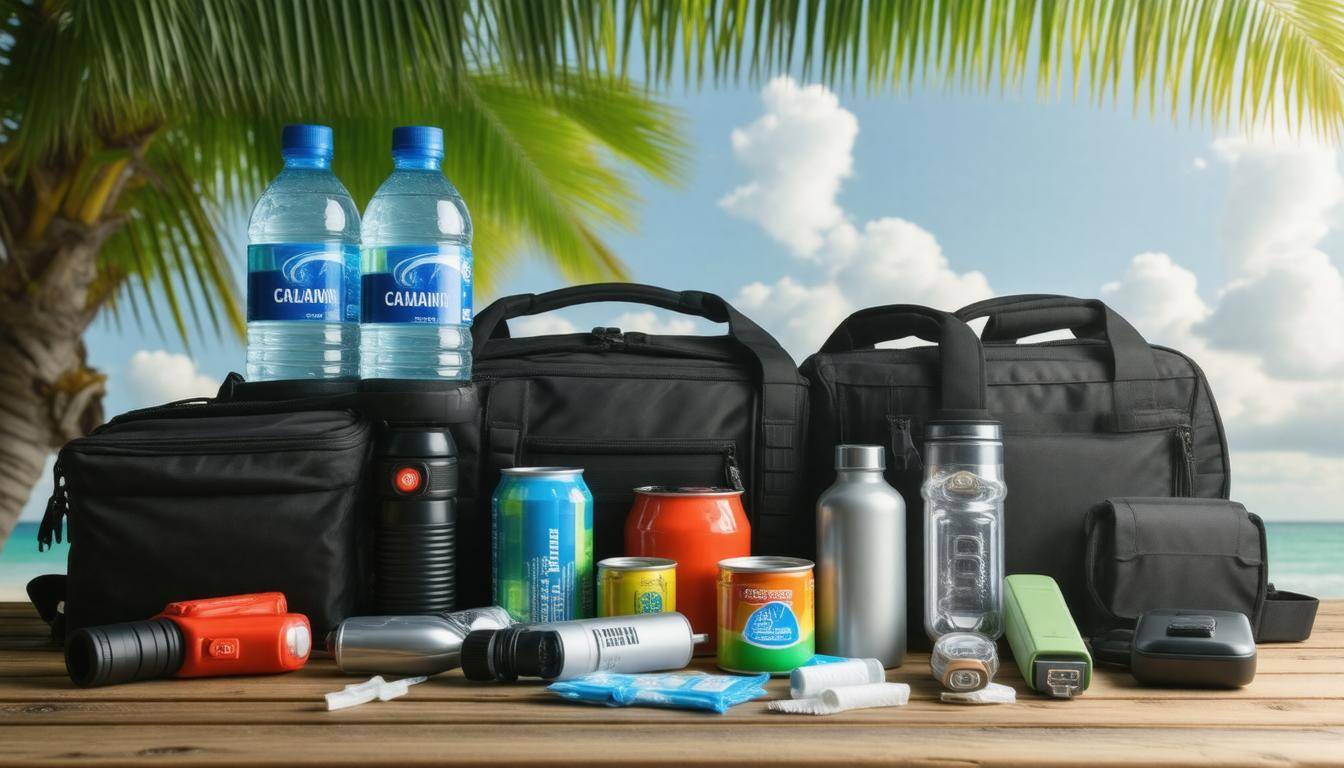
Preparing Your Hurricane Kit
Preparing a hurricane kit is not just about creating a collection of whatever you can find lying around; it’s an exercise in foresight and organization. Start with Step I – Assess Your Household Needs. Take stock of everyone in your household, from toddlers to elderly relatives, and note any special considerations. For example, if you have a family member who relies on medication, make sure to add those prescriptions along with a basic first aid kit. This step is key because knowing specific needs will help you avoid overlooking crucial items that could make a real difference during an emergency.
Once you’ve assessed your overall needs, you can confidently move on to Step II – Gather Basic Supplies. The essentials include non-perishable food like canned goods, dried fruits, and nuts that provide lasting energy. You’ll also want at least one gallon of water per person daily; after all, hydration is critical when access to fresh water may be limited, so ensure you’re well stocked for at least three days.
Moreover, don’t forget items that enhance comfort and communication during stressful times. A battery-operated radio or a hand-cranked emergency radio can keep you in the loop when the power goes out. Consider adding flashlights with extra batteries to light your way through the dark. Comfort items like blankets or even cards can help ease the tension that might arise in such situations.
It’s essential to think beyond survival; consider your family’s psychological well-being too.
Now that you’ve compiled your basic supplies, it’s time for Step III – Check Expiry Dates. Regularly rotating your supplies is vital for ensuring everything in your kit remains usable when the time comes. Food cans sitting on a shelf for a year might seem fine at first glance but check those expiration dates! Set reminders on your calendar every six months to sift through your kit, checking batteries and replacing expired food or essentials. This small effort prevents the panicky rush of discovering outdated supplies when an emergency arises.
Thus, preparing your hurricane kit becomes not just an act of gathering but rather a thoughtful process reflecting your home’s safety needs. Balancing essentials with considerations for comfort and care ensures that you are genuinely prepared when facing nature’s tempests head-on.
As we explore further preparations, focusing on practical storage solutions will significantly enhance the effectiveness of your emergency strategy.
Choosing a Weatherproof Container
Investing in a weatherproof container for your hurricane kit is critical for keeping items safe from moisture and damage. Think of your hurricane kit as an emergency lifeline; if any item inside gets compromised by water or dirt, it may render that piece useless when you need it most. A good container will serve as the guardian of these essentials, offering peace of mind during the chaos of a storm.
Characteristics of an Ideal Container
-
Durable Material: Opting for high-density polyethylene (HDPE) or similar robust materials ensures longevity. These materials can withstand impacts and harsh weather conditions, preventing cracks or leaks that may occur with less durable options.
-
Secure Closures: Look for containers with airtight seals and latches to keep out water and air. It’s also wise to steer clear of metal parts that could rust over time, diminishing their effectiveness.
-
Size and Portability: The ideal container should be spacious enough to hold essential items like first-aid supplies, food, batteries, and other necessities but still compact enough for easy transport.
Imagine you’re evacuated from your home; you don’t want to lug around a cumbersome box filled with items when you could have everything safely packed in a manageable size.
Example of Good Containers
Some trusted brands include the Rubbermaid ActionPacker and the Pelican Case, recommended for their durability and weather resistance. Each container is designed specifically to endure tough conditions, making them excellent choices for hurricane prep. The ActionPacker provides various sizes catering to different needs, while the Pelican Case offers incredible resilience against extreme weather, ensuring that your emergency supplies remain intact.
As crucial as it is to have a reliable storage solution, knowing which provisions are necessary takes equal importance. Let’s explore how to effectively stock your kit with life-sustaining essentials that can keep you safe during emergencies.
Essential Non-Perishable Food and Water
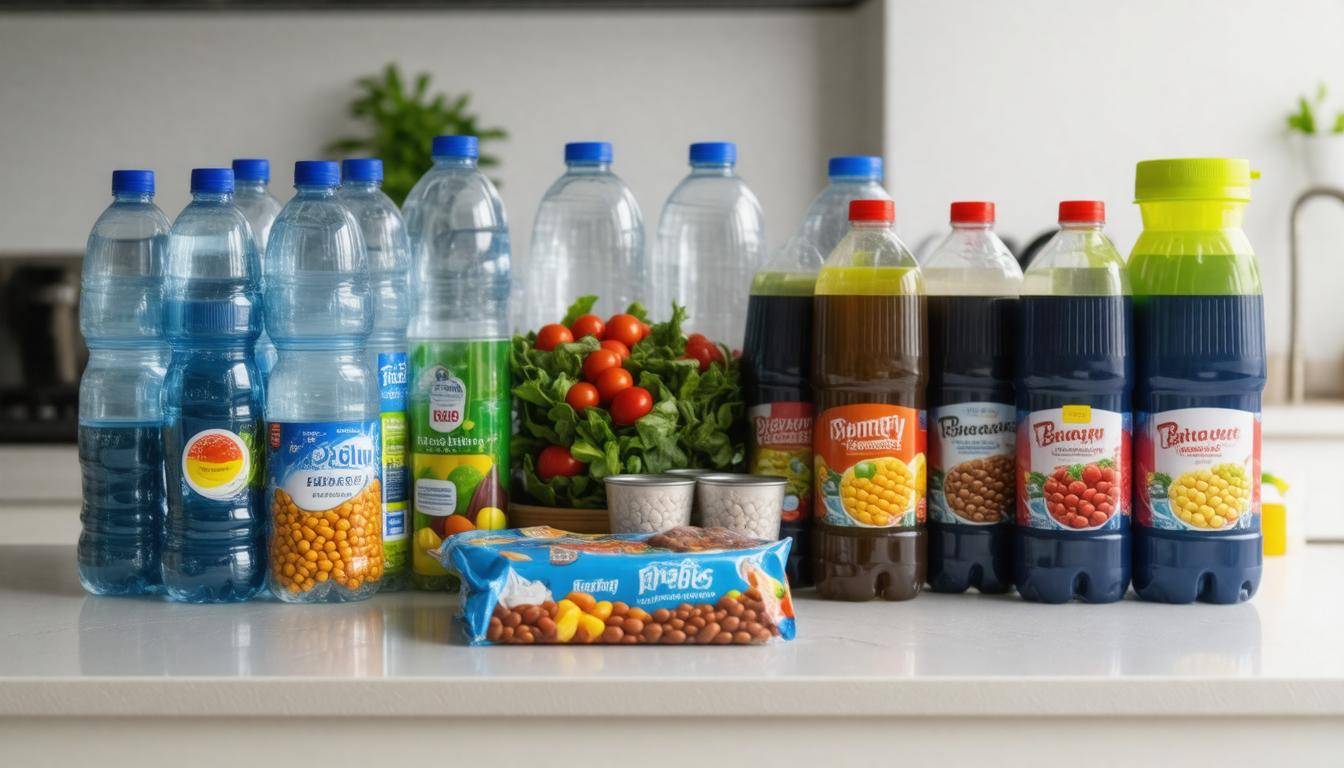
The importance of stocking up on non-perishable food and water cannot be overstated during hurricane season. These essentials form the backbone of any preparedness strategy because once the storm hits, access to resources can become severely limited. Making sure you have enough supplies that can last several days without refrigeration is key to weathering any storm.
Experts recommend having a minimum three-day supply of non-perishable food for each individual in your household, but ideally, think about aiming for at least a week’s worth if you can manage it.
Recommended Choices
-
Canned Goods: When selecting canned items, look for low-sodium options like canned tuna, beans, and soups. These foods pack essential nutrients and will provide energy when you need it most. Just remember to include a manual can opener in your kit; there’s nothing worse than facing a can of soup without a way to open it!
-
Dried Fruits and Nuts: These snacks are not only nutritious but also possess an impressive shelf life, making them ideal candidates for long-term storage in your kit. They can offer quick bursts of energy or act as satisfying snacks.
-
Granola and Protein Bars: Perfect for grab-and-go situations, these bars deliver a significant amount of energy without requiring much preparation. Plus, they often come in convenient packaging, making them easy to store and access when you’re in a hurry.
In 2017, many Miami residents faced challenges due to inadequate food supplies in their hurricane kits, which led to local shortages post-hurricane. This experience highlighted how paramount preparation really is—and reminded us that stocking up ahead of time can prevent panic during critical moments.
| Item | Recommended Quantity | Shelf Life |
|---|---|---|
| Water | 1 gallon per person/day | 2+ years |
| Canned Tuna | 7 cans per person | 2-5 years |
| Granola Bars | 14 bars per person | 6-12 months |
| Dried Fruit | 3-5 packs per person | 1 year |
As displayed in the table above, creating a balanced supply of water and non-perishable foods not only ensures you’re ready for whatever nature throws your way but helps foster peace of mind. Planning ahead with secure provisions waiting can keep stress levels lower when faced with an impending storm.
With this foundation set, ensuring you have reliable sources of light and power becomes the next crucial step in your hurricane preparedness plan.
Flashlight and Batteries
In the chaos that comes with a hurricane, light becomes an ally. Imagine trying to navigate your darkened home or searching through storage for supplies without a reliable flashlight; it’s not a comforting thought. That’s why choosing the right flashlight is crucial. LED models shine brightly and have longer battery life compared to traditional bulbs, allowing you to conserve energy when it matters most. Look for models that boast multiple brightness settings—this allows you to adapt the light output based on your needs.
Additionally, having a strobe option can be invaluable in emergencies, as it can signal SOS or attract attention when help is needed.
To ensure that your flashlight remains operational throughout outages, stock up on extra batteries. Experts recommend having at least three sets of additional batteries per flashlight. This way, you’re not frantically searching for more power in the dark when you need it the most. For those who want sustainability as part of their emergency kit, consider purchasing rechargeable batteries paired with a solar charger. However, keep in mind that solar charging may become challenging during prolonged cloudy weather—a factor you should weigh when deciding.
Brands like Maglite and Energizer are tested go-tos that have gained trust for their reliability during previous hurricane seasons in Miami. It’s reassuring to know you’re using equipment backed by proven performance.
Now that we’ve highlighted the importance of having a good flashlight and sufficient batteries, let’s transition to examining other essential tools and supplies necessary for ensuring your safety throughout hurricane preparations.
Compiling a First Aid Kit
A comprehensive first aid kit is more than just band-aids; it’s a lifeline in emergencies and provides peace of mind during unpredictable situations, especially in hurricane-prone areas like Miami. Having the right supplies can make all the difference when addressing common injuries or unexpected health issues that may arise in such weather conditions.
Step I – Basic Supplies
-
Antiseptic Wipes: Vital for cleaning wounds and preventing infections. Ideally, have enough wipes to clean multiple injuries.
-
Sterile Gauze Pads and Bandages: Include a variety of sizes to cover everything from small cuts to larger wounds. Consider separating these into categories within your kit for easy access.
-
Adhesive Tape: Essential for securing gauze pads or bandages in place, particularly on joints or movement-prone areas.
-
Scissors and Tweezers: Scissors are invaluable not only for cutting bandages but also for cutting away clothing if necessary. Tweezers will help you remove splinters, ticks, or other foreign objects.
These basics cover minor injuries, but what about specific needs?
Step II – Essential Medications
When compiling your first aid kit, include a week’s supply of any prescription medications you rely on regularly; this preparedness can prevent stress during emergencies when access to pharmacies might be limited. Over-the-counter medications should also not be overlooked. Pain relievers like ibuprofen or acetaminophen provide relief during ailments or injuries, while anti-diarrheal medication is crucial if you’re caught off guard by stomach issues—something hurricanes can often bring due to stress and dietary changes. Antihistamines are equally important for those with allergies, as pollen levels can fluctuate dramatically during weather events.
Remember, pre-assembled kits may not contain every item you’ll need; thus, supplementing with personal medications and specialty items tailored to your family’s specific needs is prudent. The idea here is not just to prepare for injuries that could occur but to anticipate your unique requirements during stressful times.
Being proactive with your supplies can significantly enhance safety during adverse weather conditions, and maintaining communication is equally vital in such situations. Let’s now turn our attention to the tools that ensure you’re informed and ready to respond effectively.
Weather Radio and Communication
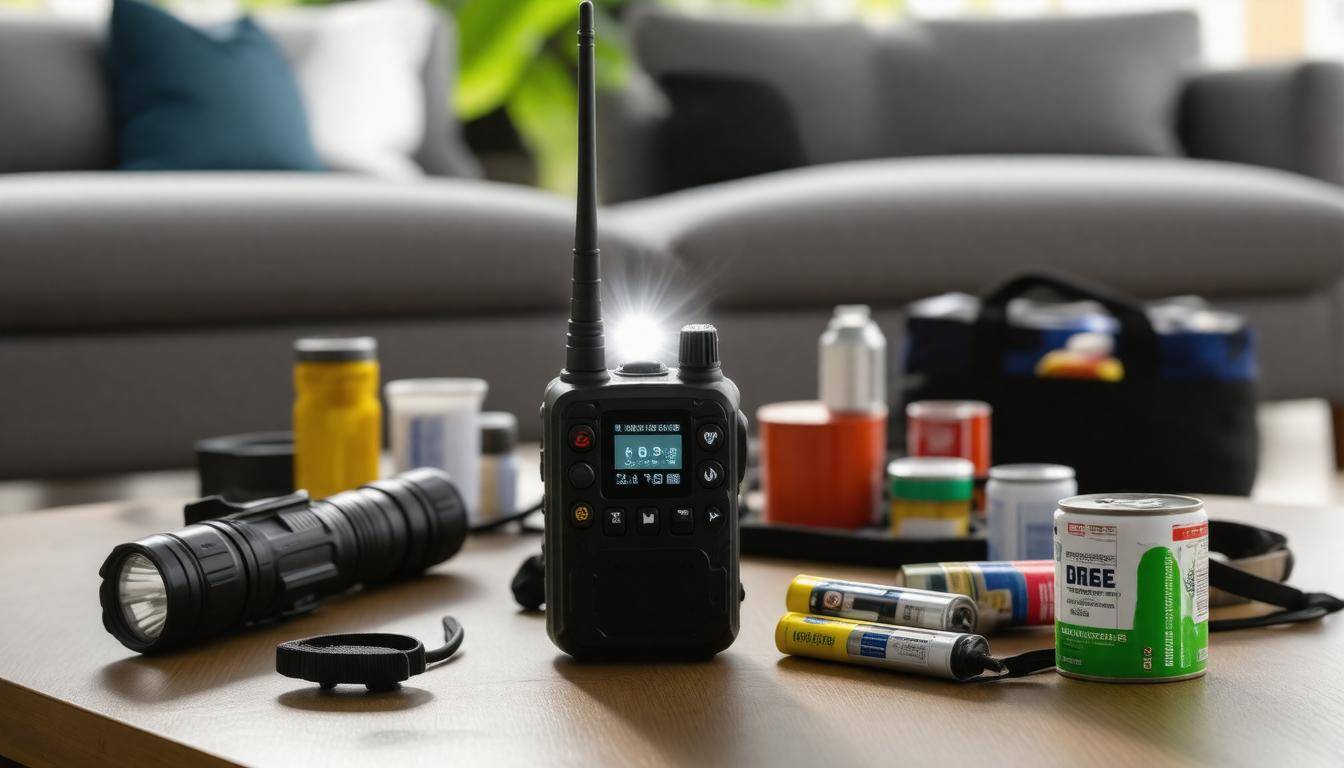
Staying informed during a hurricane is crucial; therefore, a reliable weather radio is indispensable. The power of timely information cannot be overstated. A NOAA-certified weather radio will provide continuous updates on storm conditions and evacuation alerts, ensuring you are prepared for anything that unfolds outside your window.
Choosing a Weather Radio
When selecting a weather radio, focus on those that not only receive crucial updates but also possess essential features that enhance reliability during power outages. Look specifically for battery backup systems to ensure functionality even if local power grids fail. Additionally, consider models with a hand crank option to generate power manually, granting access to information at all times. Some products even allow for solar charging, providing renewable energy—ideal when every bit of electricity counts.
For those who may feel overwhelmed by options, I recommend the Midland ER310 E+Ready Emergency Crank Weather Radio. This model stands out not just for its multiple power options, but also for its exceptional reception quality. It’s user-friendly, compact, and ensures you won’t miss any critical updates from the National Weather Service.
Beyond just having a weather radio, maintaining effective communication with family and friends becomes increasingly important during a hurricane.
Other Communication Considerations
Alongside your weather radio, establish alternative ways to communicate with loved ones. During hurricanes, phone lines can get overwhelmed or go down entirely. Consider investing in walkie-talkies or two-way radios as an additional method for staying in touch within your neighborhood or across short distances. These devices operate independently of cellular networks and remain effective even when the grid fails.
Remember that clear communication can often be lifesaving. Share designated meeting spots with family members ahead of time and agree on who will be contacted should an emergency occur.
In addition to these tools, keeping your smartphone charged is essential; download weather apps and emergency services apps that provide real-time updates specific to your location. Setting up emergency alerts through local news channels ensures you’re instantly informed about urgent situations.
Incorporating these strategies into your hurricane preparedness plan equips you not only to survive but to navigate challenges effectively in dire circumstances.
Protective Gear and Clothing
In the face of a hurricane, wearing the right protective gear and clothing isn’t just about safety; it can dramatically enhance your ability to respond effectively. Think of this as your armor against not only nature’s fury but also the stress that comes with it. Besides being functional, your gear should allow for movement and be comfortable enough to wear for extended periods. This is essential when you’re trying to evacuate or secure your home while battling the elements.
Critical Items
-
Waterproof Jacket: A reliable waterproof jacket is crucial. Look for one that offers good ventilation—this way, you won’t feel like you’re suffocating under all those layers. A jacket with adjustable closures will ensure better protection against harsh winds and heavy rain.
-
Sturdy Boots: Wearing sturdy boots can make a world of difference when navigating through floodwaters and debris. Opt for boots that provide a solid grip and are easy to clean post-hurricane. Remember, your feet are vital for movement; keeping them dry and protected helps you stay nimble during emergencies.
-
Gloves: Gloves are not just for warmth; they protect your hands from sharp objects or contaminated surfaces you may need to touch during clean-up efforts. Choose gloves designed for heavy-duty work—rubberized or puncture-proof options can provide peace of mind when handling fallen branches or debris.
Investing in these critical items means preparing yourself for whatever the storm may throw at you.
The right choice of protective gear ensures you’ll stay focused on what matters most: the safety of yourself and your loved ones. As we consider further preparations, it’s important to look at additional resources that can enhance your overall readiness in challenging situations.
Additional Safety Tools and Equipment
When preparing for hurricanes, it’s vital to think beyond just survival essentials like food and water. Sometimes it’s the less obvious tools that can prove invaluable, assuring not only safety but also peace of mind during uncertain times.
Consider packing a multi-tool, which can serve multiple functions—think of it as a small toolkit at your fingertips. A quality multi-tool like a Leatherman includes pliers, screwdrivers, and even a knife, allowing you to address various tasks without needing to manage several tools. Its versatility comes particularly handy when you’re in survival mode.
Moving on from our multi-tool, let’s talk about duct tape. Yes, that humble roll of sticky tape deserves a place in your hurricane kit. This versatile material has been heralded as a “fix-all” solution; you can use it for quick repairs on damaged items or even sealing openings from wind and rain.
Imagine needing to secure a loose shutter—just a few strips might keep your home significantly more protected against harsh elements.
Many who lived through Hurricane Irma in Miami have attested to the usefulness of such tools, noting that they provided solutions to unforeseen problems.
Another crucial item not to overlook is a fire extinguisher. While this may seem unrelated at first glance, unforeseen circumstances could lead to fires caused by damaged electrical systems or utility lines.
It’s essential that you pick one that is lightweight yet rated for all types of fires so that it effectively serves its purpose without being cumbersome during an emergency. Having an extinguisher readily available allows you to act quickly should an unexpected fire arise.
While food and water are critical, additional safety tools like multi-tools, duct tape, and fire extinguishers can greatly enhance your preparedness for hurricane season. Ensuring you have these items in your kit brings peace of mind in unpredictable weather conditions.