
When winter rolls around in Michigan, the thought of a blizzard can stir up feelings of anxiety and uncertainty. You might wonder: “Am I prepared for what could come?” Having the right supplies on hand can make all the difference between panic and peace of mind. Let’s face it—when heavy snow falls and temperatures plunge, you don’t want to be scrambling through a grocery store or staring at an empty pantry. This article will guide you through building your own Blizzard Survival Kit, ensuring you have everything you need to not just survive, but stay comfortable until the sun shines again. Preparing ahead means you can embrace the season, knowing that when nature throws its worst at you, you’ve got it covered.
Your Michigan Blizzard Survival Kit should include essential supplies such as non-perishable food, water, a first aid kit, warm clothing, blankets, flashlights with extra batteries, a battery-powered radio, and necessary medications. Additionally, consider including a shovel for snow removal and an ice scraper for your vehicle to ensure you are fully prepared for severe winter conditions.

Essentials for Your Blizzard Survival Kit
When preparing your blizzard survival kit, it’s vital to consider food and water supplies that can sustain you through extended periods when you might be stuck indoors. A good rule of thumb is to stock at least a three-day supply of non-perishable food items. Think about items that don’t require cooking, such as canned goods, granola bars, and dried fruits that provide energy without complicating preparation.
Additionally, don’t overlook the importance of hydration; store enough water to last at least 1 gallon per person per day.
In Michigan’s frigid winter months, natural resource scarcity can turn into panic if you’re unprepared. Having adequate provisions not only keeps hunger at bay but also maintains your morale during those long, chilly days.
Along with food and water, having a reliable method of heating is essential for comfort and safety. If you have a fireplace or wood stove, ensure you have a stash of seasoned firewood nearby to keep your space warm. For alternative heating methods, such as a propane or kerosene heater, you’ll want to have sufficient fuel on hand. Just remember to follow safety guidelines when using these devices to avoid any fire hazards or carbon monoxide buildup.
Communication and Power Backup
As storms can sometimes knock out power lines for extended periods, a backup power source should be included in your kit. Invest in high-quality power banks that can recharge your phone and other small electronics, ensuring communication lines remain open with friends and family. Rechargeable batteries may also serve you well here; just rotate them regularly, replacing old ones so they’re ready when needed.
Maintaining warmth is just as important as having supplies. Equip yourself with blankets, warm clothing layers, and personal safety items to ensure you’re comfortable during the storm.
A well-thought-out blizzard survival kit will carry you through unexpected emergencies with confidence and ease, allowing you to focus on immediate needs while staying prepared for the winter ahead.
Non-Perishable Food and Water
When preparing for a blizzard, stocking up on non-perishable food items and ensuring an ample water supply are key components of survival. During severe winter storms, getting to your regular grocery store may not just be inconvenient; it can become impossible. This is why it’s crucial to consider what you’ll need to eat and drink during these extended periods of isolation.
Stocking Up
As a good rule of thumb, aim for at least a three-day supply of essentials. This isn’t merely an arbitrary suggestion; research shows that in many emergency situations, access to fresh supplies can be cut off for days at a time. Think about what you’ll really want to eat when the snow drifts start piling up outside your door. Here’s a useful list to guide your stocking:
| Item | Recommended Quantity |
|---|---|
| Bottled water | 1 gallon per person per day |
| Canned goods (soups, beans) | 9-12 cans per person |
| Ready-to-eat meals (MREs) | 3 meals per day per person |
| Granola or protein bars | 6-9 bars per person |
When selecting canned goods, opt for varieties that your family enjoys while also offering balanced nutrition. High-protein options like beans or fish can be filling and provide the energy needed to keep morale up during extended indoor periods. Meal-ready packs (MREs) are convenient options that require no refrigeration and have long shelf lives.
Water Purification
It’s wise to include water purification supplies in your kit as well. While bottled water is important, having a backup plan is crucial; purifying tablets or a portable water filter can make all the difference. These tools are compact and light, so they won’t take much space in your emergency kit. In case your bottled water supply diminishes, being able to transform snow or tap water into safe drinking water can truly prove lifesaving. This extra precaution ensures that you won’t face dehydration when the storms roll in.
With your essential food and water supplies squared away, considering reliable communication tools will further enhance your safety during severe weather conditions.
Emergency Communication Devices
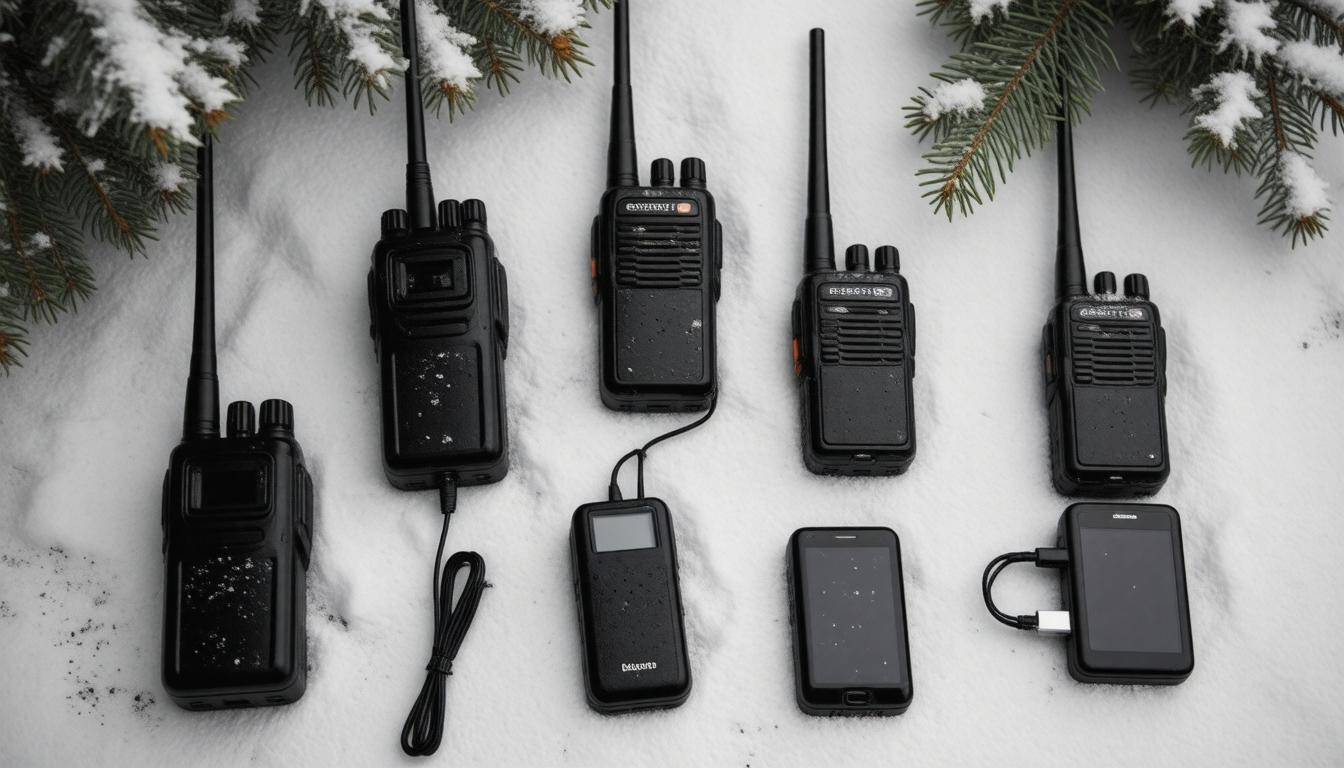
The winter season can be unpredictable, and in Michigan, sudden blizzards can leave you cut off from the outside world. This is why investing in reliable emergency communication devices is crucial for any winter preparedness kit. By having these options at your fingertips, you can stay connected with family and friends or even coordinate with neighbors for assistance, alleviating some of the stress that comes with unexpected situations.
Effective communication is essential during emergencies for receiving updates or calling for help.
-
Two-way radios: Perfect for short-range communication when phone lines may be down. They operate independently of cell service, ensuring you stay connected with others nearby. Invest in quality models that offer significant battery life; you want them working when you need them the most.
-
Solar chargers: When the power goes out, keeping your devices charged is vital. Solar chargers provide a sustainable way to maintain your communication tools without relying on traditional electricity sources. They’re compact and easy to store, making them excellent additions to your survival kit.
-
Emergency contact card: Write down a list of crucial contacts including family members and local authorities and stash this card somewhere easily accessible. In case your phone dies or service isn’t available, having a written list ensures that you’re not scrambling during a tense situation.
To underscore the importance of being prepared with these devices, consider Sarah, a Michigan resident who found herself in an intense blizzard last winter. With her two-way radio, she communicated effectively with her neighbors, coordinating much-needed supplies when power outages made regular phone services unreliable. It was a stark reminder of how vital effective communication can be in times of need.
While communication is critical, staying warm and dry is just as important. Therefore, ensure your preparedness kit includes everything necessary to face the cold while remaining connected.
Clothing and Protection Against Michigan’s Cold
Michigan winters are brutal, with temperatures plummeting well below zero. Proper clothing can mean the difference between enjoying the beauty of a snowy landscape and suffering through bone-chilling discomfort.
Layering Basics
One crucial aspect of winter attire is layering. Opt for multiple layers of warm, moisture-wicking clothing: start with a base layer that hugs your body snugly. This layer needs to be made from synthetic materials or merino wool since they both effectively wick moisture away from your skin, keeping you dry.
Your insulating layer should consist of fleece or down material providing warmth trapped by still air pockets. Finally, add an outer waterproof shell—a durable jacket that protects you against harsh winds, snow, and rain—essential to seal in warmth!
The key to effective layering is that each layer should be easy to remove or add as temperatures fluctuate throughout the day.
Key Clothing Items
To truly survive winter’s icy grip in Michigan, there are essential items you shouldn’t overlook:
-
Thermal underwear: This is your first line of defense against the cold. Look for thermal tops and bottoms that ensure moisture control; they keep you warm without overheating. Choose styles that fit comfortably under your regular clothes.
-
Insulated gloves and socks: Protect your extremities! Frostbite can sneak up on you quickly during extended exposure to cold weather, making insulated gloves vital for maintaining hand warmth while allowing you enough dexterity for tasks like driving or using a smartphone. Likewise, ensure the socks are thick and made from high-quality materials to avoid cold toes.
-
Waterproof boots: To keep your feet dry from snow and ice, invest in good waterproof boots with thermal insulation. Make sure they have non-slip soles; this is important as icy sidewalks can be deceptively treacherous.
However, preparing your car is equally important as preparing your home; ensuring essentials are stocked for travel will further enhance your safety this winter season.
Emergency Equipment for Cars
When winter storms hit Michigan, it’s crucial to keep emergency equipment stored in your vehicle. Think of it as an insurance policy against the unpredictable nature of snowstorms. Not only does having essential gear ready provide peace of mind, but these items could also be life-saving if you find yourself stranded.
Car Essentials
Start with the basics: a snow shovel and ice scraper are indispensable. Clearing snow from your vehicle and the surrounding area can prevent accidents and help you regain visibility. A reliable shovel allows you to dig out any snow that may have piled under your tires or around your exhaust pipe—an easy task that may save you hours.
Having blankets and hand warmers on hand is another smart move. If you do get stuck, staying warm is vital to avoiding frostbite or hypothermia. The blankets can wrap around you while waiting for help, and hand warmers will add extra heat, especially useful when temperatures plunge. Imagine being able to cozy up even when stranded; it could lift your spirits during what might otherwise be a stressful situation.
Additionally, consider carrying cat litter or sand for traction. If you’ve ever experienced that sinking feeling as your tires spin helplessly in the snow, you’ll understand why this simple yet effective solution comes in handy. Spreading a bit of cat litter or sand under your tires can often provide just enough grip to get moving again.
Don’t forget about jumper cables—a must-have if your battery dies unexpectedly due to extreme cold. In icy weather, battery performance suffers. Having a jumper cable could be the ticket to getting back on the road quickly and safely.
Finally, pack road flares or reflective triangles for signaling assistance. Should you find yourself crippled by a snowstorm, visibly alerting passing drivers or emergency responders increases your chance of getting help swiftly. It’s essential to stay visible, especially when conditions are less than ideal.
As you gather these essentials for your vehicle, it’s also important to ensure that your home is prepared for severe weather challenges that accompany winter storms. Let’s explore some proactive ways to safeguard your living space against unpredictable winter conditions.
Home Safety Tips During Severe Weather
A well-prepared home not only keeps you warm but also protects you from the unpredictable nature of Michigan winters. The first step in safeguarding your home is to examine your heating system. It’s crucial to ensure that your furnace and any other heating equipment are functioning properly, especially as the temperature plummets. Scheduling a maintenance check before winter arrives can help prevent breakdowns when you need heat the most.
Don’t forget about the insulation as well; insulating walls, windows, and doors can significantly reduce heat loss, keeping your living space cozy and energy-efficient.
Beyond heating, attention must be given to safety detectors in your home. Check both smoke and carbon monoxide detectors regularly to ensure they are operational. Having backup batteries readily available is a smart move because the last thing you want to worry about during a blizzard is whether your safety devices are working correctly. Remember that in situations where power outages are imminent, these detectors become even more critical.
It is essential to replace batteries at least twice a year; a simple reminder can be aligned with changing the clocks for daylight saving time.
Emergency Kits Ready
An emergency kit is another pillar of preparedness that should be at the forefront of your mind. Equip your kit with essentials like bottled water, non-perishable food items, and blankets. Moreover, don’t forget tools like a flashlight with extra batteries or candles, which can provide light during those dark winter nights when power may be lost.
Additionally, make sure to include first-aid supplies, as winter accidents can happen more frequently with icy conditions. From minor cuts to sprains from slipping on ice outside, being equipped for emergencies ensures that you’re never left unprepared.
As an anecdote illustrating the effectiveness of preparedness, I once spoke with a family who had prepared an emergency kit just days before a snowstorm struck their area unexpectedly. Not only were they able to make use of flashlights and food supplies without needing to venture out into the horrendous weather, but they also stayed calm knowing they were ready for anything.
Having essential preparedness items allows you to navigate through severe weather without panic or stress. Moreover, understanding what battery-operated tools can keep you secure during these harsh conditions will further enhance your level of readiness.
Battery-Powered Essentials
In the heart of a winter storm, there’s nothing more unsettling than losing power. Battery-powered essentials become your best friends, transforming what could be a chaotic experience into a manageable one.
Let’s explore the basic but crucial items you should have at hand, ensuring you stay safe and comfortable, even when the wind is howling outside.
First on the list is a battery-operated fan. It may sound odd to have a fan during the winter, but hear me out: it can serve as an alternative heating source if utilized correctly. When you combine a battery-operated fan with a heat source, like a space heater or even candles, you can circulate warm air around your room, making it feel cozier. This simple tip is invaluable for maintaining warmth, especially in larger spaces where heat can easily dissipate.
Next up are portable battery packs. These are essential not only for charging phones and tablets that keep you connected to loved ones and relevant information but also for powering up devices like radios or flashlights. Imagine being blindsided by the storm and losing your connection to the world. Having multiple charged devices gives you peace of mind; prioritize investing in high-capacity portable chargers so that they’ll last through several days without power.
Battery-Powered Lanterns
Let’s talk about lighting because it plays a significant role in your safety during a power outage. Battery-powered lanterns are indispensable; they provide longer-lasting light than traditional candles, minimizing fire risk and ensuring visibility in dark homes. Lanterns with LED bulbs use far less energy while offering options such as adjustable brightness settings. This versatility allows you to use them for everything from reading to general illumination to camping.
A well-lit environment can prevent accidents and allow for better communication within your household, reducing stress levels when everyone is confined indoors.
The importance of these battery-powered items cannot be overstated; they not only provide comfort but also create a secure atmosphere amid the chaos outside. Transitioning towards protective attire will ensure you remain warm and insulated throughout winter’s challenges.
Layered Clothing and Insulation
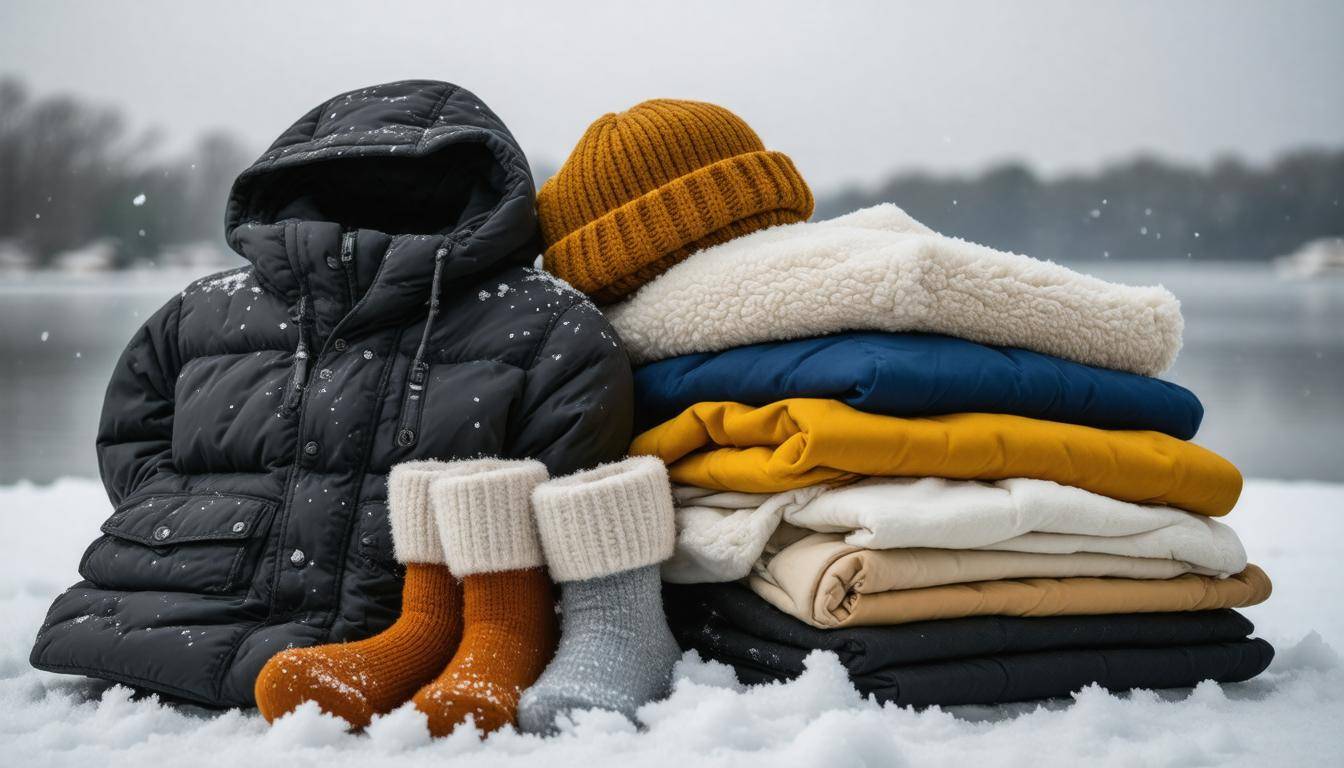
Proper clothing can indeed be the difference between comfort and danger when winter weather strikes. Think of it this way: during a Michigan blizzard, the last thing you want is to be caught unprepared, shaking in your boots—literally! The cold can seep through inadequate clothing like a thief in the night, stealing away your warmth. Layering your clothing not only provides additional insulation but also allows you to adjust for ever-changing temperatures throughout the day.
Benefits of Layering
Layering traps body heat more effectively, helping to maintain a consistent temperature as you navigate through the cold outdoors. When you’re out shoveling snow or trekking through tall drifts, you may find yourself sweating one minute and shivering the next. By utilizing layers, you can adapt to these shifts simply by adding or removing clothing as needed. It’s about embracing flexibility—you’re not just dressing for the cold, but for activity levels as well.
So how do you effectively layer your clothing? Let’s break it down into three essential parts.
How to Layer
First comes the base layer, which is vital for moisture management. Avoid cotton here; instead, opt for moisture-wicking fabrics like merino wool or synthetic materials that keep sweat away from your skin. This ensures that even if you do work up a sweat, it won’t linger against your body and create a chilling effect once you stop moving.
Then we transition to the middle layer. This insulating layer is where you really help trap heat. Materials like fleece or down are excellent choices because they provide warmth without adding excessive bulk. You want to feel comfortable moving around while also shielding yourself from the bitter chill.
Finally, don’t overlook the outer layer: this is your fortress against wind and water. Waterproof and windproof shells are critical; these should fit snugly over your other layers without restricting movement. These protective shells help keep out biting winds and snow while allowing some breathed air to escape so that you don’t feel stifled.
By following these guidelines closely, you can ensure every outing remains warm and safe no matter how fierce the Michigan winter storms become.
When properly equipped with layered clothing, you’ll be ready to tackle any blizzard that might come your way. Staying warm and dry is essential for enjoying winter’s beauty while ensuring safety in harsh conditions.