
In Micronesia, the gentle lap of waves against the shore is now fraught with tension as rising sea levels threaten not just the land but the very essence of community life. Imagine waking up to find your familiar landscape shifting under the relentless tide, each wave washing away memories and traditions built over generations. It’s a stark reality faced by many residents who are witnessing firsthand the impacts of climate change on their homes, resources, and future. This article dives into the challenges posed by rising waters in Micronesia and highlights an innovative response—the Micronesia Rising Sea Levels Adaptation Kit—designed to support communities in navigating these changes and preserving their way of life. Together, we’ll explore how these kits aim to transform vulnerability into resilience for those living on these beautiful yet precarious islands.
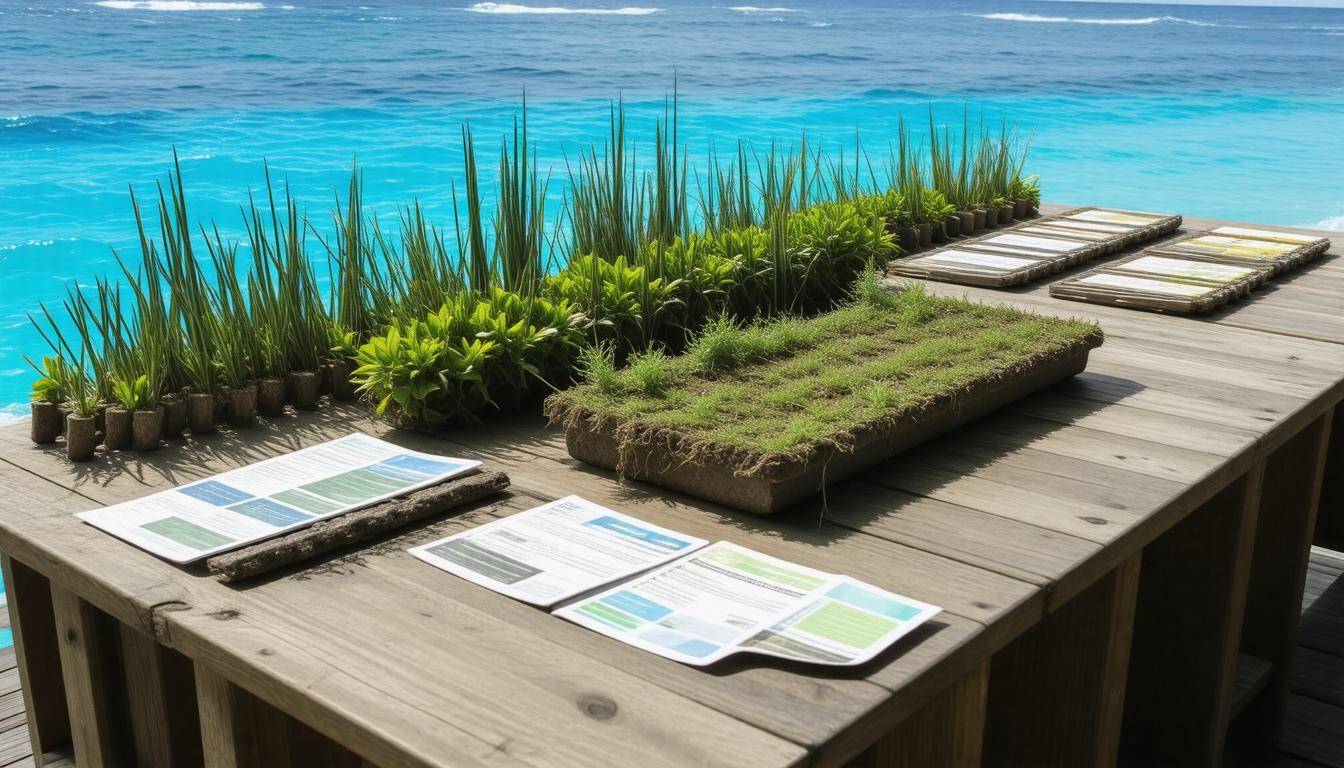
The Micronesia Rising Sea Levels Adaptation Kit includes resources and tools designed to help communities in Micronesia develop effective strategies for adapting to the impacts of climate change, particularly rising sea levels. It may feature guidelines on constructing resilient infrastructure, preserving vital ecosystems like mangroves, and engaging local stakeholders in conservation efforts to enhance community resilience.
Rising Sea Levels and Micronesian Communities
Across the serene vistas of Micronesia, the gentle waves that once provided solace are now rising with increasing ferocity, reshaping daily life in alarming ways.
Many residents of Pingelap Island witness their homes increasingly threatened by encroaching tides. For over 140 inhabitants, this means more than just property loss; it speaks to a gradual erasure of their way of life and heritage. As Skylar Clark from Pohnpei reflects, seeing his childhood memories become submerged under water paints a vivid picture of loss that is both emotional and tangible.
Impact on Daily Life
Regular flooding has transformed the rhythm of living in many Micronesian islands. Families are forced to adapt as higher tides and erratic storm surges become a norm rather than an exception.
Groundwater contamination, particularly in the outer islands of Chuuk, underscores the severity of this issue. Saltwater intrusion not only compromises drinking water but threatens health and well-being within close-knit communities that depend heavily on their environment to thrive.
“We can no longer rely on our wells,” one local elder lamented. “It’s as if we have lost not only our land but our connection to nature.”
This change creates a cascade of consequences that echo through the community. With limited access to safe drinking water, families face hardship, seeking solutions that often don’t exist in their small geographic and economic landscape. The necessity for clean water highlights urgent adaptation needs while emphasizing the vulnerabilities that climate change can exacerbate.
Economic Consequences
Alongside the disruption to daily routines, rising sea levels deal heavy blows to the local economy built upon fishing and agriculture. Coastal erosion diminishes available arable land, directly impacting food security as traditional crops struggle to survive against salty soils and unpredictable weather shifts.
As sea temperatures rise and water salinity fluctuates, fish populations—crucial for sustenance and income—face uncertain futures. Fishermen find themselves battling changes that reduce their catch sizes significantly; thus, entire communities grapple with diminishing resources.
It’s a pain echoed by many: “Our livelihood is at stake,” says another local fisherman, revealing a struggle beyond mere survival—it’s about identity, tradition, and culture intertwined with the sea.
Understanding these multifaceted challenges sets the stage for examining the broader implications on homes and natural assets that sustain life in these vulnerable regions.
Effects on Homes and Natural Resources
The impact of climate change, especially rising sea levels, is alarmingly visible in Micronesian homes. Picture the beautiful traditional residences perched atop low-lying atolls. These homes, while picturesque, are now on the frontline of the battle against nature’s fury. With each passing year, the walls of these structures shake under the pressure of increasingly frequent flooding caused by storm surges.
To illustrate this point, let’s consider Kosrae again. Imagine families watching helplessly as waves surge over their doorsteps, damaging their possessions and even threatening the very foundations of their homes. Many families have found themselves in a position of panic, frantically trying to salvage what they can before retreating further inland. This unfolding crisis begs a pressing question: should we invest in flood barriers to protect homes already anchored to the shoreline or embark on relocating entire communities?
“The discussions around relocation versus investing in infrastructure have become a heated debate among policymakers and communities alike.”
Damage to Homes
It’s not just about practicality; it’s also about preserving cultural identity. For many Micronesians, their homes are imbued with tradition and history. Relocating may seem like a straightforward solution, yet it carries implications that go beyond mere logistics. The emotional toll associated with leaving one’s ancestral home cannot be understated. Meanwhile, investing in flood protection measures may provide temporary relief but can feel like a band-aid on a much larger wound.
However, it’s not only residential spaces feeling the brunt of rising water levels; our vital ecosystems face dire threats as well.
Environmental Degradation
Imagine vast mangrove forests that have stood for centuries as guardians against storms but are now being eroded by encroaching tides. These vital ecosystems serve as natural defenses that protect coastal areas from severe weather events while nurturing biodiversity. A recent report by the U.S. Geological Survey highlights alarming statistics: mangroves in Pohnpei are deteriorating rapidly due to accelerated sea-level rise. As these natural fortresses diminish, they don’t just vanish; they take with them critical wildlife habitats and reduce essential storm protection for populated areas.
In addition to mangroves, coastal ecosystems such as coral reefs and seagrass beds play an indispensable role in marine life preservation and coastal health. Coral reefs act like underwater cities, providing necessary shelter for countless species while getting battered by warming waters and rising seas.
“Without these natural resources functioning optimally, we risk losing both biodiversity and buffer zones against powerful ocean forces.”
The degradation of these natural barriers amplifies vulnerability and presents a cascading array of issues for local fisheries and food security. The rich marine life that thrives within these environments is interconnected with community welfare—less fish means less food and livelihood.
Given these widespread effects, adaptation kits emerge as vital tools in mitigating the consequences of rising sea levels, offering communities various strategies to safeguard their homes and precious ecosystems alike. As we continue exploring this topic, it’s important to examine how these kits function and their role in creating sustainable solutions.
Introduction to Adaptation Kits
Adaptation kits are carefully thought out packages that serve as lifelines for communities grappling with the consequences of climate change. These kits contain a variety of resources designed to address specific environmental needs, enabling individuals and groups to effectively prepare for and respond to climate-related impacts. By marrying practicality with sustainability, these kits can play a critical role in helping communities like those in Micronesia face the looming threats of rising sea levels.
Within each adaptation kit, you will typically find essential tools and resources tailored to the unique climate challenges experienced in each environment. For instance, they may include items such as sandbags, instrumental in constructing temporary seawalls, or geotextiles that aid in erosion control. Each component adds up to create a more robust defense against climate challenges. They provide immediate relief during crises while also encouraging long-term strategies for community resilience.
Purpose of Adaptation Kits
The primary focus of these kits is to bolster the resilience and adaptability of local communities. They serve as both safety nets and blueprints for sustainable living in the face of escalating climate risks. While many components offer instant solutions—like water purification systems for ensuring access to clean water after flooding—others lay the groundwork for future sustainability through techniques such as sustainable farming practices and practical land use planning.
Such diversified strategies contribute not just to survival but also to rejuvenation. When communities adopt sustainable methods of living and resource management, they can emerge from climate events more robust than before. This holistic approach elevates mere survival into thriving communities.
Understanding the individual elements within an adaptation kit demonstrates their significance even further.
Typical Contents of an Adaptation Kit
Generally speaking, you can expect an adaptation kit to include several vital elements. At the heart of this package are resources that directly impact everyday life, extending beyond immediate disaster response. For instance, adaptive farming tools enable residents to cultivate resilient crops better suited for changing climates, while educational materials advise best practices tailored specifically for local conditions.
- Water Purification Systems: Essential for maintaining a safe drinking supply.
- Sandbags and Geotextiles: Tools for building temporary walls against surges.
- Emergency Shelters: Quick setups that provide safe havens during extreme weather.
- Sustainable Farming Resources: Guidance on planting crops that can withstand harsher climates.
- Training Programs: Workshops aimed at educating community members about effective responses.
This comprehensive collection encapsulates both immediate action plans and forward-thinking strategies designed to enhance community resilience over time.
Adopting a proactive approach using adaptation kits prepares communities and fosters a collective spirit that brings people together during challenging times. Armed with these well-rounded tools, communities can collaborate towards a safer, more sustainable future despite the uncertainty posed by climate change.
As we explore the specific elements included in these kits, it will become clear how each contributes to enhancing community resilience against environmental threats.
Key Components of the Kit
One of the most crucial aspects of adaptation kits is their focus on providing immediate, tangible resources that can make a significant difference in times of crisis. The first component is the Water Filtration System. This system effectively filters out 99.9% of bacteria and viruses, ensuring access to safe drinking water for communities, particularly when groundwater becomes contaminated by saltwater intrusion caused by rising tides. Imagine the relief families feel knowing they have clean water at their fingertips during emergencies; clean water can be a matter of life or death.
Following water security, the next essential element is Emergency Shelters. As storms become more frequent and severe, the need for safe havens increases dramatically.
These emergency shelters are designed to provide temporary housing solutions during weather events that might otherwise put lives at risk. Each kit includes materials robust enough to build temporary shelters for groups of up to ten individuals. They can withstand harsh environmental conditions when maintained properly, offering not only protection but also a sense of community solidarity during hardships.
But physical protection isn’t where it ends; adequate food sources are vital too, which brings us to the third key element: Agricultural Toolkits.
These toolkits come equipped with seeds tailored for salt-tolerant crops, ensuring that even amidst changing soil conditions, communities can grow their own food. Coupled with tools for sustainable farming practices, these kits allow residents to maintain food security despite ongoing climate challenges. They become empowered farmers rather than solely relying on external aid during crises—a shift towards self-sufficiency that fosters resilience over time.
Additionally, Building Materials form another critical facet of the adaptation kit, providing practical resources for protecting homes from flooding.
Supplies such as sandbags and waterproof tarps can significantly reduce damage during inundation events. These materials are easy to deploy and set up quickly in preparation for impending storms, safeguarding not just individual homes but entire neighborhoods. Communities benefit when they pull together to utilize these materials efficiently—it’s not just about personal safety; it’s about collective resilience.
Lastly, let’s highlight an often-overlooked aspect: Information and Training Manuals, which serve as a foundation for community preparedness.
These manuals offer comprehensive guides covering everything from disaster preparedness strategies to first aid techniques and community planning resources. Armed with this knowledge, community members can act swiftly and effectively during emergencies—creating a well-informed populace capable of making informed decisions that balance traditional practices with modern strategies.
While these kits provide critical support systems in an evolving climate, integrating them with local knowledge enhances overall community resilience against future challenges. This approach opens avenues for exploring how contemporary innovations harmonize with age-old wisdom in addressing pressing climate issues.
Combining Modern and Indigenous Methods
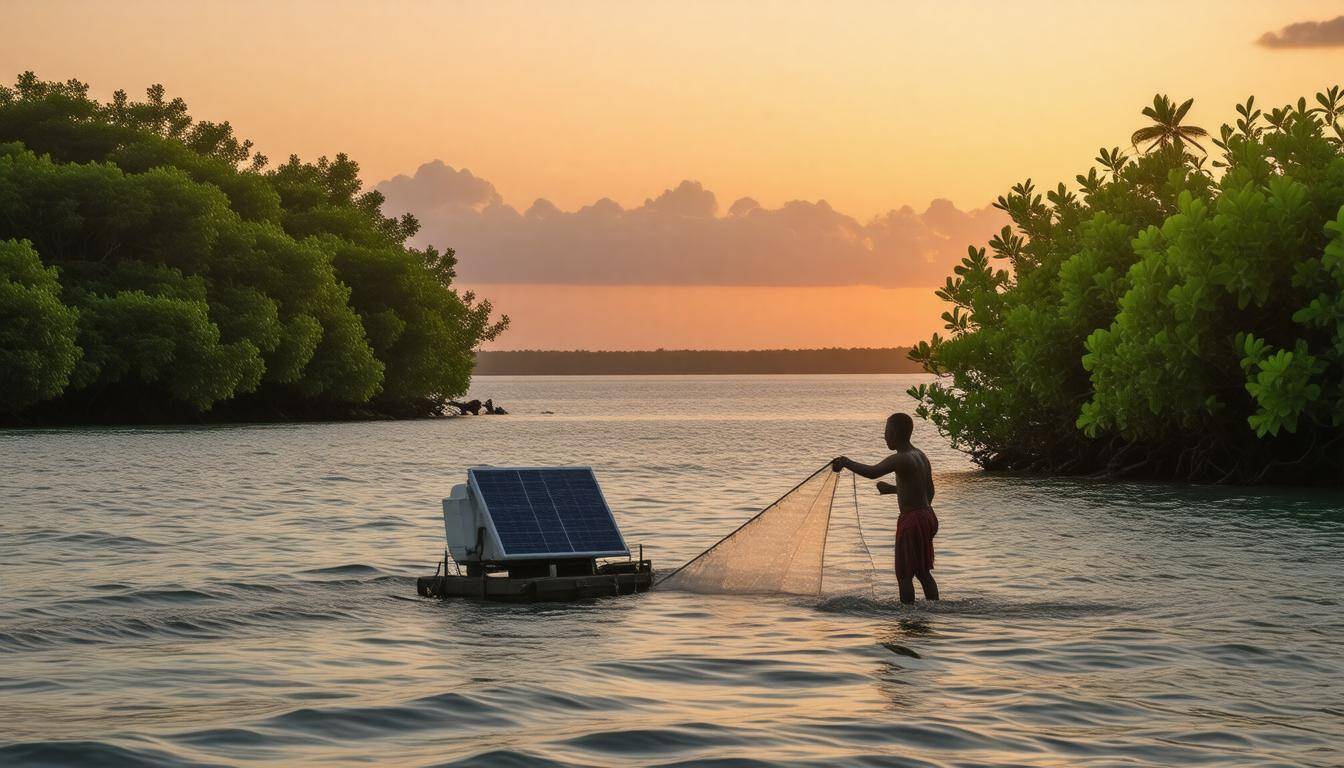
Indigenous knowledge has undoubtedly served as a linchpin for resilience, guiding communities through generations of environmental changes. This invaluable insight reflects a deep understanding of local ecosystems, which is just as critical today as it was centuries ago. When we visualize this unique blend of knowledge, think of it as a tree with roots deeply embedded in tradition—strong enough to weather time and storms—and branches that reach outward, exploring new heights and opportunities. The combination of these two elements creates holistic solutions that encourage thriving livelihoods and sustainable practices.
Integrative Approaches
Take for example the innovative approach of blending traditional architecture with modern engineering; this involves building homes elevated on stilts, inspired by ancestral designs. Such structures not only celebrate cultural identity but also provide an effective shield against flooding. Simultaneously, incorporating modern flood barriers creates a dual-layer protection strategy that strengthens community safety against rising tides.
Imagine a small island community where traditional canoe crafting meets modern sailing techniques. On Yap Island, artisans are embracing both ancient carving methods and durable contemporary materials to construct more resilient vessels. These boats allow residents to navigate changing water conditions while honorably preserving their cultural heritage.
This synergy between old and new promotes not just practical solutions but enhances community cohesion. When families work together on projects combining indigenous practices and modern technology, they strengthen relationships and foster a shared sense of purpose.
Moreover, by integrating different techniques—including indigenous agroforestry methods with sustainable agriculture—communities have reported a 50% increase in biodiversity compared to monoculture systems. This interlocking approach cultivates both a rich ecosystem and sustainable food sources.
Every effort to unite these methodologies contributes to developing flood-resilient infrastructures while fostering community unity, reinforcing the foundation needed to tackle climate change challenges effectively.
Designing Flood-Resilient Homes
When it comes to designing flood-resilient homes, the first hurdle is addressing the undeniable fact that our coastal areas are increasingly vulnerable to flooding. Therefore, careful planning and execution become essential. One of the most effective ways to combat this threat is through elevated foundations.
Homes built on stilts or raised platforms can significantly reduce the impact of flooding, allowing them to withstand storms without sustaining damage. Elevating a home by at least one meter above the highest recorded flood level provides an important buffer against encroaching waters.
Picture a house standing proudly above turbulent waves—this simple method can literally be the difference between despair and security.
Then, there’s the choice of waterproof materials. Selecting construction elements that can endure prolonged exposure to water is a critical strategy. This means opting for materials like concrete, treated wood, and fiberglass for walls and flooring.
Not only do these materials withstand heavy rainfall and potential floodwaters, but they also resist decay over time, maintaining structural integrity long after construction. Think of it like preparing your favorite dish: using fresh ingredients leads to a more satisfying meal—similarly, high-quality materials lead to stronger, long-lasting homes.
While elevating homes and using durable materials effectively aids in adaptation, it’s equally important to consider flexible utilities. By installing electrical systems higher up and utilizing flexible piping for plumbing, homeowners mitigate potential damage during floods. Flexible systems allow for movement and prevent breaks or leaks from causing further issues when faced with unforeseen calamities.
An inspiring example comes from Palau, where architects experiment with floating homes that can rise and fall with the water levels. These innovative designs pivot between the land and sea, adapting gracefully to changing environments rather than resisting them outright. They embody a creative solution that could redefine how we think about housing in flood-prone areas.
Incorporating these practices into community planning and broader collective strategies will truly enhance resilience in the face of climate change challenges. As we turn our focus to community-level responses, understanding how these efforts can create environments that support sustainable living becomes paramount.
Building Sustainable Communities
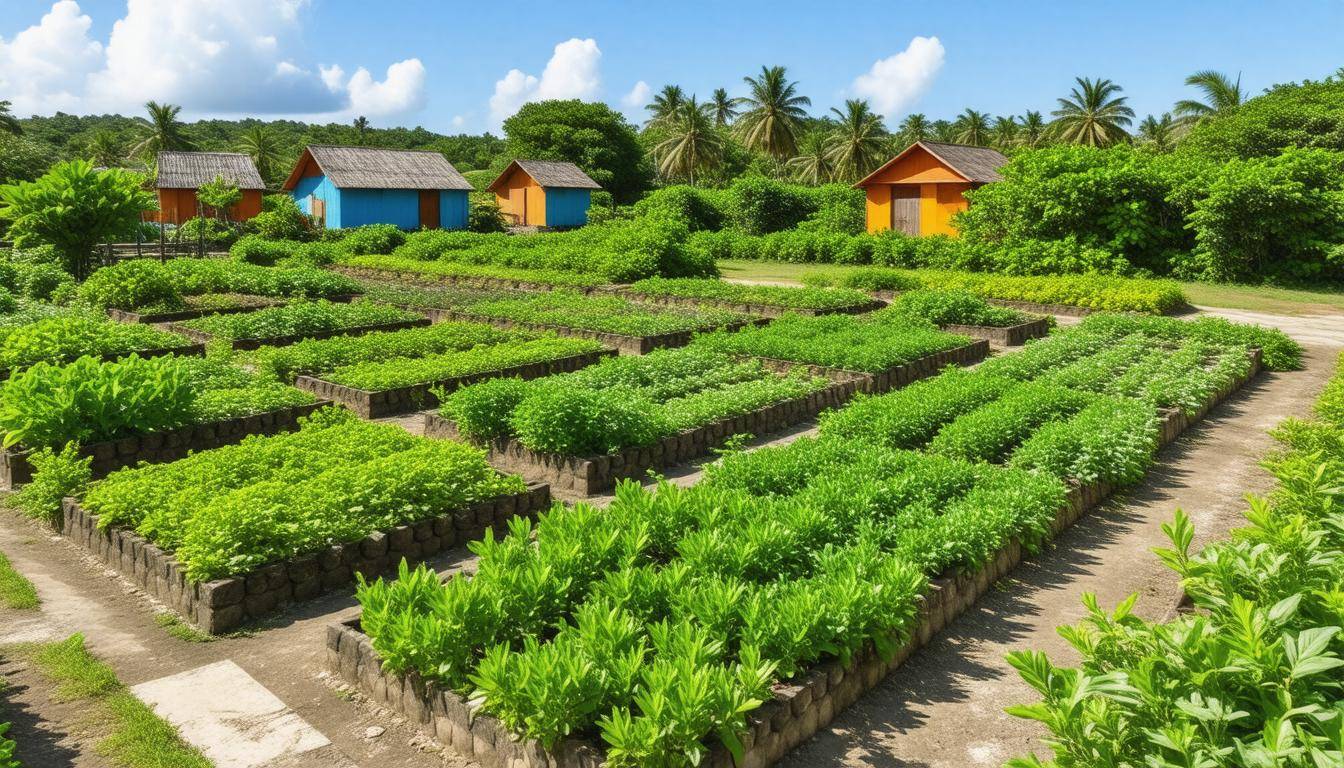
Sustainability should be a key consideration in every community’s response to rising sea levels, affecting not just individual wellbeing but the collective future of entire neighborhoods. It requires that residents come together not only to safeguard their homes but also to protect the environment that sustains them. When people work hand-in-hand, they can foster an ecosystem where both the community and natural resources thrive simultaneously.
Community-Level Actions
One effective strategy begins with zoning regulations. Implementing strict zoning laws can help prevent construction in areas particularly vulnerable to flooding and erosion. This precaution safeguards properties and minimizes risks related to extreme weather events. By directing growth towards safer zones, local governments can ensure the longevity of their built environments while protecting against potential hazards linked to climate change.
However, it doesn’t stop here; restoring natural ecosystems plays a crucial role as well.
Green infrastructure is another integral component of sustaining communities against rising sea levels. Enhancing natural defenses by rehabilitating mangroves and coral reefs provides protection against floods and fosters biodiversity. These ecosystems serve as buffers that absorb storm surges, reducing the intensity of flooding and erosion. Initiatives focused on planting trees, restoring wetlands, and bolstering marine life are fundamental ways communities can actively engage in environmental stewardship while safeguarding their shores.
Having established robust natural defenses, it’s vital we transition towards long-term sustainable energy solutions.
Incorporating renewable energy into community planning plays an equally important role in combating climate change. By encouraging the use of solar panels and harnessing wind energy, communities can drastically reduce their carbon footprint. This approach not only curtails emissions but also encourages self-sufficiency in energy production, making them less vulnerable to rising fuel prices or supply chain disruptions. Residents who invest in renewable energy create opportunities for local jobs while becoming champions for environmental health.
In some Micronesian islands, forward-thinking leaders have initiated projects like solar-powered desalination plants to address water scarcity sustainably—ensuring there’s enough clean water while minimizing reliance on traditional, environmentally damaging methods.
To maximize these sustainable efforts, collaboration within the community is paramount.
All these strategies require active participation from residents, local businesses, and governance bodies working in tandem toward a shared vision of sustainability. A holistic approach that involves everyone—from families to local organizations—can increase awareness and lead to effective implementation of initiatives aimed at combating climate challenges. By sharing knowledge and resources, communities can grow stronger while becoming eco-friendly advocates for generations to come.
As we explore further, the focus will shift towards actionable strategies that effectively bring these concepts to life.
Implementing Adaptation Strategies
Effective implementation of adaptation strategies is not merely about having a plan; it’s about engaging various stakeholders in a concerted effort towards sustainability. Involving the community is crucial because it not only brings local knowledge into play but also ensures that the adaptations resonate with the residents’ needs and cultural practices. When the people of Chuuk, for example, hold town meetings, they are not just discussing plans but fostering ownership over their future. This community involvement builds a sense of unity and purpose, which is vital in times of change.
But community engagement alone isn’t enough; it must be complemented by financial support to turn ideas into reality.
Securing funding is essential for successful adaptation measures. Without adequate resources, even the best-laid plans may falter. Local governments often navigate limited budgets, which is where international non-governmental organizations (NGOs) come in. They provide grants and material support that can significantly bolster local efforts—transforming theoretical solutions into tangible actions that benefit communities facing climate threats.
By prioritizing funding and resources, communities become empowered to pursue innovative solutions that directly address their unique geographical and social landscapes.
Moreover, as important as these structural supports are, knowledge and skills form an integral layer of effective adaptation strategies.
Education and training are fundamental aspects of preparing communities to deal with impending climate challenges. For instance, workshops focused on sustainable farming techniques offer residents new ways to maintain food security even when traditional methods become unfeasible due to rising sea levels. This proactive approach equips individuals with practical skills that can make significant differences in their daily lives.
Furthermore, to ensure that these adaptive measures continue to be relevant and effective, ongoing evaluation is critical.
Continuous monitoring enables communities to assess the effectiveness of the strategies implemented. Regular assessments, such as ongoing flood impact surveys conducted in Kosrae, help determine what works and what doesn’t under changing environmental conditions. Adjusting these strategies based on empirical evidence allows for flexible responses to evolving challenges. By incorporating feedback loops into planning processes, communities remain resilient and responsive.
To achieve these multifaceted goals successfully, collaboration is key. Working alongside local leaders, NGOs, and government bodies ensures that all adaptation efforts are culturally appropriate and scientifically sound. By weaving together local insight with technical expertise, Micronesia can chart a sustainable future amidst the uncertainty of rising sea levels.
Implementing robust adaptation strategies touches every facet of community life—from ensuring economic stability to preserving cultural heritage—proposing a coordinated response that addresses both immediate concerns and long-term viability against the backdrop of climate change.
Each action taken today lays the foundation for a safer tomorrow as Micronesia faces rising sea levels head-on.