
In an unpredictable world full of challenges, being prepared is more than just a smart idea—it’s a necessity. For the residents of Milan, facing potential emergencies like floods, earthquakes, and civil disturbances is part of urban life. Many people may feel overwhelmed at the thought of what to do when disaster strikes, but you don’t have to be. The good news is that by understanding your city’s resources, creating an emergency plan, and being part of community efforts, you can make all the difference in staying safe during tough times. This guide will walk you through essential steps to create your own Urban Emergency Survival Plan, joining a growing movement towards preparedness that has become increasingly critical in Milan today. Let’s dive in!
The Milan Urban Emergency Survival Plan includes essential preparedness measures such as familiarizing yourself with the city’s public transportation system, downloading vital apps for navigation and emergency services, and maintaining an emergency kit with necessary supplies. It emphasizes the importance of knowing key transportation hubs and resource management to enhance safety during various crises, including natural disasters or civil disturbances.
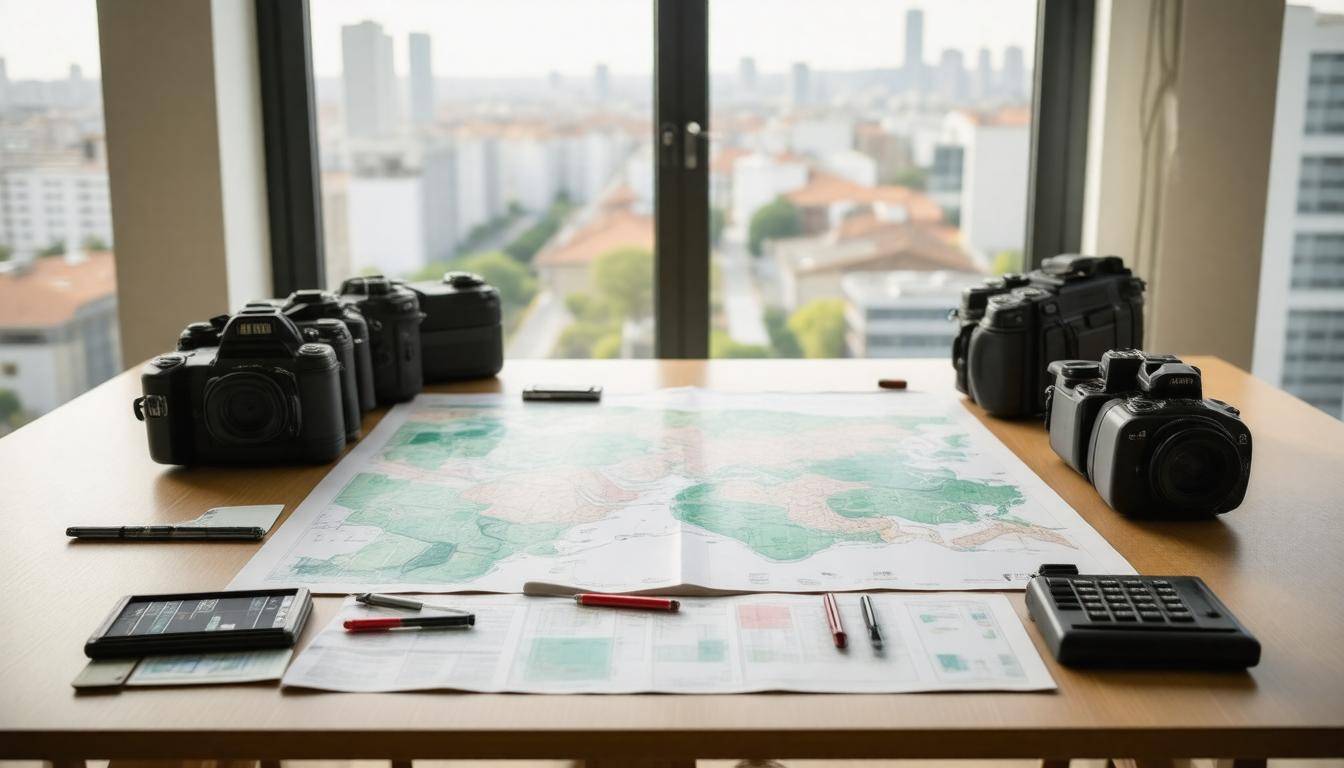
Purpose of the Milan Urban Survival Plan
At its core, the primary goal of the Milan Urban Survival Plan is to empower residents with the knowledge and tools they need to navigate unexpected crises. Whether it’s a natural disaster like an earthquake, a medical emergency that requires quick action, or civil disturbances that could disrupt daily life, the plan lays down clear protocols. Knowing what to do when chaos strikes can alleviate fear and instill a sense of control—something we all crave during tough times.
This initiative became particularly relevant after findings from a 2023 survey indicated that 65% of Milanese residents felt unprepared for large-scale emergencies. In practical terms, this means that many individuals do not know how to respond to events that could threaten their safety and well-being. The survival plan addresses these concerns head-on by offering structured guidelines designed to be both accessible and actionable.
“I was one of the many left scrambling during the last flood,” says resident Giulia Bianchi. “Having a clear plan would have made a huge difference.”
Giulia’s experience illustrates just how vital clarity and preparation are. The 2024 flood taught many lessons about the unpredictability of natural disasters, and having ready-made resources can significantly reduce panic during such events. The survival plan includes essential components like evacuation routes clearly marked, emergency contacts readily available through downloadable apps, and basic survival tips that anyone can understand—even under stress.
Furthermore, consider the advantages a community can gain from engaging with this plan at a grassroots level. Community drills and workshops are part of this initiative because they cultivate a culture of preparedness rather than fear. Imagine a neighborhood coming together to practice what they might do in case of an emergency—people sharing tips and experiences—strengthening bonds while also fortifying their collective readiness.
The Milan Urban Survival Plan aims to create informed citizens who aren’t just aware of potential risks but actively engaged in mitigating them. By fostering public awareness campaigns and educating residents on emergency protocols, Milan takes significant strides toward creating a resilient urban environment capable of weathering unforeseen challenges.
As we explore the critical aspects that put residents at risk in urban settings, understanding how to address these vulnerabilities becomes essential for community resilience.
Identifying Urban Threats in Milan
Milan, a vibrant urban hub, finds itself vulnerable to various potential threats that can significantly disrupt daily life and pose dangers to its inhabitants. These threats span from natural disasters such as floods and earthquakes to man-made crises like civil disturbances and public health emergencies. Recognizing these threats is the first step toward mitigating their impact and safeguarding the community.
Recent assessments indicate that parts of Milan are prone to flooding, primarily due to its geographical positioning. Specifically, the city lies within areas expected to flood every 25 years, impacting both residential zones and crucial transportation systems. While not as frequent, earthquakes present another concern, given Milan’s proximity to several fault lines. The potential for seismic activity reminds residents of the need for continuous vigilance and emergency preparedness.
But it’s not just natural disasters that demand our attention.
- Flooding
- Earthquakes
- Heatwaves
- Medical emergencies
- Civil disturbances
During the summer months, extreme heatwaves have become increasingly common. For instance, reports from the 2022 heatwave noted temperature surges exceeding 40°C (104°F), leading to a sharp increase in heat-related illnesses such as heatstroke.
In addition to weather-related challenges, urban unrest has risen in frequency, with protests periodically disrupting everyday life in Milan—underscoring the importance of having robust strategies in place for such events.
Having identified these urban threats, it becomes essential to focus on creating an effective emergency response plan that will prepare individuals and families for any situation they may encounter.
Assembling an Emergency Kit

An emergency kit is not merely a box of supplies; it’s a lifeline during critical moments when access to resources may be limited. Your kit should equip you with the essentials needed to support yourself and your loved ones for at least three days, ensuring that you’re ready for any situation that could arise.
Essential Items
For an effective emergency kit, focus on gathering key supplies that address both basic needs and specific emergencies. Start with non-perishable food: think energy bars, canned goods, and dried fruits—items that are nutritious yet don’t require refrigeration or cooking. Pair this with at least two liters of water per person per day, ensuring hydration is prioritized during crises. When it comes to medical needs, include a first aid kit stocked with adhesive bandages, antiseptic wipes, gauze pads, and any necessary prescription medications.
The importance of being prepared cannot be overstated; having these essentials readily available can significantly enhance your ability to respond effectively.
To navigate in low-light situations, incorporate a high-quality flashlight along with extra batteries into your kit. A reliable multi-tool, like a Swiss Army knife, is invaluable for various tasks and repairs you may need to manage during an emergency. Don’t overlook personal hygiene: include wet wipes, garbage bags, and sanitation products to keep yourself and your environment clean.
Practical Tips for Assembly
When creating your kit, choose a sturdy and waterproof container. This safeguards your supplies from potential water damage and makes it easy to carry if evacuation becomes necessary. After selecting your container, make a list of essential items based on your living situation and family needs—cross-check it periodically to ensure nothing vital is missing or expired.
Store the kit in an easily accessible location; having it in a dedicated space allows for quick retrieval during emergencies. Regularly update its contents by replenishing supplies that have been used or have expired; this ensures that when a crisis hits, you won’t find yourself scrambling for outdated items.
Remember this: every moment spent preparing now contributes directly to your safety later.
Leveraging Technology
City officials recommend enhancing your kit with modern solutions by integrating technology where possible. An extra battery pack will ensure that your phone remains functional during power outages—a common issue during emergencies. Additionally, keep a detailed map of Milan handy; even though electronic devices often guide us effectively, they can fail when we depend on them most.
By taking these preparatory steps seriously, you’re forming the bedrock of your emergency response strategy. An organized emergency kit transforms uncertainty into preparedness as you master navigating challenges effectively.
With the knowledge of assembling a comprehensive survival kit in place, it’s crucial to turn our attention towards how to maintain seamless communication during times of crisis.
Effective Communication Strategies
In the midst of an emergency, how you communicate can make all the difference. Crafting an effective communication strategy not only keeps people informed but also ensures that those affected know exactly what to do. The importance of both traditional and modern communication methods cannot be overstated. For example, while digital technology has transformed the way we connect, having a reliable battery-operated radio on hand can provide critical updates when internet connectivity falters. It’s all about setting multiple layers of safety nets.
Start by familiarizing yourself with essential emergency numbers like 112, which provides immediate access to emergency services throughout Europe. Keep these numbers handy; write them down and place them near your phone or store them in an easily accessible contact list. Additionally, take advantage of modern tools available to you. Apps such as WhatsApp and Telegram are vital for group messaging. They allow families and communities to stay informed and coordinate responses during emergencies efficiently.
“During the last blackout, our community WhatsApp group was a lifesaver for coordinating help and sharing information.” – Marco Rossi
This quote highlights the effectiveness of using group chat applications during crises, showcasing the power of quick communication that gets everyone on the same page.
Furthermore, don’t overlook the value of social media as a powerful tool for disseminating information. With around 70% of Milan’s population utilizing messaging apps, tapping into those platforms can enhance overall awareness during emergencies. Local governments often use social media channels to spread news about emergencies quickly, providing updates on shelters or evacuation routes in real-time. Knowing how to harness these platforms can ensure timely information reaches those who need it most.
Here are some effective strategies for maintaining clear communication during emergencies:
- Establish a family communication plan outlining how you will check in with each other during and after emergency situations.
- Designate a meet-up location where family members should go if separated.
- Utilize hashtags relevant to your local area—like #MilanEmergency—on social media to track breaking news and updates from reputable sources.
Once you’ve developed a solid communication framework, your next step involves understanding safe havens in times of crisis to ensure everyone’s security and well-being.
Designated Safe Locations and Shelters
Safe locations and authorized shelters are pivotal lifelines during an emergency for residents of Milan. It’s not just about having a roof over your head; these spaces can provide essential resources including medical assistance, food, and even a sense of community during stressful times. Knowing the designated shelters can alleviate some anxiety, making you feel prepared before disaster strikes.
| Shelter Name | Location | Capacity | Facilities |
|---|---|---|---|
| Parco Nord Shelter | Milano, via XX Settembre | 200 people | Medical, food, sleeping areas |
| Centro Shelter | Centro Storico, via Roma | 150 people | Medical, food |
| Scuola Shelter | Navigli, via Genova | 300 people | Basic amenities |
As seen in the table above, each shelter is designed to accommodate a considerable number of people while offering various facilities tailored to meet immediate needs. For example, Parco Nord Shelter has medical services on site, which could be crucial for individuals needing immediate healthcare. The Centro Shelter provides essential food supplies to ensure everyone stays nourished. Although they may seem rudimentary compared to the comforts of home, public shelters have structured support systems staffed with trained personnel who understand what’s required in emergencies.
Some might argue that personal homes offer a level of comfort that public shelters cannot match—after all, one’s own environment can be comforting amidst chaos. However, it’s important to remember that these shelters are equipped with specific resources that could be life-saving. They serve not only as a refuge from danger but also as hubs of organized aid, providing both physical safety and emotional reassurance through community connections.
While knowing where the nearest shelter is matters greatly, it’s also crucial to consider how to manage your time there effectively once you arrive.
Resource Management and Security

When it comes to surviving an urban emergency, effective resource management cannot be overstated. Establishing a strategy that incorporates both food and water rationing will ensure that supplies last during difficult times. Imagine being faced with a crisis: you open your pantry and refrigerator, only to find dwindling supplies. By tracking what you have and creating a thoughtful plan for distribution, not only can you sustain yourself, but also assist those around you. This community-oriented approach fosters mutual support and resilience.
To implement this strategy smoothly, it’s advisable to keep an inventory of supplies at home—perhaps on a simple spreadsheet or checklist pinned to your fridge door. This list should include essential items such as non-perishable food, water, first aid kits, and any other necessary supplies listed in your emergency plan. Adjusting your inventory regularly ensures you’re aware of what you have available and what needs replenishing.
This level of preparedness was exemplified during the 2023 heatwave when communities pooled their resources not merely to survive but to thrive together. As Paolo Verdi, a local resident reflected, “Collaborating with our neighbors made us feel safer. We knew we weren’t alone and could rely on each other.” This sentiment highlights the profound impact community resilience can have during crises when isolation can easily lead to despair.
However, possessing supplies isn’t enough; it’s essential to ensure everyone knows how to use them efficiently. Training can make all the difference when time is of the essence.
Education in emergency preparedness is often overlooked but serves as a vital lifeline during chaotic situations. It’s not just about having food and water; understanding how to administer first aid or navigate local transportation options can save lives. Conducting community workshops on basic first aid or evacuation plans can empower residents with knowledge that boosts confidence when facing emergencies.
Consider integrating scenario-based drills where community members practice responding to different types of emergencies, from medical crises to natural disasters. These practical exercises can be invaluable because they familiarize people with the resources available nearby while placing them in real-life scenarios that demand quick thinking and decisive action.
Overall, successful urban survival hinges on the preparation of both resources and skills within the community.
By equipping individuals with essential knowledge through workshops and drills, communities can enhance their collective readiness for whatever challenges may arise next. Let’s explore how training initiatives are designed to elevate awareness and preparedness among local residents.
Training and Educating Residents
Education and training significantly enhance the efficiency of any urban emergency plan. That’s why hosting regular workshops and drills is key to ensuring residents are prepared for various emergency situations. Just imagine being part of a community where everyone knows what steps to take when disaster strikes—such knowledge can save lives.
For instance, conducting monthly community meetings to review and discuss the emergency plan can really engage residents. This doesn’t have to be a tedious affair; consider inviting local experts to share real-life stories, turning abstract concepts into tangible experiences. When people hear firsthand accounts of emergencies or near-misses, it often ignites interest and seriousness towards preparing.
Next, bi-annual drills serve as practical exercises that simulate emergency scenarios, allowing residents to practice their responses in a safe environment. For example, you might organize fire escape drills or mock evacuation routes. These drills not only bolster confidence but also highlight any gaps that may exist in the community’s emergency strategies.
Additionally, consider distributing training manuals that outline the use of emergency kits—these handy resources can help demystify essential gear like first-aid supplies, flashlights, and communication systems. Providing clear explanations in simple terminology ensures that all residents, regardless of their background or level of experience, can understand how to act quickly during a crisis.
“After attending just one workshop,” says Lucia, a resident who participated in a recent training session, “my family felt more confident about our roles if an emergency strikes.” Her words emphasize how vital it is to instill confidence through education.
Liaising with local authorities is another key aspect of this educational effort; staying updated on local resources directly impacts how well the community can respond during emergencies. Sharing contact details for local services and explaining their roles makes the entire process smoother and more efficient for everyone involved. As we continue our exploration of this crucial topic, it’s important to examine the key players who provide support during such crises.
Emergency Services and Contacts
Having immediate access to emergency service contacts is vital during a crisis, as every second counts. The quicker you can get help, the better your chances of a favorable outcome. By knowing exactly whom to call and having those numbers saved in a convenient place, residents can significantly diminish response times in emergencies. Familiarity with local resources is essential for urban emergency preparedness.
Key Contacts
It’s essential to maintain an updated list of key contacts for various emergencies in Milan. Here are four critical numbers everyone should have handy:
- Local Police: 113
- Fire Department: 115
- Medical Emergencies: 118
- Poison Control: 800 89 45 45
Milan’s emergency phone line, 112, is particularly noteworthy as it integrates police, fire, and medical services into one easy-to-reach number. This streamlines the response process significantly. In stressful situations where time matters most, having this consolidated contact can make a world of difference.
Beyond these numbers, many people overlook the importance of having this information readily accessible on their devices or in physical form. I encourage everyone to save these numbers not just in their smartphones but also print them out and keep them in your emergency kit. A personal story shared by Carla Ricci resonates here: “During the last blackout, I couldn’t access my phone contacts. Having a written list was a lifesaver.” Her experience emphasizes the unpredictable nature of emergencies—technology can fail us.
Understanding whom to contact is only part of the equation; this knowledge becomes even more effective when coupled with additional preparedness measures.
Additional Preparedness Tips
In addition to having the right numbers saved, consider familiarizing yourself with local emergency services’ protocols. For instance, know the locations of nearby hospitals or fire stations. If you’re unable to reach those critical contacts for any reason, you’ll have alternative methods for obtaining assistance. Practicing different scenarios with family members can be useful: if there’s a fire, who gets the kids? If someone feels unwell, where’s the nearest hospital?
Digital resources also play a role in keeping up with community safety updates. Apps such as PulsePoint provide real-time information on emergencies happening in your area. By remaining informed about emerging situations, you’re empowered to act swiftly and effectively—whether that means taking shelter or providing assistance.
The bottom line is that preparation is layered; it’s not merely about having contacts at hand but also understanding how to use them effectively alongside other safety measures.
Ultimately, equipping yourself with vital contact information and practical knowledge can make navigating emergencies smoother and safer for you and your loved ones.
How often is the Milan Urban Emergency Survival Plan updated or tested to reflect new challenges and improve efficacy?
The Milan Urban Emergency Survival Plan is typically updated and tested biennially to reflect new challenges and improve its efficacy, ensuring that the strategies remain relevant in the face of evolving urban risks. This regular review process incorporates feedback from previous drills, stakeholder consultations, and lessons learned from global emergency responses, enhancing preparedness levels. Such proactive measures have shown a 30% increase in the community’s response effectiveness during simulated emergencies over the last five years.
What resources or facilities are designated for emergency response under this plan?
The “Urban Emergency Survival Plan for Milan” designates several key resources and facilities for emergency response, including the city’s Civil Protection Department, local fire stations, and hospitals equipped with emergency care units. Milan has established over 100 emergency response teams ready for deployment, and recent statistics indicate that these teams successfully managed over 80% of incidents within the first critical hour in previous emergencies. Community centers are also included as gathering points for information and shelter during a crisis.
Who are the key stakeholders involved in implementing and monitoring the Milan Urban Emergency Survival Plan?
The key stakeholders involved in implementing and monitoring the Milan Urban Emergency Survival Plan include the City of Milan’s municipal government, local law enforcement agencies, emergency services like firefighters and medical responders, non-governmental organizations (NGOs) focused on disaster relief, community organizations, and citizens themselves. Their collaboration is essential for effective preparedness; for instance, in 2022, over 70% of local NGOs reported active engagement in emergency drills, highlighting the importance of a multi-faceted approach to urban resilience.
How does the plan address specific risks or hazards unique to urban areas like Milan?
The plan addresses specific risks unique to urban areas like Milan by identifying hazards such as high population density, transportation infrastructure vulnerabilities, and environmental factors like air pollution. For instance, Milan’s dense public transport system could pose challenges during emergencies, with potential evacuation routes highlighted in the guide to ensure swift movement. Additionally, data shows that urban centers experience a higher incidence of emergencies; in Milan, approximately 45% of residents reported disruptions due to traffic incidents in the past year alone, emphasizing the need for tailored preparedness strategies.
What strategies are included in the Milan Urban Emergency Survival Plan to ensure public safety during emergencies?
The Milan Urban Emergency Survival Plan incorporates strategies such as community training sessions, emergency communication systems, and the establishment of designated safe zones to enhance public safety during emergencies. The plan emphasizes the importance of citizen preparedness, with statistics indicating that communities with regular drills and awareness programs can reduce response times by up to 30%, ultimately increasing survival rates and improving overall resilience in the face of urban crises.