
In the heart of Mindanao, the threat of landslides looms large, presenting a real danger that many communities face, especially during the rainy season. Imagine waking up one morning to hear a rumble and seeing your neighborhood transform in seconds—a sight no one wishes to witness. Understanding how to protect oneself and loved ones from these natural disasters is crucial. This guide highlights practical safety measures, awareness strategies, and community-driven efforts designed to minimize risks and promote preparedness. With a focus on collaboration and education, we can help ensure that when the earth shakes, our communities are ready to respond swiftly and intelligently.
The Mindanao Landslide Protection Guide includes essential safety measures such as establishing early warning systems, conducting community-led drills, and implementing reforestation efforts to stabilize the soil. Additionally, it emphasizes the importance of infrastructure improvements like proper drainage systems and collaboration with local governments to raise awareness about disaster preparedness tailored specifically for high-risk areas.

Identifying Landslide-Prone Areas
Understanding which locations are susceptible to landslides is the first crucial step in effective prevention strategies. According to studies from the Philippine Institute of Volcanology and Seismology (PHIVOLCS), approximately 30% of Mindanao’s land area faces high risk for landslides. This statistic underscores the urgency of identifying at-risk regions to ensure proactive measures can be put into place.
STEP I – Analyzing Terrain and Soil Type
Certain geological features inherently lend themselves to vulnerability. Mountains, hills, and steep slopes are prime candidates for landslides. Over time, heavy rainfall can erode the soil, destabilizing these inclined terrains. Specific soil types play a significant role; for instance, areas in Davao de Oro experience considerable risk due to clay-rich soils that absorb large amounts of water, increasing volume and pressure that can trigger mudslides.
In rural communities, educating residents about soil types can lead to safer land-use practices.
STEP II – Considering Weather Patterns
Weather patterns significantly contribute to the likelihood of landslides. Heavy rainfall, often accompanied by typhoons, saturates the ground, heightening the chance of a catastrophic event. The average annual rainfall within Mindanao falls between 1,600 and 2,200 millimeters, with southeastern regions being particularly vulnerable due to their higher precipitation levels. Such drastic weather changes necessitate constant vigilance and preparation as they often signal periods of increased risk.
Communities should consider developing early warning systems during peak rainy seasons to alert residents of potential threats.
STEP III – Utilizing Hazard Maps
Another important tool in landslide prevention is the use of hazard maps provided by PHIVOLCS and other environmental agencies. These maps serve as invaluable resources that pinpoint high-risk zones throughout Mindanao. They should be thoroughly consulted during urban planning or community development projects to ensure that homes, schools, and other critical infrastructures are situated safely away from hazardous areas.
Visiting local government offices or community centers for access to these hazard maps helps reinforce awareness within communities about their surroundings.
By successfully identifying these risk-prone areas using terrain analysis, weather patterns, and authoritative hazard maps, we open the door to explore effective landscaping techniques that further mitigate soil erosion and enhance community safety.
Landscaping to Prevent Soil Erosion
Proper landscaping acts as a powerful defense against soil erosion, a silent thief that eats away at our hillsides and increases the risk of landslides. When you choose the right plants and techniques, you not only beautify your environment but also create a natural barrier that holds soil in place. Native plants are particularly effective; they are adapted to local conditions and help maintain the balance of the ecosystem.
Vegetative Cover
One of the most effective strategies is to increase vegetative cover by planting trees and ground cover plants with deep root systems, which bind the soil together. For instance, Bamboo and Vetiver grass have proven exceptionally resilient in Mindanao’s landscape, providing stability because their extensive root networks can hold soil even on steep slopes. This brings dual benefits: while preventing erosion, these plants also enhance biodiversity and attract beneficial wildlife.
By actively promoting tree planting and using native ground covers, communities can fortify their landscapes against the perils of erosion.
However, it’s just as important to avoid practices such as deforestation and overgrazing. These activities compromise soil structure and make it more susceptible to washing away during heavy rains. Education about sustainable agricultural practices within communities plays a pivotal role in ensuring that forestry and farming do not undermine our protective green spaces.
Contour Terracing
Another key aspect of effective landscaping involves contour terracing, which aligns farming and gardening efforts along the natural curves of the land. This method slows down water runoff significantly during heavy rains, allowing for increased absorption into the earth rather than contributing directly to erosion or landslides. Picture a smooth landscape interspersed with terrace steps—it’s both visually appealing and functionally sound.
When designed correctly, these terraces act like natural barriers that catch rainwater, which helps maintain moisture levels in the soil while preventing any rapid movement of earth that could trigger a slide. For those living on sloped terrain, adopting this practice can be a game changer for both agriculture and safety.
Mulching and Composting
Finally, mulching and composting offer additional support to reduce soil erosion while enriching the soil itself. Applying a layer of mulch around your plants not only retains moisture but also protects the soil surface from erosive forces like raindrops. Materials like coconut coir or rice husks, which are abundant in Mindanao, serve as excellent biodegradable options. They break down over time, improving soil structure without introducing synthetic materials that could harm the environment.
Utilizing biodegradable materials ensures that you maintain a healthy ecosystem while protecting your landscape from soil loss.
Integrating these landscaping methods into community awareness programs empowers residents to take proactive steps toward mitigating landslide risks. Regular training sessions focused on these techniques will equip people to utilize their landscapes effectively for long-term safety and sustainability.
As we consider enhancing community protection against landslides, exploring structural solutions can further bolster efforts established through effective landscaping.
Constructing Retaining Walls
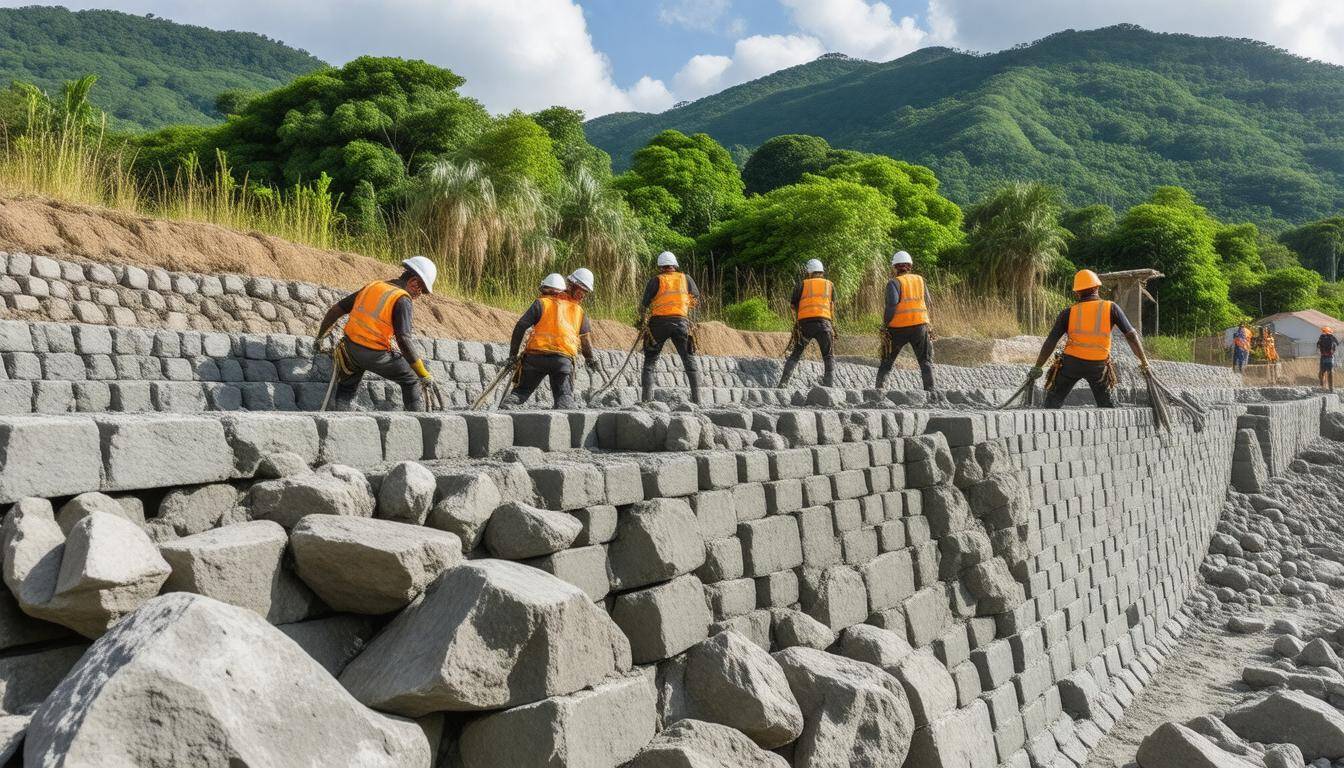
Retaining walls serve as crucial structures for managing unstable slopes and preventing soil erosion, especially in hilly terrains prone to landslides, such as those found in Mindanao. An effective retaining wall supports the weight of the soil behind it and contributes to the overall stability of the landscape. When constructing these walls, attention to material selection and design is paramount to ensure their long-lasting durability and functionality.
Material Selection
Selecting the right materials for your retaining wall is vital. Local materials tend to be more suitable due to their availability and compatibility with the natural elements. Consider options such as concrete blocks, stone, or even timber based on local environmental conditions. For instance, Gabion walls, which consist of wire mesh filled with rocks, effectively blend with the rugged terrain and have been successful in various regions of Mindanao. These types of walls provide structural integrity and allow plants to grow through, enhancing both aesthetics and erosion control.
Now that we’ve covered the material aspect, let’s shift gears and discuss the essential design considerations when building a retaining wall.
Design Considerations
The design of a retaining wall must account for several factors—most notably, soil pressure which varies with moisture content and density. It’s highly advised to engage a qualified engineer to create a well-thought-out design that can withstand these pressures effectively. According to the Building Code of the Philippines, retaining walls exceeding 1.5 meters require structural reinforcement to ensure safety.
Additionally, it’s important to incorporate weep holes and drainage systems within your wall design. These features allow water to escape rather than build up behind the wall—a major culprit for pressure-induced failures. Ignoring drainage can lead to costly repairs; hence proper planning is essential right from the start.
Beyond technical specifications, involving your community in this process can significantly enrich the overall project.
Community Involvement
Engaging local communities in constructing retaining walls fosters a sense of ownership while promoting proper maintenance practices post-construction. When communities participate actively, they gain valuable insights into how these structures function and why regular upkeep is necessary. For example, in Bukidnon province, communities that collaborated on building their own retaining walls experienced notable reductions in soil erosion during heavy rains. Their collective effort not only strengthened their immediate environment but also reinforced community bonds.
Building a retaining wall is not just about laying stones or blocks; it’s about creating a protective structure that keeps communities safe from landslides while empowering them through shared responsibility.
As we consider further strategies for enhancing environmental resilience, it’s essential to explore methods that promote stability in our surrounding landscapes.
Enhancing Slope Stability
Enhancing slope stability is crucial in hilly areas like Mindanao, where landslides can have devastating consequences. Among the strategies used to mitigate such risks, terracing and benching are foundational tools. By creating terraces or benches, we can effectively reduce the steepness of a slope and manage water runoff more efficiently. This technique is particularly beneficial in agricultural zones, where farmers can cultivate crops while preventing soil erosion. The gently sloped steps created by terracing slow down water flow and provide pockets for vegetation growth, further securing the soil.
Alongside terracing, geotextile fabric represents another innovative solution for enhancing slope stability.
Geotextile Fabric
Geotextile fabrics are synthetic materials specifically designed to reinforce the soil. They act as a barrier that stabilizes the soil structure and can be particularly effective in regions with heavy rainfall, making them ideal for the hills of South Cotabato. Imagine rolling out a protective carpet over your slopes; that’s essentially what geotextiles do! By distributing the weight of the soil and reducing lateral pressure on slopes, these fabrics significantly improve soil cohesion and make it much harder for landslides to occur.
Moving deeper into structural solutions, another effective method is soil nailing.
Soil Nailing
Soil nailing involves inserting steel bars into unstable slopes to bind the soil together, much like knitting a blanket that holds everything snugly in place. This technique has been shown to dramatically reduce landslide risk—up to 80%—in several infrastructure projects across the globe. It works by creating a composite structure wherein nails join with the surrounding earth, providing added strength during adverse weather conditions or seismic activity.
When implemented correctly, soil nailing can serve as a robust reinforcement technique to ensure safety and stability on steep terrains.
In employing these methods, communities can foster an environment where both safety and land use sustainability are prioritized. With this foundation set, let’s explore ways to handle water management effectively.
Effective Drainage Solutions
Proper drainage plays a critical role in maintaining soil stability. When water accumulates, it creates pressure on the soil, leading to erosion and potentially triggering landslides. By implementing effective drainage systems, we can significantly reduce these risks.
One of the best solutions available is the installation of French drains. These are straightforward to construct and immensely effective at redirecting both surface and groundwater away from vulnerable areas. Essentially, a French drain consists of a trench filled with gravel or rock that houses a perforated pipe. As water enters the trench, it flows through the gravel and into the pipe, which transports it safely away from sensitive spots.
French Drains
If you’re considering installing a French drain, it’s a relatively simple DIY project that can be done with minimal tools. The trench should be at least 8-12 inches wide and deep enough to accommodate the gravel layer below the pipe. A slight slope—about 1%—is crucial to ensure water flows efficiently through the system. This benefit is particularly pronounced in regions like Mindanao, where heavy rains can lead to quick runoff.
Alongside French drains, integrating catch basins into your drainage plan can further enhance safety.
Catch Basins
Catch basins are essential for managing stormwater effectively. They act as receptacles that collect rainwater before it can accumulate and seep into the soil, reducing pressure on slopes. For instance, cities like Davao have implemented catch basins to channel rainwater away from areas prone to instability, demonstrating their practical effectiveness. Ideally, these basins should be strategically placed at low points near slope bases to capture water efficiently.
Yet, installing these systems is only part of the equation; ongoing care is necessary.
Regular Maintenance
Regular maintenance of drainage systems cannot be understated. Periodic cleaning ensures that debris and sediment do not block these vital channels. A blocked drain can exacerbate landslide risks—especially during monsoon seasons when rainfall peaks. An effective strategy might involve clearing leaves or silt every few months and conducting more thorough inspections once or twice a year to ensure everything remains functional.
Keeping an eye on your drainage systems isn’t just about averting immediate issues; it’s about creating long-term resilience against landslide risks. Regular upkeep fosters peace of mind in knowing your home and community are prepared for any weather challenges ahead.
With these essential strategies in place to manage water effectively, we can now turn our attention toward additional measures that residents can take to ensure their safety and preparedness in the face of potential landslide threats.
Safety Precautions for Residents
Educating residents about safety precautions is vital for reducing landslide hazards. One of the primary ways to encourage this is by ensuring they stay alert and aware of their surroundings. It’s important for individuals to regularly monitor local weather forecasts, especially during periods of heavy rainfall.
By staying informed about potential landslide warnings issued by local authorities, residents can be better prepared for emergencies. This vigilance empowers communities to act quickly, significantly lowering the risk of tragedy.
In addition to remaining aware of weather conditions, each household should have a well-thought-out evacuation plan. This plan must include clear routes that can be taken when a landslide occurs and a designated meeting point for family members to regroup after evacuating.
Practicing this plan can make all the difference when time is of the essence during an emergency. Community drills can further enhance preparedness and foster a sense of camaraderie among residents, making everyone feel more secure in their safety.
Recognizing warning signs plays a crucial role in early detection. Residents should be taught to identify specific indicators that may suggest a landslide is imminent. These might include observable cracks in walls or paved surfaces, tilting trees indicating unstable soil, or unusual changes in river water levels that could reveal shifting earth.
Take for instance a community in the highlands of Misamis Oriental; they successfully avoided a disastrous event when several residents noticed these warning signs and communicated swiftly with one another, prompting an immediate evacuation. This real-life example showcases the importance of vigilance and preparedness among neighbors.
Beyond individual preparation, it’s beneficial for communities to engage in periodic training sessions focused on landslide recognition and emergency response. The more informed residents are about what they might encounter, the more likely they can react appropriately.
Cohesive action within a neighborhood can significantly improve survival rates during emergencies since effective communication leads to faster responses when danger arises.
By focusing on these steps—remaining vigilant, having an evacuation plan, recognizing warning signs, and participating in ongoing training—residents can create a stronger culture of safety and preparedness in areas susceptible to landslides. Continuous education nurtures awareness and builds resilience against the risks posed by these natural disasters.
As communities work towards strengthening their safety measures, understanding how to effectively practice these plans becomes an essential next step.
Conducting Community Evacuation Drills
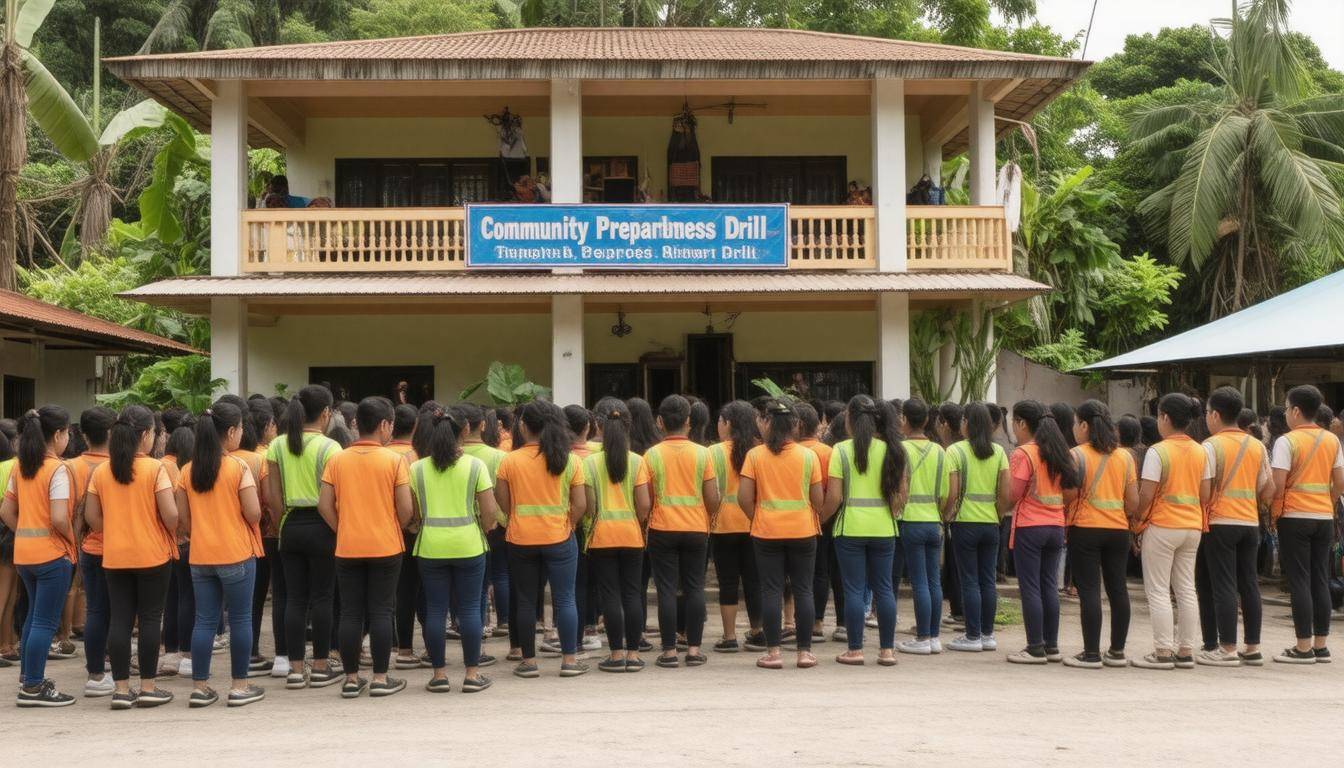
Evacuation drills are not just simple exercises; they are lifelines that prepare communities for unforeseen calamities. These drills allow residents to familiarize themselves with emergency procedures, reinforcing the importance of being ready at a moment’s notice. When the earth shifts suddenly, knowing how to act quickly and efficiently can mean the difference between chaos and a structured response.
Planning and Coordination
To ensure a smooth execution of these drills, collaboration is key. Engage with local government officials and disaster response teams early in the planning phase. This partnership allows for comprehensive drills tailored to the specific challenges and layout of your community.
Logistics should be meticulously organized: identify clear evacuation routes that avoid dangerous areas, designate assembly points where residents can gather safely, and establish temporary shelters to host community members who may need assistance post-evacuation.
It’s essential that all participants understand their roles before the drill begins. Familiarity breeds confidence, ensuring that everyone knows where to go and what to do once an alarm sounds.
Public Awareness Campaigns
The implementation of regular evacuation drills, combined with public awareness campaigns, has proven highly effective in several regions including Compostela Valley. In this area, educational initiatives have informed residents about landslide risks while encouraging them to actively participate in drills. As a result, community response times during actual landslide events have significantly improved. Residents now move swiftly, following established protocols and demonstrating increased coordination as they head towards safety.
Bringing everyone on board is crucial; consider hosting informational sessions or distributing flyers that explain the importance of these drills. Visual aids like maps displaying evacuation routes can be particularly useful. Utilize social media platforms to reach a broader audience, reminding them of upcoming drills and their significance.
Evaluation and Feedback
After each drill concludes, it’s important not to overlook opportunities for improvement. Conduct debriefing sessions with all participants to assess how well the evacuation process worked. These sessions serve as forums where individuals can share their experiences and offer suggestions for enhancement.
Collect data on how long it took for participants to evacuate and whether communication was effective during the exercise.
Feedback from these evaluations is gold—it helps identify weaknesses in your plan that might not be apparent until tested under pressure.
Regularly conducting community evacuation drills builds resilience within your community while fostering an environment of preparedness. Through meticulous planning, public engagement, and thorough evaluations after each drill, you can create a culture of readiness that could one day save lives in the face of potential landslides.
Understanding these preparatory measures lays the foundation for knowing what immediate steps to take when disaster strikes.
Immediate Actions During a Landslide
Knowing how to react quickly during a landslide can indeed make a significant difference in outcomes. The first thing to remember is timeliness. It’s vital to remain calm and act swiftly but thoughtfully.
Often, those caught in their homes should prioritize where to seek immediate shelter. If you’re indoors when a landslide occurs, move to the highest level of your building without hesitation. It’s crucial not to linger near windows, as flying debris can pose serious risks.
I recall listening to a survivor who described feeling the tremors beneath her feet before she saw anything, and she moved instantly to the second floor. Her quick thinking potentially spared her from injury.
Seek Shelter
Your swift decision to find shelter can change everything. Look for the nearest robust building; it will provide more protection than flimsy structures or mobile homes.
In cases where you’re outside or unable to reach a strong building, find cover in a low-lying area away from potential slide paths—this could be behind boulders or alongside sturdy trees that are less likely to fall. Remember that every second counts, so practice situational awareness and be ready to act.
Evacuate Safely
If you confirm that the situation calls for evacuation—perhaps through official alerts or visual evidence of danger—take immediate action by moving quickly to higher ground. Avoid river valleys and other low-lying areas where debris might travel as it descends.
When evacuating, try not to panic; keeping your wits about you will allow for better judgment. Stick together with family members or friends if possible, allowing each person to help watch for potential hazards along the escape route.
Emergency Kit
It’s essential to have an emergency kit on hand before disaster strikes. Ideally, this kit should contain items such as fresh water, non-perishable food, any necessary medications, and important documents like identification and insurance papers safely stored in a waterproof bag.
According to the Philippine Red Cross, every household should maintain an emergency kit that is easy to access in times of need; make sure all family members know its location and contents. As someone who has seen how lifesaving these preparations can be, I encourage everyone never to underestimate the power of being prepared.
Once you’ve acted according to these guidelines during a landslide event, it’s equally important to follow instructions on returning safely, awaiting updates from authorities before stepping back into previously affected areas.
Preparedness is key when it comes to minimizing the impact of landslides on communities. By following these essential measures, you can help ensure safety for yourself and your loved ones during unpredictable weather events.