
As the winter months roll in, Minneapolis transforms into a snowy wonderland, but with that beauty comes the potential for severe winter storms. If you’ve ever found yourself snowed in with flickering lights and a gnawing hunger, you know how crucial it is to be prepared. Winter storms can strike with little warning, leaving you cut off from necessities like food, water, and heat. So, how do you ensure your safety and comfort when Mother Nature decides to unleash her fury? This guide will help you assemble an essential winter storm survival kit filled with everything you need to weather the storm without missing a beat. Ready to take on winter like a pro? Let’s dive in!
Essential items for a Minneapolis Winter Storm Survival Kit include non-perishable food, water, a battery-powered or hand-crank radio, flashlights with extra batteries, warm blankets, a first-aid kit, and necessary medications. Additionally, it is advisable to have snow shovels, an ice scraper, and rock salt for safe travel during and after the storm.
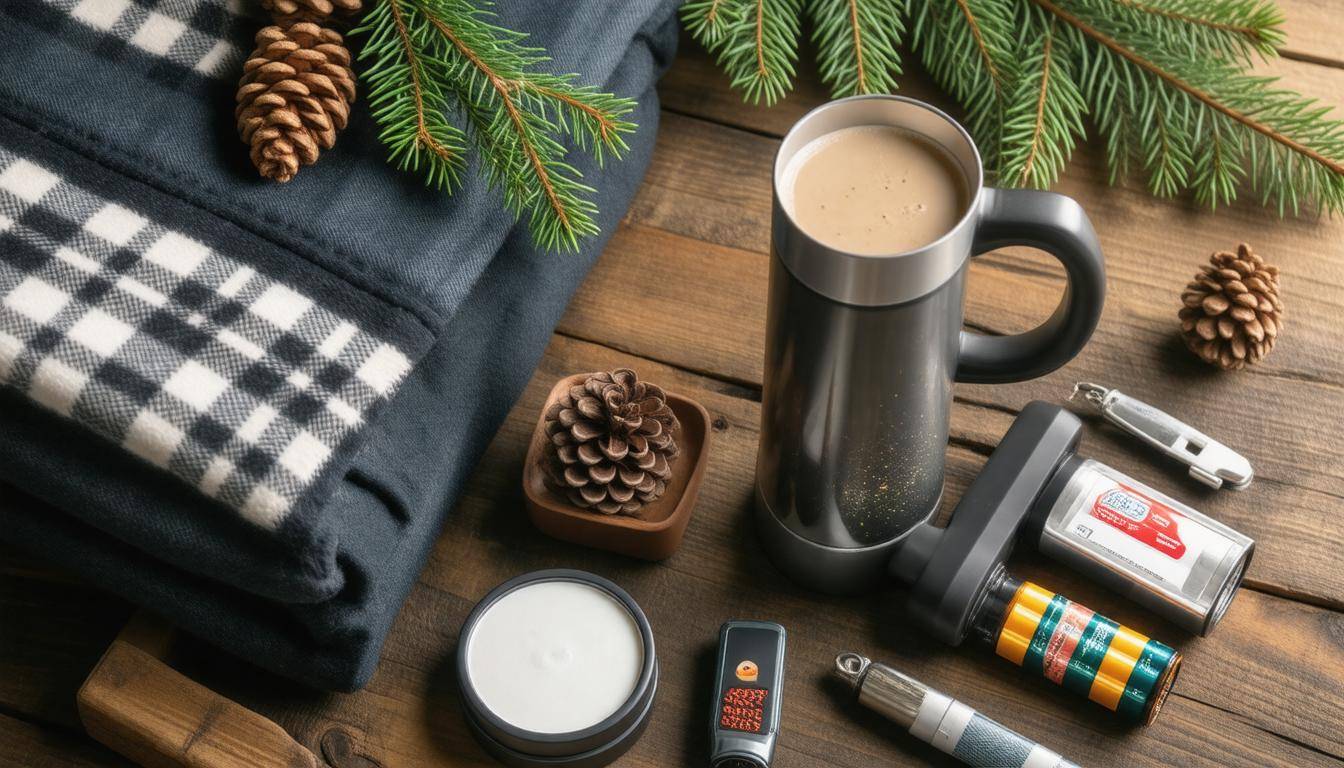
Top Minneapolis Winter Storm Survival Kit Essentials
When packing your winter storm survival kit, it’s vital to consider items that serve immediate purposes and enhance your safety and psychological well-being during challenging weather. Each item’s inclusion in your kit represents a layer of preparedness that can significantly impact your ability to navigate through a storm.
Packing the Essentials
Make sure to include:
- Flashlights with extra batteries
- Portable phone charger
- Multi-tool
- Waterproof matches
- Thermal blankets
- Emergency whistle
Flashlights help illuminate dark spaces when the power goes out, guiding you safely through unfamiliar areas in your home or yard. LED flashlights are preferable because they use less battery power and last much longer than traditional incandescent bulbs. Always pair them with high-quality batteries that can be stored for an extended period without losing charge.
A portable phone charger ensures that you stay connected with loved ones, emergency services, and information channels. Consider investing in a solar-powered charger, as these provide peace of mind knowing there’s a sustainable way to keep your devices charged during lengthy outages.
Alongside connectivity, having versatile tools on hand can make all the difference when facing unforeseen challenges during a storm.
A multi-tool is invaluable, serving various functions—be it opening cans of food or tightening loose screws during minor home repairs. Choose one that includes essential tools like knives, screwdrivers, and pliers, allowing you to tackle multiple tasks without needing an entire toolbox.
Waterproof matches are essential for igniting a fire in wet conditions, ensuring you can heat food or create warmth when you need it most. Investing in high-quality waterproof matches can be a lifesaver if you ever find yourself outside in the elements.
Adding thermal blankets to your kit is critical; these aren’t just any blankets—they’re designed to retain over 90% of your body heat while being lightweight and compact. In emergencies, their insulation properties could mean the difference between staying warm or succumbing to hypothermia.
Lastly, an emergency whistle is a small yet powerful tool to have at your disposal. If you find yourself stranded or lost, quickly signaling for help could be life-saving. A few sharp blasts on your whistle can travel farther than yelling, preserving your energy while capturing attention more effectively.
After securing these essentials for survival, it’s crucial to focus on the appropriate attire to battle harsh conditions effectively.
Necessary Clothing Items
When it comes to winters in Minneapolis, your clothing choices can make all the difference between a cozy experience and an unbearable ordeal. The key is understanding how layering works and why each layer plays a critical role in warmth and comfort. Each layer traps air, creating insulation and helping to retain body heat while allowing moisture and sweat to escape. This minimizes that chilly feeling when dampness seeps through your clothes.
Layering for Maximum Warmth
Layering involves wearing multiple garments to trap heat better than a single heavy layer but allows flexibility. Think of it like building a cozy little fortress around yourself. Each layer serves its purpose: the base layer keeps moisture away from your skin so you stay dry, the middle layer acts as an insulating buffer against the chill, and the outer layer shields you from wind and moisture.
Let’s break it down further. Your base layer is crucial; selecting a moisture-wicking thermal shirt and pants is essential — this prevents body sweat from making you feel cold too soon. Then consider your middle layer, which should ideally be something like a fleece or insulated jacket. This adds much-needed warmth without bulk, allowing for free movement when you’re out shoveling snow or exploring wintery parks.
Keep in mind that your outer layer should be both waterproof and windproof – here’s where a reliable jacket and pants come into play. After all, you wouldn’t want unexpected snow or rain ruining your day!
Don’t overlook essential accessories: investing in quality insulated gloves, thick wool socks, a warm hat, and a scarf can be game-changers in brutal temperatures. These items protect areas where heat escapes quickly, ensuring your extremities are as comfortable as the rest of you.
It’s also worth mentioning that high-quality brands like Patagonia and Columbia are excellent for these clothing items; however, local shops frequently carry gear suited for Minneapolis winters too. So, take some time to visit them; they often have fantastic recommendations based on personal experiences.
Now that you are prepared for the cold, it’s time to focus on gathering the necessary supplies for emergencies you might encounter during the winter months.
Essential Emergency Supplies
When a severe winter storm hits Minneapolis, the last thing you want is to be unprepared. Access to resources can be abruptly cut off, making it essential to have a well-stocked supply kit. Start with provisions—these are far more than just an afterthought; they are your lifeline during inclement weather. This means stocking up on non-perishable food items that can sustain you through several days without power or fresh food. Items like canned vegetables, fruits, beans, soups, and even ready-to-eat entrees are excellent choices. Be sure to include a manual can opener in case you can’t rely on electricity—nothing’s worse than being unprepared when you’re hungry!
FEMA advises having at least a three-day supply of food and water on hand, specifically one gallon of water per person per day. That’s quite a bit of water for a family of four over several days!
Provisions
Make this easier by grabbing bottled water in bulk, which is easily storable and lasts long. Don’t forget to throw in some snacks such as granola bars or nuts for quick energy boosts during your wait for meals served from the stove. It’s wise to have a portable stove with adequate fuel stored nearby. Not only will this help prepare warm meals, but it can also provide warmth if your heating source fails.
Moving from provisions to communication devices, ensuring you stay informed is equally important. A battery-powered radio can keep you updated on weather progressions and any changes in local emergencies if electricity goes out or cellular networks become jammed. NOAA Weather Radios are particularly recommended; they provide reliable alerts about severe weather watches and warnings directly from the National Oceanic and Atmospheric Administration.
The necessity for reliable communication cannot be understated when storm conditions worsen rapidly—it could be vital information aiding in your ability to react promptly.
Communication Devices
In conjunction with a weather radio, consider having extra batteries on hand. You won’t want to find yourself in the middle of a blizzard with no way to receive timely updates because your device ran out of power.
With these critical emergency supplies secured, it’s essential to consider how your vehicle will withstand the harsh winter conditions ahead.
Vehicle Preparation Essentials
Preparing your vehicle for winter involves not just equipping it with basic supplies but also ensuring it functions optimally during those colder months. When temperatures plummet and snow blankets the roads, a well-prepared vehicle can mean the difference between frustration and safe travels. One of the simplest yet most effective strategies is to start with regular maintenance checks. This means you should pay attention to essential systems in your car, like the battery, brakes, and tire pressure; these are critical as frigid temperatures can affect their performance.
A quick trip to your mechanic for winter servicing can reveal any issues before they become major problems.
Equipment to Carry
Having the right equipment on hand is vital when you’re facing Minnesota winter conditions. Here’s a list of must-have items that should live in your trunk:
- Snow chains
- Flares
- An ice scraper and snow brush
- Jumper cables
- A shovel
- Sand or kitty litter for extra traction
Each item serves a distinct purpose. For instance, snow chains are crucial; they increase tire grip on icy surfaces. Meanwhile, an ice scraper and snow brush help maintain visibility by keeping your windshield clear of frost and snow.
Jumper cables are perhaps one of the most underrated pieces of emergency equipment. In freezing temperatures, batteries can lose their charge more quickly than usual. Being equipped with jumper cables enables you to restart your car or assist another motorist in need. Similarly, carrying a small shovel can be a lifesaver if you ever find your vehicle stuck in snow. Pair that with sand or kitty litter for added traction under tires if you get bogged down.
It’s wise to conduct a full inventory of this equipment before winter storm season hits—this ensures everything is functioning and accessible when you need it most.
Staying informed about road conditions and local weather forecasts plays a critical role in ensuring your safety while traveling through winter weather. Understanding how to prepare and equip yourself is essential for any outing.
Keeping Your Car Winter-Ready
Winter driving conditions can be treacherous, and ensuring your car is properly equipped and maintained is vital for your safety on the road. This isn’t just about having a full tank of gas before you set off; it’s about a comprehensive approach to vehicle upkeep that extends beyond the basics.
Routine Maintenance
First and foremost, checking your antifreeze levels should be at the top of your list. Antifreeze, or coolant, prevents your engine from freezing when temperatures plummet. If you’re not sure where to find this fluid, refer to your owner’s manual; it’s typically located in a brightly colored reservoir under the hood. A simple squeeze of the hose will often reveal whether it is at the needed level or repairs are necessary.
Next up on our checklist: tires!
Ensuring your tires are properly inflated is another critical step that many people overlook. Cold weather causes tire pressure to drop—about 1 PSI for every 10-degree change in temperature. Under-inflated tires can lead to decreased traction on slippery roads and increased wear and tear. So grab your pressure gauge and check those numbers; if they’re low, inflate them to the manufacturer’s recommended specifications, usually found on the driver’s side door jam.
Now let’s shift focus to something that is often underestimated but can leave you stranded.
Finally, let’s talk about your battery. The cold can take a significant toll because it slows down the chemical reactions necessary for power generation. An older battery may fail when you least expect it—perhaps during a snowstorm when every minute of hesitation counts against you. Check its age (most batteries last about three to five years) and test its charge regularly at an auto parts store or service center. It might save you from an inconvenient breakdown down the line.
Taking these steps can ensure your vehicle remains reliable and safe as winter approaches, setting the stage for important preparations involving essential provisions for sustenance.
Food and Water Storage
When winter storms strike, having sufficient food and drinking water reserves is essential for your safety and well-being. You want to avoid scrambling for supplies when the weather turns bad. Instead, take the time now to establish a solid stockpile of essential items that will sustain you through rough patches. Having food on hand isn’t just a matter of convenience—it’s a matter of survival.
Storage Tips
Start with water, as it’s one of the most critical supplies you’ll need in an emergency. Store fresh water in food-grade plastic containers; these are designed specifically for food storage and won’t leach harmful chemicals into the liquid. Additionally, consider filling a bathtub water bag during particularly severe storms. This trick ensures access to clean water when tap supplies may dwindle due to ice or power outages.
A practical guide to your stockpile includes items that not only last long but also offer nutrition and energy. Here’s a breakdown of essential items and how to store them:
| Item | Quantity | Shelf Life |
|---|---|---|
| Canned beans | 20 cans | 2-5 years |
| Bottled water | 30 gallons | Indefinite |
| Protein bars | 30 bars | 6 months |
| Dried fruits | 5 pounds | 1 year |
To put this into perspective, canned beans offer protein and fiber while providing versatility in meals, making them a staple. On the other hand, bottled water should be rotated if possible—though it has an indefinite shelf life, it’s best to check for any signs of wear or damage on those bottles.
Organizing Your Supply
To keep everything effective and ready-to-use, store your food in a cool, dry place—this can be a pantry, basement, or closet where temperatures remain stable. Do keep track of what’s inside; labeling shelves with the date they were stocked gives you an easy reference about when to consume or replace items. Regularly checking expiration dates helps ensure you’re not relying on outdated supplies.
Every month, take time to review your emergency kit. Rotate canned goods and dry foods so that you’re always consuming the oldest products first—this practice maximizes freshness and minimizes waste.
As we think ahead, preparing for potential inconveniences that come with winter storms becomes essential. Let’s explore solutions to ensure you stay comfortable during unexpected outages.
Power Outage Solutions
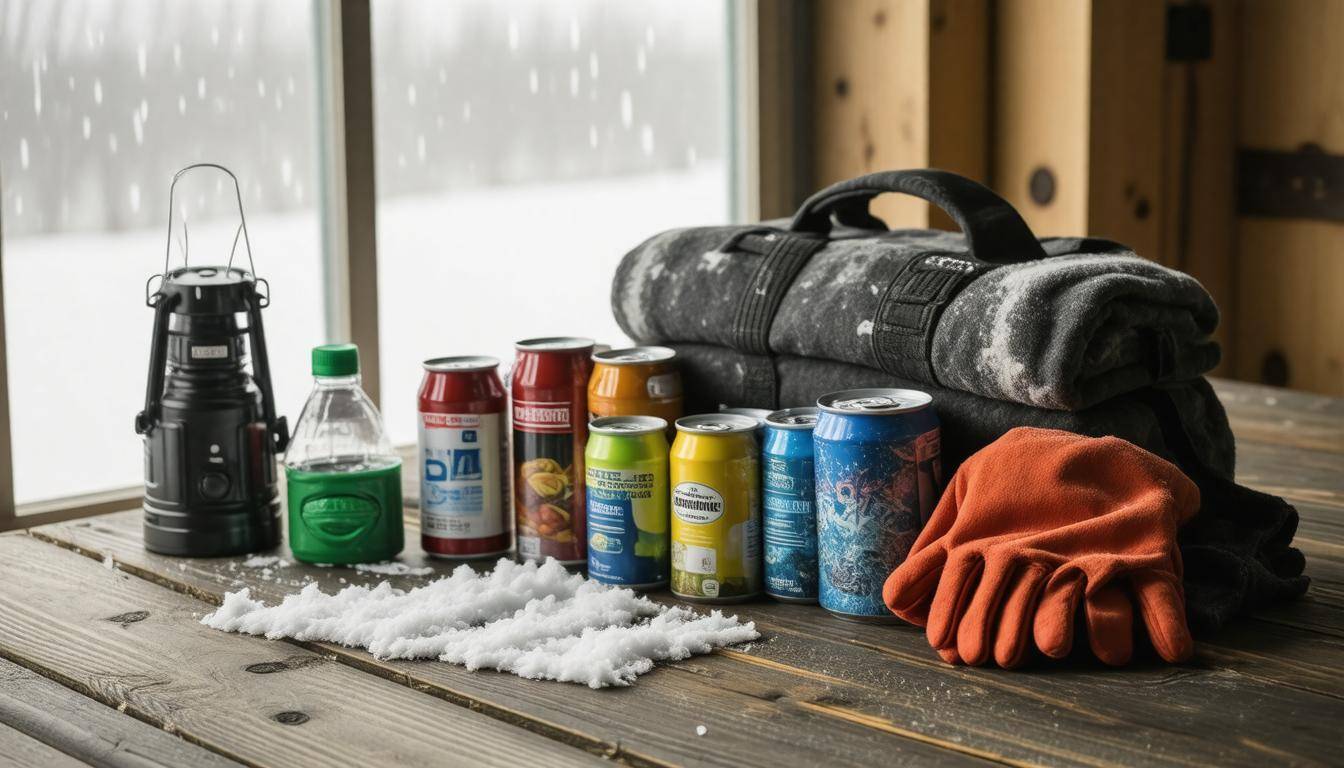
Power outages during the harsher months can escalate quickly, from discomfort due to extreme cold to safety concerns if heating systems shut down. Establishing reliable alternatives is not just a suggestion; it becomes a necessity when facing nature’s fury. First and foremost, having a backup power supply can make a significant difference in your comfort and safety during an unexpected outage.
Power Backup Options
Investing in a generator is one of the most effective ways to ensure you maintain power when you need it most. However, it’s crucial to store an ample supply of fuel safely—this means keeping it in a cool, dry place away from any potential sources of ignition. Additionally, understanding the generator’s wattage capacity will help you determine which appliances are critical to use during an outage. For instance, while many generators can handle lights and basic electronics, larger units might be necessary for running refrigerators or medical equipment.
A key point to remember is that generators require maintenance. Regular checks will help ensure they work flawlessly under pressure.
For those who prefer sustainable options, solar-powered chargers present an innovative solution for keeping small devices powered up. Brands like Goal Zero offer portable solar chargers that are efficient and easy to pack for emergencies. They are particularly handy for charging smartphones or tablets, making it easier to stay informed during an outage. Such devices reduce reliance on conventional energy sources and promote eco-conscious preparation for harsh winter conditions.
It’s worth mentioning that while Generac and Honda are well-known for their reliable home generators, smaller solar options can be a great supplement rather than a complete replacement for larger generators. Depending on your specific power needs, combining both methods could give you a broader range of support when facing blackouts.
With these power solutions in mind, it’s essential to explore the health and safety supplies necessary for maintaining well-being during prolonged outages.
First Aid and Medication
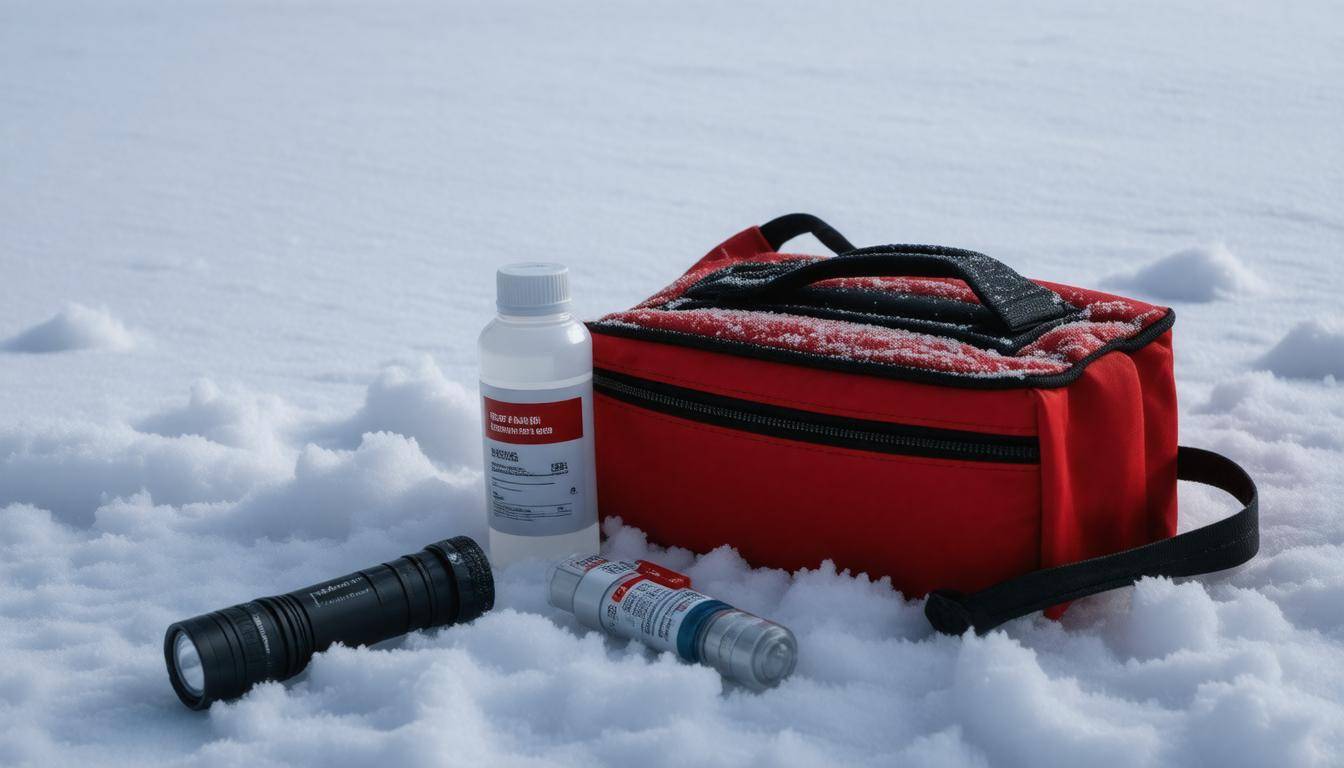
In any emergency situation, having a well-stocked first aid kit can be the difference between effectively handling minor injuries and feeling helpless. Many people underestimate the importance of proper medical supplies until they find themselves in urgent situations. A well-prepared first aid kit should include various items that can address a range of potential injuries, from cuts to sprains.
First Aid Kit Contents
-
Bandages of varying sizes: It’s crucial to have different types and sizes of bandages available for responding to any type of wound—from tiny scratches to larger cuts.
-
Antiseptic wipes: These are essential for cleaning wounds and preventing infections; they ensure that any open area is treated properly before being covered with a bandage.
-
Pain relievers: Whether it’s ibuprofen or acetaminophen, having these on hand can alleviate discomfort during stressful times, helping you focus on what matters.
-
Thermometer: A digital thermometer is excellent for monitoring fevers or tracking health changes.
-
Scissors: Useful scissors assist in cutting bandages or clothing away from an injury with ease.
Alongside these essentials, don’t forget your prescription medications. Having at least a week’s supply is advisable, particularly during severe weather when access to pharmacies may be limited. Consult your physician about specific emergency doses before adding them to your kit.
Keeping the Kit Accessible
Storing your first aid kit and medications in an easily accessible location is crucial—especially one that all family members know about. Ideally, this means placing it in a common area of the home where emergencies are most likely to occur, such as the kitchen or near the main living space. Quick access can save precious time, especially in panic-inducing scenarios like severe weather situations.
Being equipped with the right medical supplies alongside easy access can transform an overwhelming emergency into a manageable one, ensuring that you and your loved ones stay safe during Minneapolis’s harshest winter storms.
Invariably, preparing your winter storm survival kit with essential supplies ensures that you are ready for unexpected challenges. Staying proactive today will bring peace of mind when faced with winter’s unpredictability.