
Living in a mobile home can offer a sense of freedom and community, but it also comes with unique challenges, especially in emergencies. When severe weather strikes or other disasters loom, mobile homes often become the first to bear the brunt of nature’s fury. It’s not just about packing up and leaving; it’s about planning ahead, knowing your exits, and keeping your loved ones safe. I’ve seen firsthand how vital it is to have a solid evacuation plan in place, not only for personal safety but also to minimize potential loss. Understanding these essential precautions allows us all to face emergencies with a bit more confidence and peace of mind, ensuring that our homes—even the mobile ones—remain our havens, come what may.
When planning for mobile home evacuation, it is crucial to recognize the increased vulnerability of manufactured homes to severe weather events, such as high winds and flooding. Residents should have a comprehensive emergency plan that includes evacuation routes, communication methods, and a portable emergency kit, while also being familiar with local weather alerts to ensure timely evacuation before a disaster strikes.
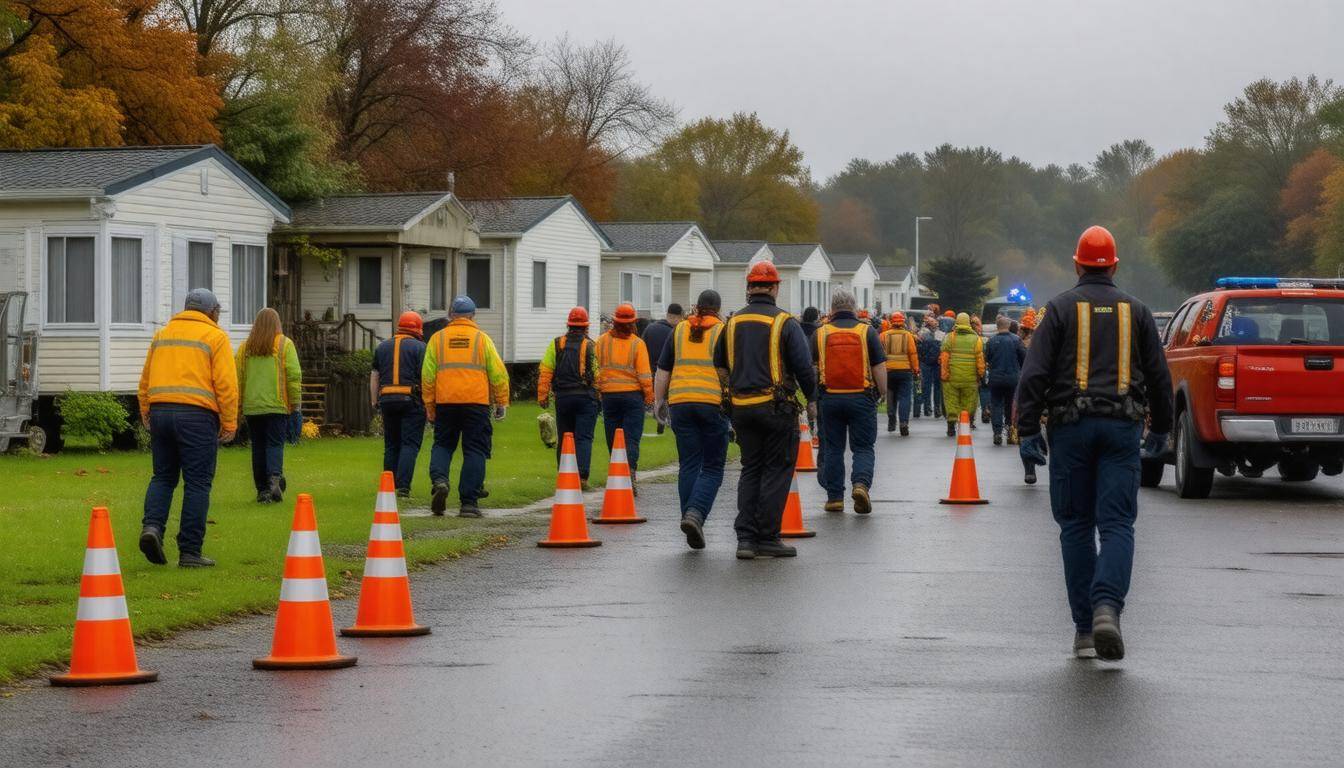
Checklist for Mobile Home Evacuation
Starting with the evacuation routes, it’s crucial that you know multiple ways out of your area. Imagine being stuck in traffic or encountering road obstacles just when you’re trying to leave. This can happen more often than we’d like to believe, especially during emergencies when everyone is trying to evacuate at once. By knowing alternative routes, you can avoid delays and ensure your safety. It’s wise to familiarize yourself with these routes ahead of time. Consider keeping a printed map in your vehicle just in case your phone fails.
While having routes planned is important, establishing a meeting point for your family is equally crucial.
In the chaos of an evacuation, it’s easy to panic and lose track of loved ones. Designating a safe location where everyone can agree to meet—a friend’s house, local park, or even a nearby gas station—can save time and reduce stress. Discuss this meeting place beforehand so everyone knows where to go if separated. It fosters a sense of security knowing there’s a predetermined spot where you can regroup.
As you prepare your plan, ensuring that you have all important documents readily accessible can make a significant difference in recovery efforts post-evacuation.
Gather essential paperwork such as identification, insurance documents, and medical records into a portable folder. This way, should you need these documents while relocating or re-establishing your life after the emergency, they are all in one place. Don’t forget about contact information for local services or professionals who may assist you upon returning home.
Once you’ve gathered your documents, it’s time to think about essential supplies.
Prepare non-perishable food items and enough water for at least three days for each person in your household. Don’t overlook medications; having a supply on hand is vital during emergencies when access may be limited. First-aid supplies should be part of this kit as well—band-aids, antiseptic wipes, and pain relievers can be lifesavers when resources are limited.
Ensuring that your vehicle is ready should be another priority on your checklist.
This means keeping your gas tank full at all times, as gas stations might be congested or shut down during an emergency evacuation. A full tank allows you to leave quickly without unnecessary stops along the way. Regular maintenance checks on your vehicle will also increase its chances of a successful escape; check oil levels, brakes, and tire pressure before heading out.
Effective communication is key during any crisis, including notifying your neighbors about your evacuation plans.
Letting those around you know where you’re headed not only fosters community awareness but may also help them with their own preparations. It’s comforting to know that your neighbors are looking out for each other. Consider agreeing on plans or helping each other evacuate if the situation allows.
Now that you’ve informed others about your plans, it’s time to focus on how to secure your mobile home before leaving.
Use sturdy tie-downs and anchors to minimize damage from high winds if conditions allow for strong storms or hurricanes. These measures will help maintain the structural integrity of your home during its absence and lessen potential losses significantly. Remember that taking these steps ahead of time not only protects your property but eases the worry during the stressful moments of evacuation.
Finally, staying informed throughout the process cannot be overstated.
Utilize weather apps and local alerts to stay updated on impending severe weather conditions. The right information at the right time can influence crucial decisions about when to leave and which route to take. Being proactive ensures you’re ready to react swiftly if the situation changes unexpectedly.
By following this step-by-step checklist tailored specifically for mobile home occupants, you can navigate through emergencies confidently and keep yourself and loved ones safe while mitigating property loss.
The significance of timely updates and alerts in navigating these situations becomes ever more evident as we prepare for emergencies together.
Importance of Community Alerts
Community alerts function as lifelines during emergencies, providing real-time updates that can be the difference between safety and danger. Imagine living in a mobile home during a severe storm, where conditions can change rapidly. For many residents, the entry point for critical information comes from these alerts. Over 70% of mobile home residents depend on community alerts to stay informed about impending weather threats. This highlights not only the prevalence of these systems but also their essential role in a resident’s preparedness strategy.
Alerts are disseminated through multiple channels—everything from television and radio broadcasts to mobile applications and community sirens. Each medium plays its part in reaching individuals whenever disaster strikes or when there’s an imminent threat. It’s worth noting that the Wireless Emergency Alerts (WEA) system plays a key role here, designed specifically to deliver timely notifications to compatible devices within targeted geographical areas.
A poignant example can be found in Ellis County, Texas, where an unexpected tornado warning last year led to quick action among residents. Because alerts arrived promptly, families were able to evacuate safely without casualties—a testament to the power of timely communication.
Given their importance, staying connected is essential. Regularly updating your contact information with local emergency services ensures you can receive messages directly. It’s equally important to understand that participation in this notification system is a two-way street; notifications depend upon active engagement from members of the community. Here’s how you can further enhance your connectivity:
- Consider downloading local emergency apps specific to your area—they often provide push notifications that keep you updated on potential threats.
- Engage with local social media groups or forums focused on emergency responses; communities will relay information quickly through these networks.
- Ensure you have multiple ways to receive notifications: think about having a battery-operated radio as backup when phone networks can be slow during crises.
By taking proactive steps and encouraging others in your community to stay informed, you not only ensure your safety but also contribute positively towards building a more resilient network that can respond effectively when emergencies arise.
Understanding these dynamics is crucial for any mobile homeowner navigating the sometimes treacherous waters of emergency preparedness and resilience against natural hazards.
Natural Threat Preparation
Preparing for natural threats is essential for anyone living in a mobile home, especially given the increased frequency and severity of weather events like hurricanes, tornadoes, and floods in Georgia. The key to ensuring you and your loved ones remain safe lies in understanding the specific threats your area faces. For instance, if you reside in a hurricane-prone region, knowing the typical wind speeds or storm surges can inform how you prepare your mobile home.
Tailored Preparation Steps
Before the storm season hits, invest time to create a customized safety plan for your family. This should include identifying the nearest shelters designed for severe weather, outlining evacuation routes, and determining where to store essential documents like identification and insurance papers. Being proactive can mean all the difference when disaster strikes. Having these plans firmly in place brings peace of mind during storms.
Once you’ve assessed potential threats and established initial steps, it’s crucial to implement robust safety measures throughout your mobile home.
Understanding Threats
As you prepare, assess specific vulnerabilities within your mobile home structure. For example, consider how quickly floodwaters might rise in your area or how prone your region is to strong tornadoes. Take it as a warning sign; do not underestimate what these threats can do.
Now that you’re aware of the threats and have pinpointed your area’s weaknesses, take concrete action toward often-overlooked structural reinforcements.
Implement Safety Measures
One vital step is reinforcing your mobile home with tie-downs or anchors that are certified to withstand high winds. These anchoring systems will help stabilize your home during storms, significantly minimizing potential damage. The Federal Emergency Management Agency (FEMA) estimates that implementing such measures can reduce damage risk by up to 50%. Investing in this type of upgrade now could save both your safety and finances later on.
However, individual preparedness isn’t enough when facing severe weather; fostering a supportive community can magnify your safety efforts.
Build a Support Network
Creating an effective support network is equally crucial. Communicate with neighbors to develop an emergency communication plan; this ensures everyone knows who to contact and how to respond during a crisis. Practicing this plan regularly helps keep everyone fresh on protocols—especially important before peak hurricane season from June to November. By sharing resources and information with one another, you cultivate a safer environment amidst looming natural threats.
“In emergencies, having strong communication lines with those around you can be just as vital as the emergency kit you pack.”
By customizing your approach and staying connected with the community, you’ll enhance not only your own safety but also that of those around you.
With these frameworks in place, it is essential to explore practical recommendations that can further safeguard residents against potential threats while ensuring overall well-being.
Safety Tips for Residents
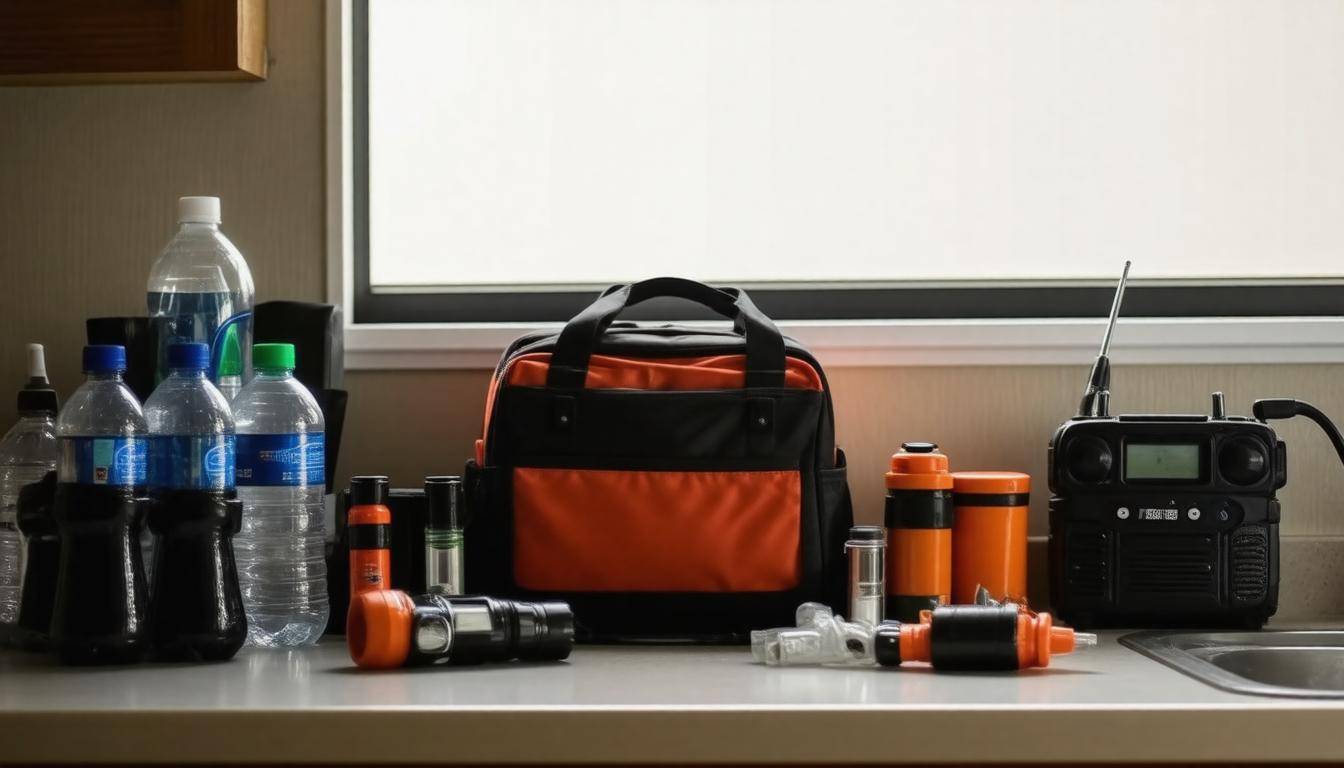
One of the simplest yet most effective ways to ensure safety is to prepare your vehicle well ahead of time. Regular maintenance is key; having your vehicle in optimal working order does more than just give you peace of mind. Imagine finding yourself on a crowded road with an unexpected issue during an emergency—it’s every driver’s nightmare.
Keep your car fueled with at least a full tank of gas throughout hurricane season; this not only ensures you can leave quickly but also provides a safety buffer when gas stations might be overwhelmed and unable to serve customers due to power outages or flooding.
Additionally, it’s essential to establish a solid communication plan. Make sure everyone in your household knows the evacuation routes and meeting points. In times of chaos, having a designated rallying point outside your mobile home park can drastically decrease confusion. Ideally, choose somewhere that’s familiar to everyone, such as a friend’s house or community center.
When authorities issue evacuation orders, timeliness is crucial. It’s imperative to follow these directives without hesitation. Local officials have access to current information about impending dangers, including weather changes and threats from natural disasters. Staying informed through local news channels or weather apps can help you stay one step ahead.
While navigating to safety, avoid flood zones at all costs. Many vehicle-related accidents occur during flooding because drivers underestimate water levels. Just six inches of moving water can cause you to lose control of your vehicle, while even less can stall small cars or sweep them away entirely. According to the National Weather Service, over half of flood-related drownings happen due to driving into hazardous situations that could have been avoided.
Safety measures also include preparing for pets; don’t forget about their needs during evacuations! Have a plan in place that accommodates their care and transport as part of your emergency kit. Including pet food, leashes, and vaccination records can ease stress and ensure their health while facilitating a faster getaway when time is of the essence.
Finally, be aware of emergency shelters nearby should you need assistance during an evacuation. Knowing where these locations are in advance will save precious time when every second counts. Familiarize yourself with local emergency service contacts as well so you can reach out for guidance if needed.
The importance of preparation cannot be overstated, particularly with regard to what essentials you’ll need on hand. Let’s explore how to effectively assemble what you’ll need during emergencies for both yourself and your loved ones.
Building Your Emergency Kit
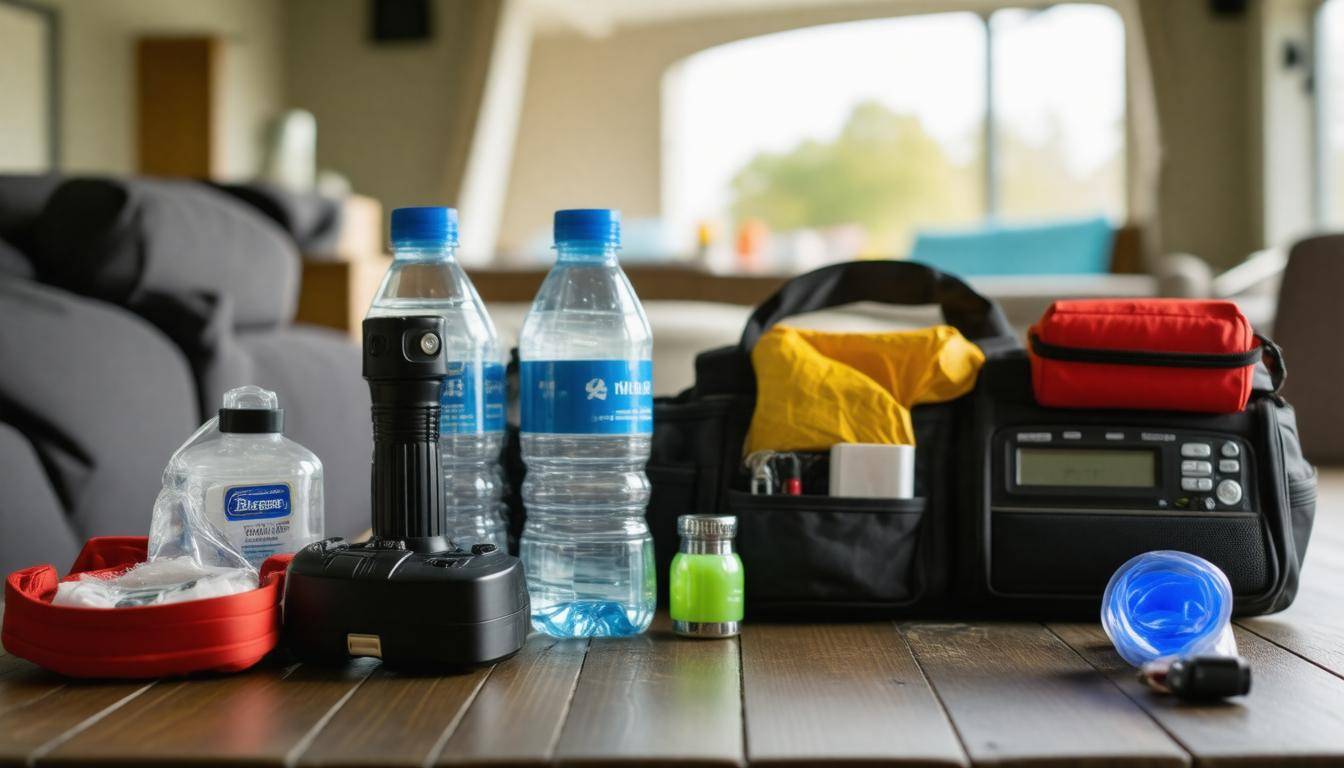
An emergency kit serves as a crucial lifeline during evacuations, offering comfort and security in chaotic situations. Think of it as your personal safety net—one that should be assembled long before any storms or wildfires are on the horizon. A well-stocked kit not only helps meet basic needs but can also soothe fears during uncertain times.
Essential Items to Include
While every family’s situation is unique, there are some essential items that every emergency kit should incorporate. Start with water: at least one gallon per person for three days is a good rule of thumb—this covers both drinking and sanitation needs.
Next, include a supply of non-perishable food; think canned goods, energy bars, and dried fruits that sustain energy without needing refrigeration. Don’t forget to add a first-aid kit, complete with bandages, antiseptic wipes, pain relievers, and any required prescription medications.
Have you ever considered how daunting it would be to face a blackout during an evacuation? To tackle this challenge, include flashlights with extra batteries to ensure visibility when you most need it. Each member of your family should have their own whistle; this can be invaluable for signaling for help if needed in crowded environments. A portable multi-tool can also come in handy for various tasks around the home and outdoors.
Customization for Specific Needs
As vital as these basic items are, remember to tailor your emergency kit to suit the specific needs of your household. For instance, if you’re a new parent, incorporating baby supplies such as formula and diapers into your kit is prudent. Similarly, if you have pets, don’t overlook their necessities; pet food, leashes, and medical records are essential parts for them too.
Take time now—really think through what your family might require in an emergency. This thoughtful preparation can make all the difference later on. Check your kit regularly to replace expired items and ensure that all necessities are present. The knowledge that you’ve taken proactive steps will instill confidence within your family, enabling everyone to feel safer when the unexpected occurs.
Recognizing the importance of building and regularly updating your emergency kit sets a solid foundation for navigating unforeseen circumstances. With this understanding in hand, we will shift focus to strategies that enhance mobility for those who may need additional support.
Mobility Solutions for Seniors
When it comes to evacuation, seniors may find themselves facing unique challenges. Physical limitations can complicate matters, making it essential to have solid mobility solutions in place. Coordinating a plan before an emergency strikes is vital so that those who need extra help aren’t caught off guard when the time comes to leave their homes.
Assisted Evacuation Plans
It’s wise to work closely with local emergency services. Authorities often provide special evacuation assistance tailored for seniors, including transportation options adapted to meet their needs. In many areas, these services utilize accessible vehicles equipped with lifts or ramps to facilitate easier boarding for those using wheelchairs or walkers.
Having this connection established can give both seniors and their families peace of mind.
Remember, advance planning and clear communication with local agencies are key components; don’t hesitate to reach out and learn about the resources available in your community.
Alongside assisted evacuation plans, having suitable equipment plays a vital role in ensuring safe transit.
Special Equipment
It’s also essential to ensure that all mobility aids are easily accessible during evacuation situations. Think wheelchairs, walkers, and canes—it’s critical not only that these devices are in good working order but also that they are positioned within reach, like near the front door or in a designated place where family members can quickly grab them.
If you utilize powered devices, inspect their batteries as well; having fresh batteries on hand or a backup charging system can make an invaluable difference in crises.
Consider the events during the California wildfires in 2022: assisted evacuation efforts successfully relocated hundreds of seniors, illustrating how effective planning, coupled with the right equipment, resulted in safer outcomes for vulnerable populations. Observing successful operations like these can inspire us to put proper measures into action for our own loved ones.
As we explore safety strategies further, it’s crucial to also consider the needs of our furry companions during emergencies to ensure their safety and well-being.
Planning for Pets
Pets are family members, and their safety during an evacuation is paramount. To ensure that your furry companions are protected, having a solid pet evacuation plan is crucial. This plan should outline where your pets will go and what you will need to take with you in case of an emergency. Having a designated area in your emergency kit specifically for pet supplies can make all the difference when time is of the essence.
Start by gathering essential items like food, water, medications, and comfort objects such as toys or blankets that can help soothe them during stressful moments. Don’t forget a portable water bowl and any necessary feeding utensils as well. These items can significantly calm your pet and may even be lifesavers during urgent situations. Additionally, it’s worth considering taking along a recent photo of your pets; this can be handy if you get separated during an evacuation.
A survey found that 68% of pet owners delay evacuation out of concern for their animals’ safety. This highlights not only the emotional bond we share with our pets but also the need for a dedicated plan tailored specifically for them. Being prepared can alleviate anxiety and fear, enabling both you and your furry friend to evacuate safely.
Creating a Pet Emergency Kit
Next comes the creation of a Pet Emergency Kit. This kit should include more than just food and water; think about including extra leashes, collars with ID tags, and maybe even a first-aid kit specifically for pets. Keeping their health needs in mind is important because stress during emergencies can exacerbate existing conditions.
Microchipping is another key aspect of ensuring your pet’s safe return if they wander off or get separated from you. Local shelters and veterinary clinics often offer affordable microchipping services, providing peace of mind that you can find each other after the chaos has settled. If microchipping isn’t feasible, ensure their collars have clear, up-to-date ID tags with your contact information.
Preparing for emergencies doesn’t stop there; practice is just as important as preparation itself.
Practicing Your Evacuation Plan
It’s essential to rehearse your evacuation plan with your pets regularly. This ensures they become familiar with the process, reducing their anxiety when an actual emergency arises. Include practice runs in different scenarios—like when it’s cold or rainy—to help them adapt comfortably over time. Also, consider keeping travel crates or carriers ready for quick deployment since this makes transporting your pets far easier than trying to coax them into a carrier at the last minute.
It’s vital to remember that having a stable element of control during emergencies can significantly reduce the stress experienced by both you and your pets. By preparing thoroughly, practicing often, and being fully aware of identification options, you’ll provide your pets—and yourself—with the best possible chance for a safe evacuation during any emergency situation.
As we move forward, it’s important to consider how you can reinforce the safety of your mobile home itself amidst these preparations.
Securing Your Mobile Home
Properly securing your mobile home is crucial for minimizing potential damage and ensuring a safer environment when you return after an evacuation. One of the key steps involves reinforcing your home. Investing in sturdy tie-downs and anchors can make a significant difference during strong winds or severe weather. These measures help stabilize your mobile home and prevent it from moving off its foundation, which can lead to severe and costly damage.
Reinforcing Your Home
Consider placing at least four to six anchor points on each side of your mobile home for optimal stability. The more robust the anchoring system, the better your mobile home will withstand harsh weather. It’s a simple investment that significantly mitigates potential damage during storms. Studies show these measures can reduce potential damage by up to 50%. So while it may seem like an added expense now, you’ll likely save money and stress later.
Ensuring that your mobile home is strongly anchored should be viewed as both an investment in safety as well as peace of mind.
Once you’ve reinforced your mobile home, it’s time to think about utility management. Shutting down utilities such as gas, electricity, and water is essential before evacuating. This action prevents any leaks or explosions from creating dangerous situations in your absence.
Shutting Down Utilities
As you prepare for evacuation, create a checklist that includes turning off all utilities; this exact step can save lives and property. Make sure to take detailed notes on how to properly shut down each system so that upon return everything is straightforward and safe to re-activate.
A personal experience underscores this advice: After shutting down their utilities and securing their home ahead of Hurricane Laura, the Smith family returned without encountering any damage at all. Their proactive approach showcased how essential these steps were in protecting their property from disaster.
With both reinforcements and utility shut-downs accomplished, you are setting yourself up for success—now let’s talk about additional steps to take for comprehensive safety planning.
In summary, taking these critical steps not only fortifies your mobile home against the elements but also ensures a safer return after an emergency. Preparedness plays a paramount role in safeguarding both lives and properties.
What specific risks do mobile homes face during natural disasters?
Mobile homes face specific risks during natural disasters due to their lightweight construction and lack of a permanent foundation, making them more susceptible to damage from high winds, floods, and tornadoes. According to the National Weather Service, mobile homes are at least twice as likely to be destroyed in tornadoes compared to traditional homes. Additionally, during hurricanes, many evacuation routes may not accommodate mobile home residents, putting occupants at heightened risk. The Federal Emergency Management Agency (FEMA) emphasizes that proper anchoring and evacuation plans are crucial for safety in these situations.
Are there resources available for mobile home occupants to help them develop a tailored evacuation plan?
Yes, there are several resources available for mobile home occupants to develop tailored evacuation plans. Organizations such as the Federal Emergency Management Agency (FEMA) and The American Red Cross provide guidelines and templates specifically designed for mobile home communities. These resources emphasize the importance of knowing multiple evacuation routes, having a communication plan, and practicing drills. Statistics show that households with an established emergency plan are 2.5 times more likely to act quickly during an emergency, significantly improving safety outcomes.
How can first responders effectively assist mobile home residents during emergencies?
First responders can effectively assist mobile home residents during emergencies by conducting thorough risk assessments, prioritizing evacuation routes that account for potential hazards such as flooding or fire, and providing clear communication about safety protocols. Collaboration with local agencies can enhance resource allocation, ensuring timely medical assistance and shelter options. Statistics show that mobile homes are often more susceptible to severe weather impacts; therefore, having well-rehearsed emergency plans could reduce injury rates by up to 30%, facilitating quicker and safer evacuations for vulnerable populations.
What should community leaders consider when planning evacuations for mobile home parks?
Community leaders planning evacuations for mobile home parks should prioritize clear communication, accessibility, and the unique vulnerabilities of residents. Mobile homes are more susceptible to wind and flooding, with research showing that they can be at a higher risk during severe weather events—approximately 50% of mobile homes may sustain damage or become uninhabitable during a Category 1 hurricane. Ensuring that evacuation routes are well-marked and accessible for all residents, including those with mobility impairments, is crucial. Additionally, conducting regular drills and fostering community awareness can significantly enhance preparedness and response effectiveness in emergencies.
How can residents prepare their mobile homes for potential evacuations in advance?
Residents can prepare their mobile homes for potential evacuations by implementing a comprehensive emergency plan that includes securing important documents, creating a disaster supply kit with essentials like food, water, and medications, and ensuring mobile homes are anchored and in good repair to withstand severe weather. According to FEMA, roughly 85% of fatalities during disasters occur due to issues associated with lack of preparedness, highlighting the critical need for residents to proactively assess risks and establish an evacuation route. Regular drills can also help ensure all family members are aware of the plan and can evacuate quickly if needed.