
As winter descends on Moncton, New Brunswick, the thought of a surprise storm can send anyone into a bit of a panic. Snow drifts can block roads and freeze up power lines, leaving us dependent on our own preparations for safety. Let’s face it: nobody wants to find themselves freezing, hungry, or without essential supplies when the storm of the season hits. That’s why creating a Winter Storm Kit is essential—not just a good idea but a necessity that could make harsh weather feel a little less scary. In this guide, we’ll outline everything you need to gather ahead of time to help you ride out the storm with comfort and peace of mind.
A comprehensive Winter Storm Kit for Moncton, New Brunswick should include essential items like non-perishable food, bottled water, a first aid kit, flashlights with extra batteries, blankets or sleeping bags, and a battery-powered radio. Additionally, consider including tools such as a shovel and an ice scraper, as well as necessary medications and pet supplies for your furry companions.

Essential Winter Storm Kit Components
First, let’s dive into one of the most critical aspects of your winter storm preparation: Non-Perishable Food. When a storm hits, the last thing you want is to worry about running out of food. Opt for canned goods such as soups and vegetables, which provide warmth and nourishment without requiring refrigeration. Granola bars, dried fruits, and nuts are excellent high-energy snacks that keep well; they won’t spoil quickly and can sustain you through those long winter days. Always check the expiration dates on these items and rotate them out as needed.
Now that we’ve covered food, we should focus on water—arguably the most vital resource during any emergency situation.
Storing at least one gallon of water per person per day for a minimum of three days is essential. However, preparing for up to a week is even better, particularly in areas prone to power cuts or road blockages due to snow drifts. Use sealable plastic containers specifically designed for water storage to help prevent contamination over time.
After ensuring you have adequate food and water supplies established, it’s time to turn our focus towards health and safety with a First Aid Kit.
This kit should be stocked with essentials like antiseptic wipes and pain relievers for minor injuries. Don’t forget to include any prescription medications required by family members. Ensure that medical supplies aren’t expired and replace them regularly so you’re always prepared.
In addition to health supplies, it’s essential to address how to manage potential power outages caused by severe weather.
Having a reliable flashlight with extra batteries ensures you will have light when the power goes out—an all-too-common occurrence during winter storms. Unlike candles, flashlights minimize fire risks and are safer indoors. Consider selecting LED flashlights for longer battery life as they provide adequate illumination while consuming less energy.
While staying warm is undoubtedly important, let’s not overlook some fundamental comfort items as well.
Packing warm clothing and blankets can make all the difference if your heating system fails. Thermal blankets are particularly effective at retaining heat, making them an invaluable addition to your kit. Various layers such as thermal socks, gloves, hats, and warm coats help keep body temperatures regulated even in freezing conditions.
As the winds howl outside and the snow continues to pile up, having tools ready can prove invaluable.
A multi-tool and duct tape should be part of any storm preparedness plan. These versatile items can facilitate quick repairs or adjustments in your living space—whether it’s fixing furniture or securing loose items that might become hazards in harsh weather conditions. Multifunctional tools combine necessary functions in one compact design for easy storage within your emergency kit.
By gathering these essential components into your winter storm kit ahead of time, you’ll be setting yourself up for success when Mother Nature decides to unleash her fury. Staying organized will not only provide peace of mind but also ensure safety and comfort when it’s needed most.
With these preparations underway, it’s crucial to also understand how to navigate the challenges that come with severe weather events further down the line.
Preparing for a Moncton Winter Storm
The first crucial step in your preparation journey is staying informed. Knowing what to expect from the weather allows you to act proactively. Regularly monitor forecasts from trusted sources like Environment Canada, which provides detailed reports on impending storms. This advanced warning can give you ample time to secure your home, stock up on necessary provisions, and ensure that your family knows what to do when that storm hits.
Think of it this way: knowledge is power. When you’re aware of an approaching winter storm, it sets off a chain reaction of preparedness that can make all the difference.
Now that you’ve bolstered your weather awareness, it’s time to focus on home winterization. A well-insulated home is your best line of defense against freezing temperatures. Begin by checking windows and doors for drafts—those tiny openings can let in enough cold air that even the most powerful heating system struggles to keep up. Utilize weather stripping or plastic film around frames to seal any gaps effectively. It might seem like a minor detail, but sealing these leaks can conserve energy and maintain warmth during the harsh winter months, ultimately saving you money on heating bills.
Alongside insulation efforts, it’s essential to devise a solid plan for your household.
Start by outlining emergency contacts. Who will you reach out to if something goes awry during a snowstorm? Make sure everyone knows how to get in touch with family members or friends who live nearby, as they can provide assistance if needed. Additionally, designate a family meeting point in case you become separated during an emergency—perhaps a neighbor’s home or a local community center.
Don’t forget about alternative heating solutions. If the power goes out, having firewood ready for your wood stove or generator ensures you’re prepared for extended periods without electricity. However, ensure proper ventilation if you’re using any fuel-based systems inside your home. Carbon monoxide can be deadly when not properly vented outdoors; so stay safe while keeping warm.
With these preparations tackled, you’re not just adapting for the winter storm—you’re creating a framework that enhances safety and comfort throughout the season. By committing to staying informed, insulating your home, and planning ahead, you’ll navigate even the worst of Moncton’s winter storms with confidence and security.
As we look at practical approaches to enhancing safety during potential emergencies, it’s vital to consider what additional supplies and resources will further bolster your readiness.
Home Emergency Essentials
Your home serves as your fortress during a winter storm, but it also requires its own arsenal of supplies to handle the challenges posed by severe weather. One of the key items you’ll want is a battery-operated or hand-crank radio, which will keep you informed about storm updates and road conditions, especially if the power goes out. This simple device can be a lifeline, ensuring you stay connected even when technology fails.
In today’s world of smartphones, it might be easy to overlook more traditional means of communication; however, storm conditions often lead to service disruptions. A radio becomes indispensable in those moments. Imagine huddling close with your family, listening to updates as the storm rages outside, feeling assured that you’re informed. To enhance your communication capabilities further, consider investing in portable phone chargers, especially those that are solar-powered or hand-cranked. This way, even if you lose power for an extended period, you can continue to recharge your cell phones and other critical devices.
Moreover, stocking up on necessary medications cannot be emphasized enough. Having prescriptions at hand might seem like a common-sense step, yet it’s often overlooked in the chaos of preparation. Make sure to gather enough medication for at least a week—just in case road access is limited due to snow or ice.
Additionally, insulated pouches for temperature-sensitive drugs are vital in maintaining their efficacy during power outages. By keeping these medications at the right temperatures—particularly when heat is unreliable—you’re safeguarding not just convenience but health.
Essentials for Winter Storm Preparation
Here are some other essentials every home should have ready before a winter storm strikes:
- Flashlights and extra batteries
- Non-perishable food items such as canned goods and dried fruits
- An adequate supply of drinking water—aim for at least one gallon per person per day
- Essential cooking supplies like a camp stove or portable grill
- Warm blankets and sleeping bags
As you gather these items, think of how they work together to create a sense of safety and comfort during what could be a challenging time. When the winds howl outside and snowflakes dance down from the sky, feeling secure in your preparations can ease stress significantly.
This thoughtful assembly of emergency supplies ensures that you and your loved ones can weather any unforeseen scenarios that may arise when winter takes center stage, leading us naturally into our next focus: preparing your vehicle for the wintry conditions ahead.
Vehicle Preparedness
Your vehicle can indeed act as a secondary shelter during winter storms, but it’s vital to prepare it properly. Think of your car as an extension of your home in these adverse conditions. That means not only maintaining its performance but also equipping it with supplies that can make all the difference should you find yourself stranded.
It starts with checking your winter tires, which are essential for navigating icy or snow-packed roads safely. Having appropriate tires can enhance traction significantly, preventing slips that could put you at risk. So before the first snowflakes fall, take the time to invest in a good set of winter tires if you haven’t already done so.
In addition to ensuring your tires are ready for winter’s challenges, keeping a full gas tank is crucial. A minimum of half a tank ensures that fuel lines don’t freeze when temperatures plummet. Moreover, having enough fuel provides peace of mind in case you need to run your heater or if you become stuck during an unexpected incident on the road.
Once you’ve ensured optimal tire and gas situations, it’s time to focus on your vehicle’s fluids.
One of the unsung heroes of winter driving is your engine coolant and anti-freeze levels. These fluids help prevent your engine from freezing up during low temperatures. Regularly checking and topping off these fluids isn’t just smart—it’s essential for protecting the integrity of your engine and avoiding costly repairs down the road.
Keeping a routine check on these fluids impacts your vehicle’s overall functionality. Insufficient anti-freeze can lead to overheating or freezing, resulting in significant engine damage that might leave you stranded when you need your car most.
However, even the best-prepared vehicles can face unforeseen circumstances like weather suddenly turning severe, which is why having essential supplies inside your vehicle is equally critical.
Alongside mechanical preparations, create a winter emergency kit that fits snugly in your trunk. This kit should include basic tools and personal items designed for comfort during long waits if things go awry. Some essential items to consider are:
- Blankets: They’re invaluable for warmth.
- Non-perishable food items: Granola bars or dried fruits can stave off hunger during delays.
- First aid supplies: Always important for any unexpected accidents.
- Flashlight with extra batteries: Essential for visibility if you need to exit your vehicle after dark.
- Shovel and ice scraper: These tools allow for efficient self-clearance when stuck.
By following these preventive measures and preparing your vehicle thoroughly, you reduce risks associated with winter driving and enhance your safety on the road. A bit of foresight in prepping both your car and its contents can lead to significantly better outcomes in challenging weather conditions.
As we shift our focus from vehicle preparations, let’s explore what indispensable items one should always keep handy in their vehicle for safety during harsh weather events.
Must-Have Items for Your Car
Equipping your car with the right items can make all the difference if you find yourself stranded. A comprehensive emergency car kit should include basic tools like jumper cables, which can help a dead battery start up again in a pinch. It’s surprising how often batteries fail in colder temperatures, and having a reliable pair of jumper cables on hand means you’re never truly out of luck.
Another item that I wouldn’t want to be without is a windshield scraper. When snow blankets your vehicle, clear visibility is non-negotiable, and a good scraper ensures you won’t be fumbling around trying to see through frosted glass.
Alongside this, don’t overlook the value of a small shovel for snow removal; it can be invaluable when you’re stuck in a drift or need to dig yourself out after heavy snowfall—believe me, it’s worth its weight in gold!
NEXT, consider adding traction aids to your kit. Items like sand, cat litter, or even gravel serve as excellent makeshift solutions to help your tires gain traction on icy roads. They’re small and lightweight but can make a significant difference when you’re trying to escape from slippery situations.
Also crucial for your safety are emergency flares or reflectors. If your vehicle breaks down or becomes immobilized in snowy weather, these tools not only alert other motorists to your situation but also keep you visible during blustery conditions when visibility might be severely compromised.
And let’s not forget about personal safety! Pack some warm blankets and non-perishable snacks like energy bars; they provide warmth and sustenance while waiting for help. It’s easy to underestimate how long it might take for assistance to arrive during a storm.
Finally, make sure to include a first aid kit stocked with necessary supplies such as band-aids, antiseptic wipes, and when possible, medications that might come handy for allergies or common ailments. In unexpected situations, every little bit helps.
By gathering these critical supplies now, you’ll be well-prepared for winter’s challenges and equipped for any situation that arises on the road ahead. We will now turn our attention to what you need to know about keeping safe and secure during severe winter conditions.
Safety and Survival Tips
Survival during a storm isn’t just about having the right supplies; it also includes following essential safety protocols to keep you and your family safe.
First and foremost, let’s discuss indoor safety. When the temperatures plummet and the power goes out, it can be tempting to use gas stoves or ovens for warmth. However, this method is fraught with danger. Not only are these appliances inefficient at heating an entire room, but they can also produce harmful carbon monoxide—a colorless, odorless gas that can be deadly in enclosed spaces. Instead, rely on blankets and warm clothing to keep cozy while utilizing battery-operated heaters designed for indoor use.
Moving on from indoor considerations, outdoor safety is equally critical when facing extreme winter weather conditions.
In the event of a winter storm, it’s advisable to avoid travel unless absolutely necessary. If you do need to venture outside, dress in layers; this allows you to adjust to rapidly changing temperatures and maintain body heat more effectively. Wear insulated gloves and waterproof boots to protect against frostbite, as these areas are prone to cold-related injuries. Furthermore, always inform someone of your route and expected arrival time; if anything goes awry, this information could prove vital for your rescue.
As winter storms can also hamper communication lines, having a battery-powered radio will allow you to stay updated on weather alerts and emergency instructions. Keeping an emergency contact list readily accessible—whether printed or stored on your phone—ensures that you have immediate access to vital numbers if you need help.
Storms can create unpredictable environments; therefore, always prepare for the unexpected by having a well-stocked supply kit including non-perishable food items, bottled water, first-aid supplies, flashlights, extra batteries, and personal hygiene products.
As these preparations come together, remember that a proactive approach to safety is crucial not just for surviving a storm but for ensuring peace of mind through winter’s harsh surprises. With these foundational tips in place, it’s essential to also focus on regular kit maintenance to ensure readiness when it matters most.
Keeping Your Kit Functional and Up-to-Date
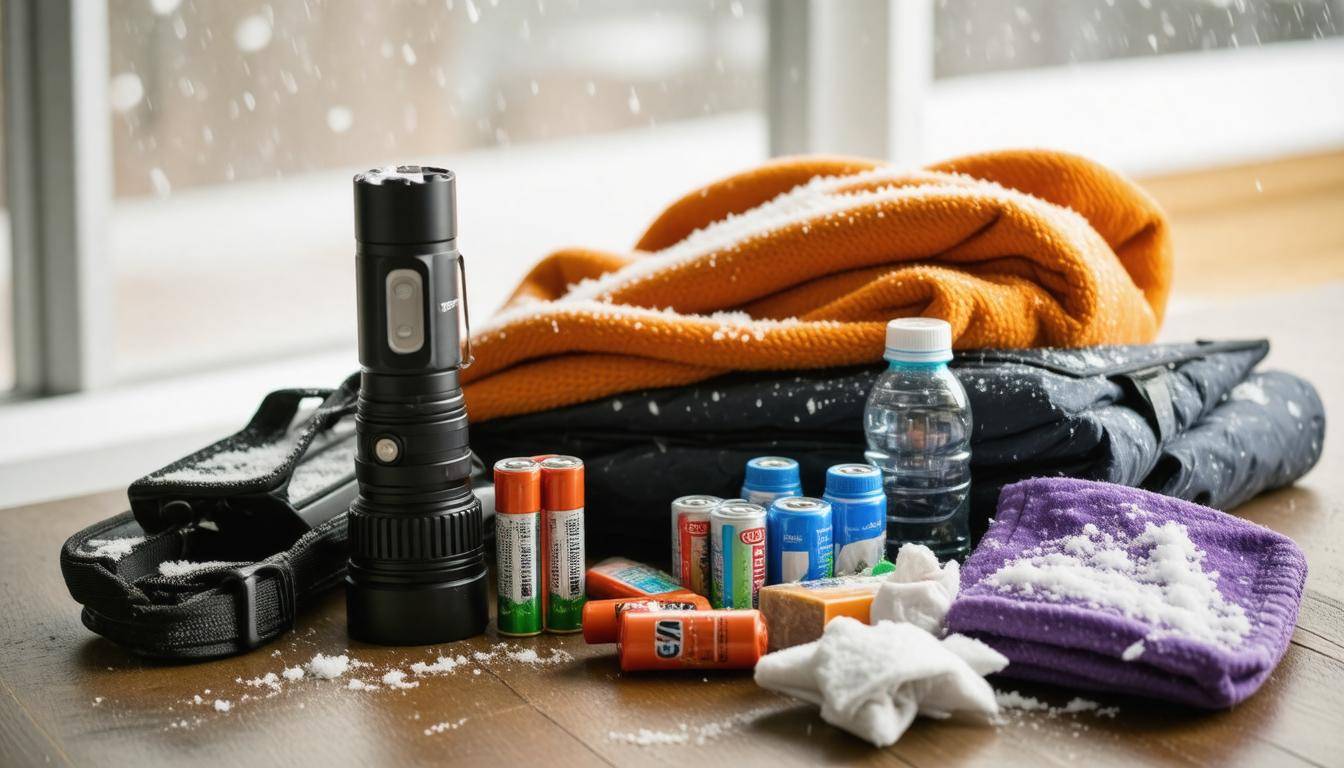
An emergency kit is like an unsung hero waiting in the corner, ready to serve when called upon. However, if the contents are stale or equipment malfunctions, that hero might just become a burden. It’s crucial to regularly check not just what’s in your kit but how well it functions. Imagine needing a flashlight during a power outage, only to discover it has dead batteries; that’s not just inconvenient—it could compromise your safety.
To keep everything in working order, I recommend performing a thorough review of your emergency supplies every six months. This timing is easy to remember: pair it with a changing season, like spring and fall cleaning. During this maintenance check, examine expiration dates on all food items first. Packaged food can provide sustenance long past its printed date, but it’s essential to validate its freshness. In addition to food, keep an eye on medications and burnable items such as candles. Nothing is worse than reaching for something in need and finding it unusable!
Next, evaluate your gear itself—this means not just looking at expiration dates but also assessing functionality. Check that your flashlights still emit light by testing them under normal conditions, ensuring they’re bright enough to pierce through any darkness.
A dim beam on a stormy night won’t do you much good.
Similarly, make sure that your batteries are fresh; they lose strength even without being used. A simple rotation system where you place newer batteries at the back of the compartment can help ensure you use the older ones first.
Now let’s not forget about equipment like radios or battery-operated stoves. These devices need periodic testing as well—nothing beats having a working communication tool during a winter storm when you’re cut off from community updates. Spend a few minutes plugging them in or turning them on to verify they work as expected.
Lastly, don’t let those valuable lessons you’ve garnered slip away between checks! Make notes about what worked well and what didn’t after using the kit during an emergency. Reflecting on your experience can lead to insights on what changes need implementation. Perhaps you’d realize that including an additional blanket or extra non-perishable snacks could enhance your preparedness for your family’s specific needs.
Maintaining your winter storm kit isn’t just about personal safety; it contributes positively to the readiness of the entire community. With this knowledge firmly in hand, we can now explore additional resources available for support during challenging times.
Community Resources and Support
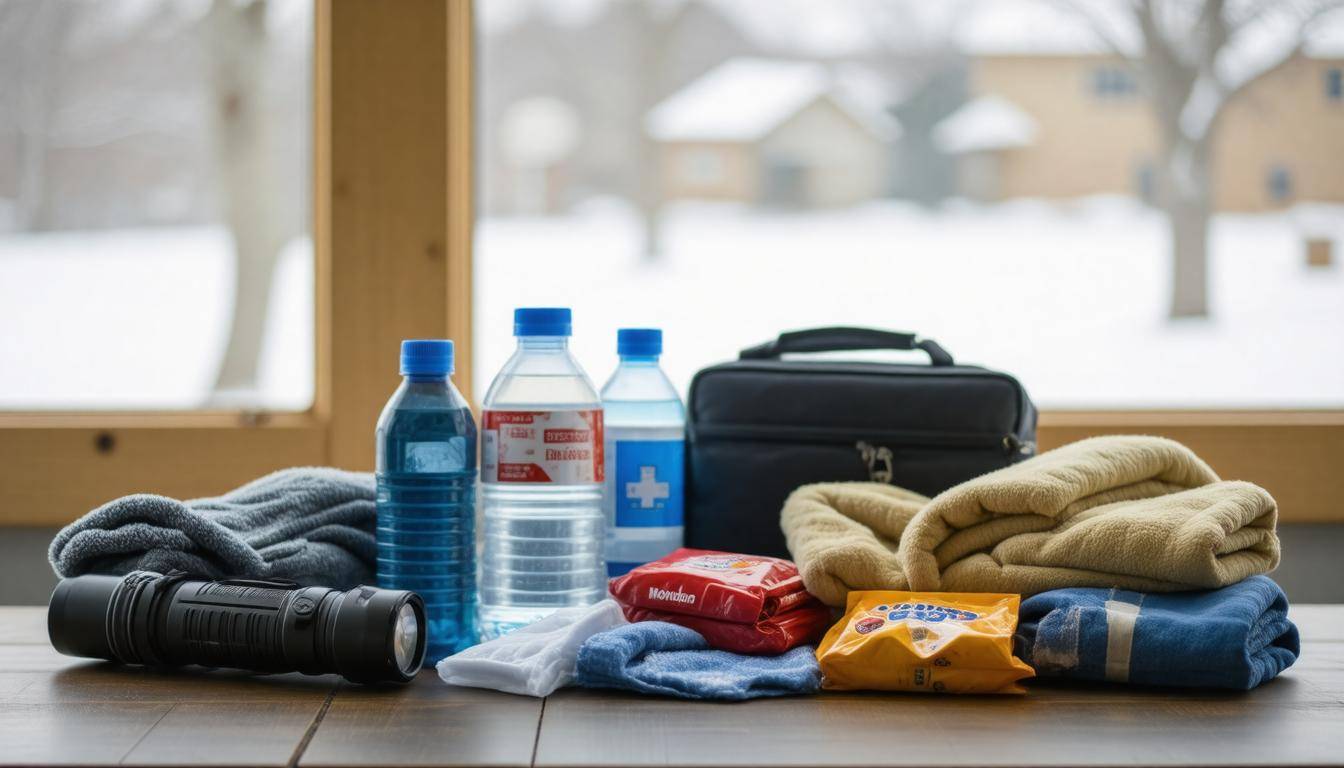
No one likes to think of what a winter storm might bring, but the power of community resources becomes invaluable in such situations. When the winds howl and snow piles high, it’s comforting to know there are established services designed to help us navigate through these challenging times. For instance, the Moncton City Services can keep you informed about snow clearing updates and road conditions by simply calling 506-859-2643. Being aware of these details helps you plan if you need to venture outside or if you should hunker down at home.
However, it’s not just about knowing who to call; it’s about understanding the broader support network available to you.
The Heart & Stroke Foundation provides emergency health services and warming centers by dialing 1-888-473-4636. This gives you access not only to crucial health services but also safe havens where you can wait out the worst of the weather if your heating system fails. Similarly, being connected with NB Power (at 1-800-663-6272) gives you immediate updates about power outages and emergency electric repairs, ensuring you’re never left in the dark—literally or figuratively.
It’s also important to incorporate a supportive community mindset during these tough times.
The Red Cross is another pillar of strength during emergencies. By contacting them at 1-800-222-9597, you gain access to temporary shelters and relief supplies that can make all the difference. Knowing that you have somewhere safe to go or that there are resources available for food and comfort supplies alleviates some of the stress that comes during crisis situations.
Table of Resources
| Resource | Contact Info | Services Offered |
|---|---|---|
| Moncton City Services | 506-859-2643 | Snow clearing updates and road closures |
| Heart & Stroke Foundation | 1-888-473-4636 | Emergency health services and warming centers |
| NB Power | 1-800-663-6272 | Power outage updates and emergency electric repair |
| Red Cross | 1-800-222-9597 | Temporary shelters and relief supplies in emergencies |
All of these resources highlight how essential it is to stay informed and connected.
Leveraging local services assures that during a winter storm or any significant event, you’re not isolated—backup plans are in place, providing both physical assistance when needed most and peace of mind throughout the experience. Having these numbers handy or programmed into your phone is a simple but strategic move that could transform how you handle a winter storm when it strikes. Your safety—and your community’s welfare—are truly worth this proactive effort.
In preparation for winter storms, remember to utilize community resources effectively; they play a crucial role in ensuring your safety and comfort during severe weather events.
How often should I review and update my winter storm kit to ensure its effectiveness?
You should review and update your winter storm kit at least twice a year, ideally at the beginning of winter and mid-season. This frequency ensures that food items haven’t expired, batteries are functional, and you have the latest essential supplies based on current needs. Statistics show that 70% of Canadians experience severe winter weather each year, highlighting the importance of preparedness in ensuring safety during unexpected storms. Regularly updating your kit can significantly improve your response to emergencies.
Are there specific guidelines for creating an emergency plan tailored to winter storms in my area?
Yes, there are specific guidelines for creating an emergency plan tailored to winter storms in Moncton, New Brunswick. Start by assessing your household’s needs and create a communication plan that includes meeting places and contact information. Ensure you have an emergency kit stocked with essentials such as water, non-perishable food, medications, and blankets. According to Environment Canada, winter storms can result in power outages affecting up to 30% of residents during major events; hence, having backup power sources is crucial. Regularly review and practice your plan to ensure all family members are prepared for unexpected blizzards or severe winter conditions.
How can I prepare my home to withstand severe winter storms in Moncton?
To prepare your home for severe winter storms in Moncton, ensure proper insulation and weatherproofing around windows and doors to prevent drafts, as homes lose up to 30% of their heat this way. Stock up on essential supplies like food, water, and medications, aiming for at least a three-day supply. Additionally, consider installing a backup power source such as a generator, given that over 30% of Moncton’s winter storms result in power outages lasting several hours or more. Following these tips can significantly enhance your home’s resilience during harsh winter conditions.
What local resources or services are available for assistance during major winter storms in Moncton?
During major winter storms in Moncton, residents can rely on local resources such as the City of Moncton’s website for updates and emergency alerts, as well as services like community shelters and road clearance information. The city also collaborates with organizations such as Red Cross for disaster assistance. For example, Moncton has a robust snow removal policy, maintaining an average response time of under 24 hours to clear priority routes after a storm. It’s crucial to stay informed through local news channels and social media for real-time updates and available help.
What essential items should be included in a winter storm kit for Moncton residents?
Essential items for a winter storm kit for Moncton residents should include non-perishable food, at least one gallon of water per person per day, a flashlight with extra batteries, a portable phone charger, blankets, a first aid kit, and necessary medications. Given that Moncton experiences heavy snowfall averaging about 300 cm annually, being prepared is critical to ensure safety and survival during unexpected storms. Additionally, having these supplies can alleviate stress and provide peace of mind during extended power outages or travel restrictions caused by severe weather conditions.