
When headed into the wild, especially in a stunning place like Montana, having the right gear can make all the difference. You might think you just need a good sense of adventure and a sturdy pair of boots, but trust me—preparation is key. I’ve learned this firsthand after being caught out in sudden rainstorms and unexpected cold snaps, wishing I had packed wisely. This guide will help you create a well-thought-out Montana Wilderness Survival Kit that’s tailored for the unique challenges of the area. Let’s dive into the essential items you shouldn’t leave behind, ensuring you’re ready for whatever nature throws your way!
A Montana Wilderness Survival Kit should include essential items such as a first aid kit, water purification tools, fire-starting materials, a multi-tool knife, a durable tarp or emergency blanket, navigational tools like maps and compasses, and food supplies like high-calorie energy bars. Additionally, it’s important to incorporate region-specific gear such as bear spray and clothing suitable for rapid weather changes to ensure preparedness in the diverse landscapes of Montana.
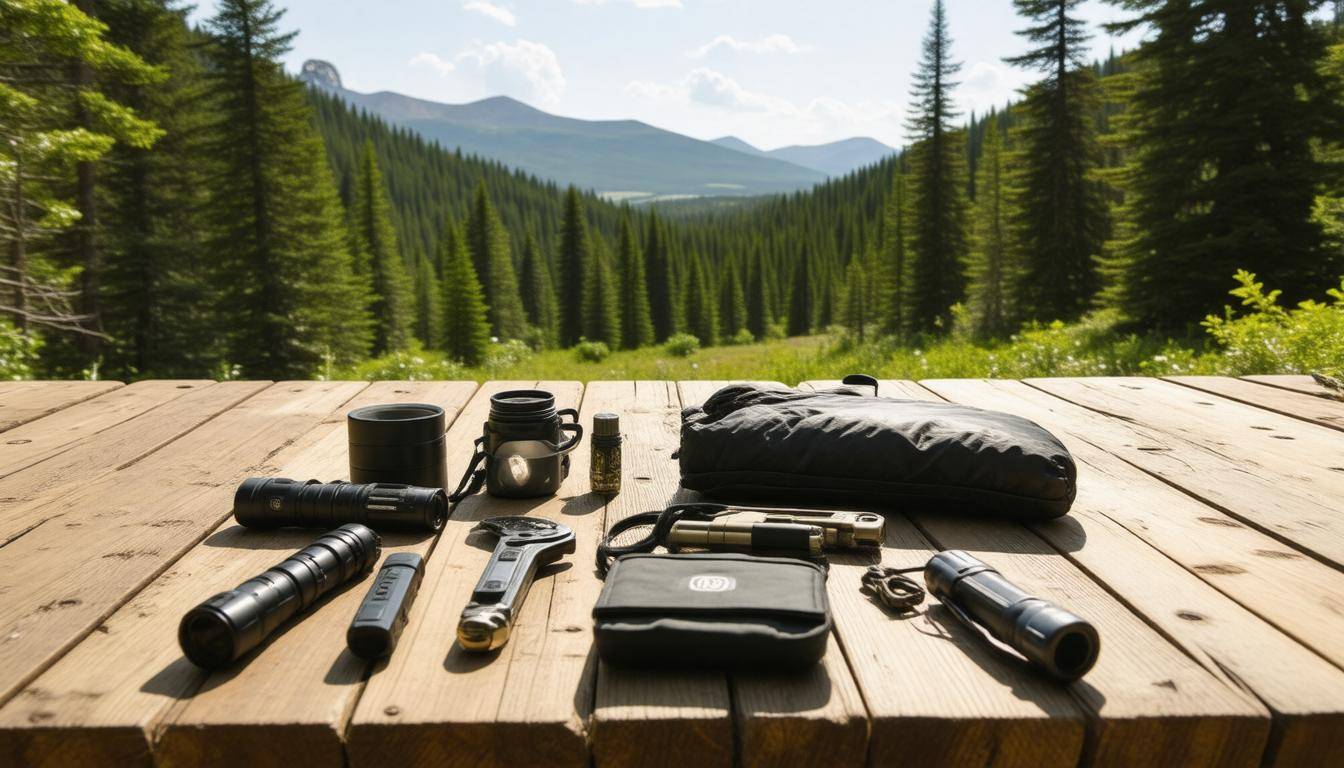
Essential Wilderness Survival Kit
First and foremost, let’s talk about the First Aid Kit. It’s not enough just to have a few Band-Aids; you need a well-stocked kit that can handle a range of situations. In Montana, where trails can be rugged and wildlife encounters unpredictable, having antiseptic wipes, adhesive tape, gauze pads, and tweezers ready at hand is essential. Pain relievers will also help alleviate discomfort from scrapes or stings after adventurous hikes. Always remember: taking care of minor injuries promptly can prevent them from escalating into serious issues.
Next up are your Fire Starters. Whether it’s waterproof matches, lighters, or fire starters like a ferro rod, these tools are indispensable when you’re out in the wild. Imagine being caught in a sudden rainstorm without the ability to start a fire. Fires provide warmth, light, and can even signal for help! So, when preparing your kit, ensure you know how to use each fire-starting tool effectively. Practice makes perfect—try starting fires under different weather conditions so you’ll be prepared no matter what nature throws at you.
Moving along to Navigation Tools, every backcountry enthusiast knows that getting lost can quickly turn an adventure into a nightmare. A reliable compass and topographic map of the area are non-negotiable. While technology provides us with GPS devices, they can malfunction or run out of battery power; always have a traditional navigation method on hand. Knowing how to read maps and use a compass boosts your confidence and ensures you stay on course even when visibility is poor.
As Benjamin Franklin famously said, “By failing to prepare, you are preparing to fail.” This mantra rings especially true for wilderness adventurers.
When it comes to Signaling Devices, carrying a whistle and a signal mirror could make all the difference if you find yourself needing assistance. The loud sound of a whistle carries farther than your voice, making it vital during emergencies. Mirrors can reflect sunlight over long distances, catching the attention of rescuers who might be miles away — simple yet effective tools that can save lives.
Don’t underestimate the power of a Multi-tool, either. This handy device combines multiple functions into one compact form—perfect for everything from opening cans to making small repairs on camping gear. A quality multi-tool with at least ten functions allows you to tackle an array of challenges without bogging yourself down with unnecessary items in your backpack.
Assembling this essential survival kit tailored specifically for Montana’s environment prepares you against immediate dangers while fostering a proactive mindset toward unforeseen circumstances. Let’s now explore fundamental skills that will further enhance your outdoor experience and safety.
Basics for Montana’s Wilderness
The wilderness of Montana is stunningly beautiful but can also present unexpected challenges. With its vast landscapes ranging from rugged mountains to sweeping plains, each area comes with its own set of microclimates that can shift within hours.
Montana’s Microclimates
To illustrate, let’s consider how drastically temperatures can change across different regions. In the Rocky Mountains, it’s not uncommon for a sunny afternoon to turn into a snowstorm by evening. During the winter months, places like Yellowstone can see frigid temperatures drop to an astonishing -20°F, while in contrast, summer days in the Bitterroot Valley can soar up to 90°F. This wide temperature range means that what feels comfortable in one area might not be suitable just a few miles away.
Because of these unpredictable weather patterns, it’s crucial to be well-prepared and properly equipped for all potential conditions you might encounter in the wilderness.
Clothing Essentials
One of the most effective strategies is layering your clothing. Layered clothing allows you to adapt easily to changing temperatures. Start with a moisture-wicking base layer that keeps sweat off your skin and helps regulate your body temperature. Next, include insulating mid-layers—think fleece or down jackets—that trap heat while still being lightweight and breathable. Finally, always have a waterproof and windproof outer layer on hand; this protective barrier is vital against rain and wind.
A mountaineer I once met shared a harrowing tale about getting caught in unexpected snow during a summer hike. Fortunately, his layered clothing system allowed him to adjust in minutes; he could add or remove layers as needed which helped him survive the plunge in temperature while comfortably navigating back to safety.
Getting the clothing right is just one piece of the puzzle; it sets you up for success but there are other essentials that will further solidify your preparedness for any wilderness endeavor.
Proper gear and clothing form only one foundation for surviving in Montana’s vastness—embracing preparation wisdom will undoubtedly make all the difference when facing unexpected challenges.
As we shift gears, let’s explore those indispensable items that every outdoor enthusiast should have at their disposal.
Must-Have Tools and Gear
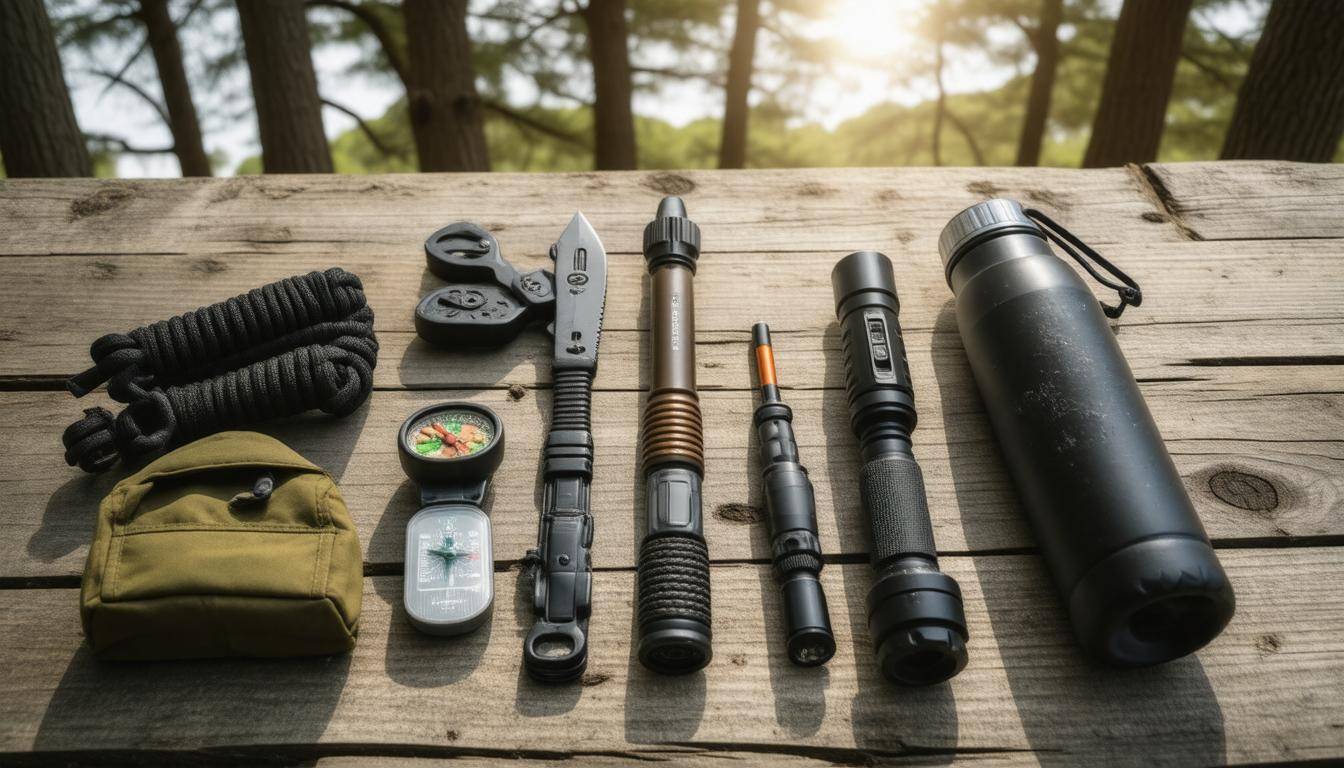
First on the list is a hatchet or compact saw, which serves as an indispensable tool for gathering firewood and constructing shelters. It may be tempting to opt for larger, bulkier options, but these can weigh you down significantly. Instead, aim for something lightweight yet sturdy. A compact size allows you to maneuver it easily while still providing the necessary functionality to help you maintain warmth and shelter.
Next up is a portable stove. In situations where dry firewood is scarce, having this handy equipment is crucial for cooking meals and boiling water. Look for lightweight models that fold up easily, allowing you to save space in your pack without sacrificing quality. Remember, a well-fed body is one of the best defenses against the elements.
Another essential item is a flashlight or headlamp, complete with extra batteries. These illuminate your path when navigating through darkened woods or setting up camp at dusk. Make sure to select a durable model that can withstand the rigors of outdoor living; after all, visibility can make or break a situation when you find yourself miles away from civilization.
Don’t overlook the utility of paracord. This versatile item comes in handy in countless scenarios—from building improvised shelters to repairing damaged gear. Its strength ensures it won’t fail you when it matters most. Having at least 50 feet of paracord could mean the difference between a makeshift shelter and one that withstands harsh weather.
Lastly, consider packing a tarp. Lightweight and versatile, tarps can quickly transform from ground cover to emergency shelters, offering protection against rain and wind. Their array of uses doesn’t end there; they can also be employed as a sunshade during hotter days or as additional insulation under sleeping bags during cold nights. An appropriate tarp can easily become one of your most valued possessions in the wild.
With your tools in check, ensuring protection from the elements will further enhance your safety and comfort in challenging environments, preparing you for whatever nature throws your way.
Shelter and Protection Items
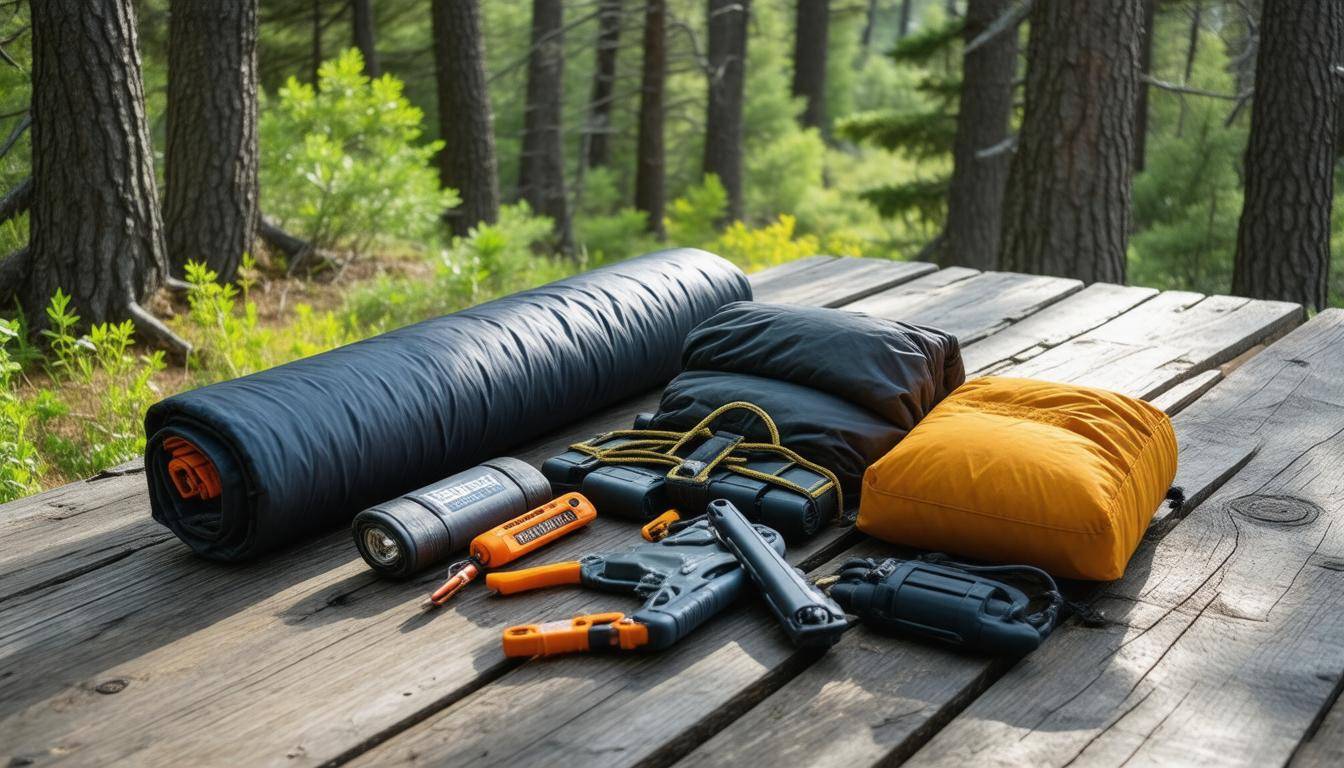
When venturing into the wilderness, having appropriate shelter can mean the difference between comfort and survival. Depending on your environment and situation, your choice of shelter greatly influences your overall experience.
Let’s explore some effective options.
Types of Shelters
In wilderness settings, environmental factors play a significant role in determining shelter needs. The right choice can provide crucial protection against harsh weather conditions, thus preventing exposure-related issues such as hypothermia. Here are some common types of shelters to consider:
Tents and Tarps: Lightweight and compact tents or durable tarps are crucial for quick setups when nature doesn’t cooperate. Tents offer protection from rain, wind, and snow while providing a psychological sense of security. A good quality tent can withstand bad weather better than many other options. Meanwhile, tarps are incredibly versatile—they can be configured in numerous ways for shade or coverage against rain.
If you’re looking for something even more streamlined for emergency situations, bivy sacks may be your best bet. These lightweight solutions wrap around you like a cocoon while providing insulation and water resistance. Ideal for those nights when you need to lay down after a long day of trekking, they keep you warmer and drier compared to sleeping without any protection.
-
Hammocks: If you find yourself in forested areas, hammocks allow for good air circulation while keeping you off the cold ground; however, they may not serve well on open plains where strong winds or rain could cause discomfort.
-
Natural Shelters: Utilizing natural formations like caves or hollows offers immediate refuge when in the wild without gear. Ensure these locations are safe from stagnant water or wildlife.
Research indicates that exposure to cold rapidly elevates hypothermia risks. Body temperatures may drop to dangerous levels in under an hour at high altitudes—particularly above 5,000 feet. Hence, assessing your surroundings swiftly for the ideal shelter is essential.
With this diverse range of shelters at your disposal, consider not just what would work best for overnight stays but also how quickly you can set up these structures under pressure. Creating a protective space is paramount; each option comes with its pros and cons based on geography and climate conditions.
After ensuring protection from the elements, it’s crucial to turn our attention to securing sustenance during these wilderness trips.
Food and Water Essentials
Sufficient food and clean water are the backbone of survival. Without these essentials, even the most experienced adventurer could find themselves in trouble. The good news? Preparing your wilderness survival kit with quality supplies can make all the difference.
Water Purification
Always include a reliable water filter, purification tablets, and a collapsible water container in your kit. As you navigate through breathtaking landscapes, keep in mind that even those crystal-clear mountain streams may hold hidden dangers. A study by the Wilderness Medical Society found that pathogens can thrive in seemingly pristine waters; therefore, purification isn’t just a precaution—it’s a necessity.
It’s worth noting that faster-moving water tends to be safer due to its higher oxygen content, which reduces harmful organisms. However, if you must use stagnant sources, absolutely treat it.
As you’re preparing to tackle various environments, consider using multiple methods of purification. A simple backpacking pump filter offers quick access to clean water while incorporating tablet disinfection provides an added layer of safety when boiling isn’t feasible during an adventure. Carrying a lightweight collapsible water container will not only allow you to transport safe drinking water but also conserve space in your gear.
Food Supplies
While clean water is paramount, food plays its own crucial role in sustaining energy levels and keeping morale high. Including high-energy, non-perishable food items is essential for any survival situation. Here are some favorites:
- Energy Bars and MREs (Meals Ready to Eat) provide quick fuel when every ounce matters.
- Nuts, Dried Fruits, and Jerky serve as excellent protein sources and are easy to pack for trail snacks.
- Instant Oatmeal Packs and Soup Mixes are lightweight meal options that offer warmth and comfort after a long day on your feet.
In my own experiences hiking through Montana’s rugged terrain, I’ve relied heavily on these energy-packed foods. I particularly remember one frigid evening when setting up camp; after a long trek, nothing felt better than sipping hot soup straight from a pouch while draped in a warm blanket under the stars.
With the right provisions in place, you’ll be equipped not just to survive but to thrive amid nature’s challenges. It’s essential now to turn our attention to understanding how to stay safe around the local wildlife while exploring these beautiful natural habitats.
Wildlife and Nature Safety
Montana’s breathtaking landscapes come with the thrill of encountering various wildlife, from curious elk to elusive mountain lions. However, safely navigating these encounters is essential for both your well-being and that of the animals. To ensure a harmonious relationship with nature, there are specific practices you should adopt.
Bear Safety
When venturing into bear country, carrying bear spray is non-negotiable. Bear spray has proven effective in deterring aggressive bears; thus, understanding how to use it properly can mean the difference between a close call and a dangerous encounter. Encounters have increased significantly due to more human activity in their habitats, a concern highlighted by the Montana Fish, Wildlife & Parks department.
Many seasoned hikers emphasize that having bear spray at the ready—and knowing how to deploy it—has saved them from potential danger. Keep it accessible while hiking, preferably on your belt or in an easily reachable pocket.
In addition to carrying bear spray, learn to recognize bear signs such as scat or scratches on trees. Knowledge empowers you; being aware of your surroundings can help prevent unwanted surprises. Respecting wildlife boundaries is also key; never approach wildlife, no matter how beautiful they appear.
Safe Campsite Practices
Setting up camp involves more than just finding a comfy spot; it’s about being smart with food storage to minimize visitation from bears and other wildlife. Store your food in designated bear-proof containers because food odors can attract bears from miles away. Proper food storage not only keeps you safe but also protects bears from becoming habituated to human food sources.
Ideally, set up your campsite at least 200 feet away from your food storage area and cooking zones. This distance helps reduce the chances of scent travel that could lure wildlife closer to where you’re resting. To further protect your space, cook meals away from sleeping areas and avoid leaving any leftovers or scraps.
It’s about creating a buffer zone that reminds wildlife that visitors might be around but won’t be a source of easy meals.
Lastly, remember that while being outdoors can feel liberating and exhilarating, respect for nature enhances that experience tenfold. Adopting these practices not only ensures your safety but contributes to the preservation of Montana’s stunning ecosystems for generations ahead.
With an understanding of wildlife safety established, let’s shift our focus toward effectively organizing essential gear that will enhance your outdoor experience.
Packing Your Survival Kit
Packing your survival kit efficiently can make a significant difference in emergency scenarios. When you’re in a situation that demands quick action, fumbling through an unorganized pack can waste precious minutes. An orderly survival kit not only saves time but also potentially your life. The key is to understand what you’ll need most and when you’ll need it.
Organized Packing
A great way to stay organized is to use waterproof bags to compartmentalize your items. This simple tactic protects your gear from moisture while keeping each category of supplies distinct. For instance, have separate bags for medical supplies, food items, fire-starting tools, and navigation equipment.
Label each one clearly so you know exactly where everything is at a glance. Here’s a quick tip: place the most critical items, like your first aid kit and fire starters, in the outer pockets of your backpack for easy access when time is of the essence.
To visualize this method, consider the following table that lays out essential items in your survival kit:
| Item | Quantity | Compartment |
|---|---|---|
| First Aid Kit | 1 | Top Pocket |
| Fire Starters | 3 | Front Pocket |
| Multi-tool | 1 | Side Pocket |
| Water Purification Set | 1 set | Main Compartment |
| Emergency Blanket | 1 | Bottom Compartment |
As you fill each compartment of your kit, consider weight as well. Ideally, your entire survival pack should weigh no more than 10-20 pounds. This range allows for ease of transport while still ensuring you have enough supplies for emergencies. The specific weight will depend on the duration of your trip—whether you’re going for just a day hike or an extended trek into Montana’s rugged wilderness.
Additionally, choose the right pack type based on your adventure. A 50-70 liter backpack works well for long excursions requiring considerable gear, whereas a smaller daypack of about 20-30 liters suffices for short adventures.
With your survival kit efficiently packed and organized, you are better prepared for unforeseen challenges; now let’s turn our attention toward acquiring vital skills that enhance your wilderness readiness.
Tips for Wilderness Survival
Skills to Master
Fire-building is arguably one of the most crucial skills to have in the wilderness. Imagine finding yourself with limited resources, yet needing warmth or a method to cook food. Practicing different fire-starting techniques like using a fire bow, flint and steel, or even matches at home can give you confidence before heading into the wild. Each method has its nuances; for instance, a fire bow may take practice to master but offers reliability when done correctly.
Now let’s talk about navigation. It’s vital not only to possess a compass but also to know how to use it effectively alongside topographic maps. Before embarking on your journey in Montana’s varied terrains, get familiar with reading these maps and practicing compass techniques in a safe environment. This preparation helps you avoid unnecessary hassle if you find yourself disoriented during your trek.
Situational Awareness
Staying alert about your surroundings can make all the difference. It’s recommended that you inform someone about your itinerary and expected return time before you head out. This way, if something goes awry or you find yourself stranded, someone will be able to report you missing promptly, facilitating faster rescue efforts.
While gadgets like satellite phones can provide an added sense of security in the backcountry, they shouldn’t replace basic survival knowledge and preparation. Technology can fail—batteries die or devices can break—but your acquired skills cannot be taken away from you. Therefore, investing time in learning essential survival techniques prepares you for emergencies and provides peace of mind as you traverse Montana’s beautiful wilderness.
Remember that being prepared is more than just having the right gear; it’s about understanding how to use that gear effectively while remaining vigilant in any situation.
By prioritizing these foundational skills and maintaining situational awareness, you’re setting yourself up for success on your wilderness adventures. With every practice session and each piece of knowledge absorbed, you become more capable of thriving in nature’s embrace.
In mastering these skills and staying aware of your surroundings, you’re not just preparing for challenges; you’re enhancing your overall wilderness experience.