
When it comes to natural disasters like the earthquakes and flash floods that can strike Morocco, being prepared isn’t just smart—it’s essential. Imagine the chaos of a sudden tremor or rushing water, and you’ll realize how vital it is to have the right supplies at your fingertips. A well-thought-out emergency kit can be a lifesaver in those situations, offering comfort and security when everything around you feels uncertain. By gathering key items before disaster strikes, you can ensure you and your loved ones are ready to weather any storm. Let’s dive into what should be included in your essential preparation kit for safety during these unpredictable events.
A comprehensive Morocco earthquake and flash flood preparation kit should include clean water storage solutions, non-perishable food items, a first-aid kit, water filters or purification tablets, and tools for repairs. Additionally, it is advisable to incorporate emergency lighting, a multi-tool, blankets, and a battery-powered radio to stay informed during disasters.

Essential Emergency Supplies
Non-perishable food items are critical during emergencies as they provide sustenance and comfort during stressful times. Imagine encountering unforeseen natural disasters and facing food shortages—having readily available supplies can be a lifeline. You should aim for a minimum three-day supply of food that is easy to store and prepare, such as canned goods, energy bars, and dried fruits. These foods don’t require refrigeration and have lengthy shelf lives, making them ideal choices.
- Opt for freeze-dried meals or canned goods that are calorie-dense and nutritious.
- Incorporate energy bars that are rich in protein for quick energy boosts.
- Choose items that require minimal preparation, ensuring you can manage meal prep easily even in distress.
Beyond food and water, another often-overlooked but pivotal addition to your emergency kit is a properly equipped first-aid kit.
First Aid Kit Necessities
Your first-aid kit is your go-to solution for minor injuries or ailments. It’s essential to ensure it contains a variety of items like bandages, antiseptic wipes, gauze, adhesive tape, scissors, and any necessary prescription medications you might need during a crisis. A well-stocked first-aid kit provides peace of mind, enabling you to focus on safety without worrying about how you’ll treat cuts or scrapes.
Remember: It’s wise to periodically check the contents of your first-aid kit. Medications can expire, and supplies may run low over time.
In addition to basic supplies, tools and equipment play a vital role in self-reliance during emergencies.
Tools for Self-Reliance
Having the right tools at hand post-disaster can make a significant difference in recovery efforts. Consider keeping a multi-tool with functionalities that include a knife and screwdriver among other essential functions. This versatility will prove invaluable when hardware stores aren’t accessible for repairs needed after an earthquake or flooding event.
- Include a flashlight—preferably battery-powered or hand-crank—with extra batteries to ensure you’re never left in the dark.
- A whistle can signal for help if needed and alert rescuers to your location.
It’s quite compelling how much preparedness can come down to having just the right selection of supplies and tools. By dedicating time now to create a comprehensive emergency kit filled with these essentials, you’ll not only protect yourself but also strengthen community resilience should disaster strike again.
As we shift our focus forward, understanding the critical elements surrounding sustenance will be essential in constructing your overall safety plan.
Food and Water Essentials
When you’re preparing for an earthquake or flash flood, knowing what food and drink to stock up on is crucial. The emphasis should be on items that provide both caloric content and nutritional value, yet are easy to store and require minimal preparation.
Imagine yourself in a high-stress situation; your body needs energy to function effectively, which means having high-calorie options like peanut butter or granola bars readily available. These foods not only provide sustenance but are also compact, making them easy to carry if you need to evacuate.
Non-Perishable Food Items
Your best friends in an emergency will be non-perishable food items such as canned goods, freeze-dried meals, and energy-rich snacks. Canned beans, tuna, and vegetables are nutritious and add variety to your meals without being extravagant. Freeze-dried meals tend to take up less space and typically require just hot water for preparation—perfect for situations where cooking might not be viable.
It’s wise to include high-calorie options that cater to specific dietary needs. For example, if you have children or someone with dietary restrictions, consider adding baby food or gluten-free snacks to the mix. This way, everyone has something they can eat comfortably during those tense moments.
Also keep in mind the accessibility of these items—having a manual can opener is essential for opening canned goods if the power goes out. No one wants to be stuck staring at a can of beans without a way to open it!
As we start focusing on hydration needs, remember that water is vital; it’s usually your first concern in a disaster scenario.
Water Storage Solutions
Water may just be the most critical element of your prep kit. At least one gallon (3.8 liters) of water per person per day is recommended for drinking and sanitation. The goal is to have at least a three-day supply, which can mean filling up large containers or investing in commercial water barrels specifically designed for emergencies.
But don’t forget about how you’ll purify it! Water filters or purification tablets should be part of your inventory—it’s all about ensuring that the water you do have remains safe for consumption after an emergency strikes.
When thinking ahead, consider how long you might need to rely on your supplies depending on the situation. This approach will help alleviate panic once an event begins, knowing that you’ve taken measures necessary for both hunger and thirst.
With food and water secured, personal safety becomes equally vital as part of your preparedness strategy moving forward.
First Aid and Personal Safety Items

A well-stocked first aid kit can truly be a lifesaver during emergencies such as earthquakes or flash floods. Imagine the chaos of an earthquake rattling your home or the panic of sudden flooding. You want to ensure that you have the essential medical supplies to respond quickly when it matters most.
Your first aid kit should include items like adhesive bandages for small cuts, sterile gauze pads for more serious injuries, and antiseptic wipes to prevent infections. Additionally, packing scissors and tweezers can help with many unforeseen situations, from cutting away clothes to removing splinters.
Alongside primary medical supplies, consider adding personal protective equipment (PPE) such as face masks, gloves, and safety glasses. These items are invaluable in a disaster scenario, as they shield you from potential injuries and reduce the risk of infections.
It’s also important to include both over-the-counter medications, such as pain relievers and antihistamines, along with critical prescription medications you require. In the heartbeat of an emergency, having access to your medication could make all the difference. Don’t forget a digital thermometer; keeping track of body temperature after an injury can be essential in monitoring health.
To further enhance your preparedness, a first aid manual should also be part of your kit. This guide provides vital instructions on how to treat common injuries effectively. Often overlooked, this manual becomes your lifeline when you’re unsure of what steps to take.
With these essentials in hand, you’ll not only be ready to respond during an emergency but also equipped to face the challenges that may follow. As we navigate through further preparation strategies, let’s explore the crucial tools that will bolster your safety and resilience.
Tools and Equipment for Survival
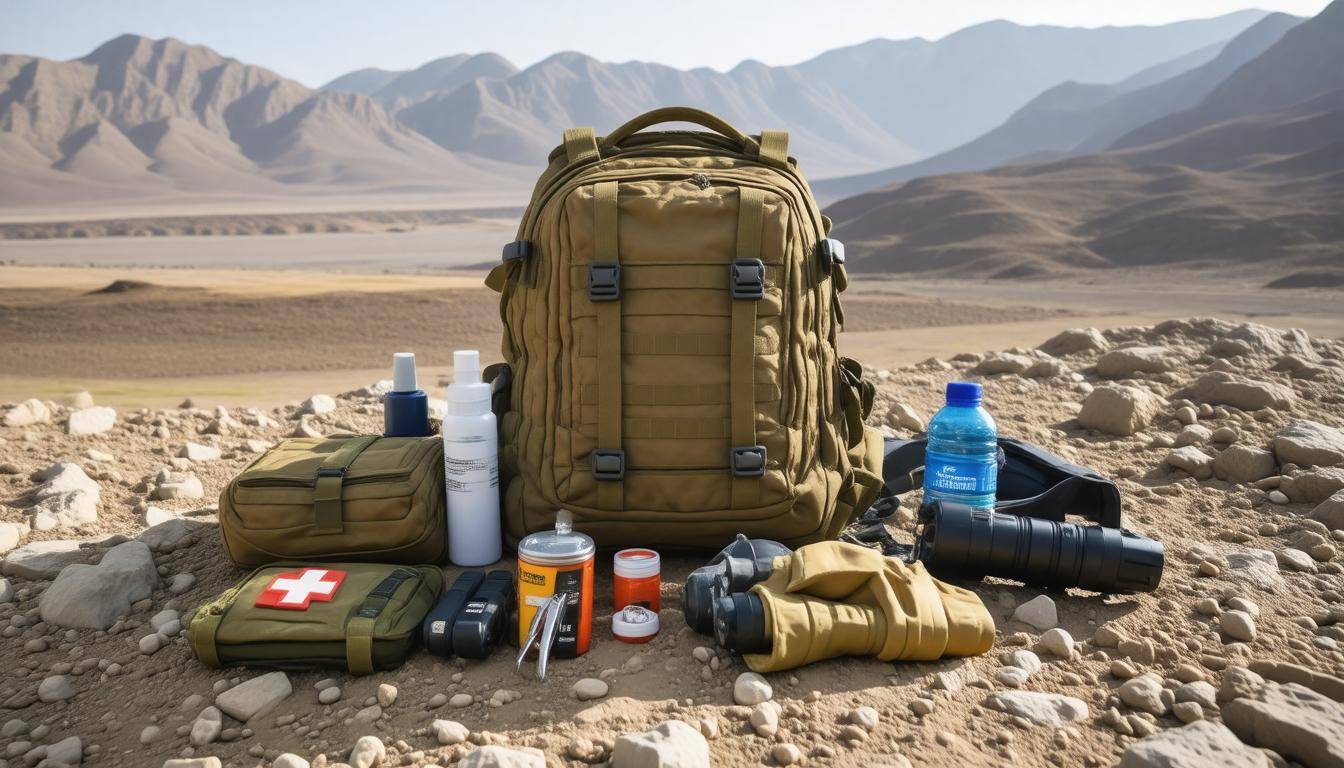
When preparing for natural disasters like earthquakes and flash floods, having reliable tools and equipment is crucial for ensuring your survival and the safety of those around you. Essential home repair and survival tools such as multi-tools, pliers, duct tape, and screwdrivers become invaluable in emergency situations.
For instance, a multi-tool can handle everything from unscrewing loose fittings on your refrigerator to opening canned foods when you’re low on supplies—its versatility is unmatched. Likewise, sturdy duct tape can serve multiple purposes, whether securing broken furniture or sealing off water leaks that might emerge during a flood.
Among your most vital items should be an emergency whistle, which can be remarkably effective for signaling for help if you find yourself trapped or lost. A loud whistle can carry over long distances—often up to 100 decibels—making it far easier for rescuers to locate you compared to shouting. Next on the list is a quality knife; this tool assists not just in cutting tasks but also for tasks requiring precision, whether it’s preparing food or creating makeshift shelters after damage to your home.
Practical Tools
-
Portable chargers or power banks: These devices will keep your essential electronic gadgets powered when utility supplies are unreliable. They allow you to stay connected with loved ones or access crucial information.
-
Flashlights with extra batteries: Opt for LED flashlights that provide bright light while conserving battery life. Having at least two in different parts of your home ensures you’re never caught in the dark.
-
Waterproof matches and lighters: When emergencies occur, having a reliable way to start a fire becomes essential—not just for warmth but also for cooking food and purifying water.
Equipped with these practical tools, one must remember that communication during emergencies remains paramount. A battery-operated or hand-crank radio allows you to stay updated on emergency broadcasts even if the power grid fails. Through this device, you’ll receive crucial alerts about weather conditions or evacuation orders, ensuring you’re informed and equipped to take necessary actions quickly.
Moreover, consider housing these supplies in an easily accessible location so they are ready at a moment’s notice when you need them.
With the right tools established, the next step is focusing on how effective communication can enhance your safety during a crisis.
Communication Devices
Being well-prepared means having the right tools for communication when disaster strikes. A fully charged mobile phone is a cornerstone of emergency readiness; it can quickly connect you to family, friends, or emergency services. But don’t just rely on your phone’s battery. Keep a list of emergency contacts easily accessible, ideally printed out and stored with your other preparedness materials. This way, if your phone’s battery dies, you still have vital information at your fingertips.
The limitations of traditional cell networks can become painfully apparent during disasters like earthquakes or floods when cell towers may be overwhelmed or even damaged. That’s where two-way radios come into play. These devices facilitate direct communication over short distances without relying on cellular infrastructure—an important feature when you need to coordinate with others nearby. Many families have found that investing in good-quality two-way radios offers not only peace of mind but also practical reliability in crisis situations.
While two-way radios are effective, there are occasions when you find yourself in very remote locations or during extensive network failures. For these situations, satellite phones can be a lifesaver. Although they come with a higher price tag, they allow for global communication regardless of terrestrial networks—an ideal solution if you’re venturing into areas that aren’t well-connected.
However, owning communication devices is only half the battle; ensuring they remain operational is crucial. Consider purchasing a portable solar charger or an external power bank to keep your devices charged throughout an emergency. It’s wise to test these chargers periodically to ensure they’re functioning properly and know how long it takes to recharge your devices.
Lastly, I recommend familiarizing yourself with the functionalities of all these devices before an emergency arises. Take time to practice using your two-way radio or satellite phone with family members so that everyone feels confident in operating them under stress. Knowing you can reach someone—even when the power goes out—can provide significant comfort.
Once you’re equipped with reliable communication options, it’s essential to plan how to move and where to go when a disaster strikes.
Mobility and Evacuation Plans
When the ground shakes or waters rise, every second counts. Having a well-prepared evacuation strategy can be the difference between safety and confusion. It starts by knowing your local geography: are there hills where landslides might occur? Do you live near rivers that could flood? Understanding these details will help you craft a solid plan tailored to your needs.
Additionally, consider keeping an emergency contact list with at least three local contacts and two out-of-area contacts handy. This way, if separation occurs during an emergency, staying connected is easier.
A comprehensive evacuation plan includes identifying multiple routes out of your neighborhood. Picture this: it’s chaotic; sirens are blaring, traffic is jammed. Your primary route may not be accessible, so having at least two alternative paths in mind is essential. Familiarity with these routes allows you to think clearly under pressure—plus it doesn’t hurt to drive them occasionally to ensure the family is comfortable navigating them when the time comes.
Effective planning also means designating meeting points ahead of time, one close to home and another further away. In the chaos of an emergency, people can become disoriented quickly; knowing where to meet can instill a sense of calm amidst the storm.
Go Bag Essentials
When I talk about having a “go bag,” I’m referring to a compact kit ready for immediate grab-and-go situations. Imagine needing to evacuate quickly; reaching for this bag will save precious time and provide comfort during uncertainty. It should contain vital items like identification documents, including ID cards and passports, as well as copies of critical information like insurance policies and bank records—these should be stored in waterproof sleeves.
Here’s what else you’ll want to include:
- Identification (ID cards, passports)
- Copies of insurance policies and bank account records
- Cash in small denominations
- Personal hygiene supplies
- Extra clothing
Don’t forget medications! Ensure any necessary prescription drugs have been packed along with first-aid supplies for minor injuries. After all, these simple yet effective items can dramatically enhance your ability to respond successfully to emergencies. Packing proactive meals or snacks—non-perishable, easy-to-carry food—ensures energy levels remain stable while you navigate changing circumstances.
With these preparations in place, it’s time to transition into some important final considerations that will help ensure you’re fully equipped and ready for unexpected events.
Final Checklist for Disaster Readiness
As you prepare for potential earthquakes and flash floods, it becomes essential to consolidate all your efforts into a comprehensive checklist. Begin by taking inventory of all your essential items. This includes everything from food and water supplies to first-aid kits and emergency blankets. Go through each item meticulously; check expiration dates on food and medicinal supplies, ensure batteries are charged for flashlights, and confirm that your water purification methods are in place.
In doing this, make sure to keep your checklist updated regularly. If you find any expired or damaged items, replace them immediately. I recommend setting a specific date every month dedicated to this review process. Not only will this foster a habit, but it ensures that when an emergency arises, you’re not scrambling at the last minute to gather supplies. Having an organized system facilitates a smoother return to safety in a crisis.
It can also be beneficial to practice evacuation drills with the family as part of your routine maintenance. This exercise ensures that everyone knows their role and is familiar with the safest exit routes. Just like rehearsing for a performance, familiarity breeds confidence!
But beyond just inventory checks and drills, think about how you will document your preparedness efforts. Use a simple tracking system—perhaps an app or digital spreadsheet—that notes when items were last checked and replaced as necessary. This not only visually demonstrates your level of preparedness but also brings an added layer of accountability among family members.
Finally, we must review and understand key documents before any disaster strikes. It’s vital to have copies of important papers—identification cards, insurance policies, medical records—all stored securely and easily accessible. Place these documents in a waterproof container so they remain intact even if faced with floodwaters.
With these fundamental steps completed, you’ll be well-equipped to manage any disaster situation effectively while ensuring all necessary paperwork is in order and easy to access when needed.
Reviewed Documents and Plans
The importance of having your critical documents organized and easily accessible during an emergency cannot be overstated. Being ready means knowing exactly what you have and where to find it when the situation demands urgent action. Compiling essential legal documents, such as property deeds, insurance papers, and identification, along with vital medical records, provides a strong foundation for your emergency preparedness kit.
Family photos not only help keep memories alive but can also serve as proof of identity if needed under stress.
Keeping these documents in a waterproof, portable container is key. Water damage can ruin everything in moments, so think of this container as your safety vault during a flood or earthquake.
Besides physical copies, it’s wise to create digital backups stored on a USB drive or cloud service. Having electronic copies ensures that even if physical documents become inaccessible, you’ll still have access to the information you need at your fingertips.
Alongside this digital backup, drafting a written emergency action plan tailored to various scenarios empowers everyone in your household. Consider detailing steps for evacuation routes, communication protocols, and emergency contacts. This preparation can alleviate confusion and anxiety during an actual event.
This document should include a list of local emergency services—like fire departments, hospitals, and police stations—alongside family members’ contact details. In moments of chaos, knowing who to call and where to go can make all the difference. It’s beneficial too to suggest rehearsing these plans with your family members; practice can cultivate familiarity and confidence in executing them under pressure.
After ensuring your documentation is in order, take time to familiarize yourself with the relevant local and national response frameworks that may guide you during emergencies.
In general, being prepared with essential documents not only aids individual safety but also enhances community resilience in times of crisis. Effective planning today can pave the way for smoother recoveries tomorrow.
What essential items should be included in an earthquake and flash flood preparation kit?
An essential preparation kit for earthquake and flash flood safety should include items such as a first-aid kit, bottled water (at least one gallon per person per day for three days), non-perishable food, a flashlight with extra batteries, a whistle to signal for help, and important documents in a waterproof bag. Statistics show that approximately 1% of all earthquakes lead to serious injuries, while flash floods cause more deaths than any other weather-related hazard. Thus, being prepared can significantly increase your chances of survival during these natural disasters.
How can communities in Morocco effectively educate residents about emergency preparedness?
Communities in Morocco can effectively educate residents about emergency preparedness by implementing interactive workshops and community drills that simulate earthquake and flash flood scenarios, allowing participants to practice safety procedures. Additionally, leveraging local media and social platforms to disseminate clear, accessible information can enhance knowledge retention. According to a study by the Moroccan National Institute of Statistics, communities with regular preparedness training had a 30% higher rate of readiness during emergencies compared to those without such programs, highlighting the importance of proactive education in saving lives and minimizing property damage.
What safety measures can be taken beyond just having a preparation kit?
Beyond having a preparation kit, safety measures such as creating an emergency communication plan and participating in local disaster preparedness training can significantly enhance safety during earthquakes and flash floods. Regularly reviewing your escape routes, ensuring that all family members are informed about their roles during emergencies, and practicing drills can save lives. According to the Federal Emergency Management Agency (FEMA), communities that engage in preparedness training reduce overall risk by up to 30%, highlighting the importance of proactive measures in mitigating disaster impacts.
How often should preparation kits be updated or inspected?
Preparation kits should be updated and inspected at least every six months to ensure that all items are functional and not expired. Regular checks help keep supplies fresh, as food and medicines can spoil over time; for instance, non-perishable foods can last long but should still be rotated to maintain quality. Additionally, according to FEMA, about 60% of those who prepare find their supplies inadequate when emergencies strike, highlighting the importance of routine inspections and updates in enhancing safety during disasters like earthquakes and flash floods in Morocco.
Are there specific regional considerations for preparing kits in different parts of Morocco?
Yes, there are specific regional considerations for preparing kits in different parts of Morocco due to the country’s varied geography and risk factors. Coastal areas, such as Casablanca and Agadir, must prioritize items for flash floods, while regions near the Atlas Mountains are more susceptible to earthquakes. Statistics from recent reports indicate that 43% of Moroccans live in earthquake-prone zones, primarily in the northern and central regions, making it vital to include sturdy items like helmets and first-aid kits in these areas. Conversely, flood-prone regions require water purification tablets and waterproof gear in their emergency kits.