
When winter rolls into Moscow, it brings with it a whole new set of challenges that can catch anyone off guard. The freezing temperatures, swirling snow, and biting winds require serious preparation to navigate safely through the season. Whether you’re a long-time resident or visiting for the first time, understanding how to survive and thrive during the harsh months ahead is essential. I’ve spent countless winters learning the ins and outs of staying warm and safe in this frosty climate, so trust me when I say that being prepared can make all the difference between enjoying the beauty of winter and just trying to survive it. In this guide, we’ll explore the must-know tips for layering clothing, choosing the right gear, and navigating blizzards—all you need to embrace Moscow’s winter with confidence!
The Moscow Winter Emergency Survival Guide offers crucial survival tips such as layering clothing effectively to retain heat, utilizing warm footwear like felt boots, and engaging in physical activity to generate body warmth. It also emphasizes the importance of seeking immediate shelter in extreme cold and protecting exposed skin from frostbite to ensure safety during severe winter weather conditions.
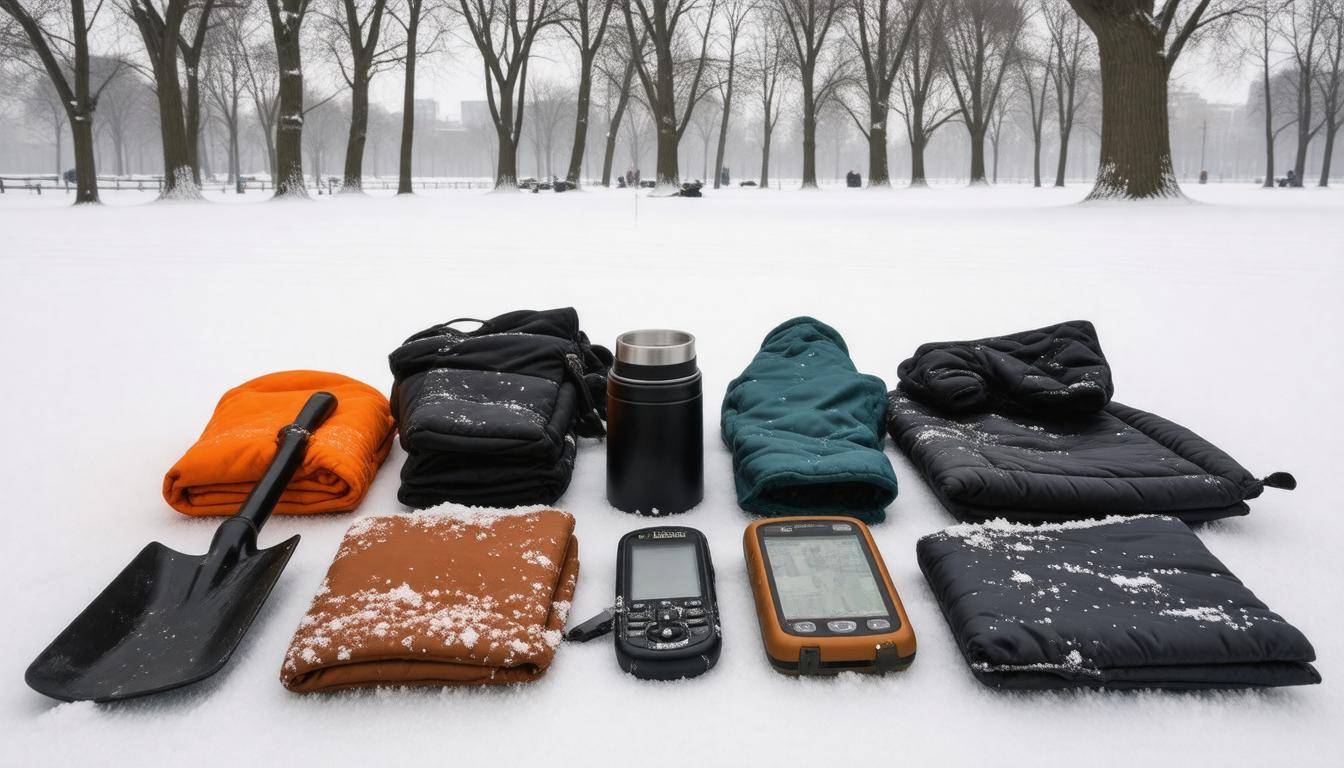
Essential Gear for Moscow Winter
Surviving a brutal winter requires more than just layering a few shirts. One must think strategically about the gear they choose, as each piece plays an important role in battling the cold. The foundation of your winter gear begins with quality clothing that shields you from the elements.
The Importance of Quality Footwear
Footwear is the most critical piece of gear. Opt for insulated and waterproof boots made from advanced materials like Gore-Tex or Thinsulate. These specialized fabrics offer excellent thermal insulation and prevent moisture from seeping in, which is vital when trudging through slushy snow. You might be surprised to know that studies show proper footwear can reduce the risk of frostbite by an astounding 60%.
Long-time residents, like Anna Petrova, often share their secrets for staying warm. She swears by reindeer fur boots lined with felt soles—they provide unparalleled warmth and grip on icy surfaces. This type of boot is a staple in Moscow’s winter wardrobe and should be considered for anyone serious about cold-weather survival.
However, robust footwear alone isn’t sufficient; safeguarding your face and neck is just as crucial.
Face and Neck Protection
When temperatures plummet, so does your skin’s tolerance for cold weather, leading to windburn and frostbite if left unprotected. Investing in high-quality thermal masks and balaclavas becomes essential, providing comprehensive coverage against biting winds. A simple yet effective approach is to wrap a thick scarf around your neck and lower face. This traps heat and acts as an added barrier against icy gusts that can leave you vulnerable.
Essential Outerwear
No winter survival kit would be complete without a reliable outer layer; this is where a down parka comes into play. Look for one with a high fill power—ideally at least 600—since its insulation trapping ability significantly enhances warmth retention. Features such as windproofing and waterproofing are also key, as outdoor experts note that a well-constructed down jacket can maintain body heat up to 25% more efficiently than lower-quality options.
With an understanding of protective garments established, it becomes vital to explore how to create effective layers that maximize warmth while ensuring freedom of movement.
Layering for Maximum Warmth
Layering is indeed an art form—it’s all about having each layer serve a specific purpose while working cohesively to combat the biting cold. The first and most crucial step is to select a moisture-wicking base layer that sits against your skin. Fabrics like merino wool or synthetic options excel in this regard, as they draw sweat away from your body, ensuring you stay dry. This attention to moisture management helps maintain your core temperature.
Next comes the insulating layer. Here, a fleece jacket or a down vest will do wonders by trapping warm air close to your body while providing comfort—imagine it as a cozy cushion of heat! For particularly frigid days, don’t hesitate to add another insulating item; just be cautious about bulkiness that could restrict movement. As you build warmth with these layers, remember that breathability is essential too, allowing excess moisture to escape without compromising insulation.
In my experience living through biting cold winters, I’ve found that coat choice isn’t just about being stylish—it’s about functionality as well. Many locals focus on quality over appearances, investing in sturdy outer layers that are weather-resistant and breathable to shield themselves against wind and moisture.
Now, one might wonder why this layering method is effective: it creates pockets of air between each layer, serving as an effective blanket against the cold. This trap of warm air becomes your best defense against frostbite and hypothermia. It’s not merely theoretical; many who navigate these icy streets swear by this method, reinforcing its reliability in keeping them warm.
Finally, once you’ve laid out your base and insulation layers, top it all off with a solid outer layer designed to block wind and moisture. Materials like Gore-Tex or waterproof fabrics come highly recommended for their ability to withstand severe weather conditions while allowing your body to breathe. The goal here is protection without suffocation so that every chilly gust won’t compromise your comfort.
While layering does take practice—choosing appropriate materials and maintaining balance among warmth, weight, and mobility—the results speak for themselves. Your body remains warm and adaptable in sudden shifts in temperature as you venture through winter’s unforgiving embrace.
With this insightful clothing strategy firmly understood, now is the time to focus on assembling a comprehensive survival kit that’ll keep you prepared for any frosty situation life throws your way.
Creating a Winter Survival Kit
When planning for life in extreme winter conditions, having a comprehensive survival kit is not just smart—it’s essential. This kit is your lifeline during emergencies, helping you navigate unexpected challenges that come with sub-zero temperatures.
Imagine you’re out and about when an unforeseen snowstorm strikes; having the right items on hand can mean the difference between discomfort and warmth, or even safety and danger.
In your survival kit, a portable battery pack should top your list as it keeps your phone charged for emergency calls or navigation. Alongside this, thermal blankets are lightweight wonders that trap body heat effectively, turning potential exposure into manageable comfort. Also, don’t forget hand warmers; these handy little pouches can drastically improve warmth levels in dire situations or during prolonged exposure to cold.
But what good is a survival kit without sustenance?
Having a supply of non-perishable food is crucial—think energy bars, nuts, and dried fruits that deliver high calories without requiring cooking or preparation. They provide both nourishment and energy when you need it most.
Similarly, a multi-tool brings versatility to your situation, allowing you to tackle unexpected repairs or open packages of food without fuss.
When assembling your kit, ensure it includes a first aid kit stocked with basics like bandages and antiseptics. You may never need it, but should an accident occur, it’s there to address injuries quickly. A high visibility vest might seem unnecessary until you find yourself in low visibility conditions—then it’s invaluable in ensuring you’re seen by motorists or fellow pedestrians navigating the snowy haze.
Seasoned winter travelers often add additional tools to their kits to adapt to varying scenarios: crampons are indispensable for icy paths—they provide grip where you would otherwise slip—and a compact shovel proves useful for clearing pathways or creating makeshift shelters if needed.
As you finalize your kit and prepare for life in the harsh winter elements, being equipped with knowledge on how to effectively navigate through inclement weather can significantly enhance your preparedness.
Navigating the City During Blizzards
When venturing out during a Moscow blizzard, safety primarily lies in preparation and awareness. Keep an eye on the weather conditions. Mobile apps like Yandex.Weather and Yandex.Maps serve as invaluable tools for checking real-time updates and understanding visual maps of traffic and potential hazards in your immediate area. Knowledge is power; it will arm you with the insights needed to plan your route wisely and avoid unexpected pitfalls that may arise from heavy snowfall or ice.
As you prepare for your journey, consider the paths you aim to take.
Opting for main roads and well-lit streets is essential; these routes tend to be cleared of snow more quickly than residential areas, enhancing your chances of safe passage. The availability of salt and plowing services on these thoroughfares means less risk of slipping or becoming stranded. If possible, stay close to warmed buildings, such as cafés or stores. Not only do they provide shelter if conditions worsen, but they can also be lifesavers in emergencies.
It’s generally advised to utilize public transportation when the snow starts piling up. While it might seem slow-moving during storms, according to Moscow’s Department of Transport, public transport systems maintain an impressive 90% efficiency even amidst severe weather disruptions. This reliability can be comforting, offering a way to escape the harsh elements while still getting where you need to go.
Beyond choosing your routes and modes of travel, it’s vital to consider a few additional personal safety measures.
Always dress appropriately before heading out into treacherous conditions. Layering is your best friend—thermal underwear and wool layers are crucial because they trap heat effectively without adding excessive weight. Protect your hands and feet adequately; mittens significantly outperform gloves in warmth retention while sturdy winter boots prevent slipping on icy sidewalks.
Physical activity can help maintain body warmth while traversing snowy expanses, so engage in brisk movement as you walk; it can combat the cold effectively. If you begin to feel disoriented or numbness starts setting in during your travels—a signal from your body that you need warmth—seek shelter immediately. Recognizing these signs means prioritizing safety above all else.
Even with all precautions taken, unforeseen circumstances can arise—especially when visibility diminishes drastically.
Blinding snow flurries can cut down visibility to just a few meters at times. If this happens, stay calm: resist the urge to wander aimlessly which could lead to disorientation or worse. Instead, locate nearby landmarks to guide you back indoors or towards public transit points. Keeping a list of emergency contact numbers handy will help establish quick communication if you find yourself in trouble.
Unfamiliarity with surroundings due to snow cover can lead to some humorous situations—like mistaking an ordinary snow mound for a parking lot curb—but it’s always better to err on the side of caution!
These strategies combine awareness, preparedness, and knowledge of local resources that empower you through even the most severe Moscow blizzards. As weather conditions worsen, understanding how to respond becomes even more critical.
With all this information at hand, let’s shift our focus to strategies for maintaining safety amid increasingly frigid temperatures.
Staying Safe in Subzero Conditions
In subzero temperatures, your safety hinges on more than just sealing yourself in layers of clothing; it demands a strategic approach to how you interact with the environment. When the mercury dips below -30°C (-22°F), every moment spent outside becomes a race against frostbite. It’s essential to limit your time outdoors when conditions are this harsh. For example, many workers who toil in these temperatures make it a habit to step inside every 15 minutes to warm their bodies and keep an eye on any signs of impending frostbite.
Regularly consuming warm drinks like tea or hot chocolate can significantly alleviate the chill. However, be cautious—avoid alcohol during these frigid times. Though it may initially provide a comfortable tingling warmth, alcohol can dramatically lower your core body temperature, putting you at greater risk for hypothermia. Consuming high-calorie foods—think nuts, chocolate, or high-energy bars—becomes paramount not just for comfort but also for maintaining your energy levels while braving the cold.
Remember, your body needs fuel to generate heat. Snack wisely.
Managing exposure doesn’t end with food and drink; knowing when and where to seek shelter is equally important.
When exposed parts of your body start to feel numb or “funny,” don’t wait for further sensations; find shelter immediately. Buildings, cafés, or even public transport stations can provide quick relief from biting winds. This immediate action is not merely a luxury but a vital response when battling severe cold. Should visibility dwindle due to snow or fog, staying put rather than wandering absentmindedly is key; making your way toward nearby solid structures can prevent becoming disoriented or lost in the storm.
Additionally, understanding your surroundings plays a critical part in winter survival. Keep a mental map of local buildings and safe routes within easy walking distance from your home or current location—a strategy that might just save you in adverse weather conditions. Carrying a portable power bank can help keep your phone charged so you can navigate using GPS without worrying about battery drainage.
Now more than ever, these strategies will serve you well as you navigate the challenges that come with extreme cold climates in urban settings. The next section will highlight practical approaches to ensure smooth transportation amid harsh winter conditions.
Transportation Strategies in Extreme Cold
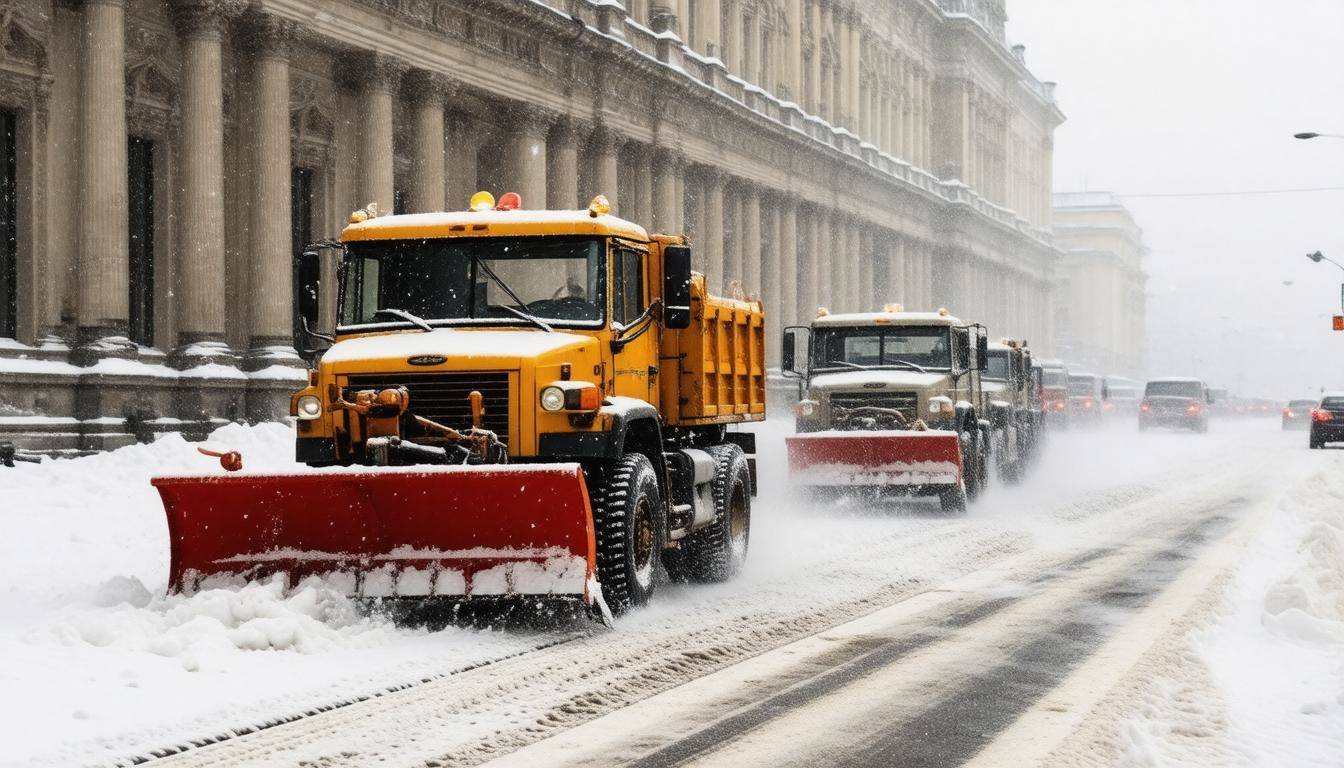
Getting around during the unforgiving Moscow winter requires a thoughtful approach. Each method of transportation offers unique benefits and challenges, and understanding them is key to navigating the frost. While walking is easily accessible and provides some exercise, it’s essential to remember that frostbite can be a real risk if you’re out too long without proper gear. Layering up with high-quality winter clothing can significantly mitigate those risks, allowing you to traverse the icy streets more comfortably.
There’s also the metro system—famous for being reliable and warm. This underground network can be a lifesaver during heavy snow or freezing temperatures. However, be prepared for crowded trains and narrow routes as Moscow’s transit options may not always align with your desired destination. Carrying a map or downloading a transit app on your phone can help reduce anxiety about navigating those bustling platforms.
The key point is to stay flexible in your planning; public transport schedules may shift unexpectedly during winter storms, so always have an alternative route in mind.
On the other hand, buses and trams provide frequent service and are generally safe, though they can be delayed due to blizzards and traffic jams from snow removal efforts. Having access to a mobile app that provides real-time updates could save you hours of waiting outside in the cold. Bundle up and wear insulated boots designed for slippery sidewalks to enhance your journey; this preparation is part of mastering Moscow’s winter lifestyle.
Considering Car Travel
If personal space and immediate travel are top priorities, driving might seem like an ideal choice. Yet, owning a car comes with its own set of risks during extreme weather. Breakdown concerns turn critical as subzero temperatures can wreak havoc on vehicle batteries and antifreeze levels. Before you hit the road, make sure your vehicle is winterized; this includes checking tire pressure, ensuring adequate antifreeze levels, and carrying emergency supplies.
It’s highly recommended to keep essentials like warm blankets, non-perishable snacks, and a first-aid kit in the trunk—just in case you find yourself stuck in traffic during a storm. You should also familiarize yourself with local traffic regulations since heavy snowfall can lead to closed roads or detours.
As you navigate these options, keep in mind that adjusting to Moscow’s unpredictable winters isn’t just about transportation methods but involves integrating these realities into daily living habits too. Whether it’s planning extra time for your commute or preparing emergency kits for unplanned delays, adapting to winter transportation demands a proactive mindset that embraces the challenges rather than resisting them.
With all these considerations under your belt, we can now explore how daily life shifts during this challenging season, making adjustments that foster both comfort and resilience amid the chill.
Daily Life Adjustments for Winter
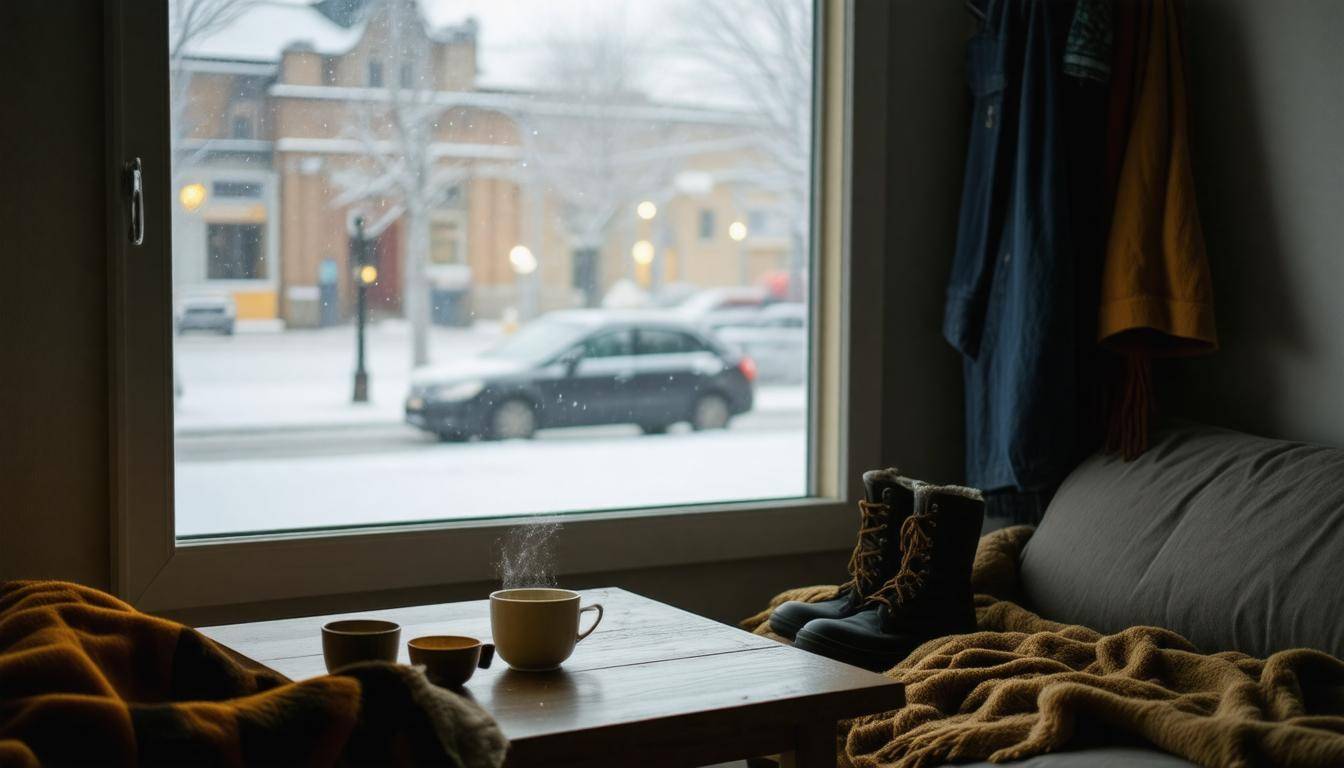
Adapting daily routines is not just about combatting the cold; it’s about thriving during those long, frigid months. Start by prioritizing comfort inside your home. Utilizing insulated curtains can create a warmer environment by blocking out chilly drafts that sneak through windows. Imagine waking up to a warm room that has retained as much heat as possible overnight—it changes everything. Choosing double-glazed windows or adding thermal linings to existing curtains will give your space an added layer of protection against extreme temperatures.
The early riser knows the struggle of navigating through icy streets with little time to spare—especially when public transport becomes unpredictable in harsh winters. By setting your alarm just 10-15 minutes earlier, you can reduce morning anxiety significantly and have enough cushion built in for dressing warmly or dealing with unexpected delays. Schools take this into account as well, often starting classes later in winter to ensure that students travel safely to school when ice and snow conditions may improve slightly with the rising sun.
Staying physically active is another key strategy for maintaining warmth and boosting mood during those dreary winter months. Engaging in simple exercises like stretching or taking short walks instead of gazing longingly at the outside weather lowers feelings of lethargy while increasing circulation. Before heading outside, try moving around your home to generate body heat; even household chores can serve as a way to keep your blood pumping while also keeping you warmer until you face the elements.
Amid these adjustments, it’s important to have practical responses prepared for unexpected events.
Emergency situations can arise suddenly, where knowing how to find or create shelter quickly could prove invaluable in ensuring safety and comfort during the cold months ahead.
Emergency Shelter Techniques
One of the crucial skills to develop while facing Moscow’s formidable winters is understanding how to construct effective emergency shelters. When the biting cold becomes unbearable or if you unexpectedly find yourself exposed to the elements, having the knowledge to create temporary refuge can be life-saving.
Building a Snow Cave
A snow cave is one of the best options for quick and effective shelter if you’re caught outdoors. This method utilizes readily available materials—snow—and can provide substantial insulation against freezing temperatures. To start, choose a suitable snowbank with enough powder. A deeper snowbank allows for better construction as it offers ample material for digging in.
Once you have identified your location, begin by digging out an entry tunnel that slopes slightly upwards. This design traps escaping body heat inside while preventing wind from entering. Aim for a sleeping area large enough to fit your body comfortably but not excessively expansive; larger spaces will require more heat to maintain warmth—remember, insulation is key!
“Snow caves can provide protection from winds and chill, even when temperatures drop to catastrophic lows.”
Another significant strategy involves utilizing available materials found in your environment. In urban areas, unheated garages or vestibules of buildings can serve as temporary protective barriers against the cold. Always be vigilant about your surroundings to seize any opportunity for shelter that might appear.
Understanding Insulation
The essence of effective shelter creation lies not just in constructing walls, but also in understanding how to insulate them. Using packed snow is an excellent natural insulator and can significantly reduce wind chill—a snow wall can block up to 80% of wind reaching your body. Add layers made from leaves or pine boughs inside your shelter for enhanced thermal insulation. These organic materials help trap body heat and keep you warmer for longer periods.
However, it’s essential to bear location considerations in mind when choosing the site of your emergency shelter.
Location Considerations
In snowy environments like Moscow, where wind patterns can exacerbate cold exposure, selecting the right spot for building your shelter is vital. Avoid low-lying areas where cold air settles; instead, seek locations protected by natural features like hills or dense stands of trees that act as windbreaks. Such spots ensure better thermal retention and reduce exposure.
Setting Up Quickly
When time is of the essence—perhaps because you’re battling numbness or fatigue—being able to set up quickly becomes paramount. Snow caves generally take between 30 to 60 minutes to construct, depending on your proficiency and the current weather conditions. Lean-tos can be assembled faster, around 15-30 minutes, using branches or logs for structural support, offering immediate respite under roof-like structures in particularly stormy or snowy settings.
Understanding how emergency shelters function—and knowing how quickly you can set them up—strengthens your chances of surviving extreme conditions in Moscow’s frigid winter landscape. Keep these techniques in mind next time you’re preparing for outdoor winter activities to bravely face whatever nature throws your way.
Being equipped with knowledge about emergency shelter techniques can make all the difference during unexpected harsh weather conditions. Stay safe and prepared this winter season.