
Driving through the mountains can be one of the most refreshing experiences, but it also brings unique challenges, especially in harsh weather. Picture yourself navigating narrow, winding roads surrounded by breathtaking views while snowflakes swirl around you. However, being unprepared for sudden changes in weather can quickly turn that adventure into a stressful situation. That’s why having a Mountain Driving Emergency Kit is not just a good idea—it’s essential. With the right supplies, you can face unexpected setbacks with confidence instead of panic. In this guide, we’ll explore the must-have items for your kit and how they can keep you safe on those beautiful yet unpredictable mountain roads.
A complete Mountain Driving Emergency Kit should include essential items such as jumper cables, a first aid kit, a snow shovel, cat litter for traction, extra warm clothing, non-perishable food, water bottles (insulated to prevent freezing), and basic tools for vehicle maintenance. Additionally, consider incorporating emergency flares, a flashlight with extra batteries, blankets for warmth, and a means of communication to ensure safety during winter driving conditions in mountainous areas.
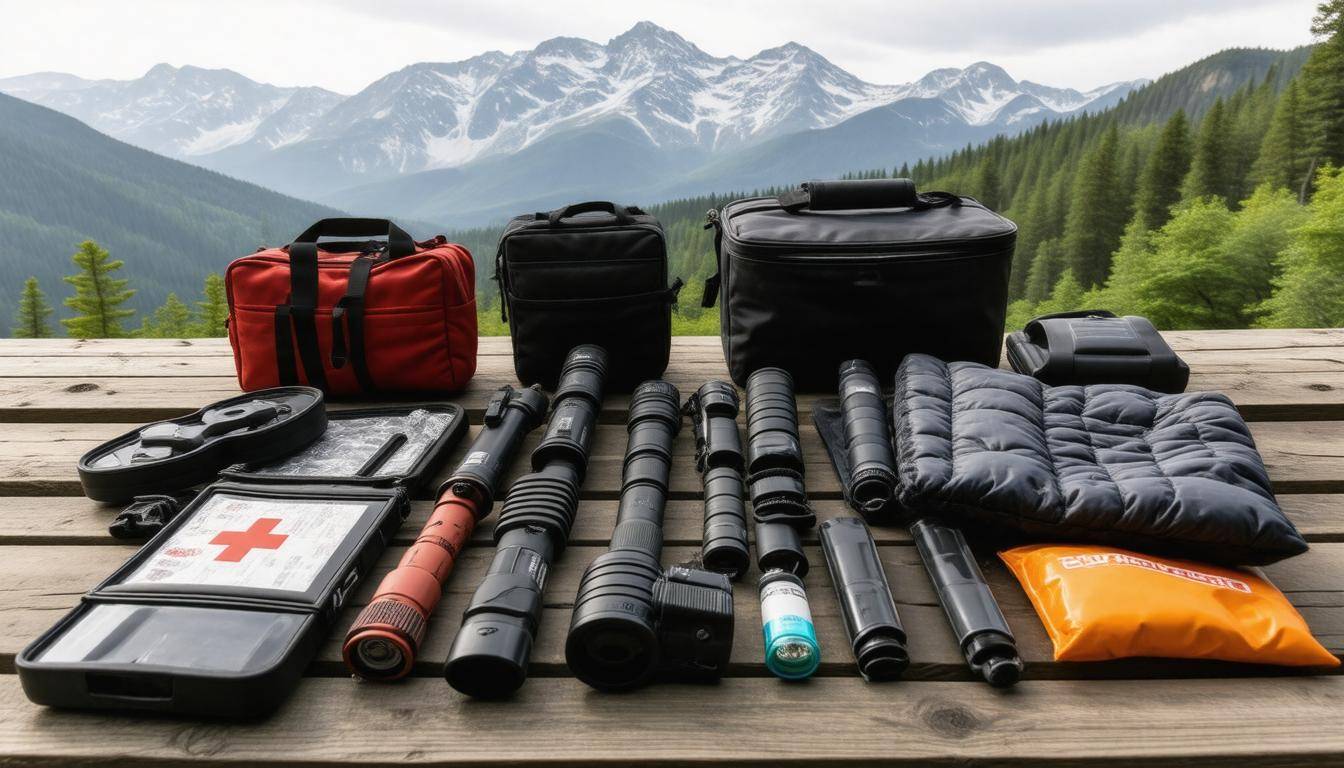
Top 10 Essential Items for Mountain Driving Safety
First on the list is maps and GPS. Even with technological advances, you should always carry updated physical maps alongside a reliable GPS device or application. Imagine being lost in the mountains with no cell service—this scenario is more common than you think, particularly in remote areas. A paper map can serve as your lifeline, guiding you when technology fails. Navigating unfamiliar terrain can be daunting without accurate directions.
After ensuring you’re equipped to find your way, consider illumination.
A flashlight and extra batteries are indispensable when driving through mountain passages, especially during dusk or in low-light conditions. An LED flashlight is preferable; these lights not only consume less power but also provide bright, focused beams that can illuminate dark paths effectively. During my last winter trip, I found myself needing to change a tire after sunset and was thankful I had my trustworthy flashlight on hand.
Of equal importance is the first aid kit, another essential item in your emergency arsenal.
A comprehensive first aid kit can be lifesaving during unforeseen accidents or injuries. Ensure it contains vital items such as bandages, antiseptic wipes, gauze pads, adhesive tape, scissors, and pain relievers. According to the American Red Cross, up to 80% of common injuries can be addressed by having a well-stocked first aid kit on hand. It’s worth investing time into creating one that suits your needs rather than relying on pre-assembled kits that might lack critical items.
Now let’s talk about traction and mobility during winter weather.
Equip your vehicle with tire chains and a spare tire because getting stuck in snow or mud can be quite common in mountainous regions. Tire chains enhance grip on icy roads, while a spare tire ensures you won’t be left stranded should you experience a flat. There is peace of mind knowing you are prepared for the worst despite the best of intentions.
Once you’re comfortable knowing you’ve got traction covered, don’t neglect visibility.
Maintaining clear visibility is crucial; thus, a snow brush and ice scraper should be part of your kit. The powerful forces of winter storms can lead to significant snowfall that obstructs your view. A sturdy snow brush helps avoid dangerous situations while driving by keeping your windshield clean—a small daily task that makes a world of difference.
But mechanical failures can happen anytime in harsh environments.
Keeping jumper cables readily accessible is an excellent strategy since cold weather frequently drains car batteries faster than you’d expect. Having a set of jumper cables could give you a boost when you need it most—especially helpful if you’re traveling alone or amid remote passes where help might be scarce or slow to arrive.
As you prepare further for unexpected delays…
It’s wise to carry an extra fuel canister as well. When traversing remote mountainous areas where gas stations are few and far between, an extra stash of fuel ensures you won’t end up stranded with an empty tank miles from help.
Let’s not overlook tools that serve multiple functions as well.
A multi-tool or Swiss Army knife is another savior when facing emergencies in mountain driving conditions. These versatile tools compactly pack various functionalities—from cutting rope to opening bottles—all designed for easy storage within your vehicle.
Visibility doesn’t just apply to what’s happening inside your car but importantly outside as well.
Carrying road flares or reflective triangles boosts visibility during breakdowns—paving the way for roadside assistance or alerting passing vehicles to your location. Research shows they can be seen from up to a mile away, which could mean the difference between immediate rescue and prolonged waiting in precarious conditions.
Finally, staying connected is paramount in today’s world.
Therefore don’t forget to pack a portable phone charger. Ensuring your phone remains charged for emergency calls is essential while traveling through mountainous regions; bring along a high-capacity power bank capable of recharging devices multiple times over—better safe than sorry!
Being proactive and preparing thoroughly with these ten essential items will provide comfort and security during mountain driving trips. Whether navigating winding roads through stunning landscapes or experiencing unpredicted weather changes may arise next.
With safety at the forefront of our journey, it’s crucial to ensure proper illumination when nighttime descends or unexpected circumstances limit our visibility.
Flashlight and Extra Batteries
Lighting is crucial during emergencies, especially in rugged mountain environments where visibility falls quickly with the setting sun or during adverse weather. Imagine being stuck on a winding road, surrounded by darkness, trying to fix a flat tire or signal for help. A quality flashlight not only illuminates your immediate surroundings but also provides a sense of security in uncertain situations. That’s why it’s essential to invest in an LED flashlight, which outshines traditional models on many fronts.
Based on a recent survey conducted in 2023, 55% of drivers who faced car troubles after dusk found LED flashlights to be their most useful tool in those tense moments. Their energy efficiency means you won’t have to change batteries frequently, allowing for peace of mind should you find yourself in an extended situation without assistance. Furthermore, their brightness is remarkable, with some high-quality options emitting over 1,600 lumens.
General Rules for Flashlights
- Long Battery Life: Look for models that boast extended runtimes; some can last up to 30 hours on lower settings.
- Water and Shock Resistance: Given the unpredictability of mountain weather, a water-resistant flashlight can operate when conditions aren’t optimal. Similarly, shock resistance ensures durability against drops.
- Hands-Free Operation: Consider headlamps as they allow for hands-free use while you navigate tricky situations or work on your vehicle.
A fantastic option worth considering is the Fenix PD36R, celebrated for its powerful 1,600 lumens and rechargeable capabilities—not only does this reduce waste from disposable batteries, but it also keeps your gear lightweight.
To further prepare for any lighting needs during emergencies, investing in extra batteries is a smart precaution. It’s generally recommended to keep at least two sets of additional batteries stored within your emergency kit, particularly if you’re using a flashlight that demands more power. The average runtime of standard AA alkaline batteries sits between 10 to 30 hours depending on usage—having extras enables sustained visibility when it matters most.
“A great flashlight is not just an accessory but an essential lifeline in perilous situations; preparation makes all the difference.”
It’s easy to overlook the small details when assembling an emergency kit, but equipping yourself with a robust flashlight and spare batteries lays down the foundation for proactive safety measures while tackling mountainous terrains.
As we turn our attention to other critical aspects of preparedness, understanding the essentials of providing immediate care can enhance your readiness for any unexpected situation that may arise during your adventures.
First Aid Kit Basics
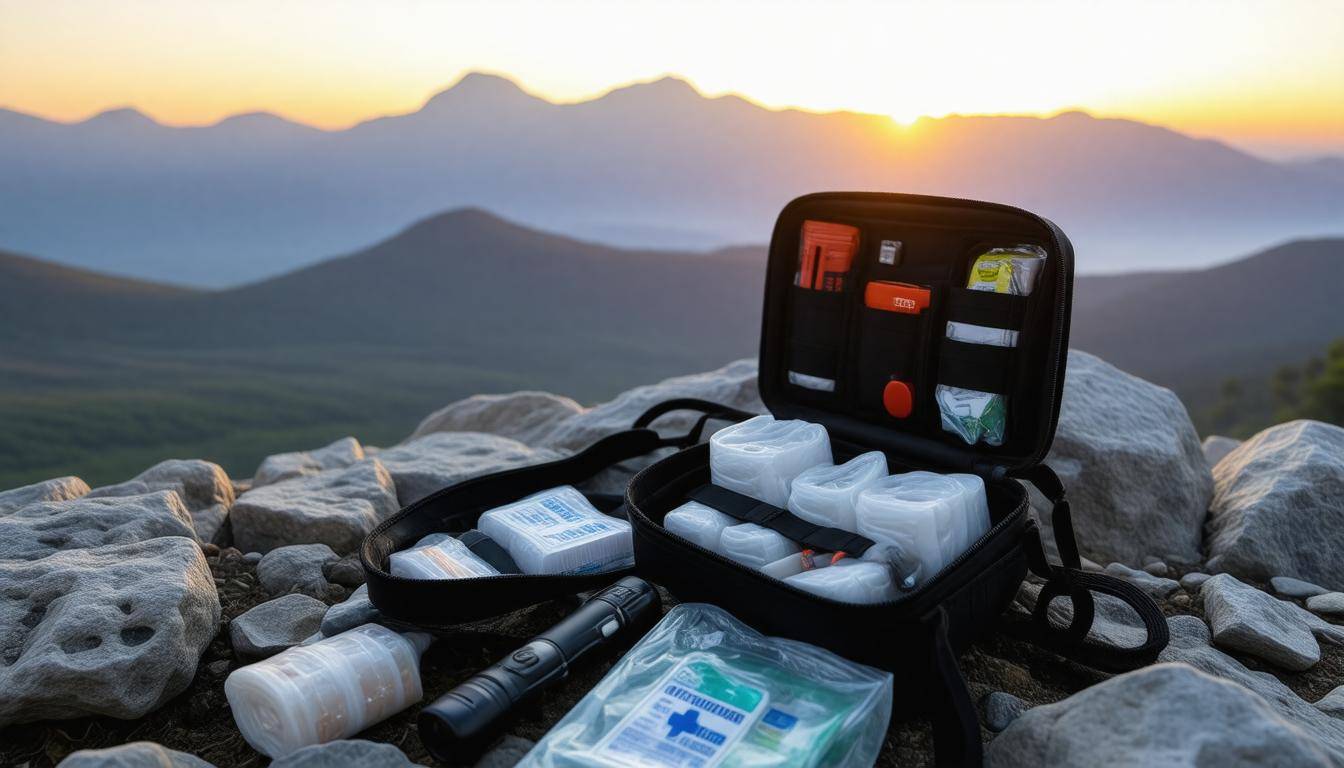
Medical emergencies can arise unexpectedly, especially when driving in remote mountainous areas where help may be far away. That’s why having a well-equipped first aid kit is essential—it can mean the difference between a minor hiccup and a dire situation. By including some basic items, you prepare yourself to respond effectively to a variety of common injuries and health emergencies that could occur on the road or during an outdoor adventure.
To start, it’s crucial to include adhesive bandages of varying sizes for minor cuts and scrapes. Consider adding sterile gauze pads along with adhesive tape to control bleeding from larger wounds. Coupling those with antiseptic wipes ensures that any cuts are cleaned properly to help prevent infection.
Essential Tools
Don’t overlook the importance of tools like tweezers and scissors; they can assist with everything from removing splinters to cutting gauze or clothing if needed for injury management. Pain relievers such as ibuprofen or acetaminophen should definitely find a place in your kit as well, offering relief from headaches or other discomforts that could jeopardize your journey.
For warmth in emergencies, consider including an emergency blanket. It’s compact and lightweight, yet when unfurled, it provides critical insulation against the cold—a necessary protection if stranded amidst frigid conditions. Another important item is a CPR face shield, invaluable should you encounter someone needing resuscitation. This small addition can make administering CPR safer and more effective.
It’s worth mentioning that pre-packaged kits like the Adventure Medical Kits Sportsman Series come highly recommended by many seasoned adventurers. They often encapsulate all of these essentials in a convenient package, minimizing the hassle of assembling your own kit from scratch while still ensuring comprehensive coverage.
Preparedness requires regular checks to ensure supplies are current and functional. Keeping your first aid kit organized and stocked will provide peace of mind during those mountain drives, allowing focus on safety and navigating through potential challenges ahead.
Tire Chains and Spare Tires
Considerations for Tire Chains
Tire chains can be a lifesaver when navigating through icy mountain roads, but not all chains fit every vehicle. Before you purchase a set, it’s essential to check your vehicle’s manual. Many drivers underestimate the importance of ensuring compatibility with their tires.
Did you know that using the wrong size chain can actually damage your vehicle or lead to blowouts? It’s a small step that can save you from significant hassle later on. Simply look for the specifications provided by your car manufacturer to find the right tire chains for your model.
Once you have the right chains, knowing how to install them is equally important.
Installation Practice
Installing tire chains can be somewhat tricky, especially if you’re facing inclement weather. Therefore, practicing this process at home is a wise move. Familiarize yourself with specific instructions that come with your chains; following these helps ensure you aren’t fumbling in freezing temperatures.
For example, brands like Peerless Auto-Trac are known for their self-tightening chains. This feature can make installation significantly easier, particularly for those new to tire chaining. Practicing in a controlled environment allows you to understand the mechanics—how to connect the links and tension them properly—so that in an emergency you’re quick and effective.
While tire chains play an essential role in maintaining traction during winter conditions, having a reliable spare tire is just as critical.
Spare Tire Essentials
When it comes to spare tires, regular maintenance is key. A flat tire can leave you stranded, making it vital that you’re prepared with an adequately inflated spare. Always check the pressure periodically; typically, spare tires should be inflated to around 60 psi, which is higher than standard tires that usually require 30-35 psi.
Keeping this pressure ensures your spare will perform effectively when you need it most. Additionally, don’t overlook tread depth; too little tread can render a spare almost useless on slippery or irregular surfaces.
Having both your tire chains and spare tire ready isn’t just about equipment—it’s about ensuring peace of mind while you’re out in unpredictable wilderness situations.
As we shift gears now, let’s explore how to navigate through cold weather challenges and reduced visibility effectively.
Managing Cold Weather and Fog
Cold weather and dense fog can significantly hinder your ability to drive safely, but with a few proactive measures, these conditions can be managed effectively. One of the first steps to take is ensuring that you have anti-fog spray for your windshield. Not only does it help maintain visibility when fog rolls in unexpectedly, but it also enhances your overall driving experience through improved clarity. A clear view can mean the difference between avoiding obstacles and having a scary encounter on the road.
Preparing adequately isn’t just about vehicle upkeep; clothing plays a critical role as well. Consider packing layered garments like thermal socks, insulated gloves, and warm hats so you can keep yourself comfortable while waiting for assistance. The last thing you want is to compromise your comfort or warmth in an emergency situation. Therefore, choosing the right fabrics—think wool or synthetic insulation—will help keep your body heat where it belongs: close to your skin.
Step I – Use of Fog Lights
Utilizing your vehicle’s fog lights is a smart move when visibility drops. Unlike regular headlights, fog lights are specially designed to cut through misty weather without reflecting back into your eyes. This feature allows them to illuminate the road directly in front of you, providing better insight into any obstacles or changes in the terrain ahead. While many drivers forget about this useful functionality, relying solely on standard headlights can create more glare rather than improve visibility.
But being equipped for foggy conditions isn’t just about lighting; it involves having a game plan.
Step II – Survival Strategies
If you happen to find yourself stranded due to extreme weather conditions, remember that staying in your vehicle is often the best course of action until help arrives. Your car offers essential shelter from biting winds and heavy snowfall, plus it maintains warmth much better than if you were outside braving the elements. Use your car’s resources wisely: running the engine occasionally can provide warmth, but ensure that the exhaust pipe remains clear of snow and debris to avoid carbon monoxide buildup.
“Your vehicle can turn into a safe haven if you know how to utilize its attributes.”
Moreover, always keep emergency gels or blankets within easy reach. They’re lightweight and provide crucial thermal insulation which can make waiting for assistance a little more bearable. These simple actions not only increase your comfort but bolster your chances of making it through what could be a life-threatening situation unscathed.
Navigating challenging weather requires not only awareness but also access to adequate supplies that ensure safety and comfort while you wait for assistance. Let’s explore vital resources that provide protection against the elements.
Water, Food, and Warm Blankets
First and foremost, water is non-negotiable. During a winter driving emergency, hydrate yourself properly. Experts recommend carrying at least one gallon (3.8 liters) of water per person per day for at least three days. This gives you an adequate supply to stay hydrated should you become stranded. To prevent freezing—a very real concern in mountainous regions—store your water in insulated bottles. This not only safeguards against icy temperatures but also ensures you have access to drinkable water when it counts the most.
Step I – Water Storage
As you prepare your emergency kit, consider adding a metal pot as well. While it may seem unnecessary at first glance, it serves a dual purpose; not only can you use it to boil water if needed, but you can also melt snow for hydration purposes. It’s a quick tip that makes a world of difference when conditions are severe.
Now that we’ve addressed hydration, let’s move on to what keeps your energy up when you’re stuck.
Step II – Non-Perishable Foods
When packing food for emergencies, choose items that are high in energy and require no preparation. Think protein bars, nuts, and jerky—these aren’t just tasty snacks; they provide sustained energy during those stressful moments. Aim for diversity while keeping weight considerations in mind—it’s easy to overpack when panic sets in! Each snack item should be compact enough to stash easily but also calorically dense so it yields maximum energy with minimal space.
Additionally, consider rotating out older snacks biannually to keep your supplies fresh. It’s amazing how quickly expiration dates can sneak up on you!
Lastly, let’s talk about the essentials that ensure you remain warm and protected during harsh weather.
Step III – Warm Blankets
One of the most crucial components of your emergency kit is certainly warm blankets. While lightweight mylar emergency blankets can be lifesavers due to their excellent heat retention properties—they act like layers of insulation—nothing beats the reliability of a wool blanket for longer durations. Unlike synthetic alternatives, wool blankets provide significant warmth even in damp conditions and last much longer over time despite taking up more space.
A good rule of thumb is to keep at least one warm blanket per person, plus an additional one for unexpected guests or emergencies. After all, comfort often equates to survival rather than merely making do with the bare essentials.
With these critical elements covered—hydration solutions, energy-dense foods, and effective warming materials—you can tackle the unpredictable nature of winter mountain driving head-on. Now, let’s shift focus to the tools that will help maintain your vehicle’s reliability on those snowy journeys.
Choosing Tools for Vehicle Maintenance
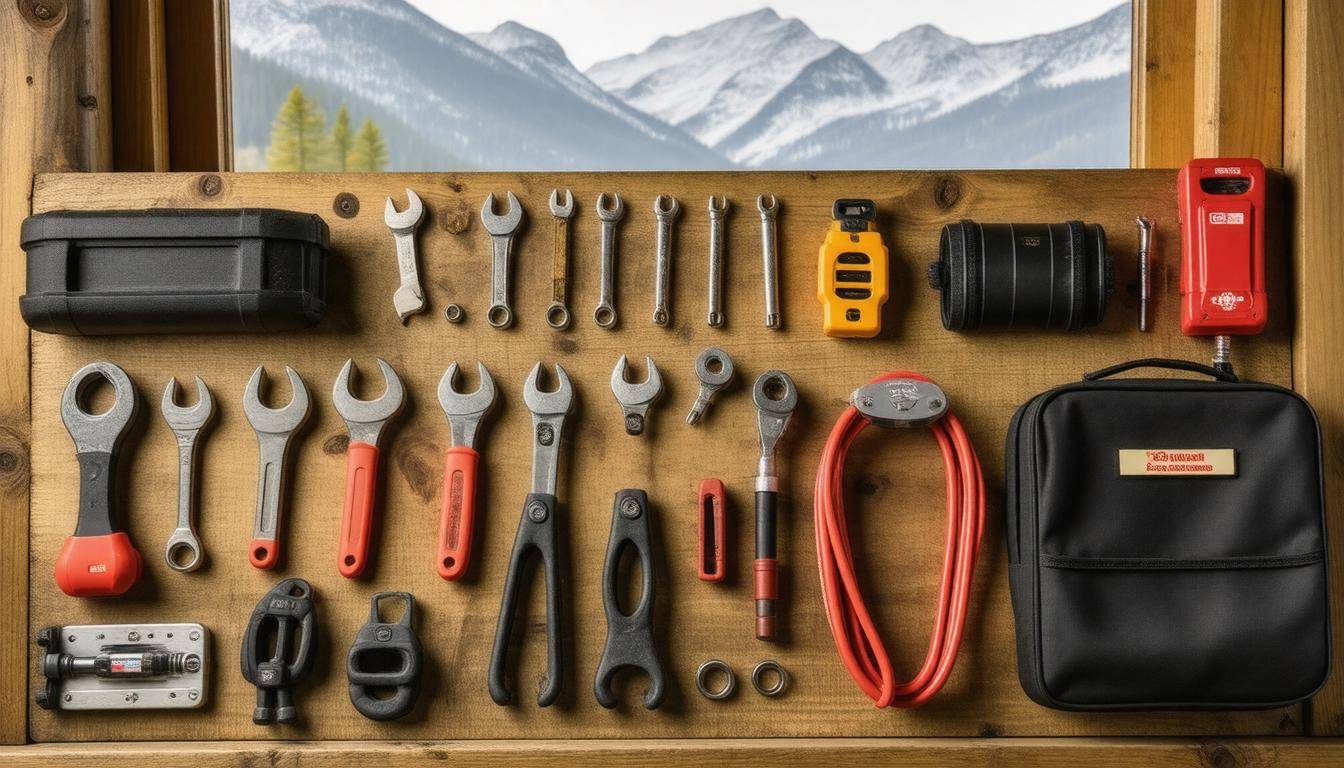
When driving through mountainous terrains, having the right tools at your disposal is crucial. Routine maintenance can prevent most issues, but additional tools can make a world of difference in resolving unexpected problems on the road. Think of these tools not just as accessories but as vital lifelines during emergencies. Much like carrying a safety kit, these tools help you address common vehicle issues promptly, ensuring that a minor setback doesn’t escalate into a major crisis.
Essential Tools
Starting with the essentials, consider investing in a reliable jack and tire iron. A flat tire can happen without warning, especially on winding mountain roads. With these tools, you’ll be equipped to change a tire quickly and safely, restoring mobility without relying on external assistance. Many roadside assistance services take time to arrive; thus, being self-sufficient is key.
Another indispensable tool is a portable air compressor. If you’ve got low tire pressure or a slow leak, this tool allows you to inflate your tires quickly instead of waiting for help or running into further trouble on those rugged paths. The ARB Digital Tire Inflator is especially praised for its accuracy and durability—an investment worth considering.
Shifting gears, duct tape and zip ties are often underrated yet tremendously versatile tools. They can hold together almost anything until you reach a professional mechanic. Picture yourself dealing with a loose bumper or wires sticking out—duct tape can fix you up temporarily while ensuring you remain safe on the road.
Of course, no toolkit would be complete without a basic set of tools that includes screwdrivers and wrenches. These handy items allow you to conduct quick repairs and secure any loose parts before they create bigger problems down the line. Familiarity with these tools and regular practice can enhance your confidence, reducing anxiety when the unexpected occurs.
Each of these tools creates an important layer of preparedness that ensures you’re not just driving through nature’s beauty, but doing it safely. Being proactive with vehicle maintenance equips you for whatever challenges lie ahead.
Consider also keeping a multi-tool or knife in your kit; its flexibility means it can serve many functions—from cutting stranded materials to assisting in mechanical repairs. In mountainous regions where help may be far away, having equipment at hand truly extends your control during emergencies.
Although some may overlook the necessity of specific tools, thinking it’s enough to rely on technology alone, it’s crucial to remember that modern navigation systems and GPS signals may falter in remote areas. Carrying physical maps gives you an alternative way of finding your bearings should technology fail.
As we move forward to discuss the essentials that will help you navigate various terrains effectively, understanding how to pack efficiently is just as important for safety and survival.
Packing the Right Gear for Terrain
Different terrains demand specific gear, so understanding what you might encounter during your mountain driving adventure is essential. This preparation goes beyond simply loading up the car; it means anticipating potential challenges and equipping yourself accordingly. For instance, when traversing rocky paths, a high-clearance jack becomes indispensable. It allows you to lift your vehicle easily if stuck on uneven surfaces, making it a lifeline in tight situations.
Imagine navigating down a rugged incline and suddenly feeling that thud as a rock catches your undercarriage. That unexpected jolt can send chills down your spine unless you’re prepared with the right equipment. A high-clearance jack not only elevates your vehicle but also boosts confidence as you tackle demanding landscapes.
Similarly, sand mats can be a game changer when driving through loose sand or gravel. These mats work wonders at providing the extra grip needed to get your tires unstuck, reducing wear on them and preventing unnecessary strain on your engine. Picture this: you’re cruising along a scenic detour only to find yourself bogged down in a sandy patch. No need to despair! By placing your sand mats beneath the tires, you’ll regain traction and continue enjoying the view.
Furthermore, if navigating through muddy areas is on your agenda, then considering a winch should be at the forefront of your mind. A winch serves as an insurance policy, allowing you to pull yourself free from muddy traps without waiting for help from others. Imagine you’ve ventured off the beaten path and suddenly find yourself mired in soft mud that refuses to give way. Here’s where a winch turns frustration into freedom by effortlessly hauling your vehicle back onto solid ground.
Lastly, never underestimate the value of storage containers filled with essentials such as basic tools, first aid kits, food supplies, and additional water. An unexpected flat tire or minor mechanical issue shouldn’t derail your outdoor adventure; having tools readily available makes for quick fixes while ensuring safety. In remote locations, every piece of gear contributes to not just convenience but survival.
Equipping yourself for various terrains means thinking ahead about all possible scenarios you’ll face on the road. With proper gear at hand, each journey becomes not just about reaching your destination but experiencing the beauty and unpredictability of mountain roads along the way.
Preparing Your Kit for Mountain Roads
A well-prepared kit is your best safeguard against unforeseen challenges that may arise during mountain driving. This preparation goes beyond simply stuffing a backpack with random supplies; it’s about creating an organized, efficient system where you have everything at your fingertips.
Imagine this scenario: you’re stranded on a winding mountain road, the chill of the wind creeping in as daylight fades. You reach for your kit only to discover that locating essentials feels like finding a needle in a haystack. That’s why having all items easy to access is paramount when selecting supplies.
Step I – Checklist
An effective way to ensure nothing is overlooked is by compiling a checklist of essential items tailored specifically for your journey. Each time you prepare for a trip, go through this list systematically. Think of it as a ritual that sharpens your focus and calms those pre-trip nerves. From first aid supplies to non-perishable food items, having a complete inventory ensures you’re equipped for anything from minor scrapes to unexpected weather changes.
Consider associated supplies too; perhaps you’ll need extra layers of clothing or specific tools based on the unique terrain you face.
Step II – Regular Updates
Refreshing perishable items in your kit should also be part of your routine—think of food, water, and batteries. Regular updates are crucial because expired goods can be ineffective precisely when you need them most. Stale energy bars won’t offer the sustenance you need if you’re facing an unexpected delay. Additionally, batteries lose potency over time, especially in cold conditions common at higher altitudes.
Imagine setting off on a chilly morning and realizing the flashlight you packed has dead batteries because they’ve been sitting there since last summer!
Step III – Organized Storage
Finally, storing your items in an organized manner can save precious minutes when urgency strikes. Using labeled storage bins creates clarity, ensuring quick access during emergencies. When I set up my own emergency kit, I opted for distinct compartments—not just haphazardly throwing everything together. Each category has its own dedicated space: first aid supplies here, food and water there, and tools in another section. This prevents confusion and allows immediate identification of what you need when time is of the essence.
I even keep a separate bin specifically for maintenance tools. It streamlines the process so you’re not rummaging through other gear when every second counts.
By approaching your mountain driving emergency kit with these steps in mind—creating checklists, scheduling regular updates, and organizing your supplies—you’ll enhance your safety on those challenging journeys through nature’s beautiful landscapes.
In conclusion, being proactive in preparing your emergency kit can significantly improve your experience while navigating mountainous terrains. Stay safe out there!