
Building a home on a mountaintop is like creating your own paradise in the sky, but it comes with its fair share of challenges. As beautiful as the views can be, harsh weather conditions often bring surprises that could threaten the safety and comfort of your haven. From heavy snowfall to strong winds, living at higher elevations means you must think ahead to protect your investment. In this guide, we’ll explore practical strategies and tips for ensuring your mountain home stands strong against whatever Mother Nature throws its way. Whether you’re planning to build or already have a cozy retreat, getting familiar with these weather protection methods can save you time, money, and plenty of headaches in the long run. Let’s dive into how you can create a resilient shelter atop those breathtaking peaks!
The Full Guide on Mountaintop Home Weather Protection offers essential strategies and tips for safeguarding your home against harsh weather conditions typical in elevated areas, such as high winds, snow accumulation, and potential soil erosion. It includes recommendations on building materials, maintenance techniques, and preventative measures to ensure structural integrity and comfort throughout the year.
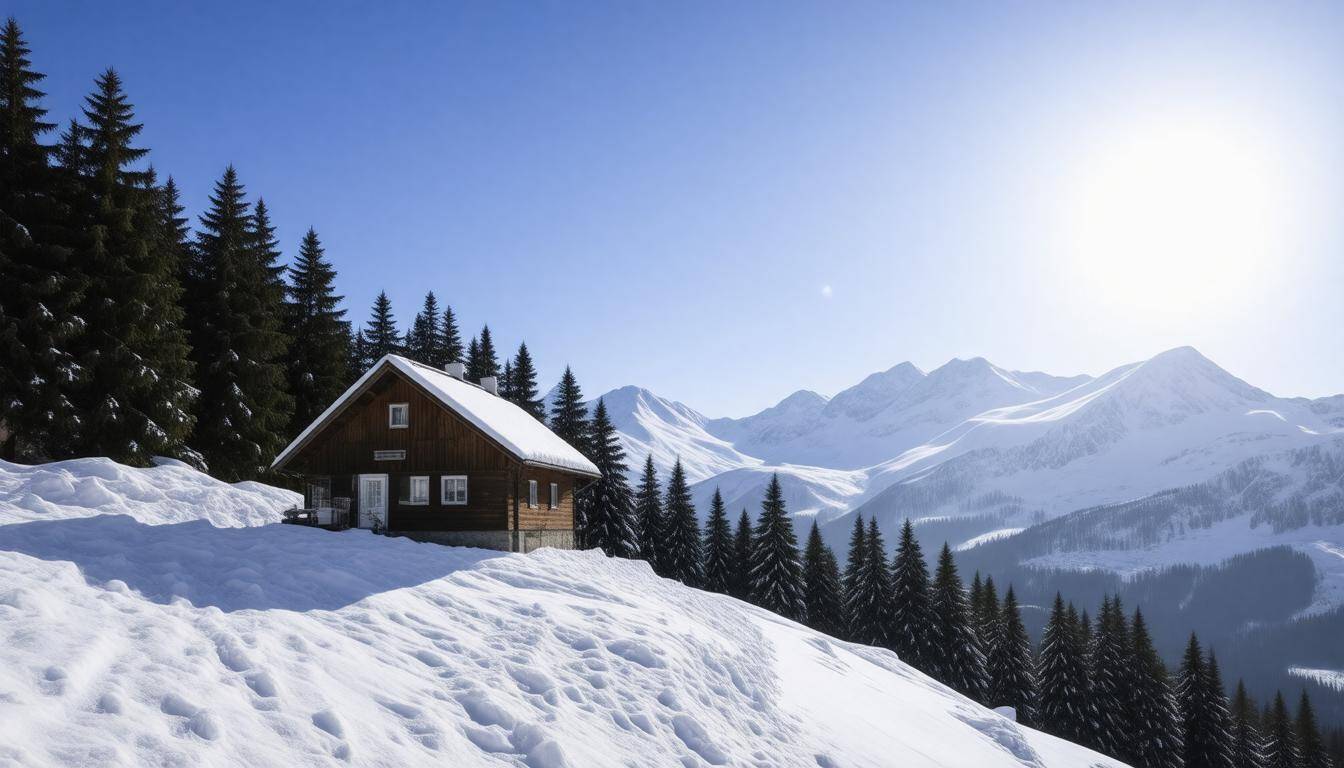
Designing for Weather Resistance
When constructing a mountaintop home, design decisions must marry both aesthetics and functionality to ensure long-term resilience. A key strategy in effective design lies in choosing the right orientation for your home. Positioning windows and doors thoughtfully—such as away from prevailing wind directions—can significantly reduce the impact of powerful gusts. For example, many homes strategically minimize openings on the north side to avoid fierce cold winds that can chill interiors and cause wear on frames over time.
Another critical aspect to consider is the pitch of your roof. Opting for a steeper roof design, generally at a pitch of 6:12 or greater, effectively facilitates snow shedding. This method alleviates added weight during heavy snowfall and helps prevent water leaks caused by melt cycles. Essentially, a well-designed slope ensures that melted snow runs off instead of pooling, which could lead to penetrative moisture over time.
Designing your house with consideration for weather patterns can save you significant repair costs down the line.
As we venture deeper into construction considerations, integrating materials tailored for mountain conditions becomes paramount. Using insulation with an R-value of at least 30 in walls and 49 in ceilings bolsters energy efficiency while maintaining stable indoor temperatures throughout varying seasons. Moreover, the installation of double or triple-pane windows helps minimize heat loss and enhances thermal performance—an essential feature in high-altitude climates where temperatures can shift dramatically.
Also crucial is the foundation type; opting for a reinforced concrete foundation provides stability against soil erosion and shifting conditions common in mountainous environments. Such foundations withstand the strains imposed by heavy winter snow loads or saturated ground after rainstorms.
To further this point, consider using materials specified for extended durability, such as fiber-cement siding or metal roofing that carry ratings of up to 50 years. These options not only stand strong against harsh weather elements but also require less frequent replacements compared to traditional materials, contributing to cost-efficiency over time.
Each of these insights equips builders with knowledge on creating safe and resilient structures among breathtaking yet unpredictable mountain settings, paving the way for exploring essential features that protect homes effectively.
Key Architectural Considerations
The materials you choose can significantly influence how well your home withstands harsh weather conditions. Utilizing materials like fiber-cement siding or metal roofing helps ensure long-lasting durability against wear and tear.
Fiber-cement siding, in particular, has proven to last upwards of 50 years, making it an excellent investment for homes in extreme environments. Similarly, metal roofing endures harsh weather and reflects heat, aiding in temperature regulation throughout your home.
Furthermore, insulation is fundamental in managing both energy efficiency and internal temperatures. An insulation R-value of R-30 to R-49 for walls and R-38 to R-60 for roofs is recommended to trap heat effectively during colder winter months while ensuring a comfortable atmosphere during milder seasons. Better insulation translates into lower heating costs and enhanced comfort.
Another significant architectural aspect is the roof itself. Roofs must be engineered to support a snow load of at least 40 pounds per square foot, depending on local snowfall averages. Building designs should account for wind exposure; structures must withstand wind speeds of up to 120 mph.
Beyond these specifications, window choices play a critical role too. Opting for double or triple-glazed windows with a U-factor of 0.30 or lower minimizes heat loss and enhances the overall energy efficiency of the home. These improvements ensure that less energy is required to maintain a comfortable indoor climate, further limiting expenses while promoting sustainability.
As you consider these architectural elements, it’s essential to explore the best materials available that promote both durability and efficiency in your mountain dwelling.
Ideal Building Materials
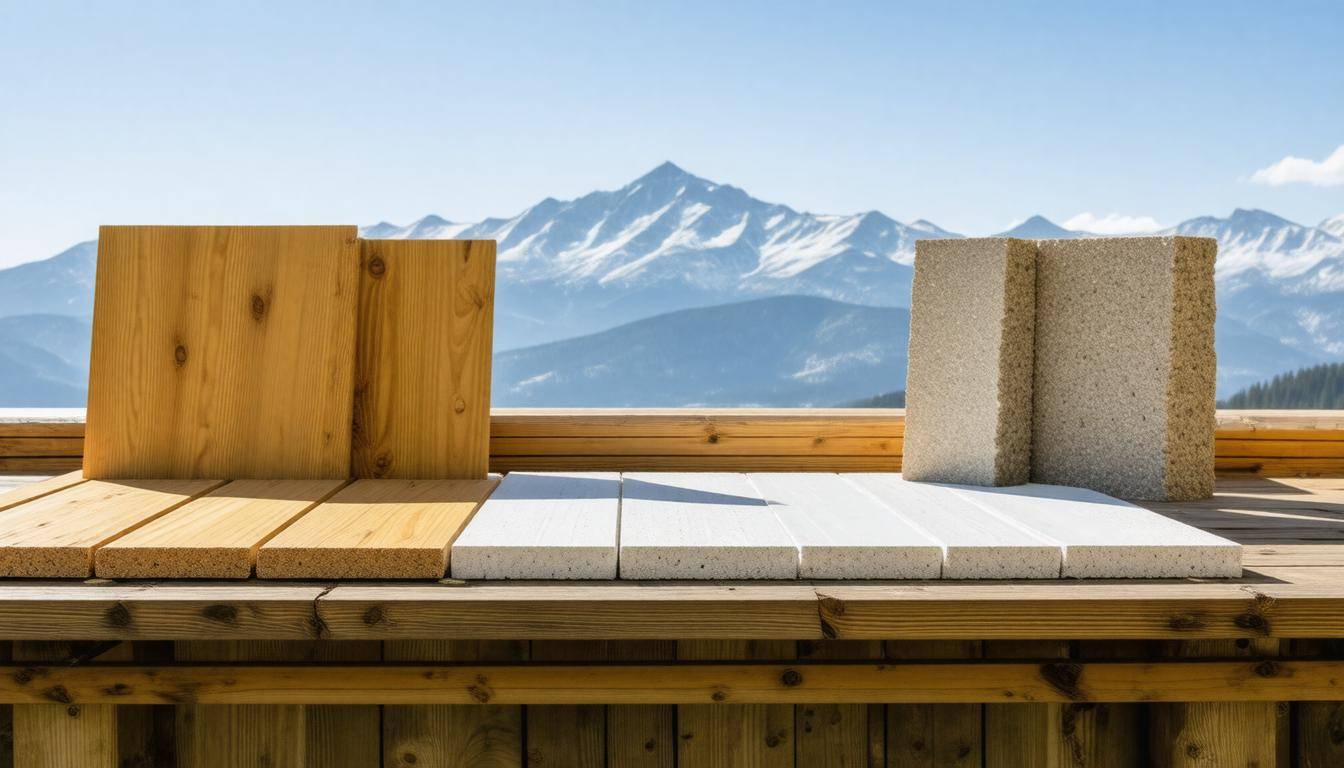
When considering weather resilience, selecting the right building materials is paramount; they don’t just provide aesthetics but also create a protective barrier from nature’s fury. For instance, stone and brick are commonly praised for their wind resistance, making them ideal choices in storm-prone areas. However, if you’re in a region where freeze-thaw cycles occur frequently, these materials can crack unless they’re properly sealed. Think about it: a beautifully constructed stone fireplace that crumbles after one harsh winter isn’t an investment you want to make.
Conversely, metal roofing has gained popularity due to its remarkable longevity and durability under heavy snowfall. Property owners often find solace knowing they won’t need to replace their roofs every decade. Yet it does come with some drawbacks; you might hear drumming sounds during rainstorms. If you’re someone who craves peace and tranquility in your mountain retreat, perhaps complementing metal roofing with some sound-dampening insulation would be wise.
Meanwhile, treated wood provides an attractive option that offers rich visual charm along with dimensional flexibility, making it an appealing choice for designs that adapt over time. However, this beauty requires consistent upkeep—protecting treated wood from moisture will help ensure its life span is maximized. It’s important to regularly check for signs of decay and to apply sealing agents as needed. A little vigilance here means saving yourself from costly replacements down the line.
These three material options—stone, metal, and treated wood—all exemplify how a thoughtful approach to resilience can yield dividends in terms of both aesthetic appeal and longevity. Every decision you make must consider local environmental factors and seasonal extremes.
Once you’ve determined the external materials, enhancing your structure with advanced insulation techniques will further fortify your home against temperature fluctuations while adding another layer of comfort throughout all seasons.
Effective Home Insulation
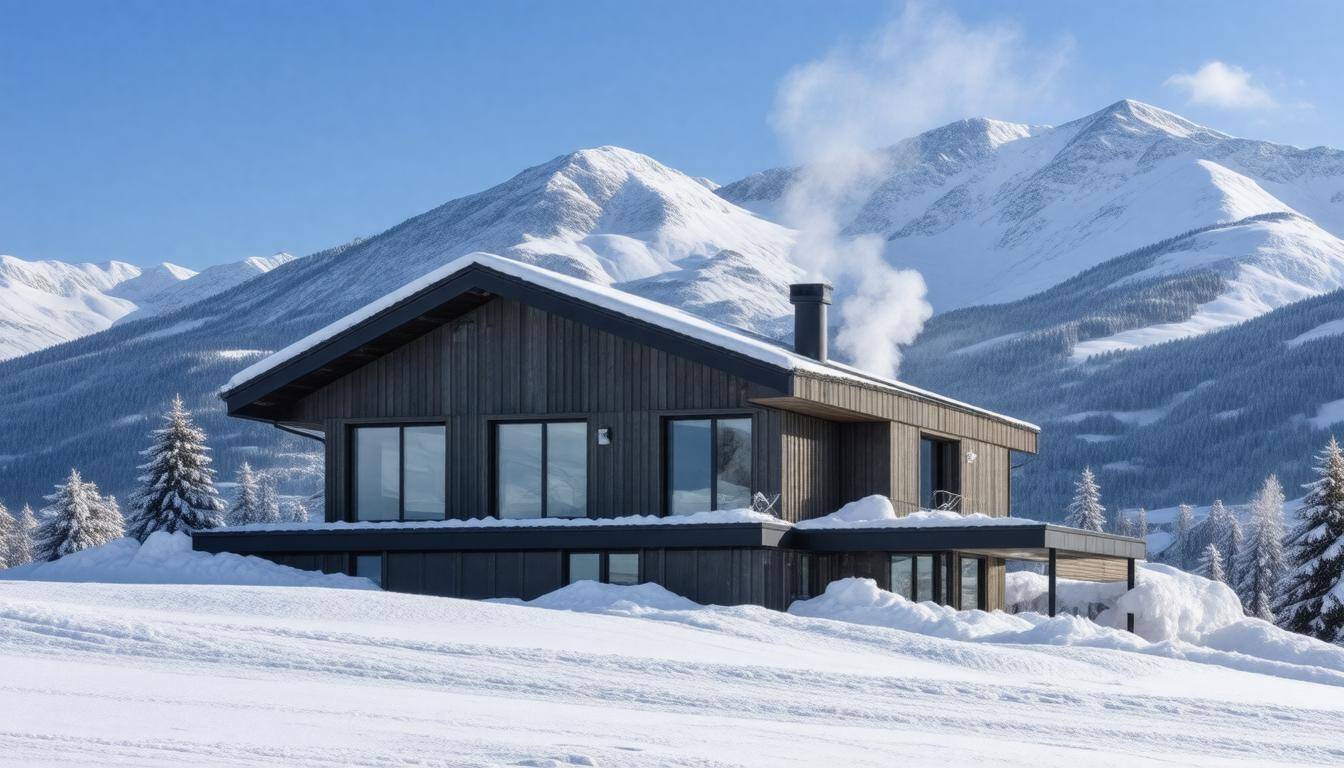
Insulation acts as the backbone of temperature control within a home, significantly contributing to its energy efficiency. By minimizing heat transfer, it allows you to maintain a consistent indoor temperature without overworking your heating or cooling systems. Among the various options available, spray foam insulation stands out due to its exceptional ability to create an air-tight seal around windows, doors, and structural gaps. However, this premium option comes at a higher price point.
For those looking for more economical alternatives, fiberglass batts are commonly chosen; while they can save you money upfront, they generally do not offer the same level of comprehensive coverage.
In fact, according to the Environmental Protection Agency, investing in proper insulation can lead to impressive results—reducing heating costs by up to 15% each year. This can result in substantial savings over time and contribute positively towards both your energy bills and the environment.
Another noteworthy solution is rock wool insulation. Valued for its excellent insulating properties as well as its fire-resistant qualities, it’s primarily used in Norway. This dual functionality provides an extra layer of safety for homes situated in areas prone to wildfires or extreme temperatures.
While selecting the right type of insulation is important, it’s equally vital to consider proper installation techniques to maximize effectiveness. Exploring these methods further will illuminate how you can achieve optimal performance from your chosen insulation.
Weatherproofing Techniques
Weatherproofing essentially acts as a protective barrier, ensuring that your home’s building materials withstand various environmental threats, from moisture and wind to extreme temperature fluctuations.
One of the most fundamental methods is using sealants and caulking. These are indispensable for filling in gaps and cracks around windows and doors, effectively preventing drafts that can sap your comfort levels during chilly months. Imagine curling up on your couch with a cup of tea, only to feel an unwanted chill creeping in through a drafty window. By using quality sealants, you keep the cold out while maintaining a consistent indoor temperature.
Another critical aspect is the installation of flashing, which directs water away from areas more susceptible to damage, such as chimneys and vents. Properly installed flashing ensures that rainwater flows away from your house rather than pooling around its foundation or seeping into walls. This effective practice significantly reduces the risk of water damage that can lead to costly repairs. Picture this: you might not notice small leaks at first, but over time they can result in rot and mold, transforming what could have been an easy fix into a complex problem.
Likewise, don’t overlook weather stripping, which plays a crucial role around moving parts like doors and operable windows. This technique prevents air leakage while enhancing your home’s overall energy efficiency by keeping heated or cooled air where it belongs. A well-sealed structure means less energy expenditure on heating or cooling systems, ultimately lowering those pesky utility bills.
| Technique | Function | Advantage |
|---|---|---|
| Sealants and Caulking | Seals gaps in windows and doors | Prevents drafts and leaks |
| Flashing Installation | Directs water away from critical areas | Reduces water damage risk |
| Weather Stripping | Seals around moving components | Improves energy efficiency |
Implementing these techniques might seem minor; however, their cumulative effect dramatically improves both the lifespan of your home and your comfort within it. By preventing air leaks and moisture infiltration, you’re not just taking care of aesthetics; you’re investing in the long-term health of your property.
With these foundational weatherproofing concepts in mind, we now turn our attention to strategies for safeguarding against other unfavorable elements that may compromise your home’s integrity over time.
Protecting Against Adverse Elements
Living in a mountaintop home brings unique beauty and serenity, but it also means you must be prepared for nature’s challenging elements. Heavy snow, relentless rainfall, biting winds, and harsh UV exposure can all threaten the integrity of your home if you don’t take proactive steps. Understanding these potential hazards is your first line of defense, allowing you to implement effective strategies that will safeguard not only the physical structure of your home but also your peace of mind.
Snow and Ice Management
In snowy climates, managing snow and ice is critical. A common problem faced by homeowners in elevated regions is ice dam formation on roofs. These ice dams form when warm air from the house melts snow on the roof’s surface which then refreezes at the eaves. This ice buildup can lead to water backing up under shingles, causing leaks and serious damage.
One foolproof solution is heating cables strategically installed along the roof edges. These cables work by melting snow as it accumulates, preventing the formation of ice dams altogether. Consider investing in a system that includes a thermostat and sensors to control the heating cables efficiently; this way, they operate only when necessary, saving you energy and money.
Wind Barriers
Wind can wreak havoc on mountaintop homes through unrelenting gusts that may compromise roofing and siding or even uproot trees that fall towards your property. To combat this, implementing wind barriers such as shrubs or strategically placed fencing can be incredibly effective. Not only do these barriers help break the force of the wind, but they also add an element of attractiveness to your landscape.
As a bonus tip, choose native shrubs as they are well-adapted to your region’s environmental conditions and can support local wildlife too!
Additionally, one often-overlooked area is reinforcing windows against high winds. Consider using wind-resistant window films; these films provide an extra layer of protection by bolstering glass integrity without compromising on natural light entering your home. When combined with properly sealed frames and weather stripping, you create a formidable defense against extreme weather conditions.
With these strategies firmly established in your plan, you’re not just readying yourself for average weather patterns but gearing up for incidents that could otherwise threaten your sanctuary. It’s essential to continue exploring additional methods that will enhance your resilience further as we shift our focus towards readiness for more severe environmental challenges.
Preparing for Extreme Conditions
Preparing for extreme weather isn’t just a one-time event; it’s a mindset and a practice that can be integrated into your lifestyle.
When you think of the power of nature, imagine a storm barreling down on your mountaintop home. The winds howl, snow swirls, and you wear the weight of responsibility not just for your home, but for your loved ones inside. By being proactive, you can mitigate damage and keep everyone safe.
One of the key steps in this preparation is reinforcing your roof. Just think of your roof as the helmet protecting your home from falling debris or heavy snow buildup. Installing hurricane clips is an effective way to secure your roof to the frame of your house. This simple hardware strengthens your home’s structure against the elements. Regularly check for loose shingles or potential leaks that could lead to bigger problems later on.
As you inspect, envision each aspect of your roof like a soldier in formation—each element must stand strong together to withstand what Mother Nature throws at you.
Next, let’s talk about securing loose objects around your property. It may seem trivial, but outdoor furniture and equipment can become airborne projectiles in high winds. Bring in any patio furniture or decorations well ahead of time, especially when severe weather is forecasted. Consider investing in heavy-duty straps if bringing items indoors isn’t feasible; secure them tightly so they don’t pose a risk during storms.
- **Patio Furniture:** Store or secure
- **Gardening Tools:** Keep them indoors
- **Grills and Fire Pits:** Secure or cover
Consequently, keeping these areas tidy will safeguard your possessions and enhance the overall safety of your environment.
Now, another critical area to consider is backup power sources. With the possibility of power outages looming during intense storms, having a reliable generator can be a lifesaver—quite literally. FEMA reports that homes equipped with backup generators are 65% less likely to suffer long-term outage impacts. Consider installing a stationary generator directly connected to your electrical system; it’s like having an insurance policy ready to kick in during emergencies. Remember to store fuel safely away from living spaces, and ensure you’ve got proper ventilation when using these machines outside.
Think of these preparations as building layers of protection around your home—a fortress against unpredictable weather patterns.
Alongside these immediate actions, adopting long-term strategies ensures not only survival during storms but resilience for years to come. Regular maintenance combined with thoughtful adaptation will help protect your home—creating an unyielding shield guarding against the ravages of nature.
As we navigate through this guide, it’s crucial to recognize how these protective measures lay the groundwork for enduring challenges while fostering a sense of security amidst each storm’s approach.
Long-Term Weather Resilience Strategies
Building for the future is not just about aesthetic appeal or functional design; it’s about creating a sanctuary that can endure nature’s whims. One effective strategy involves incorporating green roofs on your mountaintop home. Green roofs provide added insulation, helping regulate indoor temperatures throughout the year, which can save on energy costs. Moreover, they manage rainwater more effectively, reducing runoff and the risk of erosion—key factors when you’re perched high above the valleys.
Beyond green roofs, relying on renewable energy sources like solar panels is vital. Imagine having a consistent energy supply even during a storm when traditional power lines are down. That reliability comforts and empowers you as a homeowner to remain connected and self-sufficient regardless of the weather conditions outside.
Maintenance should not fall by the wayside once these features are installed. Regular inspections and proactive maintenance of structural elements such as roofs, walls, and weatherproofing can prevent minor issues from escalating into major headaches. Think of it like getting regular checkups for your health—taking care of potential problems before they manifest can save you significant time and money down the line.
A family I know in the Adirondacks has embraced this very approach. They reported minimal weather-related incidents over a decade by adhering to a bi-annual inspection checklist—something that has become second nature to them. By diligently maintaining their home, they’ve avoided many unexpected expenses that other homeowners often face during extreme weather events.
When you take steps like these to integrate sustainability into your long-term plans, you enable your mountaintop home to withstand nature’s challenges with grace and efficiency.
So, don’t wait until a storm rolls in to prepare. Implementing resilient strategies now ensures that when heavy winds blow and rain falls, you’re not just hoping for the best; you’re actively safeguarding your home against adversity. This proactive mindset shifts the narrative from fear of extreme weather to confident readiness for whatever nature may bring.
In summary, investing in sustainable practices and diligent maintenance will help fortify your mountaintop home against unpredictable weather while offering peace of mind for the future. Your commitment today will pay dividends in protection, comfort, and security tomorrow.