
When extreme weather hits, like cyclones or heatwaves, knowing what to do can make a big difference. Living in Muscat, with its unique climate challenges, it’s crucial to be ready. This guide dives into the city’s Emergency Plan, giving you essential tips and strategies to safeguard yourself and your loved ones during these weather events. From resource management to evacuation routes, we’ll explore how you can better prepare for the unexpected. It’s not just about staying safe; it’s about feeling empowered, informed, and part of a community that looks out for each other. Let’s get started on ensuring your safety in the face of nature’s fury!
The Muscat Cyclone & Heat Emergency Plan outlines the city’s strategies for preparedness, response, and recovery during extreme weather events such as cyclones and heatwaves. This plan includes community safety measures, evacuation routes, resource management, and coordination with various emergency services to ensure public safety and minimize disruption during such emergencies.
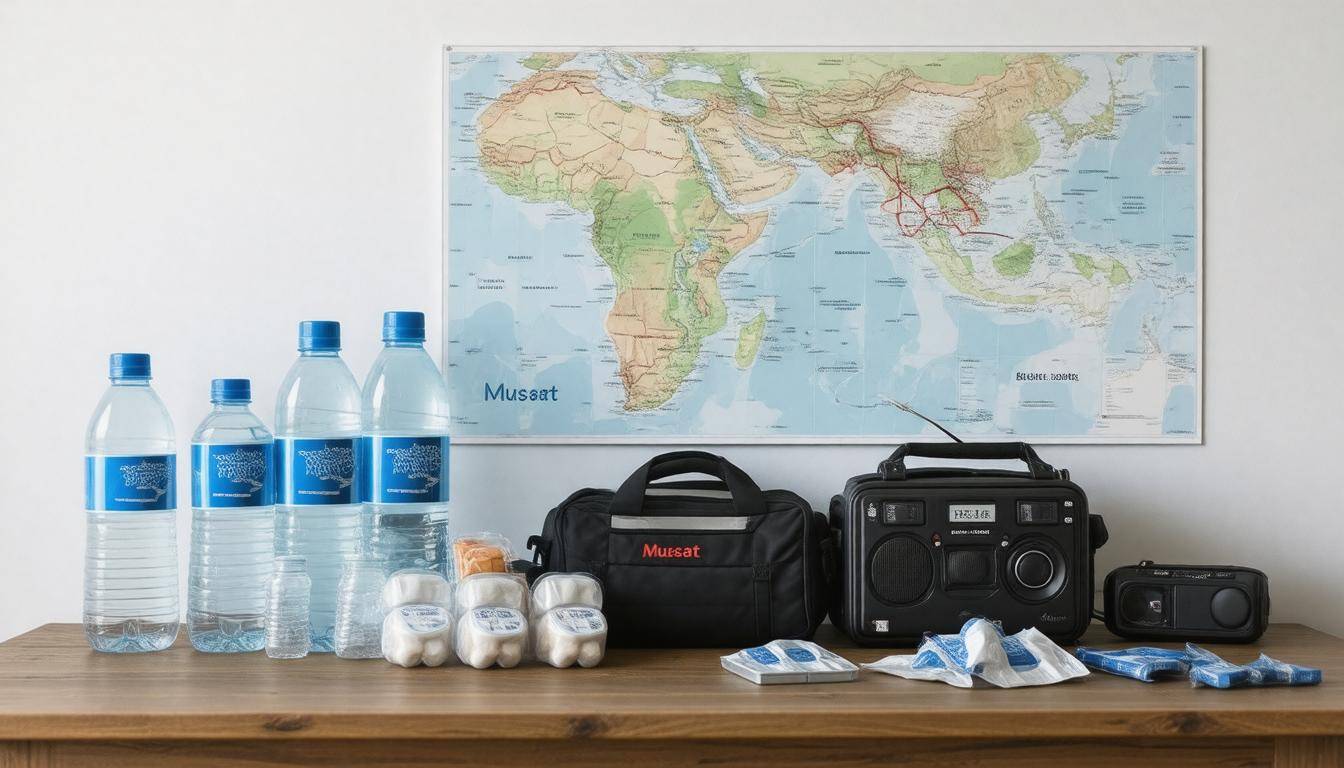
Overview of Muscat’s Emergency Response Plan
At the core of Muscat’s Emergency Response Plan is a commitment to public safety, especially during extreme weather situations like cyclones and heatwaves. This isn’t just a theoretical framework; it’s a comprehensive system with multiple layers of preparation and response capabilities. The plan kicks into gear primarily through its Coordination Center, which acts as the command hub for managing emergencies. This center is essential, providing real-time updates about evolving conditions while simultaneously working closely with local authorities to deploy resources effectively.
Notably, having pre-arranged resource allocation points is fundamental in this plan. As storms approach or heat emergencies loom, quick access to food, clean water, and medical supplies can make all the difference. These locations are strategically placed around the city so that residents can gather necessary provisions without undue stress or delay. Imagine being caught in dangerous weather, only to realize that community support structures are aligned with your needs at every turn.
Resource allocation not only covers physical supplies but also logistical frameworks designed to provide aid in an organized manner.
Alongside these crucial components, public information dissemination plays an equally vital role in maintaining safety during emergencies. Authorities understand that knowledge is power; thus, they utilize various communication platforms—radio, television, and social media—to keep residents informed of the latest developments. Regular alerts equipped with guidelines help ensure that everyone knows what actions to take as conditions change dramatically.
With all these key elements intertwined in Muscat’s Emergency Response Plan, enhancing individual awareness and preparation becomes essential for residents as they anticipate seasonal challenges that could arise ahead.
Cyclone Preparedness and Safety Tips
Preparing for a cyclone isn’t merely about having supplies; it’s about developing a comprehensive strategy that can empower you to handle the situation effectively. The first move is to secure your home. This means fastening loose items that could become dangerous projectiles during high winds. Chairs, planters, or anything else that could get picked up and tossed around should be stowed away in your garage or secure indoor space. Additionally, boarding up windows and reinforcing doors not only gives you peace of mind but also minimizes the risk of injury from flying debris.
Beyond securing the physical environment, you’ll want to ensure you’re stocked with vital supplies.
Next on your preparedness checklist is to stock up on essentials. Make a habit of checking your pantry at the start of each cyclone season. Non-perishable food items like canned goods, dried fruits, and energy bars have proven themselves invaluable during emergencies. Don’t forget about water—aim for at least one gallon per person per day for three days to stay well hydrated. While snacks are great, you’ll also want to have enough batteries handy for flashlights or radios in case of power outages, along with a fully stocked first-aid kit. Having these items readily available can drastically reduce stress when an emergency strikes.
Now that you’ve secured your home and gathered essential supplies, let’s talk about putting together a reliable contingency plan.
A crucial aspect of cyclone preparedness is creating an emergency kit that consolidates everything you’ll need in case you must evacuate quickly. Think of this kit as a compact lifeline. Important documents—such as passports, insurance papers, and medical records—should be stored in a waterproof container to avoid losing them during flood conditions. Make sure all medications you regularly take are included, along with any necessary medical supplies. A flashlight with extra batteries can help you navigate during power outages while keeping communication devices handy will help you connect with others during emergencies.
A well-prepared household isn’t just a safe household; it’s a calm household ready to face whatever comes their way.
With these precautionary measures in place, staying informed about weather updates and local advisories becomes just as crucial as your preparedness efforts. This engagement with real-time information ensures you’re equipped to respond effectively as conditions evolve.
Evacuation Protocols and Shelter Info
Evacuation protocols are crucial in ensuring your safety during severe cyclones, particularly in regions like Muscat that can experience life-threatening weather conditions. Staying informed about evacuation advisories is key. When authorities announce designated evacuation zones, it’s important to act swiftly, as these urgencies often come with instructions delivered via local news outlets or emergency alert systems.
Identifying Safe Shelters
Knowing where to find safe shelter can be a lifesaver during an emergency. Official shelters are generally schools, community centers, or other government buildings designed to accommodate large groups of people. These shelters are equipped not only to provide basic necessities but also to ensure safety from the storm’s wrath.
Local authorities have chosen unique locations such as Al Khuwair Secondary School, recognized as a well-equipped cyclone shelter for many years. Here, you can find essential facilities like access to clean water, sanitation services, and even emergency medical care—all in one place.
This emphasizes the need to familiarize yourself ahead of time with the nearest shelter locations specific to your area. Local government websites often list these shelters along with contact information and additional resources. Keeping that information handy on your phone or printed out in your emergency kit can save precious time once the alerts come through.
Additionally, when planning your evacuation, consider transportation options. Whether you will be driving your own vehicle, using public transport, or relying on scheduled shuttles organized by local authorities, having a plan will alleviate panic and confusion in the moment. Remember that traffic can become chaotic during emergencies; leaving early can help you avoid gridlock.
By establishing clear plans and understanding your resources, you’re better prepared for any potential challenges that may arise during an emergency situation related to extreme heat or cyclonic events. Next, we’ll focus on essential strategies to cope with rising temperatures and ensure safety during heat emergencies.
Heat Emergency Guidelines
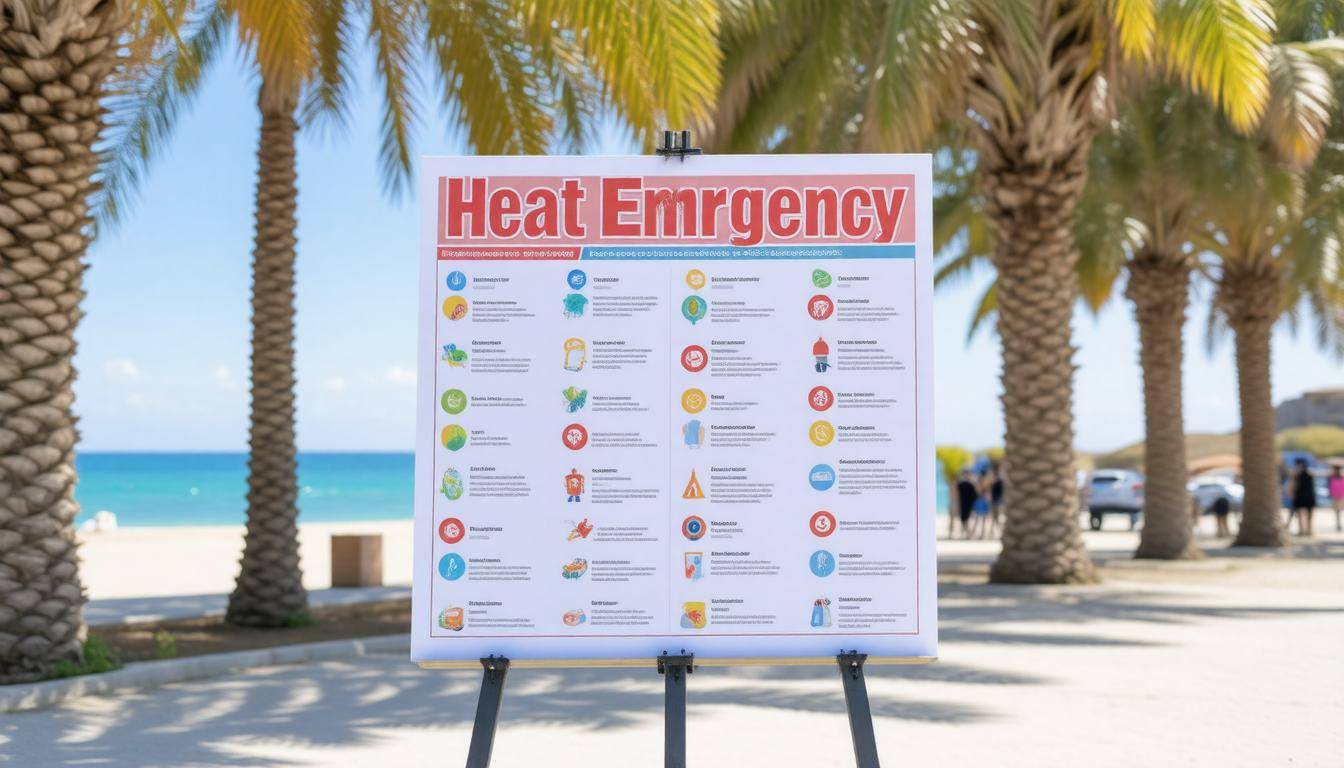
Muscat’s intense heat can pose serious health risks if not managed properly, especially during the peak summer months. The importance of being proactive rather than reactive cannot be overstated; taking simple yet effective steps can truly make a difference when the temperature skyrockets. This preparedness isn’t just for comfort; it’s about preserving your health in an environment where heatwaves have surged by 20% over the last decade, as reported by the Oman Meteorology Department.
Tips for Staying Cool
One of the basic yet vital strategies is hydration. Make it a habit to drink water frequently throughout the day. Replenishing fluids helps your body regulate its temperature. It’s important to avoid alcohol and limit caffeine intake, as these can dehydrate your body faster than you realize.
Furthermore, staying indoors during peak hours can significantly reduce your risk of heat-related illnesses. Seek out air-conditioned spaces whenever possible; if air conditioning isn’t available, fans can help circulate cooler air. Using cold compresses on pulse points such as wrists and neck can effectively bring your body’s core temperature down quickly.
Dress appropriately for the heat too. Light, loose-fitting clothing allows your skin to breathe. Yet remember that when you’re outdoors, protective gear like hats and sunglasses serves a dual purpose: keeping you stylish while safeguarding you from harmful sun exposure.
These everyday adaptations may seem small, but they collectively form a robust defense against overheating, ensuring that you can remain active and functional even in severe heat.
In addition to these practical tips, it’s essential to remain vigilant about the conditions around you and recognize symptoms of heat-related issues like heat exhaustion or heat stroke. Being aware of signs such as excessive sweating, dizziness, or confusion can prompt timely action, potentially preventing serious harm.
According to health experts, early recognition of these symptoms drastically improves recovery outcomes. The message here is clear—thorough preparation and awareness greatly enhance your chances of navigating heat waves safely.
With these survival strategies in mind, let’s now explore how maintaining strong communication channels can play a crucial role in navigating these emergencies effectively.
Ensuring Communication and Essential Services
In the face of a cyclone or heat emergency, your access to basic services and support can be pivotal for safety and resilience. Think of essential services as lifelines that not only help with immediate needs but also foster a sense of community preparedness. By keeping these services running smoothly, we create an environment where everyone feels secure and supported.
Robust Communication Plan
The first step in building this framework is to implement mobile alerts. Enrolling in state-sponsored mobile alert systems ensures you receive timely notifications about severe weather conditions, evacuation routes, or resource distribution points directly to your phone. This immediacy can make all the difference in staying informed and making proactive decisions.
Next, don’t forget about backup power sources. Imagine being cut off from communication due to a power outage while information is flowing in around you. Keeping backup battery packs or generators handy will allow you to charge communication devices such as smartphones and radios. A little preparation here can make the chaos of an emergency feel a bit less daunting.
Lastly, it’s essential to have a well-organized list of emergency contacts saved in multiple formats, such as your phone, written down, or displayed on a fridge magnet. This allows quick access to vital contacts like medical personnel and neighbors while minimizing delays during crucial moments.
| Essential Service | Contact Number | Backup Plan |
|---|---|---|
| Medical Help | 115 | Satellite phone |
| Fire Department | 999 | 2-way radio |
| Water Services | 222 | Bottled water supply |
While having immediate contacts is important, what happens if those services are overwhelmed? Thinking ahead regarding backup plans is wise. For instance, consider carrying a portable water filtration system if you anticipate water service interruptions or establishing connections with neighbors who might band together for mutual aid.
With a strong communication strategy in place, it becomes essential to understand how collaborative efforts across various sectors will enhance community preparedness during emergencies. Exploring this synergy further illuminates the path forward as we navigate potential challenges together.
Government and Community Roles

Clear definitions of roles are essential to an effective emergency response plan, especially during extreme weather events like a cyclone. The government’s first responsibility lies in providing timely warnings, which means leveraging all available communication tools. In the case of Muscat, this would involve broadcasting alerts via local media, social networks, and even direct notifications to mobile devices to ensure that all citizens have access to crucial information about impending dangers.
Beyond simply delivering warnings, the government must efficiently allocate resources. This includes preparing rescue services, providing shelters, and ensuring the availability of food and medical supplies well ahead of an emergency. Ensuring adequate stockpiles in strategic locations can save lives when swift action is required. Leading recovery efforts post-crisis is equally vital as it involves coordinating cleanup operations and providing aid to those affected, ensuring a quicker return to normalcy for the community.
Community Responsibilities
While the government sets the stage for a robust response, communities have unique responsibilities that complement these efforts. Local groups play a pivotal role in disseminating information within their areas. It’s one thing for officials to send out warnings; it’s another for neighbors to relay that information effectively across their personal networks. Community leaders can conduct meetings or utilize group messaging apps to ensure no one is left uninformed.
Furthermore, assisting in evacuation efforts becomes essential when the situation calls for it. Neighborly acts such as checking on elderly individuals or disabled community members who may require extra assistance can make a world of difference. Everyone has a role to play in keeping each other safe.
An inspiring example comes from Cyclone Mekunu when dedicated volunteers worked tirelessly to distribute supplies and provide first aid to areas that were isolated due to flooding and debris. Their selfless actions not only saved lives but also fostered a strong sense of unity among residents.
By working hand-in-hand with authorities, communities become more resilient in the face of disasters. When both government and neighborhood members recognize their vital roles, they create an environment where safety and preparedness thrive comprehensively through collaboration.
As we consider how both governmental and community efforts intertwine during emergencies, it’s also important to explore how individual participation can significantly enhance overall preparedness and response strategies.
Resident Participation in Emergencies
Active participation by residents not only empowers individuals but also strengthens the community as a whole during emergency situations. Taking part actively means not just waiting for updates from local authorities, but being part of the solution and enhancing preparedness. Understanding your role can lead to significant benefits, especially when the stakes are high.
Proactive Steps
One of the best proactive steps residents can take is to stay updated on weather forecasts and alerts using local news sources or mobile applications. By knowing what’s coming, you create opportunities to prepare instead of just reacting when emergencies hit. Keeping a battery-powered radio handy can also be invaluable since it provides information even during power outages. Remember, knowledge is your first line of defense.
Participating in community drills is another way to get involved, allowing residents to practice responses in real-life scenarios. Familiarizing yourself with evacuation routes and understanding where the nearest shelters are located can save precious time during an actual emergency. Knowing these details can mean the difference between chaos and calm; as noted by Aisha, “Our community’s group drill last summer definitely helped us respond more calmly during the recent heatwave.”
Consider getting involved in local emergency response trainings or workshops offered in your area. Learning about first aid or CPR not only equips you with essential skills for emergencies but fosters a sense of camaraderie among residents.
Participating in neighborhood watch groups or emergency volunteer organizations also builds communication networks that will be crucial in emergencies. When people know each other and have rapport, sharing resources like food, water, or medical supplies becomes easier. Strong relationships within the community enhance trust and make coordination smoother when quick decisions must be made.
Furthermore, committing to regular discussions about emergency plans within your community ensures that everyone is aware of and understands their roles, making adaptation a seamless process should circumstances change. This foundation sets the stage for assessing and fine-tuning strategies that ensure readiness for any eventuality.
Improving and Evaluating Emergency Plans
Regularly reviewing and enhancing emergency plans ensures they are equipped to handle evolving threats effectively. One practical step to initiate this process is conducting routine drills, allowing residents and emergency personnel to experience real-life scenarios in a controlled setting. These drills can reveal unexpected challenges or gaps in the plan, enabling your team to address them proactively.
After each drill, it’s vital to hold after-action reviews. This involves gathering all participants to discuss successes, shortcomings, and areas that need improvement. Feedback from both emergency responders and residents provides valuable insights that might otherwise be overlooked. For example, during a recent evacuation drill, participants noted that the designated meeting points were too congested, leading to confusion. By addressing such feedback immediately, you can make necessary adjustments for future events.
The role of data analytics in this process cannot be understated.
Utilizing data analytics can forecast potential hazards based on historical incidents and consistent patterns over time. This insight enables planners to route resources more effectively and adjust the emergency plan before issues arise. For instance, if data suggests an increased likelihood of flooding in a specific area, enhancing infrastructure or creating updated evacuation routes may become necessary.
Effective revisions could involve increasing stockpiles of essential goods or ensuring that emergency responders participate in additional training tailored to specific scenarios predicted by data insights. Imagine a community where first responders regularly practice dealing with chemical spills due to geographical trends noted in historical data; they would be far better prepared if such an incident were to occur.
Ultimately, the goal of these regular evaluations is to create a safe environment where every resident feels prepared for emergencies.
Improvements lead not only to enhanced efficiency but also foster greater trust within the community as residents witness their safety being prioritized. A robust emergency plan doesn’t just protect individual lives; it strengthens the entire community’s resilience against unforeseen events.
In conclusion, effective emergency planning involves continual assessment and responsiveness to ensure community safety under any circumstances. Remember that preparedness can significantly mitigate risks associated with cyclones and heat emergencies.
What educational resources are available for residents to better understand and prepare for cyclone and heat emergencies?
Residents can access a range of educational resources to enhance their preparedness for cyclone and heat emergencies, including government websites that provide detailed emergency plans, community workshops focused on disaster readiness, and the Red Cross emergency preparedness courses. Additionally, statistics show that communities that engage in preparedness training reduce casualty rates by up to 50% during natural disasters, emphasizing the importance of being well-informed and equipped to act swiftly in emergencies.
How often is the Muscat Cyclone & Heat Emergency Plan reviewed or updated to reflect new data or changing climate conditions?
The Muscat Cyclone & Heat Emergency Plan is reviewed and updated bi-annually to incorporate the latest data on climate patterns, emergency response strategies, and community feedback. This regular review process ensures that the plan remains relevant, particularly as climate conditions evolve; studies indicate that regions are experiencing more extreme weather events, with a 30% increase in cyclone intensity over the past decade, thereby necessitating frequent updates to emergency preparedness strategies.
What specific measures are included in the Muscat Cyclone & Heat Emergency Plan to protect vulnerable populations?
The Muscat Cyclone & Heat Emergency Plan includes specific measures such as the establishment of designated emergency shelters equipped with essential supplies, prioritizing the needs of vulnerable populations like the elderly and children. Additionally, the plan incorporates community training programs for disaster preparedness, ensuring that at least 70% of residents are educated on safety protocols. Regular outreach efforts target high-risk neighborhoods to provide resources and information, ultimately aiming to reduce vulnerability and enhance community resilience during extreme weather events.
What role do community organizations play in implementing the Muscat Cyclone & Heat Emergency Plan?
Community organizations play a crucial role in implementing the Muscat Cyclone & Heat Emergency Plan by serving as vital links between government agencies and local residents. They provide essential support through grassroots communication, education initiatives, and resource mobilization, which ensure that emergency protocols are effectively disseminated and understood. For instance, research has shown that communities with active organizations experienced a 30% higher participation rate in emergency preparedness drills compared to those without, demonstrating the importance of community engagement in enhancing overall resilience against cyclones and heat emergencies.
How does the emergency plan address infrastructure preparedness for cyclones and extreme heat?
The emergency plan for Muscat emphasizes infrastructure preparedness by ensuring that buildings and critical facilities are designed to withstand cyclonic winds of up to 200 km/h and that utilities, such as water and electricity, have backup systems capable of operating during extreme heat events. Additionally, it prioritizes the retrofitting of existing structures, with a goal of achieving 90% compliance with updated safety standards by 2027. This proactive approach is crucial as studies indicate that resilient infrastructure can reduce damage costs by up to 50% during such emergencies.