
In a world where natural disasters, thefts, or even simple accidents can threaten priceless treasures in museums, having a solid emergency plan is simply not optional. You might think of artifacts as just old stuff, but for many, they tell stories that span centuries and cultures, making their protection crucial. Crafting a well-thought-out emergency plan not only safeguards these important items but also ensures everyone involved—from the curators to the visitors—knows exactly what to do when an unexpected situation arises. Let’s dive into how you can create a foolproof strategy to shield these irreplaceable pieces from harm.
A Museum Emergency Plan for artifact protection should include comprehensive strategies for risk assessment, staff training, handling procedures during emergencies, and clear communication protocols. It should also prioritize the creation of a Collections Priority List to identify valuable items, incorporate environmental condition monitoring, and outline evacuation plans that coordinate with local emergency services to ensure the safety of both artifacts and personnel.
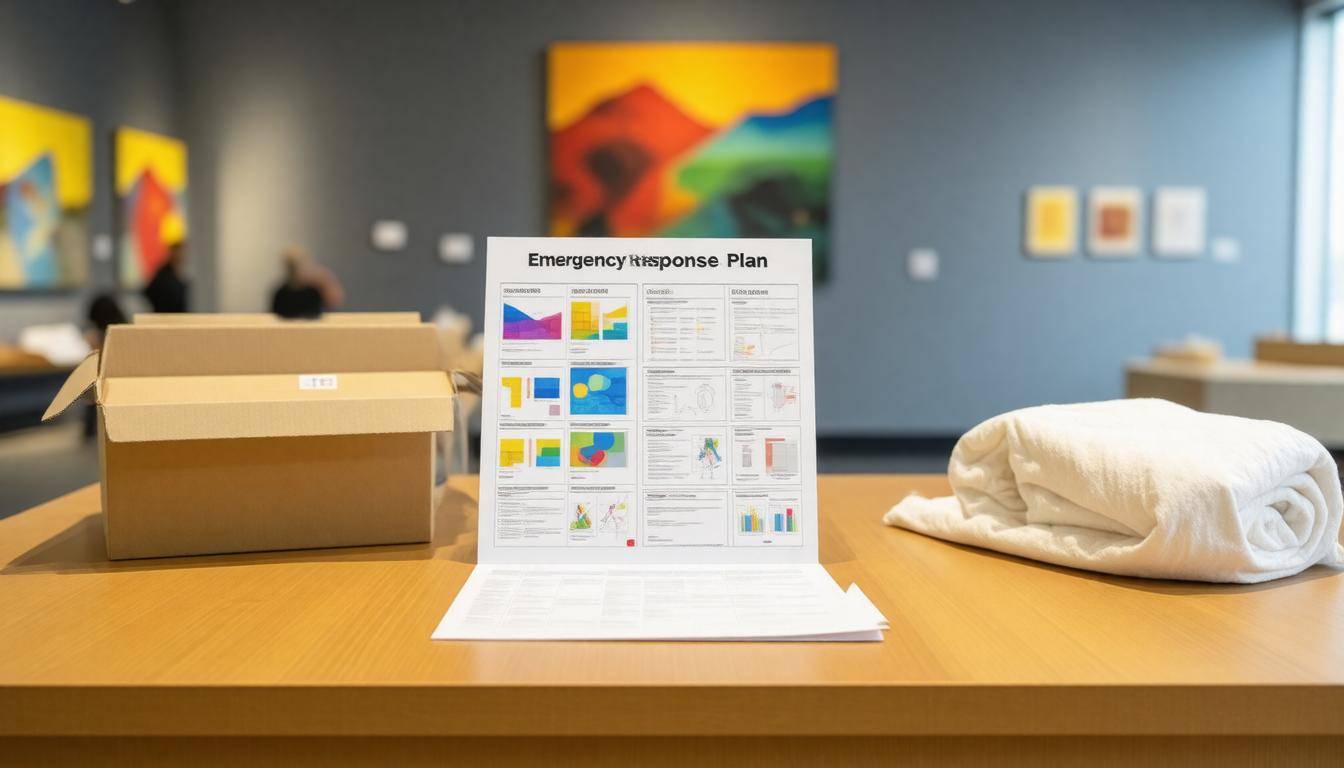
Identifying Risks to Artifacts
The first step in safeguarding any collection begins with identifying potential risks. Museums operate in environments filled with diverse threats, ranging from natural disasters to human error. By comprehensively understanding these risks, museums can devise strategies to mitigate them effectively.
Common Risks
Common risks include:
-
Natural Disasters: Earthquakes, floods, and hurricanes can wreak havoc without warning. For instance, coastal museums must grapple with the threat of rising tides, while those situated in earthquake-prone areas need to brace for ground-shaking tremors.
-
Human Error: Accidental mishandling can lead to irreversible damage. Each staff member should be aware that one misstep with an artifact can result in its destruction. Theft and vandalism also pose significant risks, as determined individuals may take advantage of a museum’s vulnerabilities.
-
Environmental Factors: Pollution and changes in temperature and humidity levels can slowly deteriorate even the best-preserved artifacts. Fine textiles may weaken in fluctuating humidity, while metals could corrode under harmful air quality. Protecting against these factors requires constant vigilance.
-
Pests: Insects and rodents are persistent enemies of any collection. From moths feasting on textiles to rodents gnawing through wooden pieces, pests can cause extensive damage before they are even detected.
Risk Assessment
To truly understand the landscape of vulnerabilities your collection faces, conducting thorough risk assessments is paramount. Utilize reliable tools such as the AAM’s (American Alliance of Museums) “Museum Assessment Program” for structured guidelines on identifying and prioritizing threats based on each artifact’s vulnerability and potential impact.
For instance, consider a coastal museum at greater risk of flooding due to its geographical location compared to its inland counterpart. Such disparities in risk exposure underscore the need for tailored emergency plans that address specific environmental factors unique to each institution.
Remember, identifying these risks isn’t merely a checklist; it’s a living process crucial for ongoing preservation efforts.
With a clear understanding of these identified risks, we can now focus on how to develop effective preparedness strategies that ensure the safety of invaluable collections amidst various potential threats.
Preparing for Natural Disasters
One of the most integral parts of disaster preparedness is understanding how to secure your museum or collection against potential threats. By becoming proactive rather than reactive, you can significantly minimize risks. Begin by categorizing the types of natural disasters that are likely to affect your area—this could range from earthquakes and hurricanes to floods and wildfires. Each type of disaster poses unique challenges and necessitates specific preparedness steps tailored to mitigate their impact on your artifacts.
Categorizing Disasters
For example, if you live in a coastal region, hurricanes may be a primary concern, while those in the Midwest might face tornadoes or flooding. Once you identify the types of threats, you can develop targeted strategies for each category. It’s not just about knowing what could happen; it’s about preparing for how to respond efficiently when it does.
Next, let’s talk about practical tools you should have readily available for disaster management.
Emergency Kits
A well-stocked emergency kit is a cornerstone of any disaster preparedness plan. Essential items such as plastic sheeting, dehumidifiers, wet vacuums, gloves, and first-aid supplies should be included in your kit. These resources become invaluable during an emergency, as they allow for immediate response actions to protect your artifacts.
According to research from the Getty Conservation Institute, having specialized tools and materials at hand can reduce recovery times by up to 40%. Investing in a comprehensive emergency kit not only safeguards your collection but can also facilitate quicker recovery after a disaster strikes.
Now that we understand the importance of emergency kits, let’s focus on flood-specific preparations.
Flood Preparedness
With climate change intensifying weather patterns, it’s crucial to take flood risk seriously. Elevating artifacts above known flood levels is one fundamental step; consider using shelving units or storage bins designed for high humidity areas. Installing sump pumps and ensuring that drainage systems effectively reroute water away from storage areas will also create a buffer against rising waters.
Remember, preventive measures don’t end with elevation; regular maintenance checks on drainage systems ensure they remain functional when you need them the most.
Having laid the groundwork for effective responses against various natural disasters, it’s time to turn our focus toward building a robust strategy that encompasses all aspects of emergency planning.
Developing a Comprehensive Emergency Plan
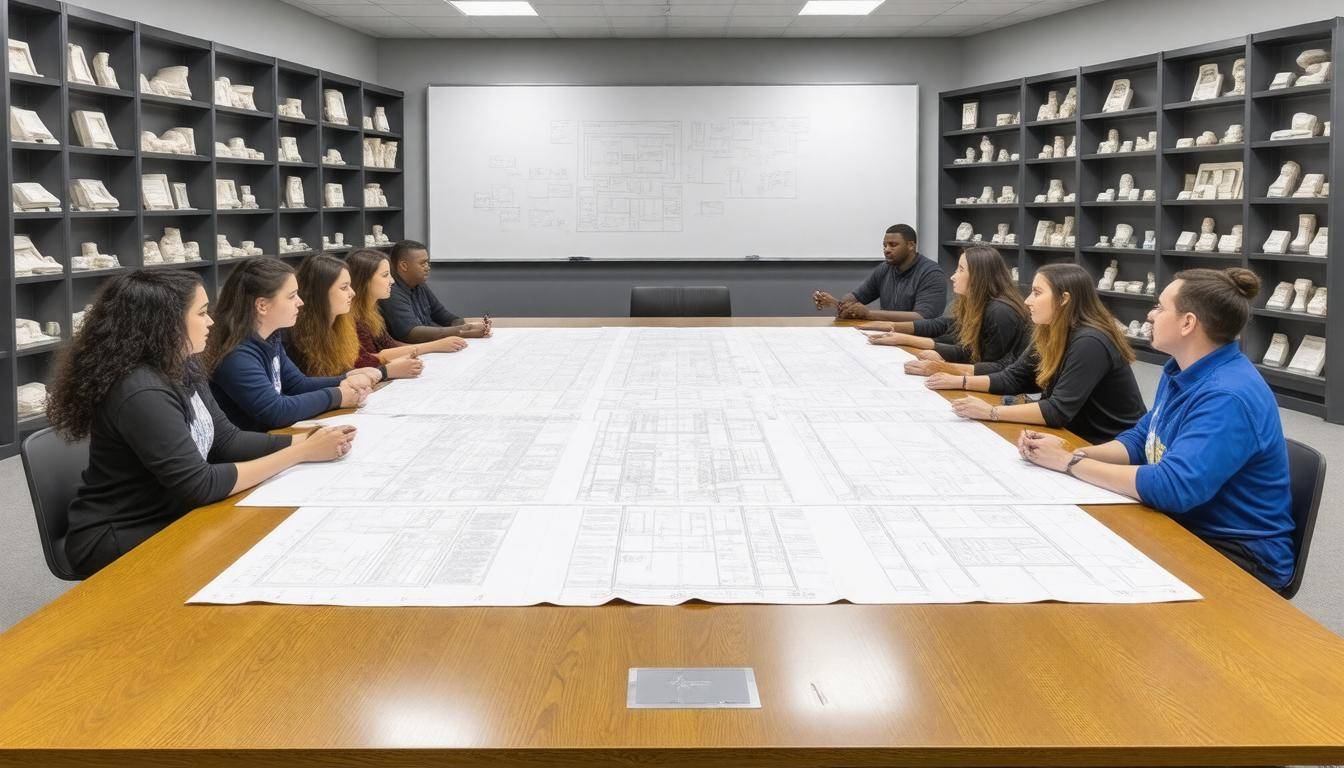
As you draft your emergency plan, it’s essential to create a living document that evolves with your institution’s needs and the challenges posed by unpredictable events. It should encompass detailed strategies and core components that ensure a thorough understanding of your museum’s unique vulnerabilities.
Core Components
The key components to include are crucial for a robust emergency plan:
-
Risk Assessment: This is more than just ticking boxes; it’s about thoroughly analyzing potential risks such as floods, fires, or vandalism that may affect your collection. Conducting regular assessments enables you to identify weak spots in your building or unexpected challenges when responding to crises.
-
Emergency Contacts: Compile a comprehensive list of contacts including local fire departments, police stations, and professional conservators. This list should go beyond the basics—like including multiple contacts at each location—to ensure you can reach the right people instantaneously.
-
Evacuation Routes: Not only do these routes need to be clearly marked within the museum, but they must also be familiar to all staff members through regular drills. Ensuring ease of access to exits can save invaluable time during an emergency.
-
Artifact Priority List: Develop an inventory that ranks artifacts based on their value and fragility. This will help your team prioritize which items require immediate attention if evacuation becomes necessary, thus helping maintain the integrity of your most significant pieces.
-
Resource Allocation: You’ll want a detailed outline of budgetary considerations and assigned responsibilities among staff members so everyone knows their role on the day of an emergency. Thoughtful resource allocation can mean the difference between chaos and control.
Preventive Measures
To further strengthen your emergency procedures, utilize guidelines from reputable resources such as the Getty Conservation Institute and the Conservation Center for Art and Historic Artifacts. These organizations provide well-researched, practical preventive measures that can seamlessly integrate into your operations.
As one museum director testified, leveraging these guidelines helped significantly reduce damage during an unexpected earthquake—a testimony worth its weight in gold for anyone responsible for artifact preservation.
Maintaining your museum’s standards involves regularly revisiting and updating protocols in response to changing circumstances.
With those foundational elements in place, we can now shift our attention toward specific strategies for the effective protection of artifacts in various situations.
Artifact Protection Procedures
The first aspect of artifact protection revolves around Environmental Controls, which are critical for maintaining the integrity of valuable collections. Temperature and humidity fluctuations can wreak havoc on materials ranging from delicate textiles to fragile paper. To counter these threats, you should invest in reliable environmental control systems that provide consistent monitoring. A range of automatic climate control devices are available, allowing for not only regulation but also real-time adjustments to keep your collection within the ideal range—typically between 68-72°F (20-22°C) and 40-60% relative humidity. Regular checks ensure these systems remain functional, thereby mitigating possible damage and prolonging the life of your treasured items.
Just as environmental controls are vital, how you handle and store artifacts deserves significant attention too.
Handling and Storage
Proper training in handling is indispensable. All staff members should be well-acquainted with safe techniques to prevent accidental damage. A moment of carelessness can lead to irreversible harm; even the smallest artifacts require a delicate touch. Team members should regularly practice how to lift, move, and manipulate these pieces without putting undue stress on any part. This includes using both hands, wearing gloves, and keeping the items supported throughout the process.
Moving onto storage, it’s essential to utilize archival-quality materials that ensure ongoing protection from harmful irritants. We recommend employing storage units designed specifically for preserving historical artifacts since standard boxes might fail to offer adequate safeguards. Moreover, before introducing new packing materials, perform the Oddy Test to check for any adverse reactions that could arise from off-gassing. Regular testing will inform you about material suitability, which ultimately contributes to the longevity of your collection.
Now let’s consider the importance of implementing robust security measures.
Security Measures
In an era where art theft is unfortunately common, it’s crucial to employ strong security measures that safeguard against potential threats. Consider installing CCTV systems throughout galleries and storage areas—they are not just deterrents; they also offer direct oversight that can help identify vulnerabilities before they become issues. Restricted access rooms can further bolster security by limiting who can interact with sensitive artifacts.
For day-to-day operations, designating a Project Liaison can streamline communications regarding security status among team members and with external authorities when necessary. This person acts as a crucial point of contact ensuring that all relevant parties are informed and engaged concerning any ongoing or emerging risks. Having this dedicated individual means that security is managed efficiently rather than left to chance.
These strategies lay a robust foundation for protecting your collection; however, effective execution relies heavily on creating an organized training and coordination framework among personnel.
Staff Training and Coordination
In a museum setting, the knowledge and readiness of your staff can mean the difference between preserving an invaluable artifact and losing it forever during an emergency. Think of your team as the lifeline that will safeguard every masterpiece within your walls.
Regular training brings about a culture of preparedness, ensuring that everyone understands their part in the overall safety plan. It’s not just about knowing what to do but also being able to act quickly and decisively when it matters most.
Training Programs
Implementing regular training programs is essential in achieving this goal. Consider hosting workshops and drills that simulate real-life emergency scenarios, allowing your staff to practice their responses under pressure.
For instance, gatherings could revolve around fire safety or unexpected natural calamities, emphasizing hands-on strategies that your team can adopt. The key is to make these sessions as realistic as possible, which will provide a solid foundation for staff members when faced with actual situations.
Studies indicate that well-trained staff can reduce response times by up to 30%. This statistic underscores the importance of investing time in training; it’s a small sacrifice that yields significant benefits.
Assigning Roles
A fundamental component of an effective emergency plan involves clearly defining roles among staff. Specific responsibilities should illuminate each person’s contributions during crises. For example, designating a Project Liaison ensures there’s a single point of contact for external agencies during emergencies. This can be vital when responding to larger events where coordination with local authorities is necessary.
The Move Coordinator plays another critical role by orchestrating how and when artifacts will be relocated should evacuation become necessary. Furthermore, appointing a Preventive Conservator guarantees that environmental factors—such as temperature and humidity levels—are monitored and stabilized within the museum, reducing potential damage to sensitive items.
Communication Systems
Equally important is establishing robust communication systems among all staff members. Consider utilizing tools like walkie-talkies or dedicated emergency hotlines to maintain clear lines of communication during emergencies. Group messaging apps can also serve as efficient platforms for real-time updates.
By leveraging these mediums, you’re ensuring that information flows swiftly between team members, making sure nobody is left out of the loop when seconds count. Further, fostering familiarity with these tools through practice will enhance confidence and efficiency when it’s needed most.
Effective staff coordination establishes a strong foundation that directly influences successful strategies for safely moving individuals and artifacts in case of an imminent threat.
Emergency Evacuation Strategies
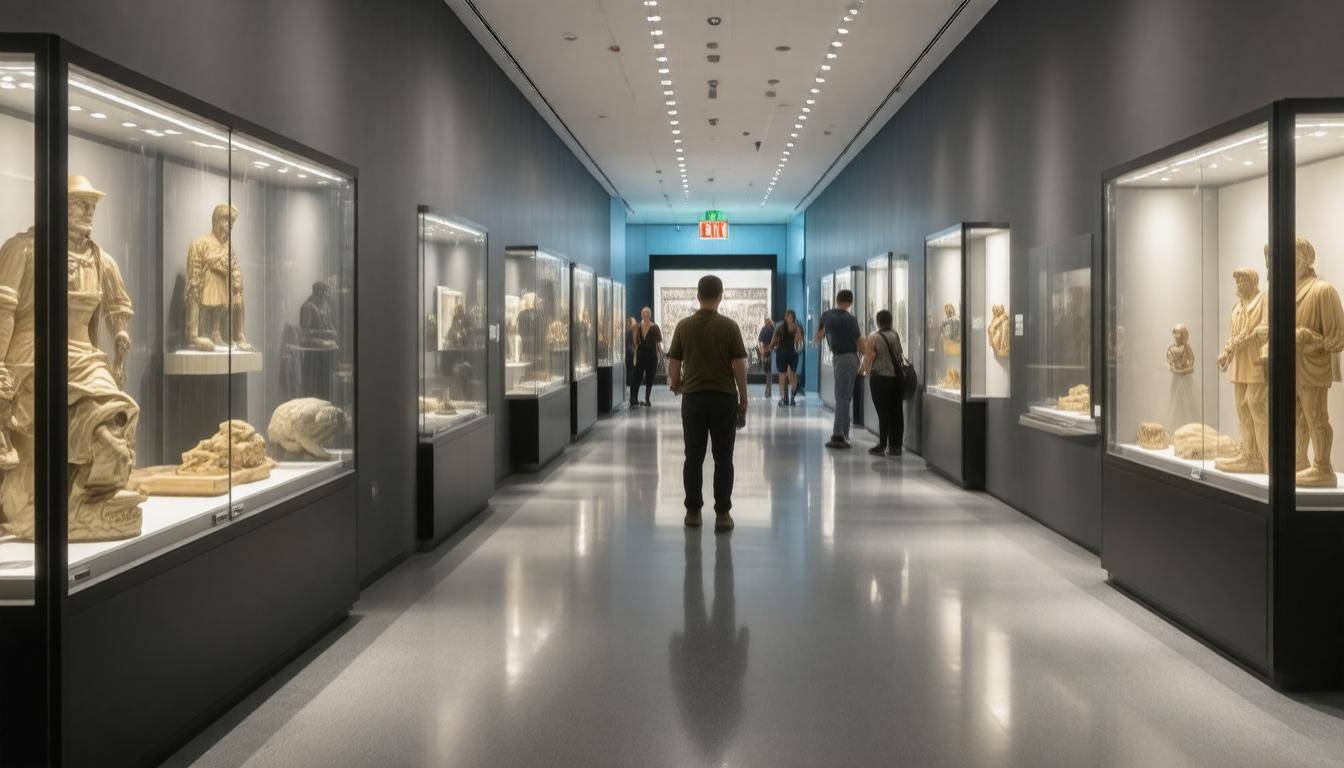
One of the most crucial aspects of an effective emergency evacuation plan is establishing clear evacuation routes. It’s essential to designate both primary and secondary routes that are wide enough to allow for the safe movement of people and artifacts during an emergency.
These routes should be clearly marked with bright, visible signage, so everyone can identify where to go in a hurry. Regular inspection of these pathways allows for the identification of possible obstacles such as furniture or equipment that could impede a quick exit. Moreover, conducting bi-annual training drills isn’t just good practice; it provides staff with valuable hands-on experience in managing an actual emergency, helping them refine their movements and enhance their responses.
Each staff member should be assigned specific roles during an evacuation—perhaps a lead individual to coordinate exit routes while others manage artifact protection. This way, there’s clarity about who does what when seconds count. Clear communication is key; using walkie-talkies or headsets ensures everyone remains informed throughout the process.
Priority Chart
| Artifact Name | Priority Level | Storage Location | Special Instructions |
|---|---|---|---|
| Ancient Manuscript | High | Gallery 1 | Handle with gloves, use padded crates |
| Bronze Statue | Medium | Basement Storage | Secure loosely for quick removal |
| Vintage Paintings | High | Exhibit Room 3 | Cover with protective sheeting |
The priority chart should become a central reference point for staff during emergencies. It ranks artifacts by significance, informing team members which pieces require immediate focus. For instance, the ancient manuscript’s handling necessitates extra care given its fragility and historical value. Planning for these details significantly impacts the likelihood of preservation during evacuations and emphasizes preparedness as paramount for staff.
Partnering with local authorities is another significant facet of capable emergency response planning. Developing relationships with local fire departments and emergency services enables museums to share their evacuation plans and gain insights into local risks that may not have been anticipated initially. Joint drills with these entities not only establish familiarity but also cultivate cooperative efforts that can make all the difference when time is of the essence.
As we explore further strategies, it’s important to consider how effectively responding to a crisis doesn’t end after evacuation; planning for recovery is just as vital in ensuring artifacts are restored and preserved carefully.
Post-Incident Artifact Recovery
The complexity of artifact recovery after an incident cannot be understated. Once the immediate shock of a disaster has passed, the real work begins. Your first step should always be to conduct an initial assessment. This involves categorizing artifacts based on their damage severity, which is essential for prioritizing your recovery efforts.
Using digital documentation tools to record conditions immediately is invaluable here, as it allows you to track the state of each item and ensure nothing gets overlooked. Effective documentation provides a clear path for conservators and can help tell the story of each artifact’s journey back to stability.
Initial Assessment
When performing the initial assessment, take care to be methodical. Group artifacts into three categories:
- Items needing urgent attention
- Items that can wait
- Items that have not sustained significant damage
This classification will guide your recovery strategy, allowing you to allocate resources efficiently or seek external assistance where necessary. Don’t forget to involve your team in this process; insights from multiple perspectives can lead to better decision-making.
The quicker you initiate recovery efforts, the higher the likelihood that you’ll restore artifacts successfully. As a standard rule of thumb, it’s beneficial to aim for intervention within 48 hours post-incident.
Conservation Techniques
Next comes the application of appropriate conservation techniques tailored to the artifacts’ specific needs. For instance, if you’ve got wet textiles, air drying might suffice; however, soaked manuscripts require more delicate handling—freeze-drying is often recommended to prevent mold growth and further deterioration. It’s incredibly beneficial to adopt multiple techniques and maybe even consult existing literature or guidelines.
A museum director once recounted how effective initial assessments during a flooding situation allowed their conservators to prioritize damaged artifacts properly. They noted that without these well-planned steps, many pieces would have been lost forever due to hasty or mismanaged decisions.
Professional Assistance
In severe cases of damage, collaboration with professional conservators becomes essential. Organizations like the Conservation Center for Art & Historic Artifacts offer specialized recovery services tailored for various types of damage. They bring expertise in assessing structural integrity and conservation methods that may not be available in-house.
For instance, they might employ advanced techniques like molecular sieving or gel infusion that provide optimal outcomes for sensitive materials.
After recovery has taken place, it’s vital not to let your guard down; consistently updating and maintaining your emergency plan for future incidents is crucial as you prepare for what comes next.
Regular Plan Updates and Maintenance
Just as a physician reviews a patient’s health, museums need to periodically assess and revise their emergency plans to ensure they address current circumstances. Scheduling bi-annual reviews allows institutions to involve staff in discussions about changes that might have occurred since the last review, such as new risks introduced by environmental factors or updates in local legislation regarding artifact handling. Keeping all contact information fresh is crucial; in an emergency situation, outdated contacts can lead to delays in assistance.
Are there new threats or changes in artifact value that necessitate adjustments? Understanding the answers to these questions isn’t just helpful—it’s essential.
Similarly, implementing changes based on insights gained from previous drills and real-world incidents is critical. If a fire drill revealed that certain exits were blocked or if a simulated theft indicated improved emergency communication methods were necessary, these lessons should translate directly into actionable updates for your plan. By using real scenarios as guides, museums can fortify their emergency responses against unique challenges.
Consider introducing a hybrid approach for these reviews: Have formal evaluations every six months but also allow for informal check-ins after significant events. This ensures that everyone remains vigilant and proactive. Regular updates are indispensable—they help maintain an effective emergency plan that keeps pace with evolving risks while reinforcing the importance of preparedness among museum staff.
Furthermore, regular training and drills enhance institutional resilience. Consistent practice ensures staff members can execute the updated protocols effectively when emergencies arise. By emphasizing preparedness through repeated drills and notifications about any procedural changes, museums cultivate a culture of safety and awareness among team members.
Through diligent attention to regular plan updates and maintenance, museums not only protect their invaluable artifacts but also foster a preventive mindset that enables staff to respond confidently in crisis situations.
In summary, a robust emergency plan, regularly updated and practiced, is vital for safeguarding both artifacts and people within museum spaces. It is not just a guideline but a commitment to excellence in protection and preparedness.