
Mount Vesuvius, while often romanticized in stories and films, poses a serious threat to the millions of people who live in its shadow. As one of the most active volcanoes in the world, understanding how to deal with a potential eruption is more important than ever. What would you do if you were suddenly asked to leave your home, perhaps even your entire town, with little warning? This article explores the evacuation plans for Naples and the measures put in place to safeguard residents from this magnificent yet dangerous giant. We will dive into historical patterns of eruptions and the vital steps being taken by scientists, local authorities, and communities to ensure everyone knows how to act when the time comes.
The evacuation plan for Mount Vesuvius includes a designated red zone encompassing approximately 800,000 residents from surrounding comunes, who would need to be evacuated within roughly 72 hours of an impending eruption. The plan involves detailed monitoring and coordination with local authorities to ensure efficient transportation and accommodation across multiple regions in Italy.
Assessing the Vesuvius Eruption Threat
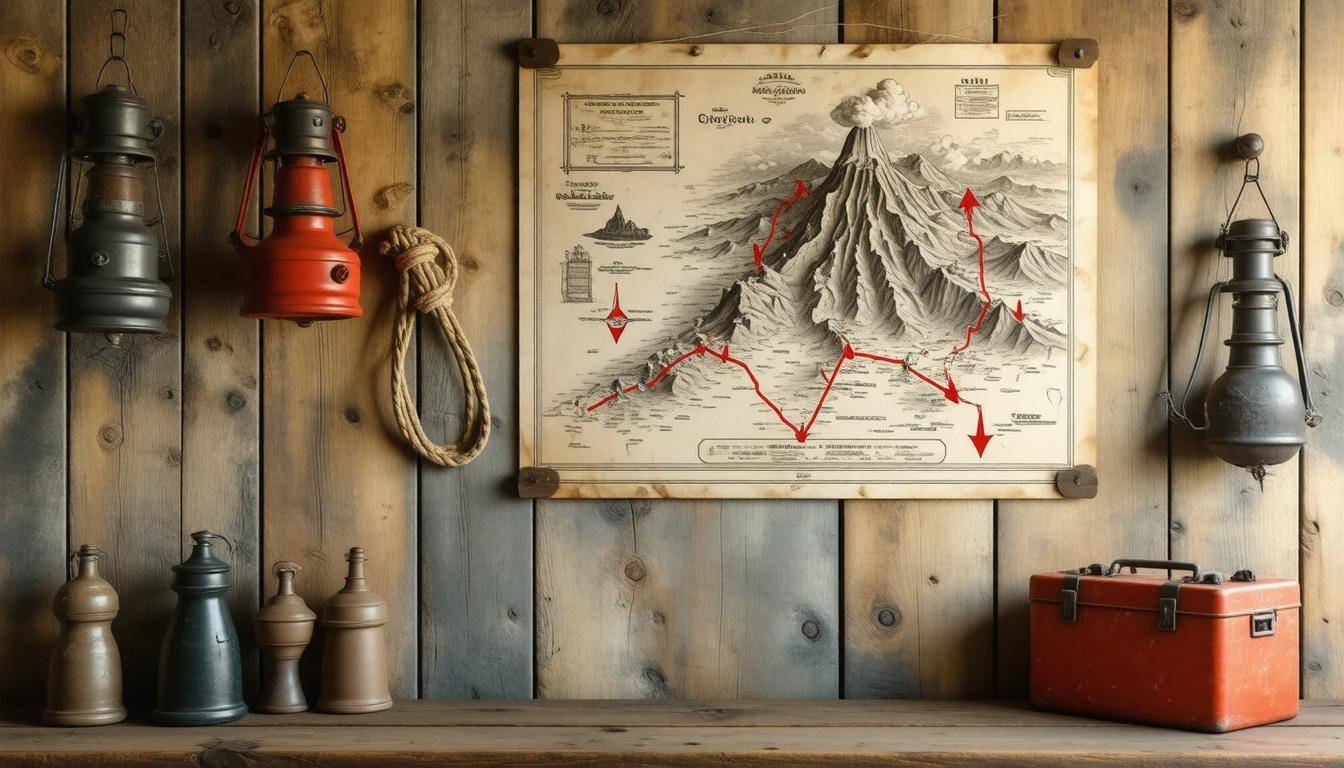
The potential danger from Mount Vesuvius cannot be overstated. Situated near densely populated areas, the volcano represents not just a geological risk but also a significant human hazard; it’s one of the most densely populated volcanic regions in the world, with approximately 3 million people living within a 30-kilometer radius.
This concentration of human life puts immense pressure on local authorities and emergency services to develop effective evacuation strategies. The vibrant city of Naples flourishes under the shadow of Vesuvius, yet this beauty comes tethered to an ominous reality, reminding us that history does not forget.
Historical records show that Mount Vesuvius has erupted over 50 times since AD 79, with its last major eruption occurring in 1944. Such a timeline suggests an average eruption interval of about 20 years. Given this pattern, the urgency for thorough monitoring and planning can hardly be ignored; if history teaches us anything, it is that complacency can lead to devastating consequences.
To manage this volatility effectively, scientists employ an array of intricate monitoring tools designed to detect subtle changes in volcanic behavior. Seismographs allow experts to pick up seismic activity indicative of potential eruptions, while satellite imagery contributes crucial data on surface deformation and hyper-local changes in landscape.
Gas sensors are perhaps one of the most revealing tools in a volcanologist’s arsenal; increases in sulfur dioxide levels might indicate that magma is shifting closer to the surface—a clear warning sign that should not be dismissed lightly.
Furthermore, ongoing research continues to refine these monitoring techniques. Improved technology allows scientists to create more accurate predictive models based on historical data and current observations. For instance, when elevated gases are detected alongside noticeable shifts in temperature at specific vents, it’s often regarded as a telltale sign that conditions are becoming increasingly favorable for an eruption.
While many experts assert that existing monitoring systems provide a commendable warning framework, there’s a growing consensus that these measures alone are insufficient. Some advocate for enhanced protocols that would include public awareness and education campaigns aimed at ensuring residents understand evacuation routes and procedures clearly.
After all, what good is an evacuation plan if the public remains unaware or apathetic toward it? More robust safety measures could include regular drills simulating various eruption scenarios—similar to fire drills—but specifically tailored for volcanic emergencies. Greater engagement between authorities and residents can foster trust and ensure swift responses during actual emergencies.
With a firm grasp on these threats and their implications, translating scientific studies into actionable preparedness plans becomes essential for protecting lives in this high-risk area. This foundational understanding serves as a stepping stone toward implementing comprehensive strategies to address immediate and long-term challenges.
Emergency Preparedness Plan
Establishing a comprehensive emergency preparedness plan is crucial for communities at risk of volcanic eruptions like those around Mount Vesuvius. A well-crafted strategy gives residents the best chance for safety and resilience in the face of a natural disaster. The key elements of this plan are not merely theoretical; they represent actionable steps that can dramatically influence outcomes when disaster strikes.
Key Elements of the Plan:
-
Evacuation Protocols: Clearly defined evacuation routes and procedures should be established. This involves selecting multiple primary routes out of the danger zone to avoid bottlenecks and confusion. Maps should be easily accessible to all residents, and public transportation options need to be identified in advance to facilitate quick evacuations.
-
Resource Allocation: It’s essential to ensure adequate supplies, such as food, water, shelter, and medical aid, are readily on hand. Designated stockpiles in strategic locations, known as resource distribution points, can make a significant difference. These sites should be stocked regularly and checked for functionality, ensuring they are operational before an emergency occurs.
-
Communication Strategies: Utilizing various communication channels—such as social media, text alerts, local news outlets, and community bulletin boards—is paramount in delivering timely updates about volcanic activity and evacuation procedures. It’s vital to keep information flowing from authorities to citizens seamlessly so that everyone is informed.
-
Coordination: Collaboration among local municipalities, state agencies, and national organizations is necessary for effective response efforts. Conducting joint training exercises can help agencies understand their specific roles during an eruption emergency, thereby enhancing coordination when seconds count.
Take inspiration from Japan’s meticulous approach to earthquake preparedness. Japan emphasizes regular community drills and maintains well-established evacuation routes that serve as a model for managing volcanic emergencies successfully.
However, even the best-laid plans require robust warning systems to maximize their effectiveness and safeguard lives.
Timeliness is crucial – knowing when to act can dictate how well residents fare during an eruption. Therefore, investing in advanced monitoring technologies and establishing clear channels for disseminating alerts will further improve readiness. Prioritizing these areas ensures communities can respond decisively when faced with potential volcanic threats.
Warning Systems and Alerts
The Vesuvius Observatory stands vigilant over the Bay of Naples, serving as a critical sentinel in monitoring the activity of this majestic but volatile volcano. Equipped with state-of-the-art technology, scientists analyze seismic data, gas emissions, and ground deformation to gauge any changes that could signify an eruption. Their findings are essential for public safety and community preparedness.
This observatory employs a well-structured color-coded alert system that indicates varying levels of risk based on current volcanic activity. This system is designed to ensure clarity and speed in conveying vital information to both residents and officials alike.
| Alert Level | Description | Action |
|---|---|---|
| Green | Normal | Routine monitoring |
| Yellow | Heightened activity | Increased surveillance |
| Orange | Likely eruption | Emergency services on standby |
| Red | Imminent eruption | Immediate evacuation |
Every color in this system signifies a specific level of urgency, guiding residents on how to respond appropriately. For example, when the alert shifts to yellow, it indicates heightened activity; while there may not be an immediate threat, individuals should be more aware of emergency procedures and stay tuned for further communication. As we progress through the levels, with orange signaling that an eruption is likely, precautions intensify. When the ominous red is issued, immediate evacuation becomes paramount.
Historical events provide sobering reminders of why such timely alerts are essential. For instance, the 2009 L’Aquila earthquake underscored the critical need for precise communication between authorities and the public, even amidst different natural threats. Although it wasn’t a volcanic eruption, the aftermath revealed significant gaps in how quickly information was relayed, reminding us of the chaos that can ensue without these early warnings.
Understanding the warning system gives residents a fighting chance in emergencies; however, integrating this knowledge into effective evacuation planning is vital for ensuring swift actions can be taken during high-stakes situations.
Evacuation Zones and Routes
Properly defined evacuation zones and routes are critical for a smooth evacuation process in the event of an eruption from Mount Vesuvius. The area around the volcano is divided into two primary subzones: Red Zone 1 and Red Zone 2. Each zone has unique risks that necessitate careful planning and clear communication to ensure public safety.
Breakdown of Zones
Red Zone 1 represents areas at the highest risk of pyroclastic flows—those fast-moving clouds of hot gas and volcanic material that can obliterate anything in their path. Living within this zone means quick action is imperative, as there’s little time to react should an eruption occur. Conversely, Red Zone 2 includes regions facing greater risks from ash fall and lapilli, lighter volcanic fragments that can pose significant dangers to health and property.
To efficiently manage an evacuation, each zone has predefined evacuation routes meticulously planned to minimize congestion. These routes consider factors like population density and infrastructure limitations within Naples—a city housing over 20,000 people living close to Mount Vesuvius. It is estimated that a full evacuation could take up to 72 hours, underscoring the importance of preparation.
Designated evacuation routes lead residents to safe points well outside danger zones. For example, cities like Naples and Ercolano have mapped these routes with comprehensive signage strategically placed throughout affected areas. These road signs indicate directions and remind residents to stay alert during emergencies.
For instance, when approaching a major intersection near Red Zone 1, you might see bright yellow signs emblazoned with arrows leading towards exit routes. These guides help prevent confusion and keep traffic flowing smoothly.
However, having a route is insufficient without reliable transportation and safety protocols. Locals need access to working vehicles or adequate public transport systems to facilitate quick movement out of harm’s way. Moreover, it’s crucial for residents to be aware of multiple route options; familiarity with their environment plays a vital role in ensuring safety during a crisis.
Although it’s easy to overlook these details in day-to-day life, they become paramount when faced with potential disasters like a volcanic eruption. Every second counts, making thorough knowledge of evacuation zones and routes indispensable for preserving both life and history in Naples.
As we explore further, understanding the vehicular strategies and safety measures can provide deeper insights into how residents can navigate these challenges effectively.
Transportation and Safety Procedures
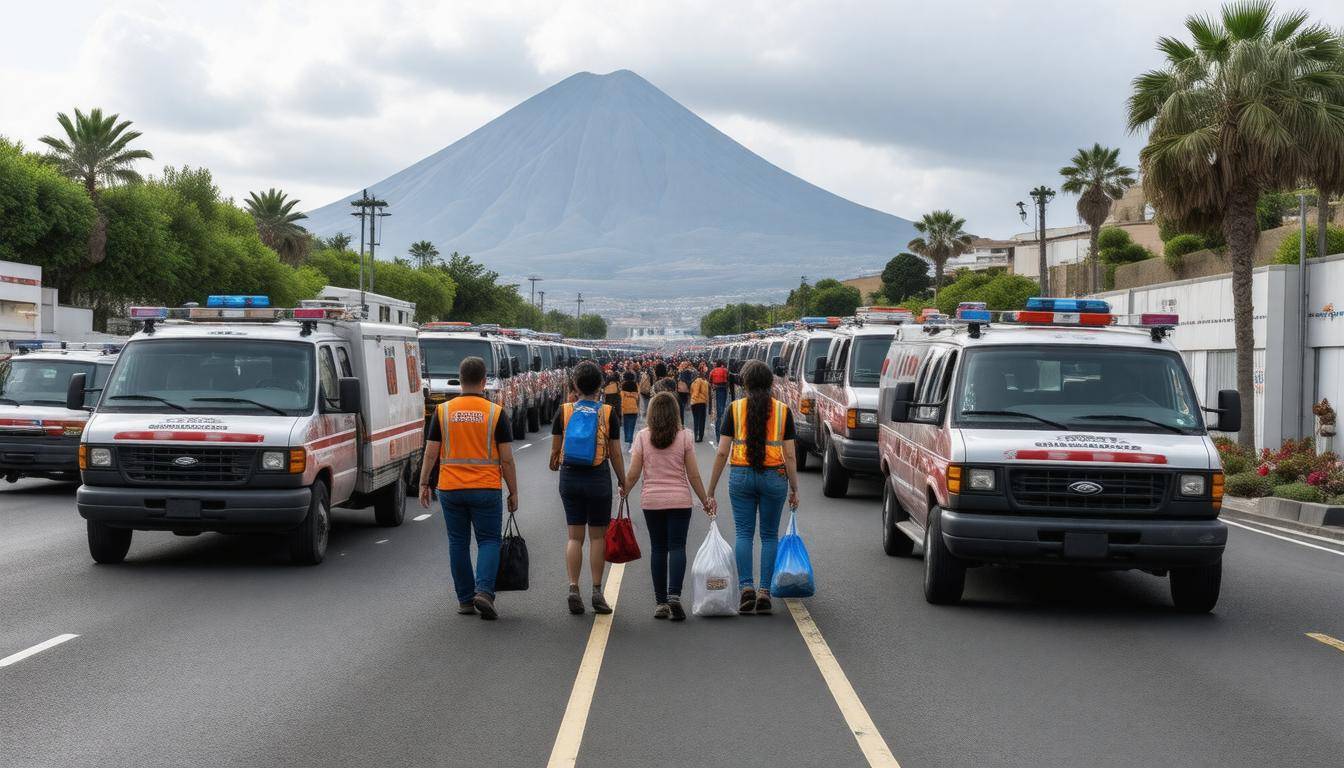
Ensuring the safety of everyone during an evacuation means having well-planned transportation routes and safety protocols in place. This includes not only getting people out but also making sure they arrive where they need to be without incident. Key to this preparation is coordinating effectively with various public transport services, school buses, and even tourist coaches that can be redirected for emergency purposes.
While it might seem straightforward, the logistics of evacuating a densely populated area like Naples during an eruption requires careful planning. It starts with solid partnerships with transportation authorities and companies who must understand their role in an emergency situation. Having dedicated vehicles prepared can make all the difference; it’s vital for these vehicles to be on standby and ready to mobilize when needed.
Key Safety Measures:
-
Driver Training: All drivers involved in the evacuation must undergo rigorous training. It’s not just about knowing how to drive; they need to master navigating chaotic situations calmly while being aware of potential hazards.
-
Emergency Supplies: Vehicles should be stocked with basic emergency supplies like water, blankets, and first-aid kits. The presence of these essentials can turn a stressful situation into one where people feel secure.
-
Load Management: Overcrowded vehicles can be dangerous; therefore, precise load management protocols are essential. Accurate headcount procedures can prevent potential accidents or delays during the evacuation process.
A local transport official once shared, “Our buses are ready and equipped to support the evacuation process. Regular drills ensure that drivers are well-prepared to handle the situation.” This commitment not only helps build community confidence but also prepares citizens for sudden events.
As we pivot from transportation logistics, the next critical focus is ensuring that evacuees are provided with safe accommodations and essential support throughout the crisis.
Shelter and Safety Measures
Safe shelters are not just a refuge; they are a lifeline for displaced populations during a volcanic crisis like that of Mount Vesuvius. When an eruption occurs, evacuation plans spring into action, relocating evacuees to designated shelters strategically set up in safer regions. It’s imperative that these facilities are well-equipped to handle the diverse needs of those who have left everything behind.
These shelters will be spread across 19 regions in Italy, excluding Campania; this vast geographical coverage is essential given the potential scale of an eruption. Ensuring that evacuees have access to basic amenities is paramount. Imagine being uprooted from your home, with uncertainty looming; every little comfort can make a world of difference in such dire times.
Facilities Provided:
-
Medical Care: Each shelter must have facilities to treat injuries and provide necessary medications. This includes everything from basic first aid supplies to access to medical professionals for more serious conditions. A well-stocked medical tent can become the beating heart of the shelter when people arrive distressed or injured.
-
Basic Amenities: Shelters will offer clean drinking water, food, and sanitation facilities. The need for clean water cannot be overstated—hydration is critical, particularly under stress. Ensuring adequate food supplies helps maintain morale as it offers a piece of routine amidst upheaval.
-
Psychological Support: It’s not just physical strain residents will face; emotional scars from evacuation can linger long after the danger has passed. Shelters will provide trained counselors who can help residents process their trauma. Offering support groups and individual counseling sessions allows for personal healing during communal hardship.
Historical events teach us valuable lessons about disaster response: the response to the 2004 Indian Ocean Tsunami underscored how providing comprehensive care in shelters is crucial for long-term recovery, making it evident that direct support can significantly affect community resilience.
However, for any plan to be effective, community involvement is essential. Engaging residents, training volunteers, and fostering a network ensures every individual knows their role when disaster strikes will be key to success.
Government and Community Involvement
Coordinated efforts between government authorities and community members are essential to navigate the challenges posed by a potential eruption of Mount Vesuvius. Government agencies such as the National Civil Protection Department, alongside local municipalities, hold significant duties in crafting the evacuation plan, which includes establishing clear evacuation routes and ensuring that all safety measures are in place. Their responsibilities also encompass ongoing communication about possible eruptions and reassurance during emergencies when panic can spread quickly.
Recently, it was reported that these agencies have been actively upgrading their protocols since the last major eruption in 1944—an event many families still remember vividly. They recognize that the time for preparation is now; they engage in simulations, draft escape routes, and invest in training exercises designed to bolster community readiness.
Community involvement amplifies these efforts. Local leaders, as trusted figures, can bridge gaps in communication effectively. For instance, by holding informational meetings or creating localized social media groups, they help disseminate crucial information quickly to residents who may feel anxious or unprepared. Volunteer groups can step up as well, taking on logistics such as packing essential items like medications, passports, and food supplies to ensure a swift exit if the need arises.
“Our neighborhood has a strong sense of unity,” shares a local leader in Naples. “We’ve held meetings to discuss what actions to take if Vesuvius shows signs of erupting.” This proactive approach helps reinforce the importance of preparedness within the community.
However, engaging all community members remains an ongoing challenge due to varying levels of awareness and preparedness. Some inhabitants may be unaware or indifferent, leading to situations where they fail to respond appropriately during an emergency. To combat this issue, it’s essential that educational initiatives focus on raising awareness about both the risks associated with volcanic activity and the necessary steps each person should take when facing an emergency.
Regular drills and practice sessions become indispensable tools for reinforcing knowledge and preparedness among residents. These exercises simulate evacuation scenarios, allowing communities to rehearse their response to a volcanic threat effectively.
By cultivating strong ties between government agencies and community partners through constant communication and drills, Naples can better prepare its residents for any future events.
With this framework in place, we can now turn our attention toward how these essential drills play a vital role in enhancing overall community preparedness.
Drills and Practice Sessions
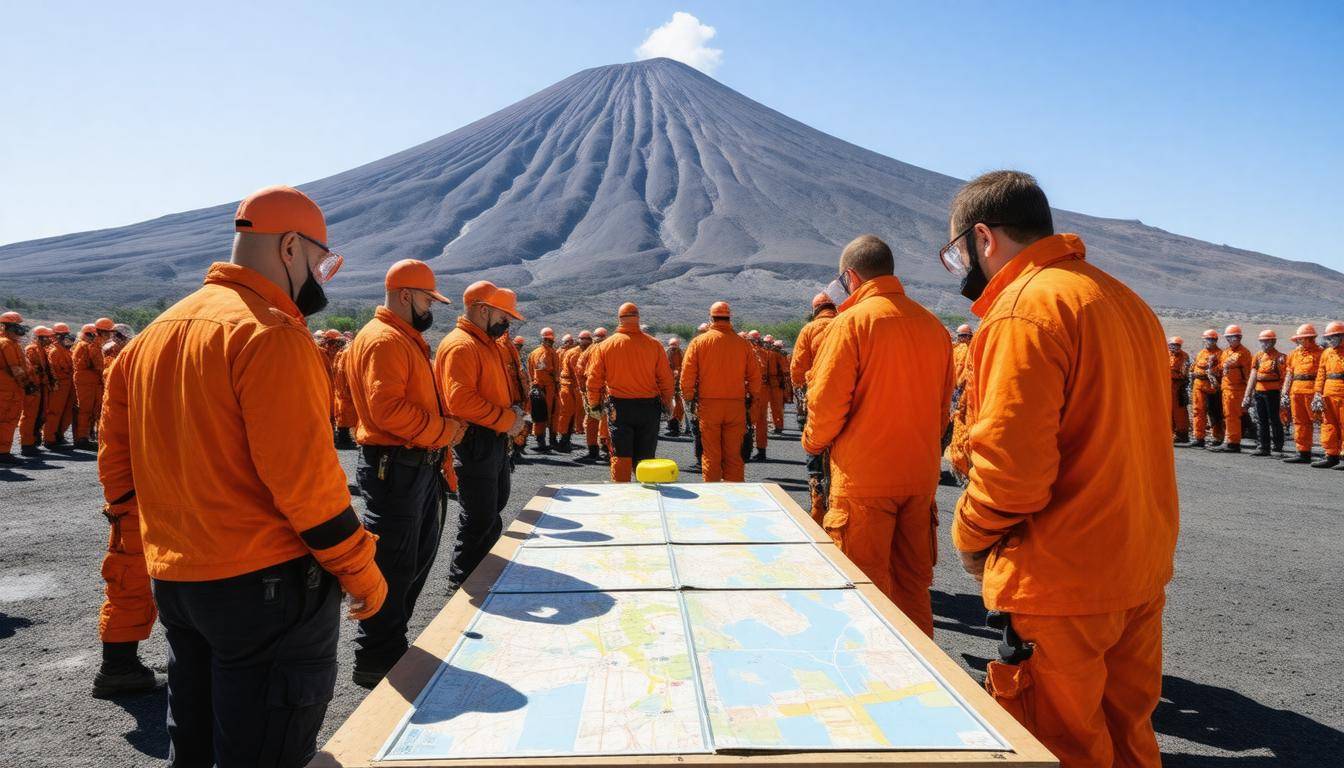
Regular practice sessions serve as essential tools for empowering residents with knowledge about evacuation routes and procedures, effectively boosting their confidence in times of crisis. Imagine being in a crowded street during an emergency; the anxiety can be overwhelming. By having practiced evacuation plans, individuals are more prepared to act swiftly, ensuring that panic doesn’t take over.
The impact of well-executed drills is evidenced in countries like Japan, where frequent tsunami drills have been recognized for saving countless lives during actual disasters. In this light, Naples must emulate these practices, as preparedness can make all the difference when Vesuvius inevitably decides to make itself known again.
Just recently, a large-scale drill took place in February 2023, involving 10,000 residents from Ercolano. Volunteers participated eagerly as they navigated through marked evacuation paths leading to designated safe zones. At these locations, officials were on hand to provide crucial safety briefings about what to expect during an eruption and how to protect oneself. The event was not only educational but also molded a sense of community resilience.
One participant shared, “The drill was incredibly helpful. I now know exactly what to do and where to go if Vesuvius erupts.” This feedback highlights how valuable these practice sessions can ultimately be—transforming fear into readiness.
Yet, while it’s clear that drills are beneficial, executing them smoothly necessitates careful planning and strong collaboration among various agencies.
In preparation for a potential crisis, fostering a culture of preparedness can save lives and mitigate danger. Through teamwork and ongoing education, the community can ensure a safer future.
What resources are available to assist residents with preparing for a potential evacuation due to a Vesuvius eruption?
Residents of Naples can access a variety of resources to prepare for a potential evacuation due to a Vesuvius eruption, including local emergency management websites, community workshops on disaster preparedness, and mobile apps providing real-time alerts. The Italian Civil Protection Agency hosts regular drills and provides detailed evacuation maps, which have been shown to significantly enhance readiness; studies indicate that communities with well-prepared plans reduce evacuation time by up to 30%. Additionally, social media platforms offer invaluable updates and coordination during emergencies, ensuring residents remain informed and connected.
How often is the evacuation plan for Vesuvius reviewed or updated based on current geological assessments?
The evacuation plan for Vesuvius is typically reviewed and updated every five years, or more frequently if significant geological assessments warrant it. Given the volcano’s active status, Italian authorities closely monitor seismic activity, and the National Institute of Geophysics and Volcanology (INGV) plays a pivotal role in these evaluations. For instance, after notable seismic events, emergency protocols are reassessed to ensure they reflect the latest scientific data, ensuring resident safety in the event of an eruption.
Can technology improve the effectiveness of the evacuation process in case of an eruption?
Yes, technology can significantly enhance the effectiveness of evacuation processes during a Vesuvius eruption. Advanced warning systems utilizing real-time data analytics and AI can predict volcanic activity with up to 90% accuracy, allowing for timely alerts. Mobile apps provide residents with immediate updates and evacuation routes, while GPS tracking can help emergency services ensure that no one is left behind. In fact, studies show that cities employing smart technology for disaster management saw a 30% improvement in evacuation times compared to traditional methods.
What role do local authorities play in educating the public about the evacuation plan?
Local authorities play a crucial role in educating the public about evacuation plans for Vesuvius eruptions through community outreach programs, informational campaigns, and regular drills. They are responsible for disseminating clear guidelines on evacuation routes and safety protocols to ensure residents understand what to do in an emergency. In fact, statistics show that in areas with proactive education initiatives, evacuation compliance can increase by as much as 30%, significantly improving safety and response times during actual emergencies.
What factors are considered when developing an evacuation plan for areas near Mount Vesuvius?
When developing an evacuation plan for areas near Mount Vesuvius, factors include population density, proximity to the volcano, existing infrastructure, and historical eruption data. For instance, with over 3 million residents living in the shadow of Vesuvius, understanding traffic patterns is crucial to ensure efficient evacuation routes. Studies show that during a moderate eruption, as many as 600,000 people could require immediate evacuation, highlighting the need for well-coordinated communication and timely alerts to minimize chaos and ensure public safety.