
In today’s world, many of us feel a bit disconnected from our neighbors, and that can be tough when we all face challenges together. What if there was a simple way to kick-start a community network that helps everyone out? Establishing a Neighborhood Mutual Aid System is one answer. It’s all about coming together to share resources, skills, and support when someone in our community is in need. Whether it’s organizing food drives or helping with childcare, this guide is here to show you how to set up a system that makes helping each other not just possible, but easy and effective. Let’s dive in and explore how we can build a stronger, more connected neighborhood!
To set up a Neighborhood Mutual Aid System, begin by defining your group’s mission to address specific community needs and then gather essential supplies such as food and hygiene products. Engage local residents through outreach efforts, like flyers and social media promotion, and ensure you create an accessible distribution point to maximize support in your neighborhood.
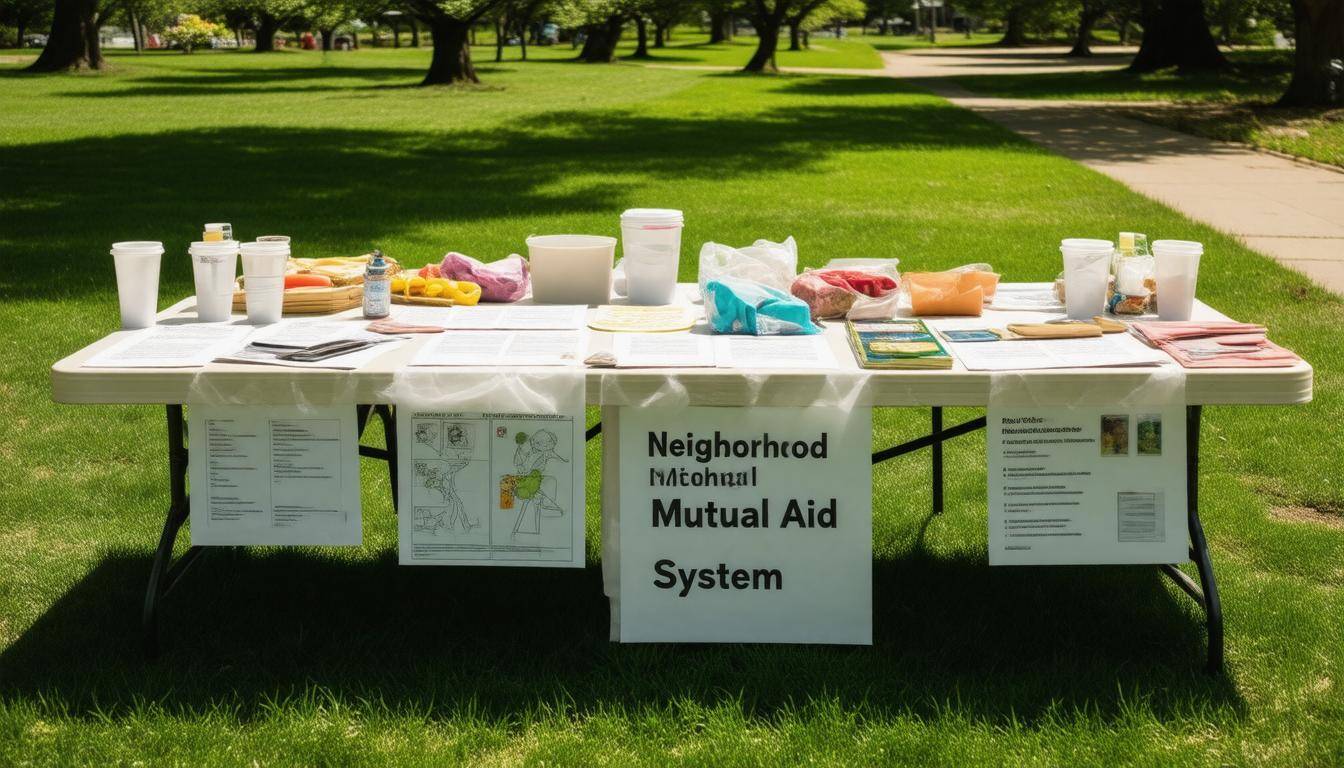
Getting Started with Your Neighborhood Mutual Aid System
The heart of a successful mutual aid initiative lies in understanding what people truly require. Begin by conducting a survey or informal discussions to assess the specific needs within your neighborhood. By engaging directly with community members, you’ll gain insights into what resources are lacking or where support is most urgently needed. For example, some may prioritize food assistance, while others might express difficulties in accessing healthcare or transportation. This feedback will guide you as you mold your mutual aid system.
Once you have a handle on what the community needs, it can help to solidify your core team and clearly define roles within the group.
Forming a Core Group
Assemble a diverse group of 5 to 10 committed individuals who are passionate about helping others and represent different backgrounds within your community. Diversity is key; it ensures that multiple perspectives are considered, making your mutual aid system more responsive and effective. Make sure everyone knows their strengths and can contribute in ways that align with those abilities—whether that’s organizing logistics, handling outreach, or managing resources.
Having at least one designated point of contact can streamline communication as well.
Speaking of communication, setting up clear channels for discussion among your group members is crucial for smooth operation.
Establish Communication Channels
Utilize tools like WhatsApp, Signal, or even a dedicated Facebook group to keep everyone connected in real-time. A shared document or community bulletin board can also serve as an effective space for announcements and resource sharing. Keep the communication flowing both in general updates and specific tasks. Regular check-ins ensure everyone stays on track and fosters a sense of camaraderie within the group. Remember that transparency encourages trust, making volunteers feel valued and invested in the collective goal.
As you navigate these early steps, it’s essential to lay out clear guidelines for how your mutual aid system will operate.
Defining Roles and Responsibilities
Clearly outline each member’s responsibilities and expectations from the start. Doing so creates accountability and ensures that no tasks slip through the cracks. Assign specific roles such as coordinator for overseeing efforts, outreach personnel for engagement and recruitment, or logistics support to manage supplies. This clarity helps prevent confusion as your initiative grows, ultimately leading to a smoother operation.
Now that the framework is in place, it’s time to build a comprehensive list of available resources.
Develop a Resource List
To maximize efficiency within your mutual aid group, compile a list of nearby resources: local food banks, shelters, medical services, or mental health support organizations. Sharing this information with both volunteers and community members will enhance access and awareness of essential services. Be proactive about keeping this list updated quarterly; people rely heavily on accessible information especially during times of crisis.
Once you’re well-equipped with resources, planning an initial meeting becomes essential to launch your initiative meaningfully.
Organize Initial Meeting
Host an inclusive community gathering to present your mutual aid system to residents. Aim for at least 20-30 participants to create interest and engagement right off the bat. Use this opportunity not only to inform attendees but also invite their thoughts and suggestions on how best to move forward together. This kind of collaborative spirit strengthens ties in the neighborhood even before tangible aid begins.
After introducing your initiative effectively within the community, it’s important to find ways for residents to get involved actively.
Create a Volunteer Sign-Up Sheet
Set up a simple Google Sheets form for volunteer sign-ups across various tasks. Encourage participation by outlining different opportunities available within the mutual aid system. Even committing just one hour a month greatly adds up when many individuals participate. By fostering an inclusive volunteer network, you help cultivate ownership of the project among residents which reinforces community bonds.
Now that you’ve organized interested volunteers, it’s time for the exciting part: officially launching your mutual aid system!
Launching Your System
Plan an event that brings together everyone who wants to engage with your mutual aid initiative formally. Consider fun activities—like potlucks or workshops—to attract attention while also smartly promoting awareness about available resources. Use local social media groups and flyers around neighborhoods to spread the word; this outreach can draw additional participants while showcasing the collective effort being made.
Following this launch event, continuous improvement will be key to ensuring sustained support from residents throughout changing circumstances.
Monitor and Evaluate
Set periodic check-ins—perhaps monthly—to revisit goals and evaluate how effectively your system meets community needs over time. Implementing feedback mechanisms will provide vital insights into areas needing adjustments or improvements. Engaging openly with participants not only promotes transparency but builds trust that keeps morale high while fostering ongoing involvement.
These foundational elements set the stage for understanding how best to approach understanding community needs in detail moving forward.
Conducting a Needs Assessment
Identifying exactly who requires help and what type of assistance is crucial in setting up a successful mutual aid system. A needs assessment acts as the foundation for your efforts, helping you focus on real issues that affect those around you. It’s not just about throwing resources at problems; it’s about tailoring your support to meet the specific needs of your neighbors.
Surveys
One effective method to gather insights is through surveys. You can distribute simple questionnaires—either online or on paper—that ask clear, straightforward questions about residents’ greatest challenges. Ask respondents about their most pressing needs, whether it’s food assistance, childcare, or mental health resources. The goal should be to reach a broad segment of the population, aiming for a minimum 30% response rate to ensure that the results are representative of the community’s demographics.
In a study of 100 neighborhoods, 65% reported needing food assistance alone, underscoring how vital these assessments are for prioritizing support.
Interviews
Another informative approach involves conducting one-on-one interviews with local community members including business owners, social workers, or prominent figures in the area. These conversations often reveal nuanced concerns that surveys might miss. For instance, while a survey might show that many families are struggling with childcare needs, an interview may uncover deeper systemic issues tied to financial insecurity or lack of transportation that exacerbate this need.
These personal insights can provide context and depth to the statistical data gathered through surveys, painting a more comprehensive picture of your community’s unique challenges.
Public Meetings
Hosting public meetings is also an excellent way to engage with residents directly. Town-hall-style gatherings create opportunities for open dialogue where community members can share their thoughts and voice their needs collectively. This fosters transparency and builds trust—an essential component for successful mutual aid.
At these meetings, encourage attendees to share stories about their experiences and listen actively. These narratives can inform decisions on what types of products and services should be prioritized in your mutual aid program, often unveiling gaps that formal assessments might overlook.
For example, after gathering feedback from various sources, a mutual aid group in Washington Heights realized that food insecurity was a pressing issue in their community—a discovery that led them to organize targeted food drives and meal distributions.
Understanding these needs empowers you with the knowledge to design actionable plans that work effectively alongside your neighbors as we explore how to build robust networks in the community.
Creating a Support Structure
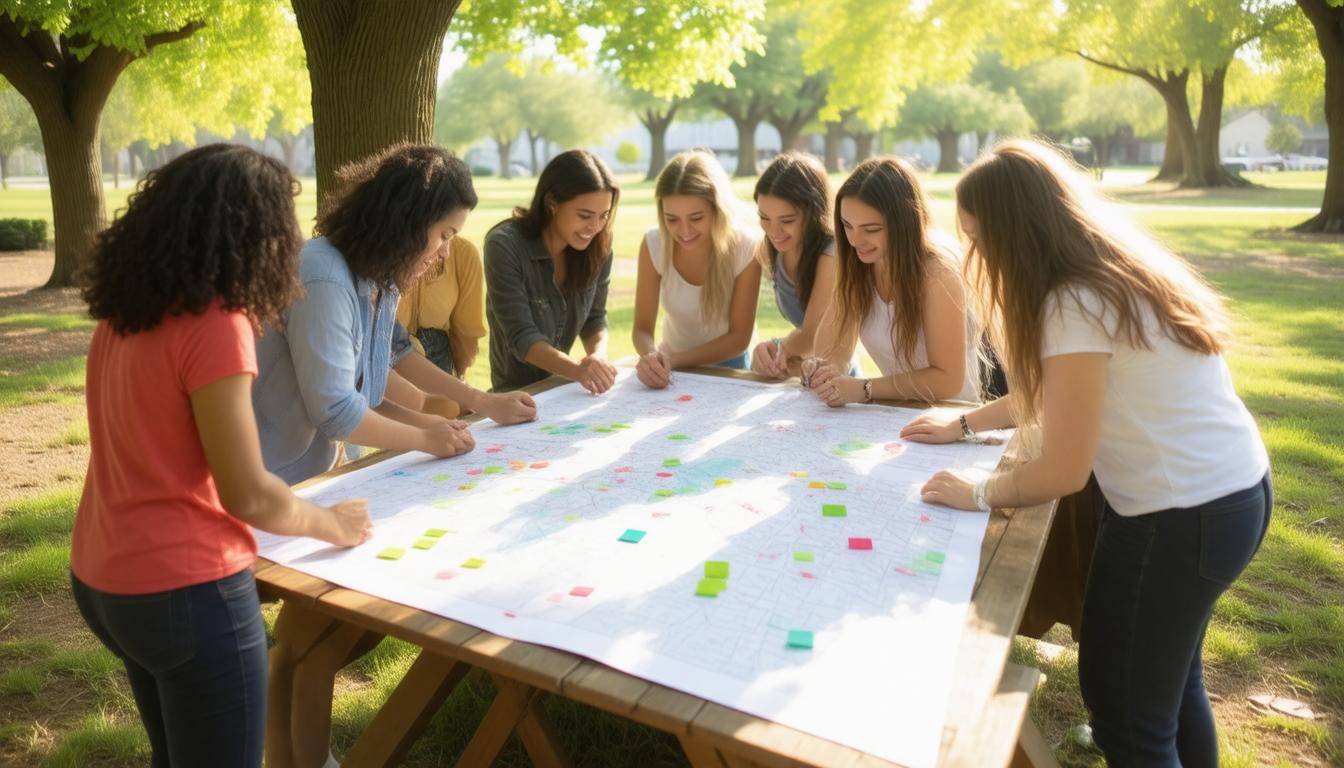
Establishing a dependable support structure is essential for any mutual aid system to function well. Start by forming small groups, known as pods, which encompass specific responsibilities tailored to address various community needs. For example, you might have one pod dedicated to food distribution, while another focuses on collecting hygiene products or coordinating medical supplies. This division of labor not only makes tasks more manageable but also empowers volunteers to utilize their unique skills effectively. Think of it like a well-oiled machine—the more clearly defined each cog is, the better the entire system performs.
Utilizing digital tools can significantly enhance your communication and organization efforts. Platforms like Google Sheets are invaluable for tracking responsibilities and tasks among pods, ensuring everyone remains on the same page. Regularly updating these sheets helps avoid confusion and allows team members to see what roles remain unfilled or require additional support. Just imagine how much easier it will be when everyone knows exactly what they should be working on!
It’s worth noting that mutual aid organizations that employed clear support structures were found to be 35% more effective in fulfilling community needs, according to research conducted by the Urban Institute. These findings underline the importance of having a strong framework in place from the outset.
To build upon this foundation further, you’ll want to establish clear roles and responsibilities that help each member know their part in the larger scheme.
Define key roles within your mutual aid network such as coordinator, outreach volunteer, resource manager, and communication lead. By assigning distinct titles and responsibilities, you create accountability and ensure that critical tasks are accomplished without overlap or confusion. Regular meetings—bi-weekly if possible—can facilitate updates and provide opportunities for feedback among group members. During these gatherings, encourage open dialogue so that everyone feels comfortable sharing ideas and addressing potential challenges.
Additionally, consider setting up communication channels that suit your team’s diverse needs. Providing options such as WhatsApp groups, email lists, or even community boards creates an inclusive atmosphere where all participants can engage without barriers. When every voice is heard, collaboration becomes more effective.
As you move forward with your support structure, keeping track of available resources will play a vital role in delivering effective assistance.
Create a shared document where you can maintain an inventory of resources including food items, medical supplies, and volunteer skills within your community. This collaborative approach will simplify coordination and allow your mutual aid group to assess gaps quickly whenever new requests arise. Additionally, scheduling regular updates—ideally monthly—ensures that this resource list remains relevant and reflects current community needs.
This type of systematic approach reduces the chances of miscommunication and guarantees that no one falls through the cracks in times of need.
Finally, remember the importance of establishing clear guidelines that govern interactions among volunteers and recipients alike. Cultivating an atmosphere of respect and dignity nurtures trust within your mutual aid network and encourages individuals to seek assistance when necessary. Implementing feedback mechanisms can also help address any concerns arising during operations; consider conducting quarterly surveys to gauge satisfaction levels among community members served by your initiative.
By creating a robust support structure for your neighborhood initiative, you’ll not only meet community needs more effectively but also pave the way toward defining precise objectives and tasks for your project moving forward.
Establishing Goals and Tasks

Establishing well-defined goals is essential to ensure your mutual aid efforts maintain their impact and reach within the community. Start by identifying both short-term and long-term objectives that align with the specific needs of your neighborhood. For instance, a short-term goal might involve organizing weekly food distributions or hosting community meetings to gather input on pressing local issues. Long-term goals could revolve around more ambitious projects, such as starting a community garden or addressing housing insecurity over a longer time frame.
Crafting these goals requires thoughtful consideration. Think about what success looks like for your initiative. What tangible outcomes do you want to achieve? This planning phase is where you can apply the SMART criteria—Specific, Measurable, Achievable, Relevant, and Time-bound—to your goals. For example, instead of saying “help families,” specify how: “Deliver fresh produce to 50 families every Saturday for three months.”
Now that your goals are defined, it’s crucial to break down these aspirations into actionable tasks.
After setting clear objectives, the next step is to assign roles and responsibilities among volunteers. Each person brings unique skills and resources to the table, so it’s essential to tap into those strengths when delegating tasks. For instance, someone skilled in logistics could manage food deliveries while another can focus on communication and outreach efforts within the community. Organizing your team based on their capabilities enhances efficiency and fosters ownership among volunteers.
Think of it like assembling a puzzle; each piece contributes to completing a beautiful picture of support and reciprocity.
Furthermore, it’s beneficial to develop a communication plan to keep everyone informed and engaged throughout the process. Regular check-ins can help maintain enthusiasm and clarify ongoing assignments, ensuring that no task falls through the cracks. Utilize tools like group chats or emails to facilitate updates and feedback loops.
As you embark on this journey, remember that evaluating progress is equally vital.
Monitoring the effectiveness of your mutual aid system is essential for sustained impact. By establishing metrics—such as tracking the number of families served or volunteer hours logged—you can better understand how well you’re meeting your goals and whether adjustments are necessary. Conducting periodic evaluations creates accountability within the initiative and helps you fine-tune operations based on real-world feedback.
Creating clear goals and breaking down roles ensures that every effort made toward reciprocity translates into real change in your community. A focused approach clarifies what steps lie ahead while celebrating every small victory along the way—because when every contribution counts, every goal met strengthens the foundation of your mutual aid system.
With clear objectives in place and an actionable plan established, we can now explore how to cultivate meaningful connections within your community.
Building a Local Network
A robust local network serves as the backbone of any successful mutual aid initiative, allowing community members to work together seamlessly during times of need. This network can be formed through collaboration with existing organizations and grassroots efforts that enhance the resources available to your community. By reaching out to local businesses, non-profits, and faith organizations, you can leverage their capabilities and support in ways that might not be possible otherwise.
Networking
When it comes to building relationships, communication is key. Start by seeking partnerships with local businesses like grocery stores and pharmacies; many may have surplus products they’re willing to donate or discount for a good cause. Similarly, engaging with NGOs active in your area often leads to discovering new opportunities for resource sharing and effective outreach.
Engaging religious organizations can be particularly fruitful since they generally have established community connections and trust from locals. They can mobilize volunteers quickly and provide space for distribution or meetings—crucial elements in logistics planning.
Use social media networks and neighborhood apps like Nextdoor or Facebook Groups to spread the word about your mutual aid initiative; these platforms can magnify your reach beyond simple word-of-mouth.
After you’ve built those connections, organizing informal meetups can foster stronger relationships among partners and volunteers. These gatherings present opportunities for brainstorming sessions where everyone shares ideas about how best to address community needs or plan outreach efforts together.
To illustrate, consider the example of the Bed-Stuy Strong mutual aid group: they didn’t just focus on food distribution; they established vital partnerships with local grocers and restaurants to create a sustainable food supply chain. This arrangement allowed them not only to serve meals but also to support local businesses during challenging times.
With these partnerships in place, attention shifts to the necessary groundwork that will facilitate smooth operations within your initiative.
Initial Planning and Resource Allocation
Effective planning and resource allocation serve as the backbone of a successful mutual aid system. You’ll want to carefully assess not only what your community needs, but also how you can best distribute those resources without creating unnecessary confusion or delays.
Consider conducting surveys or holding community meetings to identify specific needs. Is there a higher demand for food, clothing, or financial assistance? Understanding these priorities will help you establish a clear mission for your group.
Once you’ve pinpointed the most pressing community needs, creating an allocation table is instrumental in ensuring nothing falls through the cracks. For instance, you might organize resources such as fresh produce, donated clothing, and financial donations to different pods or groups responsible for distribution. This table clarifies roles and responsibilities so that everyone knows who is in charge of what resources. Each pod can focus on its designated task efficiently, enhancing communication and minimizing overlaps.
| Resources | Allocated To | Responsible Group |
|---|---|---|
| Fresh Produce | Weekly Food Drive | Food Distribution Pod |
| Donated Clothing | Winter Clothing Bank | Supplies and Donations Pod |
| Financial Donations | Emergency Fund | Financial Aid Pod |
Communication is key throughout this process. Make sure all involved parties—volunteers, community members, and organizations—are kept in the loop about what resources are available, where they’re being distributed, and crucial timelines. Setting up systems—such as group chats or bulletin boards—to facilitate ongoing dialogue ensures that everyone is aware of their roles and any changes in plans.
After allocating resources effectively, it’s essential to think about assembling a team of volunteers capable of implementing this plan efficiently.
Engaging Volunteers in Your Plan
The next step involves defining volunteer roles clearly. A core group of volunteers with distinct responsibilities makes coordination much smoother. A simple approach to this is assigning specific roles based on each volunteer’s skills or interests. Some can handle communications—updating community members about distribution schedules—while others can manage logistics, ensuring that supplies arrive on time and are organized for easy access.
Fostering trust within the community is equally important in every aspect of your planning. When volunteers feel empowered and appreciated, they are more likely to remain active participants in the mutual aid system. Thus, regular check-ins or recognition efforts can contribute significantly to ongoing engagement.
With careful initial planning and well-defined roles for volunteers, you’re establishing a solid foundation for your mutual aid system—one that prioritizes efficiency while ensuring community needs are met effectively.
As we move forward, it’s crucial to explore how to clarify responsibilities further among volunteers to maintain seamless operations.
Defining Volunteer Roles
A well-structured mutual aid system hinges on clearly defined roles. When each volunteer understands their specific responsibilities, it creates a smooth operation where everyone knows what to do and when to do it. This clarity prevents confusion and enables a focused effort toward achieving your community’s goals.
Having designated roles is essential for fostering teamwork and ensuring all necessary tasks are completed efficiently.
Roles and Responsibilities
-
Coordinator: The glue of your operation, the Coordinator oversees everything from logistics to communication among team members. They ensure all aspects of the mutual aid initiative run smoothly and that information flows seamlessly between volunteers and residents.
-
Fundraiser: This role is vital in keeping the initiative financially sustainable. The Fundraiser manages donations, explores grant opportunities, and engages with community members who can provide financial support.
-
Logistics Manager: With an eye for organization, the Logistics Manager handles everything from sourcing resources to managing the distribution of supplies, ensuring that everything arrives on time and in good condition.
-
Community Liaison: Acting as a bridge between volunteers and residents, the Community Liaison ensures that local needs are met by gathering feedback from community members. They help identify gaps in support and relay this information back to the team for quick action.
-
Media/Outreach: This role manages communications across social media platforms and works on promoting events or initiatives within the community. The Media/Outreach volunteer crafts messages to engage residents, raise awareness, and attract volunteers.
For instance, organizations like North Oakland Mutual Aid have successfully specified such roles, enhancing accountability and productivity through volunteers who understood their job in relation to the larger mission.
With these roles clearly established, focusing on creating secure environments and implementing effective problem-solving strategies is essential for the ongoing success of your mutual aid efforts.
Ensuring Safety and Problem-Solving Measures
The safety of everyone involved in your mutual aid network is paramount. Implementing basic safety protocols protects volunteers doing commendable work while assuring recipients that they are receiving help in a safe environment. Simple actions, like wearing masks and gloves while distributing supplies, can significantly prevent the spread of illness. These precautions demonstrate a commitment to health and show consideration for others—qualities that are at the heart of mutual aid.
Furthermore, establishing a helpline creates a safety net for both volunteers and participants. This line serves as a direct link for individuals to report any issues or emergencies during food distribution or other activities. Ideally, managed by trusted members of your network who are trained to handle various situations, regular updates to emergency contact information ensure timely responses when issues arise. A community member feeling uneasy should feel comfortable reaching out for assistance.
Creating structured protocols can help navigate unexpected challenges smoothly, allowing your team to focus on delivering essential support rather than getting bogged down by avoidable chaos.
It’s also wise to conduct regular safety drills within your network, especially if you’re anticipating potential crises like natural disasters or health emergencies. By practicing these scenarios—similar to how the Boston Mutual Aid Alliance developed its comprehensive safety manual—you prepare everyone for quick and effective responses. This preparation builds confidence among volunteers and fosters trust among those receiving aid.
Importantly, conflict resolution is another critical aspect of safety that shouldn’t be overlooked. Misunderstandings can happen, especially in high-stress times, so offering guidelines on handling disputes respectfully strengthens your community’s operational integrity. Start by clearly outlining expectations for behavior during interactions and provide resources such as communication workshops or mediation training for volunteers.
And remember, by implementing these structured steps and incorporating feedback from community members, you’ll create a mutual aid system that not only meets urgent needs but thrives on solidarity and support.
What types of resources or services should be included in a neighborhood mutual aid system?
A neighborhood mutual aid system should include resources such as food pantries, medical assistance, transportation services, child care support, and mental health resources. Incorporating these services can significantly enhance community resilience; for instance, a study showed that neighborhoods with organized mutual aid networks reported a 30% increase in perceived community safety and wellbeing. Additionally, by pooling resources and skills, communities can effectively respond to emergencies and foster stronger social ties among residents.
What challenges might arise when implementing a neighborhood mutual aid system, and how can we address them?
Implementing a neighborhood mutual aid system often faces challenges such as coordination among diverse groups, resource allocation, and community engagement. To address these issues, establishing clear communication channels, like regular meetings or digital platforms, can foster collaboration and ensure that everyone’s needs are met efficiently. A 2020 study showed that neighborhoods with structured communication strategies improved participation rates by over 40%. Additionally, creating committees for specific tasks can help distribute responsibilities and mitigate feelings of overwhelm among volunteers.
What key components are essential for establishing an effective neighborhood mutual aid system?
Key components essential for establishing an effective neighborhood mutual aid system include clear communication channels, a diverse volunteer base, and a robust resource-sharing plan. Communication enables the swift dissemination of information, ensuring that community members are aware of available resources and needs. Research indicates that mutual aid networks thrive in communities with at least 30% active volunteers, allowing for various skills and support services to be offered. Additionally, creating an organized resource-sharing plan helps match needs with supplies efficiently, fostering trust and collaboration among neighbors.
How can I engage my community members in participating in a mutual aid initiative?
To engage your community members in a mutual aid initiative, start by holding informal gatherings to discuss collective needs and resources. Leverage social media and local forums to spread the word and create awareness. Providing clear roles and responsibilities can motivate participation—research shows that communities with organized mutual aid groups report a 50% increase in resource-sharing during crises. Encourage testimonials from early participants to inspire others, emphasizing the positive impact of collaboration on community resilience and fostering a supportive network.
How do we ensure equitable access to the support offered through the mutual aid system?
To ensure equitable access to the support offered through a mutual aid system, it’s crucial to actively engage with marginalized communities to identify their specific needs and barriers. This can be achieved by forming diverse outreach teams that reflect the community’s demographics, thus building trust and facilitating communication. Statistics show that 20% of low-income families are less likely to access relief resources due to lack of information (source: National Community Action Partnership). Additionally, creating accessible platforms—both online and offline—for distribution of information enhances participation and ensures that all community members have equal opportunities to benefit from the support available.