
When it comes to wildfires, being prepared isn’t just a good idea—it’s essential, especially for those living in high-risk areas like Nelson, South Island. With wildfires happening more frequently than ever, it’s crucial to take stock of your safety measures before disaster strikes. Imagine waking up one day to find flames creeping closer to your home; having a plan and the right equipment at your fingertips can make all the difference between a safe evacuation and unnecessary panic. This article will walk you through the must-have components of a Wildfire Defense Kit, practical steps to prepare your family and property, and why taking action today is vital for safeguarding what matters most when the heat is on.
A comprehensive wildfire defense kit for Nelson, South Island should include essential items such as a shovel, rake, bucket, hand tools for clearing debris, a first aid kit, fire-resistant clothing, and sufficient water supply for both firefighting and personal hydration. Additionally, it is important to have emergency contact information and an evacuation plan readily available to ensure safety during potential wildfire events.
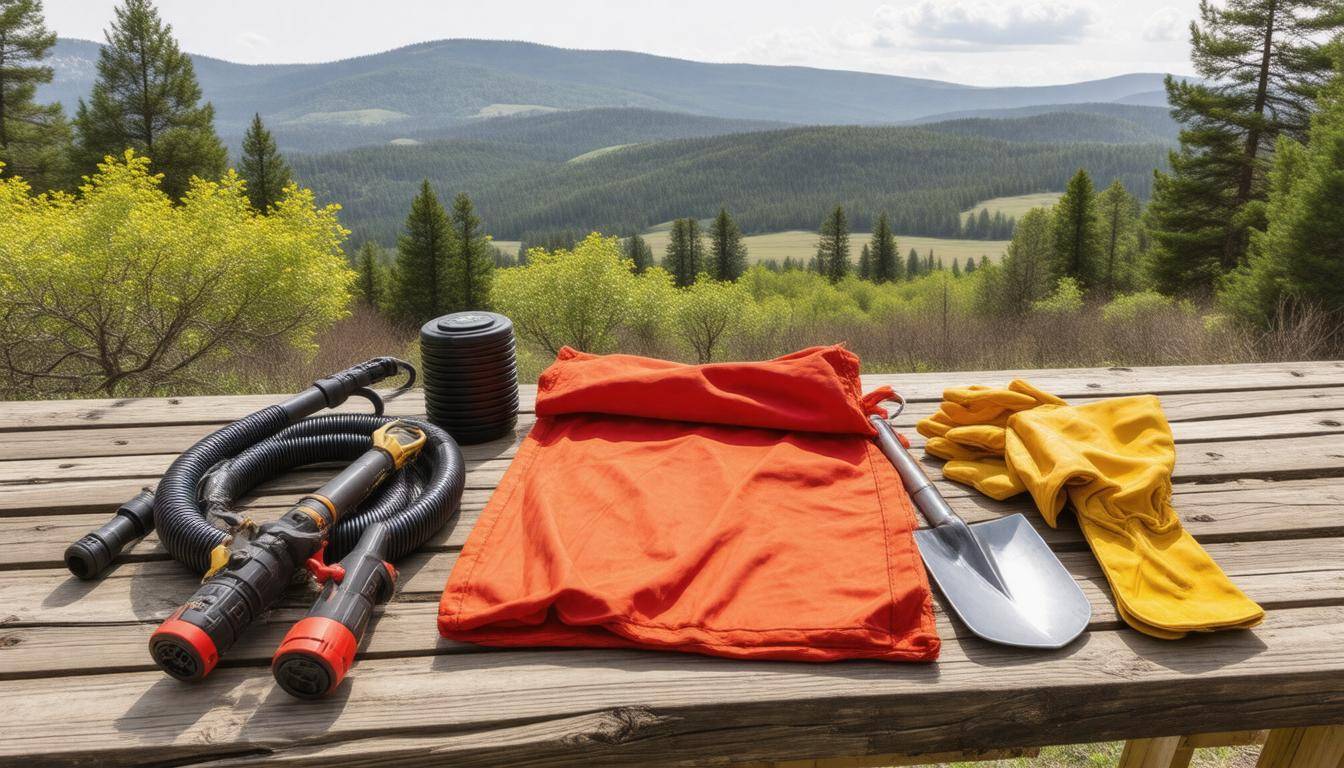
What is the Wildfire Defense Kit?
At its core, a Wildfire Defense Kit is more than just a collection of items; it’s a lifeline for families living in wildfire-prone areas. Designed specifically to help residents prepare, survive, and protect themselves from the devastating impacts of wildfires, this kit takes careful planning to formulate. It’s essential for individuals to understand that their kit should be custom-fit for their unique situations, including where they live and their immediate resources.
Importance of Preparation
The statistics surrounding wildfires are staggering. In New Zealand, over 2,500 wildfires occur each year, with a notable concentration in the South Island. This serves as a stark reminder of why preparedness matters so significantly in high-risk regions like Nelson. Having a well-thought-out Wildfire Defense Kit could literally be the difference between safety and disaster—a concept reinforced by local experts who stress preemptive action.
Your kit should incorporate essentials that prepare you and your loved ones for various scenarios associated with fires. An effective defense kit often includes fire-resistant clothing. This isn’t just about comfort—these materials shield you from extreme heat and sparks that could otherwise cause injuries when evacuating. Respirators feature prominently too. While masks may seem commonplace, in scenarios filled with smoke and ash, having high-quality respirators will protect against inhalation of harmful particles.
Furthermore, tools to manage small fires or assist in evacuation should also be part of your collection. Fire extinguishers or shovels to create firebreaks can be invaluable during critical moments, allowing you to act rather than react. Having these tools on hand empowers you to take control of the situation when others may be at a loss for what to do next.
The importance of early preparation cannot be overstated. Local community members often share stories of how their pre-packed wildfire defense kits saved them when evacuation became urgent.
Understanding the contents of your kit lays the groundwork for its effectiveness during emergencies. Knowing the right items to include is crucial for ensuring your family’s protection and safety as we move into specifics about must-have components for your protective gear.
Key Items for Your Kit
One of the first things you want to include in your wildfire defense kit is fire-resistant clothing. Protecting your skin from radiant heat is paramount when wildfires approach. Opting for materials like wool or cotton can help, as they are less likely to ignite compared to synthetics that can melt onto your skin. Think of it as wearing your armor against the flames—a layer that gives you time to escape safely.
Next on the list is another crucial item: N95 respirators. These masks filter out harmful smoke particles that can easily overwhelm your lungs. Smoke inhalation is a serious risk during wildfires, and having this protective equipment readily available means you can breathe easier—even when evacuation orders are in place.
An essential piece of equipment that often goes overlooked is the fire extinguisher. When small fires occur, having a portable, multipurpose fire extinguisher can help you tackle them before they escalate. Ideally, have at least one in your home and know where it’s located. Familiarize yourself with its operation—remember the acronym PASS: Pull, Aim, Squeeze, and Sweep will be key to effectively using it when panic sets in.
Water is life, especially in emergencies, which makes an emergency water supply a must-have in your kit. Aim for at least 20 liters per person; this amount will keep you hydrated during stressful hours or days if power outages affect regular water access. It’s good practice to store this water in sturdy containers that won’t break under pressure or heat.
You can’t predict every injury that may occur during a wildfire—but you can prepare! A well-stocked first aid kit is vital, containing not just basic supplies like bandages but also items specifically for treating burns. In the chaos of an emergency, having these resources on hand can help manage injuries until professional help arrives.
Information is key during an emergency as conditions can change rapidly, making a battery-powered radio another essential item to keep in your kit. This allows you to receive emergency broadcasts and updates even if power lines go down. Knowing what’s happening outside can help inform whether to stay put or evacuate.
Similarly, having flashlights with extra batteries ensures you’re prepared for power outages—darkness can lead to accidents when panic begins to set in. Keeping flashlights readily accessible provides comfort and functionality; it transforms uncertainty into clarity during nightfall or blackout scenarios.
You’ll also want copies of your important documents, such as insurance policies and identification stored within your kit. Planning ahead by having these on hand simplifies any potential claims later and helps verify who you are if emergency services need to assist you.
Last but not least, consider investing in fire-proof containers for valuables that can’t be easily transported, like heirlooms or important papers. These specialized boxes provide a layer of security that could offer peace of mind amid chaotic unpredictability.
By consistently reviewing and restocking your wildfire defense kit with these essentials, you’re taking responsible steps toward safeguarding both yourself and your community from the dangers presented by wildfires.
Assembling these vital components is only part of the preparation; developing strategies on how to utilize them effectively plays a significant role in ensuring safety during emergencies.
Developing an Emergency Plan
A well-thought-out emergency plan can make all the difference in a high-stress situation like a wildfire. While it may seem like just another task on your to-do list, having a plan can be the difference between confusion and calm once you’re in the thick of chaos.
Key Elements of an Emergency Plan
The heart of your emergency plan consists of key elements that dictate how your family will respond if disaster strikes. First and foremost, evacuation routes are critical. Identify multiple ways out of your neighborhood because conditions can change rapidly. Share these routes with all family members and conduct practice runs to ensure everyone knows how to navigate them under pressure.
Next, consider your communication plan. Wildfires can disrupt cell service, so it’s essential to establish alternative communication methods. Invest in walkie-talkies or agree on specific locations to regroup if separated. This way, no one is left wondering where to find you amid the chaos.
Establishing safe meeting points within and outside your immediate area also enhances your plan’s effectiveness. For instance, you might designate a neighbor’s house as the first meeting point and a local community center as a secondary option. Ensure these locations are known to everyone involved to avoid last-minute scrambling.
Completing your emergency plan involves assigning roles and responsibilities to each family member. This ensures that everyone has a part to play during an emergency, creating accountability and reducing panic. Designate who will grab essential items like documents or a pet carrier when it’s time to evacuate. Remember, clarity can often help alleviate anxiety during stressful situations.
The value of these preparations doesn’t become apparent until faced with an actual emergency. Reflect on the lessons learned from events such as the 2019 Nelson fires; families with established plans could evacuate swiftly while those without were left scrambling in uncertainty. One local resident, Mark, recounted how their family’s foresight saved them during that dire time: “We practiced our plan several times; when the fire came, we knew exactly what to do.”
As you solidify your emergency plan, it’s also vital to consider specific measures for safeguarding your home against wildfires, leading us naturally into effective strategies for enhancing home security.
Home Protection Strategies

Preparing your property can significantly reduce the risk of fire damage and ensure your home stands resilient when faced with wildfires.
Let’s start with defensive landscaping. Creating a defensible space is paramount; it involves clearing at least 30 meters of flammable vegetation around your home. Think of this as building a buffer zone—having healthy, trimmed trees and shrubs can act as a natural barrier, slowing down the spread of any approaching fire.
In fact, using fire-resistant plants can further bolster this barrier. Plants that have high moisture content tend to be less flammable; examples include succulents or some native grasses. Regular maintenance is key; ensure your yard is consistently clear of dry leaves or branches which could become unwanted fuel.
Moving beyond landscaping, there are crucial structural measures you can take. Installing fire-resistant roofing is one method that increases your home’s chances against embers and flames. Materials like metal or tile offer much more robust resistance compared to traditional wooden shingles. Seal vents using non-combustible wire mesh to prevent hot embers from sneaking into your home during a blaze, safeguarding your interiors.
Finally, ensure you have easy access to water sources. This could be hoses, portable tanks, or even sprinkler systems strategically placed around your property. Having these resources available not only empowers you to combat small fires as they arise but also gives peace of mind knowing you’re prepared for the unexpected.
Incorporating these strategies creates a multi-layered defense system that protects your home and reduces anxiety during wildfire season. The Johnson family from Nelson serves as an inspiring example; after installing a metal roof and clearing their yard, they effectively safeguarded their home against fires in their area.
However, even with these protective measures in place, knowing how to respond in the event of an emergency is equally vital for protecting your loved ones.
Ensuring Family Safety
The well-being of your family during a wildfire scenario should never be underestimated. Creating a clear strategy can make all the difference when time is of the essence. Ensuring everyone in your household knows their role and expectations will streamline your evacuation process and provide peace of mind when the heat is on—literally.
Family Safety Checklist
| Item | Description |
|---|---|
| Emergency Contacts | List of contacts including neighbors and services |
| Go-Bag | Packed with essentials for quick evacuation |
| Fire Drills | Regular practice to reinforce the emergency plan |
| Medical Needs | Specific supplies for anyone with special needs |
The Carter family’s experience exemplifies why each item on this checklist matters. They ensured their diabetic son had necessary medical supplies during an unexpected evacuation, showcasing how preparedness can truly save lives. Each item has its unique significance: emergency contacts keep communication lines open; a go-bag ensures essential items are readily available; regular fire drills instill confidence and clarity; importantly, medical supplies cater to individual health requirements.
As you build your family safety checklist, personalize it according to your family’s specific needs. For example, include favorite toys or familiar items for younger children, which can serve as comfort objects during stressful situations. Practicing various scenarios reflecting realistic situations—such as evacuation routes and communication plans—will also benefit your family.
Establishing a culture of preparedness empowers your family members, equipping them with knowledge that could prove invaluable in times of crisis. Fostering open discussions about wildfires and conducting hands-on drills sets the stage for proactive responses instead of reactive chaos.
It’s important to remember that while safeguarding your family, protecting the welfare of pets is another vital component within your overall safety plan.
Protecting Local Wildlife
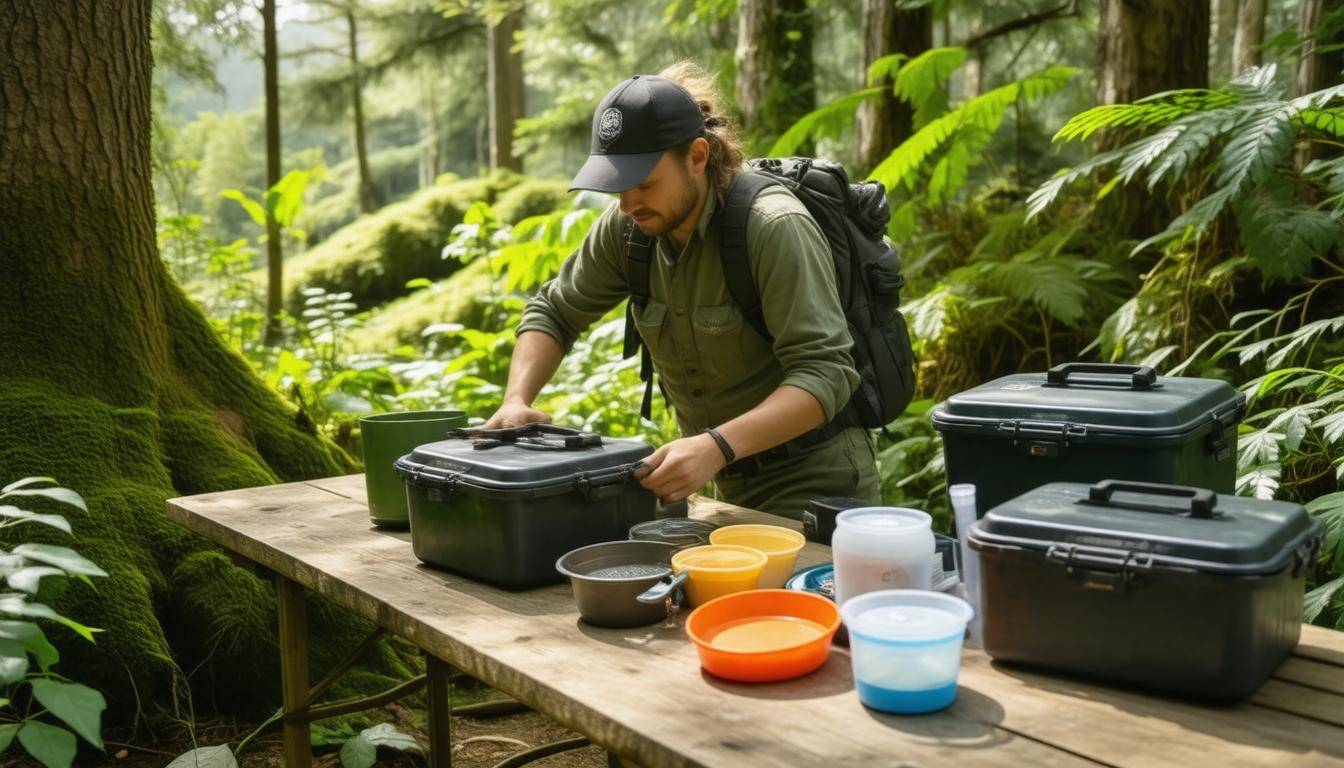
Wildfires can wreak havoc on our natural environment, displacing countless animals and disrupting delicate ecosystems. When flames encroach upon their habitats, creatures of all sizes are forced to flee, often into situations where they face perilous journeys. Having an active role in protecting wildlife during these times is vital for both the animals and the environment.
Wildlife Safety Tips
One of the first steps you can take is to create safe zones around your property before any fire threatens the area. This involves designating specific areas where animals can seek refuge. An ideal safe zone could be a small pond or a dense thicket where birds and mammals find cover, as well as access to water. Leaving these spots uncluttered allows wildlife to escape harm’s way when disaster strikes, providing them with a fighting chance.
“In times of adversity, every little action counts,” says a local conservationist, highlighting how simple alterations to our landscapes can make a significant difference for our wild neighbors.
Additionally, being observant and proactive if you encounter injured wildlife is crucial. Reporting injured animals to local wildlife rescue organizations is essential. These dedicated groups often possess the skills and resources necessary for rehabilitation that most individuals lack. When we report these incidents instead of intervening ourselves, we allow trained professionals to step in and address the problem correctly.
Avoid Interference
It’s easy to feel compelled to intervene when seeing an injured animal, yet the best course of action is often to avoid interference unless there’s immediate danger. Many animals will instinctively retreat or hide from humans, perceiving us as potential threats. Trying to rescue them can inadvertently cause stress for both you and the animal, complicating recovery efforts. It’s best to observe from a distance whenever possible.
Together, these actions not only serve to protect wildlife but also enhance our shared environments. By considering preemptive measures such as creating safe zones and knowing when to involve professionals, we contribute positively to preserving South Island’s unique ecosystems. Moving forward, it’s crucial to ensure that these preparations remain effective over time.
Regular Kit Maintenance
Regular maintenance of your wildfire defense kit keeps it functional and ready for those moments when you need it most. Just like any good tool, your kit requires attention to stay sharp. It’s crucial to establish a consistent routine to check and update your supplies. You wouldn’t drive a car without checking the oil, so why rely on an outdated emergency kit?
Maintenance Routine
Start by incorporating a monthly check into your schedule; this simple habit can save you in times of crisis. During these checks, carefully inspect each item for expiration dates and signs of wear and tear. For instance, medical supplies can expire quickly — think bandages or antiseptics — running low on critical items like these could hinder your safety. Additionally, inspect tools such as flashlights or whistles for proper functionality; batteries can corrode if left unchecked.
As a personal anecdote, during one of my monthly checks, I found a flashlight had not only run out of batteries but also developed corrosion. A quick clean-up and battery swap made all the difference.
The next vital step is to replenish used items. If you’ve taken your kit out in an emergency situation—whether for a test run or an actual fire—you need to restock what’s missing. Take inventory methodically; list each item as it’s used and have a replacement ready for when you return home.
Some essential items to consider:
- First-aid supplies
- Non-perishable food items
- Water purification tablets
- Portable phone chargers
Lastly, don’t forget about the seasonal update. Each season brings its unique challenges, and your requirements may change accordingly; therefore, it’s imperative to adjust the contents of your kit based on weather factors or changes in your family dynamics. If you’ve added any new family members or pets, ensure their needs are met with adequate supplies that might include medications or dietary necessities.
By following this maintenance routine with diligence, you prepare yourself effectively for wildfires while supporting everyone in your household to stay safe and informed during emergencies. Next, let’s explore tailored safety strategies designed specifically for your region’s unique conditions.
Nelson-Specific Safety Tips
Nelson’s landscape, a mix of lush greenery and dry brush, poses distinct wildfire risks that residents must acknowledge. Knowledge of local wind patterns is crucial; for instance, strong westerly winds can spread wildfires rapidly across urban developments and the countryside. Residents need to visualize how these winds could carry flames and embers into their neighborhoods, highlighting the importance of being aware of wind forecasts.
A great starting point is keeping an eye on local fire conditions through regular updates from authorities. Apps or text alerts can provide timely information about burn bans or current fire threats, making it easier to adapt plans as needed. Local news outlets often share significant fire updates—this is actionable insight for your safety strategy.
Participating in community fire safety drills is another excellent proactive step you can take. Engaging with your neighbors during these drills fosters camaraderie and builds collective awareness about potential dangers that could threaten your area. Additionally, it allows residents to share personal insights, improving everyone’s readiness for emergencies.
Furthermore, understanding the topography surrounding Nelson is essential for creating effective safety measures. Identify areas most susceptible to fires—typically the rural outskirts and densely wooded regions—and develop an emergency plan that factors these boundaries into account. Knowing your surroundings helps in making informed decisions regarding evacuation routes and reinforcing your property against fire encroachment.
Moreover, consider engaging in initiatives like the “FireSmart” program specifically designed for the Nelson region. This program offers tailored resources and educational materials to help residents strengthen their homes against wildfires. Being part of such initiatives not only equips you with valuable knowledge but also connects you with a network of like-minded individuals dedicated to enhancing community safety.
The importance of thorough preparation cannot be overstated; personalized adjustments can significantly bolster your ability to withstand wildfire events in Nelson. Whether monitoring weather patterns or joining local safety efforts, each small action contributes towards community resilience against fire threats.
With continued vigilance and community cooperation, residents can protect themselves and their homes effectively from wildfire hazards in the Nelson region.