
When you think of the Nevada desert, what comes to mind? Perhaps it’s the vast, dry landscape and the sweltering sun beating down on you. While this intriguing environment might seem like a harsh challenge, being prepared can turn a potential survival situation into an adventure. Knowing how to manage water wisely is at the heart of thriving in such an arid area. With only about seven inches of rain falling annually, efficient water use isn’t just a suggestion—it’s essential. Whether you’re hiking, exploring, or simply enjoying the desert’s beauty, having a solid understanding of where to find and store water will empower you to savor every moment without fear. Now, let’s dive into some essential tips on preparing for your desert journey!
The Nevada Desert Emergency Water Supply Guide focuses on effective water management strategies and landscape planning essential for ensuring a sufficient water supply in arid desert conditions, highlighting the importance of responsible water usage and efficient irrigation practices. The guide also addresses local climate considerations, seasonal variations in water needs, and offers practical tips for sustainable landscaping.
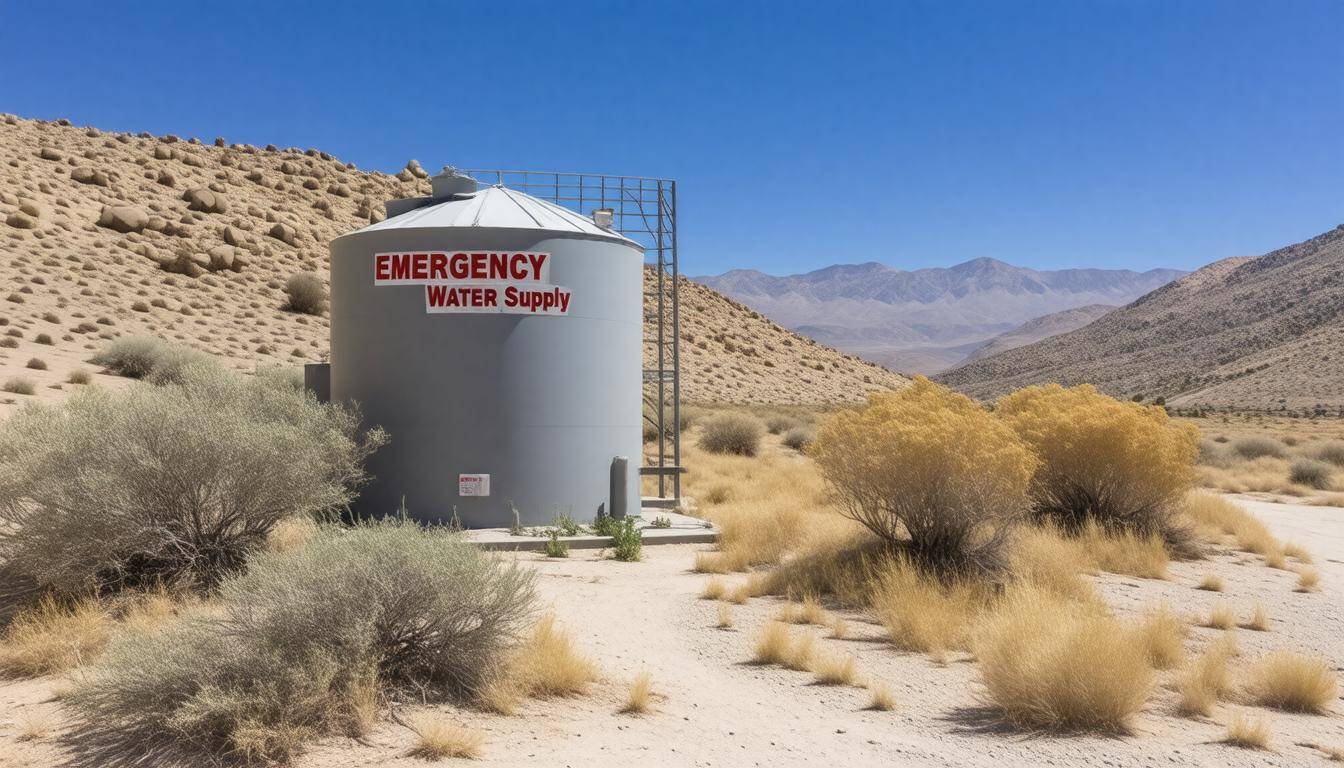
Preparing for the Nevada Desert
Preparing for the Nevada Desert involves a blend of awareness, planning, and gear selection to handle its unique challenges. The first step is to research climate and terrain thoroughly. With an average annual rainfall hovering around seven inches, this arid environment requires that you know what to expect. Temperatures may reach extremes of 120 degrees Fahrenheit during the day, leaving you vulnerable to heat exhaustion if unprepared. However, this intense heat can give way to frigid nights where temperatures can plummet. Thus, your preparation must include strategies for dealing with both severe heat and unexpected cold.
Understanding how these temperature shifts affect not only your clothing choices but also your hydration strategy is vital. Lighter fabrics during the day will help keep your body cool, while warmer layers are essential for evening protection against those chilly desert winds. Familiarizing yourself with local weather patterns and terrain using topographical maps or online resources that detail prevailing conditions is recommended. This will help you selectively choose your travel dates based on current forecasts.
Next up, let’s talk about planning your route. Mapping out your journey involves identifying crucial water sources and being alert to potential hazards like flash flood zones or areas known for dangerous wildlife encounters. Using GPS devices along with traditional topographical maps can significantly bolster your navigation skills in such a delicate ecosystem.
Informing someone about your planned route and expected return time is crucial for safety; this basic step could be life-saving if anything goes wrong on your trip.
Now that you’ve mapped out where you’re heading, it’s equally important to identify potential water sources along the way. Given the arid climate, every drop counts. Knowing where ponds, streams, or community wells are located will ensure you stay hydrated without unnecessarily exhausting your supplies. Remember, in extreme heat conditions, the recommended daily water intake per person is about **one gallon (3.78 liters)**—a hefty requirement when facing temperatures soaring above 100 degrees Fahrenheit.
Having established a solid foundation for climate awareness and route planning, the next crucial step involves ensuring you gather the appropriate tools and containers necessary for navigating this formidable desert environment.
Essential Equipment and Containers
Proper equipment can truly be the difference between thriving and merely surviving in the harsh Nevada desert, particularly when it comes to managing your most precious resource: water. Investing in high-capacity, durable containers is crucial for effective hydration. Imagine trekking through the searing heat with unreliable storage—a thought that is simply too daunting to entertain.
Water Storage Containers
When selecting water storage containers, opt for military-grade collapsible water bladders or robust stainless steel bottles. These options prove not only reliable but also resistant to punctures, ensuring that your water supply remains safe. BPA-free plastic jugs are another smart choice; they maintain the purity of the water taste while being lightweight and easy to carry. Think about how frustrating it would be to realize your container has sprung a leak midway through your journey! Ensuring that you have dependable storage means peace of mind while you navigate the desert landscape.
Yet, storing water is only one piece of the puzzle; how you access that water can make all the difference.
Hydration Packs and Filters
Imagine reaching for your hydration pack on a hot day: you unzip it without breaking stride, take a swig, and feel an instant rush of refreshing relief. Consider carrying a hydration pack equipped with an integrated filter from reputable brands like CamelBak or LifeStraw. These packs combine both storage and immediate access to clean water, allowing you to hydrate on the go while also filtering any questionable sources you might encounter during your expedition. With such ease at hand, hydration becomes second nature rather than an afterthought.
As vital as hydration is the need to shield yourself from the relentless sun.
Sun Protection and Cooling Gear
Don’t underestimate the impact of sun protection when embarking on desert adventures. Lightweight, UV-protection clothing paired with wide-brimmed hats will shield your skin and keep you cool as temperatures soar. Adding cooling towels that can soak up moisture is a game-changer; just imagining wrapping one around your neck gives an instant sense of relief. To enhance your comfort further, consider carrying portable misters or instant ice packs. The ability to cool down in moments not only feels good but can also prevent dangerous heat-related illnesses.
By arming yourself with proper equipment and containers tailored specifically for desert conditions, you’re setting yourself up for success in navigating these challenging terrains effectively and safely.
With this foundational knowledge in place, it’s time to explore where exactly you can find sources of water in natural settings—vital information that could greatly enhance your survival skills.
Finding Water Sources in the Wilderness
In the vast expanse of the Nevada desert, locating water can feel like searching for a needle in a haystack. Nevertheless, nature provides its own clues if you know where to look. One effective strategy is to seek out low-lying areas such as dry riverbeds or washes.
These depressions are natural conduits for water runoff, and while they may appear dry, they often conceal underground streams or reservoirs just waiting to be tapped. It’s important to approach these areas with a keen eye; sometimes, all it takes is a little digging to discover refreshing water beneath the surface.
Another reliable indicator of nearby water sources is clusters of lush vegetation. Trees like willows and cottonwoods thrive near water and are your allies in the wilderness. If you spot these trees, chances are there’s a source nearby—perhaps an underground spring or runoff from seasonal rains. Trusting your instincts while observing your surroundings can enhance your ability to find precious moisture hidden within the arid landscape.
However, not all water sources are safe for consumption. It’s wise to avoid stagnant water pools that may seem inviting; they harbor unseen dangers such as bacteria and parasites that can lead to serious health issues. Remember that while survival is key, maintaining good health is equally essential.
Once you locate potential sources, next is learning effective water-gathering techniques that will ensure you make the most out of your findings.
Techniques for Locating and Collecting Water
Understanding how to gather water effectively can make a significant difference in survival situations. As you venture deeper into the desert terrain, always look for signs of recent rainfall or natural springs. Following animal tracks can also guide you toward accessible water; wildlife instinctively knows where to quench their thirst, leading you straight to vital resources.
Another ingenious method employed by desert survivors is dew collection using tarps or plastic sheets set up overnight. As temperatures drop during the night, dew forms on these surfaces and can be collected—yielding about 1-2 liters per night under optimal conditions. This technique shows how every drop counts in survival scenarios.
On particularly sunny days, consider using solar stills, which can produce around 1-2 liters of clean drinking water daily in favorable weather conditions. This method involves digging a shallow pit in sandy soil and placing non-toxic containers filled with plant materials over them, creating condensation inside that can be collected safely.
With both natural indicators and innovative harvesting techniques at your disposal, you’re now better equipped to navigate the challenges of finding water in the desert landscape. Understanding how to purify any collected water remains crucial for ensuring its safety before consumption.
Techniques for Gathering Water
Gathering water efficiently often requires creativity and the right tools, especially in the Nevada desert where every drop counts. One popular method, dew collection, is simple yet effective. At night, when temperatures drop, dew forms on surfaces. To utilize this natural phenomenon, lay out clean, absorbent cloths in areas likely to collect moisture. In the morning, simply wring out the cloths into containers. If conditions are suitable, you could gather a respectable amount of water from several cloths.
Moving beyond dew collection, another clever technique is using a solar still.
The solar still harnesses the sun’s power to create distilled water. To set one up, dig a shallow pit in the ground and place a container at its center to catch water. Next, stretch plastic sheeting tightly over the top of the pit. Secure the edges with stones or dirt to ensure no moisture escapes. As the sun heats up the air inside the pit, moisture will condense on the underside of the plastic and drip down into your container. This method can yield a surprising amount of water—sometimes one to two liters per day—depending on temperature and sunlight exposure.
Alongside these methods, consider another fascinating approach: transpiration bags.
Transpiration bags capture water vapor lost by plants during photosynthesis. You can implement this method by tying clear plastic bags around leafy branches or fronds. Over time, as moisture evaporates from the leaves within the warm bag, it condenses against the cooler interior and collects in droplets. This not only provides you with additional water but also utilizes natural processes sustainably—they’re like mini-greenhouses!
To recap these techniques:
- Dew Collection: Gather dew using absorbent cloths laid out overnight.
- Solar Still: Create a system to condense moisture using sunlight.
- Transpiration Bags: Capture plant moisture by sealing branches in plastic bags.
These techniques highlight how adaptability and resourcefulness are vital in arid environments like Nevada. As you explore ways to survive and thrive in such challenging conditions, understanding effective water filtration methods becomes equally critical.
Safe Water Filtration and Purification
Even when you’ve successfully gathered water, it’s important to remember that not all found water is safe to drink. Contaminated water can harbor harmful pathogens that may lead to serious illnesses. Therefore, treating your water before consuming it is non-negotiable. A good first step is investing in portable water filters such as the Sawyer Mini or Lifestraw, which are popular choices among outdoor enthusiasts for their effectiveness in mechanical filtration. These filters will remove sediments and bacteria, making the water much safer to consume.
I can’t emphasize enough how convenient these devices are. Just attach them to your water source or squeeze them into a clean container, and you’ve got access to purified water within moments. Their lightweight nature means they fit seamlessly into any hiking pack without added bulk.
But what happens if you find yourself without a filter? Luckily, there’s an alternative method using chemicals that can be just as effective.
To purify water using chemical treatments like iodine tablets or bleach, follow these easy steps:
-
Start by collecting the contaminated water in a clean container.
-
Next, add iodine tablets according to the product’s instructions. If using bleach, you generally want to add about two drops per quart for clear water and four drops for cloudy—it’s crucial to stir well after adding.
-
Finally, let your concoction sit for at least 30 minutes before drinking to ensure the chemicals have had time to do their job.
Remember that while this method is effective, it may alter the taste of the water slightly due to the chemicals used.
It may also help to compare different purification methods so you can choose which one suits your situation best:
| Method | Pros | Cons |
|---|---|---|
| Boiling | Kills all pathogens | Requires fuel, time-consuming |
| Chemical Tablets | Easy to carry | Alters taste, requires wait time |
| Mechanical Filters | Removes particulates | Can clog easily and require maintenance |
| UV Light | Fast and effective | Requires batteries/power |
Each method has its pros and cons; however, understanding them allows you to make an informed choice based on your circumstances. Life in the desert comes with challenges, but ensuring you stay hydrated safely shouldn’t be one of them! With proper filtration and purification techniques up your sleeve, you’re well-prepared for survival.
As we turn our focus toward health concerns related to hydration, it’s crucial to understand how to identify when dehydration begins to set in.
Recognizing Dehydration Symptoms
When you venture into the blistering heat of the desert, it’s vital to pay attention to the signals your body sends. Dehydration can sneak up on you, and understanding its symptoms is key to preventing severe health issues. One of the first signs is often a dry mouth; it feels as if you’ve licked dust after wandering through the arid landscape. This occurs when you lose just 1-2% of your body’s total water content.
Next, as you continue to lose fluids, you may find yourself feeling dizzy or lightheaded, especially when standing up, signaling that dehydration levels may have reached 4-5%.
While these initial signs can be subtle, they are indicators that shouldn’t be overlooked. Intuitively, you’re conditioned to look for signs of trouble, and dehydration is no different.
As the situation worsens, additional alarming symptoms appear. Your urine becomes darker—a clear red flag that you’re running low on fluids. Normal urine should have a light yellow hue, so if you observe a significant change to dark yellow or amber tones, it’s an urgent call to action to hydrate.
Fatigue sets in next; you may notice more need to rest than usual or a general sense of lethargy taking over. You might even experience a rapid heartbeat as your heart works harder to maintain blood flow and oxygen levels in response to decreased hydration.
Staying aware is half the battle. A simple yet effective strategy for monitoring your hydration level is to check urination frequency and color—aim for light-colored urine. This is an immediate visual cue indicating that you’re doing well in your hydration efforts.
But remember: dehydration can progress rapidly! Be attuned not only to how much water you’re drinking but also how your body feels throughout your journey.
As dehydration advances beyond mild warnings, dangerous symptoms can manifest—these include confusion, lack of sweating even under sweltering conditions, and ultimately fainting. It’s crucial that you establish a routine for checking hydration status before heading into intense areas or embarking on long treks. Make it a habit to pause, take stock of your water supply, and monitor how your body is responding—this practice could save your life.
Understanding these critical symptoms lays the groundwork for effective strategies to ensure safety in such extreme environments while preparing you for the next steps necessary for enduring harsh conditions ahead.
Surviving Extreme Desert Conditions
Surviving in such a harsh environment is no small feat; it involves understanding the interplay between heat, hydration, and shelter. Temperatures can soar well above 100°F (38°C) during the day and drop to a chilling 40°F (4°C) at night.
This drastic fluctuation means you need to be prepared for both extremes. One effective strategy is to limit outdoor activities during the hottest parts of the day. By resting in shaded areas between 11 AM and 4 PM, when the sun is most intense, you not only prevent overheating but also conserve your energy for early morning or late afternoon excursions when temperatures are more manageable.
Along with managing your activity levels, creating adequate shelter is critical for survival in those blistering heat conditions.
Investing in ventilated shelters or keeping emergency mylar blankets handy can greatly improve comfort and safety. Mylar blankets effectively reflect warmth back towards your body at night while shielding you from the scorching sun during the day.
Imagine unrolling that reflective layer beneath the stars after a sweltering day; it’s a simple yet powerful tool to enhance your survival chances in the desert.
Keeping these practical tools at hand can make a difference during uncontrollable weather shifts.
Now, regarding food intake: there’s an ongoing debate about whether fasting can help conserve water. Some experts advocate this method as it might reduce fluid loss through digestion, leading to more efficient hydration. However, many survivalists argue that having access to food is essential not just for energy but also for maintaining morale during long, tough stretches in such unforgiving conditions. Finding that balance can be tricky; it’s important to listen to your body and adapt strategies based on your immediate needs.
While preparing physically and mentally is essential, knowledge of environmental factors around you cannot be overstated.
Recognizing where to find natural shelters can enhance your survival status dramatically. Look for outcroppings of rock or dense vegetation that can offer shade or cooling air currents.
Furthermore, familiarize yourself with local wildlife; knowing which animals are dangerous and which may lead you to water sources could prove invaluable. Remember, understanding how nature functions helps you navigate it better, thus increasing your chances of survival during extreme conditions.
By implementing these strategies into your routine before heading into the desert, you’ll equip yourself well against the unique challenges posed by this arid landscape.
With these survival tips firmly in mind, we can now explore some techniques that further bolster your resilience against nature’s toughest challenges.
Additional Survival Techniques
Navigating through the expansive Nevada desert requires more than just a reliable water supply; it demands acute awareness and essential survival tactics.
One crucial technique involves mastering navigation through natural landmarks. These features serve as guideposts, helping you maintain a sense of direction amidst seemingly endless dunes. Pausing to observe your surroundings allows you to identify mountains, rock formations, or vegetation patterns that stand out distinctly against the arid backdrop.
However, even the best navigators can become disoriented. This is where visible signaling comes into play. Bring bright-colored materials like cloth or ropes to create easily recognizable markers for locating yourself or assisting search parties if necessary.
In any desert environment, your tools are your lifeline. Seasoned survivalists understand the value of multi-tools or fixed-blade knives that prove invaluable for various tasks—constructing a protective shelter, preparing foraging finds, or igniting flames for warmth and cooking. One tool can replace several items, thus minimizing weight and maximizing utility in your pack. It’s common to hear survivalists recount tales of how their multi-tool was the difference between life and death during unexpected circumstances.
But let’s not overlook the importance of mental fortitude! Being mentally prepared is just as vital as having the proper gear in your backpack. A positive mindset fosters resilience in challenging situations. When faced with the intense heat or isolation of the desert, taking a moment to breathe deeply can help reduce panic and maintain clarity of thought. Engage in self-talk or visualization techniques—these methods prepare your mind to overcome adversity. Mental challenges can often surpass physical hurdles; thus, embracing mental preparation complements your survival toolkit splendidly.
A prudent approach combines situational awareness with mental preparedness; every ounce of effort invested in honing these skills increases your chances of navigating safely through Nevada’s unforgiving terrain.
With these strategies firmly in mind, you’re now equipped with both practical skills and a resilient perspective for tackling potential desert challenges head-on.
By blending physical readiness with mental strength, you significantly enhance your ability to persevere in the face of extreme conditions found in the Nevada desert.
How can I effectively store water for emergencies in desert conditions?
To effectively store water for emergencies in desert conditions, use opaque, food-grade containers that minimize exposure to sunlight and temperature fluctuations. Insulate the containers with blankets or reflectors to reduce heat absorption, as water can heat up quickly in the desert sun. It’s recommended to store at least one gallon of water per person per day for a minimum of three days, totaling 12 gallons for a family of four. Additionally, regularly rotate your stored water every six months to ensure freshness and prevent microbial growth.
What are the recommended methods for purifying water in the Nevada Desert?
The recommended methods for purifying water in the Nevada Desert include boiling, using chemical tablets (like iodine or chlorine), and utilizing portable filtration systems. Boiling is highly effective as it kills most pathogens, while studies indicate that chemical purification can eliminate 99.9% of bacteria if used correctly. Portable filters can also provide safe drinking water by removing contaminants, but they must be chosen based on their capability to filter out specific harmful substances found in desert environments. Always ensure to have a backup method, as reliability is key in emergency situations.
What are the signs of dehydration that I should watch out for when in the desert?
When in the desert, watch for signs of dehydration which include excessive thirst, dry mouth, fatigue, dizziness, and decreased urine output. It’s crucial to recognize these early symptoms because even mild dehydration can impair physical performance, with studies indicating that a loss of just 2% of body weight through sweat can significantly reduce your endurance and cognitive function. Staying vigilant about these signs can be vital for survival in the harsh desert environment.
What is the minimum amount of water one should carry for outdoor activities in such a dry environment?
The minimum amount of water one should carry for outdoor activities in the Nevada Desert is at least one gallon (approximately 3.8 liters) per person per day. In extreme heat and dry conditions, hikers and outdoor enthusiasts can lose up to 1-2 liters of sweat per hour, making adequate hydration crucial to prevent dehydration and heat-related illnesses. Therefore, planning for a full day’s activities in such an environment means ensuring access to enough water to compensate for fluid loss and maintain health and safety.
Are there any natural sources of water in the Nevada Desert, and how can I identify them?
Yes, there are natural sources of water in the Nevada Desert, including springs, streams, and certain plants indicative of moisture. Look for vegetation such as cottonwoods and willows, which often grow near water sources. Additionally, monitoring animal tracks can lead you to these vital resources as wildlife typically gravitates towards water. According to studies, an average of 12 million gallons of groundwater is available annually in Nevada’s desert areas, highlighting the significance of finding and utilizing these natural supplies for survival.