
When you think of New Orleans, vibrant music and delicious beignets likely come to mind, but for many residents, the reality of life here includes preparing for floods. As the city sits below sea level and experiences heavy rainfall, having a flood protection kit becomes essential. You might wonder what exactly goes into such a kit or how best to prepare your home against flooding. In this article, we’ll dive into must-have items and safety measures that not only keep you safe but also make navigating an emergency a little less stressful. With a bit of planning and preparation, you can protect what matters most to you when Mother Nature throws her worst at us. Let’s get started on building your ultimate flood protection strategy!
A New Orleans Flood Protection Kit should include non-perishable food, water (at least one gallon per person per day), a first-aid kit, flashlights with extra batteries, important documents stored in waterproof bags, and medications. Additionally, consider including a portable phone charger and a multi-tool or Swiss Army knife for various needs during an emergency situation.
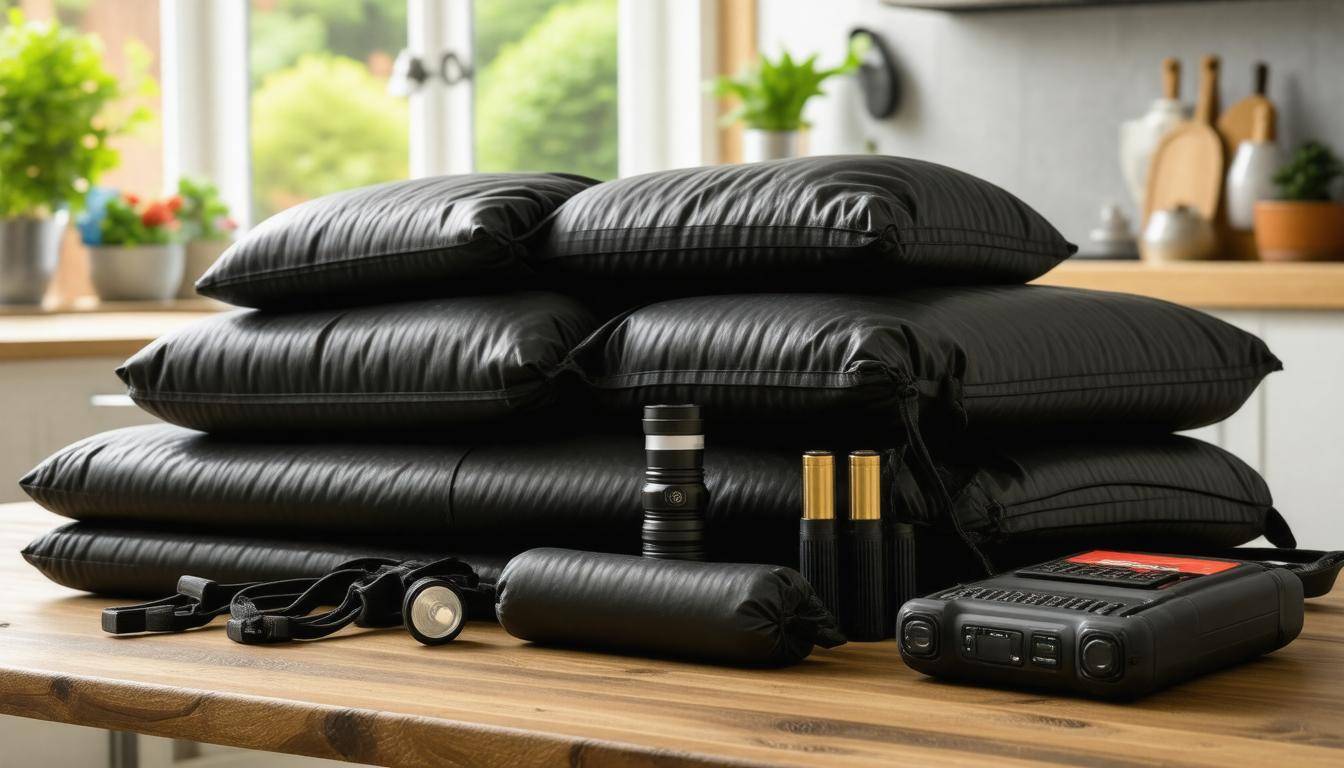
Building Your Essential Flood Protection Kit
Creating a flood protection kit isn’t just about tossing items into a box; it’s an exercise in mindfulness and foresight. Start by considering what you’ll need in case of emergencies. Each item you add to your kit serves a specific purpose, designed to enhance your safety and convenience during a flood crisis. For instance, waterproof containers are not merely practical; they serve as the first line of defense against water damage for critical documents and small electronics. Imagine how unsettling it would feel to lose important papers or your phone in a surge of water—taking this precaution can help avert that panic.
-
First aid kit: A well-equipped first aid kit should include bandages, antiseptics, necessary medications, and even allergy treatments. You never know what might happen amid a disaster.
-
Flashlights: Ensure you have bright, efficient flashlights along with extra batteries. As darkness creeps in after a storm, these simple tools can make all the difference.
-
Radio: Investing in a battery-powered or hand-crank radio is indispensable; it connects you to emergency updates and weather reports. Being informed helps reduce anxiety during uncertain times.
-
Cash: Stashing some cash is an often-overlooked necessity since ATMs may be out of service during power outages. Having some small bills could be lifesaving when purchasing supplies or food.
-
Non-perishable food and water: Aim for enough rations to last at least 72 hours per person. Focus on nutrient-rich options like canned goods, granola bars, and bottled water. A well-planned food stash ensures your family doesn’t go hungry while waiting for the situation to stabilize.
Adding versatile items like a multi-tool and a whistle enhances your kit further. The multi-tool can assist with minor repairs, from tightening screws to opening cans, making it invaluable when resources are limited. Meanwhile, a whistle serves as a lifeline should you find yourself in need of rescue—sound carries much farther than your voice.
Thoughtful preparation for emergencies not only safeguards your well-being but also fosters resilience in the face of unpredictability. As we consider additional supplies that could further support your readiness, it’s essential to build upon this foundational knowledge.
Must-Have Emergency Supplies
When evacuating or sheltering in place during a flood, it’s vital to have a variety of emergency supplies ready to ensure comfort and safety.
Blankets and sleeping bags rank high on the list. When water levels rise and you find yourself at a nearby shelter, comfortable blankets can make all the difference. They provide warmth and a sense of security in an otherwise stressful environment. Investing in lightweight, portable options that easily fit into your flood protection kit is worthwhile.
Next up is extra clothing. This includes warm, waterproof gear that is easy to wear. Imagine being stuck without dry clothes after stepping into flooded areas; it’s not just uncomfortable but could lead to hypothermia or illness. Choosing clothing that allows for layering is versatile and helps adapt to fluctuating temperatures as conditions can change rapidly.
Hygiene products may not be the first thing you think about when preparing your flood supply kit, but they deserve significant attention too. With limited access to water or sanitation, wet wipes, hand sanitizer, and basic toiletries become essential not just for cleanliness but also for maintaining morale during uncertain times. Keeping yourself clean will help reduce anxiety and provide a semblance of normalcy.
Having copies of personal documents is another critical element that should never be overlooked. Identification, health records, and insurance papers should be safely stored in waterproof bags or binders within your kit. In stress-filled situations like floods, retrieving these documents can complicate matters if they are lost or damaged during the chaos. Including digital copies saved on a USB drive can also be part of an effective contingency plan.
These essentials serve as the backbone of your flood protection kit, enabling you to handle whatever situation may arise with resilience and preparedness.
As you consider these important supplies, it’s also crucial to examine various tools that can significantly enhance your ability to prevent flooding and manage its effects effectively.
Portable Flood Prevention Equipment
Portable flood prevention equipment plays a significant role in proactive flood management and can be a lifesaver during critical times. Having the right tools at your disposal not only saves your property from damage but also grants you peace of mind. Among the most popular options are flood barriers, sump pumps, and water-activated flood bags. Each serves a unique purpose and contributes to effective protection against flooding.
Types of Portable Equipment
Flood barriers are one of the most effective measures you can take. Products like FloodSax or AquaFence are designed for easy deployment, allowing you to shield key entry points around your home within moments. These temporary barriers act as fortifications against rising water levels, preventing incursion into vulnerable areas. Imagine being able to quickly create a protective line that stops a flood in its tracks; it transforms stress into action.
To complement these barriers, sump pumps become crucial, especially for homes prone to basement flooding. When heavy rains hit and water begins accumulating, a sump pump installed in a designated basin can swiftly remove excess water, keeping your space dry and safe. Engaging with this technology ensures you’re prepared for any anticipated weather events.
Moreover, another ingenious solution comes from water-activated flood bags.
These lightweight bags remain easy to handle when dry but expand significantly once they come into contact with water, creating a formidable barrier. They’re particularly useful for scenarios where quick response is paramount and storage space is limited. It’s about adapting and utilizing solutions that make sense when every second counts.
While these portable tools are effective individually, they work best when used collaboratively as part of an overall strategy for flood prevention.
Investing in portable flood prevention equipment isn’t just about immediate safety; it’s about establishing resilience against nature’s unpredictable forces. By understanding their capabilities and being ready to deploy them swiftly, you empower yourself to take charge of your environment—even when faced with adversity.
With these essential tools at your disposal, it’s time to explore how to further enhance your defenses against flooding in your surroundings.
Preparing Your Home for Flooding
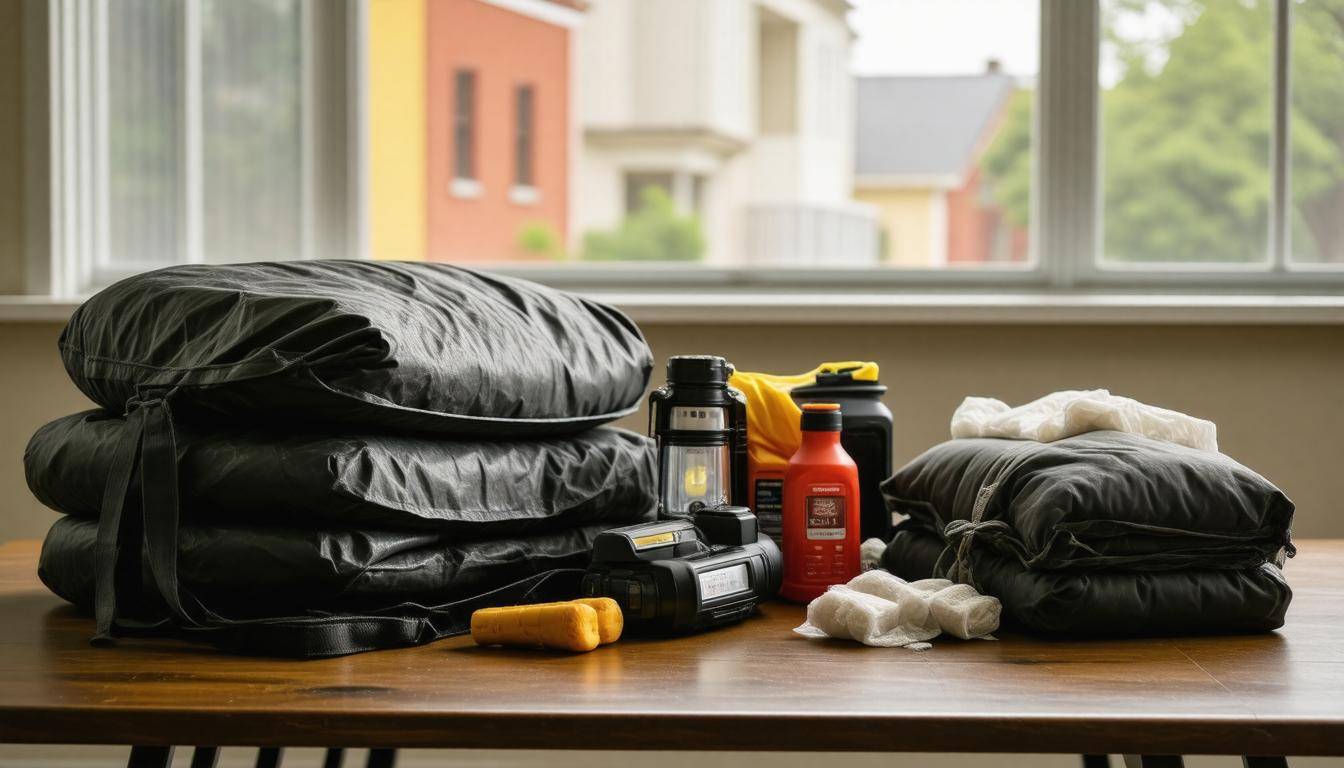
Ensuring your home is ready to withstand flooding not only reduces potential damage but can also provide peace of mind when the weather takes a turn for the worse. The key to effective flood preparation lies in knowing what actions to take and when to take them. One of the most critical steps is raising electrical components, a task that requires careful consideration. You want to ensure that all electrical outlets, switches, and circuit breakers are elevated to at least one foot above anticipated flood levels. This simple adjustment can prevent dangerous electrical hazards that often arise during flooding, saving you not just repair costs but potentially preventing catastrophic accidents.
Beyond electrical considerations, there are further measures you should put into practice to fortify your home against water intrusion.
Steps for Home Preparation
Another essential step involves foundation sealing. Cracks in your foundation may seem minor, but they can serve as entry points for floodwater. It’s advisable to seal these cracks before the rainy season or any potential floods arise. A good sealant does wonders and acts as a barrier against water seepage.
Moreover, plumbing is an area often overlooked in home preparations. Installing check valves in your pipes will protect your home from floodwaters backing up into your drains. Without this measure, you could face unexpected overflow issues that contribute additional complications during a flood scenario.
Think of these preparations not merely as chores but as investments in your home’s safety and longevity. Always remember to conduct regular inspections after significant weather events, as wear and tear can sometimes leave your previously sealed areas vulnerable once again.
In doing so, you’re creating an environment that’s less susceptible to nature’s unpredictable whims—we’ve all seen how quickly things can escalate during storm season.
Making these adjustments forms a resilient barrier against flooding challenges, paving the way for effective strategies that enhance protection further.
Using Sandbags and Barriers
Traditional flood control methods, particularly sandbags, continue to be a frontline defense against rising waters. They aren’t just an old-fashioned solution; they can be remarkably effective if used properly. When filling sandbags, aim for 40-50 pounds each. A too-light bag will simply float away, while one that’s overfilled can burst at the seams. Think of each sandbag as a brick in your flood defense wall.
Proper Use of Sandbags
To maximize the effectiveness of sandbags, begin by laying plastic sheeting on the ground where you plan to build your barrier. This is crucial because it creates an impermeable layer, keeping water from seeping underneath your makeshift wall. Once your sheeting is in place, stack the bags in a pyramid shape; this structure isn’t just effective but also provides better stability against water pressure. You want your bags to fit snugly against each other without gaps—imagine building a strong fort as a child.
It’s important to maintain this pyramid shape while stacking. A slight lean or shift can weaken the wall and compromise its efficacy.
Once your sandbag wall starts taking shape, focus on layering them carefully. Think of it as building a sturdy foundation; never underestimate how vital each layer is as water pressure builds around it.
Alternatives to Sandbags
While traditional sandbags are reliable, sometimes we need quicker alternatives in an emergency situation. Enter water-activated flood bags and temporary flood barriers. Water-activated flood bags work by swelling when they come into contact with water, creating a barrier that can expand and fill gaps more efficiently than manual stacking might allow.
Temporary flood barriers provide another excellent option. These barriers are designed for rapid deployment and can often be installed within minutes rather than hours. Many types come equipped with their own built-in sealing mechanisms which help prevent leakage more effectively than standard bags.
**
| Flood Control Method | Pros | Cons |
|---|---|---|
| Sandbags | Affordable & Easy to Source | Labor-Intensive |
| Water-Activated Bags | Quick Deployment | Limited reusability |
| Temporary Barriers | Fast Installation | Higher Initial Cost |
Regardless of which method you choose, understanding how to use sandbags and barriers correctly will empower you during challenging times and enhance the safety of your home against flooding risks. This foundation sets the stage for exploring ways to further protect yourself and your property during severe weather events.
Safety Measures During Storms
Safety during a storm is paramount; understanding basic safety measures is crucial. First and foremost, staying indoors becomes a vital part of your strategy during severe weather conditions. This decision minimizes various risks that come with storms—especially flooding. Floodwaters can seem deceptively calm, and many who underestimate their power have encountered regrettable consequences. It’s best to stay put, ensuring that you and your loved ones are sheltered from flying debris and potential water damage.
Remember, it’s not just about avoiding the rain; floodwaters can hide numerous dangers beneath their surface, from sharp objects to hidden currents that can sweep you away.
Stay Indoors and Avoid Floodwaters
While it might be tempting to peek outside or take a quick stroll to assess the situation, resist that urge. Staying inside protects you from physical dangers as well as hazardous materials that may have mixed with floodwater, like sewage or chemicals. Monitor conditions through reliable sources like weather apps or local news broadcasts without exposing yourself to the elements.
In addition to staying indoors, attention must also be given to electrical safety as storms often lead to power outages or surges.
Power Safety
One critical precaution is turning off your home’s electricity directly from the breaker panel prior to a storm hitting its peak intensity. Doing so reduces the risk of electrocution and prevents appliances from being damaged due to power surges once the storm passes. When you turn off the main electricity switch, there’s less chance of fire if flooding occurs.
After spinning into action with these essential safety measures during storms, don’t forget about keeping emergency supplies handy—this demonstrates preparedness in unexpected situations. Whether it’s flashlights with extra batteries or non-perishable food items stored for easy access, having these provisions allows for a more comfortable wait until it’s safe to venture out again.
In preparing yourself for any unforeseen events brought on by storms, staying informed and taking simple actions can make all the difference in ensuring both your safety and survival.
As we consider the importance of preparedness in challenging situations, let’s shift our focus to strategies for maintaining safety for your loved ones in times of uncertainty.
Keeping Your Family Safe and Prepared

Every detail counts when crafting a plan to keep your family safe during a flood. The cornerstone of this planning is developing an evacuation strategy. It’s essential that this plan isn’t just written down and tucked away; instead, everyone in the family should understand it as clearly as they know their daily routines.
Evacuation Plan
Think about where you would go in case of evacuation. Would you head to a neighbor’s house, perhaps a relative’s place, or a designated shelter? If these are options, then discuss them openly and create clear routes to each location. Designating meeting points can be vital if family members get separated. These spots could be something familiar, like outside a local convenience store or under a distinctive tree in the park—places that are easy to remember.
Despite the best plans, chaos can reign during emergencies, making communication extremely important. Consider having designated communication methods set up among family members. There’s no substitute for technology like messaging apps; however, old-fashioned methods work too: simple walkie-talkies can do the job if mobile networks fail or go down.
Yet even with a solid plan in place, understanding how to execute it is paramount.
Regular Drills
Conducting regular family drills is an exercise not only meant for fire safety—they can be engaging and educational! Simulate different scenarios that might happen during flooding: what to do if you receive an emergency alert while at home versus while out in community settings. The knowledge gained from these drills helps reduce panic and confusion when faced with real dangers.
To make drills effective, involve every family member actively; everyone should know their role in the process. You might assign tasks based on age or capability—older children can help younger ones pack essentials while adults oversee exits and transportation.
Practice makes permanent, so by repeating these drills, your family will build confidence & become more adept at executing your evacuation strategy quickly and calmly.
Furthermore, after each drill, discuss what went well and what can be improved. Consider keeping a record of these reflections so you can track progress and refine your strategies over time. By doing so, you ensure that when the time comes to put your plan into action, everyone knows what to do without hesitation.
As we explore further, implementing tailored suggestions specific to your locale will enhance your family’s preparation against flooding.
New Orleans Specific Flood Protection Tips
When it comes to safeguarding your home in New Orleans, it’s vital to be prepared for the local environment where heavy rains and flooding are often a reality. Start by familiarizing yourself with your home’s vulnerability—if you’re in a low-lying area, consider investing in sandbags or other barriers to prevent water intrusion during storms. This small action can make a huge difference, effectively redirecting water away from entry points and helping to protect your possessions inside.
In addition to physical barriers, maintain clear drainage around your property. Make sure gutters and downspouts are free of debris so rainwater can flow smoothly towards storm drains. Consistent upkeep of these areas minimizes the risk of overflow that could potentially compromise your basement or lower floors. Think of it as keeping a pathway clear; if you let branches and leaves accumulate, you’re essentially setting up a dam right next to your home.
Taking action such as documenting your home’s details—including important features like electrical panel locations and plumbing systems—will aid you significantly in an emergency. Having this information handy allows first responders or repair services to address issues quickly and efficiently.
Stay Updated on Local Alerts
Being informed isn’t just about following good practices; it’s about knowing when conditions change drastically. Investing in a weather radio or smartphone apps that provide real-time alerts will keep you updated. Pay attention to local flood watches and warnings—even minor storms can lead to significant flooding in certain neighborhoods.
It’s also essential to note that flood risks aren’t solely determined by rainfall; local construction and landscape changes can impact the flow of water in your area. Engage with communities where neighbors share concerns about land alterations. Regularly attend town hall meetings or community forums focused on flood management; this will not only keep you informed but might also provide insight into ongoing infrastructure projects aimed at improving the city’s resilience.
Utilize Community Resources
Leverage community resources like the New Orleans Office of Homeland Security and Emergency Preparedness (NOHSEP). These organizations are invaluable during floods, offering real-time updates and helping connect residents with available resources, such as transportation to shelters if needed.
| Recommended Resources | Contact Information |
|---|---|
| NOHSEP Website | www.nola.gov/ready |
| Emergency Hotline | 311 |
| Local Shelters | Available on NOHSEP site |
By remaining engaged with these local services and understanding their offerings, you become better equipped to respond proactively rather than reactively. This strategic approach can transform how your neighborhood adapts to potential crises, fostering a stronger community-wide spirit focused on safety and resilience.
By prioritizing these specific tips tailored to New Orleans’ unique climate, you’ll pave the way for enhanced safety for both you and your loved ones.
Fostering awareness, preparedness, and community collaboration enhances not just individual safety but ultimately strengthens the entire New Orleans community against future floods.