
Coastal flooding can feel like a distant worry, something we think happens to other places. But for residents of New Plymouth, it’s a very real threat that can strike with little warning. Whether it’s heavy rains or storm surges, understanding how to prepare is key to keeping your loved ones safe and your property intact. In this guide, we’ll explore practical steps you can take to ensure you’re ready when the skies turn dark and the waters start rising. From gathering supplies to securing your home, knowing what to do in advance makes all the difference. Let’s dive into how you can protect yourself and your community from coastal flooding risks.
Residents of New Plymouth, NI should create an emergency plan that includes a designated safe meeting place, gather essential supplies like food, water, medications, and important documents, and stay informed about weather alerts and local evacuation routes. Additionally, securing property against flooding by elevating fixtures and knowing the flood risk zones in your area is crucial for effective preparation.
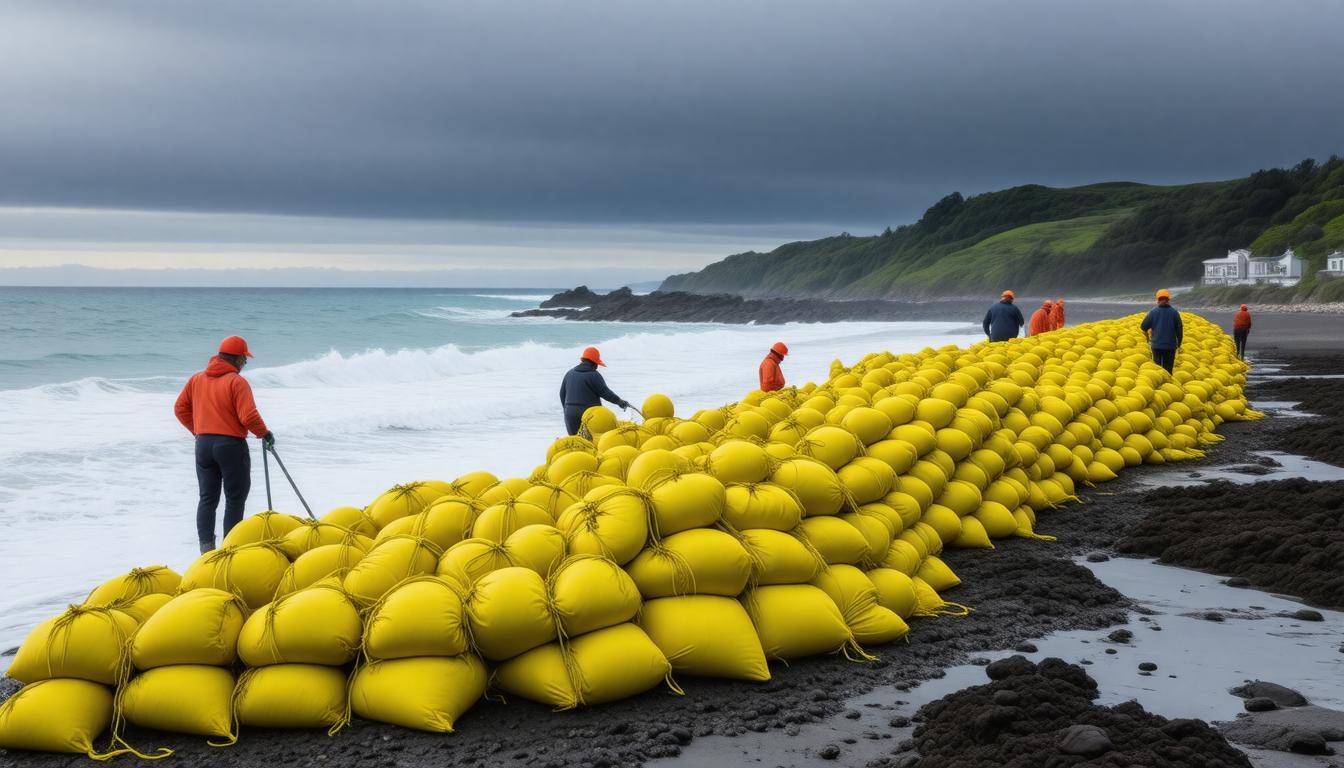
Identifying Vulnerable Areas in New Plymouth
New Plymouth’s geography plays a critical role in its vulnerability to flooding. Coastal regions, particularly those adjacent to low-lying areas like Port Taranaki and the Taranaki Basin, face heightened risks. The proximity to the ocean means that any significant storm surge or heavy rainfall can quickly lead to water encroaching onto roads and properties. This isn’t just a theoretical risk; many residents recount stories of rising waters creeping alarmingly close to their thresholds during recent storms.
Local government data underscores this reality: 37% of New Plymouth’s coastline is classified as high-risk zones for coastal flooding. These statistics highlight that over one-third of the coastlines are exposed to potential danger. Recognizing these figures is about understanding the stakes involved and becoming proactive.
For instance, homes along Breakwater Bay have suffered from frequent tidal surges within the past five years, creating emotional distress and economic challenges for families impacted by water damage. Residents recall waking up to discover their backyards submerged, with debris washed ashore. Such experiences serve as a clarion call for vigilance.
Understanding these vulnerable zones equips residents with knowledge that is essential for planning and preparation.
To effectively prepare for flooding events, it’s crucial to be aware of these flood-prone areas and consider taking specific actions. Regularly check local advisories and participate in community meetings focused on disaster preparedness. Additionally, consider implementing measures such as elevating structures where possible, using flood barriers, or investing in sump pumps for basements.
Being proactive in identifying vulnerable areas allows you to make informed decisions regarding both property safety and personal wellbeing. Connecting with local emergency services can provide additional insight into flood preparedness resources specific to New Plymouth’s unique geography. Emphasizing preventive measures ensures that you’ll be better positioned when nature strikes.
As we look forward, assessing how your property and infrastructure may withstand these challenges is essential for comprehensive safety planning. This focus will help us understand more effective ways to protect our homes and communities in the face of impending threats.
Assessing Property and Infrastructure
Ensuring your property can withstand a flood involves a thorough risk assessment. One of the first steps is to inspect the structural integrity of your buildings. As you walk around, take note of any visible weaknesses, such as cracks in the foundations or walls that might be enlarged by rising waters. Even minor fissures can lead to larger issues, especially when flooded. If water finds its way into these cracks, it can compromise the building’s stability over time. Also, look at your roof lines; sagging structures may indicate further problems requiring immediate attention.
After structural integrity is verified, the next step involves assessing critical equipment within and around your home.
1. Inspect Structural Integrity
In tandem with checking your buildings, it’s vital to evaluate utilities and appliances that are crucial for daily living. Elevating electrical appliances above the base flood elevation is a safety measure you shouldn’t overlook. Installing your furnace, washing machine, and electrical panels at a height reduces the risk of damage from floodwaters. Furthermore, consider using flood-resistant materials for construction—these innovative products can make an enormous difference when it comes to minimizing water damage.
“Investing in prevention always pays off more than waiting to react.”
As you assess critical utilities inside the house, don’t forget about the external factors that can significantly impact how well your property manages flood conditions.
2. Evaluate Utilities and Appliances
Next on your checklist is to review drainage systems, often underestimated yet crucial in any flood preparation plan. Take some time to regularly maintain gutters, downspouts, and drains surrounding your home. Blocked gutters can become heavy with debris, causing overflow that eventually leads to pooling water near crucial areas. Install backflow valves in sewer lines to prevent sewage backups during floods; this small addition can protect both your property and ensure sanitary conditions should a flood occur.
Remember that an ounce of prevention truly is worth a pound of cure.
3. Review Drainage Systems
Consistently stay informed about the condition of your property and take preventive actions before disaster strikes. By inspecting structural integrity, elevating utilities, and ensuring sound drainage systems are in place, you’re not just protecting a house—you’re investing in peace of mind for yourself and your family. Taking the time now can save invaluable resources later on and create a safer home environment for all who live within its walls.
With these assessments in mind, we can now explore the essential measures that enhance preparedness against coastal flooding.
Effective Preparation Measures
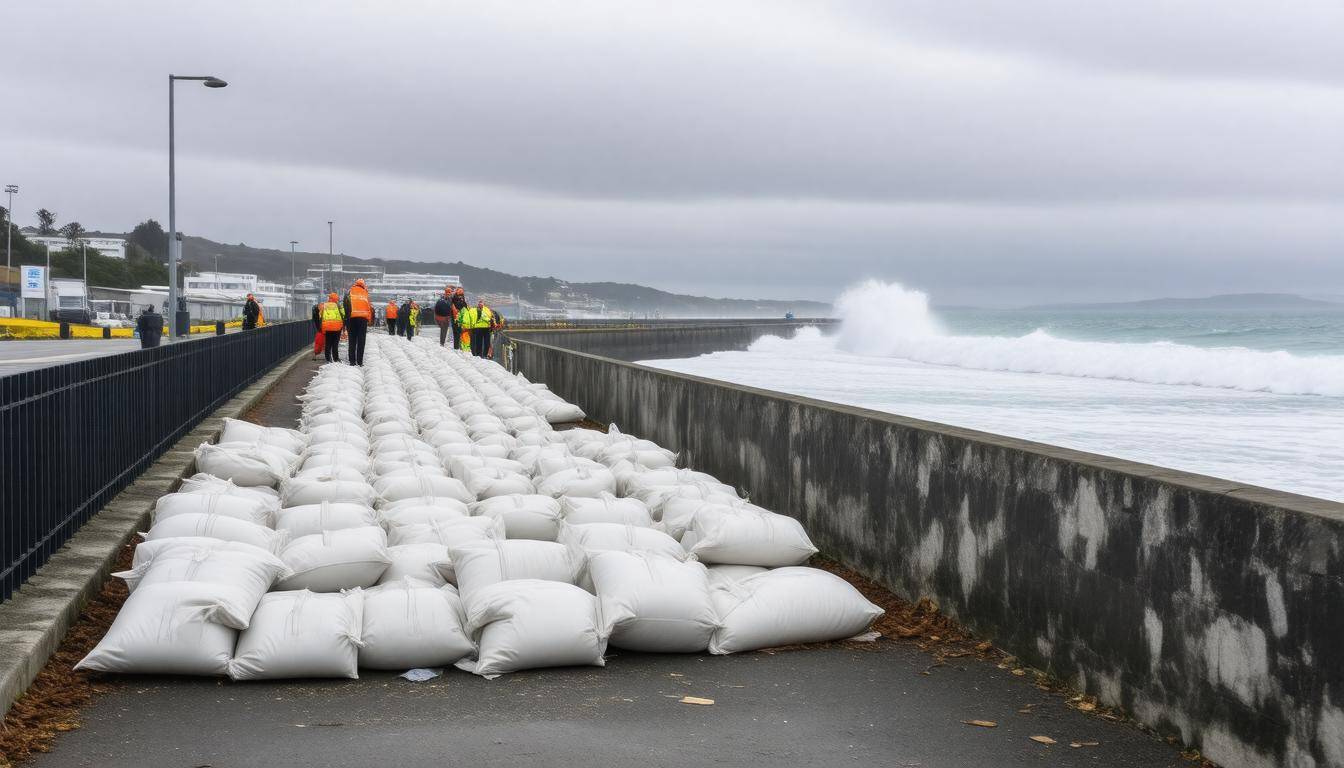
Preparation measures can mitigate flood damage significantly. By implementing a well-thought-out plan, residents can protect their homes and ensure the safety of their loved ones. Imagine a stormy night; rain pours down, and water starts rising. This is where preparedness makes all the difference between disaster and manageable inconvenience.
Here’s a practical checklist for residents:
-
Stockpile emergency supplies including first-aid kits, bottled water, and non-perishable food. It’s crucial to have these supplies on hand in case of an evacuation or power outage.
-
Install sump pumps in basements to remove water effectively. A sump pump can be a lifesaver during heavy rains. Regular maintenance checks will ensure that it functions properly when needed.
-
Place sandbags around entrances and vulnerable areas as a barrier against flooding. When deployed correctly, sandbags can redirect water away from your home.
-
Create an emergency evacuation plan and ensure all family members are aware of it. Practice the plan so everyone knows what to do when high waters arrive.
Each of these steps allows families to act quickly during a flooding incident. Consider having regular check-ins with your loved ones about these plans; communication is key in times of crisis. Moreover, regularly review and update your supplies to keep them fresh—an expired first aid kit won’t do anyone any good!
Beyond physical preparations, take time to educate yourself and your family about flood risks in New Plymouth specifically. Knowing the history of floods in your area and how quickly waters can rise will help you react promptly should an emergency arise. This knowledge prepares not just your home but your mind for the worst-case scenario.
With quick access to supplies and a well-practiced plan, you’ll be far more ready to tackle any flooding challenges that may come your way. As we navigate through these safety measures, let’s explore essential strategies for building resilience within our community in times of need.
Developing Community Emergency Plans
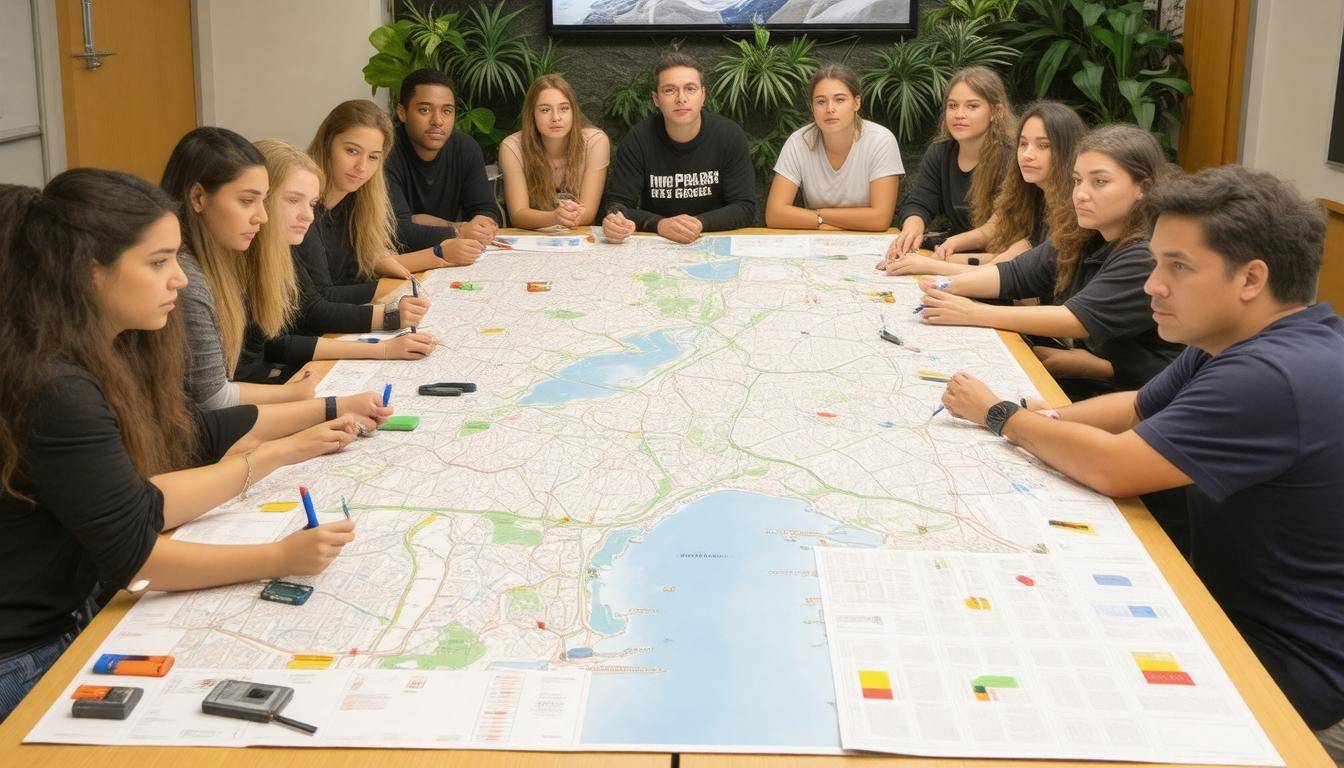
Community cohesion is vital during natural disasters. When a coastal flood threatens, having a well-devised community emergency plan can be the difference between chaos and safety. This means mapping out evacuation routes that everyone understands—these routes must be clear and accessible to all residents, including those with disabilities. Imagine a neighborhood where every resident knows exactly where to go and how to get there in case of an emergency; it fosters a sense of security that individuals alone simply cannot achieve.
Designating Emergency Shelters
Beyond just evacuation routes, designating emergency shelters is another crucial aspect. These shelters should provide refuge from danger and offer necessities such as food, water, and first aid. Ideally, these shelters would be located in easily accessible areas within the community and equipped with supplies ahead of time. Think about holding regular meetings in local community centers to discuss who will manage each shelter and ensure they are stocked and ready when the time comes. The shared responsibility galvanizes neighbors into action and deepens bonds among them.
Some argue that individual preparedness is sufficient, claiming people can take care of themselves without needing communal support. While self-reliance plays an important role, the truth is that community plans provide collective security. In times of crisis, people often panic; having a structured plan helps reduce fear and uncertainty. It encourages people to rely on one another instead of isolating themselves. Imagine trying to evacuate alone versus moving as part of a trusted group—all working towards the same goal makes the situation more manageable.
Another benefit of developing community emergency plans lies in organizing drills. Regularly scheduled drills familiarize residents with protocols and highlight areas needing improvement or adjustment. Attending these drills allows families to practice evacuation plans together while building camaraderie among neighbors. Informal social gatherings after drills can lead to rich discussions about safety, equipping everyone with practical knowledge about what gear to have ready at home and how to stay informed.
Next, consider how cooperating with regional agencies can further enhance your community’s preparedness efforts.
Coordinating with Local Authorities
Establishing effective communication channels is essential when preparing for potential coastal flooding. One of the most straightforward yet impactful steps you can take is to set up direct lines of communication with local emergency services and officials. This may involve reaching out to your local fire department, police department, or emergency management office to introduce yourself and discuss your community’s unique needs. Building these relationships beforehand ensures that when disaster strikes, there’s already a rapport in place.
Utilize social media platforms as they offer real-time updates directly from those on the front lines of disaster response. Following local news outlets and official government accounts can keep you informed about changing conditions. Sign up for text alerts if available; many municipalities now offer this service to provide timely information. Furthermore, engaging with your neighbors on such platforms fosters communal support and encourages others to also stay vigilant.
Additionally, accessing early warning systems is crucial for ensuring you receive timely alerts about impending dangers.
Early Warning Systems
In New Plymouth, subscribing to emergency alert systems provided by the New Plymouth District Council is highly beneficial. Being registered for these alerts puts you in the loop for real-time updates regarding weather conditions and flood warnings straight from local authorities. These notifications can provide critical information—such as whether an evacuation order has been issued or if flood levels are rising rapidly—allowing you to act swiftly and decisively.
Regularly check your local council’s website for ongoing updates and programs concerning flood safety. Many councils also hold community meetings aimed at preparedness education. Attending these events not only informs you but also connects you with trained personnel who can answer specific questions regarding safety measures and resource availability.
By proactively coordinating with local authorities and staying plugged into early warning systems, you’re setting your community up for a more effective response during emergencies. The next step involves understanding the various support structures available to residents in these challenging times.
Resident Support and Resources
Aiding residents effectively means providing the necessary resources and support. This includes offering educational workshops on flood preparedness, distributing sandbags before anticipated storms, and forming volunteer support groups that can assist during emergencies. Engaging with the local community is critical; it’s not just about supplying materials but empowering people with knowledge and a sense of connection.
“The community flood preparedness workshop really opened my eyes to what I needed to do to protect my home,” says local resident Sarah Johnson.
Workshops can cover various topics, from understanding flood risks specific to New Plymouth to how to create an emergency kit or develop a family evacuation plan. These workshops become a shared experience, fostering connections among residents so they can learn from one another’s experiences as well as expert advice. Additionally, consider hosting demonstrations on proper sandbag placement or emergency tarp setup, so that everyone knows how to use the resources available effectively.
Distributing sandbags in advance of storms is another crucial component. Ensuring that these are readily available not only gives residents a way to protect their properties but serves as a reminder that authority figures care—essentially reinforcing community resiliency. Local volunteers could take it further by helping those unable to access sandbags themselves, such as elderly neighbors or individuals with mobility challenges.
Furthermore, forming volunteer support groups provides a platform for those with skills in emergency management or construction to lend a hand where it’s needed most. For instance, these volunteers could assist in reinforcing vulnerable properties before storm season or facilitate neighborhood clean-ups after flooding events occur. Each of these initiatives decreases vulnerability while bolstering community spirit.
The synergy between residents, authorities, and local organizations lays the groundwork for sustained resilience against flooding threats, setting the stage for more comprehensive prevention measures that can enhance safety in the long run.
Long-Term Flood Prevention Strategies
Long-term strategies are essential for mitigating future flood risks, particularly as climate change continues to influence weather patterns and sea levels. For instance, building sea walls serves as a formidable barrier against incoming tides and storm surges. These structures, while expensive to construct, can protect valuable infrastructure and homes from devastating damage. It’s crucial that communities prioritize such investments in their development plans, recognizing that the cost of action now outweighs the devastating scars left behind by unchecked flooding.
Restoring natural ecosystems is equally vital in our fight against coastal flooding. By creating buffer zones with vegetation, we help absorb excess water and trap sediment before it reaches populated areas. Think of it as nature’s way of filtering and managing the flow of water, preventing rushes that could lead to catastrophic consequences. Communities in New Plymouth have started implementing this strategy, planting native species to enhance soil stability and resilience.
The restoration of wetlands represents another critical element in our long-term prevention strategy. These natural reservoirs act as sponges during heavy rainfall, absorbing excess runoff and gradually releasing it back into waterways. Not only do wetlands offer flood protection, but they also provide habitat for wildlife and recreational opportunities for residents. It’s a beautiful example of how environmental stewardship and community safety can go hand-in-hand.
However, it is essential to also address the financial considerations tied to these preventive measures.
While the New Plymouth District Council emphasizes the necessity of these initiatives, the high costs involved cannot be ignored. Funding for large projects like sea walls or wetland restorations often comes from local taxes or government grants, putting pressure on community budgets. This is where community engagement becomes paramount; residents must advocate for sustainable funding solutions—whether through public-private partnerships or regional aid programs—to ensure that effective flood prevention strategies remain part of the discussion.
In addition to structural solutions such as sea walls and vegetation buffers, educating the community about responsible land use plays a significant role in long-term flood prevention. Understanding how choices made today can either exacerbate or alleviate potential flooding tomorrow is crucial for residents. For example, promoting permeable pavements in new urban developments can allow rainwater to seep into the ground rather than overwhelming drainage systems during storms.
As we adopt these strategies together—balancing structural improvements with community education—we create a unified approach towards building resilient communities against nature’s unpredictable challenges ahead.
Updating Safety Plans Regularly
One of the most fundamental aspects of flood preparedness is ensuring your emergency plans are not static documents gathering dust. Instead, think of them as living artifacts that evolve over time to reflect your environment’s realities. By reviewing and adapting your plans annually—or sooner, if significant changes occur—you ensure they remain relevant and actionable. This continual revision process allows you to incorporate valuable lessons learned from recent flooding incidents, reinforcing effective strategies while addressing areas needing improvement.
Consider how emergencies can rapidly change community dynamics. Local infrastructure can be altered through development or natural shifts in the landscape; it’s vital to regularly adapt plans accordingly.
Incorporating Community Feedback
Another crucial aspect of maintaining an effective safety plan is involving the community. The input gathered from local residents during debriefings after evacuation drills or actual flood events is invaluable. Recognizing which evacuation routes were congested or understanding which communication methods effectively reached residents provides contextually rich data to enhance your emergency procedures. Gathering feedback fosters a sense of ownership among community members, making them more likely to heed warnings and participate in training.
Moreover, creating a simple schedule for specific updates can streamline this process significantly. For example, a consistent routine might include holding quarterly meetings to discuss flood preparedness and practice drills, undertaking a full review of the emergency plan each year, and conducting debriefings immediately following any serious flooding events.
A simple schedule for updating reflects how manageable and strategic this effort could be:
| Frequency | Task |
|---|---|
| Annually | Full review of emergency plan |
| Post-Flood | Debrief and integrate lessons learned |
| Quarterly | Community meeting and drill |
Staying proactive about planning reinforces the ability to respond effectively when disaster strikes; it converts potential panic into systematic action in moments of need.
In conclusion, keeping your safety plans dynamic and inclusive will better prepare your community for coastal flooding incidents. Engaging with local residents and regularly updating strategies ensures resilience against changing circumstances.
What specific areas in New Plymouth are most at risk for coastal flooding?
In New Plymouth, the coastal areas such as Ngamotu Beach and the Foreshore Walkway are particularly vulnerable to coastal flooding due to their proximity to the coastline. These regions are susceptible to storm surges, especially during high tides and extreme weather events. Historical data indicates that local sea levels have risen by approximately 0.3 meters over the past decades, exacerbating the risk of flooding in these low-lying zones. Residents are advised to stay alert during severe weather warnings and consider flood preparedness measures as climate change intensifies these risks.
How can community initiatives contribute to effective coastal flooding preparedness in New Plymouth?
Community initiatives play a crucial role in enhancing coastal flooding preparedness in New Plymouth by fostering collaboration, awareness, and resource sharing among residents. Programs such as local flood risk assessments and neighborhood watch groups can lead to informed decision-making and proactive measures, reducing vulnerability. For instance, studies show that communities with strong networks and preparedness plans can reduce disaster-related losses by up to 30%. Engaging citizens in educational workshops and simulation exercises ensures that everyone knows their roles during emergencies, ultimately increasing the resilience of the entire community against coastal flooding.
What steps can individuals take immediately to protect their homes from potential coastal flooding?
Individuals can take immediate steps to protect their homes from coastal flooding by elevating appliances and utilities above potential flood levels, sealing cracks in foundations and walls, and installing sump pumps to manage water ingress. Additionally, maintaining an emergency supply kit and creating a flood response plan can significantly enhance safety during flooding events. According to the National Oceanic and Atmospheric Administration (NOAA), homes in high-risk areas that implement such measures are 40% less likely to incur significant damage during a flood.
What role does local government play in managing flooding risks and preparing residents for potential disasters?
Local government plays a critical role in managing flooding risks and preparing residents for potential disasters by implementing comprehensive disaster management plans, conducting regular risk assessments, and ensuring proper land-use planning. They provide essential information through public awareness campaigns, engage the community in emergency preparedness drills, and invest in infrastructure improvements such as drainage systems and flood barriers. According to statistics from recent years, effective local government intervention has been shown to reduce flood-related damages by up to 30%, highlighting the importance of their proactive measures in safeguarding communities against coastal flooding threats.
What resources or tools are available for residents to assess their flood risk?
Residents of New Plymouth can assess their flood risk through various resources, including the New Zealand government’s Flood Risk Management tools, which offer online flood maps and hazard assessments specific to the area. Additionally, local councils provide information on historical flood data and current weather alerts via their websites and community outreach programs. According to a 2023 survey, approximately 40% of residents who utilized these resources reported feeling more prepared for potential flooding events.