
Flooding can turn peaceful neighborhoods into chaotic scenes in a matter of hours, especially for places like Newcastle, New South Wales. If you’ve ever watched rain pour down your window and worried about rising water levels, you’re not alone. Having a flood kit ready can make all the difference when the skies open up and disaster strikes. In this article, we’ll guide you through the must-have items to include in your kit, coordinating steps you should take well before the floodwaters arrive, and practical tips for staying safe during an emergency. With a little preparation now, you can help ensure that you and your loved ones are ready for whatever Mother Nature has in store.
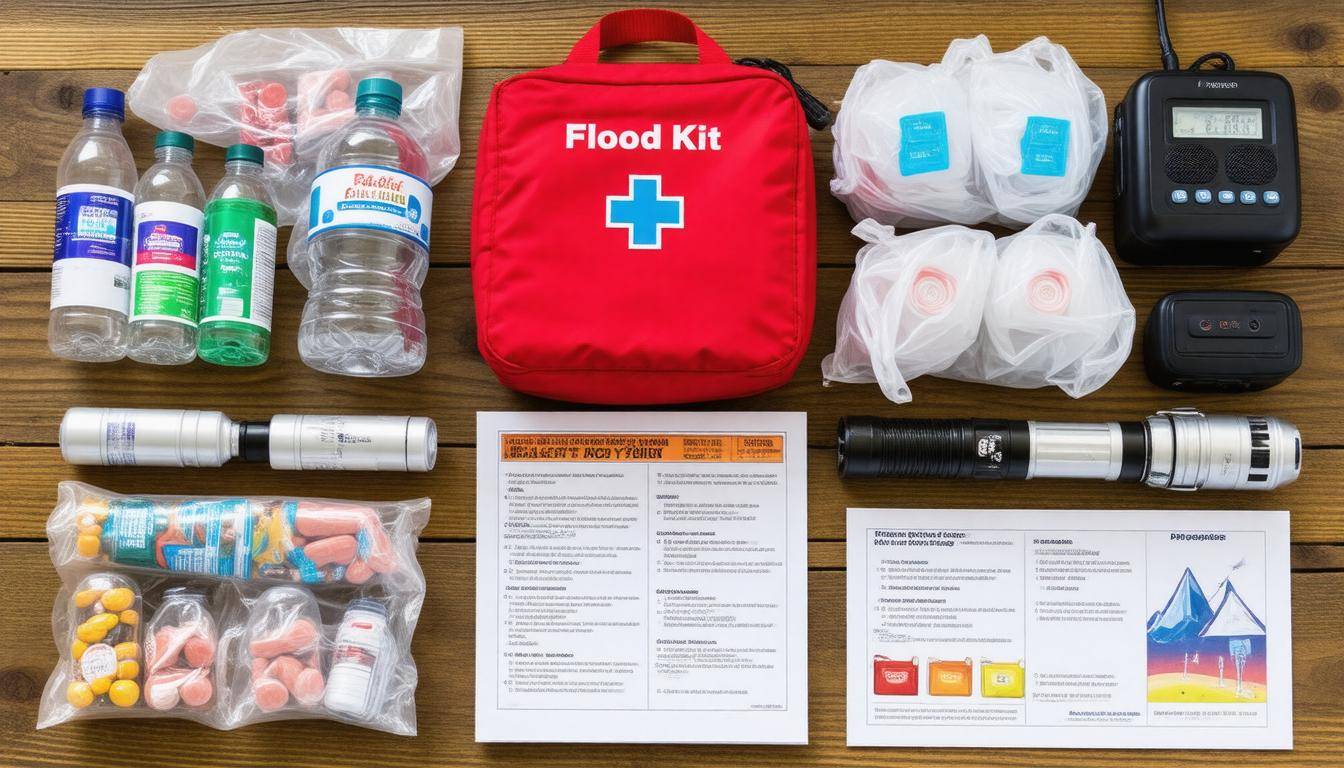
A flood kit for Newcastle, New South Wales should include essential items such as bottled water, non-perishable food, a first aid kit, important documents in a waterproof container, blankets, a flashlight with extra batteries, and medications. It is also advisable to have a battery-powered radio to stay updated on emergency alerts and local information during a flood event.
Preparing Your Flood Kit
The first step in getting your flood kit together is to identify the essentials that will keep you safe and comfortable during an emergency. This checklist should include non-perishable food items like canned goods and high-energy snacks, as well as at least one gallon of water per person per day, enough for at least three days. Don’t forget about clothing—sturdy shoes, weather-appropriate clothing, and a warm blanket can make a significant difference, especially if you are cut off from your home for an extended period.
When you’re ready to gather supplies, it’s crucial to start early. Flood season can sneak up on anyone, and waiting until the last minute can leave you scrambling in panic when stores are crowded or out of stock. I recommend setting aside some time every few months leading up to the season to collect these items, making sure that your flood kit is complete and readily accessible. Utilize a designated area in your home that is easy to reach during emergencies.
Speaking of storage, let’s talk about how to safely keep all these important supplies.
Investing in waterproof containers is essential for storing your flood supplies securely. These containers not only keep everything dry but also help organize your kit so you can easily find what you need in a hurry. Consider using labeled bins for food, medical supplies, and other important documents. Moreover, storing key documents—like insurance papers and identification—within a waterproof pouch alongside your flood kit can save you critical time later on.
Finally, the importance of regular updates cannot be overstated.
Over the course of time, things change—your dietary needs might shift, certain items may expire, or new technology could become available to improve safety. Therefore, it’s wise to check on perishables in your flood kit and replace them regularly. This practice not only ensures that you’re fully stocked and prepared but also gives you peace of mind knowing that everything is current and functional when you need it most.
By methodically assembling and updating your flood kit tailored for Newcastle’s unique climate, you’ll significantly increase your preparedness and safety when facing potential floods.
With all that said, understanding the specific challenges posed by rising waters in your area can further enhance your readiness as storms approach.
Newcastle Flood Risks
Newcastle’s flood risks are not just minor threats; they stem from the historical patterns of heavy rainfall and the geographic conditions that dominate the region. The city sits at a low elevation, which inherently makes it vulnerable during significant weather events. When heavy rains descend upon Newcastle, water can quickly accumulate, causing surges especially in its low-lying areas. The sheer volume of runoff from urbanized regions overwhelms drainage systems that were simply not designed for such intensity anymore.
It’s no wonder that the Bureau of Meteorology estimates a 20% chance each year for moderate to severe flooding—this isn’t a small number when you consider how many lives and properties are affected each time.
Key Areas at Risk
The specific areas that face these dangers consist of familiar spots around Newcastle. First off, there are the Hunter River Floodplains, where frequent overflows have a devastating impact on nearby residential neighborhoods. I’ve witnessed firsthand how families have had to evacuate their homes swiftly as waters rise ominously. The experience is unsettling, leaving a lasting mark on those affected.
Next on our list are the coastal zones, which face another primary threat from high tides combined with storm surges. This phenomenon becomes especially concerning during winter storms or significant weather events like cyclones, making it critical for residents near the coast to stay vigilant. Every year, locals brace themselves, heeding warnings issued by authorities about potential flooding.
Moreover, urban drainage systems play a crucial role in flood management, yet many parts of Newcastle struggle under pressure during heavy rainfall. These antiquated systems often become overwhelmed, leading to localized flooding as roads turn into rivers and basements fill with unwanted water. Residents need to be aware that even brief heavy downpours can trigger tremendous consequences—it’s not just about long rain spells.
Understanding these risks sets the stage for identifying essential resources and preparations needed in times of crisis.
Essential Supplies: Food, Water, and Clothing
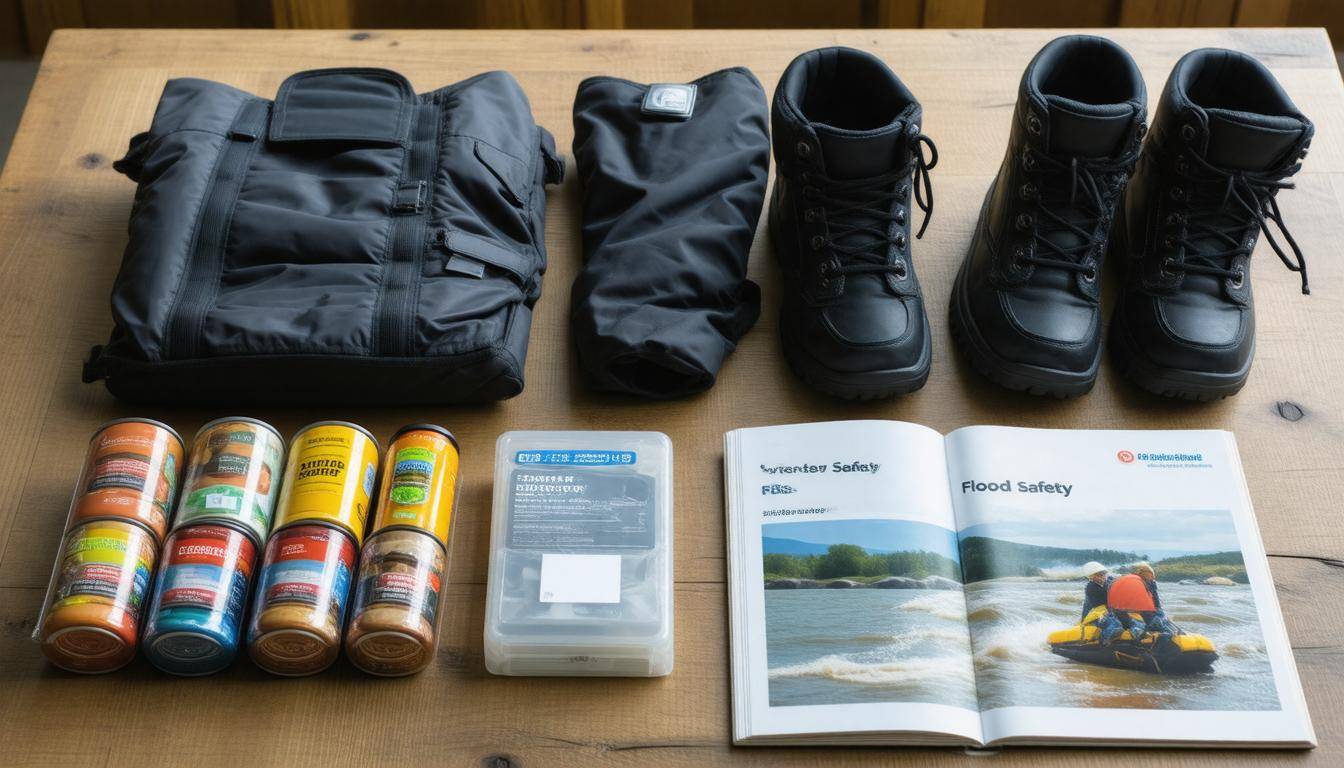
In a flood situation, ensuring you have adequate nutrition and hydration isn’t just wise; it can literally make the difference between comfort and distress. First, let’s focus on food. You want to prioritize non-perishable items that require minimal preparation, especially when the power may be out for extended periods. Canned goods such as beans, tuna, and vegetables are excellent choices because they not only stay safe to eat for a long time but also provide essential nutrients to keep your energy levels up during challenging times.
When stocking up your pantry for a potential flood, consider these recommended essentials:
- Canned Goods: Items like beans for protein, tuna for omega-3 fatty acids, and various vegetables contribute towards balanced meals.
- Dried Fruits: These offer quick energy without the need for refrigeration.
- Nuts: A great source of healthy fats and protein that keeps well.
- Granola Bars: Convenient and easy to grab on the go while providing carbohydrates and fiber.
As you gather your food supplies, don’t overlook water – it’s perhaps the most vital resource in any emergency situation. It’s generally recommended to aim for at least three liters per person per day, leading to a minimum of nine liters for three days. Using durable water containers will not only prevent leaks but will also ensure that the water remains uncontaminated.
Along with food and water, proper clothing is integral to your flood preparedness.
Suitable clothing can help you remain dry and warm when the weather turns treacherous. Waterproof outerwear should be at the top of your list; this includes jackets that repel water while allowing some breathability. Thermal layers are equally important since they trap body heat. After all, when you’re dealing with flooding conditions, being cold can worsen your stress levels and lead to health issues like hypothermia.
Choosing sturdy boots is another essential consideration—preferably water-resistant—to give you stability and prevent mishaps while navigating through potentially flooded areas. Wearing thick socks will help not only resist the wet but also provide extra warmth if temperatures drop unexpectedly.
As demonstrated during the devastating 2015 floods in New South Wales, many individuals found themselves unprepared when faced with sudden challenges—underscoring that even during unforeseen circumstances, having enough food and appropriate clothing is critical.
Once you’ve secured enough food, water, and clothing to see you through the storm, the next priority is gathering personal items and vital documents.
Personal Items and Vital Documents
When preparing for a flood, it’s important to think beyond just the immediate supplies like food and water. Key personal items and important documents should always be quickly accessible. This not only supports you during a crisis but also ensures that you can manage recovery effectively when the waters recede.
Checklist for Vital Documents
Identification is your first line of defense in securing your place in evacuation centers or hotels. Gather passports, driver’s licenses, and birth certificates—these are essential for proving who you are. During a flood, the last thing you want is to hunt through piles of papers trying to find that one document while chaos ensues around you.
Next on the list is medical records. Keep a detailed list of your prescriptions, along with any relevant health insurance documents. This is important not just for your well-being; it can also help first responders understand your health needs more rapidly. Imagine being able to hand them a concise list rather than fumbling through various paperwork. You’ll save valuable time and avoid a good deal of stress.
A great way to enhance this process is by keeping these documents organized in a single waterproof bag or folder. Make it easy to grab and go!
Then there’s the need for financial records, such as bank account information, property deeds, and insurance policies. In the midst of chaos, it’s easy to forget which financial institutions you bank with or where you’ve filed your homeowners’ policy. By having this information sorted and readily available, you can smoothly navigate financial discussions later without unnecessary anxiety.
Consider storing digital copies of these documents on a USB stick or cloud storage for added security. This gives you peace of mind knowing even if physical copies are lost, your critical information isn’t gone forever. Just remember to have secure passwords so you can easily access them amidst everything else during an emergency.
With all these essential personal items carefully organized and easily retrievable, we now shift our focus to preparing gear and tools that could prove invaluable in critical situations.
Safety Gear and Emergency Tools
Having appropriate safety gear is crucial for your protection during a flood. First, consider investing in life vests or flotation devices; they can buoy you up when the water levels rise. A battery-powered radio also becomes your lifeline, providing critical updates on weather conditions or rescue operations. Don’t underestimate the power of a well-stocked first aid kit—it should include not only basic supplies such as bandages and antiseptics but also any essential medications you or your family might need.
Beyond possessing the gear, it’s essential to familiarize yourself with its contents and functionality ahead of an emergency. Practice putting on that life vest and ensure everyone knows where the first aid kit is stored. This knowledge not only speeds up response time but fosters confidence in yourself and those around you.
Next comes the equally important section of emergency tools, which can save not just time but lives during dire situations.
Essential emergency tools start with a multi-tool or Swiss army knife. These handy gadgets can serve multiple purposes—from opening cans of food to making minor repairs—so having one close at hand is invaluable. Additionally, a waterproof torch equipped with extra batteries is indispensable for navigating dark waters or shrouded areas after a flood hits. Imagine trying to find your way through debris in total darkness; a reliable torch could illuminate a safe path forward. Lastly, a portable phone charger ensures that your devices stay functional, allowing you communication access during emergencies.
Jane Doe, a Newcastle resident recounts, “A portable charger was a lifesaver when the power went out during the flood. It kept my phone active for emergency calls.”
While each item on this list holds significant value, knowing how to efficiently store them ensures that you can reach them without causing added stress in a crisis situation.
When arranging your supplies, look for waterproof containers that are easy to access quickly and can be marked clearly for recognition under pressure. Consider grouping items by type—keep all safety gear in one bag and emergency tools in another—to minimize confusion. Regularly check these supplies to ensure everything remains functional and up-to-date; preparedness is ultimately about anticipating the unexpected and adapting accordingly.
With the right preparations underway, it’s equally vital to understand how to organize your resources effectively for quick retrieval when the situation demands it.
Storing Your Supplies Effectively
Effective storage is a crucial aspect of preparing for any emergency, particularly when it comes to floods. Think of your flood kit as the backbone of your safety plan; if it’s not stored properly, you may find yourself in dire situations trying to locate essential items in a panic. The goal here is to ensure that every item is safeguarded and at your fingertips when you need it most.
Storage Tips
Start by investing in waterproof containers. While it might seem obvious, the quality of your storage solution can make or break your preparation efforts. Heavy-duty waterproof bins are ideal because they come with robust seals that prevent water from seeping in and damaging your supplies. You wouldn’t want a soggy first aid kit when you need it urgently! When choosing a container, also consider the size—large enough to hold all essentials but compact enough that it fits comfortably in your designated storage area.
Placing your kit in an accessible location is equally important. Ideally, store your flood kit on higher ground within your home. This way, even during serious weather events, you won’t have to wade through water just to reach your vital supplies. Keeping it in a spot that everyone in your household knows ensures that if disaster strikes, everyone can act swiftly without confusion. A closet on the second floor or a garage shelf is often fitting.
Another valuable tip is to label each container clearly. You’ll want to save precious time during emergencies rather than wasting it rummaging through boxes. Use large font labels indicating the contents of each bin: “Medications,” “Food & Water,” “Tools,” and so on. Bright, colorful labels can catch your eye easily amid stress and chaos, allowing instant recognition of what you need.
Finally, don’t overlook the importance of regular checkups on your flood kit. Schedule periodic reviews—perhaps at the start of each season—to inspect for expired items or any signs of damage to your containers. Just like keeping fresh food in a kitchen pantry, ensuring your supplies are current gives peace of mind and keeps you prepared for any situation that may arise.
When everything is organized neatly according to these tips, you create a sense of control over what could be an overwhelming situation. With effective supply storage, you’re reinforcing confidence that when floodwaters rise, you’ll be ready for whatever comes next.
With this solid foundation laid out for safety and preparedness, we can now shift our focus to additional considerations that can further enhance your readiness for emergencies.
Extra Preparation Tips
Beyond just gathering supplies, there are essential steps to take that can greatly improve your chances of staying safe during a flood. The first point I can’t stress enough is staying informed. Subscribe to local flood alerts from reliable sources such as the Bureau of Meteorology, as they provide timely updates that could be vital for your safety. It’s not just about having information; it’s about knowing when to act on it.
Another important aspect is creating a family communication plan. Make sure everyone in your household understands where to go and whom to contact if floods occur. This foresight can save precious time during emergencies when every second counts.
In addition to being informed, consider how you can prepare your home for potential flooding. Installing flood barriers or sandbags around vulnerable areas of your property can create a first line of defense against rising waters. These barriers can prevent water from entering your home, significantly reducing damage.
Also, elevating electrical appliances and utilities such as the washing machine or hot water system to higher levels not only helps protect them from floodwaters but also makes them less likely to need costly repairs or replacements later on.
A sump pump is another crucial item for homeowners in flood-prone areas. Keeping one on standby ensures you have a quick way to drain any accumulated water should the need arise.
Preparing well is only half the battle; knowing how to respond effectively in case of an emergency is equally important to ensure safety and minimize risks while navigating a flooded environment.
Evacuation Guidelines
Knowing how to evacuate effectively is an essential skill for every New South Wales resident. The moment you receive an alert about flooding, it’s crucial to stay calm and act swiftly. Preparation makes a world of difference.
Identify Safe Zones
First and foremost, identifying safe zones is pivotal. It’s essential to know where local shelters are located or which areas elevate above potential floodwaters. These could be community centers or schools designed to accommodate evacuees during emergencies. Familiarizing yourself with these locations ahead of time can alleviate confusion in a crisis. By checking city council websites or recent community announcements, you can map out these refuge points before you ever need them.
Have a Go-Bag Ready
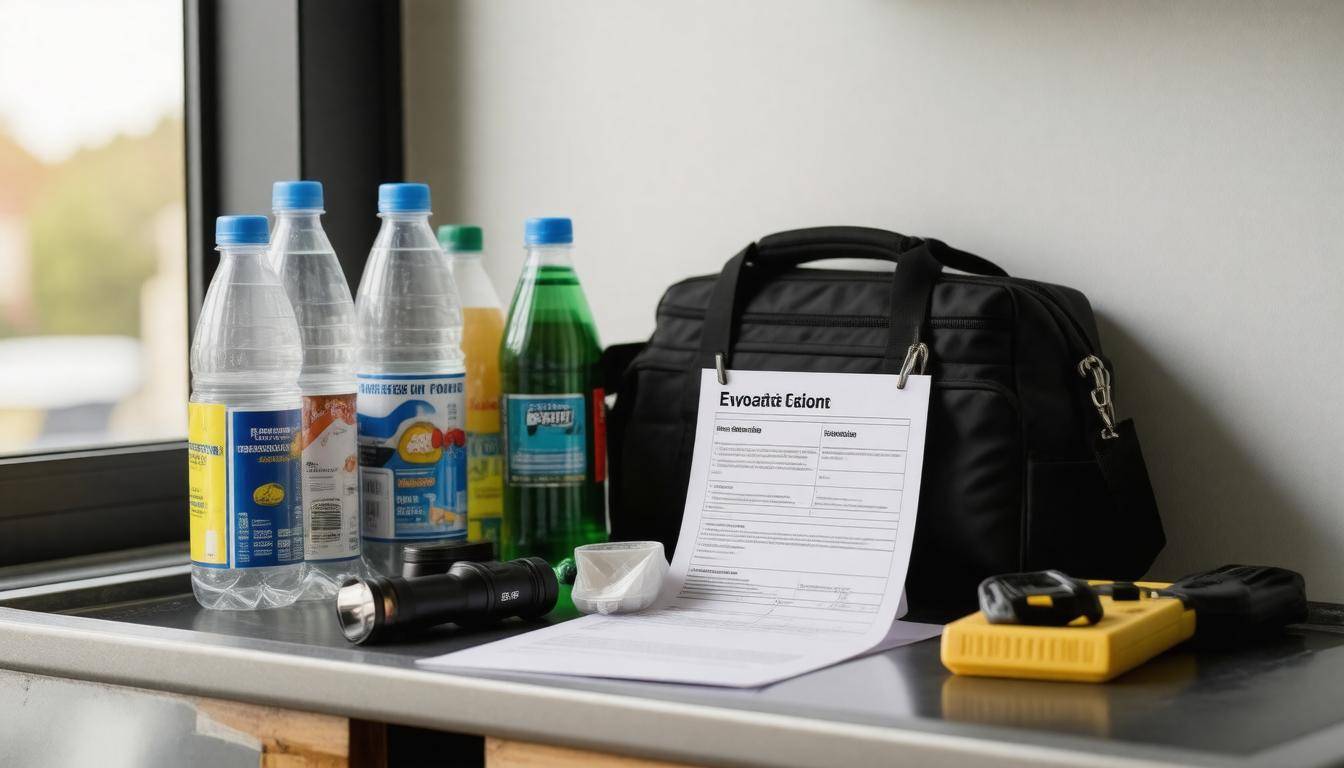
Next, let’s talk about your go-bag. This isn’t just a suggestion; it’s a necessity. The go-bag should include basic supplies like a first-aid kit and any medications your family may require. Don’t forget to pack essential documents such as identification papers, insurance information, and any sentimental items that you may not want to lose. A small amount of cash would also serve you well since ATMs might not be operational after a flooding event. Make it a habit to revisit this bag regularly to ensure the items remain relevant and intact. Having that bag ready means you can leave your home quickly without gathering supplies at the last minute when panic ensues.
Follow Instructions
Following local authorities’ instructions is critical once an evacuation is announced. Your safety hinges on their expert advice regarding timing and routes. Whether they advise leaving immediately or waiting until further assessments are made, listening carefully could be a life-saver. Local emergency services may provide real-time updates through social media channels or radio broadcasts, ensuring you have the latest information at your fingertips.
Plan Routes
Lastly, planning multiple evacuation routes ahead of time is vital. Don’t rely solely on one way out; flooding can change conditions rapidly, blocking certain paths while leaving others accessible. Work with your family members to discuss various routes and perhaps even simulate evacuations during calmer times so everyone is prepared for an unexpected situation. Consider using apps with real-time traffic updates to help navigate around roadblocks more efficiently when the time comes.
By being aware of these evacuation guidelines and tailoring them to fit your needs, you’re taking crucial steps toward ensuring the safety of yourself and your loved ones during potential floods in Newcastle.
Ultimately, by preparing in advance and staying informed, New South Wales residents can protect themselves effectively during flooding events and lessen the impact on their lives.