
When you think of Northern Russia, you might picture vast, snowy landscapes and frigid temperatures that can chill you to the bone. For adventurers and survivalists alike, this remote region offers a unique challenge that goes beyond just bundling up in warm clothes. Surviving here takes preparation, knowledge, and skills that aren’t always common in everyday life. Whether you’re planning an unforgettable expedition or experiencing a surprise winter retreat, knowing how to navigate and thrive in extreme cold is essential. This guide aims to provide you with practical tips on everything from choosing the right gear to understanding wildlife behavior so you can face the wild with confidence. Prepare yourself to conquer the biting cold; an unforgettable adventure awaits!
A comprehensive survival guide for extreme cold conditions in Northern Russia should include recommendations on proper layering techniques for clothing, essential gear such as high-quality thermal layers and waterproof outerwear, nutritional advice for maintaining energy levels, and strategies for staying active to generate body heat. Additionally, familiarity with local wildlife behavior and emergency preparedness—such as carrying navigation tools and a first-aid kit—are crucial for ensuring safety in these harsh environments.
Essential Survival Skills in Northern Russia
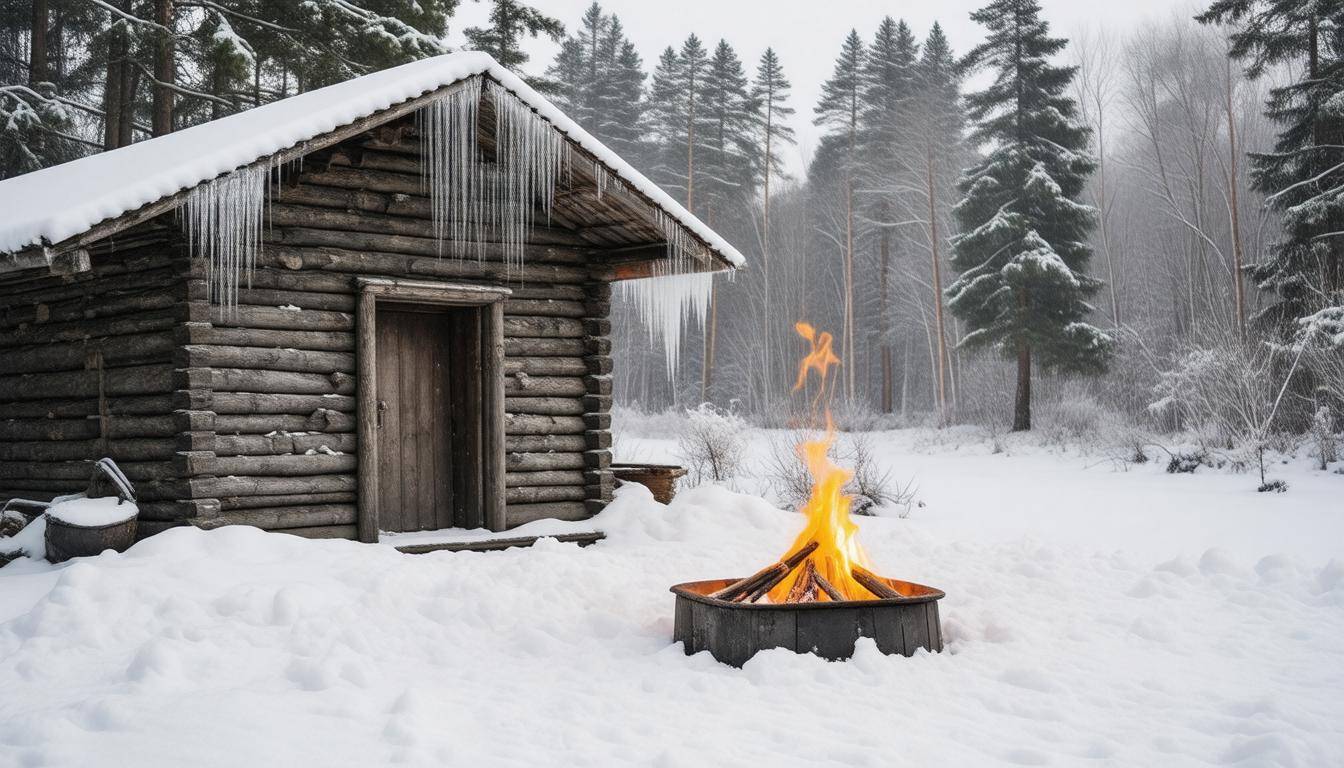
Surviving in Northern Russia’s extreme cold requires mastering several essential skills. When temperatures plunge, understanding fire-making techniques becomes paramount. A reliable fire can provide warmth, comfort, and a vital method for cooking food or purifying water. In sub-zero conditions, hypothermia is a constant threat; therefore, knowing how to start a fire quickly is crucial.
Utilize fire starters like waterproof matches, lighters, or ferro rods that will help ignite during desperate times. Remember to collect dry tinder such as birch bark or dry grass, which are excellent choices since they can ignite easily even when damp.
How to Gather Fire Materials
While seeking out materials for your fire, it is wise to look for natural tinder sources nearby. Birch bark is especially valuable due to its high resin content, working well even in wet conditions. You may also come across dead branches that you can gather—these are often drier than they seem on the surface. Once you have your tinder and kindling ready, place it in a small teepee structure to encourage airflow as the fire catches.
Once you’ve established a reliable fire system, the next pressing concern is water, as staying hydrated is crucial in extreme environments.
Water Sourcing and Purification
In the wild, fresh water sources may be located along rivers or streams—or during winter months, you might need to rely on snow. However, if using snow as your primary water source, always melt it before drinking; ingesting it immediately can significantly lower your core body temperature and increase your risk of hypothermia. To purify your water effectively, carry portable purification systems like UV pens or water purification tablets that eliminate harmful pathogens present in untreated sources.
Fire can also serve as a secondary means of purifying water through boiling. Bring snow or collected water to a rolling boil for at least one minute (or three minutes at higher altitudes) to ensure safety from any bacteria or viruses.
Beyond ensuring warmth and hydration through fire and clean water, navigation becomes an essential skill for survival.
Wilderness Navigation
Mastering navigation skills is critical for finding your way in vast and sometimes treacherous terrains. Start with learning how to read a map and use a compass effectively; while GPS devices appear convenient, remember that they can fail or run out of battery when you need them most.
Develop an understanding of natural navigation techniques—this includes recognizing landmarks, understanding the sun’s position throughout the day, or locating the North Star at night—to keep yourself oriented.
By familiarizing yourself with these skills—fire-making techniques for warmth and cooking; safe sourcing and purification of water; and navigation strategies—you’ll enhance your chances of thriving in Northern Russia’s harsh environment.
With these essential survival skills under your belt, let’s now explore the specific clothing and gear designed to withstand extreme cold conditions.
Clothing and Gear for Extreme Cold
Proper clothing is your first line of defense against freezing temperatures. Layering is essential—it’s like creating a protective barrier that regulates your body heat while ensuring moisture doesn’t cling to your skin. This multi-layer approach helps prevent hypothermia, a condition that can sneak up on even the most prepared individuals in such extreme weather conditions.
Layer 1: Base Layer
The base layer is crucial for every survivalist adventurer. Wear moisture-wicking materials like merino wool or synthetic fabrics, as they serve two important functions: first, they keep sweat off your skin, reducing the risk of frostbite; second, they create a comfortable foundation. Imagine stepping out into frigid air while wearing an itchy, damp shirt—quite the morale killer, right? Choosing the right base layer can make all the difference in how you feel throughout your adventure.
Layer 2: Insulating Layer
After securing a solid base layer, it’s time to add the insulating layer. Materials such as down or fleece are ideal choices because they trap air and retain body heat effectively. Think of this layer as your cozy blanket wrapped around you as you brave icy winds. Insulation is not just about warmth; it’s also about weight. Lightweight fleece or down jackets provide excellent warmth without weighing you down.
Layer 3: Outer Layer
Finally, don’t overlook the outer layer—this is where you shield yourself from snow and wind. Picking a windproof and waterproof outer layer is essential; materials like Gore-Tex are highly recommended for their ability to repel moisture while allowing perspiration to escape. Imagine trudging through deep snow along an icy path; without a reliable outer shell, a good day outdoors can quickly turn into a miserable experience of wet and cold.
Along with appropriate clothing, complementary gear is essential for both function and comfort when navigating this harsh environment.
Essential Survival Gear
- Insulated boots with thermal socks: Keep your feet warm and dry by investing in high-quality insulated boots designed for extreme conditions.
- Waterproof gloves and mittens: Protect your hands from biting winds and dampness with gloves that offer both dexterity and insulation.
- Balaclavas or face masks: A full-coverage face guard will help shield your skin from frostbite while allowing breathability.
- UV-protective goggles: These are critical for protecting your eyes from glare-creating sunlight that reflects off snow.
- Hand and foot warmers: These portable heat sources provide an extra boost of warmth when you’re exposed to the biting cold for extended periods.
Investing in quality clothing and survival gear isn’t merely about comfort; it’s about ensuring safety during extreme cold encounters. As temperatures plunge to -50°C, neglecting these essentials can result in severe consequences. Therefore, when preparing for any expedition into this unforgiving landscape, remember that each layer of clothing and every piece of gear plays a crucial role in preserving not just warmth but life itself.
Understanding how to navigate this environment intricately ties into the next topic—strategies for constructing effective shelters that offer protection from these brutal elements.
Building Shelter in Harsh Environments
In the freezing wilderness of Northern Russia, a well-constructed shelter can make the difference between life and death. One of the best options in snowy conditions is a snow cave, which can provide adequate insulation against the extreme cold and also safely house you during inclement weather. The first step is selecting an appropriate location for your snow cave; ideally, look for a spot on a hillside or drift where the snow is both deep and compact. Such locations offer better stability and insulation than flatter areas.
Once you’ve found the right spot, it’s time to move on to digging the entrance, which plays a critical role in heat retention.
Step-by-Step Guide to Building a Snow Cave
Step I – Selecting a Location
Choosing the right site is critical for effective shelter construction. Avoid placing your cave too close to trees that may shed their snow, as this could lead to injuries or collapse. Hillsides generally offer better protection from wind and may have deeper snow drifts available for digging. Always assess the area carefully for potential hazards like avalanche risk, ensuring your safety remains paramount.
Step II – Digging the Entrance
Use a shovel to start creating your entrance. Dig downward at an angle; this design helps trap warm air inside the cave while preventing cold air from entering directly. An entrance that’s too wide or poorly angled may compromise your shelter’s thermal efficiency. Keep in mind that snow is remarkably heavy, so working methodically will ensure you manage both structural integrity and your own stamina during construction.
After forming the entrance, the next stage involves hollowing out the interior—this is where attention to detail can make all the difference.
Step III – Hollowing the Interior
Carefully excavate the interior leaving at least 12 inches of snow on all sides. This thickness provides excellent insulation as snow has remarkable insulating properties with an R-value around 2.5 to 3 per inch when packed properly. Focus on ensuring the ceiling has an arch rather than being flat; an arched ceiling is less likely to collapse under weight or pressure from newly fallen snow. This hollowed space should be large enough to accommodate you and any gear you might have brought along—your comfort and safety depend on having adequate interior room.
Ventilation matters greatly in these confined spaces, especially if you plan to use a stove for warmth.
Step IV – Adding Ventilation
You’ll need to incorporate ventilation holes into your construction plan to allow fresh air entry and prevent carbon monoxide buildup if you’re using any type of cooking or heating device inside the cave. A small vent high up on one wall can effectively facilitate airflow while keeping carbon dioxide levels low. It’s crucial not only for breathing but also for maintaining optimal temperatures within your shelter, contributing significantly to your overall wellbeing while residing in such frigid environments.
Proper ventilation allows for necessary airflow but ensures safety by minimizing harmful gas buildup.
Building a snow cave can seem daunting at first, but following these steps with care will create a vital sanctuary against Northern Russia’s unforgiving elements.
With shelter established, attention naturally shifts toward sustaining energy levels and ensuring you have sufficient nourishment while facing the harsh realities of this environment.
Diet and Food Resources
Maintaining a high-calorie diet is essential when navigating the harsh winter conditions of Northern Russia. With your body working overtime to keep warm, you’ll need to fuel it with the right foods. Caloric intake becomes crucial in frigid temperatures as energy expenditure rises, and your metabolism works harder to sustain warmth. So what does this mean for your nutrition?
High-Calorie Foods
First off, packing calorie-dense foods should be at the forefront of your preparation strategy. Think of nutrient-rich items like nuts, dark chocolate, dried meats, and high-quality energy bars. These foods are excellent sources of both fats and sugars, vital for prolonged physical activity in the cold. Just imagine biting into some rich trail mix while resting during a trek—it fuels your body while keeping spirits high amidst the bleak white landscape!
Additionally, consider high-calorie drinks such as hot cocoa or instant lattes; they provide warmth and comfort that can make a frigid day more bearable.
To offer some perspective, you may require between 4,000 to 6,000 calories daily in these environments—significantly more than average dietary needs. It’s crucial to strategize food storage; using insulated containers will help keep perishables from freezing solid before you’ve had a chance to eat them.
Sourcing Local Food
Besides stocking up on supplies beforehand, understanding how to source local food becomes invaluable while adventuring in Northern Russia. For instance, learning how to fish through ice holes can yield great catches like Arctic char or trout. However, you must be cautious of thick ice and freezing temperatures. Drill test holes first before setting up your fishing gear; this ensures you have chosen a safe spot to work.
Essential Fishing Tips
To enhance your success while fishing:
- Use strong drills designed for ice fishing to quickly bore through.
- Start early in the morning when fish are most active.
- Employ bait that appeals specifically to local species; worms or minnows often work wonders.
Mastering local foraging skills—a combination of ice fishing and planned supply packing—will significantly contribute to your overall success in sustaining your nutritional needs.
Proper nutrition is a cornerstone of survival in extreme cold, ensuring you have a variety of nutrient-dense foods and local sourcing techniques bolsters not only your strength but also improves mental resilience. As we explore further, preparedness in navigation can make all the difference in safely traversing challenging environments.
Navigating the Snow and Ice
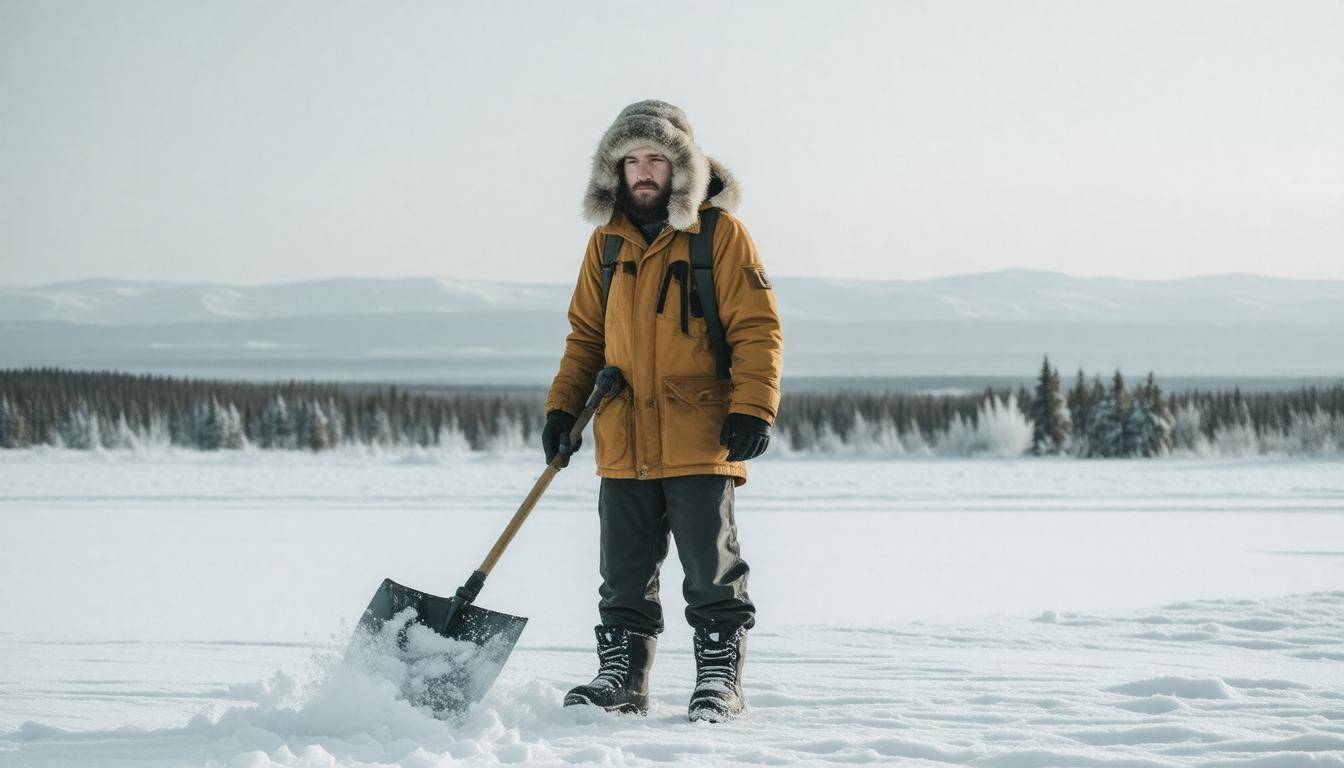
Navigating through expansive fields of snow and ice requires not only knowledge but also the right skills. Mastering these techniques will help you traverse this unforgiving terrain more safely and effectively. The first step in this endeavor is familiarizing yourself with specialized gear like snowshoes and cross-country skis. These tools are invaluable as they distribute your weight over a larger surface area, thus preventing you from sinking too deep into the powdery snow.
Investing time to learn how to use them can make all the difference between a tiring slog through unyielding drifts and efficient travel across smooth surfaces.
Using a Compass and Map
No matter how skilled you become, always carry topographical maps and a reliable compass with you. These traditional navigation aids are indispensable, particularly in low-visibility conditions when the landscape can easily distort your sense of direction. Opt for laminated maps; they resist water damage from melting snow or moisture in the air, ensuring they remain legible regardless of weather conditions.
If your GPS fails, as technology often does in extreme environments, your map and compass will be your trusted lifelines for navigating back to safety.
Following Natural Markers
In addition to maps and compasses, using natural markers helps maintain your course through an otherwise monotonous landscape. Look for distinct rock formations or tree lines that can guide your movements. As you traverse vast stretches of white, these unique landmarks become essential reference points, especially when everything around seems indistinguishable amid a blinding blizzard.
However, exercise caution—what appears to be familiar can be deceiving in poor visibility conditions. Keeping track of these markers will aid you in avoiding disorientation while providing a sense of direction.
Next, let’s explore additional navigational strategies and survival tools that can significantly enhance your experience in this chilly expanse, ensuring you’re fully prepared for whatever nature throws at you.
Survival Equipment and Tools
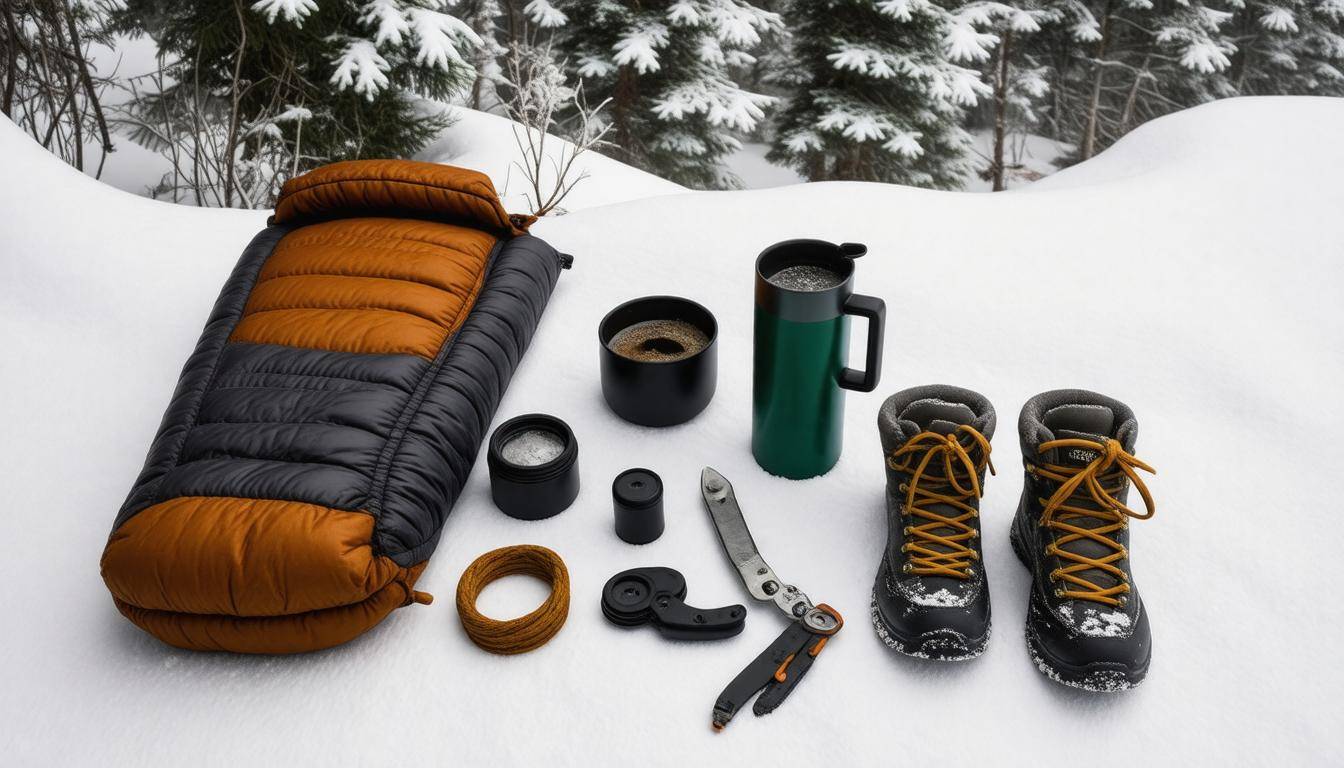
When venturing into bitterly cold environments, the equipment you choose is more than just a convenience; it’s an essential lifeline. Imagine being stranded in a snow-covered wilderness without proper tools—it’s a scenario no one should ever face. Each piece of survival equipment serves a specific purpose that can mean the difference between warmth and freezing, nourishment and hunger, safety and peril.
Let’s break down each must-have item.
A multi-tool is a backpacker’s best friend, providing versatility that’s hard to beat. Picture yourself needing a knife to cut through rope or perhaps pliers to adjust gear—a quality multi-tool typically comes equipped to handle those tasks and more. Its compact design makes it easy to carry, yet its capabilities are vast, often including features like screwdrivers and even can openers. This single tool can lighten your load while boosting your survival capacity.
As we move forward, it’s crucial not to overlook warmth and nourishment.
Now, consider a portable stove. It isn’t solely for cooking; it’s about warmth too. The ability to boil water for hydration or prepare food can fuel both your body and spirit during long treks in frigid conditions. Select a stove that has a reliable heat source—whether it runs on propane or biofuel ensures you won’t be left hungry or cold amid a snowstorm.
Maintaining communication is another vital aspect of survival.
A satellite phone becomes indispensable in emergencies when you’re deep in remote areas with little-to-no cellular coverage. This isn’t just about sending messages; it serves as a direct link to loved ones or rescue services. In life-or-death situations, the peace of mind that comes from knowing you have this connection cannot be understated.
An equally important addition is a thermal blanket. Oftentimes underestimated due to its size, this lightweight piece can provide critical insulation against harsh winds or unexpected drops in temperature. By wrapping yourself in one, you create an effective layer of heat retention which could very well protect you from hypothermia if caught outdoors unexpectedly.
Let’s not forget practical tools for navigating through thick snow.
A collapsible shovel is essential when building shelters or clearing pathways buried under snow. Compact enough to fit into your backpack, yet sturdy enough to handle tough conditions, these shovels simplify many tasks you may face while trekking through the unforgiving terrain.
Finally, reliable navigation can’t be ignored.
Having a GPS device at your disposal offers invaluable assistance during your journey across Northern Russia’s sprawling landscapes. Not only does it provide directions you can follow with precision using offline maps—ideal when cellular networks are thin—but it also tracks your movements so you never lose your way home.
| Equipment | Purpose |
|---|---|
| Multi-tool | Versatile; includes knives, pliers, etc. |
| Portable stove | Cooking and warmth |
| Satellite phone | Emergency communication |
| Thermal blanket | Additional insulation |
| Collapsible shovel | Building shelters, clearing snow |
| GPS device | Navigation aid with offline maps |
With these essentials tucked safely into your gear pack, you’ll be equipped not just for survival but also for exploration too. The chilled air doesn’t need to feel daunting; instead, it becomes an adventure awaiting discovery—all with the right tools by your side.
As we examine further, understanding how to mitigate risks associated with wildlife encounters becomes paramount.
Avoiding Wildlife Encounters
Understanding the nuances of wildlife behavior is pivotal when navigating the rugged terrain of Northern Russia. Two notable inhabitants, the polar bears and wolves, command respect due to their size and hunting prowess. Keeping your distance from these creatures is crucial, as they can easily become aggressive if they feel threatened or cornered.
Polar bears, for instance, are known for their unpredictable nature. They can weigh between 300 to 1,500 pounds and have an exceptional sense of smell, capable of detecting food from miles away. Similarly, wolves usually travel in packs and can cover significant distances looking for sustenance. Avoiding close encounters means being vigilant and proactive in minimizing your appeal as a target.
To bolster your safety, I highly recommend carrying bear spray or an air horn as precautionary tools. Bear spray effectively deters an approaching bear with just a quick spray, while an air horn can startle animals away without harming them. These items should be seen as essential components of your survival gear when venturing into the wilderness.
When it comes to food storage, implementing thoughtful practices is vital. Store all food in airtight containers to discourage curious animals from sniffing out your supplies. Hanging food between trees—ideally at least 10 feet off the ground—creates additional barriers that make it less accessible to wildlife. This practice prevents bears from associating your campsite with easy meals and keeps both you and the local fauna safe.
Remember that even minor lapses in food storage can invite unwelcome guests. Bears have incredible memories; once they get a taste for human food, they often return for more. Using bear-proof containers is another effective strategy to ensure your supplies remain untouched and help preserve the natural balance.
Maintaining a respectful distance from wildlife is not only wise but also a responsibility among those who enjoy nature’s wonders. Instead of attempting to approach animals for a closer look—risking startling them—use binoculars to observe from afar. This keeps you safer and allows you to appreciate wildlife without disrupting their natural behavior.
Employing these methods—carrying deterring devices, managing food storage carefully, and keeping your distance—will enhance your experience amidst the majestic yet potentially dangerous landscape of Northern Russia. Next, we’ll explore key strategies designed to equip you for unforeseen challenges in this extreme environment.
Emergency Preparation Strategies
Being prepared for emergencies in Northern Russia isn’t just good practice; it’s vital. The unforgiving environment can shift from mild to terrifying in moments, so having a strategy means the difference between safety and peril. To start, assembling an emergency kit is essential. This should be tailored to address specific challenges posed by extreme cold. Think beyond just food and water; prioritize items that can directly combat frostbite and hypothermia.
Assembling an Emergency Kit
Your emergency kit should include high-priority items that cater to cold-related injuries. Included should be:
- First-aid supplies specific to frostbite and hypothermia, such as thermal wraps and insulated gloves.
- Emergency signaling devices like flares or an emergency beacon, which can alert rescuers even in remote locations.
- Extra batteries for all electronic devices, ensuring continuous communication in critical situations; consider investing in solar chargers as a backup.
Beyond physical items, think about psychological preparedness. The mental burden of isolation in extreme conditions can weigh heavily. Familiarity with your surroundings can provide reassurance during stressful moments, leading us to understanding local protocols.
Learning Local Emergency Protocols
Knowing the local search and rescue procedures—and whom to contact—is crucial if things go wrong. Familiarize yourself with emergency numbers and the locations of shelters or safe zones ahead of time. Moreover, practice communicating your exact location using GPS coordinates or local landmarks; this knowledge can significantly hasten rescue efforts when every minute counts.
One often-overlooked aspect of survival is mentorship—talk to locals who have braved these harsh winters before you, as they can provide insights not often found in guides.
With these strategies firmly in place, tackling the challenges posed by Northern Russia’s severe climate becomes not just manageable but achievable, leading you to survival like a well-worn path through the snow-covered wilderness.
In preparation for Northern Russia’s extreme cold, it’s essential to combine practical strategies with local insights to effectively ensure your safety and well-being.