
In any workplace, emergencies can arise when we least expect them—whether it’s a sudden medical crisis or an unexpected natural disaster. Have you ever thought about how prepared your office is for such moments? Being ready goes beyond having fire extinguishers and first aid kits; it involves creating clear and organized documentation that guides employees on what to do and who to contact during emergencies. This guide aims to simplify the often-overlooked area of office emergency documentation, helping you understand the essential forms and procedures needed to keep everyone safe and informed. Let’s dive into why having a well-thought-out plan can truly make a difference when minutes count.
Essential forms in Office Emergency Documentation include PS Form 3971 for requesting leave and, if applicable, medical certifications such as WH-381 (FMLA Notice of Eligibility) and WH-380-E/F (Certification for Serious Health Condition). These documents help ensure compliance with company policies and legal requirements during personal emergencies.
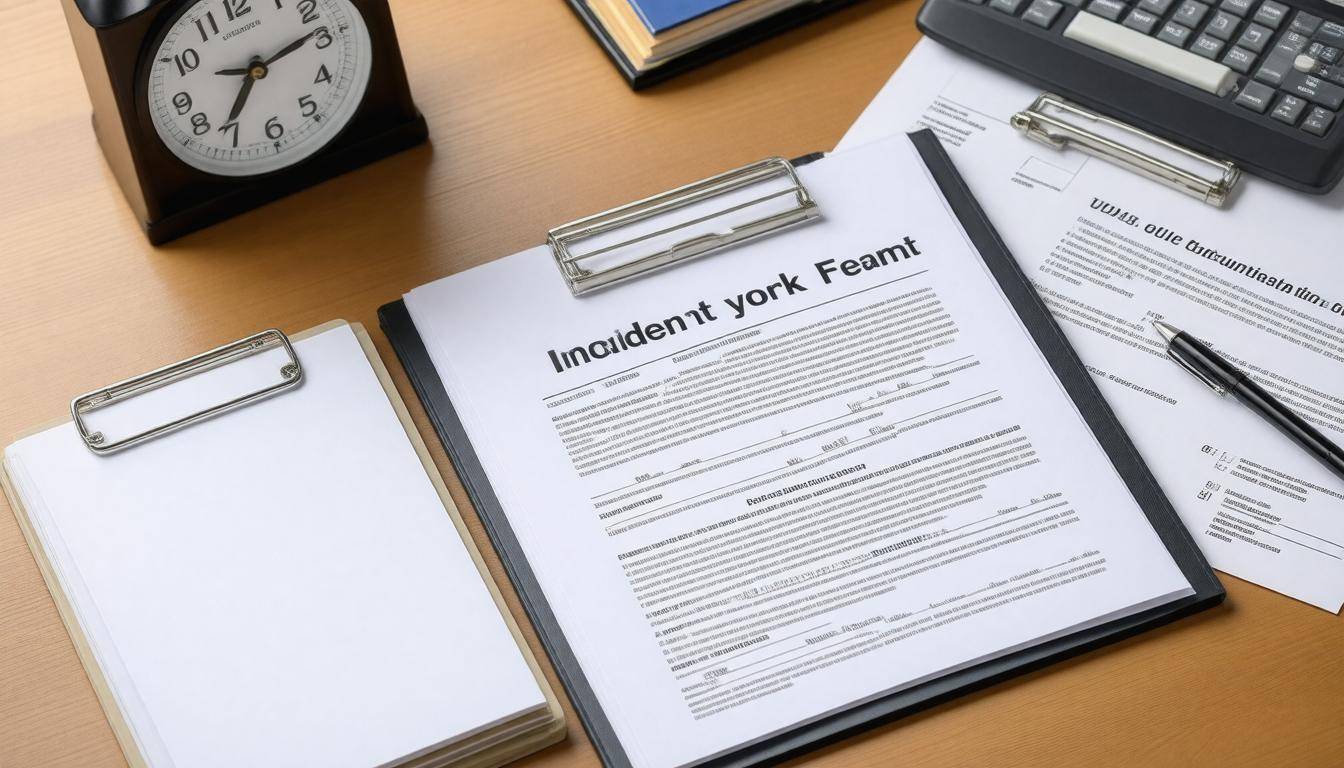
Overview of Office Emergency Documentation
Office emergency documentation plays a vital role in ensuring that organizations are prepared to handle various unforeseen situations effectively. By maintaining organized records, companies can establish clear pathways for communication while also adhering to legal responsibilities. This is not just about having procedures on paper; it’s about creating a safety net that protects both employees and the organization during turbulent times.
One of the most significant benefits of having robust documentation is clarity—a point that cannot be overstated during chaotic moments.
Importance of Documentation
Proper documentation ensures that everyone within an organization is aware of their specific roles and responsibilities during an emergency. When clear procedures are established, individuals are empowered to act quickly rather than standing frozen by uncertainty. Imagine a fire alarm ringing: without a well-documented evacuation plan, employees might scramble in confusion instead of moving swiftly to safety.
In fact, the absence of proper documentation can create a breeding ground for misunderstandings and potential liability issues. Not only does this jeopardize employee safety, but it can also expose the organization to lawsuits stemming from mishandled situations. Having clear records allows organizations to defend themselves legally if necessary.
Consider this startling statistic from OSHA: 40% of businesses never reopen after a disaster. This highlights the critical necessity for firms to have rigorous documentation practices in place. By documenting protocols, businesses strengthen their ability to respond efficiently, thereby increasing their resilience against adverse events and ensuring continuity even when faced with crises.
Now let’s look at the breadth of emergencies that these documents need to cover.
Types of Emergencies Covered
The scope of emergencies that can arise in a workplace can be vast and varied, ranging from natural disasters like earthquakes and floods to health crises, cyber-attacks, and industrial accidents. Each type presents unique challenges that require tailored responses documented clearly in advance.
- Natural Disasters: These may necessitate evacuation plans or specific safety equipment.
- Health Crises: Documents may include procedures for reporting sickness or managing contagious diseases within the workforce.
- Cyber Attacks: Detailed protocols on data breach response should be part of your emergency documentation strategy.
- Industrial Accidents: There must be clear instructions on handling hazardous materials or responding to onsite injuries.
By categorizing these types of emergencies, you further reinforce the framework necessary for effective response strategies while paving the way for a comprehensive approach in handling diverse scenarios. The next step involves detailing essential forms that will serve as critical tools in navigating these emergencies.
Essential Emergency Forms List
Having a carefully curated collection of essential emergency forms is like having a safety net prepared for unforeseen circumstances. Each form plays a vital role in ensuring that every member of your team knows what to do and how to act efficiently when crisis strikes. By utilizing these forms, you streamline communication and clarify the responsibilities of each person involved.
Emergency Contact Information Forms are the first line of defense. They collect crucial contact details for key personnel—think managers, safety officers, and nearby emergency services. When an incident occurs, accessibility to this information can save precious minutes and potentially lives.
Following this, we have the Evacuation Plan Templates, which are indispensable in case of immediate threats like fires or natural disasters.
These templates provide clear instructions on evacuation routes and procedures that everyone should follow. Picture it: during an emergency, chaos can easily take hold if people don’t know where to go. A simple visual guide outlining the safest exits helps ensure individuals can exit promptly and safely.
Complementing the evacuation templates are Emergency Action Plan (EAP) Forms.
These forms detail the steps and responsibilities of team members throughout various emergency scenarios—from medical emergencies to workplace violence. The clarity afforded by having these procedures documented cannot be overstated; it establishes a clear chain of command, allowing employees to react decisively rather than waste time seeking guidance amid turbulent situations.
Next on our list is the Business Continuity Plan (BCP) Forms, which safeguard your organization’s vital operations during disruptions.
Prioritizing business functions is crucial when crises arise to ensure sustainability and a swift return to normal operations. BCP forms help outline critical tasks and assign roles among employees so everyone knows who is responsible for maintaining essential services. Think of it as your company’s playbook during tough times—it keeps operations afloat while addressing emergencies.
Last but certainly not least, there are Employee Injury Report Forms.
These documents record any injuries sustained during an emergency, providing necessary details for follow-up care and insurance claims. Accurately capturing injury details assists in employee well-being and helps identify potential safety improvements needed post-incident.
With these essential forms at your disposal, you’re setting up a proactive system that prepares your team for crises ahead. Let’s explore next how incident reports play an important role in this framework.
Incident Report Forms
Incident report forms are essential tools that help document any accidents or emergencies that occur in the workplace. They assist in reviewing the incident and play a vital role in identifying potential hazards, which is key for preventing future occurrences. When completed thoroughly, these forms provide a structured account of what transpired and can be invaluable during investigations or when implementing measures for improvement.
Key Components of an Incident Report
Accurate documentation requires careful attention to detail. First and foremost, you need to capture basic information such as the date, time, and location of the incident. This provides essential context that may influence subsequent decisions or actions taken regarding safety measures.
As you progress through the report, it’s necessary to include a description of the incident. This section calls for an objective narrative detailing what happened leading up to and during the event—an honest recounting of facts helps clarify the scene for all parties involved later.
Moreover, including witness statements is crucial. Gathering accounts from individuals who observed the incident adds different perspectives and can enlighten understanding about what transpired. It’s like piecing together a puzzle; multiple viewpoints create a clearer picture.
Another critical aspect is documenting any injuries sustained. This involves not only describing injuries but also noting immediate treatment provided. Such details are vital for records pertaining to worker’s compensation or evaluating how effectively employees received timely assistance during emergencies.
Finally, there’s the necessity for outlining corrective actions taken after the incident. These steps illustrate the efforts made to resolve the issue at hand and bolster preventive measures moving forward.
Effective communication around your workplace’s safety protocols is essential; thus, refining your approach based on previous incidents fosters a culture of safety consciousness among employees.
Example
To further illustrate how an incident report might function in practice, let’s consider a scenario where an employee slips and falls. The resulting incident report would meticulously document the condition of the floor at that moment—whether it was wet or cluttered with materials—and review any preventative measures previously in place.
In addition to this information, recommendations could arise from this documentation: maybe installing non-slip mats in particularly hazardous areas or ensuring staff undergo regular training on maintaining workspaces free from obstacles.
Each component of an incident report form is crucial not only for compliance but also for fostering a safe working environment—a responsibility that lies with everyone in an office. With diligence and thoroughness, these reports pave the way for continuous improvement, guiding us toward vital health-related documentation procedures that support your overall workplace strategy.
Medical Information Forms
Medical information forms are vital assets to have on hand during health emergencies. They’re not just pieces of paper; they are lifelines that provide first responders with crucial health information about employees in a time of need. Imagine a scenario where a seemingly routine day at work turns chaotic due to an employee collapsing from an allergic reaction. In such moments, having comprehensive medical profiles can make all the difference between effective treatment and unnecessary complications.
Types of Medical Information
-
Employee Health Profiles: This includes essential details about chronic conditions, known allergies, and current medications that an employee is taking. For example, if an employee has a severe nut allergy, knowing this detail can be life-saving.
-
Emergency Medical Consent Forms: These forms authorize medical personnel to administer treatment if necessary, ensuring that help can be provided swiftly without needing to wait for verbal permission from an incapacitated employee.
-
Health Insurance Information: Keeping this information organized allows for efficient handling of medical costs incurred during emergencies. Ensuring that it is up-to-date means no time is lost trying to decipher which insurance plan covers what.
As we explore these forms further, it’s essential to recognize the legal framework surrounding such sensitive information.
Legal Considerations
Handling medical information comes with significant responsibilities, notably concerning confidentiality. It’s crucial to comply with laws like HIPAA (Health Insurance Portability and Accountability Act), which safeguards personal health information. Mismanagement or unauthorized sharing of this data can lead to legal repercussions and eroded trust within the workplace. Negligence puts companies at risk of fines and compromises relationships between employers and employees.
Employees should feel secure knowing their personal health information is treated with care; thus, establishing robust protocols for storing and accessing this data fosters a supportive working environment.
Maintaining accurate medical information forms is a proactive step towards emergency preparedness at work and reflects a commitment to employee well-being.
With these important considerations in mind, we will now turn our attention to the critical aspects of maintaining communication records to ensure seamless coordination during emergencies.
Contact and Communication Records
Maintaining updated contact and communication records is not just a best practice; it’s a necessity. Having this information at your fingertips ensures that all stakeholders can be reached promptly in an emergency, which could mean the difference between life and death or simply being informed quickly. When every second counts, knowing exactly who to contact and how can facilitate rapid action and coordination.
Purpose and Usage
The primary purpose of these records is to create a robust network of communication that activates during emergencies. These records are utilized to alert employees about critical situations, keep open lines of communication with emergency responders, and inform family members about any developments regarding their loved ones. Think of it like having insurance for peace of mind; when you know everyone can be reached quickly, it brings calm to chaotic situations.
Moreover, effective communication during an emergency fosters a trusting atmosphere within the workplace. Employees feel valued when they know there’s a plan and that their safety is prioritized. This sense of security encourages open dialogue about emergency procedures among staff, making everyone more prepared for unforeseen circumstances.
Types of Records
Keeping various types of records helps in achieving thorough preparedness:
-
Employee Emergency Contacts: Each employee should have a list of reliable contacts, including names and phone numbers of family members or close friends who can be reached easily.
-
Internal Communication Protocols: Clear guidelines must be outlined regarding who to contact first in emergencies—whether it’s managerial staff or HR—and how to disseminate vital information effectively among team members.
-
External Communication Log: It’s vital to maintain records of all communications with external parties, such as local authorities or health services during emergencies. This ensures accountability and provides an accurate timeline of actions taken.
By ensuring thorough documentation and clear procedures, workplaces enhance their readiness for any emergency situation. Frequent updates to these records not only keep information current but also integrate these strategies into daily operations flawlessly, setting the stage for examining detailed processes essential for effective management in crisis scenarios.
Procedures and Instructions Documentation

Documenting procedures and instructions serves as the backbone of your emergency management strategy, acting as a clear guide during times of crisis. When emergencies strike, having these documents in place can be the difference between chaos and controlled responses. It’s essential for compliance and ensuring every team member understands their specific roles and responsibilities.
Crafting Effective Procedures
To begin, identify potential emergencies unique to your work environment. Assess risks such as natural disasters, technological incidents, or workplace violence to cover all possible scenarios that could disrupt operations.
Once you’ve assessed these risks, develop response procedures tailored for each emergency. This step is like building a roadmap for every outcome. Ensure the guides follow a logical flow—starting from initial detection to resolution. These are not just checklists; they require careful thought and should empower employees to act decisively.
It’s crucial to assign roles clearly so that it’s unmistakable who is responsible during an emergency. Clarity plays a vital role in avoiding confusion when lives may be on the line. A designated point person—such as a fire marshal or safety officer—should have specialized training and be easily identifiable during emergencies.
Conducting drills creates invaluable opportunities for practice. These regularly scheduled exercises help identify weaknesses in your procedures and allow staff to become comfortable with their roles under pressure. Think of this as muscle memory: when your body knows what to do instinctively, you’re less likely to freeze when action is required.
Emergency Procedure Table
A well-documented procedure might include comprehensive details like those illustrated below:
| Emergency Type | Procedure Summary | Responsible Person | Frequency of Drills |
|---|---|---|---|
| Fire | Evacuate through nearest exits; muster at assembly point; count employees | Fire Marshal | Quarterly |
| Earthquake | Drop, cover, and hold on; evacuate when safe | Safety Officer | Biannual |
| Medical Emergency | Call 911; provide first aid; inform supervisor | HR Manager | Annual |
The table exemplifies how structured information can facilitate quick decision-making. Each role has its responsibilities laid out clearly, enabling smooth transitions from preparation to execution.
These methods establish a foundation for standardized, efficient responses while improving overall safety—the main goals of any effective plan. With effective documentation in place, we can explore how everyone plays a crucial part in enhancing these emergency procedures further.
Role of Employees in Emergency Documentation
Employees are the backbone of an organization, especially in navigating emergencies effectively. This extends beyond just being present at work; it involves actively engaging with and understanding all procedures related to emergency situations. Knowing what forms to fill out and how to report various incidents is essential for personal safety and compliance with organizational policies. It’s not just about learning—it’s about internalizing these processes so that they become second nature when time is of the essence.
Responsibilities
-
It’s paramount that employees familiarize themselves with all emergency procedures and forms provided by their employer. This knowledge significantly alleviates stress in unexpected situations.
-
Regularly updating personal emergency contact and medical information ensures the right people can be reached quickly if something goes wrong, minimizing delays in assistance.
-
Participation in drills and training sessions is not merely a check-off task; it cultivates a culture of preparedness. Engaged employees help create a proactive environment where everyone knows what to expect and how to react.
Keeping your information updated could mean the difference between life and death in serious emergencies like fires or medical crises. If everyone keeps their details current, responders can act swiftly when needed most.
It’s also helpful for employees to share experiences that highlight the importance of these procedures.
Testimonials
“Our regular drills and detailed emergency documentation helped us calmly evacuate during a recent fire,” said Jane, an office manager. Her experience underscores the significance of being well-versed in emergency protocols; it showcases how preparation can foster calmness amid chaos. The more prepared everyone feels, the better equipped they are for the unexpected.
By prioritizing their responsibilities related to emergency documentation, employees contribute to creating a safer working environment for themselves and their colleagues. This awareness breeds a community of empowered individuals who can confidently handle emergencies should they arise.
As we continue exploring vital aspects of workplace efficiency, preparing for unforeseen events through proper training is equally crucial.
Training and Preparation for Emergencies
Adequate training and preparation are the backbone of effective emergency response, setting the stage for a culture of safety within any organization. When employees are well-equipped with the right knowledge and skills, they are more likely to respond calmly and effectively during an actual crisis. Regular training programs serve as a crucial aspect of this preparation strategy, allowing everyone to understand protocols clearly.
Fire drills, first aid training, and evacuation practice should not be viewed as mere formalities; rather, they provide vital opportunities to engage in hands-on learning and practical application of procedures.
Training Programs
Implementing regular training programs ensures that all employees are attuned to emergency procedures and can act swiftly when an event unfolds. For instance, conducting fire drills allows staff to familiarize themselves with escape routes and designated assembly points. Participating in first aid courses enriches their preparedness toolkit, enabling them to assist others while waiting for professional help.
Bringing in external experts for training sessions can also enhance the learning experience by providing fresh perspectives.
But simply having training programs in place isn’t enough; it must be paired with diligent preparation steps.
Preparation Steps
Risk Assessment: Begin by identifying potential emergencies specific to your workplace—be it fires, floods, earthquakes, or other hazards. Understanding these risks helps tailor your planning to address the actual threats.
Develop Training Modules: Using identified risks as a framework, create specific training sessions targeting those areas—this could include scenarios tailored around equipment failure or natural disasters relevant to your location.
Conduct Regular Drills: It’s essential that these drills don’t become routine. They should be varied and unpredictable to keep everyone alert. Employees should conduct drills at regular intervals to keep procedures fresh in their minds.
Review and Update Plans: After each drill or incident, set aside time to review what went well and what didn’t. Continuous improvement of procedures is key, ensuring nothing becomes stagnant or outdated as new risks might emerge.
Storyline
A recent earthquake drill at a local tech company underscored the importance of real-time adjustments in emergency procedures. During the simulation, employees discovered that their designated safe zones were cluttered with equipment. This clutter highlighted immediate safety concerns and communication gaps regarding workspace organization during emergencies.
As a direct result of this drill, management took swift action to reorganize cluttered spaces, emphasizing that preparedness means adapting to circumstances continuously.
Ultimately, when organizations prioritize thorough training and preparation for emergencies, they build a stronger foundation of documented procedures that ensures everyone is ready to respond appropriately when it matters most.
In conclusion, fostering a proactive approach toward training and documentation can significantly enhance an organization’s resilience in times of crisis, making all the difference in effective emergency response.