
In any workplace, the thought of an emergency can feel overwhelming. But what if there was a way to turn those worries into confidence? That’s precisely what office emergency drills aim to achieve! These drills are more than just routine practices; they’re essential for preparing employees for unexpected situations. Imagine knowing exactly what to do when the fire alarm blares or an earthquake shakes your building – that’s the peace of mind you get from regular training. This comprehensive guide walks you through how to create effective emergency drills that not only bolster safety but also foster teamwork and communication among colleagues. Let’s dive into making your office a safer place!
The “Office Emergency Drill: Complete Planning Guide” provides a structured approach to preparing for emergencies in the workplace, detailing essential elements such as developing an emergency plan, scheduling regular drills, training employees on emergency procedures, and maintaining communication tools. It ensures that all staff members are adequately prepared to respond effectively during various emergency scenarios, ultimately enhancing workplace safety.

Importance of Drills in Safety
Regular office emergency drills can be likened to the fire drills you might remember from school, but their significance extends far beyond mere repetition. These exercises do not just provide practice; they cultivate a culture of awareness and responsiveness among employees. When an emergency strikes—be it a fire, an earthquake, or even a medical crisis—the difference between chaos and calm often hinges on how prepared people feel.
A staggering 70% of employees report feeling more confident in their ability to respond to emergencies after participating in drills. This boost in confidence is crucial as it translates into quicker decision-making during high-stress situations, which can ultimately save lives. Moreover, workplaces that conduct regular safety drills tend to see a 50% reduction in response time during actual emergencies, demonstrating that routine practice has tangible benefits.
The real magic of drills lies in the familiarity they create with evacuation routes and protocols. Picture this: during a drill, employees navigate their designated evacuation routes with ease, knowing exactly where to go without hesitation. This familiarity can mean the difference between a safe escape and dangerous confusion when seconds count. Additionally, identifying bottlenecks or unclear pathways during drills allows organizations to refine their plans and optimize safety measures continuously.
Not only does this preparation enhance employee readiness, but it also nurtures teamwork and communication within the workplace. Employees learn who is responsible for what during emergencies, encouraging collaboration rather than disarray. Familiarity with emergency tools—like fire extinguishers or automated external defibrillators (AEDs)—is reinforced through these drills, ensuring employees are competent when it matters most.
With these substantial benefits highlighted, it’s essential to focus on how to construct a thorough emergency strategy that will equip your organization for unforeseen circumstances.
Creating Your Emergency Plan
In creating your emergency plan, it’s important to keep it thorough yet straightforward. First and foremost, the foundation of your plan lies in identifying potential risks unique to your workplace. This involves carrying out a detailed risk assessment of your office area. Think about what could go wrong—be it fire hazards, seismic activity, chemical spills, or security threats like an active shooter incident. Collaborating with local emergency services can bring invaluable insights; professionals may spot risks that are easy for you to overlook.
Once you have assessed the potential dangers, the next step is establishing protocols tailored specifically to each identified risk. For instance, if a fire breaks out, what immediate actions should employees take? It’s essential to include evacuation routes, shelter-in-place procedures, and reliable communication strategies within your protocols. Ensuring that these actions are clearly documented and easily accessible means everyone will know exactly what to do in an emergency, thereby minimizing confusion.
| Emergency Type | Key Actions | Communication Protocol |
|---|---|---|
| Fire | Evacuate building | Notify via loudspeaker |
| Earthquake | Shelter-in-place | Notify via text alert |
| Active Shooter | Lockdown procedures | Notify via email alert |
The table above serves as a quick reference guide of action steps during different emergencies, illustrating how critical clear communication is during these situations. Adopting predefined roles and responsibilities among staff members can also enhance the effectiveness of your response plan. Assign duties such as an emergency coordinator and floor wardens who will take charge during these drills—they lead evacuations, ensure everyone has exited safely, and gather at designated assembly points.
Moreover, documenting your plan and keeping it up-to-date is essential for the long-term efficacy of your emergency procedures.
Make it a habit to review and refine your emergency plan, especially after conducting drills or if there’s any change in the office environment that could affect safety protocols. Storing feedback from participants can provide valuable insights on areas needing improvement and help build upon existing plans. The goal here is not just to develop a one-time document but to cultivate a living plan that evolves as necessary.
An effective communication protocol isn’t just about establishing when alarms ring or alerts go off but also ensuring all employees know how to report incidents quickly and efficiently. Providing training sessions on reporting procedures strengthens this aspect further, allowing employees to feel empowered by their knowledge.
Having a well-defined emergency plan is only one piece of the puzzle; ensuring that every employee is educated on their roles within this framework is equally pivotal for maintaining safety in the workplace. Our focus now shifts to exploring the fundamental goals that underlie this vital preparation process.
Defining Key Objectives
Setting well-defined objectives is vital for the success of any emergency drill. Without established goals, your drills can easily descend into confusion, failing to serve their intended purpose. Initially, it’s essential to determine what you want to achieve with each drill. Are you primarily focusing on testing the evacuation process? Perhaps you’d like to assess how effectively employees communicate during an emergency or ensure all safety equipment functions as it should. Such fundamentals are crucial, as clarity guides all participants through the process smoothly.
Primary Goals
One effective approach is segmenting these objectives according to priority. If saving lives is your top priority, testing the evacuation routes should be at the forefront of your planning. For example, during a fire drill, every employee is expected to evacuate the building and gather at a designated assembly point within five minutes. This isn’t just a random time limit; it’s based on previous assessments of how long it takes people to exit from different points in the office. Establishing this specific timeframe helps employees visualize their actions during a high-stakes situation.
An objective can be simply verifying that all employees reach the assembly point in time — for example, within five minutes — under simulated conditions.
Enhancing Communication
Another key area often overlooked is communication efficiency. Every drill should focus on ensuring that alert systems and communication tools function flawlessly. For instance, if you wish to verify that alarm systems are loud enough for everyone to hear, plan a test scenario where alarms sound off and monitor employee reactions. This could reveal critical flaws in your current emergency communication setup—perhaps some alarms aren’t heard over ambient noise or there are delays in announcements. By pinpointing these concerns through simulation, you can address them long before they become actual emergencies.
With clearly defined objectives established, the focus shifts toward identifying important areas within the office workspace that will enhance safety measures during emergencies.
Locating Designated Areas
Identifying appropriate designated areas is paramount for ensuring all employees know where to go in an emergency. It’s not enough just to say, “In case of an emergency, head outside.” Instead, specific assembly points must be chosen carefully and marked clearly. These spots should be free from potential hazards such as falling debris or vehicular traffic, ideally situated at least 100 feet away from the building. Common locations might include parking lots or open fields, but consider various factors such as accessibility for emergency responders.
Marking Assembly Points
Clearly marking these assembly points helps reduce confusion during evacuations. Think of bright, easily identifiable signs that can be seen from a distance. This ensures that even amidst the chaos of an emergency situation, employees can find their way quickly and efficiently.
Regular communication about these points is crucial; consider sending out reminders through emails or staff meetings. You might also implement color-coded maps that highlight each evacuation route leading to the assembly point.
“Designated areas not only provide safety but enhance overall confidence during emergencies.”
Establishing Shelter-in-Place Areas
When considering your shelter-in-place areas, think about different potential emergencies you might face—tornadoes and active shooter situations are notable examples. Ideal locations within the building include basements or interior rooms that lack windows. When selecting these spaces, make sure they are large enough to accommodate all employees safely.
Tip: Regular drills conducted in these shelter-in-place areas help familiarize employees with protocols, reinforcing a sense of security. Gathering feedback from employees on the designated areas can lead to valuable insights that improve your plan significantly.
It’s also vital that these chosen locations are well maintained and accessible at all times. Keep hallways clear of clutter and ensure exits are not blocked. Ensure that everyone is aware of any changes regarding designated areas, updating your plans at least once a year and communicating those updates clearly throughout the organization.
Understanding how and where to evacuate is just one piece of the puzzle; practice scenarios will further aid in honing everyone’s responses and preparedness for emergencies.
Developing Practice Scenarios
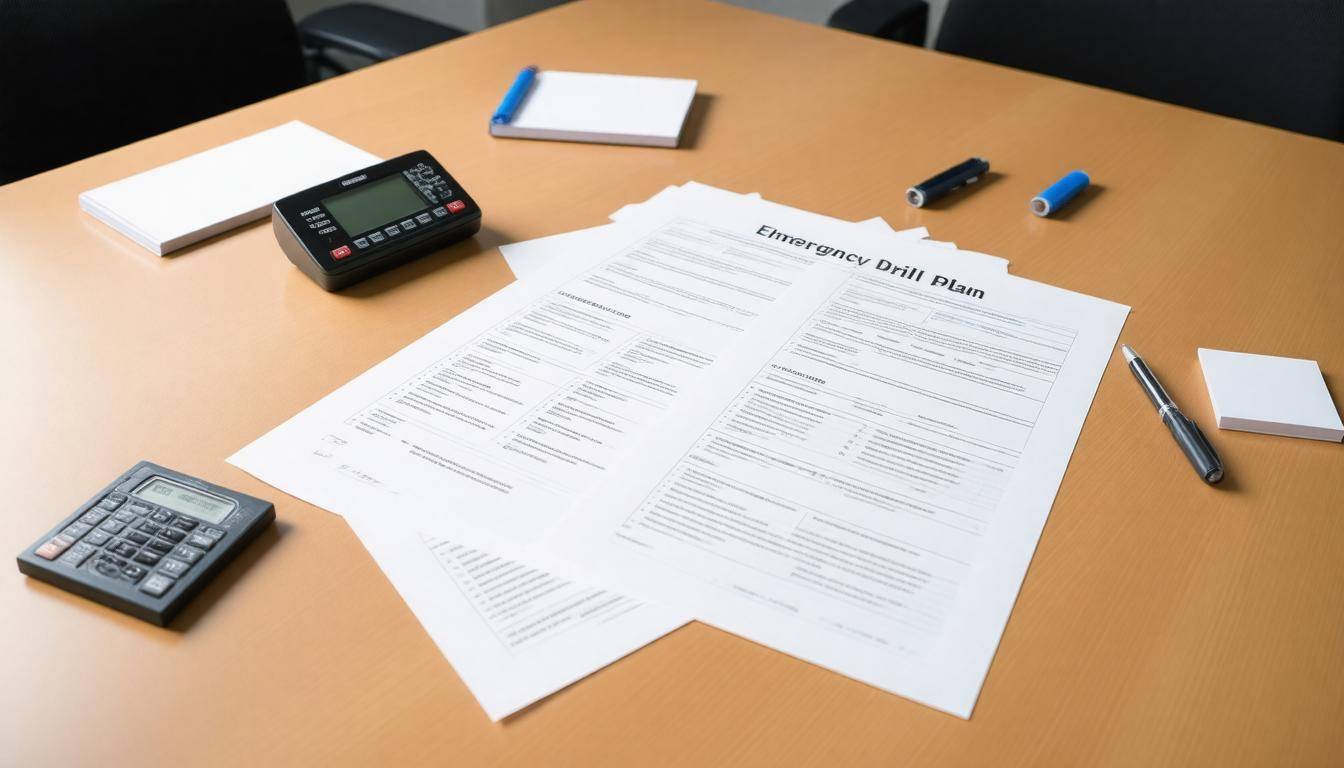
At the heart of any emergency drill is the importance of crafting realistic scenarios that mimic possible situations your team may encounter. This goes beyond simply informing everyone about where exits are located; it’s about simulating real-life situations that can create pressure and test your team’s response in a controlled environment. For example, imagine conducting a fire drill where the smoke alarms go off unexpectedly, forcing employees to quickly remember safety protocols amidst a sense of urgency. These carefully thought-out scenarios encourage proactive behavior and help foster a culture of safety.
Let’s consider some specific scenarios: a fire drill might not only entail evacuation but could also include features like a simulated blocked exit, compelling employees to think on their feet and find alternative escape routes. Alternatively, a medical emergency scenario could involve first aid response drills, prompting employees to practice administering basic first aid while under stress, ensuring they are ready to assist their colleagues if necessary.
“Conducting these drills has been invaluable,” shares John, an office safety coordinator. “During our recent fire drill, we simulated a power failure amid the evacuation process. Initially, it was chaotic—people forgot their roles—but that chaos helped refine our plan, creating clarity for future responses.”
Each practice scenario requires participants to assume specific roles for the drill to run smoothly. By assigning responsibilities such as ‘evacuation leader’ or ‘medical responder,’ each person understands their task within the broader context of the emergency protocol. This approach helps build confidence not only in individuals but also fosters teamwork, which is essential during actual emergencies.
Many organizations have found that specific assignments lead to more effective drills. “When we began assigning roles before each drill,” explains Sarah, an HR manager, “we noticed a 40% improvement in response times and overall efficiency during our simulations.”
The significance of personal accountability cannot be overstated when it comes to your team’s readiness for real emergencies. By developing these practice scenarios thoughtfully and ensuring everyone has a defined role, your organization enhances its preparedness even further.
Assigning Specific Roles

The essence of assigning roles lies in ensuring that everyone understands what is expected of them during an emergency. When a drill occurs, chaos can lead to confusion, and that’s when people are at their most vulnerable. By clearly defining roles, you enhance efficiency and empower individuals to feel confident in their ability to act decisively under pressure. Having a structure helps mitigate panic, encouraging teamwork and a collective response.
Role Categories
| Role Category | Description |
|---|---|
| Emergency Coordinators | These key individuals oversee the entire drill process, ensuring that all facets are executed as planned. They act like the conductor of an orchestra, orchestrating every part of the operation to ensure harmony. |
| Floor Wardens | Responsible for specific areas of the building, Floor Wardens ensure their designated sections are evacuated promptly and safely. They track who has exited and make sure no one is left behind. |
| First Aid Responders | Trained to provide immediate medical attention if injuries occur, these responders play a pivotal role. Their readiness can mean the difference between life and death during an emergency. |
| Communication Officers | Tasked with maintaining open lines of communication between employees and first responders, these officers ensure that critical instructions are relayed quickly and efficiently. |
Navigating an emergency situation often hinges on how prepared people are to respond. Assigning specific roles translates into clear responsibilities, leading to faster evacuations and more effective crisis management.
As you implement this structure, consider the importance of accountability as well. Each role carries its own unique weight; for instance, having Safety Officers conduct roll calls at assembly points confirms that everyone is accounted for after an evacuation. This underscores their responsibilities and reinforces the idea that every employee plays a vital part in ensuring safety.
With defined roles established, attention should now shift to how these plans come to life during the actual drills and the importance they hold for overall preparedness.
Executing the Drill
The execution phase is where all the planning comes to life; it’s the moment when employees put their training into action. To kick things off effectively, start the drill by triggering the alarm system, which serves as an essential signal for all staff to respond. This initial step sets the tone for the drill, ensuring that everyone understands it’s time to activate their emergency protocols. Once the alarms sound, it’s important that communication flows quickly and clearly among participants—having reliable communication tools can significantly ease this process.
Here’s how you can set a successful drill in motion:
-
Start with a simulated alarm: This alerts everyone that the drill is commencing and encourages instilled behaviors during emergencies.
-
Utilize clear communication protocols: Ensure all employees know who to listen to during the drill, whether it’s announcements over intercoms or instructions from floor wardens.
Following the alarm, the actual movement of personnel is critical.
Employees should then follow designated evacuation routes or adhere to shelter-in-place procedures depending on the specific scenario being practiced. Evacuation routes should be visibly marked and communicated clearly; employees should be familiar with them before any drill occurs. Remember that practice makes perfect! Encouraging staff to quickly and calmly move towards assembly points fosters confidence in their ability to manage genuine emergencies.
Foot traffic can get chaotic, especially if panic ensues during real situations; however, drills help mitigate this by creating a semblance of order.
As employees evacuate or shelter-in-place, floor wardens have a critical role. These individuals must sweep through their designated areas to account for everyone present, ensuring all employees have either evacuated or adhered to proper protocols. This not only reassures those evacuating but also allows floor wardens to identify and address any issues that may arise during the drill immediately. Empowering specific individuals with responsibilities creates a sense of ownership and accountability that can make a significant difference in real emergencies.
Now, let’s focus on how overall management plays into making this exercise successful.
Emergency coordinators are pivotal in managing the drill’s entirety. They keep track of timing while resolving any arising issues, ensuring the drill runs smoothly. An effective coordinator will also keep an eye on participation rates—you ideally want at least 80% of employees actively involved to maximize preparedness levels across your organization. If some employees are consistently absent from drills, consider investigating potential barriers preventing their engagement.
Key Considerations
Even though these structured processes are designed for safety effectiveness—they serve an equally important role in building a culture of preparedness within your workplace. By prioritizing thorough execution and focusing on maintaining calm and structure during drills, your organization enhances response efficiency during actual emergencies.
Moving forward, evaluating participant reactions and gathering insights from drills can provide valuable feedback, guiding improvements for future preparedness efforts.
Analyzing and Reviewing Feedback
Reviewing feedback is crucial for the ongoing enhancement of emergency preparedness. Once the drill concludes, it’s essential to gather insights from participants through structured methods such as surveys or group discussions. Encouraging everyone—whether they actively participated or simply observed—to share their thoughts can provide invaluable perspectives. Questions like, What aspects worked well? What challenges did you face? and How could we improve? spark genuine conversations and contribute to a richer understanding of the experience.
For instance, imagine that during your emergency drill, many employees felt uncertain about the evacuation routes. Their perceptions can guide significant changes in signage and communication protocols. Gathering this feedback immediately after the drill ensures that impressions remain fresh, fostering an honest dialogue and revealing key areas that might need attention. Implementing anonymous surveys provides an additional layer of comfort for employees to voice concerns they might hesitate to discuss openly.
Incorporating Feedback
After collecting feedback, the next step involves analyzing it for actionable insights.
Careful analysis of participant feedback helps recognize patterns and common concerns. For example, if multiple individuals mention confusion surrounding exit locations or the timing of announcements, these observations should be prioritized. It can be helpful to categorize feedback into themes—such as communication issues, resource availability, or training gaps—making it easier to identify what requires immediate attention.
“We found that many employees were confused about the location of the nearest exit during our drill. This feedback helped us install additional exit signs,” notes Jane, an office manager.
This statement encapsulates how constructive criticism not only reveals deficiencies but also drives practical solutions. With a focus on actionable items, updating your emergency plan based on employee input ensures its relevance and effectiveness. Integrating specific recommendations into your plan shows staff that their insights are valued and fosters a culture of continuous improvement.
By adhering to these steps and continuously refining the process with participant feedback, your office can cultivate a strong foundation of preparedness against emergencies. Regular reviews keep everyone alert while promoting safety practices as dynamic rather than static. As you move forward with subsequent drills, consistently improving based on past experiences will significantly enhance everyone’s confidence in handling emergencies efficiently.
In essence, a proactive approach to gathering and applying feedback not only strengthens emergency response plans but also instills a sense of urgency among employees regarding safety measures. Prioritizing these improvements cultivates a workplace environment where safety is everyone’s responsibility.