
In today’s fast-paced work environment, it’s easy to overlook the very real possibility of emergencies. But what happens when a sudden crisis strikes—like a major storm or power outage—and your team is left unprepared? The truth is that having an office emergency food supply isn’t just thoughtful; it’s essential. When my office faced unexpected disruptions in the past, it wasn’t just the food that mattered but the peace of mind that came from knowing we were prepared. In this guide, we’ll explore how to create a well-planned stock of non-perishable food items to ensure that your workplace is equipped and ready to handle any situation calmly and effectively. Let’s dive into how taking these simple steps can make all the difference when it matters most.
The “Office Emergency Food Supply: Complete Guide” includes essential steps for creating a well-planned stock of non-perishable food items suitable for emergencies, with recommendations on specific foods, storage methods, and maintenance tips. It emphasizes the importance of preparing a sufficient supply of nutritious items that meet dietary needs, ensuring your workplace is ready for any potential crisis.

Importance of Office Emergency Food Supply
An office emergency food supply is not just a luxury; it’s a necessity. Imagine this: your team is working diligently when suddenly the power goes out due to a freak storm. Disruptions like these can send shockwaves through any organization, affecting workflow and elevating stress levels among employees. Having a stockpile of non-perishable food means they won’t need to worry about their next meal, allowing them to focus on the tasks at hand—even if the outside world has momentarily forgotten about normalcy.
In emergencies, anxiety often creeps in with uncertainty; however, a pre-set supply can be a stabilizing factor. As personal experience has taught me during natural disasters, knowing that essential resources are available can significantly reduce panic. Much like how comfort food does wonders for the soul in ordinary times, knowing there is something to eat turns frantic thoughts into calmer, clearer decisions. This preparation lessens anxiety while ensuring that employees remain focused and ready.
The act of being prepared creates a foundation from which employees can navigate any crisis smoothly.
Beyond mere sustenance, preparing an emergency food supply offers significant benefits to workplace dynamics.
Boosting Morale and Productivity
When employees realize that their employer cares enough about their well-being to provide an emergency food supply, it builds trust and boosts morale. The feeling of being valued within the workplace reaps rewards—happy employees are productive employees. It’s simple; if people know they have access to basic needs even in an emergency, their attitude towards work and collaboration tends to improve markedly.
A study revealed that organizations with robust contingency plans—including food supplies—reported higher morale and confidence among workers. Symptoms of worry diminish when reassurance resonates throughout the office environment. Moreover, teams become cohesive in navigating challenges together knowing they’re supported. Simply put, employees who feel safe and cared for are more inclined to perform better—a classic case of ’you get what you give.’
But beyond employee satisfaction and productivity, maintaining an emergency food supply also imparts a sense of safety and preparedness that leaves everyone ready for anything.
The sense of safety that accompanies knowing there’s something to fall back on cannot be overstated. Preparing for whatever may come our way instills confidence in both the employees’ and management’s ability to cope with unexpected challenges. As startling as stats might sound—like how FEMA reports 40% of small businesses fail after major disruptions—having an emergency plan can turn the tide significantly. By integrating a structured food supply into your contingencies, you’re not just checking a box; you’re proactively enhancing your company’s resilience against potential crises.
As we continue to explore this concept, understanding the range of situations that necessitate such preparedness is vital for comprehensive planning.
Types of Emergency Situations
Different emergencies necessitate varied preparations, affecting how we stock our office emergency food supply. One of the most immediate concerns in urban areas is natural disasters. Earthquakes, hurricanes, snowstorms, and floods can disrupt access to resources like food and clean water within moments. For example, during a sudden earthquake, building infrastructure may be compromised, leading to challenges in reaching supplies and ensuring overall safety. Having a pre-stocked emergency food supply becomes critical; it acts as a buffer against the chaos that follows such events.
But natural disasters aren’t the only threat we need to consider.
Power Outages
Power outages can also lead to significant disruption. Whether from storms or grid failures, outages can last from a few hours to several days. During this time, refrigeration fails and perishable items spoil, creating a pressing need for non-perishable food sources like granola bars or canned goods. These items don’t just sustain hunger; they provide necessary comfort during an otherwise stressful situation.
Lockdowns are another scenario often resulting from security threats or health emergencies, such as pandemics. As we experienced recently, lockdowns can limit movement significantly, forcing individuals to rely on whatever supplies they have within their homes or offices. Without adequate stockpiles, the anxiety of scarcity rises sharply, feeding into a sense of panic.
Understanding these scenarios is essential for creating an effective emergency food supply strategy.
Real-Life Examples
Consider what happened during the COVID-19 pandemic when businesses shut their doors overnight. In the ensuing chaos, many people didn’t consider their office’s food supply until it was too late. Well-prepared offices turned into safe havens where employees found comfort amid anxiety because they had stocked their pantry with enough supplies to support their teams over weeks. In 2022, an earthquake in California trapped employees in office buildings for over 24 hours. Food supplies became crucial but weren’t available in all workplaces leading to severe discomfort and stress among staff.
The importance of tailoring your emergency food supply according to these different emergency types cannot be overstated; taking time to assess your most likely risks allows you to prepare accordingly—you can choose items that last longer based on storability and caloric needs while still offering variety. This isn’t merely about avoiding hunger; it’s about ensuring psychological wellbeing in the midst of stressors that would typically overwhelm us.
With these considerations in mind, the focus now shifts to identifying suitable food options that will effectively meet your preparedness goals.
Selecting the Right Foods
When curating an emergency food supply, it’s vital to prioritize items that offer both nutritional value and extended shelf life. During times of crisis, you want your team to have access to meals that not only fill their stomachs but also support their overall well-being. A well-stocked pantry can be a beacon of comfort when the world outside feels uncertain.
High-Energy Foods
To kick things off, incorporating high-energy foods into your supply is essential. Think about items like granola bars, dried fruits, and nuts; they’re lightweight yet packed with calories and nutrients. These offerings serve as perfect quick bites that can help sustain individuals during short-term emergencies.
Granola bars are easy to store and typically enjoyed by most people. Dried fruits like apricots or raisins deliver natural sugars and dietary fiber, making them both tasty and healthful. Nuts pack a protein punch while providing healthy fats – they’re a fan favorite for a reason!
Pairing these high-energy foods with containers that block air and moisture adds another layer to your storage strategy, further extending their shelf life.
Variety and Dietary Needs
It’s crucial to include a variety of options that cater to diverse dietary requirements. Not everyone has the same nutritional needs or preferences, and being considerate of those differences is key to keeping morale high during emergencies.
For instance, canned beans are an excellent source of protein for vegetarians, while ready-to-eat chicken or turkey appeals to meat-eaters. It’s about bringing everyone together at the table—even if it is a makeshift one!
But don’t stop there—consider other versatile choices like whole-grain crackers that provide crunch and fiber; peanut butter offers rich protein in a convenient package; canned fruits stored in water provide refreshing hydration; and instant oatmeal stands ready for breakfast.
- Whole-grain crackers
- Peanut butter
- Canned fruits in water
- Instant oatmeal
By selecting these thoughtful foods, you’re creating an inclusive emergency food supply that meets multiple needs in the office, ultimately helping minimize stress during challenging times. Preparing effectively is not just about food; it’s about creating a sense of community and reassurance when it matters most. As we explore further, let’s look into how to build a comprehensive kit that ensures everyone is ready for any situation that may arise.
Assembling an Emergency Kit
The process of assembling an emergency kit is crucial for ensuring you’re prepared when unexpected situations arise. It begins with gathering all the supplies you’ve identified as necessary, which includes a variety of non-perishable food items. Ideally, these should sustain each person in your household for at least three days. As you select these foods, think about not just quantity, but also nutritional balance; incorporate proteins, carbohydrates, and vitamins to maintain energy levels.
Step-by-Step Guide
Step I – Gather Supplies
Begin by creating a checklist of the chosen non-perishable items you’ve decided on. This could range from canned goods like beans and vegetables to nutrient-rich granola bars and even dehydrated meals.
As you collect these items, pack them systematically into a storage bin or backpack that remains accessible yet secure. Organizing items into categories can make it easier to find what you need in an emergency. For instance, grouping canned goods may help you access your food quickly when every second counts.
Step II – Essential Add-ons
Next, it’s time to add essential utensils and other tools that will help you use your food efficiently. Just imagine trying to eat without a can opener or having to resort to eating dry oatmeal straight from the packet! Include disposable utensils, paper plates, and whatever condiments or spices you enjoy using on meals to enhance flavor—small comforts can make a considerable difference during stressful times.
Having a manual can opener is key; it keeps you independent from not only electric appliances but any complexities related to power outages.
Step III – Emergency Gear
Once your food supplies are ready, shift your focus toward other vital gear that could be necessary in emergencies. Make sure to incorporate items such as batteries for flashlights, which will provide much-needed visibility in the dark. A well-stocked first-aid kit is also invaluable; consider including band-aids, antiseptic wipes, and pain relievers so that minor injuries don’t become major setbacks during challenging times.
Moreover, securing important documents—including identification cards and insurance papers—inside a waterproof bag protects your essential paperwork from damage.
Step IV – Label and Date
Finally, labeling and dating each item might seem tedious but plays a significant role in organization and safety. Write down the purchase date as well as the expiry date on each item when you’re packing. This not only helps keep track of freshness but serves as a reminder for timely rotation of supplies—ensuring nothing goes bad while waiting for an emergency situation.
Regularly reviewing these labels every few months promotes maintenance of your preparedness supply.
By following this straightforward approach to assembling an emergency kit, you’ll create a comprehensive resource designed to prepare you for various circumstances. With that said, let’s examine how properly organizing these supplies can enhance effectiveness during emergencies.
Storage Solutions for Offices
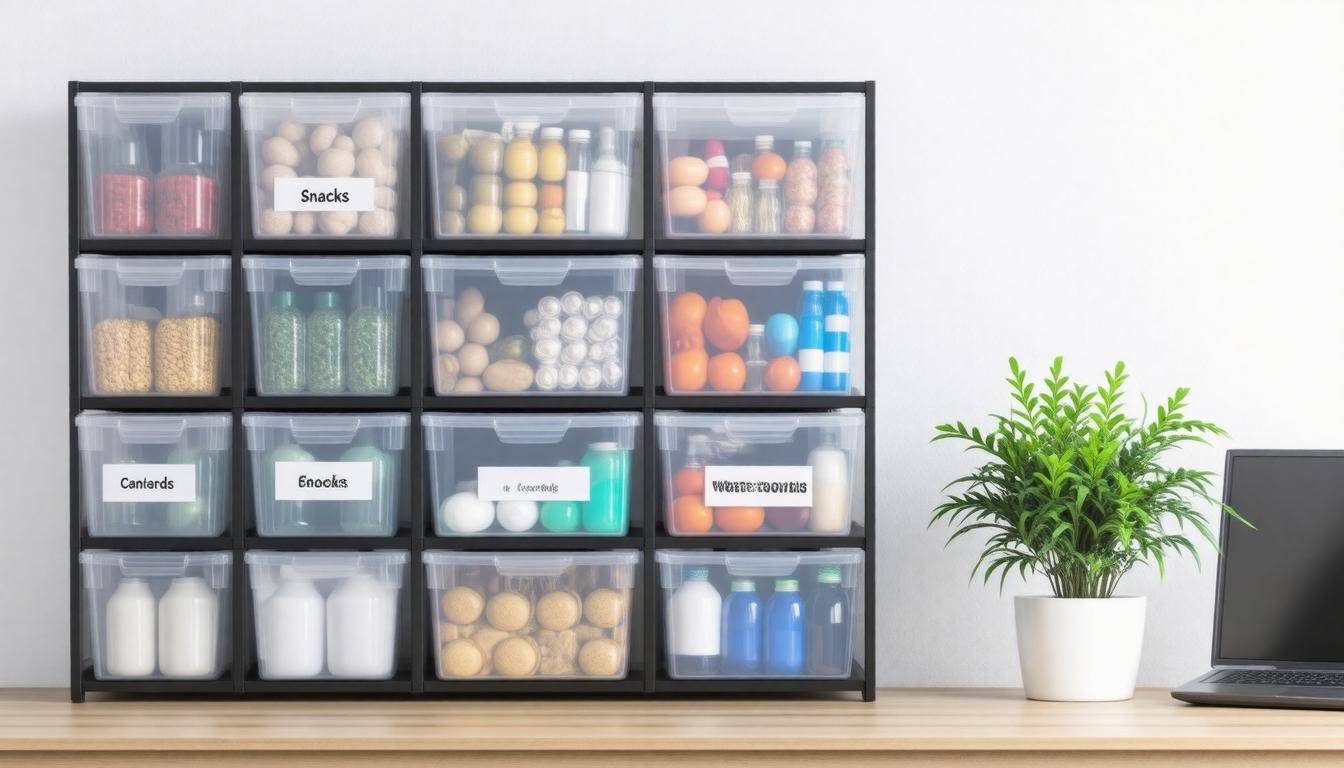
Proper storage not only preserves the quality of your emergency food but also ensures that it remains accessible when needed most. Imagine an office in disarray during a crisis; the last thing anyone wants is to scramble around looking for sustenance. That’s why establishing a methodical approach to food storage can bolster calmness and clarity amidst chaos.
Best Practices for Storage
Start by choosing a cool, dry place – think of areas away from direct sunlight or heat sources that could spoil your food quickly. An optimal storage environment prolongs shelf life, transforming emergency supplies from mere items on a shelf into reliable provisions ready at a moment’s notice. Using airtight containers can further improve this. These containers create a barrier against moisture and pests, keeping your supplies fresh and safe.
Consider repurposing locked cabinets under desks, which might otherwise go unused, for this purpose. Labeling these containers clearly with contents and expiration dates makes it easy for everyone to identify what they’re looking for without second-guessing themselves. If your organization has dedicated storage rooms, equip them with secure shelving where bins can be stacked neatly. Utilize bins of varying sizes for different types of items: larger bins can hold canned goods while smaller ones may contain packets of dried foods or snacks.
Consistency is key when it comes to maintaining order in storage locations across the office. When everyone knows where to find the emergency food supply, panic and confusion decrease significantly during a crisis. To achieve this, you might want to create a simple schematic or layout displayed prominently in common areas that detail where items are located. Imagine this visual aid as a map leading to safety—knowing that route in advance reduces anxiety when moments matter most.
Good storage practices enable not only preservation but also peace of mind, knowing that your team can access nourishment promptly should the need arise. Remember – it isn’t just about stocking up; it’s about strategizing how and where you store those valuable resources effectively.
Understanding the intricacies of proper storage paves the way for evaluating what specific food items will best serve your team’s needs in times of crisis.
Nutritional Needs and Non-Perishable Options
Ensuring nutritional balance is vital when selecting non-perishable options for your office emergency food supply. It’s easy to grab chips or candy bars that may seem convenient, but relying solely on high-calorie snacks won’t provide the energy or nutrition necessary for employees during prolonged emergencies. Instead, consider creating a diverse stockpile of foods that covers all essential dietary categories—carbohydrates, proteins, fats, and fiber—so that employees feel satisfied and energized.
Balanced Diet Considerations
Aim for a mix of carbohydrates, proteins, fats, and fiber. This means looking for foods like whole grains for carbs, canned beans for protein, nuts for healthy fats, and dried fruits or vegetables for fiber. Each of these food groups plays a unique role: carbohydrates provide quick energy, proteins assist in muscle recovery and immune functioning, healthy fats support cellular health, while fiber keeps digestion in check. All are crucial components for maintaining overall wellbeing.
While it might be tempting to just stock up on high-calorie snacks, balanced options can maintain energy levels and overall health over an extended period.
Crafting a well-balanced pantry isn’t just about variety; it’s about making thoughtful choices that will nourish codependently through tough times.
Non-Perishable Food Examples
There are numerous non-perishable foods that fit the bill perfectly. For instance:
-
Canned tuna packs a protein punch while remaining shelf-stable.
-
Dried lentils churn out massive amounts of protein without souring over time.
-
Whole-grain cereals offer both crunch and fiber—perfect to start any day—even during a crisis.
-
Dehydrated vegetables can easily supplement any meal with vitamins and minerals typically lacking in other staples.
Adding these types of foods to your emergency supply not only reflects concern for your team’s immediate hunger but also shows foresight into their long-term health.
Incorporating these options ensures the nutritional needs of employees are met even during prolonged emergency situations. Having a stockpile of nutritious food can help alleviate stress during emergencies—instead of worrying about where the next meal will come from, employees can feel secure knowing their nutritional needs are accounted for. By prioritizing nutrition in your emergency food supplies, you create not only a safer workplace but a healthier one as well.
In the grand scheme of preparation, it’s essential to foster an environment where people not only survive difficult circumstances but thrive within them. As we look towards setting up robust systems and protocols for effective readiness, it’s important to ensure that the team is prepared both mentally and physically.
Preparing Your Company and Team
To create a resilient workplace, engage your employees through comprehensive training sessions. These sessions should focus on clearly outlining the contents and locations of your emergency food supply. Imagine a scenario where a crisis strikes, and the very people who need access to these resources are unfamiliar with their location. By holding informative meetings to unveil the supply kit, employees can familiarize themselves with what’s available and how to use each item.
Training Sessions
The importance of conducting regular training sessions cannot be overstated; consider making them part of your company’s routine. Depending on the size of your team, you might choose monthly or quarterly sessions. A good approach is to leverage various learning methods—interactive presentations, hands-on demonstrations, and engaging discussions about eating habits or dietary restrictions in emergencies. This creates a familiarization loop where employees feel informed and prepared to act, rather than panic-stricken.
The key is continuity; each session should reinforce previous training while introducing new information related to your emergency preparedness plan. Incorporate visuals like checklists or maps that provide quick references during an actual emergency.
Simulated Drills
Now imagine practicing these newfound skills—this is where simulated drills come into play. Implementing mock drills allows the team to experience real-life scenarios without the pressure of an actual situation. For instance, once every quarter, stage an evacuation drill where employees must locate and retrieve their emergency supply kits within a set time frame.
Such high-pressure exercises boost not only individual competence but also collective efficiency. Employees quickly learn how to collaborate under stress, spotting weaknesses in their responses as they work together toward safety.
Don’t forget to debrief after each drill—it’s a crucial step! Gather feedback about what went well and what didn’t. Perhaps an employee noted that certain items were hard to find or that someone didn’t know how to utilize specific supplies. Documenting these insights will enable ongoing adjustments to your emergency prep plan, ensuring you’re always moving towards enhanced readiness.
All of these efforts contribute to fostering a culture of preparedness within your workplace—one where every team member feels equipped and confident in times of need. As we turn our focus now toward formulating detailed plans for emergencies, it’s essential to recognize how proactive measures can ensure everyone’s safety.
Creating an Emergency Preparedness Plan
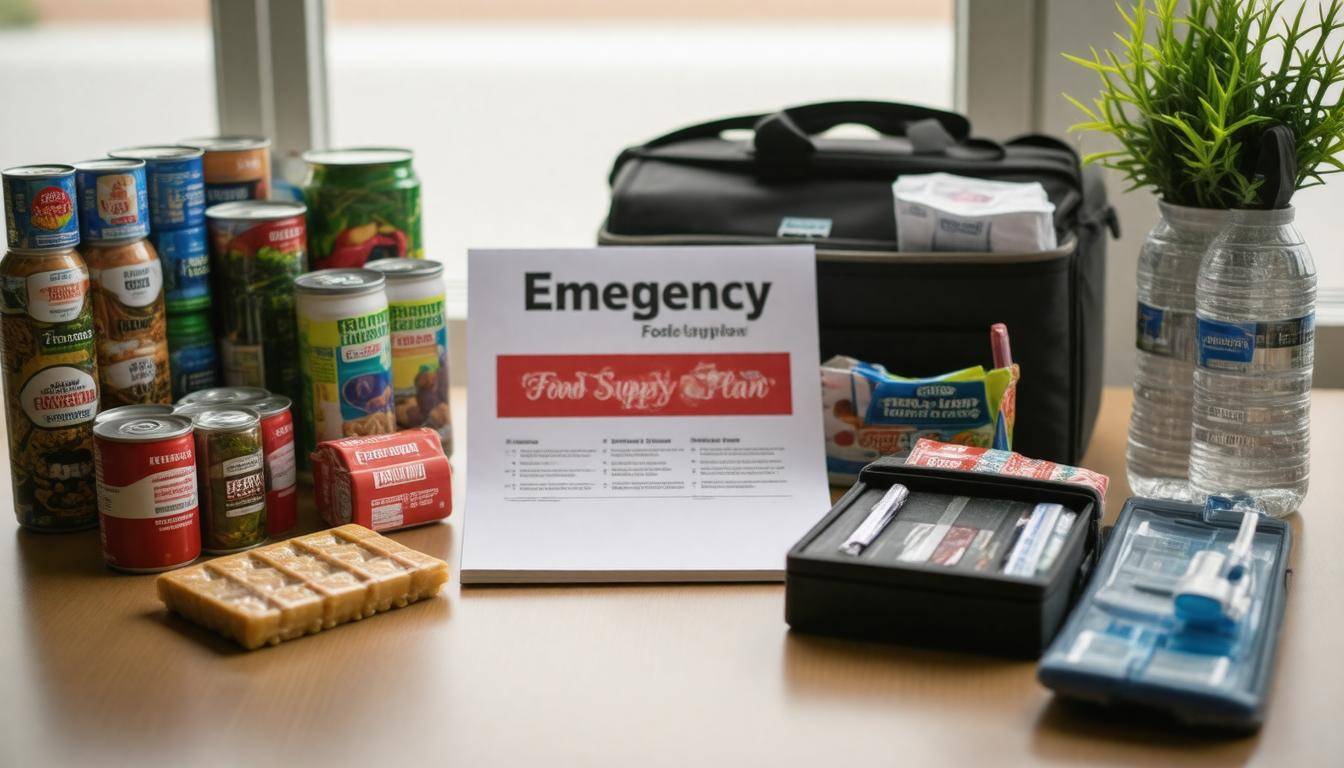
A comprehensive emergency preparedness plan can significantly improve how effectively an office handles a crisis. It outlines procedures for emergencies and fosters confidence among employees, ensuring that everyone knows what to do and when to do it. By establishing a structured approach, you cultivate a culture of readiness that minimizes panic and protects lives during unforeseen events.
Components of a Solid Plan
The first step in implementing this plan is conducting a thorough risk assessment specific to your office location and industry. Identify both natural disasters—such as floods or earthquakes—and human-made risks, like workplace violence or power outages. This tailored assessment enables your team to focus on potential threats relevant to your unique environment and craft appropriate response strategies; knowing “what could happen” is pivotal in shaping your plan.
Once those risks are identified, it’s crucial to ensure communication, which brings us to our next step.
Step I – Risk Assessment
After pinpointing the risks, the next stage focuses on clear and effective communication. Developing a communication strategy enhances your office’s ability to react promptly during crises. Consider multiple channels for relaying crucial information, such as email notifications alongside text alerts or even public address systems.
Communication is the thread that ties all other components of your plan together; without it, chaos ensues.
Ensure everyone knows how to receive information in real-time because timely updates can save lives. Additionally, prepare templates for different scenarios so your team knows exactly what information needs to be communicated under various circumstances.
With a robust communication strategy in place, we now turn to assigning roles within your team.
Step II – Clear Communication
Assigning specific roles clarifies expectations and responsibilities during an emergency. For instance, designate floor wardens who ensure everyone follows evacuation protocols while others assist individuals with disabilities or gather essential supplies.
These role assignments foster accountability and empower individuals within the organization. When each person understands their role, they can act decisively rather than hesitating due to uncertainty.
Having pre-defined roles promotes efficiency and reduces confusion when every second counts.
It’s critical that your preparedness plan remains dynamic, requiring regular updates as circumstances change.
Step III – Assign Roles
Revisit and update the plan regularly; ideally quarterly or semi-annually—to adjust for new risks or changes in the office layout. If you move to a new building or hire new staff, it’s vital to reevaluate existing protocols to encompass fresh elements.
This habit of reassessment enhances safety and reinforces the importance of preparedness among employees. The more familiar your team becomes with the plan through repeated exposure, the more instinctual their reactions will become in an actual crisis.
Finally, having a competent plan means it must comply with necessary regulations.
Step IV – Regular Updates
Ensuring that your emergency preparedness plan complies with local regulations provides an added layer of security and readiness. Familiarize yourself with guidelines set by health departments and safety organizations applicable to your region or industry. Compliance isn’t just about legality; it often encompasses best practices that help reduce risks during emergencies.
In this way, you’re not only working proactively but also staying aligned with established standards that maximize your operational resilience. Awareness of regulatory requirements ensures you’re equipped with effective strategies and demonstrates a commitment to employee safety.
Each section builds logically on the previous one, creating a comprehensive guide that prepares your office for any emergency situation. By implementing these components into your emergency preparedness plan, you foster an empowered workforce that values safety and responsibility. Your dedication toward being prepared is a crucial step in ensuring everyone’s well-being during unexpected events.
What strategies can be implemented to educate employees about the importance of the office emergency food supply?
To effectively educate employees about the importance of an office emergency food supply, companies can implement interactive workshops that demonstrate potential scenarios where such supplies would be crucial, alongside creating visually engaging communication materials like posters and infographics. Incorporating gamification, such as quizzes or challenges related to survival skills, can further engage employees. According to a 2022 survey by the National Safety Council, 67% of employees were unaware of their workplace’s emergency preparedness policies, highlighting a clear need for proactive and fun education strategies to raise awareness and foster a culture of preparedness.
What types of food should be included in an office emergency food supply?
An effective office emergency food supply should include non-perishable items like granola bars, canned goods, dried fruits, nuts, and ready-to-eat meals. These foods are lightweight, have a long shelf life, and require no cooking or refrigeration, making them ideal for quick access during an emergency. According to a survey by the American Red Cross, 60% of people do not have an emergency kit prepared, highlighting the importance of being proactive in office preparedness. Having a stock of nutritious food can sustain employees and maintain morale during unexpected situations.
What considerations should be taken into account regarding dietary restrictions when assembling an office emergency food supply?
When assembling an office emergency food supply, it’s crucial to consider dietary restrictions such as allergies, intolerances, and lifestyle choices (e.g., vegetarianism or veganism). According to a 2022 survey, about 32% of people identified as having some form of dietary restriction. Including a variety of options that cater to these needs—like gluten-free snacks or plant-based meals—ensures that all employees can access safe and satisfying food during an emergency, promoting inclusivity and overall morale in the workplace.
How often should the emergency food stock be inspected and rotated?
Emergency food supplies should be inspected and rotated every six months to ensure freshness and usability. According to the USDA, canned food can last for years, but quality diminishes over time; therefore, regular inspections help identify expired items and maintain optimal stock levels. Rotating your supply not only ensures a reliable food source during emergencies but also promotes better eating habits in the workplace by integrating older items into regular meals.
How much food per employee is recommended for an effective office emergency supply?
For an effective office emergency food supply, it is generally recommended to have at least a three-day supply of food per employee, amounting to approximately 1,500 to 2,000 calories per day. This ensures that individuals have sufficient nutrition during unforeseen circumstances, such as natural disasters or extended office lockdowns. According to the American Red Cross, having enough non-perishable items like granola bars, canned goods, and dried fruits can significantly alleviate stress and maintain morale in crisis situations.