
When you think about your office, you might picture a place filled with bustling employees, ringing phones, and the hum of printers. But what happens when that familiar environment suddenly turns chaotic due to an emergency? Preparing for unforeseen events is crucial—yet many of us often overlook the importance of having an Office Emergency Kit. It’s not just about keeping some snacks and water in a drawer; it’s about ensuring that everyone has access to essential supplies and can stay safe when disaster strikes. In fact, a well-organized emergency kit could be the key to responding effectively during critical moments, allowing employees to feel more secure and confident amid uncertainty. So let’s dive into what your office needs to be fully prepared!
An Office Emergency Kit complete checklist should include essential items such as bottled water (one gallon per person per day for three days), non-perishable food like energy bars, a basic first aid kit, flashlights with extra batteries, communication tools such as a whistle and maps, and hygiene essentials like hand sanitizer and facial tissues. Additionally, ensure you have special needs items for any employees who may require them, such as personal medications or medical supplies.
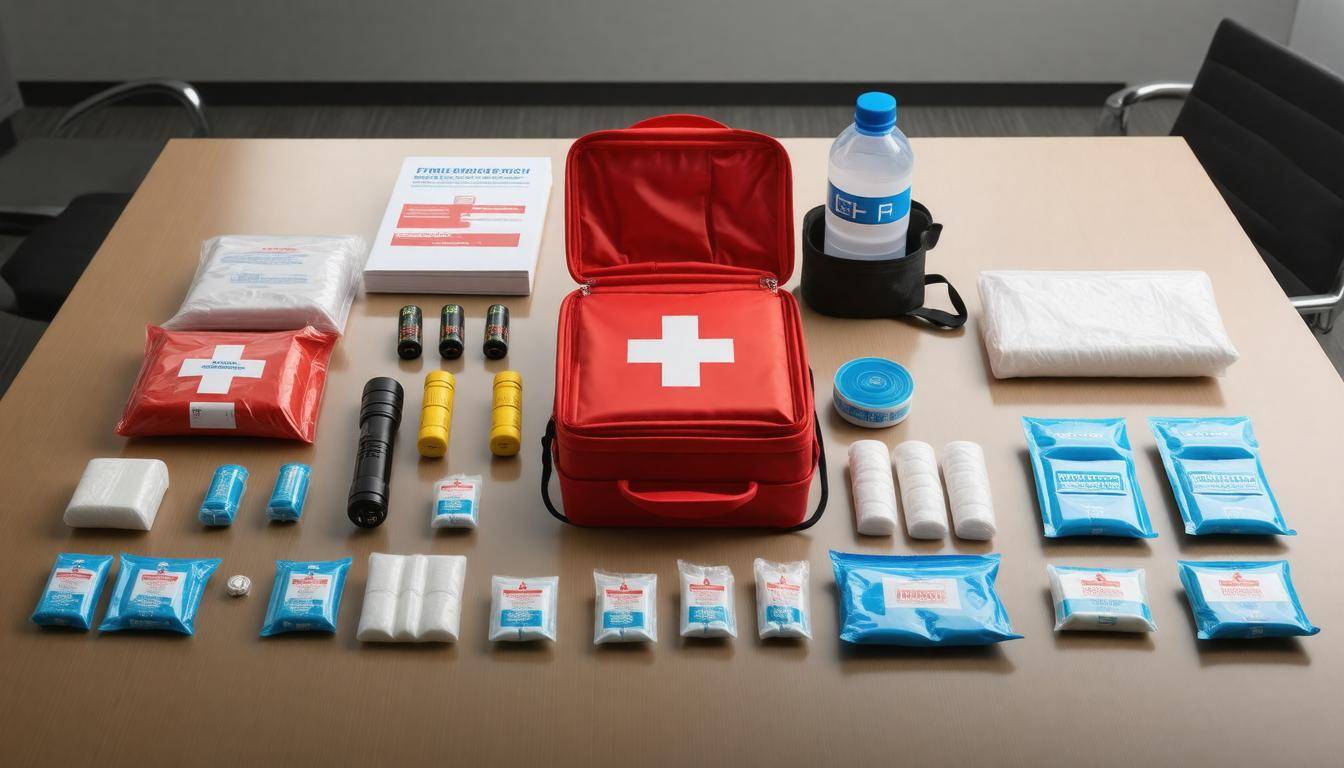
Essential Office Emergency Kit List
First and foremost, bottled water is paramount. FEMA recommends at least one gallon per person per day for three days. Think about it: when an emergency strikes, access to clean water becomes critical. This gallon serves not just as a drinking supply but can also be used to sustain hygiene and aid in first aid if needed.
Next on our list are non-perishable food items. Despite the instinct to stock up on gourmet snacks, energy bars and canned goods with long shelf lives are best. They provide necessary calories and nutrients without requiring cooking or refrigeration—making them incredibly valuable during times when you have limited resources.
The inclusion of a basic first aid kit can’t be overstated. In addition to adhesive bandages and antiseptic wipes, ensure it’s stocked with gauze pads, adhesive tape, scissors, and gloves. You never know when a small injury can escalate because of inadequate care during emergencies; having this kit can make all the difference.
Another critical component is flashlights along with extra batteries. Power outages can happen even in minor emergencies, leaving you in complete darkness. An LED flashlight is recommended for its brightness and longevity, while extra batteries ensure that your light source stays functioning when you need it most.
Don’t forget a dust mask. While often overlooked, this simple item helps protect against hazardous materials or harmful dust particles that may fill the air during disasters like fires or chemical spills. Having several masks in your kit will help keep everyone safe.
For signaling help or finding each other in chaos, a whistle is an ingenious addition. Unlike shouting for assistance—which can strain your voice—a whistle can carry much farther, conserving energy for lengthy durations if rescue becomes necessary.
And let’s not overlook the multifunctionality of a multi-tool or knife. This handy tool can assist in various tasks—from opening cans of food to making repairs around the office—making it a versatile necessity in any emergency scenario.
Now consider adding additional supplies like hygiene essentials, including hand sanitizer and antibacterial wipes. These items go beyond cleanliness—they prevent the spread of germs when clean water isn’t available.
Finally, think about special needs considerations—such as personal medications or specific health-related items required by coworkers. This attention to individual needs ensures that everyone is prepared and cared for during difficult times.
Remember, the right mix of supplies increases your chance of survival significantly. A well-planned office emergency kit doesn’t just sit idly on a shelf; it represents proactive planning that prepares everyone for potential emergencies, ensuring both safety and confidence should a crisis occur.
As we consider these essential supplies, it’s crucial to also focus on another critical aspect that further supports well-being in emergencies—first aid essentials that could prove vital during crises.
Medical Supplies
When unexpected injuries arise, the ability to act promptly is crucial. That’s where a well-stocked first aid kit comes into play; it acts as your immediate line of defense. Imagine a minor burn from a hot coffee spill or someone slipping and falling—having proper supplies at hand can make all the difference. The items you include should be tailored to the specific needs of your office environment, ensuring that you are prepared for the variety of mishaps that could occur.
Included Items
-
Adhesive Bandages (various sizes): Essential for protecting small cuts and abrasions. It’s wise to stock several sizes to cater to different injuries.
-
Sterile Gauze Pads: For larger wounds, gauze pads not only absorb blood but also keep the area protected from infection. Ensure they are sterile for maximum effectiveness.
-
Antiseptic Wipes: Quick and efficient, these wipes can sanitize an area before applying a bandage or dressing.
-
Tweezers: An indispensable tool for removing splinters or debris that might find their way into cuts and scratches.
-
Scissors: Critical for cutting tape, gauze, or even clothing if it becomes necessary to access an injury.
-
CPR Mask: This protective device allows for safe mouth-to-mouth resuscitation should CPR be needed.
-
Burn Cream: Useful for treating burns by cooling them down and providing relief from pain.
-
Splints: Essential for immobilizing broken bones or sprained joints until professional medical help arrives.
The American Red Cross emphasizes that a first aid kit should be customized according to the number of employees. For example, an office with 20 employees should have double the amount of supplies compared to one with just 10. This statistic underscores how vital it is to regularly assess your kit against your office size and potential risks.
Always remember to check expiration dates on items like antiseptics or medications within your first aid kit. A well-maintained kit can enhance your response in urgent situations where every moment counts.
Beyond having the right supplies, understanding how to use them correctly is crucial. Familiarize yourself and your colleagues with the contents of the first aid kit; holding training sessions can ensure everyone knows what to do when an emergency strikes. By being proactive rather than reactive, you’re not just stocking supplies; you’re creating a culture of safety within your workplace.
As we focus on preparedness, let’s turn our attention to essential provisions that play a critical role in sustaining health during unforeseen circumstances.
Food and Water Provisions
Nutritional needs cannot be overlooked, especially in an emergency situation where your regular food and water supply might be disrupted. Stocking up on basic provisions is essential for maintaining health and energy when resources become scarce. Each person should store at least 2000 calories per day of non-perishable food. While this may sound daunting, plenty of options promote good energy levels and are easy to store.
Caloric Needs
To meet caloric requirements effectively, consider incorporating items like granola bars, dried fruits, jerky, and canned beans—the perfect blend of nutrition and convenience. Granola bars are packed with energy and require no preparation. They come individually wrapped, making them easy to grab and go!
Dried fruits and nuts provide necessary vitamins and have a long shelf life, making them ideal candidates for your emergency stockpile.
Canned goods such as beans or vegetables boost meal versatility while being easy to heat or eat straight from the can without cooking.
Avoid overly processed foods high in sugar or lacking in essential nutrients. Think about balance; include a mix of carbohydrates for energy, proteins for muscle maintenance, and fats for longer-lasting energy. Whole grain crackers paired with peanut butter serve as a simple yet satisfying meal alternative when other foods aren’t available.
Water Purification
When it comes to hydration, storing commercially bottled water is generally a safe bet. However, remember that bottled supplies will eventually run out or can be compromised. This is where water purification tablets or portable water filters become vital tools in your emergency kit. These items help ensure access to safe drinking water if local sources are contaminated or unavailable.
It’s recommended to keep at least one gallon per person per day for three days as part of your emergency supply. If you have a larger office or group, multiplying this figure over the number of people will provide a more accurate picture of how much water you’ll need to store. Additionally, consider rotating your supplies every six months to keep everything fresh—the last thing you want is expired emergency food when you need it most.
As you build your emergency kit with these essentials, don’t overlook the importance of reliable light sources and power supply options during unforeseen events.
Lighting and Power Sources
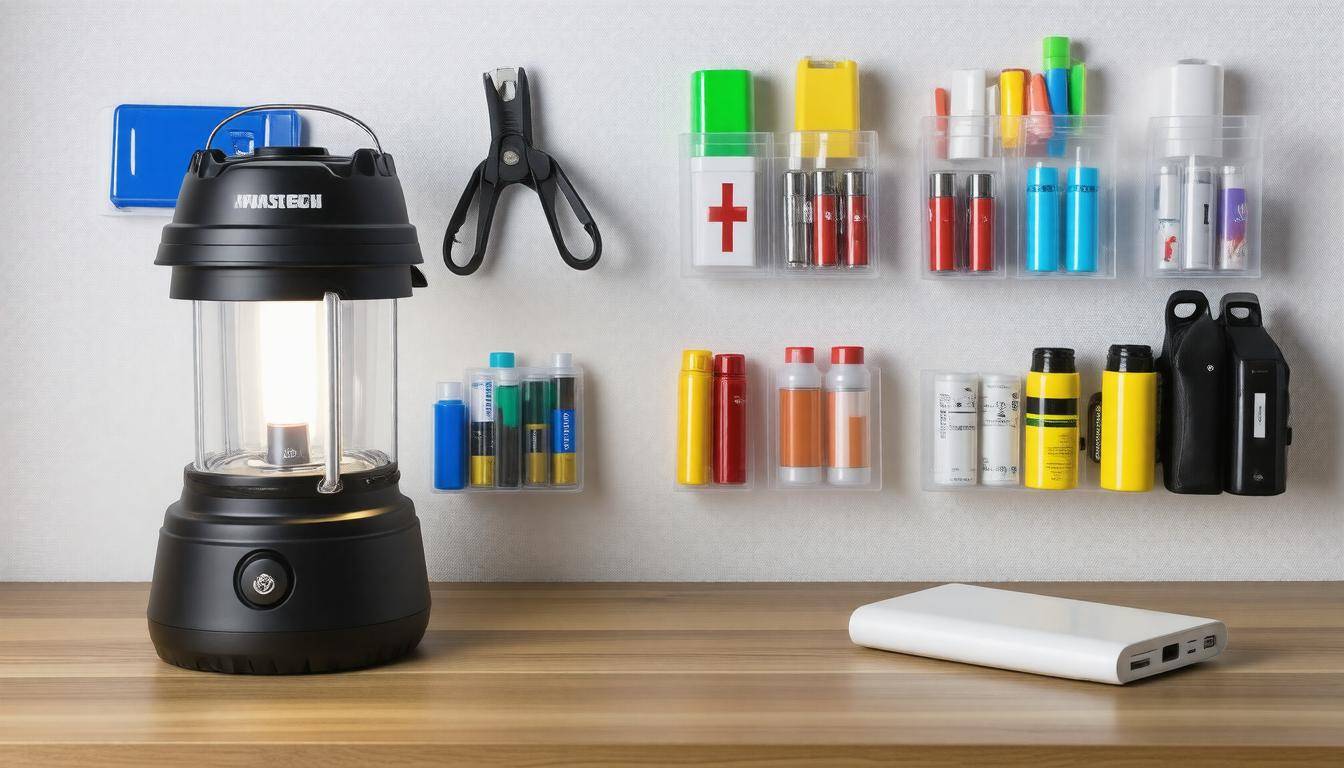
Emergencies can leave you without electricity, turning familiar spaces into dark and disorienting voids. Reliable light options can make a world of difference. They illuminate surroundings and facilitate communication, enabling you to navigate through potentially hazardous areas safely. When selecting lighting devices for your office emergency kit, consider both functionality and sustainability; these factors will be invaluable during a crisis.
Light Options
One excellent lighting source is the hand-crank flashlight. These devices are advantageous as they don’t rely on batteries, which can die out just when you need them most. Instead, you create your own energy by simply cranking the handle, ensuring you’ll have light when everything else fails. They’re lightweight and portable, making them easy to store in your emergency kit.
Similarly, solar-powered lanterns stand out as another sustainable option. They harness sunlight during the day so you enjoy bright illumination once night falls—absolutely crucial during extended power outages. Being eco-friendly enhances their appeal, eliminating worries about battery disposal.
A recent study from Ready.gov recommends having at least one flashlight per person in your office emergency kit along with a backup light source like a solar-powered lantern. This significantly reduces the risk of injuries during emergencies by helping people see clearly when conditions become challenging.
Additionally, consider adding LED headlamps to your collection of light sources. These are fantastic because they allow for hands-free illumination while performing tasks or navigating through dark areas. With an adjustable strap to fit snugly on your forehead, you can illuminate any project without needing to hold a flashlight.
Moreover, it would be wise to include various power sources alongside these lighting options to enhance functionality during emergencies.
Power Sources
In situations where conventional power supplies are compromised, portable power banks should become essential companions in your emergency kit. These handy devices recharge your essential electronics—like cell phones or tablets—when traditional outlets aren’t available. Opt for solar-powered power banks since they charge themselves using sunlight, providing an endless supply of energy when needed most.
Another practical addition would be battery-operated generators designed specifically for temporary use during power outages. While these may require refueling or battery replacements eventually, their ability to provide consistent energy makes them invaluable when in dire need.
Together with proper maintenance and regular checks to ensure these systems are operational, staying prepared instills confidence in knowing you’ll have light and power even through tough situations.
By focusing on quality lighting and reliable power sources, you’re not only enhancing safety but also fostering reassurance among everyone during uncertain times.
Safety and Survival Gear
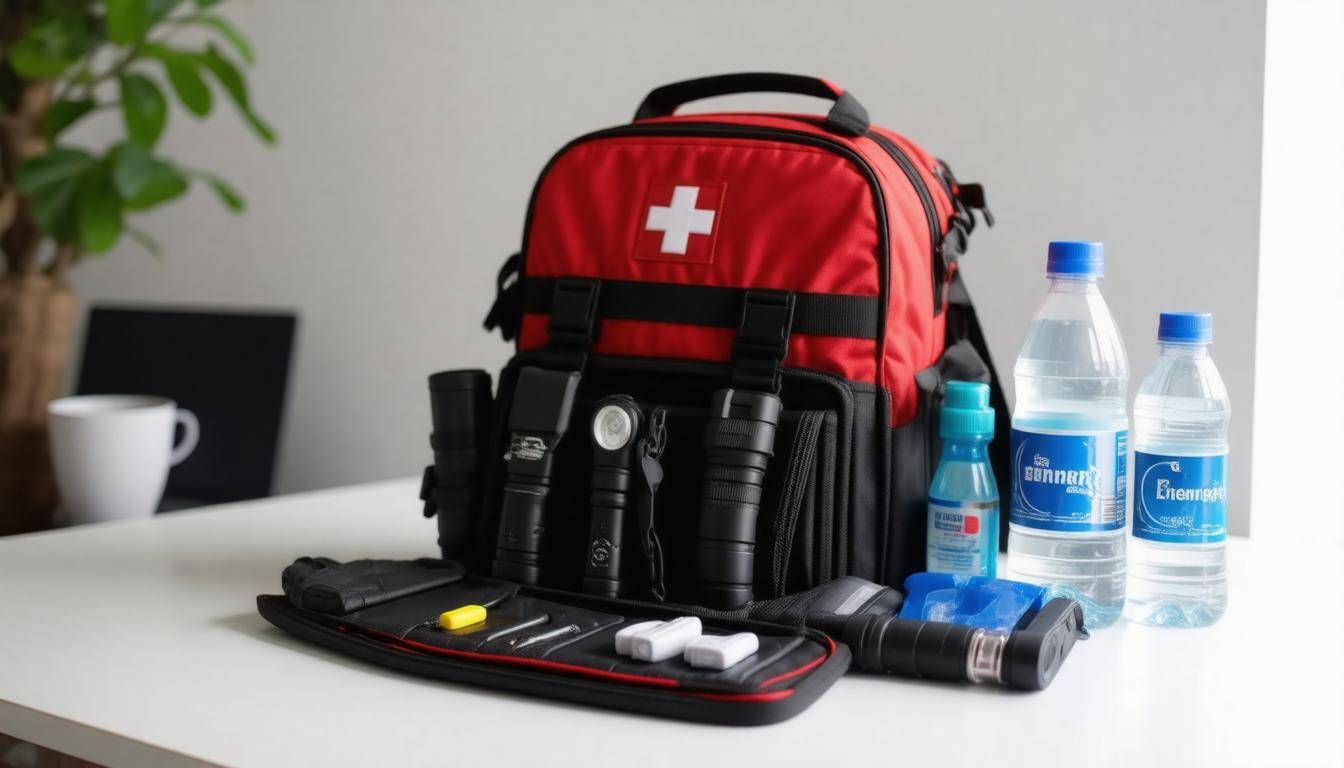
In addition to basic necessities like food and water, specialized safety gear is crucial for survival in hazardous conditions. A well-stocked office requires more than just pens and paper. When an emergency strikes, having the right safety equipment can mean the difference between managing the situation effectively and facing unnecessary risks.
Practical items such as dust masks will protect you from inhaling harmful particles that can be kicked up during events like building collapses or fires. Leather gloves become indispensable when you need to handle sharp or hazardous debris, protecting your hands from injuries.
It’s easy to overlook these essentials, but many offices underestimate their importance. Emergency blankets are incredibly lightweight and compact; they help retain body heat in cold environments, significantly lowering the risk of hypothermia after a disaster. A personal experience comes to mind: during a recent training session on emergency preparedness, we learned how quickly temperatures can drop after even minor disasters—having those blankets on hand was highlighted as critical.
What might surprise you is that even though these items are small in size, they carry significant weight in their utility. The idea here isn’t just to have them stowed away for show; regular checks and familiarity with their use create confidence among your team during a crisis, bolstering morale and encouraging swift action. Depending on your region and specific threats you might face (like hurricanes or seismic activity), you may want to tailor your safety gear further.
Recommended Equipment
Apart from dust masks and blankets, consider adding other key items into your safety arsenal. A first aid kit stocked with bandages, antiseptics, and necessary medications can provide immediate relief until professional medical assistance arrives. Moreover, having fire extinguishers readily available protects your workspace during emergencies; they’re not just vital but often a legal requirement for workplaces.
It’s essential to remember that many offices overlook these items. Being prepared isn’t merely an act of compliance—it’s also an investment in your staff’s well-being.
As we address survival gear, it becomes equally important to think about how you can organize these supplies effectively to ensure they are accessible when needed. This leads us naturally into examining structured plans that enhance overall workplace preparedness.
Office Preparedness Plan
Developing a thorough office preparedness plan involves more than just collecting supplies; it’s about thinking ahead and ensuring everyone knows their role in an emergency situation. This proactive approach can make all the difference when seconds count.
First, it’s critical to establish an evacuation route that everyone understands. This means identifying clear pathways to exits and possibly conducting walkthroughs so employees feel confident navigating those routes under pressure. Safety signs should be displayed prominently throughout the office.
However, a successful plan hinges not only on routes but also on clear assignments and roles.
Designating emergency roles and responsibilities ensures that there is a structured response when disaster strikes. For instance, assigning a few individuals as safety monitors can help direct people during an emergency. These designated monitors should have additional training in basic first aid, CPR, or fire safety—skills that are invaluable in managing panic and assisting those who might need help the most. Training can include sessions led by local fire departments or other emergency professionals who specialize in workplace scenarios.
Furthermore, communication plays a pivotal role in any emergency scenario.
A well-crafted communication plan is essential for keeping everyone informed during crises. This includes listing methods of contact such as group texts, intercom announcements, or utilizing mobile apps designed for emergencies. Updating this contact information annually can prevent miscommunication. Moreover, coworkers should discuss how they’ll communicate, especially if they are separated at the time of an emergency, emphasizing that clear channels can significantly reduce anxiety during chaotic moments.
Regular practice solidifies these plans into real muscle memory.
Conducting regular emergency drills helps keep procedures fresh in everyone’s mind. Drills allow employees to practice evacuating quickly and efficiently while offering opportunities to identify weaknesses within the plan. It’s always helpful to gather feedback after these drills: What went smoothly? What felt confusing? Incorporating this input can enhance your office’s overall readiness.
Action Steps
Your final plan should be as detailed as possible, incorporating both visual layouts and specific procedures tailored to various emergencies. The action steps outlined below will ensure that everyone’s prepared:
- Establish an evacuation route.
- Designate emergency roles and responsibilities.
- Conduct regular emergency drills.
- Create a communication plan.
Employees should have access to escape route maps visibly posted in communal areas like break rooms or near elevators—where they’re easily seen daily. In addition, instructions for dealing with different types of emergencies—whether it be severe weather alerts, fires or even active shooter situations—should be succinct yet comprehensive enough for all employees to understand without hesitation.
With these strategies in place, you’ll be equipped to build your preparedness resources effectively while ensuring everyone’s understanding of their responsibilities during an emergency situation.
Storing Your Emergency Kit
Knowing how to store your emergency supplies can significantly affect how quickly you can respond during an unforeseen situation. The last thing you want in a crisis is to scramble around searching for supplies that should be readily at hand. Hence, a well-thought-out storage strategy is essential.
Start by keeping your kits in locations that are accessible and known to all employees. It might be wise to label these areas so no one second-guesses where to find the supplies when seconds count.
A common practice is to consider placing multiple kits around the office. This way, regardless of where someone may be during an emergency, they’ll be able to access critical supplies without wasting precious time searching.
It’s beneficial to keep a kit in high-traffic areas like break rooms or near exits. Remember, it’s about ensuring every employee knows exactly where the kits are hiding.
Furthermore, you’ll want to take care of the environment where these supplies are housed. Each supply has its needs; for example, bottled water should not be exposed to extreme temperatures or direct sunlight as it can compromise quality.
As a benchmark, try to maintain a storage temperature between 50°F and 70°F (10°C to 21°C) and aim for a relative humidity level of around 30% to 50%. This preserves the integrity of food items and ensures that equipment like flashlights remains functional when needed.
Regularly checking on the supplies is equally critical. Ideally, inspect the emergency kit at least every six months to ensure everything remains intact and functional. This maintenance routine will help keep your emergency kit fresh—monitor expiration dates on food and medications closely and replenish as necessary.
Maintaining accessibility and a favorable storage environment is just as crucial as having the right supplies in place. Moving forward, it’s important to emphasize the significance of consistently evaluating and refreshing your supplies.
Regularly Testing and Updating Supplies
An emergency kit is only as effective as the supplies it contains, which makes regular testing and updating absolutely essential. Imagine grabbing your first-aid kit in a moment of crisis only to discover that the adhesive bandages are long expired or that the flashlight batteries have died. Such situations underscore how crucial it is to keep your supplies fresh and ready for action.
Maintenance Schedule
To stay on top of things, establish a simple maintenance schedule. A monthly check can save you from surprises down the line. During this inspection, take stock of all items within your kit—make sure they are present and in good working order. Checking off items on a list can be particularly rewarding, almost like ticking off accomplishments at work. If anything has expired—be it food supplies or medical essentials—replace them immediately.
Setting reminders on your office calendar for quarterly checks can help maintain just enough readiness without becoming burdensome. Think of it as an act of responsibility towards your team’s safety rather than a chore.
Moreover, consider having a designated person responsible for these checks. Rotating this duty among employees not only gets everyone involved but also educates each member on what to look out for in case an emergency arises. This way, everyone will feel empowered about using the emergency kit effectively, while also ensuring that it remains stocked.
By diligently testing and updating your emergency kit, you’re creating a culture of preparedness in the workplace. Surveys show that over 60% of facility operators believe comprehensive emergency kits significantly enhance workplace safety during unforeseen events.
Lastly, remember that emergencies come in many forms—natural disasters, health crises, or even power outages can leave employees feeling vulnerable. Tailoring your supplies based on unique risks relevant to your specific environment makes a difference. Check local guidelines and adapt your kit by integrating items that address specific needs such as COVID-related guidelines or wildfires prevalent in your area from recent years.
By regularly testing and updating your supplies, you nurture preparedness in your workplace while fostering peace of mind among employees knowing they are equipped for unforeseen events.
Ultimately, maintaining an up-to-date emergency kit is vital to ensuring workplace safety and effectiveness during any crisis situation. Your commitment to this practice reflects a strong organizational culture of safety and responsibility.