
In any office, emergencies can feel like an unwelcome surprise, often leaving employees uncertain about how to react. But what if I told you that with the right preparations, you can turn that feeling of panic into a well-coordinated response? Crafting an effective plan for emergency situations isn’t just smart—it’s essential. This guide will walk you through the steps to establish clear roles and responsibilities that empower everyone in your office to act decisively when disaster strikes. By investing time and effort into defining these roles, you not only enhance safety but also build a culture of confidence that transforms uncertainty into readiness. Let’s dive into how you can set up an emergency response system that keeps your workplace safe and secure.
To set up emergency role assignments in an Office environment, begin by creating at least one senior admin account with Global Admin permissions alongside a ‘break-glass’ account that is secured offline for emergencies. Additionally, implement Role-Based Access Control (RBAC) to limit the privileges of Global Admin accounts and ensure that administrative tasks are performed with dedicated accounts to enhance security and maintain clear audit trails.

Preparing Your Office for Emergencies
Preparing your office for emergencies requires a proactive and thorough approach that goes beyond just identifying risks. It’s about creating a robust framework that allows you to respond when disaster strikes. By engaging in a structured process, you can cultivate an environment where employees feel safe and confident even in adverse situations.
Step I – Identify Potential Hazards
The first step involves identifying potential hazards unique to your location and business operations. While some threats—like fires or floods—may be easy to foresee, others can stem from less obvious sources such as cyber-attacks or equipment failures. Take time to conduct brainstorming sessions with your team to compile a comprehensive list of all conceivable risks. Documenting these risks, which could include natural disasters, technological failures, or security threats, provides a clearer picture of what your office needs to prepare for.
After pinpointing possible hazards, the next crucial step is evaluating vulnerabilities within the workplace itself.
Step II – Evaluate Vulnerabilities
Once potential threats have been identified, it’s imperative to assess your office’s weaknesses. This involves taking a closer look at structural elements like outdated electrical systems, which pose higher fire risks, or operational policies that might leave employees vulnerable during emergencies. Familiarize yourself with the layout of your office: are there sufficient exit points, and are they clearly marked? Regularly inspecting aspects such as storage areas for hazardous materials can greatly reduce the likelihood of accidents.
With this understanding of vulnerabilities, you can move on to estimating the impact and likelihood of various threats affecting your organization.
Step III – Estimate Impact and Likelihood
Understanding the probabilities and potential impacts of these risks allows you to prioritize effectively. Consider scenarios like an employee experiencing sudden illness or an equipment failure that halts productivity; both could disrupt daily operations significantly. Utilizing a simple risk matrix can help quantify these threats based on their possible impact and how likely they are to occur. Focusing on high-impact, high-likelihood scenarios ensures that your emergency planning is directed where it’s needed most.
Establishing a culture of safety involves not only preparing for these events but also ensuring that everyone feels informed and aware of the procedures in place.
As you progress in the emergency planning process, it’s vital to engage employees by developing clear communication lines regarding their roles during crises. When everyone knows what part they play in emergencies, not only does it enhance safety but also fosters confidence and trust among staff members.
Having laid this groundwork regarding assessing risks and vulnerabilities in our workplaces, we now turn our attention to defining specific roles that will position your organization for swift and effective responses during emergencies.
Assigning Emergency Response Roles
In any office, clear delineation of roles during emergencies isn’t just helpful; it’s essential. When employees know exactly what is expected of them, it allows for a swift and coordinated response that can save lives and reduce chaos. To facilitate this, employers must define specific roles tailored to the unique needs of their workplace.
Some key roles to consider are:
-
Emergency Coordinator: This person oversees the entire emergency response effort, acting as the central point of contact. They ensure all team members know their tasks and facilitate communication with external responders.
-
First Aid Officer: Trained in first aid protocols, this individual provides immediate medical assistance while managing first aid supplies. Their expertise is crucial in mitigating injuries before professionals arrive.
-
Evacuation Warden: As the name suggests, this person leads employees to safety during an evacuation. A calm and assertive presence helps maintain order in high-stress situations.
-
Communication Officer: In charge of relaying vital information both internally and externally, this person updates employees while coordinating with emergency services. Their role helps prevent panic and fosters transparency.
A well-organized assignment of these roles not only protects individuals but also streamlines the overall response effort.
Implementing these roles requires careful planning and training. For instance, conducting regular drills reinforces responsibilities and builds confidence within your team. It’s essential that each member feels empowered and competent in their assigned duties to react effectively under pressure.
Training and Preparation
Organizations should invest in regular training for their staff. Each role carries specific training requirements; for example, First Aid Officers may require certified training which can take around 16 hours to complete. Having at least one officer available for every 25 employees creates a robust support structure during crises.
Further training considerations include:
-
Evacuation procedures for Evacuation Wardens, typically taking up to 2 hours.
-
Fire safety knowledge, critical for every employee, especially for those designated as Fire Wardens.
-
All participating individuals should understand their specific responsibilities as well as those of others.
Just think about how much easier it would be to get everyone out safely if they weren’t all trying to find the nearest exit while also searching for their favorite coffee mug!
Assigning emergency roles takes time and foresight but pays dividends in crisis management efficiency. By fostering preparedness through clearly defined roles and comprehensive training programs, you create a resilient work environment that safeguards lives while enhancing organizational stability during emergencies.
With the groundwork laid out through effective role assignments, the next logical step is to explore how to piece together an adaptable plan that addresses various scenarios effectively.
Developing a Comprehensive Response Plan
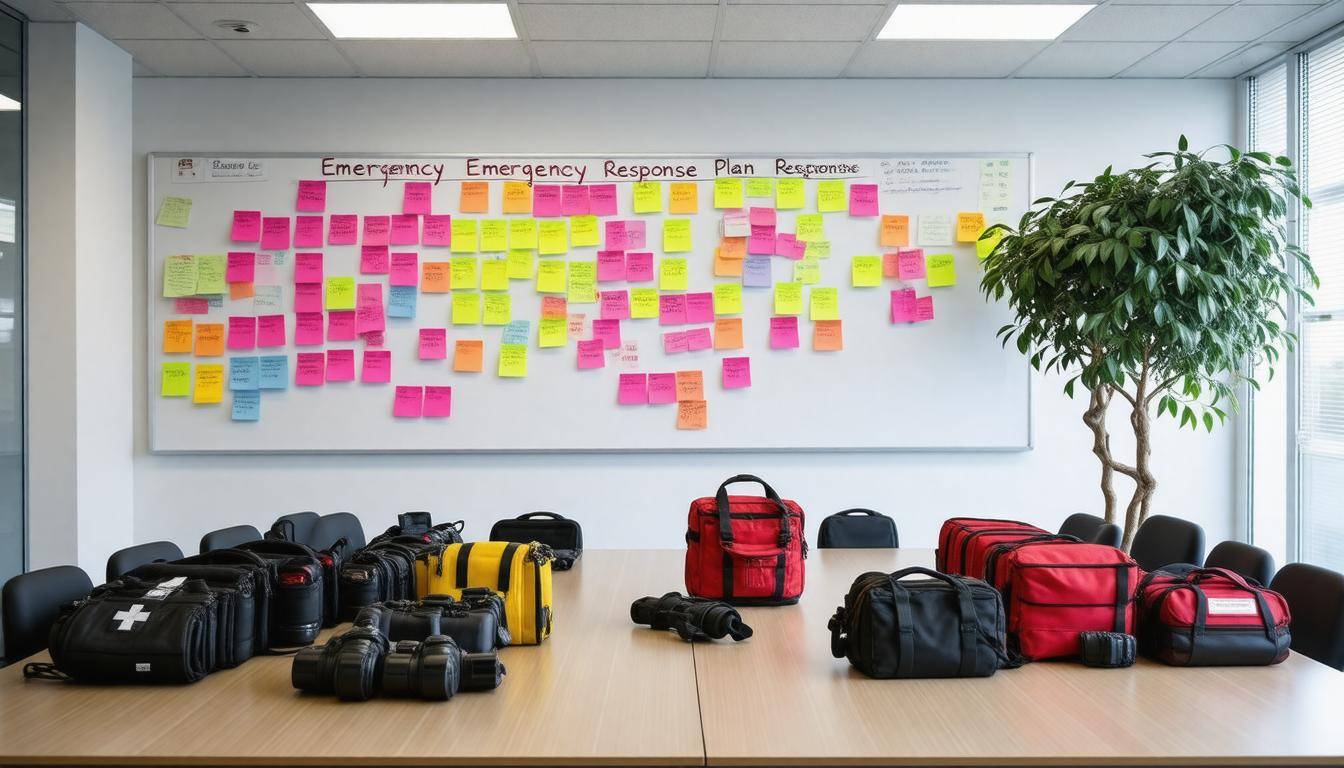
An effective emergency response plan is not a mere formality; it lays the groundwork for swift and decisive actions in crisis situations. It’s what separates chaos from calm during emergencies. As such, your plan should encompass specific details throughout its components to ensure everyone knows what is expected of them when an emergency occurs.
Components of an Effective Response Plan
The backbone of an emergency response plan consists of vital elements that focus on clarity and effectiveness. Start with detailed evacuation procedures. This aspect should spell out not just the primary routes and exits but also specify alternatives. What happens if one route becomes inaccessible? Planning for multiple scenarios ensures employees are not left confused or disoriented when they need to act swiftly.
Communication protocols must also be at the forefront of your plan. Clear lines of communication can save lives. Establish methods for notifying employees about emergencies and coordinating efforts with emergency services. Consider using modern technology like text alerts and intercom systems, which are more reliable than relying solely on shouting instructions amidst chaos.
Additionally, checklists tailored for different emergencies are invaluable tools to help employees navigate their responsibilities under pressure. Having a fire evacuation checklist can streamline the process by telling staff exactly where to go and whom to notify, reducing panic while ensuring order.
Example Scenario
For instance, imagine a fire breaks out in your office building. Your response plan should detail that employees on the third floor use stairwell B, avoiding stairwell A due to potential fire exposure points. Such specifics guide actions without hesitation, increasing safety during emergencies.
It’s also important to address external factors that might disrupt your plan’s effectiveness. Regular training sessions can enhance employee familiarity with the plan, enabling them to execute it calmly and efficiently. Scheduling drills at least twice a year prepares your team and identifies gaps within your plan that may need adjustments.
However, drafting a plan is only part of the equation; securing the commitment and engagement of essential staff plays a crucial role in successful execution.
Key Responsibilities of Office Personnel

Understanding the key responsibilities assigned to each personnel member involves appreciating the weight of their roles in times of need. For example, the Emergency Coordinator is the linchpin of your emergency management efforts. This individual ensures that all trainings are organized, the team is well-informed about their duties, and that there’s a documented response plan in place.
Then, there’s the First Aid Officer, who should be more than just certified in CPR; this person must also possess a keen familiarity with office layout and first aid protocols. Imagine a medical emergency unfolding—time is critical. The First Aid Officer’s knowledge can make a significant difference, enabling rapid guidance for emergency medical technicians to reach those who need help quickly.
A poignant example comes from Sally at XYZ Corp, who recounts how her role as First Aid Officer proved invaluable during a recent colleague’s crisis. Her immediate understanding of the office layout allowed her to direct EMTs efficiently to the right location, saving crucial minutes that could very well have been life-saving.
Role Precision
As we see from Sally’s experience, precise roles are preemptive measures against chaos in emergencies. Each designated officer or leader has distinct responsibilities that ensure every aspect of safety and communication flows smoothly. Take the Evacuation Leader; this individual not only leads personnel to safety but also organizes headcounts at assembly points, confirming that no one is left behind.
The Communication Officer plays a parallelly vital role by managing internal and external communications throughout an emergency. They are tasked with relaying information expediently to keep staff informed while liaising with emergency services. Clarity in communication can help alleviate anxiety and provide directions that prevent confusion during crises.
Safety Oversight
It’s essential not to overlook the Safety Officer, who carries the responsibility of maintaining workplace safety protocols and conducting regular drills. This proactive measure ensures that everyone knows what to do under pressure, making it second nature even when adrenaline is high.
Together, these pivotal roles form a cohesive network aimed at protecting lives during an incident. They create layers of security within your organization by ensuring trained individuals are ready to handle various situations.
To maintain this structure effectively, organizations must also implement clear communication strategies that outline how these officers interact during emergencies and convey vital updates across all levels of staff. This focus on effective interactions can serve as a foundation for ensuring everyone remains informed and coordinated during any situation.
Effective Communication Strategies
A strong foundation of effective communication is vital in any organization, particularly during emergencies when clarity and rapid response are paramount. Utilizing multiple communication channels is one of the key strategies for ensuring employees receive important information swiftly.
For example, implementing Public Address systems allows announcements to reach everyone quickly, while designating Communication Officers who are equipped with radios supports immediate, on-the-ground coordination among teams.
But it doesn’t stop there; having an established system for ongoing updates—such as group chat platforms or email alert systems—ensures that all employees remain informed throughout the evolving situation. This creates an air of transparency and confidence in your organizational response.
Research indicates that organizations with established communication protocols during emergencies report a 50% higher survival rate. It’s not merely about conveying messages but instilling a culture of safety and preparedness.
Regular Training Sessions
Regularly training employees on these communication strategies amplifies their effectiveness. It’s not enough to set up systems and assume users will know how to operate them. Through quarterly drills and practice sessions, employees become familiar with the communication tools they’ll need in a crisis.
Not only does this help reinforce proper use of PA systems and radio operations, but also empowers staff members by demonstrating how critical their roles are in emergency situations.
Furthermore, cultivating feedback loops where employees feel comfortable sharing their experiences or suggestions can dramatically improve response efficacy. An astounding 90% of employees report feeling more secure when given the opportunity to provide input on emergency procedures, fostering a sense of ownership and collective responsibility.
In addition to regular training and feedback mechanisms, leveraging diverse communication methods further solidifies response strategies.
Leveraging Multiple Communication Channels
Make it a priority to utilize various communication channels to cater to different employee preferences as well. For instance, research indicates that 70% of employees prefer receiving emergency information via text message, while about 60% favor email updates. This kind of insight can guide your strategy in choosing channels that resonate best with your workforce.
Using visual aids also plays a significant role in enhancing information retention during training sessions—approximately 75% of employees retain information better when presented with infographics or flowcharts. By integrating multimedia elements into your training processes, you can make critical procedures more understandable and memorable for employees, ultimately leading to faster action in emergency situations.
The effectiveness of these methods creates a reminder that efficient communication isn’t just about pushing out information—it’s an active dialogue that keeps everyone prepared and engaged in safeguarding organizational wellbeing.
With the right strategies in place, organizations can foster an environment where every individual understands their responsibilities, ensuring everyone is ready to act decisively when the situation demands it. This pivotal foundation sets the stage for exploring how consistent practice can further enhance readiness and resilience within your team.
Conducting Regular Training Sessions
Regular training is the backbone of any robust emergency response plan. It equips employees with the knowledge and confidence they need to act decisively in urgent situations. Surprisingly, many organizations overlook this crucial aspect, leading to unpreparedness that could put lives and property at risk. In fact, statistics show that 70% of employees feel ill-prepared for emergencies due to inadequate training. That’s a significant gap that can be bridged with a well-structured training program.
Step I – Schedule Quarterly Drills
Scheduling quarterly drills is one of the most effective ways to keep emergency procedures fresh in employees’ minds. Think about it: when a fire alarm rings, do you want your team fumbling around trying to remember what to do? Implementing regular drills reinforces procedural knowledge and builds muscle memory, ensuring quick action when every second counts. For instance, organizations that conduct these drills frequently report a 50% reduction in response times during actual emergencies compared to those who don’t.
However, it’s not just about keeping track of when the next drill is happening; it’s about making those drills fittingly immersive.
Step II – Use Realistic Scenarios
When conducting drills, realism is key. Simply going through the motions does little more than waste time; creating realistic scenarios allows employees to engage fully with their roles. For example, simulating an actual evacuation or response scenario—like a fire breaking out in the break room—can help employees understand their responsibilities clearly. This type of rehearsal prepares them for high-pressure situations, making them far more likely to perform effectively should an actual emergency occur.
Imagine Jane from ABC Ltd., who shared how a realistic fire drill unveiled a chokepoint at their main exit. This observation led her team to redesign their evacuation plan for greater efficiency and safety.
Following up on these practical exercises creates opportunities for growth and ensures that teams learn from each experience.
Step III – Collect Feedback
Collecting feedback is essential. After each drill, take some time to gather insights from participants regarding what worked and what didn’t. This feedback loops back into your training program and helps identify areas for improvement, fostering a culture of continuous growth toward better preparedness. By encouraging employees to share their views, organizations demonstrate value in their opinions while refining emergency protocols.
This engagement boosts morale and often raises overall safety culture within teams, as employees feel part of the solution rather than just following orders.
Consider utilizing methods like anonymous surveys or team discussions to collect this feedback effectively, ensuring all voices are heard.
As we progress beyond traditional measures of training, technology plays an ever-increasing role in enhancing workplace preparedness, providing innovative tools that make training more engaging and informative.
Utilizing Technology for Preparedness
In today’s world, our reliance on technology can’t be overstated, especially when it comes to emergency preparedness. One of the most significant advantages of utilizing tech tools is the ability to respond swiftly and effectively during crises. For instance, automated alert systems play a critical role in ensuring that everyone stays informed. With platforms like AlertMedia, organizations can send comprehensive notifications instantly to all employees, ensuring that everyone knows what steps to take in real time. This rapid dissemination of information can be the difference between chaos and coordinated response.
Effective communication is no longer just a perk; it’s a necessity.
Building on this, incorporating surveillance systems is also crucial. Just imagine this scenario: an office equipped with advanced surveillance not only enhances security but can effectively cut down incident response times by as much as 20%. When emergencies occur, having real-time visuals allows authorities and emergency personnel immediate insight into the situation, leading to quicker decision-making. A report from industry studies indicates that such systems drastically mitigate risks and enable better crisis management practices.
As we expand on these technologies, it’s essential to recognize that they must be complemented by regular updates and training to remain effective.
Moreover, using data analytics can significantly bolster preparedness efforts. By analyzing patterns from previous incidents, organizations can identify potential risks unique to their operations. Tools that compile data from various sources—like weather forecasts or local crime rates—can inform proactive strategies tailored to mitigate specific threats. This approach turns past challenges into valuable lessons that prepare teams for future emergencies.
Lastly, don’t overlook the power of mobile applications designed specifically for crisis management. Many companies now offer platforms where first responders can coordinate directly with command centers through mobile devices. These apps often provide checklists, procedures, and resource allocation tools at the fingertips of those on the ground during crises.
Incorporating all these technology solutions forms a robust framework for safety that adapts to ever-changing environments.
Integrating advanced technology into emergency preparedness not only streamlines processes but also fosters a culture where safety becomes a shared responsibility among all members of an organization. As we consider our next steps, maintaining a vigilant focus on continuous improvement in safety protocols will be key.
Ensuring Continuous Workplace Safety
Continuous monitoring and regular updates are essential for sustained safety in the workplace. Organizations need to be agile, adapting quickly to changes that can impact their safety protocols. This might involve maintaining a comprehensive registry of potential hazards or regularly reviewing incident reports to identify trends that require immediate attention. When you treat safety as an ongoing conversation rather than a box to check, it becomes ingrained in your organization’s culture.
One effective strategy is establishing a Safety Committee charged with performing monthly reviews of emergency protocols. This committee should evaluate existing measures, integrate new best practices, and ensure alignment with evolving workplace dynamics. By doing so, organizations demonstrate their commitment to employee well-being, ensuring safety remains a priority even amidst changes like staff turnover or new equipment introductions.
Regular audits are vital. For instance, many companies adopt strategies similar to Google’s, which conducts quarterly audits coupled with feedback mechanisms from employees. This approach has been shown to drastically reduce on-site emergencies over time, underscoring the importance of actively involving employees in safety discussions.
Creating a culture of safety and preparedness will significantly lower the risk of accidents and enhance overall morale.
When employees feel safe, they are more productive and engaged. Everyone in the organization should understand not just their roles but the collective responsibility towards maintaining a secure environment. Encouraging regular training sessions plays a crucial role here. Training doesn’t just cover procedures; it immerses individuals in scenarios that reinforce how to act in emergencies, ultimately making them more confident.
It’s equally crucial to adapt your training materials to include real-life incidents relevant to your specific workplace, tapping into lessons learned from others who have faced similar situations. This keeps the content relatable and reminds everyone how much their preparedness matters. Regularly updating these training sessions ensures they remain valuable and relevant; outdated information leaves people ill-prepared when they need to react swiftly.
In this manner, regular safety assessments and employee engagement foster an environment where safety becomes everyone’s job.
Moreover, tracking participation in safety drills offers valuable insights into readiness levels across different teams. If some departments consistently lag behind in attendance, it may highlight areas requiring additional attention or support. Through vigilant monitoring and an open dialogue about safety concerns, organizations can transform their workplace into a haven for all.
Ultimately, prioritizing continuous workplace safety does more than meet compliance requirements—it’s about fostering an environment where employees thrive because they know they’re protected and valued.