
Okinawa’s typhoon season can feel like a roller coaster, with the potential for unpredictable storms that sweep in and out of the region. As dramatic as it sounds, being caught unprepared could have serious consequences. This guide aims to help you navigate the ups and downs of storm preparation, ensuring you have all the tools and knowledge needed to stay safe during these turbulent times. From putting together an emergency kit to understanding evacuation routes, we’ve packed this resource with practical tips and insights tailored for Okinawa residents. Whether you’re new to the island or have weathered a few storms before, staying informed and ready is your best bet for protecting both your home and loved ones.
The Okinawa Typhoon Season Emergency Guide includes essential preparedness tips such as stockpiling emergency supplies, understanding Tropical Cyclone Conditions of Readiness (TCCOR), and details on community resources for evacuation and safety. It also provides instructions for securing property, monitoring weather updates, and navigating post-typhoon recovery efforts to ensure the safety of residents during storm events.

Preparation for Typhoon Season
Preparing for typhoon season is more than just checking the weather; it’s about creating a comprehensive plan that prioritizes safety and readiness. With typhoons posing threats of high winds, heavy rains, and flooding, residents must be aware of their surroundings and have the right tools at their disposal.
Start by gathering information on emergency supplies well before the season begins. Ideally, aim to assemble an emergency kit containing enough food and water for at least three days – think non-perishable items like canned goods or dried fruits along with one gallon of water per person daily.
It’s crucial to remember that preparation should not only hinge on gathering supplies but also on understanding your environment.
Fortifying your living space is equally essential. Secure windows and sliding doors using storm shutters or heavy-duty plywood boards to protect against flying debris. Consider also filling your bathtub with water as a backup for flushing toilets in case of utility outages. Many residents find themselves unprepared when services are disrupted, but having this simple measure in place can mitigate one major headache during a storm.
Now, let’s touch on another vital aspect of typhoon preparedness: communication and planning.
Establishing a communication plan within your household can alleviate panic when a storm strikes. Designate meeting points where family members can regroup if separated, and keep a list of emergency contacts readily available. Make sure everyone understands how to use this plan, along with knowing how to access local resources like the Shogun Weather Page to stay updated with real-time forecasts. Consistent check-ins are key in ensuring familial safety.
In addition to planning, it’s wise to act now rather than wait until a typhoon warning is issued.
Begin preparing as soon as April, which is recognized as Typhoon Preparedness Month. This timing allows families to gather all necessary materials without the last-minute rush that often accompanies storm predictions. Utilize resources like the Okinawa Typhoon Preparation pamphlet to familiarize yourself with essential readiness tips and community resources available at places like Camp Schwab and Camp Hansen.
As typhoon season approaches, be proactive about securing outdoor items that could become dangerous projectiles in high winds. Even small things—like potted plants or garden decorations—can cause significant damage if they are lifted by strong gusts. By taking simple precautions now, you not only protect your property but also contribute to the safety of your neighborhood.
Lastly, don’t overlook post-typhoon considerations that are pivotal to recovery.
After a typhoon, be prepared to assess potential damage and manage waste properly. If windows are damaged or there’s flooding debris around your home, reporting these issues promptly will expedite recovery efforts both personally and within the community. Engaging with local ward offices might yield additional support or resources during this critical time.
Staying informed during the entire typhoon season—from preparation through recovery—ensures a safer environment for everyone involved. Next, we will explore the significance of creating effective strategies that cater specifically to emergency situations.
Developing an Emergency Plan
A sound emergency plan is the backbone of ensuring your family’s safety during typhoon season. It’s about creating a strategy that everyone in your household understands and can follow even in the chaos of a storm. The first step is developing a family communication plan. This involves having multiple ways for family members to get in touch or find each other should phone lines become unreliable. Consider designating a family member outside Okinawa as a point of contact, as this person may be able to relay information if local networks are down.
Once communication pathways are established, focus shifts to physical safety within your home.
Next, you’ll want to identify safe rooms in your house where everyone can gather during a storm. Look for interior rooms like bathrooms or closets that do not have windows or any external walls. The goal is to minimize exposure to flying debris and potential damage from strong winds. Place mattresses, pillows, or blankets in these rooms to create additional protection. Make sure every family member knows the location of these safe spaces so there’s no confusion if a storm hits.
As we think about sheltering safely, staying connected with emergency services is just as essential.
Maintaining local emergency contacts is similarly vital when constructing your emergency plan. Prepare a list containing numbers for local hospitals, emergency services, and police departments. You might think these numbers are easy to remember, but panic can do strange things—better safe than sorry! Here’s a quick reference table:
| Contact | Phone Number |
|---|---|
| Local Hospital | 098-123-4567 |
| Emergency Services | 119 |
| Local Police | 098-765-4321 |
With this excellent foundation laid out in your emergency plan, it becomes easier to shift gears towards gathering essential supplies for weathering the storm effectively.
Building on this plan adds another layer of security: assembling an emergency kit tailored specifically for typhoon season. Be proactive; the time spent preparing now will pay off exponentially should disaster strike later on.
Assembling a Safety Kit
A well-prepared safety kit can be your lifeline during a typhoon, helping to ensure that you and your family can weather the storm safely. As you gather supplies, think about what will keep you comfortable, informed, and secure in case of an emergency.
Start with water—you’ll want at least one gallon per person per day for a minimum of three days. It’s easy to overlook how quickly we consume water, especially during stressful situations where staying hydrated is crucial.
Next comes food. Focus on non-perishable items that require little to no preparation—canned goods, protein bars, and dried fruits make great choices. They provide essential nutrients that help keep your energy levels up when you might not have access to fresh groceries.
In addition to food and water, you’ll need reliable flashlights and extra batteries. Power outages are common during storms, and having light sources ready ensures you won’t be left in darkness when you need to move around or check on family members.
A first aid kit is another vital component. It’s surprising how many households lack basic first aid supplies until it’s too late! Be sure to include band-aids, antiseptic wipes, pain relievers, and any prescription medications that family members rely on regularly.
While it may slip your mind, keep hygiene supplies stocked as well; soap, hand sanitizer, and sanitary products will serve you well during times without running water or in the aftermath when cleanliness is paramount.
Nobody wants to scramble through piles of paperwork while riding out a storm. Plan ahead by organizing all your important documents—IDs, insurance policies, medical records—in a waterproof container. This means if the worse occurs, you have quick access to necessary information and can focus on recovery instead of searching for crucial papers amidst chaos.
Maria Suzuki shared her experience, stating, “During Typhoon Hagibis, having a well-stocked safety kit was lifesaving for my family and me.” Her experience highlights just how significant preparation can be during difficult times.
Now that we’ve discussed assembling a robust safety kit, it’s essential to consider how to keep track of storm developments and updates that could affect your safety.
Staying Informed with Weather Updates
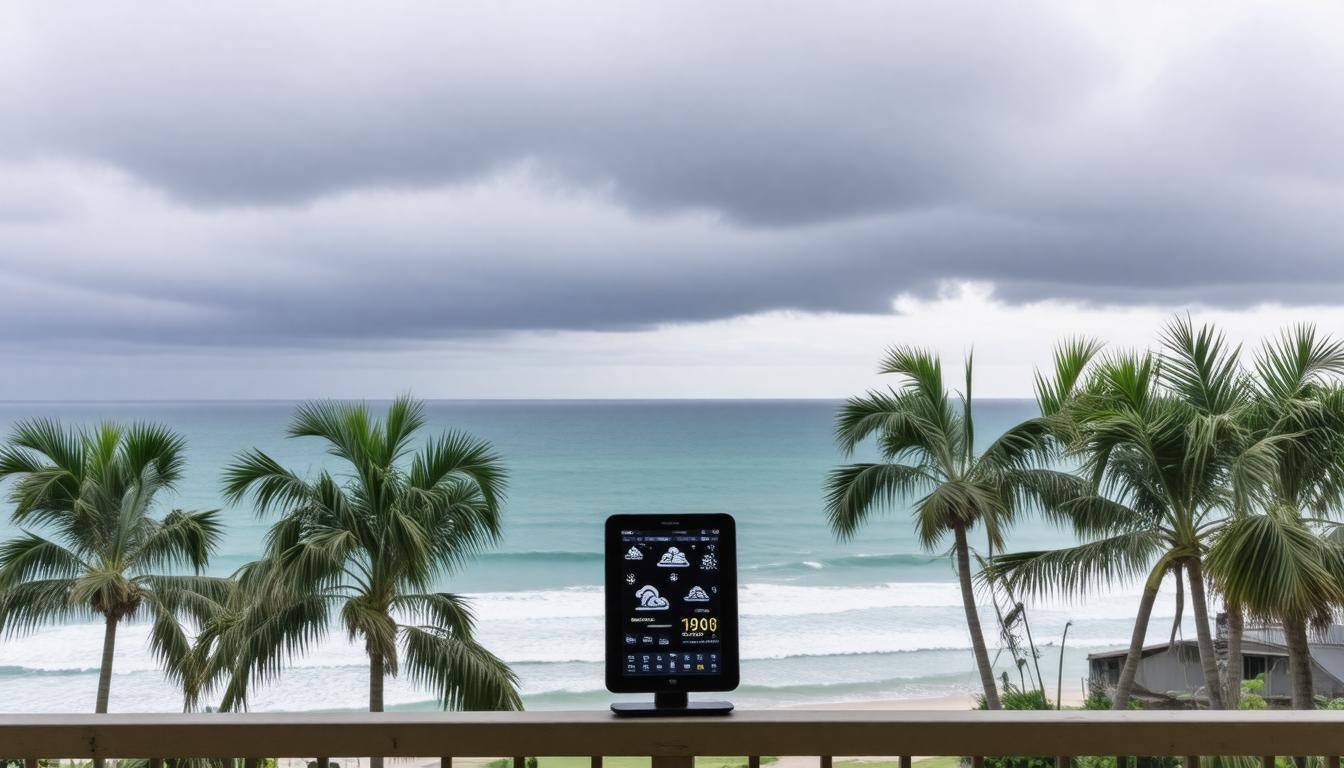
Keeping track of weather conditions during typhoon season in Okinawa can mean the difference between safety and danger. This is not just about having access to information; it’s about knowing where to find it and how to interpret it effectively. For instance, listening to AFN Wave 89.1 provides local weather updates and valuable advice about approaching storms. Imagine sitting in your living room, cup of tea in hand, and suddenly hearing an alert about an approaching typhoon. One moment you’re relaxing, and the next, you are gearing up to protect your home and loved ones—this is the power of being informed.
Make it a habit to check reliable sources like the Shogun Weather Page on Kadena.af.mil or sign up for community alerts via text or email. These sources often provide real-time updates that can help you stay one step ahead of changing conditions. Having that information at your fingertips means you won’t be caught off guard when a storm shifts direction or its intensity increases.
Remember: Knowledge alone doesn’t keep you safe; understanding how to interpret that knowledge does. Pay attention to warnings related to typhoon paths and expected landfall times because these can change rapidly.
While all updates are essential, interpreting them correctly is just as important. Alerts will often categorize threats based on severity, so it’s vital to understand what each category means. For example, tropical storms might eventually escalate into typhoons if they gain strength over warm waters. Knowing the distinctions allows you to assess risk levels and prepare accordingly.
Another great resource is following social media channels for local emergency management organizations. They usually share actionable information that could prove critical under pressing circumstances. Whether it’s evacuation routes or tips for securing your property, these updates create an informed community ready to tackle whatever comes its way.
Research indicates that accurate and timely information increases public compliance with safety recommendations during emergencies. A well-informed community responds quicker to alerts than one that isn’t; thus maintaining vigilance pays significant dividends in protecting lives and property.
By actively monitoring multiple sources and understanding their information, you’re better poised to act swiftly in times of crisis—a necessity for anyone living in a region prone to tropical storms and typhoons like Okinawa. With this awareness, let’s turn our attention now towards methods for safeguarding your home and vehicles against impending storms.
Securing Home and Vehicles
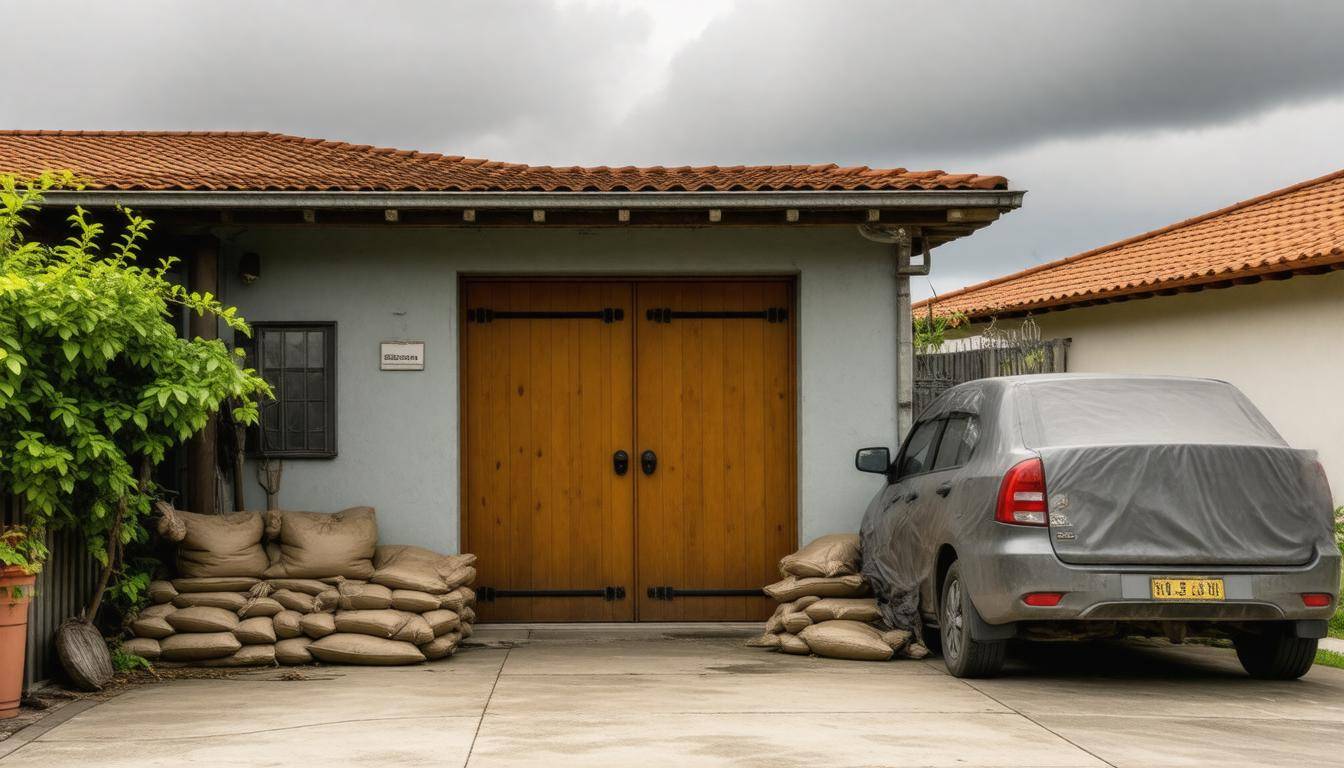
Protecting your home and vehicles can mitigate damage during a typhoon, so it’s crucial to take proactive steps before the storm arrives. Start by installing storm shutters or boarding up windows with plywood. This is arguably one of the most effective defenses against strong winds and flying debris. If you haven’t invested in storm shutters, heading to the local hardware store to get plywood cut to size is a practical alternative. Once you have the boards, ensure they are securely fastened and cover all vulnerable windows.
As you prepare your home, don’t overlook the significance of securing loose outdoor items. For instance, patio furniture should be tied down or brought indoors to prevent it from becoming hazardous projectiles in high winds. Likewise, potted plants can easily be toppled; stow them in a secure location or inside your garage where they’ll be safe.
A well-prepared home not only protects your assets but gives you peace of mind during the chaos of a storm.
Next, let’s consider how to secure your vehicles effectively. Park them in a garage or another sheltered location away from trees and power lines, as these can fall during extreme weather conditions, causing severe damage. If a garage isn’t available, look for spots that provide natural barriers against wind exposure.
In addition to moving vehicles out of danger, filling gas tanks ahead of time is vital; this ensures that you have enough fuel available if an evacuation becomes necessary. It’s also important to regularly check your tires before a storm approaches. Ensure they are properly inflated and that the vehicle is in good working condition for potential evacuation needs.
Keeping an emergency kit in your vehicle stocked with essentials like water, snacks, and a flashlight can make a world of difference should you find yourself stuck or having to navigate unsafe roads post-typhoon.
Reflecting on past events, during Typhoon Trami in 2018, many residents who secured their homes and vehicles reported significantly less damage compared to those who did not. This firsthand experience reinforces the effectiveness of these preparation strategies and highlights the importance of making timely decisions when it comes to safeguarding your property. You never know when a storm will hit, so taking these precautions seriously can save not just belongings but also emotional distress.
Regular maintenance and thoughtful preparation go hand in hand when it comes to protecting your home and vehicles from the wrath of a typhoon. Garden tools became lifesavers instead of hazards when tied down; plywood transformed into protective shields instead of unwelcome intruders—these actions could mean everything when the winds start howling.
As we transition from securing our living spaces and vehicles, it’s equally essential to focus on safety measures directly related to weather events as they unfold.
Safety Tips During the Storm
Safety is paramount when the storm hits. First and foremost, it’s crucial to stay indoors. This seems simple, but during a typhoon, the winds can pick up debris and send it flying around at dangerously high speeds. Staying inside a secure location, away from windows and doors, helps protect you from injury caused by these projectiles. Ideally, you’ll have designated safe rooms equipped with no windows for additional security.
Avoiding glass windows is critical too; they can shatter easily under extreme pressure from wind and debris. If possible, choose an interior room or a basement as your sanctuary during the storm. The fewer walls between you and outside elements, the better.
It’s also wise to use flashlights instead of candles. While candles create a warm ambiance, they pose a significant fire hazard if knocked over in the turmoil of a storm. Keeping batteries charged and having them accessible ensures you’ll maintain light when power outages occur—something that is common during severe weather.
Practicing these precautions, we felt secure inside our home, knowing we followed every safety measure we could control.
Additionally, staying informed is key to navigating any emergency situation wisely. Continue listening to local news through radios or mobile apps for updates about the storm’s path and intensity. Having a portable radio can be especially beneficial during power outages so you can get real-time information from emergency broadcasts.
Actionable Steps for Safety
Alongside securing yourself and staying informed, here are more actionable steps to ensure safety:
-
Elevate Electrical Items: If there’s any chance of flooding, place valuable electronics on higher ground or secure them in waterproof containers. This simple action can save your devices from irreparable water damage.
-
Emergency Kit: Prepare an emergency kit containing at least three days’ worth of non-perishable food, water (one gallon per person per day), flashlight, batteries, first aid supplies, and necessary medications.
John Nguyen recounts his family’s experience: “We stayed in our safe room for the entirety of the typhoon, relying on our flashlights and emergency radio. It was tough, but it kept us safe.” His testimony highlights the importance of implementing these safety measures that can often make the difference between coping well and facing dire situations.
Once the storm passes, attention will shift towards recovery efforts and addressing potential flooding issues that may arise afterward.
Recovery and Dealing with Flooding
The aftermath of a typhoon can be overwhelming, particularly when it comes to dealing with the flooding that often accompanies these storms. Once local authorities have confirmed that it’s safe to go outside, your first priority should be safety.
This means wearing protective clothing: sturdy boots, gloves, and long pants can protect you from sharp objects and potentially contaminated water. Remember to avoid standing water. Not only can it carry hidden dangers like debris or harmful bacteria, but there’s also a risk of electrical hazards from downed power lines or submerged appliances.
With personal safety addressed, turn your attention to documenting the damage in your home.
If your property has flooded, it is crucial to document everything as thoroughly as possible. Take photographs of the damage—flooded areas, damaged furniture, and any structural concerns. This documentation will be invaluable when dealing with your insurance provider.
Make sure to contact them immediately as timing can influence your ability to file a claim successfully. Provide them with all the necessary information about what was lost or damaged; receipts and photos can expedite the claims process.
In addition to processing your claims, local resources can provide much-needed support during this difficult time.
Many local community centers become hubs of assistance during typhoon recovery. They often offer resources such as cleanup kits, food assistance, and emotional support for affected residents. It’s worth checking out what services are available in your area.
Organizations like the Red Cross frequently step in during these crises, offering both immediate aid and long-term recovery resources. Don’t hesitate to reach out; help is readily available and a crucial lifeline during the early stages of recovery.
Furthermore, recovery isn’t just about addressing immediate concerns; it’s also about thinking ahead.
After dealing with immediate needs, consider ways to mitigate damage from future storms. This includes evaluating drainage systems and understanding if water could pool around your home again during heavy rainfall.
If possible, elevate utility appliances above expected flood levels and consider installing sump pumps or flood barriers if you’re in a high-risk area.
By preparing now, you not only improve your home’s resilience against future storms but also fortify a sense of security for you and your family as you continue being part of a community that supports each other through tough times like these. Recognizing that recovery is both an individual journey and a collective effort ensures that both homes and hearts can heal together.
As we move forward, it’s essential to explore strategies that will enhance ongoing preparedness and ensure long-term safety for everyone involved.
Long-Term Preparedness Strategies
Long-term preparedness is not simply a seasonal task but rather an ongoing commitment that requires engagement and foresight. It involves actively seeking information, participating in community initiatives, and ensuring that your living environment is equipped to withstand the challenges of typhoon season.
One effective way to become better prepared is by participating in community drills and workshops offered by local authorities. These events not only provide valuable information but also foster a sense of camaraderie among residents, reminding everyone that safety is a shared responsibility.
Engaging with your neighbors during these gatherings can lead to collective planning. As Okinawa resident Mark Johnson shared, “Our neighborhood holds annual preparedness meetings, which have been instrumental in helping us stay ready for typhoon season.” By establishing plans together, you gain insight into what works best for different homes and families, creating a robust network of support.
Staying informed about updates in building codes and construction standards is another crucial aspect of long-term preparedness. The reality is that older structures may not meet current regulations designed to enhance resilience against severe weather. Therefore, checking if your home adheres to the latest codes can provide peace of mind, knowing that your home has been built or updated to withstand the forces of nature effectively.
If you live in a flood-prone area, investing in permanent storm shutters should be part of your strategy. These fixtures provide a reliable line of defense against flying debris and heavy rains without requiring last-minute installation when you’re already racing against time. Additionally, elevating your home’s utilities—such as wiring and appliances—helps protect them from potential floodwaters.
By continuously engaging with these strategies throughout the year, you ensure your home—and by extension, your family—is never caught off guard when a typhoon strikes. It’s not just about surviving the storm; preparation fosters resilience and confidence in navigating the unpredictable nature of typhoon season.
In embracing these long-term preparedness strategies, you can significantly enhance your safety during typhoon season while fostering stronger community ties. Remaining proactive ensures that you are well-equipped to face whatever nature throws your way.
What are the local evacuation routes and shelters available during a typhoon?
During typhoon season in Okinawa, local authorities designate specific evacuation routes and shelters to ensure safety. Typically, public schools, community centers, and designated emergency facilities serve as shelters. It’s crucial for residents to familiarize themselves with these routes ahead of time; statistics indicate that timely evacuation can reduce the risk of injury by up to 60%. Always check with local government resources for the most current information on evacuation plans and shelter locations before a storm approaches.
How can I ensure my home is secure against strong winds and flooding?
To ensure your home is secure against strong winds and flooding during Okinawa’s typhoon season, reinforce windows and doors with storm shutters or plywood, secure outdoor items that could become projectiles, and elevate electrical systems above potential flood levels. According to the Japan Meteorological Agency, homes that utilize these measures can reduce damage by up to 50% during severe storms. Additionally, creating a drainage plan for water runoff and ensuring gutters are clear can significantly mitigate flooding risks.
How do I stay informed about incoming typhoons and weather alerts while living in Okinawa?
To stay informed about incoming typhoons and weather alerts while living in Okinawa, regularly check the Japan Meteorological Agency (JMA) website and subscribe to their mobile alerts. Local news outlets, radio stations, and social media platforms are also excellent resources for real-time updates. Given that Okinawa experiences a typhoon on average 3 to 4 times each season, maintaining an active awareness through multiple channels is crucial for safety and preparedness.
What essential items should be included in a typhoon emergency kit?
Essential items for a typhoon emergency kit should include water (at least one gallon per person per day for three days), non-perishable food (a three-day supply), a flashlight with extra batteries, a first aid kit, necessary medications, personal documents sealed in waterproof bags, and a multi-tool. According to the Federal Emergency Management Agency (FEMA), having a well-stocked emergency kit can significantly increase your chances of staying safe and healthy during severe weather events, as studies show that timely preparation reduces the risk of injury and loss of life in such situations.
What preparations should I make before a typhoon hits Okinawa?
Before a typhoon hits Okinawa, ensure you have an emergency kit ready, which includes water (at least one gallon per person per day for three days), non-perishable food, a flashlight, and a first-aid kit. Secure your home by reinforcing windows and doors, and consider storing outdoor furniture indoors to prevent it from becoming projectiles. It’s also important to stay informed through weather updates, as Okinawa experiences around 2 to 4 typhoons annually, with peak season from July to September. Preparing well in advance can significantly enhance safety during these natural events.