
When winter rolls into Oshawa, it brings a frosty charm that many love but also poses serious challenges. Snow-covered streets and frigid air can turn even the simplest errands into daunting tasks. If you’ve lived here for any length of time, you know how crucial it is to be prepared for sudden storms or bone-chilling cold. So, what’s the best way to handle these harsh conditions? Creating a winter emergency kit filled with essential supplies can make all the difference. In this article, we’ll guide you through the must-have items to stock your kit and ensure that you and your family stay safe, warm, and ready for anything winter throws your way. Let’s dive in!
The Oshawa, Ontario Winter Emergency Kit Checklist should include essentials such as non-perishable food, water (at least one gallon per person per day), a flashlight with extra batteries, a first aid kit, blankets, and a battery-powered radio. Additionally, items like warm clothing, sturdy boots, a whistle for signaling help, and necessary medications should also be part of the kit to ensure safety during winter emergencies.
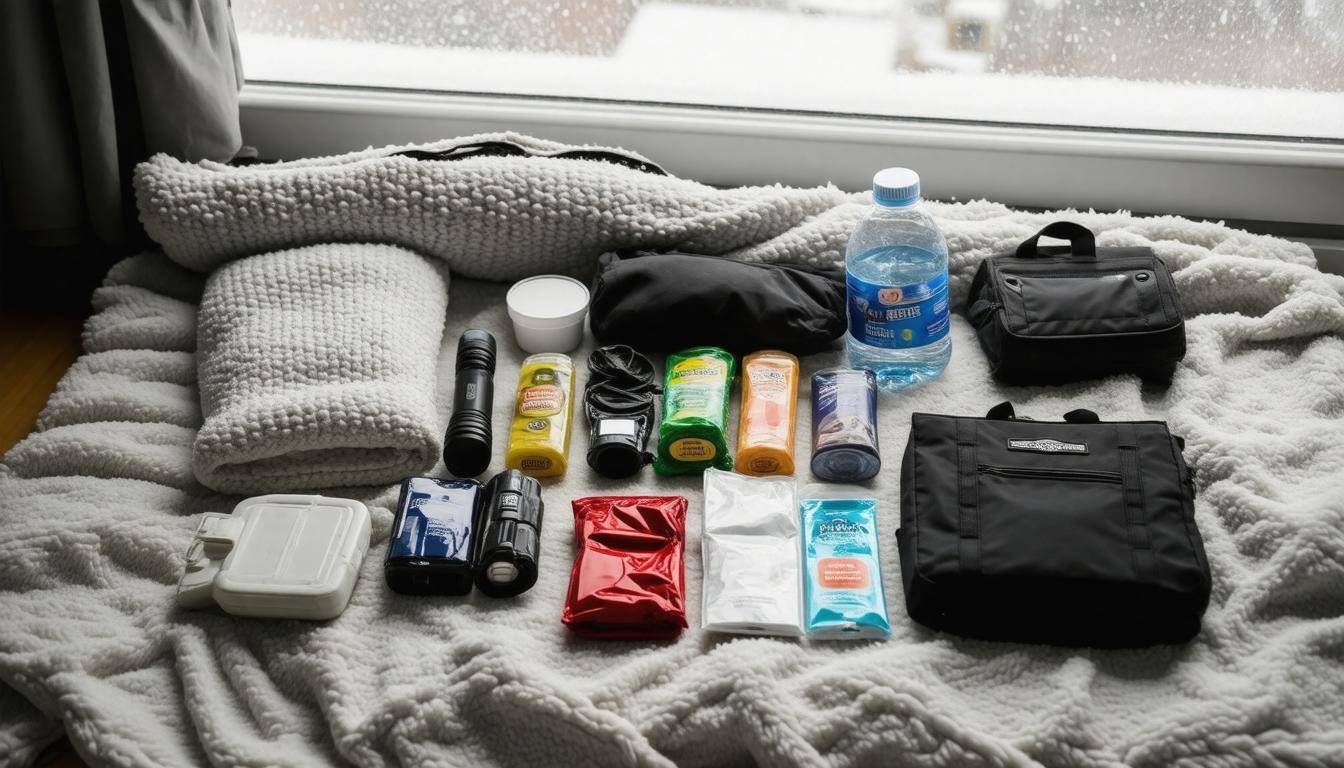
Winter in Oshawa: What to Expect
Winters in Oshawa are characterized by a combination of heavy snowfall and aggressive cold fronts that can hit unexpectedly.
From December through February, the city becomes a winter wonderland, but this beauty comes with its fair share of challenges. With average temperatures plummeting below -10°C (14°F), residents not only have to manage snow accumulation but also contend with biting wind chills that can make it feel even colder.
Snowfall and Storms
Oshawa’s annual snowfall averages around 115 cm (45 inches), which can accumulate quickly and significantly affect daily life. Major snowstorms can drop as much as 30 cm (12 inches) in just one day.
Such storm conditions create dangerously slippery roads and might result in power outages due to ice-laden branches snapping off trees. To navigate snowy conditions safely, it’s wise to have a reliable snow shovel on hand and keep your walkways clear using ice melt products. Moreover, residents should stay informed about storm forecasts through local news or municipal alerts to prepare adequately since plans change quickly during inclement weather.
Freezing Temperatures
Alongside the snow comes the relentless cold. The wind chill factor is often more significant than many realize; what seems like a manageable -10°C can feel as if it is dipping towards -20°C (-4°F) when factoring in gusty winds.
This layering effect means that wearing a simple winter coat may not be enough to combat frigid temperatures effectively. Investing in quality winter garments—like insulated jackets, thermal underwear, and waterproof boots—ensures that you remain comfortable during outdoor activities or even routine errands. It’s essential to pay attention to clothing specifics such as moisture-wicking fabrics that keep sweat off your skin, thereby preventing chill after physical activity.
As we prepare for the freezing conditions ahead, equipping yourself with the right gear is vital for maintaining warmth and comfort throughout the season.
Must-Have Warm Clothing
To weather the chilly months effectively, understanding layering is key. The first step involves choosing a moisture-wicking base layer that will draw sweat away from your skin, keeping you dry and comfortable during outdoor activities. Think of this layer as your protective shield against chilly moisture; it’s imperative to avoid that clammy feeling when temperatures drop.
Next comes an insulating layer—this could be a soft fleece or even a down jacket. This layer traps warmth while allowing breathability so you won’t overheat during periods of exertion.
Finally, finish your outfit with a waterproof and windproof outer shell. This outer layer should withstand snow and rain, acting as your frontline defense against harsh elements. Together, these layers work harmoniously to maintain body heat and ensure that you can comfortably enjoy the beauty of winter.
Layering Basics
When it comes to layering specifically, each piece plays an integral role. It’s not just about throwing on thicker clothing; it’s about creating a system that adapts to changing conditions throughout your day. For instance, if you’re heading out for a brisk walk or an afternoon of fun in the snow, you may start off bundled up but might need to shed some layers once you start moving around. Hence, having pieces that fit comfortably together yet are easily removable is paramount.
Key components you should incorporate into your winter wardrobe include:
- Thermal underwear: They provide a snug fit and excellent insulation without bulk.
- Woolen socks: They regulate temperature wonderfully and wick moisture away.
- Insulated and waterproof gloves: These keep your hands warm while defending against wetness.
- Hat that covers the ears: Protecting extremities like ears can make a significant difference in comfort.
- Scarf or neck warmer: These can help prevent drafts getting down your coat.
- Sturdy, insulated boots: Think rugged yet durable enough for icy streets.
With these items on hand, you’ll feel well-protected from the biting cold. It’s not just about buying any winter gear; invest in high-quality pieces designed to endure severe weather conditions. Trust me; poor-quality clothing can lead to discomfort—and nobody wants that when trying to enjoy what winter has to offer!
Remember, investing time in selecting the appropriate winter clothing now will enhance your comfort and significantly improve your safety when facing Oshawa’s wintery embrace.
As we explore strategies for staying comfy and safe during the frigid months, let’s now turn our attention to alternatives for maintaining warmth in various situations.
Essential Heat Sources
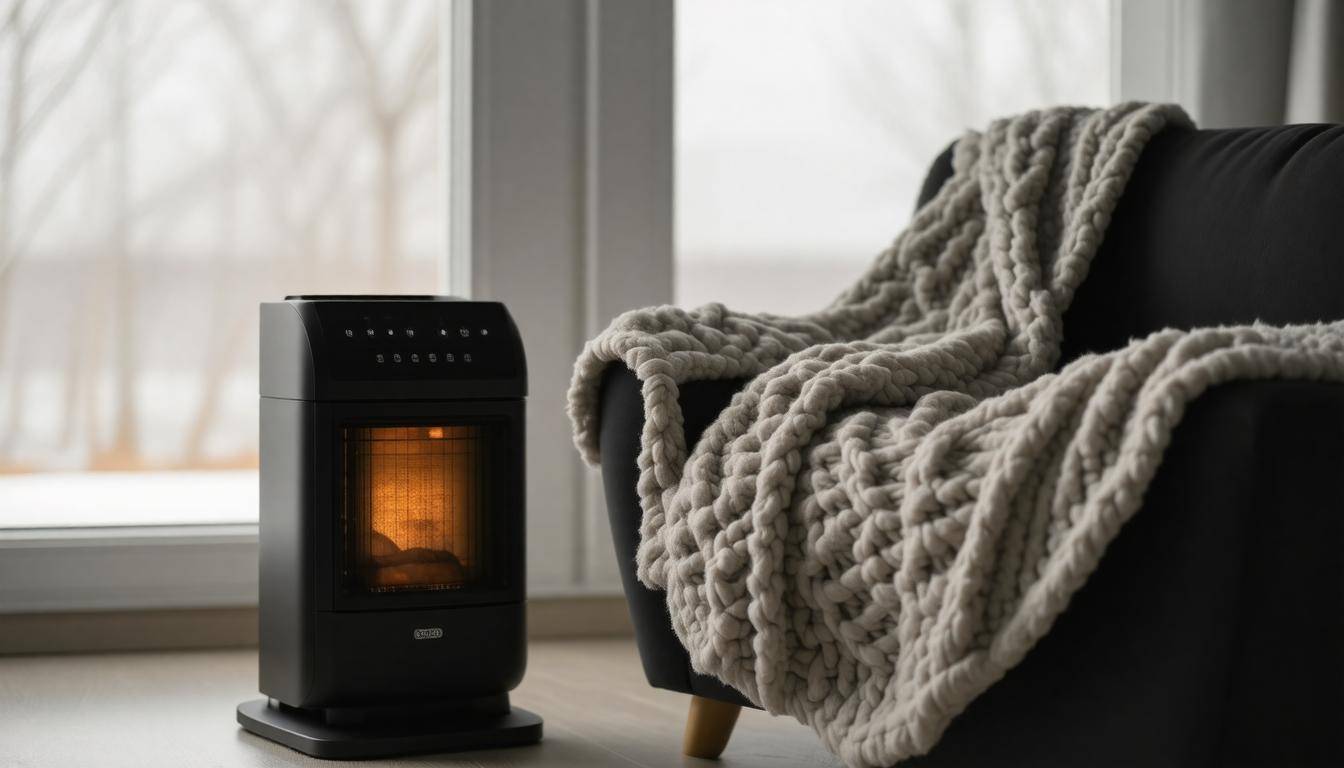
When the cold winds of winter blow fiercely, having accessible heat sources is paramount. First on your list should be portable heaters. A battery-powered or propane heater can be an absolute lifesaver during unexpected power outages. These devices are straightforward to use and can effectively heat small areas, providing you a cozy refuge when temperatures plunge outside. However, it’s crucial to keep safety in mind: always ensure that these heaters are used in well-ventilated spaces to avoid hazardous carbon monoxide buildup, which can pose severe health risks.
Next, consider whether you have access to a fireplace or wood stove. If so, be certain to stock up on firewood before snow starts to fall. It’s easy to procrastinate this task, but it can make all the difference when the temperature drops unexpectedly. In addition to firewood, don’t forget the importance of having enough fire starters and matches tucked away in your emergency kit. Without proper ignition tools, even the best logs won’t serve their purpose. An adequately prepared fireplace or wood stove can act as a comforting focal point during a harsh winter.
A diverse range of heat sources ensures you stay warm in emergencies, so try not to rely on just one option; this will give you backups should something go awry.
Lastly, think about supplemental options like heated blankets or hot water bottles. They might seem simple, but they can provide significant warmth when paired with other heating methods. Plus, they allow for targeted warmth where you need it most—whether you’re snuggling up on the couch or in bed.
Choosing multiple heat sources and ensuring they’re ready for use will help create a comfortable environment during the demanding winter months ahead as we turn our attention to critical gear for safe travels during this season.
Vehicle Safety Gear
Traveling during Ontario’s harsh winter can transform an ordinary journey into a challenging adventure if you’re not properly prepared. That’s where vehicle safety gear plays an essential role in ensuring you reach your destination safely. The first step towards winter readiness is making sure you’re equipped with everything needed to navigate icy roads and unforeseen circumstances.
Winter Tires and Chains
Investing in winter tires is crucial. These specialized tires have tread patterns designed to enhance traction on slick and icy surfaces, providing better grip than all-season tires. They are built from compounds that remain flexible in low temperatures, unlike standard tires, which can harden and lose effectiveness.
But let’s be real—sometimes mother nature can throw challenges our way that even the best tires can’t handle alone. This is where tire chains come into play. Tire chains are not just an accessory; they offer that extra layer of security when roads become particularly treacherous, giving you that undeniable grip you need to keep moving forward.
Emergency Car Kit
Another element of your vehicle safety gear that shouldn’t be overlooked is your Emergency Car Kit. This kit isn’t just a collection of random items; it’s your lifeline should you find yourself stranded in a snowstorm or facing an unexpected breakdown.
In particular, include the following items in your emergency car kit:
- Jumper cables to get your battery back up and running when it loses power.
- A tire repair kit and air pump because flat tires happen at the most inconvenient times.
- A warm blanket for insulation against the cold if you must wait.
- Non-perishable snacks like granola bars or trail mix to keep your energy up.
- A flashlight with extra batteries so you can see and be seen when darkness falls.
- A first aid kit for minor injuries.
Each of these items contributes significantly to your overall safety. For instance, if you’re stranded without heat, that warm blanket can make all the difference while you wait for help. Likewise, having access to non-perishable snacks keeps your spirits high during what could be a frustrating experience.
Always check your kit before winter begins to ensure every item is intact. After all, you wouldn’t want to discover you’re out of batteries for your flashlight when you really need them.
Understanding vehicle safety gear emphasizes proactive measures against winter’s unpredictability. Preparing well ensures a smoother journey ahead as we move into how essential supplies for sustenance will support you during harsh conditions.
Food and Water Supplies
In times of crisis, there is nothing more vital than having adequate food and water supplies. Not only do these essentials keep our energy up and our spirits high, but they also assure our survival when the situation becomes dire. When winter storms strike in Oshawa and leave us without power or access to supplies, knowing that you have a solid stockpile can bring a sense of comfort and security.
Non-Perishable Food
Start by stocking up on non-perishable foods. These items are perfect porque they require no cooking—which can be challenging if the power is out for several days. Think about canned goods like soup, vegetables, and fruits, which offer variety along with required nutrients.
Dried fruits provide natural sugars for an energy boost and have a long shelf life. Nutrient-rich nuts and seeds are another great option because of their healthy fats and proteins. Don’t forget high-energy snacks such as energy bars; they pack a nutritional punch while being easy to store.
To give you an idea of what to include, consider the following table to guide your shopping:
| Item | Quantity | Notes |
|---|---|---|
| Canned Soup | 12 cans | High in nutrients |
| Energy Bars | 24 bars | Long shelf life |
| Bottled Water | 4 liters | 1-liter per person per day |
Water Storage
Water is equally paramount in emergency preparedness—without it, everything else becomes moot. Aim to store at least three days’ worth of water for every household member. As a rule of thumb, having one liter per person per day ensures everyone stays hydrated.
It’s worthwhile to emphasize keeping purification tablets handy as a clever backup. This way, if your bottled water runs low or becomes compromised, you can treat water from alternate sources, such as taps or melted snow.
Remember that both food and water are not just items on your checklist; they are lifelines during emergency situations.
With a solid understanding of essential food and water supplies, it’s crucial to explore other critical components that enhance your safety during winter emergencies.
Lighting and Communication Tools
In the heart of winter, when snow blankets everything and power outages become a familiar foe, nothing feels more reassuring than having reliable lighting and communication tools at your fingertips. Imagine the stillness outside while inside, you’ve got all the supplies necessary to navigate the situation. Investing in high-quality lighting options is paramount. High-powered, battery-operated lanterns and flashlights should not just be an afterthought; they’re essential. When the lights go out, these tools will illuminate your space, providing safety while reducing panic in an otherwise dark environment.
Flashlights and Lanterns
While traditional battery-operated lanterns are incredibly effective, consider adding solar-powered options to your kit as well. They charge during the day and help conserve your battery supplies for times when you really need them. Having multiple light sources—not just one—ensures that you won’t be left in the dark if one fails. Keep your flashlights stored where you can easily access them, ideally near your emergency kit or on a designated shelf.
Tip: Remember to check the batteries periodically; they can lose their charge over time even when not in use. It’s also wise to invest in LED bulbs as they last longer and are energy-efficient.
Communication Devices
Equally important is your ability to stay informed during emergencies. A battery-powered or hand-crank radio becomes an invaluable tool for receiving critical updates about weather conditions and emergency alerts. This added layer of communication helps ensure you’re always aware of what’s happening outside your home, giving you peace of mind amidst the storm.
Alongside these radios, having a reliable stock of backup batteries cannot be overstated. They’re vital for both flashlights and radios to ensure continuous operation through extended crises. If possible, consider investing in devices that utilize rechargeable batteries or even solar charging capabilities, which can provide extra convenience during long periods without power.
By thoughtfully equipping yourself with essential tools for light and communication, your readiness for any harsh conditions is substantially improved. With this foundation in place, it’s crucial to explore how to organize these items effectively for easy access when winter surprises arrive.
Proper Storage Tips
Correct storage of your winter emergency kit is essential to ensure that all components remain in good condition and are easily accessible. When packing your kit, start by choosing the right storage location. Ideally, this should be a cool, dry area that will protect your supplies from moisture or extreme temperatures. Areas such as a hallway closet, basement, or even a designated shelf in the garage can work well. The key here is to make sure the spot is secure and convenient, allowing you quick access during an emergency without wasting time searching.
Once a suitable location is found, focus on organized packing. Using clear plastic bins is a straightforward approach that helps keep everything visible and categorized. Imagine reaching for your flashlight or first aid kit during a snowstorm; clarity and color-coded containers can save precious seconds. Label each bin clearly with its contents and the date it was last inspected or updated. This simple act allows you to quickly check the status of your supplies and replace any expired items as needed.
Regular checks make maintenance easier and help you feel more confident when the unexpected occurs.
Additionally, consider creating a small checklist of all critical items in your kit. Place this checklist inside one of the bins or attach it to the lid, ensuring you can verify that everything is accounted for at a glance. Depending on how extensive your kit is, breaking down items into categories like “lighting,” “communication tools,” “food supplies,” and “medical equipment” enhances organization even further. You might find using different colored labels for each category helpful—this provides a visual cue that speeds up retrieval times.
By implementing these storage strategies, you’re on your way to ensuring that you’re always prepared for winter emergencies. Next, we’ll turn our attention to keeping your emergency supplies fresh and ready for use.
Kit Updating Guidelines
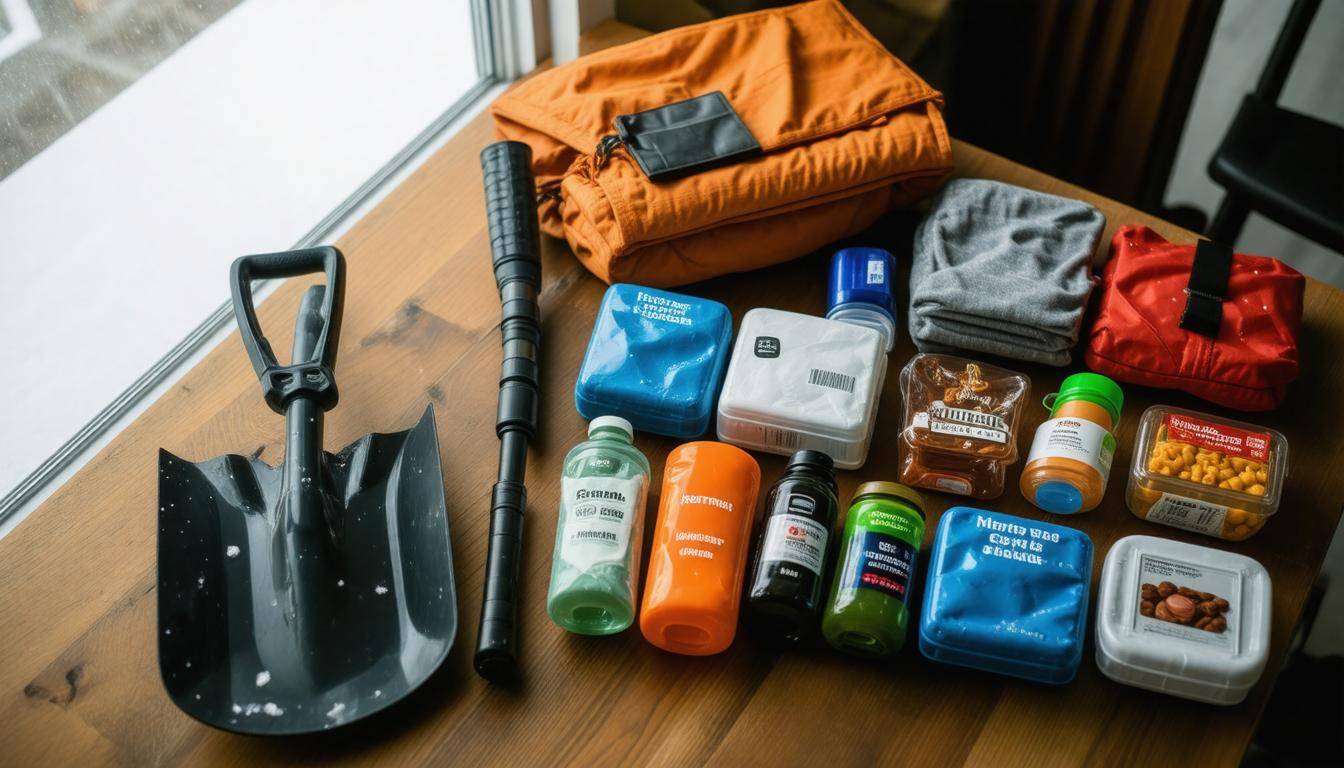
Keeping your winter emergency kit updated is essential for the safety of you and your family during cold weather. Over time, items can become outdated or less effective due to spoilage or wear and tear. This could include food past its expiration date, batteries that have lost their charge, or first aid supplies that need replenishing.
Regular Checks
Scheduling bi-annual checks of your kit is a great way to keep everything in good working order. Ideally, plan these checks for spring and fall, as these seasons serve as natural reminders—just as you would prepare for annual home maintenance. During each check, take inventory of what you currently have and assess the condition of each item. Be sure to replace expired food items and batteries since they are crucial components when emergencies strike.
One simple way to make these regular checks easier is by integrating them into your existing routines.
You might find it helpful to set reminders on your phone or mark specific dates on your calendar to ensure that checking the kit becomes part of your habit. Think about how rewarding it will be knowing that your winter emergency kit will always be ready when you need it most. By consistently checking and updating your supplies, you’ll develop a sense of preparedness that brings peace of mind during the unpredictable winter months.
And let’s face it: there’s nothing worse than finding out halfway through a snowstorm that your flashlight doesn’t work because the batteries died last year! Keeping everything current means you’ll never have to deal with such inconveniences again.
To further streamline this process, consider creating a checklist of essential items tailored to Oshawa’s unique winter climate conditions. Whether it’s thermal blankets, sand for traction, or non-perishable foods, having a checklist allows you to quickly assess whether you’re missing anything crucial.
The key takeaway here is simple: an updated emergency kit is not just safer; it’s also more efficient when you’re in dire straits. Taking time to maintain this kit ensures that you are prepared for whatever winter brings your way.
In conclusion, being proactive about maintaining your winter emergency kit will ensure that you’re equipped for unexpected challenges during harsh weather spells. Stay safe and well-prepared this winter season.