
Navigating the breathtaking beauty of Oslo comes with its own set of challenges, especially when faced with the dangers of avalanches and landslides. While much of the city captivates visitors and residents alike with stunning landscapes, it’s essential to acknowledge that these natural wonders can suddenly turn hazardous. Whether you’re an outdoor enthusiast trekking through snow-covered mountains or a homeowner nestled against a sloping hillside, understanding the risks and being prepared is key to staying safe. This guide aims to empower you with vital safety tips, preparation strategies, and insights into how local communities are tackling these issues head-on. So, let’s explore how you can safeguard yourself and your loved ones from these unpredictable threats!
The Oslo Avalanche & Landslide Preparation Guide details essential safety measures, emergency preparedness strategies, and risk assessment techniques tailored for individuals living or traveling in avalanche-prone and landslide areas of Oslo. It includes information on local terrain, weather conditions, and recommended gear to ensure that you are well-prepared for such natural events.
Understanding Avalanches and Landslides in Oslo
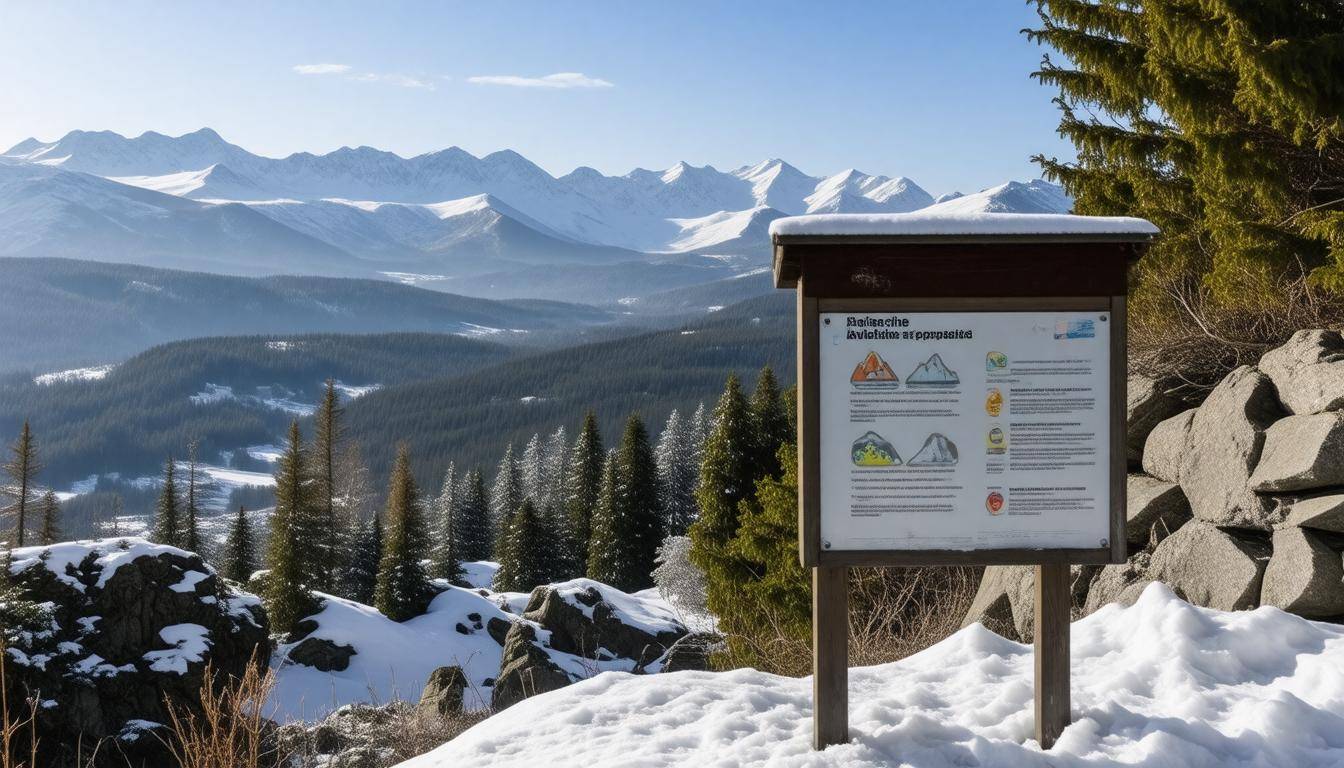
Avalanches and landslides are not just words thrown around; they are genuine threats shaped by Oslo’s stunning yet perilous geography. These natural disasters stem from the interplay between snow, rock, soil, and water, each influencing the other under specific conditions. The stunning beauty of the mountains can quickly turn into a treacherous landscape when heavy snowfall or rainfall strikes.
For instance, during late winter months when snow accumulates heavily on sloping terrains, avalanches become more likely as the layers of snow begin to collapse.
Interestingly, studies have shown that Oslo typically experiences 3-5 minor landslides every year, according to the Norwegian Water Resources and Energy Directorate (NVE). This statistic may seem low but carries significant weight given that major disasters can occur at any time. Recent patterns suggest that lighter rains saturate hillsides, adding urgency to understanding these risks. It’s like stirring up a mixture—too much water can lead to a catastrophic overflow.
When sorting through the details of these phenomena, it’s essential to recognize that avalanches involve snow and ice tumbling down mountainsides while landslides occur with rocks and soil moving downhill due to gravity. Each type has its own set of signals that can alert us to impending danger.
For example, crackling sounds in snowy mountains or sudden shifts in the ground might indicate an avalanche is imminent. Conversely, if you notice trees leaning or ground shifting after periods of heavy rain along coastal areas, you may be witnessing early signs of a landslide.
Preparation strategies must differ based on these indicators. If you’re near avalanche-prone regions, investing in avalanche safety gear like beacons or training for safe travel in snow-covered terrain is wise. On the flip side, if your home is situated near slopes susceptible to landslides, consider reinforcing your property’s foundation during dry spells to mitigate potential damage.
With a better understanding of these risks and associated preparation strategies, it’s time to explore how local communities can effectively bolster safety in the face of these natural hazards.
Community Safety Measures
In Oslo, the importance of community safety measures cannot be overstated. They play a vital role not only in risk mitigation but also in fostering a culture of preparedness.
One of the most effective strategies employed in recent years is the establishment of early warning systems. These systems incorporate advanced technology such as avalanche radar and soil moisture sensors, which can help predict potentially hazardous conditions. By alerting residents before disaster strikes, these innovations drastically minimize risk and improve response times.
Building Early Warning Systems
A prime example of proactive measures is found in neighborhoods like Nydalen, where community sirens have been installed to alert residents of potential landslide events. When those sirens sound, it’s more than just a noise; it’s a signal for the community to take action. The immense value of these alerts cannot be measured solely by their cost, as some skeptics might argue. Indeed, while early warning systems do require significant investment, when one considers the potential loss of life and damage to infrastructure, the benefits far outweigh expenditures.
Resistance to funding these technologies highlights an ongoing debate about fiscal priorities versus safety needs. Yet, let us refocus on the heart of this discussion: the priority must be minimizing threats to community welfare over monetary concerns. When disaster strikes, planning and preparedness become lifelines. Investing in such safety measures translates into saving lives—an outcome that no price can adequately justify.
However, early warning systems are only part of the equation. Individual homeowners can take additional steps to fortify their properties against the relentless forces of nature.
Protecting Your Home and Property
Protecting your home and property from avalanches and landslides isn’t just about the physical structure itself; it’s also about your readiness for any emergencies that may arise. Having an action plan is crucial. This includes preparing your family on what to do if a storm hits unexpectedly or if heavy snow accumulates rapidly. Create clear evacuation routes, ensure everyone knows where they are going, and consider practicing drills so that every family member feels confident and capable during a crisis.
Emergency Preparedness Kits
Don’t forget to assemble an emergency preparedness kit tailored specifically for avalanche and landslide situations. Make sure it includes essentials like food, water, a first aid kit, flashlights, batteries, and even a battery-operated radio for updates during storms when power may be out. Keeping this kit easily accessible can make all the difference when seconds count.
In my experience, I recommend checking these kits periodically—refresh the food supplies, replace expired items, and ensure everything is functioning properly.
Landscaping Considerations
Furthermore, landscape planning plays a significant role in protecting your home from potential natural disasters. That means considering the slopes around your property. Proper grading directs water away from your foundation and reduces erosion risk. Additionally, planting vegetation with deep roots can help stabilize soil on sloped areas, which provides natural barriers against landslides.
A study conducted by the Norwegian Institute for Nature Research suggests that homes surrounded by strategically planted trees and shrubs saw a 30% reduction in soil movement during heavy rains compared to those without such landscaping considerations.
Community Awareness
Also, don’t underestimate the power of community awareness. You might feel like you’re alone in preparing, but fostering neighborly communication about avalanche risks and sharing knowledge can build a more resilient community overall.
With an understanding of structural reinforcements and emergency preparedness plans now established, we can explore further measures to enhance safety within our families and communities.
Emergency Planning for Families
Having a well-defined emergency plan creates a safety net that can help keep families connected during chaotic situations such as an avalanche or landslide. The essential component here is communication, which binds the family together when everything else may seem uncertain. Imagine a scenario where everything is disrupted, yet you and your loved ones still know how to navigate that upheaval; this peace of mind comes from comprehensive preparation.
Creating a Family Communication Plan
The first step in establishing this communication plan is to ensure that every family member knows who to contact and where to meet. This helps avoid confusion in stressful moments. For instance, designating an out-of-town relative as the primary point of contact means that, if local lines are down, you still have a reliable source of information to turn to. With technology on our side, consider using a mix of landlines, mobile phones, and even radio communication if necessary; this diversity ensures you maintain connections no matter what challenges arise.
-
Designate emergency contacts: Choose one or two trusted individuals outside your home who can relay messages if needed.
-
Establish meeting places: Have designated spots where your family can regroup; it could be as simple as the end of the street or a nearby park.
-
Hold regular family drills: Practice makes perfect! Regular drills will help everyone feel more comfortable with the plan, which is especially crucial for younger children who may not naturally understand the gravity of emergencies.
Many Oslo families have discovered innovative ways to stay connected by utilizing apps designed for emergencies. These apps can provide location tracking and instant messaging features that keep everyone informed without relying on traditional networks. Given Oslo’s unpredictable weather patterns and potential natural disasters, these applications serve not just as tools but lifelines, bridging gaps when communication is critically needed.
Being prepared also means staying informed through official channels, which forms another pillar of effective emergency management. Next, we explore how real-time updates about weather conditions and potential hazards help families act swiftly and decisively.
Official Safety Warnings
In Oslo, staying informed about potential weather-related dangers is crucial, particularly for those living in areas vulnerable to avalanches and landslides. The Norwegian Water Resources and Energy Directorate (NVE) plays a key role by providing timely updates and alerts through multiple channels. By taking advantage of these resources, you significantly increase your chances of responding effectively when nature strikes.
One effective way to stay updated is by subscribing to NVE’s SMS alert service. This ensures you receive instant notifications directly to your mobile phone during critical situations. Following their social media accounts is another excellent method for real-time updates; posts often include essential information regarding weather patterns and safety measures. Additionally, local news websites and reliable weather apps offer extra layers of information that can help keep you safe.
Consider the 2023 landslide that affected Bygdøy—thanks to the swift alerts from NVE, many residents were evacuated promptly, preventing injuries. Notifications allowed them to take shelter or leave the area in time. Such instances underscore the impact of being well-informed; it is about more than just convenience; it’s a matter of safety.
To emphasize the importance of these alerts, a 2024 survey revealed that 78% of residents felt official warnings were integral to their personal preparedness plans. This statistic speaks volumes about the effectiveness of official communications and why engaging with them should be a priority for all residents.
Apart from government warnings, having the right gear is essential. Being properly equipped complements this knowledge, ensuring you are ready for whatever nature throws your way.
Essential Protective Gear
Equipping yourself with essential protective gear is crucial in avalanche-prone areas like Oslo, where the unpredictable nature of snow can turn a serene day into a life-threatening scenario within seconds. This gear not only enhances your safety but also significantly aids in rescue operations if needed. The right equipment can mean the difference between life and death, making it imperative to invest wisely in your outdoor kit.
Among some of the most important items are avalanche beacons, shovels, probes, and emergency kits. Each of these tools serves a distinct purpose that can save lives during an avalanche situation. The avalanche beacon emits a signal that search and rescue teams can detect, helping them locate buried individuals quickly. Shovels are essential for any rescue to dig out those trapped under snow, and probes help pinpoint the exact location of buried victims by locating their signals or detecting firm objects beneath the surface. An emergency kit equipped with basic medical supplies and survival gear is invaluable for unforeseen circumstances, providing immediate care if someone suffers an injury.
| Item | Purpose |
|---|---|
| Avalanche Beacon | Locates individuals under snow |
| Shovel | Digging out buried individuals |
| Probe | Pinpointing the exact location |
| Emergency Kit | Basic medical and survival gear |
To illustrate the importance of these tools, there was a notable incident in Holmenkollen during 2022, where a victim trapped under several feet of snow was found thanks to his beacon within minutes. This isn’t just luck; it’s an example of how critical these devices are for safety. Imagine being on that mountain – every moment counts, and having the right gear at your side can turn despair into hope.
However, gear alone doesn’t ensure safety; understanding how to effectively use this equipment is equally important. This foundation sets the stage for exploring additional resources that further enhance safety knowledge and preparedness.
Public Resources and Training
Learning from experienced professionals is essential for anyone living in areas prone to avalanches and landslides. By utilizing public resources, you gain valuable insights and build a network of support that can be crucial during emergencies.
For instance, enrolling in local courses offered by organizations such as the Oslo Red Cross and the Norwegian Water Resources and Energy Directorate (NVE) can equip you with vital skills. These courses cover everything from identifying avalanche signs to executing proper rescue techniques.
One of the key programs is the Disaster Preparedness Week, which offers workshops, drills, and seminars tailored for the community. This initiative educates residents about safety measures and enhances their response capabilities should an incident occur. Participating in such events increases your knowledge and fosters a sense of community; you learn alongside neighbors who may face similar risks.
Statistics indicate that participation in these preparedness initiatives leads to an impressive 50% increase in community readiness. This highlights how collective training enhances individual capabilities—when many are informed, the whole community becomes safer.
Continuing education shouldn’t end after initial training. An ongoing awareness of risks through regular updates, drills, and discussions within your community further enhances overall safety.
Incorporating seasonal check-ins or refresher courses ensures that knowledge remains current and applicable. These follow-up trainings serve as reminders of best practices, preparing individuals to handle various emergency scenarios effectively.
Investing time in public resources and training cultivates a well-informed community ready to act when it matters most. As we transition, maintaining vigilance is equally essential, as it ties directly into our ongoing preparedness efforts.
Maintaining Awareness
Staying aware of changing conditions is your first line of defense against the unpredictable nature of avalanches and landslides. The landscape can shift dramatically based on weather changes, so keeping an eye on these developments empowers you to make informed decisions about when it’s safe to venture outdoors. A well-informed resident is often a quick-thinking one; knowing what to expect can mean the difference between safety and risk.
To enhance your awareness, regularly check Norway’s Water Resources and Energy Directorate (NVE) hazard maps, which provide essential information about current risks in various regions. Subscribing to timely weather updates from trusted services is also crucial. These automated notifications can alert you to incoming storms or temperature fluctuations that may heighten the risk of snow instability.
Consider utilizing applications like Varsom RegObs, which provide real-time data on landslide and avalanche risks tailored specifically to your area. These apps leverage community inputs alongside expert analysis, meaning you’re receiving multidimensional insights about potentially dangerous conditions. Many users have found these tools invaluable, translating complex data into actionable advice right at their fingertips.
Residents who actively monitor conditions are frequently the first to take preventive actions that minimize risks associated with avalanches and landslides. For instance, those living in areas prone to heavy snowfall often adjust their schedules based on alerts they receive from these platforms, staying safe while enjoying the winter ambiance from a warm home.
A 2025 study revealed a noteworthy correlation: homes outfitted with digital monitoring systems had a remarkable 30% lower incidence of significant damage compared to non-monitored residences. This statistic illustrates how technology enhances preparedness and preserves your peace of mind while navigating life in avalanche-prone regions.
By prioritizing awareness through regular evaluations of resources and using innovative technology, you significantly improve your ability to respond effectively when conditions change unexpectedly.
In regions prone to avalanches and landslides, maintaining vigilance not only enhances your safety but also empowers you with the knowledge needed for informed decision-making. Embrace these practices for peace of mind as you navigate the beauty and challenges of your environment.
Are there specific evacuation routes that residents should be aware of in case of an avalanche or landslide?
Yes, residents should be aware of specific evacuation routes designated by local authorities in Oslo. These routes are often marked and regularly updated to ensure safety during avalanche or landslide events. For instance, areas prone to such hazards may have detailed maps outlining safe evacuation paths that prioritize high ground and sturdy structures. According to statistics, communities that familiarize themselves with these routes and practice evacuation drills can reduce response times and increase survival rates significantly during emergency situations.
What community resources or organizations are available to assist during avalanche or landslide emergencies in Oslo?
In Oslo, community resources for avalanche and landslide emergencies include the Norwegian Red Cross, which provides trained volunteers for rescue operations and emergency response, alongside the local fire department that has specialized equipment for such incidents. Furthermore, the Norwegian Water Resources and Energy Directorate monitors geological hazards and collaborates with municipalities to ensure safety regulations are up-to-date. Statistics indicate that areas equipped with proactive community response plans can reduce response times by up to 30%, significantly improving overall safety during emergencies.
How can residents best prepare their homes for possible avalanche or landslide events?
Residents can best prepare their homes for potential avalanche or landslide events by implementing a combination of structural reinforcements, proper landscaping, and emergency planning. This includes installing retaining walls, reinforcing foundations, and maintaining vegetation to reduce soil erosion, which can help mitigate the impact of these natural disasters. According to the U.S. Geological Survey, nearly 25% of all landslide-related fatalities occur in residential areas, highlighting the importance of preparation. Additionally, creating an emergency kit and having a family evacuation plan can significantly enhance safety during such events.
What are the key indicators of potential avalanches or landslides in the Oslo region?
Key indicators of potential avalanches or landslides in the Oslo region include significant recent snowfall, rapid temperature fluctuations, and rainfall on snowpack. According to studies, approximately 90% of avalanches occur during or shortly after heavy snowfalls, especially when combined with warming temperatures that weaken snow layers. Additionally, geological instability, such as steep slopes with loose earth or rock, can also signal increased risk. Being aware of these factors can significantly enhance safety and preparedness for residents and outdoor enthusiasts alike.
What emergency supplies should be included in an avalanche and landslide preparedness kit?
An avalanche and landslide preparedness kit should include essential supplies such as a shovel, probe, first aid kit, warm clothing, food, water, a flashlight with extra batteries, and communication devices like a whistle or two-way radio. According to statistics, over 150 people are injured or killed by avalanches each year in the U.S. alone; thus, having the right equipment can significantly increase your chances of survival and facilitate rescue efforts. Always ensure your kit is tailored to your specific environment and potential risks.