
In the face of emergencies, having a plan can make all the difference in keeping your family safe and connected. Imagine a sudden crisis hits—what would you do? Establishing an Out-of-State Contact System can ease worries and create a communication lifeline when chaos strikes. This guide will walk you through setting up your system step by step, offering practical tips and real-life advice so you can ensure that no matter where your loved ones are, they stay informed and supported. Let’s dive in and learn how to build this crucial network together!
To set up the Out-of-State Contact System, you must first register an account by providing your name, business address, and email address. After creating your account, you can file various business documents online, ensure that you have an ACH account set up for payments, and familiarize yourself with document types allowed for filing under the system.

Establishing Your Out-of-State Contact System
The first step in creating your out-of-state contact system is choosing your contact point wisely. This person will act as the central communication hub, especially when local connections might be challenging to maintain during an emergency. Look for someone who is reliable, calm under pressure, and willing to take on this responsibility. Their role will be critical, serving as a bridge between you and family members who may be scattered across different areas.
Once you’ve settled on the right person for this essential task, it’s time to gather contact information.
Collecting the necessary contact details involves more than just jotting down phone numbers. Aim to compile all essential phone numbers, email addresses, and social media IDs of your immediate family members and any key relatives who should remain in the loop. This includes not only their primary phone contacts but also alternative options if their usual means of communication fail.
A practical tip is to ensure that everyone saves this information—not only digitally on their smartphones but also in a physical format like an address book or printed list that can be easily accessed without technology.
With a reliable contact point established and vital information gathered, the next step is communication.
It’s crucial to clearly communicate your plan with the designated out-of-state contact. This ensures they fully understand their role and responsibilities—particularly how and when they should relay updates to other family members during a crisis. You’ll want to go over what kind of information they need to share, and how often they should check in with everyone involved. Make sure they are familiar with the nuances of your family’s emergency protocols so that they can act swiftly if needed.
Following this discussion, it’s equally important to engage with all your family members.
After briefing your out-of-state contact, take some time to inform the rest of your family about who this person is and what their role will entail. Let everyone know that in case of an emergency, they should reach out to this designated individual for updates or instructions rather than trying to establish direct communication amid potential chaos. This structure not only simplifies things but also reduces stress on family members during trying times.
With everyone informed about the system, you’re one step closer to having a cohesive support network during emergencies.
Engaging the entire family ensures clarity and preparedness but also sets the stage for identifying a trustworthy individual who can take charge when needed.
Designating a Reliable Contact Person
Choosing the right person to serve as an out-of-state contact isn’t just a box to check on your preparedness list; it’s a critical component that can make all the difference. The individual you select must embody certain key characteristics to ensure they can effectively step into this significant role when called upon.
Characteristics of a Good Contact Person
Above all, your contact should be dependable, accessible, and proactive. This means regularly checking their phone and emails, as well as being detail-oriented—capable of providing accurate information quickly and efficiently. Imagine having a responsible sibling or a close friend living in another state; these are the types of individuals who are often well-suited for the role. Their familiarity with your situation combined with their proximity could mean faster responses during urgent times.
In fact, 70% of individuals prefer a contact person who lives within a two-hour drive, which speaks volumes about the importance of reliability and accessibility in this role.
Consider Time Zone Differences
When designating a contact, time zone differences play a pivotal role. An ideal contact is someone in a time zone that aligns well with yours, especially during stressful moments when quick communication is vital. For instance, if you’re located in the Eastern Time Zone but your chosen contact resides in the Pacific Time Zone, delays could hinder response times when every minute counts.
You could find yourself waiting longer than necessary for a crucial update simply because your contact isn’t awake or available when you need them.
Additionally, familiarity with technology is vitally important. The recommended communication tools—like mobile apps such as WhatsApp or Signal—should be second nature to them. A tech-savvy contact means fewer complications when trying to relay messages quickly or organize follow-up tasks.
Before finalizing your decision, evaluate all these aspects carefully. This groundwork sets the stage for ensuring that your out-of-state contact is prepared for any situation that may arise, ultimately enhancing your emergency preparedness strategy.
Effective Emergency Communication Methods
When it comes to emergencies, effective communication can be the difference between confusion and clarity. That’s why employing a range of communication methods—what we call multi-channel communication—is essential. It increases your chances of reaching family members, friends, or other key contacts when every second counts. This approach also ensures that messages get through even if one method fails. Think of it like trying to connect two pieces of a puzzle: sometimes you have to try different angles to make the connection.
Multi-Channel Communication
Using various channels such as texting, emailing, social media messaging, and voice calls is an effective strategy for staying connected in times of crisis. This means if one channel is hampered—perhaps phone lines are down due to an unforeseen event—you still have avenues available like internet-based communication that could keep you informed.
| Communication Method | Pros | Cons |
|---|---|---|
| Text Messaging | Fast and reliable | Limited by cellular network issues |
| Can be accessed from multiple devices | Delayed response times | |
| Social Media | Instant updates and wide reach | Privacy concerns |
| Voice Calls | Personal and immediate | Can be affected by busy lines |
Picture this: your phone’s buzzing with alerts from friends updating about the situation while your email dings at the same time with alerts from local authorities. Smart, huh? This way, you’re not left in the dark—an excellent metaphor for the safety net multiple communication methods provide.
It’s important to choose a method that ensures rapid communication while considering what might work best for you in different situations. For example, if you’re home without power but have a smartphone, using social media could keep you connected with real-time updates from campus or local authorities.
Embracing multiple forms of communication reinforces your ability to manage an emergency effectively. Each method has its strengths and weaknesses, but collectively, they create a robust system that enhances safety for everyone involved. Regularly reviewing these options will keep you prepared and ensure that your out-of-state contact system remains effective, even in unexpected scenarios.
As we shift our focus, it’s essential to consider how we can effectively share updates and vital information with those concerned about your well-being during emergencies.
Informing Relatives and Friends
Ensuring that your relatives and friends are well-informed about your Out-of-State Contact System is essential for effective communication, especially during emergencies. It’s not just about sharing details; it’s about creating a safety net that everyone feels part of.
Begin by holding a family meeting. Gather everyone, either physically around the dining table if local or via a video call if they’re spread out across different states. This creates an inviting atmosphere where concerns can be raised, and questions answered. Make sure to explain the purpose of the out-of-state contact system clearly—how it works and why it’s crucial.
A key takeaway here is to provide all participants with an information sheet after your discussion. Distributing written instructions detailing the contact system along with emergency contact numbers reinforces what you’ve shared in the meeting. Information becomes clearer when presented both verbally and in writing.
Furthermore, running regular drills can ensure that everyone is not only hearing this information but also practicing it. Imagine a scenario where everyone knows how to respond smoothly—it’s comforting, isn’t it? It reduces panic because people are prepared. These drills could mimic real-life situations, like notifying someone out of state about an emergency. Even something simple—like sending a text to check-in—could be practiced to instill confidence.
All these steps are critical components of an effective communication system. The more familiar your loved ones become with the process, the more securely they’ll feel knowing they can rely on it when needed most.
Engaging your family and friends through meetings, clear documentation, and practice drills fosters a collaborative spirit around the Out-of-State Contact System. Taking these proactive measures not only helps streamline contact during emergencies but also cultivates a sense of unity among loved ones amidst uncertainty.
With strong communication established, it’s time to look at how this plan fits into broader safety measures that will enhance everyone’s preparedness.
Integrating into Your Safety Plan
Integrating the out-of-state contact system into your safety and emergency preparedness plans is not just an option; it’s a necessity. The effectiveness of your response during emergencies hinges on how well this system aligns with your broader safety strategies. Imagine facing an urgent situation—time is ticking, and you need to act decisively. If your out-of-state contact plan flows seamlessly within your overall plan, you’ll be able to navigate through the chaos much more efficiently.
Synchronize Plans
Start by ensuring that your contact system synchronizes with your household’s overall emergency plan. This integration means both plans should speak the same language when it comes to situational responses. For instance, if you have an evacuation plan in place, discuss how contacting your designated out-of-state individual plays a role in it. Is this person responsible for updating others about your status? Having these roles clearly defined can make crucial differences when emotions run high. Aligning communication methods—like using text messages or specific apps—also helps streamline communication under pressure.
Imagine having to call someone for help only to realize that you’re trying to reach them through an outdated phone number or platform. Another angle to consider is creating a centralized document outlining each family member’s responsibilities and their designated contacts outside the immediate area. Distributing these documents ensures everyone knows what their part is during emergencies, alleviating confusion when it counts the most.
Practice Consistently
Regularly practicing your safety plan strengthens everyone’s confidence, particularly when activating your out-of-state contact system. Many think just having a plan is sufficient; however, behaviors become second nature only through repetition and practice. Conducting drills serves as a rehearsal where potential pitfalls are revealed and addressed before actual scenarios arise. During these cohesive practice runs, each family member gets a chance to familiarize themselves with the steps involved in reaching out to the out-of-state contact.
Ninety percent of people who practiced their emergency communication felt more prepared during real crises—a testament to the power of drilling together.
It makes sense: by engaging in consistent practices, family members not only grow comfortable with their assigned roles but also develop a deeper understanding of the importance of efficient communication during emergencies. Set aside time at least once or twice a year for comprehensive reviews of the plan, refreshing everyone’s memory while adapting new elements based on lessons learned from previous experiences or changes in circumstances.
By taking these proactive steps, you’re not just enhancing your preparedness; you’re fostering a sense of unity and readiness among family members. This sets a strong foundation as we explore how to keep these essential connections alive and effective over time.
Maintaining Your Network
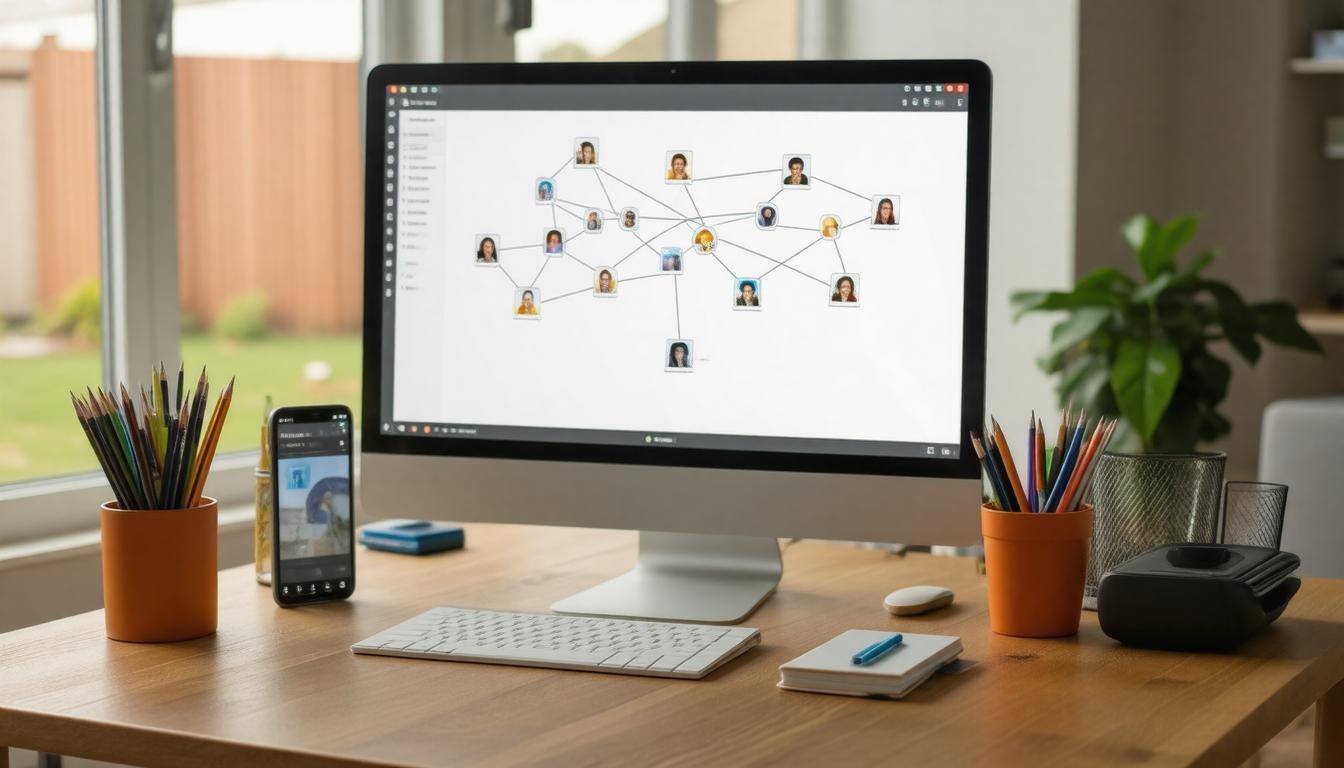
Keeping your network up-to-date is crucial for its effectiveness during emergencies. Regular maintenance activities might seem like a chore, but they are necessary to ensure seamless communication when it counts the most. One of the simplest yet most effective practices is engaging in regular updates of contact information. This means taking a moment every few months to verify and update the contact details of all key individuals in your network. It’s easy to overlook this task; neglecting it can lead to inaccuracies that could hinder communication during critical situations.
Regular Updates
In practice, setting a recurring reminder for yourself can be incredibly helpful. As one user noted, “I update my contact list every six months to ensure everyone has the most recent information.” This simple habit not only keeps you informed but also demonstrates a commitment to maintaining the integrity of your emergency communication system. Remember that people move, change jobs, or even change phone numbers; staying updated ensures that you’re never left scrambling for accurate information when every second matters.
However, updating contact lists isn’t the sole responsibility of the person creating it; it is equally important to perform regular check-ins with your out-of-state contacts.
Network Check-ins
Checking in periodically with your out-of-state contact not only confirms their current willingness to serve as your emergency liaison but also strengthens relationships built on trust and mutual understanding. When you reach out, take a moment to inquire about any changes in their circumstances that may affect their role in your emergency plan. Informal chats can help gauge their availability while enabling an open dialogue regarding everyone’s responsibilities during a crisis.
Regular communication solidifies your preparedness. It reassures both parties that you are aligned on expectations and responsibilities should an emergency arise.
Think of these networks as living systems: like any other relationship, they require nurturing and attention to flourish. A well-maintained network can be the difference between chaos and coordinated response efforts during emergencies. By setting a routine to regularly update contacts and check in with key individuals, you create a robust structure designed to withstand any uncertainties that may come your way.
As we explore further, it’s essential to dive into more specific guidelines and actionable steps you can take to enhance your network’s reliability even more.
Additional Instructions and Tips
One of the most essential aspects to consider for your contact system is ensuring you have reliable backup communication devices. Imagine you’re in a scenario where cell towers are down—in that moment, conventional smartphones become useless without a signal. This is where having alternatives like satellite phones or HAM radios comes into play. These devices can bridge gaps when traditional methods fail, ensuring you remain connected no matter what.
To enhance your preparedness even further, consider stocking extra phone chargers and power banks. You never know when an extended power outage might leave you scrambling for ways to charge devices. Maintaining a few fully charged power banks can be the lifeline you need in a crisis.
As important as devices are, don’t forget about software solutions either.
Utilizing emergency communication apps can vastly improve your ability to stay informed and connected, especially during emergencies. For example, apps like Zello provide instant voice communication over internet connections—they effectively transform your phone into a walkie-talkie. Family Locator apps can offer real-time updates on the location of loved ones, which becomes invaluable when coordinating during unforeseen events.
Each tip adds layers of reliability to your network, making it not just functional but robust against potential disruptions.
Don’t overlook another vital aspect: maintaining a comprehensive contact list that is easily accessible on all these devices and platforms. As you accumulate more tools for communication, ensure that your contacts are organized systematically. Keep details up-to-date; if someone changes their number or email, change it in your address book immediately.
Alongside storing physical copies of important documents—like identification and emergency numbers—regularly revisiting and updating this information ensures you are equipped for any situation without unnecessary delays. Additionally, sharing this information with trusted friends or family members creates a backup system of sorts that can help in case you’re unable to communicate directly.
Furthermore, practice scenarios with your contact system configured in such a way that everyone involved knows exactly what to do in case of emergencies. A plan shared among all participants turns confusion into action when time is of the essence.
Taking these additional measures solidifies not just your immediate safety but also creates a lifeline for those who matter most should the unexpected arise. Moving forward, we’ll take a closer look at how best to disseminate this crucial information effectively.
Sharing Important Information

Sharing accurate and timely information is crucial during emergencies. Being prepared means your family can respond effectively and quickly when the need arises. By having essential information at hand, such as contact details and medical needs, you’re setting up a safety net that can make all the difference.
Creating an Information Packet
To set this in motion, prepare a comprehensive information packet. This packet should include vital details such as contact information for each family member, specific medical needs or considerations (like allergies or necessary medications), emergency meeting points, and the details of your trusted out-of-state contact. Compiling this information doesn’t have to be complex; think of it as building a safety handbook for your family.
Once you’ve drafted your packet, create both digital and printed copies. Distributing these copies ensures that everyone has access to critical info, no matter their location or situation. In the age of smartphones, digital copies can be easily shared via email or messaging apps, while printed versions can be kept in wallets or secured in easy-to-reach places around your home.
Now that you’ve equipped your family with important contact information, it’s essential to stay connected throughout any emergency situation.
Real-Time Updates
Utilizing social media or group messaging platforms for real-time updates is an effective way to keep everyone informed. When an emergency unfolds, prompt communication is key. For instance, platforms like WhatsApp or Facebook Messenger allow for quick group broadcasts where you can instantly share updates about your family’s status or upcoming plans.
Quickly communicating allows families to adapt to changing circumstances without confusion.
Consider establishing a specific communication protocol beforehand. Family members could agree on using one platform exclusively for emergency communications. This eliminates the chance of miscommunication across different channels and ensures everyone knows where to look for updates during a crisis.
While technology is incredibly useful, including non-digital options also serves a valuable purpose. Make sure that even if electronics fail (due to lack of battery life or smart device incompatibility), everybody knows how they can reach each other by utilizing pre-agreed meeting spots or through neighbors.
By maintaining organized communication through an established system and sharing vital information regularly, you create a sense of security within your family. It empowers everyone involved to act swiftly and confidently when it counts the most.
Ultimately, being proactive in sharing important information not only strengthens family ties but also enhances safety during unforeseen situations. Take action now to ensure that your loved ones are always prepared.