
When it comes to reliance on supplemental oxygen, being prepared isn’t just smart—it’s a lifeline. Imagine waking up to a power outage or an unexpected emergency and finding yourself without a reliable source of oxygen. This scenario can be frightening, especially for those who depend on oxygen for their well-being. That’s why having a solid Oxygen Dependency Emergency Plan is so essential. From portable tanks to back-up power sources, understanding your options can make all the difference in ensuring safety and peace of mind. Let’s dive into what you need to know to keep yourself secure and supported during critical moments.
Essential backup options for an Oxygen Dependency Emergency Plan include maintaining portable oxygen tanks, which should provide at least a 72-hour supply of oxygen, and having a comprehensive plan for alternative power sources to ensure that oxygen concentrators remain operational during power outages. It is also crucial to educate family members or caregivers on how to effectively use these backup systems in case of emergencies.
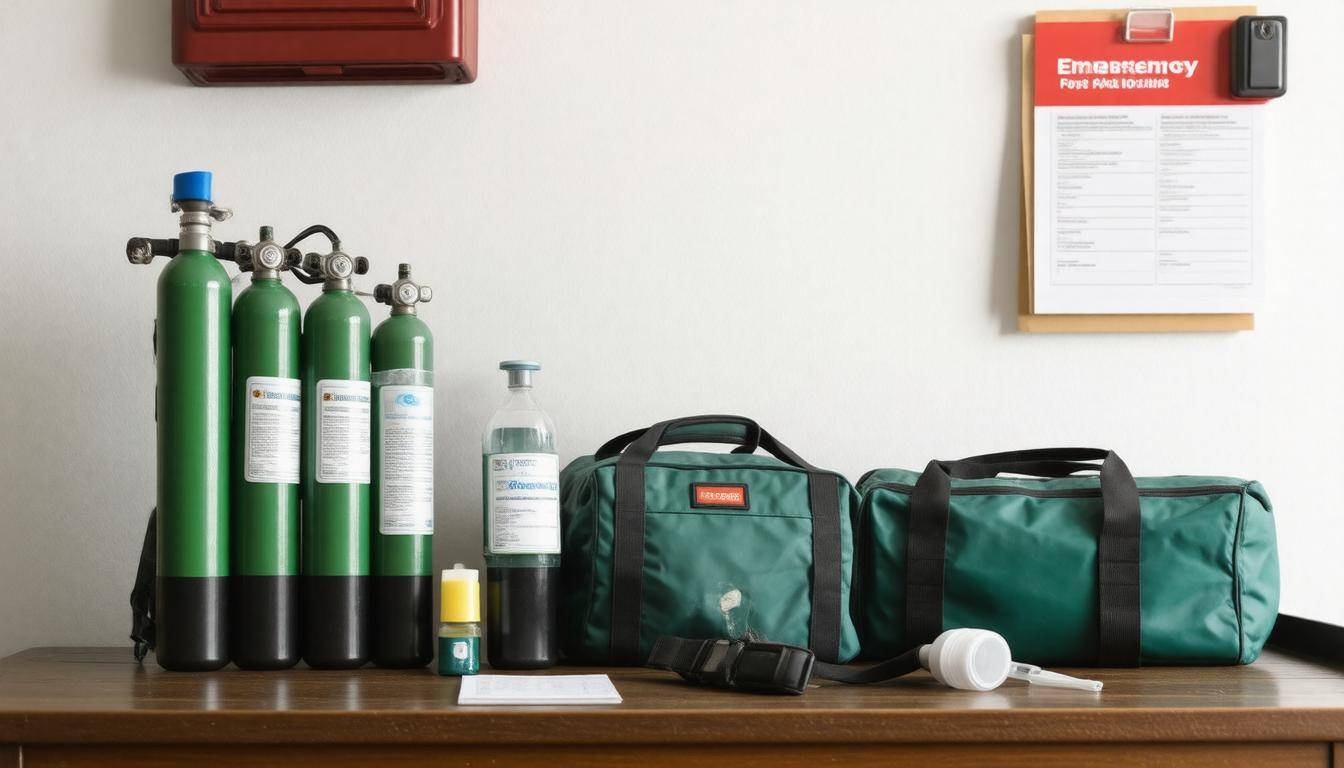
Primary Sources of Oxygen Supply
The most common types include liquid oxygen, compressed gas systems, and oxygen concentrators, each offering unique benefits and challenges.
Liquid Oxygen Systems
These systems are fascinating because they store oxygen in a liquid state. This compact storage format allows you to have a high concentration of pure oxygen without taking up too much space. Imagine condensing your favorite beverage into a single bottle; that’s essentially what liquid oxygen does—it packs a powerful punch.
To put this efficiency into perspective, each liter of liquid oxygen expands to about 860 liters of gaseous oxygen when converted. This means that if you have a system that holds just a few liters of liquid oxygen, it can provide ample support for an extended period—ideal for home use.
However, not everyone can manage liquid oxygen due to its specialized handling requirements or questions about safety and logistics involving refills.
Compressed Gas Systems
Next, let’s examine compressed gas systems, which comprise traditional tanks filled with medical-grade oxygen used alongside regulators to control flow rates. Imagine these tanks as large balloons, only filled with oxygen under pressure rather than air.
For instance, take the E-size cylinder: it makes a practical choice for many users as it contains approximately 680 liters of oxygen while remaining portable enough for moderate mobility needs. This means individuals can use it while going about their daily activities.
It’s essential, however, to recognize the trade-offs. While compressed cylinders offer flexibility in movement, they are also considerably heavier than their liquid counterparts, making them less efficient in terms of space utilization.
Unlike liquid oxygen systems which maximize storage capacity, these cylinders may require more frequent trips for replacements due to their size limitations. Thus, if space is constrained in your home or vehicle and you’re looking at prolonged usage, evaluating your options becomes crucial.
Shifting focus introduces us to the next modern solution that enhances user convenience through innovative technology.
Portable Oxygen Concentrators
Portable oxygen concentrators, or POCs, have transformed the experience of oxygen therapy for many individuals relying on supplemental oxygen. These devices are engineered with mobility in mind, making them a preferred choice for those who want to stay active without being tethered to a fixed source of oxygen. Unlike traditional oxygen tanks, which can be bulky and require constant refills, POCs extract oxygen straight from the air around them. This means you can enjoy outdoor activities or travel without constantly worrying about running out of oxygen.
One standout advantage of POCs is their lightweight design that allows users to carry them effortlessly wherever they go. For instance, devices like the Inogen One G5 provide up to 10 hours of battery life and weigh under 5 pounds, making it less cumbersome compared to earlier models. This is particularly significant for those who wish to maintain an active lifestyle despite health challenges. Those few extra pounds can make a huge difference when you’ve got your hands full.
Take Jane, for example. A 65-year-old patient battling Chronic Obstructive Pulmonary Disease (COPD), Jane once felt confined by her need for supplemental oxygen. After switching to a POC, she found herself embracing outdoor hobbies she had long abandoned. Going for walks in the park or enjoying time with her grandchildren became achievable again. Moreover, her fixed income made her decision all the more practical; the cost-effectiveness of a POC—particularly when considering the expenses associated with refilling tanks—played a pivotal role in her choice as well.
The freedom Jane experienced isn’t exclusive to her; many users report similar stories where a POC has significantly improved their quality of life by enabling greater mobility and independence.
While these devices offer impressive benefits, it’s essential to remember that portable oxygen concentrators might not meet everyone’s specific oxygen requirements. Next, we’ll explore various backup solutions that can support those who need alternative options for their oxygen therapy.
Oxygen Tanks: Options and Maintenance
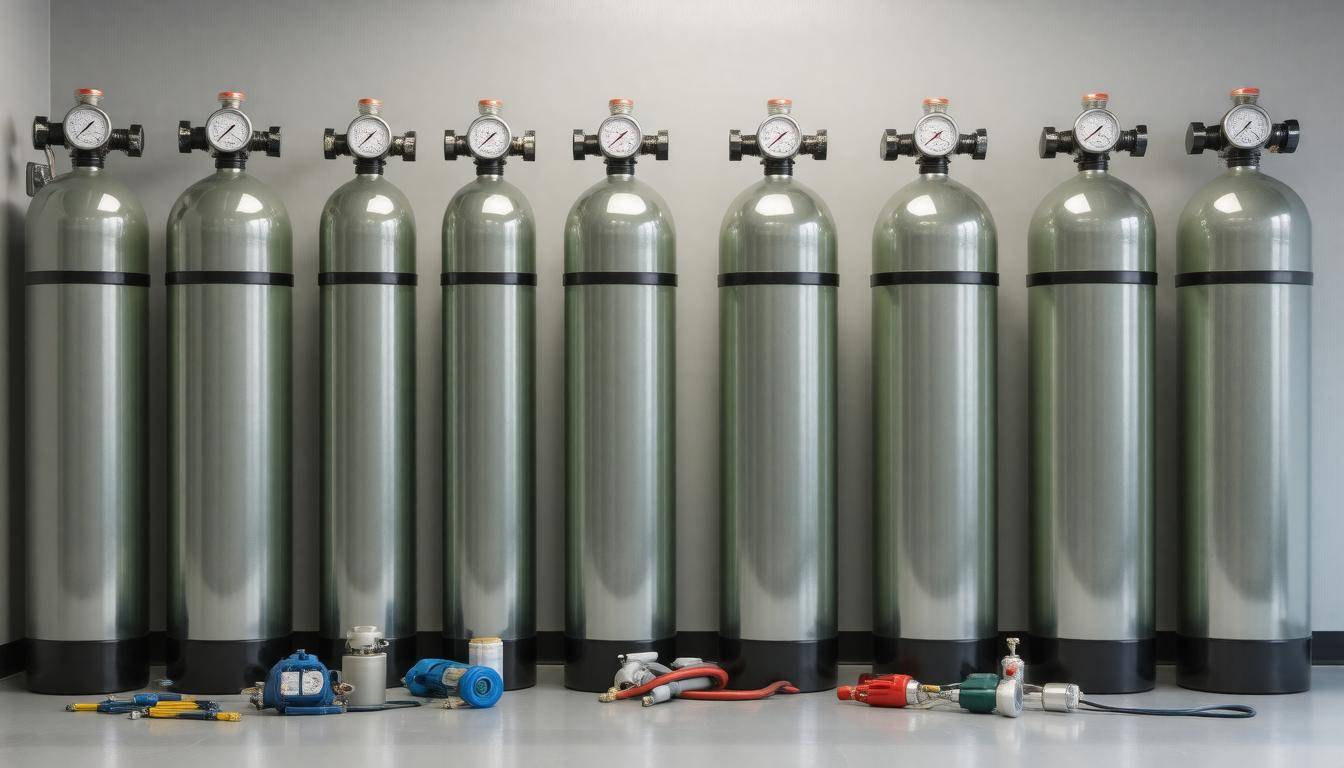
Oxygen tanks come in different forms, providing flexibility in choosing the one that best suits your lifestyle and emergency plan. Each type has its own benefits and considerations that you should know about. The most common types include E-cylinders, H-cylinders, and liquid oxygen tanks.
E-cylinders are portable and lightweight, making them ideal for short trips or emergencies. They generally provide 5 to 6 hours of oxygen, depending on the flow rate set on your device. While they offer excellent convenience, their weight can be a challenge for some individuals if used for extended periods.
Next up is the H-cylinder. These tanks are significantly larger, designed for home use, and can last several days without needing a refill. Their size comes with trade-offs—while you’re less likely to run out of oxygen quickly, they require more space and may necessitate professional assistance for safe replacement.
Lastly, liquid oxygen tanks represent a more compact option that offers high capacity in a smaller form factor. Although they can be pricier than traditional gas cylinders, they allow for longer-lasting oxygen supplies without requiring constant refills.
It’s important to note that each type of tank may require unique handling and transport needs. For example, H-cylinders should always remain upright to prevent damage.
Maintenance Protocols
Maintenance is key when it comes to keeping your oxygen tanks fully operational. It starts with regular inspections where you should check for leaks, assess physical damage, and ensure all components function correctly. Consistently look for any wear or tear on the valves or hoses. A helpful tip is to set aside time once a month to go through these checks—consistency is your ally!
To make sure you stay on track with maintenance as it gets complex over time, consider scheduling professional maintenance checks at least once a year. Professionals can perform in-depth assessments of your tanks and equipment to confirm their safety and effectiveness.
However, simply owning oxygen supplies is not enough; the true challenge lies in emergency preparedness. Understanding how to operate these tanks effectively is crucial during power outages or unexpected disruptions. This knowledge serves as a vital foundation for developing comprehensive emergency strategies that keep you safe and secure.
Creating Your Emergency Plan
Developing a comprehensive emergency plan tailored to your oxygen dependency isn’t just wise—it’s essential. The goal is to avoid panic during a power outage or natural disaster by ensuring you’re prepared with the right resources readily available.
The first step involves gathering all necessary information. Start by making a detailed list of emergency contacts. This should include medical providers familiar with your condition, local emergency services, and utility companies that can assist during outages. Providing this information to your family members or caregivers can significantly improve their ability to support you if something goes awry.
Once you have your contact details organized, it’s time to identify alternative sources for oxygen. Knowing where to obtain backup oxygen supplies—whether from local suppliers or emergency services—will give you peace of mind. Keep contact information for your primary supplier handy, as they are often the best resource for rapid replacements if needed.
While organization is crucial, simplicity enhances efficiency in emergencies. A Go-Bag is highly beneficial; think of it as a portable lifeline filled with essentials. Pack important medical records, backup batteries for devices, and a portable oxygen supply in this bag. Having everything in one place means you’ll spend less time scrambling and more time focusing on what truly matters: your health and safety.
To emphasize the significance of personalized planning, consider Freddy’s approach—a 70-year-old emphysema patient who has taken these steps seriously. Freddy keeps a laminated card detailing his key contacts along with a small, ready-to-go backpack containing all his vital necessities. This level of preparedness minimizes confusion during emergencies and instills confidence.
With such a plan firmly established, the focus now shifts to ensuring that your battery backup systems are equipped and ready for action when called upon.
Managing Battery Backup Systems
Effective battery management is vital for uninterrupted oxygen supply during emergencies. It’s essential to keep a supply of fully charged batteries on hand. Knowing the power needs of your device—whether it runs on AA batteries or requires a specialized battery pack—can help you plan accordingly.
While it may seem mundane, regularly checking your stock of batteries and ensuring they are charged can save precious moments when an emergency strikes. It’s a matter of being ready at all times. Consider creating a simple chart that tracks how many batteries you have, their types, and when you last charged them. This can serve as a handy reference and give you a sense of control over your environment.
It’s important to note that around 70% of oxygen concentrator users face power interruptions annually, emphasizing the need for reliable battery backups. This statistic is alarming; it underscores the reality that many people find themselves in precarious positions during power outages without an adequate plan in place.
What does effective battery management mean? For starters, stockpiling batteries might feel excessive, but consider this: Having just enough can make all the difference when you’re relying on life-supporting equipment. Besides standard batteries, investing in rechargeable options can be more cost-effective and environmentally friendly. Just remember to check them periodically; even rechargeable batteries can lose their efficacy if not used or charged regularly.
Tips for Effective Battery Backup
In addition to keeping extra batteries on hand, understand the specific power consumption of your devices. For instance, if using an oxygen concentrator that typically draws 200 watts, ensure that your generator or alternative power source can handle more than that consistently; this provides a safety buffer. Additionally, maintain a good mix of different wattage generators available based on your usage needs.
Another solid tip is to consult with healthcare providers regarding equipment adjustments during emergencies—sometimes it’s possible to reduce flow rates without compromising safety, allowing for longer use from limited supplies.
Battery management ties closely into the bigger picture of preparedness; understanding these essentials ensures you’re equipped to tackle unforeseen challenges head-on. With this foundational knowledge in place, we can now look ahead to explore additional layers of protection and support systems that play crucial roles in safeguarding well-being.
Safety Protocols and Insurance Policies
Safety protocols create an essential framework that promotes a secure environment and provides reassurance for anyone relying on supplemental oxygen. One critical recommendation is to label your equipment clearly. Clear labels help both you and your caregivers quickly identify vital pieces for your oxygen therapy during emergencies, thereby reducing confusion when time is of the essence.
Pair this with having a fire extinguisher nearby—this could provide an extra layer of security against accidents, especially since oxygen can enhance the flammability of materials.
It’s also wise to designate a “No Smoking” zone around your oxygen equipment because exposure to flames or cigarettes jeopardizes safety. This rule isn’t just about caution; it establishes a protective barrier that minimizes risk in household environments.
It’s easy to think that once you’ve set up your oxygen system, you can forget about it. However, safety is not static; it requires periodic checks and updates. Regularly review and rehearse safety protocols with all family members involved in your care, so they know how to react in case of an emergency.
Understanding Insurance Coverage
Insurance coverage is equally important yet often overlooked. Different policies vary widely in what they include, making it essential to familiarize yourself with the nuances of your own plan. Some insurance policies may offer rental coverage for backup equipment when emergencies arise, which can be invaluable if your primary system fails unexpectedly.
Have you reviewed your policy lately to ensure it covers emergency oxygen supplies? If it’s been a while since your last review, now might be a good time to revisit those documents. Understanding what your insurance includes protects you financially and alleviates stress during critical moments.
With both safety protocols and insurance coverage understood, it’s crucial to explore how communication plays a vital role in managing emergencies effectively. Ensuring everyone knows their role helps tie all these elements together for enhanced safety and reliability.
Effective Communication During Emergencies
In times of crisis, when seconds count, having a clear plan for how to communicate can be the difference between safety and disaster. For individuals reliant on supplemental oxygen, establishing a solid communication strategy is key. This goes beyond simply informing family members; it involves creating a network that includes caregivers, emergency services, and medical providers. Ensuring each of these parties has the most up-to-date information about your needs can alleviate panic and delays during critical moments.
Start by discussing your emergency plan with family members and caregivers, making sure they understand not only your daily routines but also how to operate any backup systems. Consider using visual aids—like charts or lists—to outline steps clearly, especially if some family members might have challenges following verbal instructions under stress.
“Communication is critical,” highlights a report revealing that 70% of emergency responders emphasize clear interaction in effective patient care. Moreover, 85% of individuals dependent on oxygen admit they’ve faced barriers communicating their needs during emergencies.
Registering with local emergency services can greatly improve response times during power outages or other crises. Reach out to them ahead of time to ensure they know you rely on medical devices powered by electricity and may need priority assistance during an outage. This practice not only puts your mind at ease but can save precious moments when every second counts.
Remember, it’s equally vital for healthcare providers to be part of this communication loop.
Keeping regular contact with your medical providers ensures they are aware of your specific needs, including backup options and alternative power sources for essential equipment. Changes in your health status should also be communicated promptly. If there’s a change in your prescribed medication or equipment, let them know so they can update records and recommendations accordingly.
Emphasizing collaboration is crucial. Statistics reveal that 60% of emergency plans lack tailored protocols for individuals with hearing or speech impairments, further underscoring the need for inclusion in communication strategies.
Lastly, nurture relationships with your oxygen suppliers or caregivers; for instance, having direct lines to these services means you won’t have to fight through bureaucracy during emergencies. Create a list of contacts that includes cell phone numbers and email addresses, and make sure all relevant parties know they’re on speed dial—in Benjamin’s case, it was an absolute lifesaver during Hurricane Sandy when he had consistent access to his oxygen supplier.
Effective communication rests on thorough planning and consistent updates to ensure that everyone who might help you knows exactly what you need. The clearer the lines of communication established now, the better positioned you will be when it comes time to inspect and maintain life-dependent equipment.
Maintaining and Inspecting Equipment
To keep your oxygen supplies operational, it’s crucial to establish a routine for maintaining and inspecting your equipment. This routine begins with simple checks that can be done daily or weekly, as well as more comprehensive monthly and annual inspections.
Starting with daily tasks, you should develop a checklist that includes checking the oxygen tank pressure gauge to ensure it’s above 500 psi. This number indicates a sufficient supply of oxygen. Additionally, inspect the tubing for any kinks or blockages that could disrupt airflow; if you see damage, don’t hesitate to replace it.
Then there’s the nasal cannula or mask, which must be kept clean to prevent obstructions. Imagine Mary, a 60-year-old asthma patient who diligently inspects her oxygen concentrator every two weeks; her commitment has prevented multiple system failures over time. By being proactive, she avoids dangerous situations that could arise from neglected equipment.
Building on that foundation, consider implementing a more detailed strategy once a month. Testing the oxygen concentrator’s output is vital: it should consistently produce at least 90% oxygen concentration.
Take this opportunity to:
- Replace filters in the concentrator according to guidelines provided by the manufacturer—typically every 30 days.
- Inspect electrical cords and connections for wear or fraying.
This is where your attention truly pays off; minor issues can escalate into major problems if left unchecked.
It is also wise to maintain a logbook documenting all inspections and repairs made to your equipment. This log serves as both a record of your diligence and a helpful tool in case you need to consult healthcare providers about changes in your oxygen needs or equipment performance.
Alongside these personal checks, scheduling an annual review is crucial for ensuring long-term reliability.
Annual Equipment Review
During the annual review, seek professional servicing of all oxygen equipment. This isn’t just about routine checks; it’s an opportunity for experts to identify potential issues before they become critical. Verify expiration dates on your oxygen tanks too—nothing is worse than relying on expired equipment during an emergency.
Lastly, don’t forget to evaluate your emergency backup systems: make sure they are functional and easily accessible when needed.
By routinely caring for your oxygen supply equipment and understanding its intricacies, you ensure that you’ll always have what you need when it matters most.
In summary, establishing and following a thorough inspection plan not only enhances safety but also provides peace of mind for those reliant on supplemental oxygen. Regular maintenance lays the foundation for effective emergency preparedness.