
In emergencies, managing pain can feel overwhelming, but having the right tools at hand can make a significant difference. Whether you’re dealing with a minor injury, like a scraped knee from a biking mishap, or something more intense like a sprain, knowing your options for pain relief is key to staying calm and focused. You might not think about it until you really need it, but creating a well-equipped emergency kit filled with pain relief options is as essential as having a flashlight when the lights go out. By understanding what to include and how to use these supplies effectively, you’ll be better prepared to tackle whatever discomfort comes your way. Let’s dive into the best pain relief choices to have on standby for those unexpected moments.
For your emergency kit, it is recommended to include over-the-counter pain relievers such as acetaminophen (Tylenol) and ibuprofen (Advil), as these medications effectively manage pain and reduce inflammation. Additionally, consider adding topical analgesics like lidocaine patches for localized pain relief, ensuring you have versatile options available in case of various emergencies.
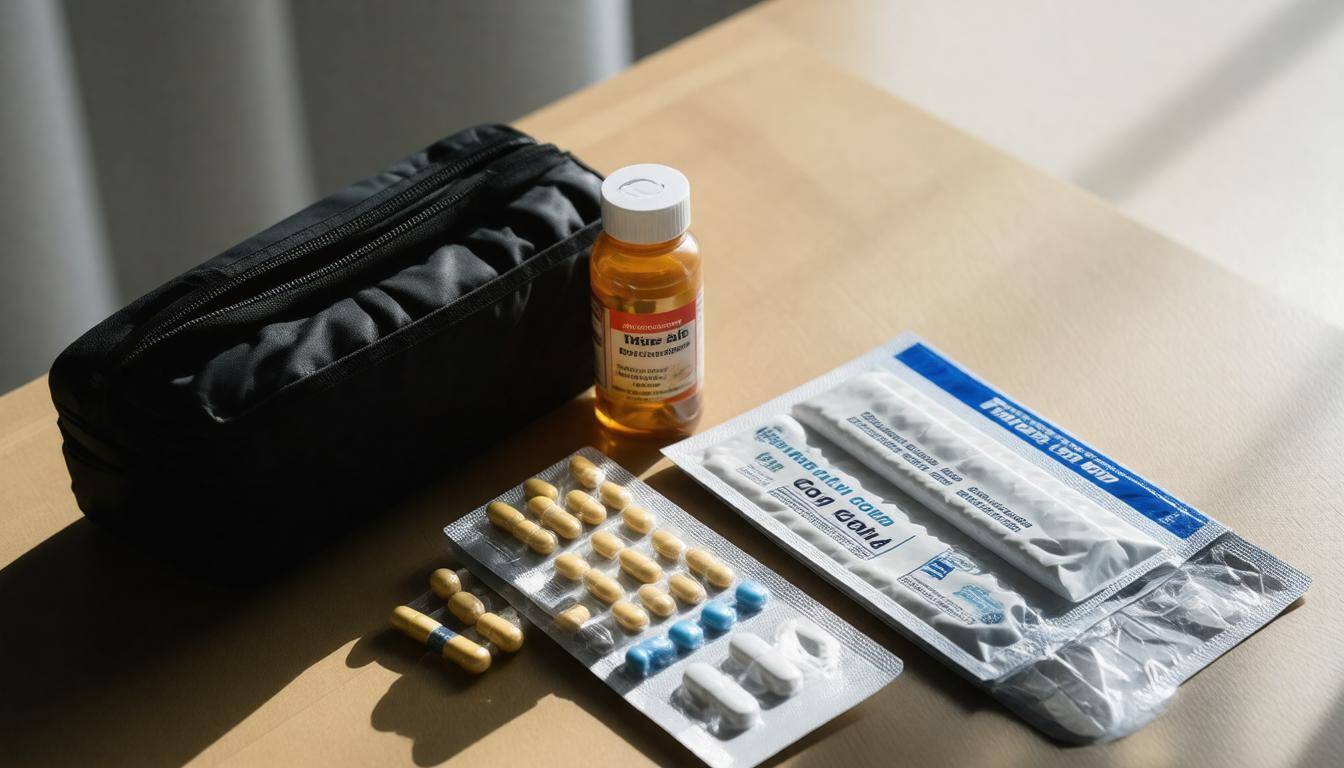
Essential Medications for Severe Pain
When it comes to managing severe pain in emergencies, having the right medications on hand can make all the difference. Prescription medications, particularly opioids like morphine and oxycodone, are potent options for mitigating intense discomfort. They work quickly to provide relief, making them invaluable in acute situations. However, it is essential to remember that these drugs come with significant responsibilities. Their high potential for addiction means they must be prescribed judiciously and monitored closely to avoid misuse.
Prescription Medications
Opioids, while effective, require careful management. The goal should always be to use them only as needed and to follow guidance from a healthcare provider. For anyone with a history of substance use disorder or mental health issues, discussing safer alternatives becomes even more critical. While opioids can transform a painful experience into something manageable, their temporary comfort must not overshadow their long-term risks.
The transition to non-opioid options can offer a safer path for many individuals while still addressing severe pain effectively.
Non-Opioid Options
Numerous non-opioid medications can also help with severe pain without carrying the same addiction risks. Drugs such as gabapentin are used primarily for neuropathic pain and have gained popularity due to their effectiveness. Corticosteroids may also be prescribed, especially in cases of inflammatory pain, providing relief by reducing inflammation at the site of discomfort. These medications can allow patients to maintain functionality without the worry that comes with opioid prescriptions.
Here are some noteworthy non-opioid options for severe pain:
- Gabapentin: Effective for nerve-related pain; often used in conditions like diabetic neuropathy.
- Corticosteroids: Beneficial for inflammatory pain, helping reduce swelling and discomfort.
- NSAIDs (Non-Steroidal Anti-Inflammatory Drugs): Common over-the-counter choices like ibuprofen or naproxen provide relief from moderate aches.
Controlled Storage
Regardless of which medications you choose to include in your emergency kit, secure storage is paramount. Prescription medications should be stored in tamper-evident containers that hinder unauthorized access but remain convenient enough for those who need them most. This approach not only prevents misuse but ensures that your pain relief options are sustained in case of emergencies.
Regular checks on these supplies ensure they remain within their expiration dates and retain their efficacy.
With an understanding of selecting appropriate medications combined with proper storage techniques, you’re equipped to manage unexpected situations effectively. As we look further, the focus will shift to a variety of alternatives available without needing a prescription.
Over-the-Counter Painkillers
Over-the-counter (OTC) painkillers serve as the unsung heroes in emergency kits, making them indispensable for quick relief from discomfort. Their accessibility means they can be obtained without a prescription, allowing anyone to stock up on these helpful medications. There’s something reassuring about knowing that when minor injuries occur—whether it’s a sprained ankle at a weekend soccer game or a headache during a family road trip—you have the tools you need close at hand.
Common OTC Medications
Among the myriad options available, ibuprofen and acetaminophen stand out as two of the most widely used medications. Ibuprofen, which can be found under brand names like Advil and Motrin, not only helps reduce pain but also serves as an anti-inflammatory agent. This is particularly useful for injuries where swelling accompanies discomfort, such as sprains or strains. On the other hand, acetaminophen, commonly known as Tylenol, is excellent for managing fever and relieving general pain. Both medications have their place in your emergency kit, offering a one-two punch against various ailments.
However, effectiveness hinges on understanding proper dosages and considerations unique to individual users.
Dosage Considerations
When it comes to dosage, adults should adhere closely to recommended guidelines: typically, 200-400 mg of ibuprofen every 4-6 hours or 500-1000 mg of acetaminophen every 6 hours, with a strict limit not exceeding 3000 mg per day. It’s important to emphasize occasional discrepancies between individuals; what works seamlessly for one may not elicit the same results for another based on various factors such as weight, age, or pre-existing health conditions. Always consult with healthcare professionals if unsure about appropriate dosages.
As we consider the population’s diversity, special attention must be paid to our younger audience.
Pediatric Use
Administering medication to children requires vigilant attention to their unique needs. Dosage must always be calculated based on the child’s weight rather than age alone, and it is vital to utilize pediatric formulas specifically designed for younger patients. Most OTC medications come equipped with dosing droppers or syringes that ensure accurate measurement. Doing so supports both safety and effectiveness. If ever in doubt about how much to give—or if a certain medication is appropriate for a child—reaching out to a pediatrician or pharmacist is highly advisable.
These considerations pave the way for exploring more specific therapeutic modalities that can enhance pain management strategies.
Topical Pain Relief Methods

Topical pain relief options have emerged as a popular choice for those seeking immediate relief in specific areas of the body. Unlike over-the-counter painkillers that impact your entire system, these products work right where you need them most, allowing for more direct management without unwanted side effects. The beauty of using topical agents lies not just in their effectiveness, but also in their convenience. Imagine applying a soothing cream or gel directly to a sore spot and feeling relief within minutes—this is the everyday magic that topical therapies bring into our lives.
Common Topical Agents
Some of the most common and effective topical agents include lidocaine patches, menthol creams, and diclofenac gel. Lidocaine patches are often favored for their numbing effect, making them particularly useful for localized pain such as that from nerve damage or injuries.
On the other hand, menthol creams, like Icy Hot, provide a cooling sensation that helps soothe muscle pain and reduces inflammation—a wonderful choice after a long day of physical activity.
Finally, diclofenac gel, widely used for arthritis-related discomfort, offers anti-inflammatory benefits that significantly alleviate joint pains.
Each of these agents has its own unique benefits depending on the type and source of pain, so understanding which one to use can empower you in managing your condition effectively.
Application Techniques
While selecting the right topical agent is crucial, applying these treatments correctly is equally important to maximize their efficacy. For starters, always ensure that you apply these treatments directly to clean skin over the affected area—avoid broken or irritated skin, as this can lead to irritation or increased absorption that’s not intended.
For instance, lidocaine patches should typically be applied once daily but are restricted to a maximum wear time of 12 hours to prevent excessive dosing. Other topical treatments may vary; some may require several applications throughout the day while others can be applied intermittently.
Remember: Always read the instructions on the product packaging before usage to ensure safety and effectiveness.
Incorporating topical resources into your pain management strategy enhances convenience and targeted relief. As we explore further options, we’ll examine another approach that many find beneficial for addressing discomfort naturally.
Herbal Pain Relief Options
For those who appreciate the wonders of nature, herbal remedies offer an excellent complement to traditional pain management methods. These options are valuable not only for their effectiveness but also for their rich histories and cultural significance.
Among the many herbs, turmeric stands out due to its vibrant yellow hue and potent anti-inflammatory properties. The active compound in turmeric, curcumin, has been found to play a key role in combating inflammation, making it especially beneficial for treating conditions like arthritis or muscle soreness. Imagine adding a sprinkle of turmeric to your meal, knowing it’s working quietly in the background to reduce discomfort while you enjoy your food.
Natural Herbs
Another remarkable contender is willow bark, often dubbed “nature’s aspirin.” Historically, this herb has been used for centuries as a remedy for various ailments, including mild aches and pains. Its ability to provide relief stems from salicin, which the body converts into salicylic acid—similar to how aspirin works. Willow bark can be particularly effective for headaches or menstrual cramps. There’s something comforting about using an age-old remedy rooted deeply in tradition rather than relying solely on pharmaceutical options.
We can’t overlook ginger either. Known predominantly for its culinary uses, ginger contains compounds called gingerols that can help reduce joint swelling and provide warmth to muscles. It’s not unusual to find someone with sore muscles making soothing ginger tea, which not only tastes delightful but serves as a natural antidote against discomfort from physical activities or minor injuries.
Preparation and Use
When considering herbal remedies for your emergency kit, think about how to prepare them effectively. Pre-packaged herbal capsules or tinctures are immensely convenient, allowing you to easily include these potent options without needing extensive preparation time. They serve as ready-to-go solutions when you need swift relief.
However, while seeking guidance through herbal therapies, understanding proper dosages is crucial. Always consult with a healthcare provider before combining these herbal treatments with any other medications you may take. This ensures both safety and efficacy, preventing unexpected interactions that might diminish their benefits.
In a world where pain management strategies continuously evolve, incorporating herbal remedies into your emergency kit reflects a proactive approach towards well-being while embracing the wisdom of nature.
Whether it’s turmeric’s robust flavor in your food, willow bark steeping in your cup during winter evenings, or indulging in ginger’s spiciness after a workout—all these can become part of an effective strategy in managing pain naturally.
As we explore pain management further, it’s important to consider other innovative approaches that may enhance comfort and recovery during challenging times.
Homeopathic Remedies for Pain
Homeopathy is a fascinating area that often sparks debate, yet many people find solace in its use for managing minor pain. These remedies aim to stimulate the body’s natural healing processes, and although they may not work for everyone, they have garnered a loyal following among those who appreciate more gentle approaches to pain relief. Individuals often opt for homeopathic options when dealing with conditions like mild muscle soreness or joint stiffness.
Common Remedies
Among the popular choices, Arnica montana is frequently recommended for muscle soreness and bruising. This plant extract is often used after physical activity or minor injuries, as it can help speed up the healing process and soothe discomfort.
Another commonly used remedy is Hypericum perforatum, also known as St. John’s Wort, which is particularly effective for nerve pain, providing relief from shooting or burning sensations.
Additionally, Rhus toxicodendron, derived from poison ivy, is valued for its ability to alleviate joint stiffness, especially when related to conditions like arthritis.
Many users take comfort in the gentleness of these remedies; however, it’s essential to recognize their limitations.
Critique and Usage
While some anecdotal evidence exists regarding the effectiveness of these homeopathic treatments, studies on the efficacy of homeopathy are mixed. Issues arise mainly due to a lack of rigorous scientific consensus surrounding homeopathic principles.
Therefore, it’s wise to consider these remedies as supplementary rather than primary solutions. They can serve as valuable additions to an emergency kit but should complement proven pain relief strategies like over-the-counter medications or other traditional treatments.
Integrating thoughtful pain management techniques into your healthcare preparations can enhance your overall readiness and response in various situations. This provides a solid foundation as we explore essential precautions next.
Key Safety Tips for Pain Relief
Safety should always be a top priority when using pain relief options. This is vital to avoid adverse effects or misuse that may lead to worsening health conditions. As we embark on the journey of pain management, it’s essential to start with an awareness of dosage.
Dosage Awareness
Always adhere to recommended dosages; it’s one of the simplest and most critical steps to ensure safety while administering any medication. For instance, whether you’re reaching for acetaminophen or ibuprofen, closely follow the guidelines provided on the label.
Combining medications that contain similar active ingredients can lead to potentially dangerous overdosing, which may have serious consequences. It’s like cooking a stew: adding too much spice can spoil the entire pot. Therefore, stick to one pain reliever at a time unless directed otherwise by a healthcare professional.
Beyond being cautious about dosage, proper storage practices are equally important.
Storage Practices
Medications should be stored in a cool, dry place, but out of children’s reach. Accidental ingestion can lead to unfortunate situations, especially if children get hold of adult medications.
Organizing your first aid kit thoughtfully ensures that everything is easy to find when that inevitable emergency arises. Consider using labeled containers or bags within your kit, separating different types of medications for quick access while remaining vigilant about their location so they’re not easily accessed by little hands.
Now that we’ve established safe storage habits, let us not overlook the importance of keeping track of expiry dates.
Expiry Dates
Regularly check expiration dates to ensure potency and safety, replacing any outdated items promptly. Medications that sit in your cupboard past their prime may not only be ineffective but could also lead to unintended side effects if improperly used.
Make it a habit to inspect your first aid supplies every few months—it takes only a few minutes and can save you trouble down the line.
By focusing on these safety tips—being mindful of dosage, storing medications properly, and regularly checking expiry dates—you pave the way for effective pain management while minimizing risks associated with misuse or accidents.
With these crucial safety measures in place, it’s time to explore how to gather all the necessary components for a well-prepared supply kit that can handle unexpected situations effectively.
Compiling an Effective Emergency Kit
To start, you’ll want to create a solid foundation with basic medications that can address everyday aches and pains as well as more intense discomfort. Common over-the-counter options like ibuprofen, known for its anti-inflammatory properties, and acetaminophen, which works wonders for fever and mild pain relief, should be staples in your kit.
But don’t stop there; consider adding natural remedies like turmeric capsules, renowned for their anti-inflammatory benefits. These additions not only provide versatility but also reflect a holistic approach to pain management that can cater to different preferences and sensitivities.
The next step involves including prescription medications if you have them available. Having a few doses of strong painkillers on hand can be advantageous for managing severe pain in emergencies. However, do remember that you should only include medications that you are prescribed personally. Always consult with your healthcare provider regarding the appropriateness of these medications for your situation. Additionally, ensure you keep these medications secured in child-proof containers to prevent accidental access.
Now let’s look at topical solutions. Incorporating topical agents like lidocaine patches or menthol creams adds another layer to your emergency response toolkit. These products can provide localized relief without the potential side effects that some oral medications may carry. Lidocaine patches are particularly useful after direct injuries or surgical procedures, offering numbing relief where it’s applied. Menthol creams, on the other hand, offer a cooling sensation that can alleviate soreness and muscular discomfort.
But it’s not just about the medicines; organization plays a crucial role too.
Safety Supplies for Your Kit
An efficient emergency kit should also include safety supplies such as:
- Medication organizer: Helps ensure you know exactly what you have at a glance.
- Dosage guides: A quick reference to avoid misunderstandings between adult and child dosages.
- Child-proof containers: Ensures safe storage away from curious hands while keeping everything easily accessible for adults.
With all these elements combined—medications, topical solutions, organization—the result is a truly versatile kit prepared to handle various emergencies efficiently. By taking the time to compile these essentials thoughtfully, you’ll find yourself better equipped to manage pain effectively and confidently when it matters most.
As we move forward, it’s essential to explore not only how these pain relievers serve us but also their specific uses and any limitations they may present in emergency scenarios.
Practical Uses and Limitations of Pain Relievers

Pain relievers are invaluable tools in an emergency situation. They help mitigate discomfort, allowing you or someone else to manage an injury more easily. However, it’s crucial to understand their practical limitations so that you can manage expectations and avoid potential misuse.
Pain Relief vs. Treatment
Let’s clarify one important point: while pain relievers can alleviate discomfort, they do not treat underlying medical issues. For example, if you’ve suffered a fall and have a sprained ankle, taking painkillers may help with the pain temporarily, but it won’t address the need for rest and proper medical assessment for that sprain. Always consult with a healthcare provider for any persistent pain; addressing the root cause is paramount for effective recovery.
Tolerance and Dependence
When it comes to opioid medications, caution is key. Using opioids over extended periods can lead to tolerance—meaning that you may find yourself needing higher doses to achieve the same pain-relieving effect. This can spiral into dependence, making it uneasy to stop taking these medications without experiencing withdrawal symptoms. That’s why it’s crucial to utilize these drugs responsibly and under professional guidance.
Recognizing these challenges reinforces the importance of having a balanced approach when choosing a method of pain relief.
Natural Limitations
Natural and homeopathic remedies deserve attention as well. While they can provide benefits for chronic issues or mild discomforts, they often require consistent usage over time before you notice any effect. Unfortunately, this means they may not be helpful in acute situations where immediate relief is necessary. If you’ve just stubbed your toe or experienced a sudden muscle cramp, waiting for a homeopathic remedy to take effect might leave you in unnecessary distress.
Here’s a summarized view of practical uses versus limitations:
| Type of Pain Reliever | Uses | Limitations |
|---|---|---|
| OTC Painkillers | Mild to moderate pain | Can cause liver/kidney damage if overused |
| Prescription Meds | Severe, acute pain | Risk of addiction and tolerance |
| Topical Solutions | Localized pain | Ineffective for deep internal pain |
| Herbal Remedies | Chronic inflammation | Slow-acting and may interact with other medications |
| Homeopathic Remedies | Minor injuries | Unproven effectiveness for severe pain |
Knowing the potential effects of each type of pain reliever allows you to select the best option based on the situation at hand. For example, having topical analgesics like lidocaine patches could be immensely beneficial after an unexpected strain, while keeping something stronger like ibuprofen handy helps tackle inflammation swiftly. In preparing your emergency kit, consider these elements carefully.
Incorporating a range of pain relief options will not only enhance your preparedness but also ensure you have the right tools at your disposal for various emergencies.
How should pain relief options be stored in an emergency kit to maintain effectiveness?
Pain relief options should be stored in a cool, dry place within the emergency kit, away from direct sunlight and heat sources to maintain their effectiveness. High temperatures can degrade medications, potentially decreasing their potency by as much as 10% for every 5 degrees Fahrenheit above recommended storage conditions. Keeping these supplies in airtight containers can further protect them from moisture and contamination, ensuring they remain safe and effective when needed most.
How frequently should the contents of an emergency kit, including pain relief options, be checked and updated?
The contents of an emergency kit, including pain relief options, should be checked and updated at least twice a year, or every six months. This frequency is recommended to ensure that medications remain effective before their expiration dates and that supplies are replenished after use. According to the American Red Cross, over 40% of people do not regularly check their emergency kits, leading to potential gaps in crucial supplies when unexpected situations arise. Regular updates help maintain readiness and effectiveness for pain management during emergencies.
What types of pain relief medications are safe to include in an emergency kit?
Safe pain relief medications to include in an emergency kit are over-the-counter options like acetaminophen (Tylenol) and ibuprofen (Advil, Motrin). Acetaminophen is effective for mild to moderate pain and has a lower risk of gastrointestinal side effects, while ibuprofen also reduces inflammation. According to the American Pain Society, approximately 25% of adults prefer ibuprofen for its dual action on pain and inflammation. Additionally, including aspirin can be beneficial for chest pain or suspected heart attack situations; however, it should not be given to children due to the risk of Reye’s syndrome. Always consider individual allergies and consult with a healthcare professional when assembling your kit.
Are there non-pharmaceutical alternatives for pain relief that can be included in an emergency kit?
Yes, there are several non-pharmaceutical alternatives for pain relief that can be included in an emergency kit. Options such as topical analgesics (like menthol or capsaicin creams), heat packs, cold compresses, and herbal remedies (such as arnica gel) are effective in managing pain without medication. According to a 2019 study, nearly 40% of people reported using complementary therapies for pain relief, highlighting the popularity and effectiveness of these alternatives. Including these options in an emergency kit can provide immediate comfort during critical situations.
What dosages of pain relief medications should be included for adults and children?
For adults, emergency kits should include 500 mg of acetaminophen or 200-400 mg of ibuprofen as initial dosages, with a maximum of 3000 mg of acetaminophen and 1200 mg of ibuprofen per day for short-term use. For children, dosages typically depend on their weight: acetaminophen is recommended at 10-15 mg/kg every 4 to 6 hours, while ibuprofen can be given at 5-10 mg/kg every 6 to 8 hours. According to studies, appropriate pain management can lead to a significant reduction in the perception of pain in emergency situations, enhancing recovery outcomes.