
Urban flooding is a real concern for many families, especially in places like Panama City where heavy rains can turn streets into rivers. Preparing for unexpected flooding isn’t just about waiting for a weather alert; it’s about taking proactive steps to keep yourself and your loved ones safe. With climate patterns changing, it’s essential to have a reliable flood preparation kit ready at your fingertips. Gathering useful tools and supplies now can save you valuable time when disaster strikes. This article will guide you through creating the ultimate urban flooding preparation kit, ensuring that you’re not just ready but confident in facing whatever mother nature throws your way. So let’s dive in and explore what you need to pack for those rainy days ahead!
A Panama City Urban Flooding Preparation Kit should include essentials such as water, non-perishable food, a flashlight with extra batteries, a first aid kit, important documents, personal medications, and sturdy footwear. Additionally, it is vital to have a portable phone charger and local emergency contacts readily available to ensure preparedness during flooding events.
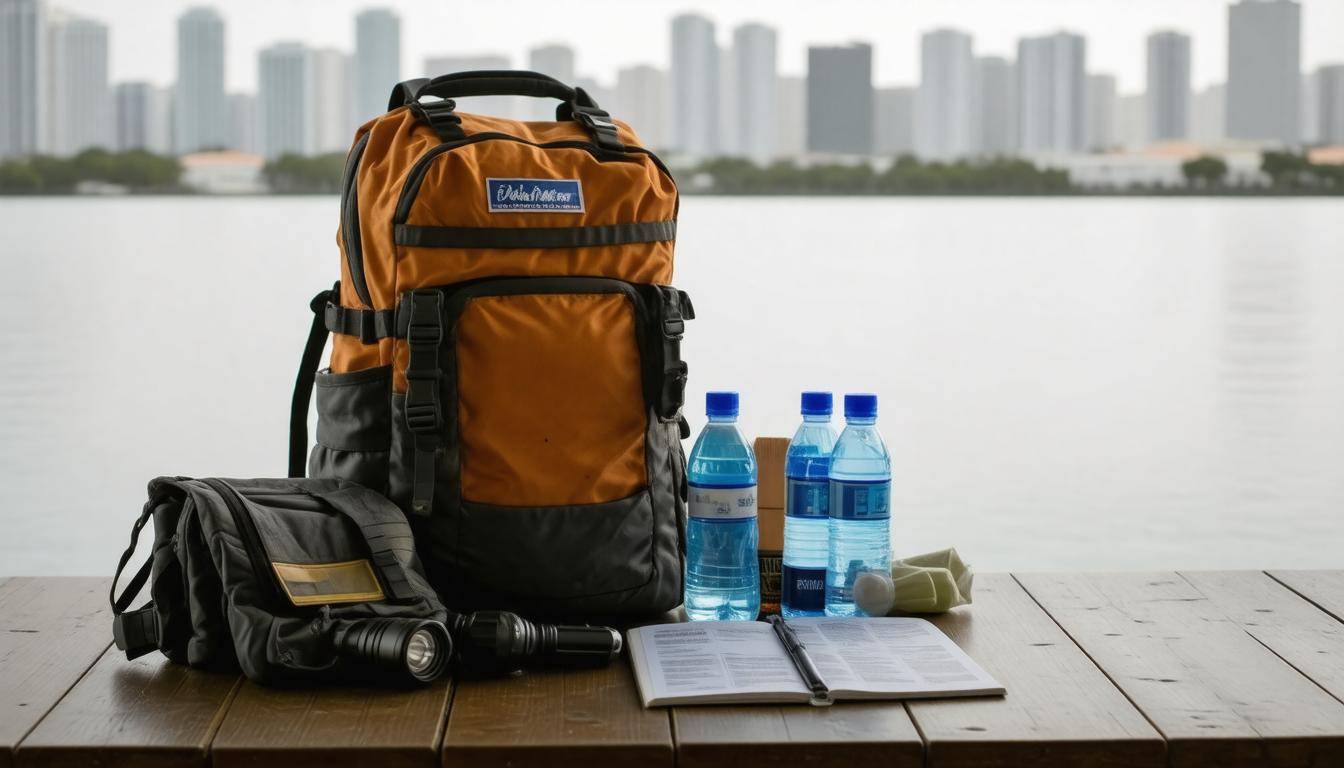
Essential Items for Your Flood Kit
When you consider packing a flood kit, it’s not just about throwing things into a bag; it’s about prioritizing the items that could truly make a difference during an emergency. Each item’s value increases in urgency when it comes to safety and survival. Therefore, start with the highest priority items that will serve critical roles during a flood event.
Your flood kit should include:
-
Waterproof document holder for important papers and IDs: It’s crucial to keep documents safe and dry during floods, as you may need them for evacuation, insurance claims, or temporary housing arrangements. Keep copies of any essential files such as identification, medical records, and banking information.
-
Battery-powered or hand-crank radio for weather updates when power is out: Regularly receiving reliable updates on weather conditions can help inform your decisions. Consider investing in a NOAA Weather Radio, which provides the latest alerts directly from the National Oceanic and Atmospheric Administration.
-
Flashlights along with extra batteries: In case of power outages, having flashlights handy ensures you won’t be left in the dark. Opt for LED flashlights—they are more energy-efficient and last longer than traditional bulbs.
-
First aid kit that includes essential medicines, bandages, antiseptics, and any daily medications you might need: A well-stocked first-aid kit is vital for treating injuries. Customizing your kit based on personal health needs—like including allergy medications or prescriptions—can be life-saving.
-
Personal hygiene products like wet wipes, hand sanitizer, and toilet paper: Maintaining hygiene becomes even more important during emergencies when access to clean facilities can be limited. These items can help prevent infections and keep spirits high under less-than-ideal living conditions.
-
Multi-tool for various emergency situations: Having a multi-tool can assist you in fixing issues around the home or providing basic everyday equipment while you’re in unpredictable situations. It’s something I always keep handy; you never know when it may come in useful.
-
Thermal blankets to keep warm during chilly nights: Even if you’re in a warm climate region like Panama City, temperatures can drop suddenly during rainstorms or at night. These compact blankets are lightweight but provide significant warmth in emergency situations.
Once you’ve packed these essential items with care, it’s also wise to explore strategies that enhance your safety and protection during flood events.
Safety and Protection Essentials
When urban flooding is imminent, ensuring your safety and the safety of those around you should be at the top of your list. First and foremost, having sturdy rain gear in your arsenal is crucial. Invest in high-quality waterproof jackets and boots to help you navigate through floodwaters effectively. These essentials not only keep you dry but also provide insulation against colder weather, which can be particularly dangerous when you’re exposed for extended periods.
Life vests or personal flotation devices are another vital asset, especially for households that include young children or non-swimmers. The last thing anyone wants during a flood is to find themselves unexpectedly in deep water without proper flotation support. These devices can make a world of difference when it comes to survival.
While some people argue that carrying a rope can be handy during emergencies—serving as a potential lifeline to secure yourself or even help someone else—caution is advised. Strong currents pose significant risks; thus, using a rope should only be considered when absolutely necessary. If you do choose to have a rope in your kit, make sure it’s durable and lightweight.
The following table outlines the pros and cons of both ropes and life vests for easy reference:
| Item | Pros | Cons |
|---|---|---|
| Rope | Useful for rescues, provides stability | Can be risky in strong currents |
| Life Vest | Ensures safety with minimal skill needed | May feel bulky when carried |
With these safety essentials strategically selected and packed away, it’s important to remember that your sustenance and survival supplies will play an equally crucial role in navigating through an emergency situation.
Food, Water, and Survival Supplies
In times of flooding or other emergencies, having ample food and water isn’t just a luxury—it’s a necessity. Your kit should be stocked with a variety of supplies to sustain you and your family through potential disruptions to normal routines. As FEMA advises, planning for emergencies includes having at least one gallon of water per person, per day, for at least three days. This amount ensures that everyone stays hydrated, with some extra on hand for cooking or sanitation needs.
When it comes to food, non-perishable options are your best bet. The key is to choose items that require minimal preparation and can be stored without refrigeration. Think about foods like canned beans, dried fruits, peanut butter, and energy bars. These options are not only filling but also nutrient-dense. Instant noodles and rice can easily provide warmth and sustenance; however, remember to pair them with something nutritionally comprehensive whenever possible.
One often overlooked item is the manual can opener. If you’re packing canned goods—which are often staples in emergency kits—having an efficient way to open them is crucial. You don’t want the frustration of trying to eat a meal while scrambling for a tool!
As you consider food resources, don’t neglect the importance of clean drinking water.
Since the need for hydration is paramount, it’s wise to include water purification tablets or portable filters in your preparedness kit. While storing bottled water is essential, it’s vital to think long-term if an emergency stretches beyond just a few days. Water purification solutions will enable you to convert natural sources of water into safe drinking water — an invaluable skill when traditional sources may become compromised.
It’s also important to periodically check your supplies. Rotate out items that may approach their expiration dates and replace them with fresh goods. Regularly updating your emergency kit keeps it ready for use at any time while ensuring you aren’t consuming expired products during critical moments.
Now that we have covered the essentials of food and hydration in emergency situations, it’s important to explore how to safeguard your living environment against potential flooding in the future.
Reinforcing Your Property
Protecting your home from urban flooding isn’t just about what you do when the water starts rising—it’s about proactive measures that can minimize potential damage long before the storm arrives. Elevating key components in your home is certainly a starting point, but reinforcing structures beyond that brings you a step closer to comprehensive flood preparedness.
For example, elevating all electrical appliances and fixtures at least 12 inches above the expected flood levels can significantly reduce the risk of water damage. However, consult with an electrician when adjusting permanent fixtures, as this could affect compliance with local codes and regulations.
Another crucial aspect to consider is sealing cracks in walls or foundations. Small openings may seem insignificant but can allow water to seep in, creating havoc inside your property. Using high-quality waterproof sealants can effectively block these points of entry, translating into massively reduced risks when rainfall turns into flooding. Regularly inspect these areas; nature tends to find ways through, and staying vigilant can save you a lot of future headaches.
Installing flood shields or barriers in front of doorways and garages can serve as an effective deterrent against water intrusion. These solutions act as the first line of defense when floodwaters rise unexpectedly. If you live in an area prone to flooding, having temporary barriers ready to deploy is wise, but permanent installations offer peace of mind for those unexpected weather events.
To go even further in minimizing flood damage, consider landscaping adjustments around your property. Retaining walls can help redirect water flow away from your home while regrading your yard to slope away from your foundation is another excellent strategy. French drains are also advantageous; they channel excess water away from vulnerable areas and into designated drainage zones, effectively lowering the chances of standing water around your home.
With your property now fortified against flood damage, it’s critical to establish and understand your emergency protocols for various flood scenarios you might face.
Evacuation Plans and Public Resources
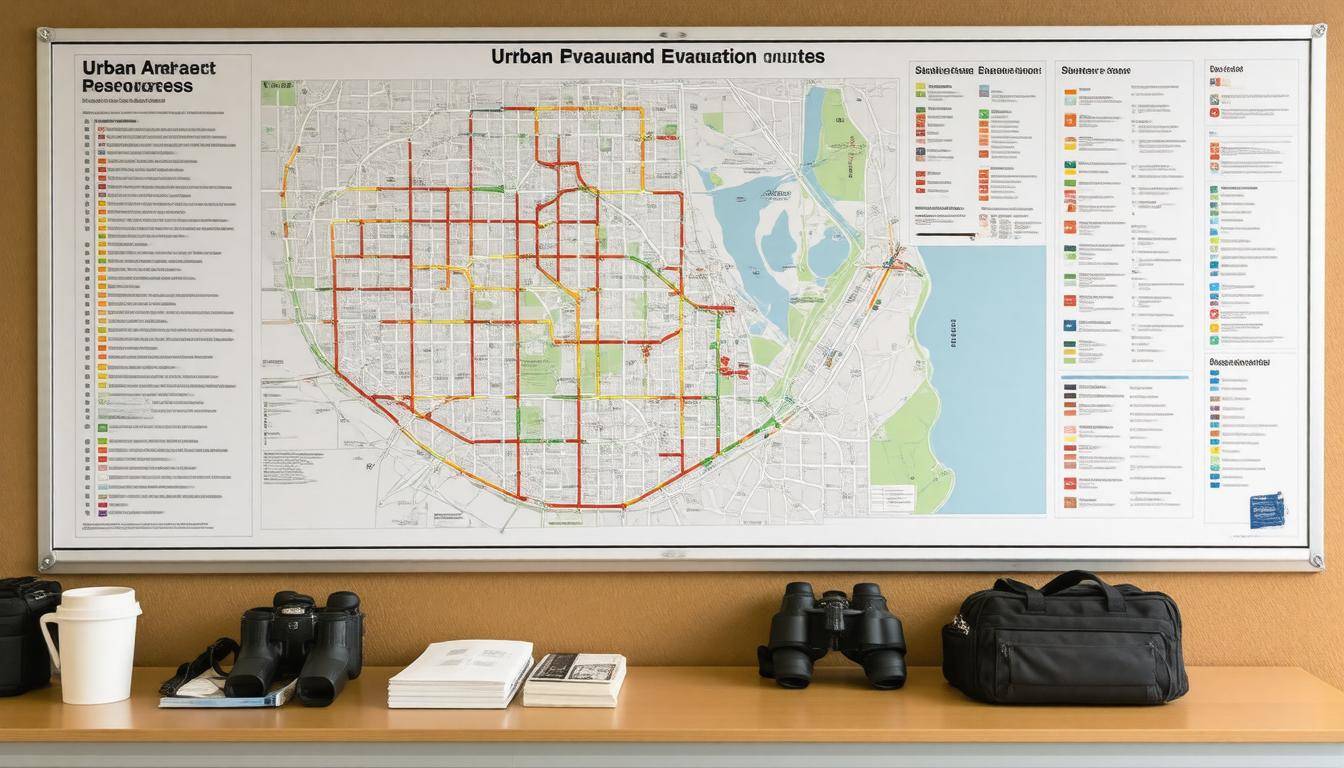
Having a sound evacuation plan can be the difference between safety and disaster during urban flooding. It’s vital to ensure you, your family, and even pets can exit your home quickly and safely if needed. Consider creating a detailed map that outlines multiple evacuation routes in and out of your neighborhood. Flexibility is key, as flood conditions can change rapidly, rendering some roads impassable while others may remain clear. A nearby route that looks good today may become hazardous tomorrow.
According to the National Weather Service, nearly half of all flood-related drownings occur because people attempt to drive through floodwaters. This staggering statistic highlights the importance of planning alternative escape routes ahead of time. When roads become blocked or washed away, understanding your options can guide you to safety more efficiently.
In addition to knowing your routes, staying informed is just as critical for effective evacuation.
Be sure to familiarize yourself with the following resources:
-
Local Shelters: Identify designated shelters in advance, such as those set up by the Red Cross, so you know where to go if you must leave your home.
-
Community Resources: Keep contact information for local organizations like the Panama City Department of Emergency Management handy—they provide updates and support during emergencies.
-
Mobile Apps and Websites: Leverage technology to stay informed about weather conditions through reliable apps or websites that monitor real-time updates on flooding or road closures in your area.
Information truly is power; staying updated will help you make timely decisions that could save lives.
Keep a charged phone on hand with these resources installed before an emergency strikes. Regularly check for access to power sources in case electricity goes out. Ensure your family knows how to use these tools effectively so everyone feels empowered during uncertain times. With this preparation, you will feel more capable navigating the unpredictable nature of flooding events.
As we explore further, understanding the flow of information becomes crucial for maintaining awareness when faced with flooding challenges.
Staying Informed During Floods
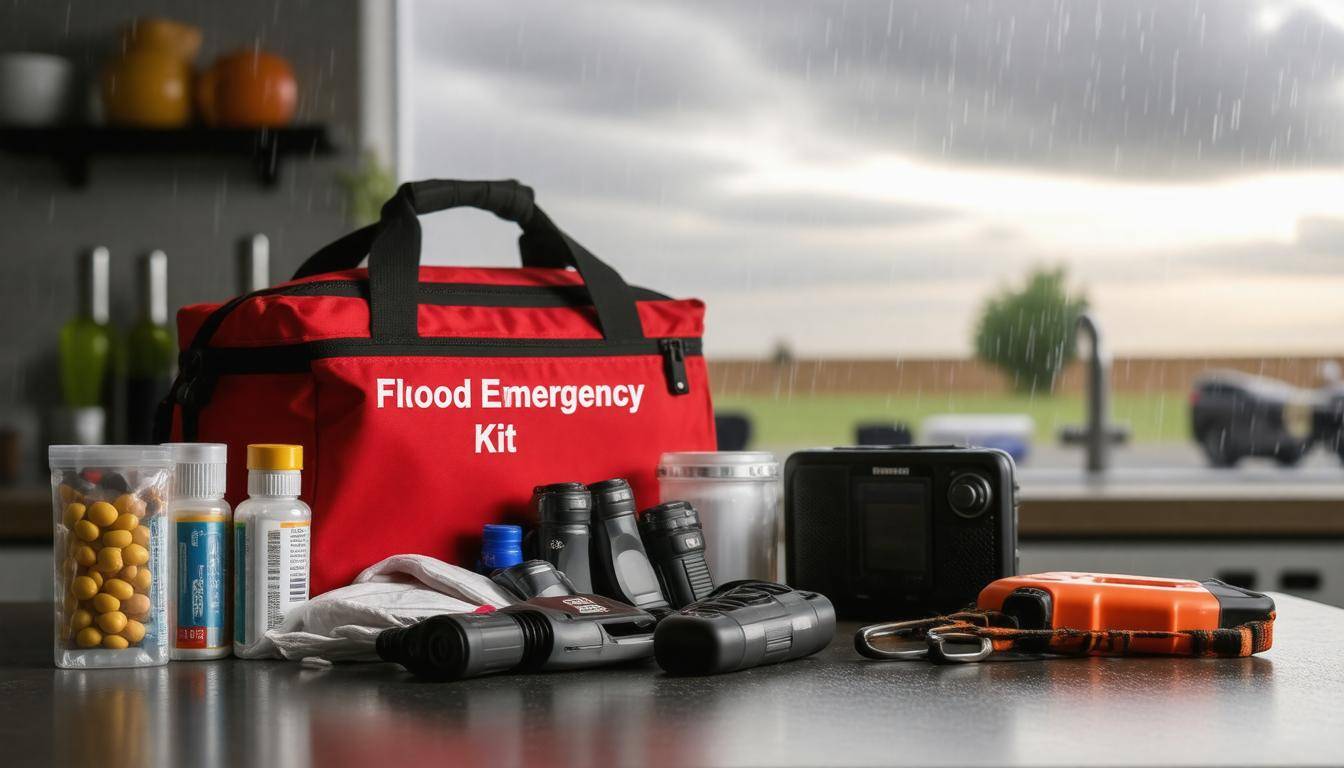
Real-time information serves as your lifeline when disaster strikes. During a flood, knowing what is happening and what to expect next enables you to make quick, informed decisions that can keep you safe. Relying on traditional media, like television or radio, may not always be feasible if power outages occur, so it’s essential to explore alternatives that provide constant updates.
One of the best tools at your disposal is a NOAA weather radio. These radios offer accurate and up-to-date weather alerts and emergency information even when the electricity is out. They are designed to broadcast critical notifications about severe weather, including floods, ensuring you receive timely alerts regardless of other services being unavailable. Make sure you have one on hand and check the batteries regularly for reliability.
Staying in touch with local news outlets online is also beneficial, but remember that some sources might become overwhelmed or inaccurate during a crisis.
Social media platforms can also be valuable sources of information during flooding emergencies. Accounts such as @NWSPanamaCity on Twitter frequently post real-time updates about weather conditions, evacuation orders, and safety tips. However, it’s vital to approach this information with a discerning eye; misinformation can spread just as quickly as accurate news. Therefore, always cross-reference updates from social media with official sources before acting on them.
As you navigate the flow of information coming your way, having a solid plan will help guide your actions in any situation.
Another effective way to stay informed includes signing up for local alert systems. Many municipalities have their own emergency notification services where residents can register to receive alerts via text messages or emails directly related to ongoing local emergencies. This proactive step ensures you’re kept in the loop without having to search out the news actively.
Keep a Ready Supply of Information
Having current maps and resources available is essential when floods are imminent. Download offline maps of Panama City before they are needed and familiarize yourself with the layout of your neighborhood in advance. Knowing escape routes and locations of shelters can make a significant difference should you need to evacuate quickly. The more prepared you are ahead of time, the better equipped you’ll be when the floodwaters rise.
By staying informed through multiple channels—radios, social media, alert systems, and pre-planned resources—you empower yourself to take control during emergencies.
Equipped with knowledge from various sources helps ensure you’re ready to face any impending weather challenges head-on; with further preparation techniques at the ready, let’s explore how best to secure your home against potential disasters.
Home Preparation Techniques
Properly preparing your home not only minimizes damage during flooding but can also provide peace of mind to you and your family. One of the first steps is to move valuables and irreplaceable items to upper floors or secure them in waterproof containers. It might seem inconvenient in the moment, but thinking ahead could save you heartache down the line.
Alongside relocating valuables, another effective method is sandbagging. This technique has been employed by many homeowners facing potential flooding for years. Placing sandbags around doors and vulnerable entry points can create a temporary barrier that diverts water away from your home’s foundations. However, it’s essential to install them correctly; simply stacking them won’t yield optimal results.
For maximum effectiveness, ensure you use plastic sheeting beneath the sandbags. This helps seal off any gaps that might allow water to seep through, keeping your entranceways dry and protected.
While immediate measures are crucial, let’s look at how ongoing maintenance can make a real difference.
Beyond physical barriers, consider landscaping adjustments as part of your home preparation strategy. Elevating flower beds, reshaping slopes towards drainage areas, and planting flood-resistant vegetation can significantly influence how water flows during heavy rains. Strategic landscaping not only enhances the aesthetic appeal of your yard but acts as natural flood control.
Preparing Your Home’s Interior
Don’t forget about preparations inside your home either. Make sure your sump pump is in working order; after all, it’s your first line of defense against groundwater incursion. Test it regularly by pouring a bucket of water into the sump pit to ensure it activates properly.
Additionally, keep critical documents stored in a safe location—either physically elevated or electronically stored in a cloud service—so they remain accessible during emergencies.
Engaging with community efforts for flood mitigation can also be beneficial. When homes band together for a common cause—like clearing gutters and ditches—you foster an environment that improves overall safety for everyone involved.
Implementing these preparations can enhance property resilience while fostering a sense of security among residents who have taken proactive measures. To optimize this preparedness approach even further, let’s investigate more structured disaster planning methods next.
Effective Disaster Planning Strategies
Developing a comprehensive disaster plan tailored to your family’s needs is crucial when facing the unpredictability of urban flooding. Start by gathering the family for an open discussion about important evacuation routes, emergency contacts, and designated meeting points that everyone understands. This not only ensures everyone is on the same page but also fosters a sense of unity and readiness among family members. Each person should have a clear understanding of their specific responsibilities in case the worst happens.
It’s helpful to create a communication plan where each family member knows exactly who to call if they become separated. Clearly outline methods of communication—whether through cell phones or alternative means—and ensure everyone has access to emergency contacts. By doing so, you establish a safety net that can significantly ease anxiety during high-stress situations.
Participating in local community drills can play a pivotal role in disaster readiness. Engaging in these simulations serves dual purposes; it allows residents to practice coordinated responses while illuminating weaknesses in their current disaster plans. Such preparations build resilience and foster community spirit, reinforcing the idea that collective preparation can pave the way for individual safety.
As an additional touchpoint, keep emergency supply kits accessible and well-stocked. Ensure that each kit includes essentials like water, non-perishable food, medication, flashlights, first aid supplies, and important documents.
Investing in Knowledge
Education about flood preparedness doesn’t stop at physical preparations; it’s essential to stay informed about local weather conditions and updates from reliable sources such as weather apps or community alerts. Joining social media groups focused on disaster awareness can keep you connected with neighbors and local authorities during emergencies.
Remember, effective disaster planning is not merely about compiling checklists; it’s about cultivating a proactive mindset that prioritizes safety and preparedness throughout your community. Preparedness translates into peace of mind, making urban flooding challenges easier to tackle when they arise.
Being equipped with the right knowledge and tools not only protects your family but also strengthens the entire community’s resilience against urban flooding. Adopting a few simple strategies now can pave the way for safer futures.