
When the lights go out in a city as vibrant as Paris, it’s not just an inconvenience; it’s a wake-up call to be prepared. Imagine trying to navigate through dark streets, and the usual buzz of city life turns into an eerie silence. Having an emergency preparedness plan can make all the difference during a blackout. In this guide, we’ll help you gather essential supplies, ensuring you are ready to face unexpected power outages confidently. With careful planning and the right tools at your fingertips, you can turn a potentially stressful situation into one that feels far more manageable. Let’s dive into what you need to stay safe and comfortable when the lights go out!
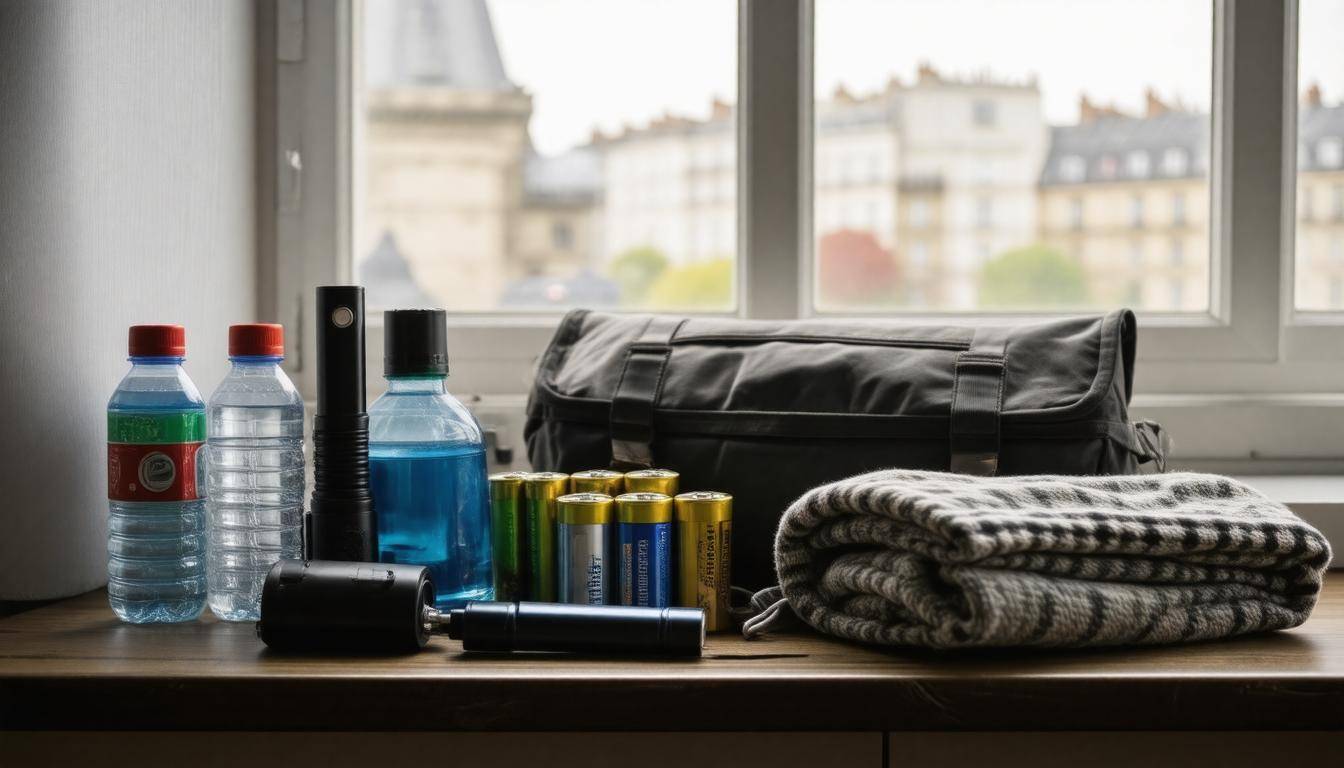
Your Paris Blackout Emergency Supplies List should include essential items such as at least 3 liters of water per person per day, non-perishable food with a long shelf life, a personalized first aid kit, reliable lighting tools like headlamps or flashlights with fresh batteries, and emergency blankets. Additionally, consider including necessary medications, tools like multi-tools for repairs, and portable power solutions such as solar chargers to ensure comfort and safety during unexpected outages.
Top 10 Essential Emergency Supplies
The foundation of any effective emergency plan relies heavily on having the right tools and items readily available. Start with water and food, as these are the cornerstones of survival during a power outage. Aim for at least three liters of water per person per day; this will not only satiate your thirst but also be necessary for cooking and maintaining hygiene. For food, opt for non-perishables such as canned goods, energy bars, and dried fruits—items that can withstand time without spoiling. Having enough food for at least three days can help you ride through even the most extended outages without worry.
Next comes the vital aspect of visibility and safety during dark times: lighting tools.
Every emergency kit should include reliable lighting tools. This could be a combination of flashlights and headlamps; headlamps are often favored because they leave your hands free to perform other tasks. When choosing yours, look for options that provide at least 300 lumens and have long battery lives—at least 30 hours on high mode is ideal. To add to their longevity, consider solar-powered or crank-powered alternatives; these ensure that you won’t find yourself in the dark once your batteries run out.
With light secured, it’s crucial to turn our attention to health and safety essentials.
A well-stocked first aid kit cannot be overlooked in an emergency scenario. It should contain the basics like bandages, antiseptic wipes, gauze, adhesive tape, and pain relievers. Personalize it by adding any essential medications you may require or allergy treatments that need to be readily available. Regularly check and replenish your kit every six months—having outdated items won’t do you any good when you really need them.
Coming full circle, let’s talk about tools that can help in many ways when issues arise.
Speaking of essentials, a versatile multi-tool like a Leatherman can be incredibly valuable in emergencies. Whether it’s to open cans or perform minor repairs around the house, having a multi-tool provides peace of mind that you’ll have assistance right at your fingertips.
As much as these supplies enhance day-to-day convenience, they become life-saving during crises.
In case of emergencies where rescue may be needed, an emergency whistle is crucial. This small item can help alert rescuers to your location if you’re in distress—you’d be surprised how far sound travels!
Now that we’ve covered immediate needs for survival, we want to make sure we stay warm too.
A proper blanket is not just a comfort item; it is essential for warmth during colder outages. A Mylar emergency blanket is lightweight and compact for portability when space is limited, while a wool blanket offers lasting heat retention in adverse conditions.
While warmth ensures physical comfort, staying informed keeps everyone safe.
Communication during an emergency can’t be overstated, which makes a battery-operated or hand-crank radio paramount. Staying updated on weather forecasts or emergency announcements allows you to make informed decisions—don’t forget a two-way radio if local communication among family members becomes necessary!
Maintaining hygiene is equally significant during outages when access to running water might be compromised.
Pack personal hygiene items thoughtfully; hand sanitizer (ideally over 60% alcohol), packs of wet wipes, toothbrushes, and toothpaste are essential. Keeping clean helps maintain morale during stressful scenarios and minimizes health risks when utilities are disrupted.
As technology becomes unavailable during power outages, it’s wise to prepare with alternative options.
Although digital payments are common now, keeping some cash on hand remains practical and necessary since ATMs and card readers may not function in a blackout. Small bills and coins can facilitate purchases when storefronts remain open but without power.
Finally, we can’t overlook the importance of being prepared with documentation.
Having copies of important documents tucked away in a waterproof bag is imperative in emergencies. These include identification cards, insurance papers, and emergency contact information; knowing where these documents are located can save time—and stress—if you ever need them urgently.
With these essentials noted, let’s transition into organizing how best to fit everything into your emergency kit efficiently.
Packing Your Blackout Emergency Bag
Efficient packing can make a huge difference during an emergency, and knowing how to maximize your backpack’s potential is crucial. Start with a durable, water-resistant backpack that can endure the elements as well as the stress of handling multiple items. Tactical backpacks stand out in this regard; their robust construction, multiple compartments, and secure fastening systems greatly enhance practicality and accessibility during chaos.
When you begin packing your bag, it is wise to start with the heavier items—like water bottles or batteries—on the bottom. This lowers the center of gravity and helps distribute weight evenly throughout the bag, making it easier and safer to carry when you need to move quickly. Imagine trying to run with a top-heavy bag; it’s uncomfortable and can lead to unnecessary strain.
To keep all of your essential items organized and dry, utilize ziplock bags inside your backpack. These transparent pouches work wonders for storing smaller supplies like personal medications, toiletries, and snacks. Not only do they help prevent moisture damage, but they also allow you to see what’s inside at a glance without rummaging through the entire bag—a crucial factor in time-sensitive situations.
As you continue arranging the contents of your backpack, think about adding multipurpose items that can be used in various contexts. For example, a high-quality multi-tool has numerous functions that range from opening cans to tightening screws, rendering it invaluable in emergencies where tools may otherwise be scarce. Similarly, a durable blanket can serve as an insulator against cold weather while also being repurposed as a ground cover or makeshift shelter if needed.
Having packed efficiently for unforeseen scenarios, it’s vital now to consider addressing your electrical needs during an extended outage. By ensuring you have adequate portable devices and charging options, you’ll enhance your capacity for comfort and communication in critical times.
Portable Electric Devices and Batteries
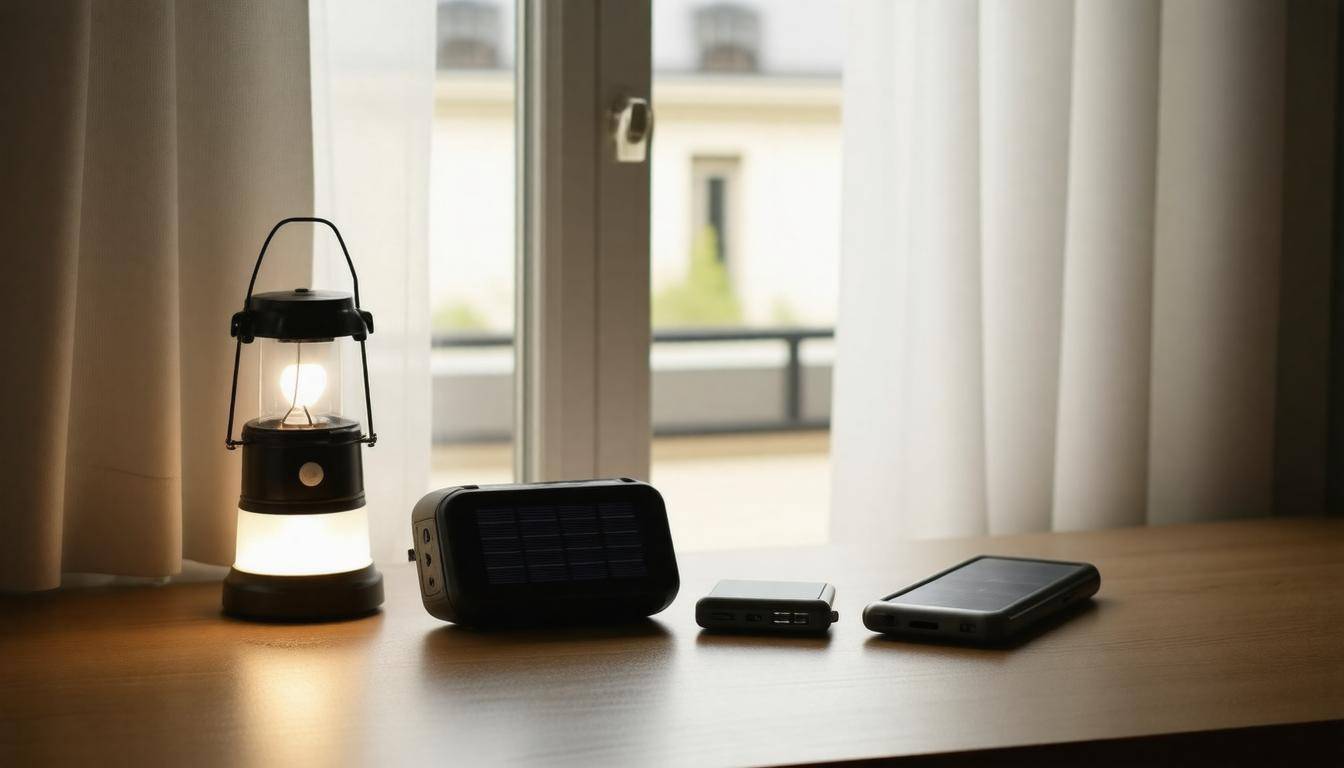
In an unexpected blackout, having the right portable electric devices can significantly influence your comfort and safety. Imagine sitting in darkness with a storm raging outside; that’s the moment when a reliable flashlight becomes your best friend. Products like flashlights and headlamps, such as the Black Diamond Spot, are not just conveniences but necessities that can guide your way through darkened hallways or provide light for reading until the power returns.
With long-lasting battery life, investing in quality models can make all the difference when you need them most.
Another vital piece of equipment is a high-capacity portable phone charger. These power banks, particularly those over 20,000mAh, have the capability to recharge your smartphone multiple times before needing assistance themselves. Picture this: your phone serves as your lifeline to the outside world—whether for checking updates about the blackout or reaching out to family and friends. Ensuring that you have one (or better yet, two) packed away in your emergency bag ensures you remain connected during those crucial hours without power.
Augmenting your supply with a hand-crank or solar-powered radio is also wise. Models like the Kaito KA500 keep you informed of important weather updates and have capabilities for charging other small devices. This two-for-one utility maximizes your preparation while ensuring you’re aware of what’s happening around you—even if the electricity is out.
Now, let’s shift our focus to lighting. Adequate illumination makes a big difference. Rechargeable lanterns come into play here as fantastic options for creating a warm, inviting atmosphere in an otherwise dim environment. They also provide suitable lighting to perform tasks like cooking or reading without straining your eyes.
Battery Types
Just as crucial as these devices are the batteries that power them. It’s vital to ensure extra sets of AA, AAA, and any specialized batteries required by your devices are readily available. Chargeable batteries coupled with a solar charger not only promote sustainability but also mean you aren’t scrambling to find new batteries when they run dry.
Keeping everything well-stocked means peace of mind that you’re prepared whether it’s a brief flicker of power or an extended blackout.
While having backup power sources is critical, maintaining good health and effective communication will serve you equally well during these times of uncertainty.
Must-Have Health and Communication Items
First and foremost, personal health items are critical for anyone to remain comfortable and safe during power outages. It’s essential not only to have a supply of prescription medications but also to include any other vital items you may need. For example, if you’re asthmatic, having an inhaler on hand is necessary. Similarly, if you’re diabetic, a glucose monitoring kit along with insulin is crucial. Remember to stock up on basic over-the-counter pain relievers like acetaminophen or ibuprofen. These simple items could mean the difference between discomfort and managing health issues effectively while the power is out.
Alongside health supplies, we cannot overlook the significance of communication tools. During emergencies, maintaining connections or getting information can be challenging when the grid goes down. That’s why it’s wise to prepare a list of emergency contact numbers; these should be written down in an easily accessible place. You might think that’s old-fashioned in our digital age, but when batteries run low and phones can’t charge, having a physical copy can prove invaluable.
In addition to your standard cell phone equipped with extra battery packs, consider investing in two-way radios. These handy devices allow for local communication even when cell networks are compromised. They can be especially useful if you’re trying to coordinate with family members or neighbors during an outage. Making sure everyone knows how to use them beforehand can save time and potential panic during an emergency.
Taking proactive steps to ensure both personal health and effective communication will minimize stress during unexpected situations.
Regularly check these supplies as well—not just once when you compile your kit but every few months—to make sure everything is still functional and has not expired.
With the right tools for health and communication in place, let’s explore additional measures that enhance safety during unforeseen circumstances.
Safety and Survival Strategies
Knowing safety and survival tactics can make a critical difference in stressful conditions. During the chaos of a blackout, it’s important to remain calm and take proactive steps to protect your home and loved ones. One of the first things to do during an outage is to unplug all sensitive electronics. This precaution helps protect your devices from potential power surges when electricity is restored.
Instead of lighting candles, which can present fire hazards, opt for flashlights or battery-operated lanterns. Flashlights provide safer light sources and allow you to navigate through your space without the risk of open flames.
When staying warm during cold weather outages, close off doors and windows to minimize heat loss. Congregating in one room with family members conserves warmth more effectively than trying to heat multiple spaces. Using blankets or sleeping bags is advisable if temperatures drop significantly.
Hygiene can become a challenge during blackouts—especially when access to water is limited. Having hand sanitizer on hand is crucial for minimizing the risk of infection when water isn’t readily available. Always dispose of waste properly; improper sanitation can lead to health risks that compound the difficulties presented by a power outage. A simple solution is to keep an emergency waste disposal bag ready in case bathroom facilities are compromised.
Beyond these immediate strategies, understanding local emergency plans provides additional peace of mind as you navigate unexpected situations. Knowing how local authorities respond during blackouts—whether they offer community support services or maintain emergency shelters—enhances preparedness while ensuring access to necessary aid if needed.
Local Emergency Plans and Resources

Knowing where to turn for help is paramount in any crisis, particularly during a potential blackout event in a bustling city like Paris. First on your checklist should be the local emergency numbers. These aren’t just useful; they are critical lifelines. If you find yourself in a bind that requires immediate assistance, having these numbers saved on your phone or written down in an accessible spot can make all the difference. Each member of your household should know how to reach local services such as the police, fire department, and hospitals.
Local Emergency Numbers
The typical emergencies often require rapid responses from professionals trained for such scenarios, so familiarize yourself with emergency services and their contact points. In Paris, for example, you want to note that:
- 17 is the number for police assistance (to report crimes or suspicious activities)
- 18 connects you directly to firefighters
- 15 is for urgent health services
While knowing who to call is vital, it’s equally important to understand where you might go should you need shelter or assistance.
Community Centers
Identify and make a mental note of nearby community centers or designated shelters that become operational during emergencies. These facilities often provide safe havens equipped with necessities like food, water, and even first aid supplies. During extreme weather events or widespread outages, local authorities may open these centers to ensure community members have access to resources when they need them most.
The advantage of relying on community centers lies not only in the resources available but also in the camaraderie experienced among residents. Being part of a community can significantly ease anxiety; knowing your neighbors are facing challenges alongside you fosters resilience and support.
As situations evolve rapidly in emergencies, receiving timely information can affect how effectively we respond.
Government Alerts
Signing up for local government alerts and notifications offers an additional layer of preparedness. Many municipalities provide options for citizens to receive real-time updates either via text messages or emails alerting them of emergencies such as blackouts or severe weather conditions. By staying informed, you’ll know whether a situation warrants evacuation or if it’s best to stay put and ride out the storm—literally!
These alerts can save lives by delivering critical instructions at a moment’s notice when every second counts.
Arming yourself with knowledge about local emergency services, identifying community resources, and enrolling in government alert systems are foundational steps towards effective preparation.
With this groundwork laid out, we can now look ahead at strategies for adapting our lifestyles to mitigate future disruptions and sustain safety during challenging times.
Preparing for Future Outages in Paris
Continuous preparedness can greatly mitigate the impacts of future outages. One way to stay ahead is by regularly checking and rotating essential items like food, medications, and batteries every six months. This simple practice ensures that when an emergency arises, you’ll have fresh supplies that are both usable and effective. Imagine reaching into your emergency stash only to find outdated batteries or spoiled food; that’s a scenario we all want to avoid.
Additionally, it’s a great idea to assess your home for upgrades that can help during outages. Installing surge protectors can safeguard your electronics from sudden power surges caused by fluctuations in energy supply. Furthermore, considering backup power generators is crucial. In this day and age, solar generators are emerging as increasingly affordable and efficient alternatives to traditional fuel generators. These devices harness sunlight—an abundant resource—making them a sustainable option for maintaining power when the grid goes down.
Home Improvements
When thinking about your home’s resilience, it’s essential not to overlook insulation. A well-insulated home retains heat better in the event of an outage in colder months, keeping you comfortable even without electricity. Similarly, investing in double-paned windows or weather stripping can significantly reduce energy loss. The warmth of your home during the winter and coolness during summer can help maintain a livable atmosphere during these unavoidable events.
Beyond individual preparations, community involvement shapes how effectively neighborhoods respond to outages.
Community Involvement
Engaging with local community preparedness programs is another vital aspect of readiness for unforeseen circumstances. By participating in these initiatives, you not only stay updated on best practices but also build a support network among neighbors. This camaraderie becomes invaluable during crises when information sharing can make all the difference. Communities often band together to share resources, aiding each other with everything from food stores to generator access.
Consider attending local meetings or workshops focused on emergency preparation; these gatherings often provide insights tailored specifically for your area’s needs. Plus, being part of a reliable network might just put you one step ahead when disaster strikes!
Having the right supplies and strategies can truly make a difference during a blackout.
Regular maintenance of your supplies and active participation in community efforts will ensure you’re always ready for the unexpected. Remember, preparedness is not just about having items on hand; it’s about creating a lifestyle that embraces resilience in the face of challenges.
Prioritizing preparedness through personal planning and community engagement ultimately empowers us to navigate any future outages more effectively.