
When you think of Paris, images of romantic strolls by the Seine, mouthwatering pastries, and the majestic Eiffel Tower might come to mind. But beyond the enchanting sights lies a bustling urban environment where being prepared can make all the difference in your experience. Whether it’s dodging pickpockets or knowing whom to contact in a pinch, understanding how to navigate city life is key. After traveling through Paris myself and learning from both my adventures and mistakes, I decided to compile this urban emergency survival guide. It’s packed with practical tips to help ensure your trip remains enjoyable and safe, allowing you to focus on the delightful treasures this iconic city has to offer. So let’s dive into some essential strategies that can enhance your safety during your Parisian escapades!
The Paris Urban Emergency Survival Guide provides essential information on how to stay safe and secure while navigating the city, including safety tips against petty crime, emergency contact numbers, cultural etiquette, and local transportation advice. It is designed to prepare visitors for various emergencies and enhance their ability to respond effectively while enjoying their visit to this vibrant urban environment.
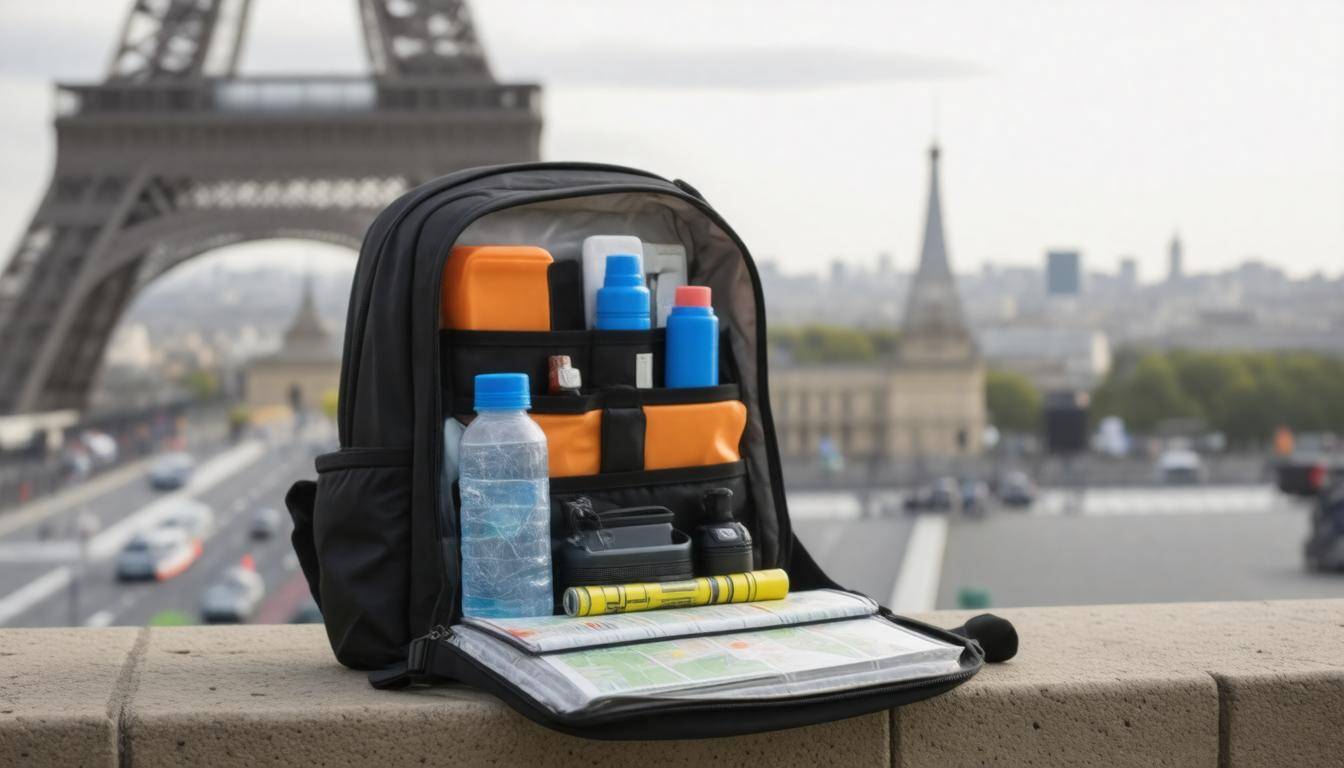
Prepping for Paris: Survival Essentials
The Power of a Backup Plan
One of the smartest moves you can make before heading off to Paris is organizing backup copies of crucial documents like your passport, visa, and travel insurance. Losing these items during your travels can turn an exhilarating experience into a frustrating ordeal in a heartbeat. In fact, I recall stories from fellow travelers who found themselves in tricky situations simply because they didn’t plan ahead. A digital copy stored securely in your email or cloud storage can be a lifesaver.
Imagine this scenario: you’re riding the metro and mistakenly drop your wallet, only to realize that your passport was inside. Panic would typically set in, but if you’ve made a backup, you could easily access it and continue with your travel plans.
As retirees traveling through the bustling streets of Paris recounted their harrowing experiences, it became abundantly clear that having copies of essential documents could relieve stress and ensure peace of mind.
Equally important is addressing financial readiness to navigate potential monetary hiccups.
Financial Readiness
Carrying a small amount of cash alongside a couple of credit cards is one way to ensure you’re not entirely on the hook if you find yourself in a pickle. While most Parisians prefer card payments—thanks to their convenience—it’s wise to keep in mind that smaller shops and markets might not always accept credit cards. I remember visiting this lovely cheese store in Montmartre where only cash was accepted. If I hadn’t had some euros tucked away, I would have left without that delicious brie!
- Always know the exchange rates; this knowledge helps prevent being short-changed.
- Divide your cash: Keep part of it secure in different spots (think wallet and hidden money pouch).
- Use apps on your phone that help track spending abroad, as it’s easy for expenses to pile up without realizing.
Lastly, possessing basic knowledge of the local language can make all the difference in enhancing your overall experience while navigating through Paris’s charming streets.
Assembling Your Emergency Kit
When you think about what makes an emergency kit truly effective, consider practicality and adaptability. The goal is to create a kit that not only helps in medical emergencies but also prepares you for various unexpected situations.
A well-thought-out emergency kit is about foresight and readiness, ensuring you’re equipped for anything from minor inconveniences to serious crises.
Basic Medical Supplies
Your kit should include:
- Band-aids and antiseptic wipes to deal with minor cuts and scrapes swiftly.
- Over-the-counter painkillers like ibuprofen or acetaminophen that can alleviate headaches or muscle pains, which are common after long days of exploring.
- It’s wise to carry any prescription medications necessary for you, along with a copy of the prescription in case you need to refill while abroad.
- Hand sanitizer will keep your hands clean when soap isn’t accessible, while face masks—especially in crowded areas—help you stay healthy and protect those around you.
- Having a small first-aid manual or guide can be tremendously helpful, giving you quick access to instructions for treating a wide range of ailments or injuries.
Beyond these medical supplies, multi-functional tools can further enrich your emergency kit by preparing you for everyday challenges.
Multi-functional Tools
Incorporating a multi-tool or Swiss Army knife into your kit adds versatility for unexpected needs—whether it’s opening packages, making small repairs, or even dealing with unforeseen challenges during your travels. Reflective emergency blankets are another lightweight yet invaluable addition.
These blankets can help prevent hypothermia in cold conditions or provide warmth after an accident where shock might set in. They are compact yet effective.
Moreover, carrying a power bank is non-negotiable in our digital age; ensure it’s one that is solar-powered if possible. This way, whether you face prolonged outages or simply find yourself away from charging stations while exploring the picturesque streets of Paris, your communication devices remain operational. An efficient power source keeps you connected and informed.
Putting together your emergency kit is about anticipating potential risks and minimizing their impact on your travel experience. By selecting essential items focused on both health and practicality, you empower yourself to navigate urban environments more confidently.
With these considerations in mind, you’re ready to explore the beautiful streets of Paris while keeping safety at the forefront.
Next, we can take a closer look at practical measures that bring peace of mind while enjoying this vibrant city.
Staying Safe in Paris
Safety in Paris goes beyond looking both ways before crossing the street; it’s about developing a sense of awareness that helps you navigate busy streets and crowded attractions. Tourists are often targets for thieves, especially in bustling areas. Whether you’re boarding the metro or wandering through charming alleyways, it’s best to stay alert and prepared for various situations.
Navigating Public Transport
When using public transport, such as the metro, be particularly vigilant in crowded spaces. The trains can become tightly packed during rush hour, making it easy for pickpockets to target unsuspecting travelers. I’ve found that wearing a bag cross-body keeps my belongings secure and within sight. Positioning it in front of you creates a barrier against theft and allows you to maintain control over your valuables. Additionally, be mindful of where you place your phone and wallet.
To enhance your experience while using transportation, consider the following:
- Avoid distractions: Keep your headphones off when navigating busy stations.
- Stay close: If traveling with friends or family, maintain close proximity so you can easily communicate and look out for each other.
Safe Zones
Certain hotspots like Gare du Nord and areas around the Eiffel Tower can become particularly crowded with tourists. Being aware of this heightened opportunity for theft is crucial; I learned this lesson firsthand during a visit when a friend’s wallet was snatched just moments after we exited a train. To ensure safety, I now always opt for well-lit, populated areas at night. It’s also wise to travel in groups whenever possible; there’s strength in numbers.
Another important consideration is timing. As evening approaches, some neighborhoods may become quieter and less populated. When deciding on a new destination or returning to your accommodation, check the local area for bustling cafés or restaurants that could serve as safe havens should you feel uneasy about traversing less crowded paths.
Establishing good communication with locals can prove invaluable as they often know which areas to avoid—especially late at night—and can recommend secure routes to your desired destinations.
Understanding these nuances of safety will deepen your appreciation of the city while ensuring your experiences remain enjoyable and stress-free. Moving forward, let’s explore other essential aspects to keep in mind as you navigate urban hazards effectively.
Recognizing and Avoiding Hazards
Paris, like any major city, comes with its share of unexpected challenges. One of the first threats you should be aware of is the prevalence of common scams that can catch even the savviest traveler off guard.
For instance, the notorious “gold ring” scam involves an individual pretending to find a ring on the ground and offering it to you as a good fortune charm, which can quickly turn into a situation where you’re pressured to pay for something worthless.
Similarly, the fake petition scam is often carried out by individuals wielding clipboards who approach unsuspecting tourists asking them to sign for various causes. It’s a tactic designed specifically to distract you while an accomplice expertly relieves you of your valuables.
To mitigate these risks, always keep your belongings secure and be vigilant when approached by strangers in crowded tourist hotspots.
Maintaining situational awareness is equally essential when exploring the lively streets of Paris. It’s best to adopt the habit of scanning your environment regularly. Pay close attention to who is around you and your exit routes, especially in bustling cafes or crowded markets.
Unsafe neighborhoods can often be recognized by fewer pedestrians or poorly maintained streets, but don’t let that lull you into a sense of complacency; any area has the potential for trouble after dark.
Observing how locals interact can provide invaluable insights into which neighborhoods feel safe or are known for pickpocketing or scams. I remember wandering through Montmartre one evening when I felt uneasy due to an apparent lack of foot traffic in certain side streets.
Trust your instincts: if a place feels off, it’s perfectly fine to backtrack and find a more populated option.
As you continue your adventure, make safety precautions your priority. Carry only what you need, like your phone and a little cash, while leaving other valuables tucked away securely in your hotel room or in a travel pouch hidden beneath your clothing.
This way, even if you fall prey to opportunistic theft, you won’t lose anything irreplaceable.
Remember: knowledge is empowering. Familiarize yourself with common scams before they happen, stay aware of your surroundings, and trust your gut feelings—these strategies will significantly enhance your safety while enjoying the wonders of Paris.
As we move forward, it’s essential to further explore actionable strategies that can bolster your sense of security during your travels.
Tips for Personal Security
Personal security is indeed a combination of common sense and practical awareness, especially in a bustling city like Paris. One fundamental tip to remember is blending in with the locals. When you dress appropriately, you can significantly reduce your chances of being singled out as a tourist. Parisians often wear muted tones and avoid flashy accessories. This doesn’t mean you have to compromise your style; rather, opt for simple yet elegant clothing that allows you to fit seamlessly into the city’s fashionable atmosphere. For instance, wearing a classic trench coat paired with a scarf and using an unbranded canvas bag instead of a bright, iconic backpack can transform your appearance and enhance the experience of moving through vibrant neighborhoods without drawing unnecessary attention.
Equally important is how you carry yourself while exploring the city. Your demeanor can convey confidence, which can deter potential troublemakers.
Discreet Behavior
Practicing discreet behavior is one of the critical strategies for maintaining personal safety. Avoid displaying large sums of cash or expensive gadgets in public spaces. As tempting as it may be to capture memorable moments with your high-end smartphone, it’s essential to keep your phone usage low-key in crowded areas, particularly those known for pickpocketing. Some travelers have shared anecdotes of being targeted simply because they were engrossed in their phones, constantly checking maps or snapping selfies.
Instead, consider purchasing an affordable map or downloading offline maps prior to your trip so you won’t need to take out your phone in plain sight.
Here are some additional safety tips:
-
Keep Bags Close: Carry your bag securely and either hold it tightly or wear it across your body.
-
Be Aware of Your Surroundings: Always glance around and stay alert—being aware helps prevent unwanted surprises.
-
Trust Your Instincts: If something feels off in certain situations or areas, trust that gut feeling and remove yourself from the scenario.
Alongside being vigilant about dressing and behaving discretely, securing personal belongings and having backup plans should be part of your strategy.
Keeping your baggage close is crucial when traveling, ensuring both your comfort and security. Always keep personal possessions within reach—rather than leaving bags unattended or placing them on the ground beside you. Additionally, it’s prudent to make copies of your ID papers. Having both physical photocopies and digital versions stored securely—such as in your email—will save you significant distress should something go missing.
Making a plan for lost items can alleviate anxiety associated with traveling. Should anything go awry, knowing how to contact relevant authorities is equally important. If you lose any identity documents, promptly reaching out to your consulate or local authorities provides proper documentation and assistance during tough situations.
By weaving together these common-sense strategies for personal security, you’ll set the stage for exploring the city with greater confidence. Next up: navigating essential resources that will keep you fueled and refreshed during your adventures.
Finding Food and Water
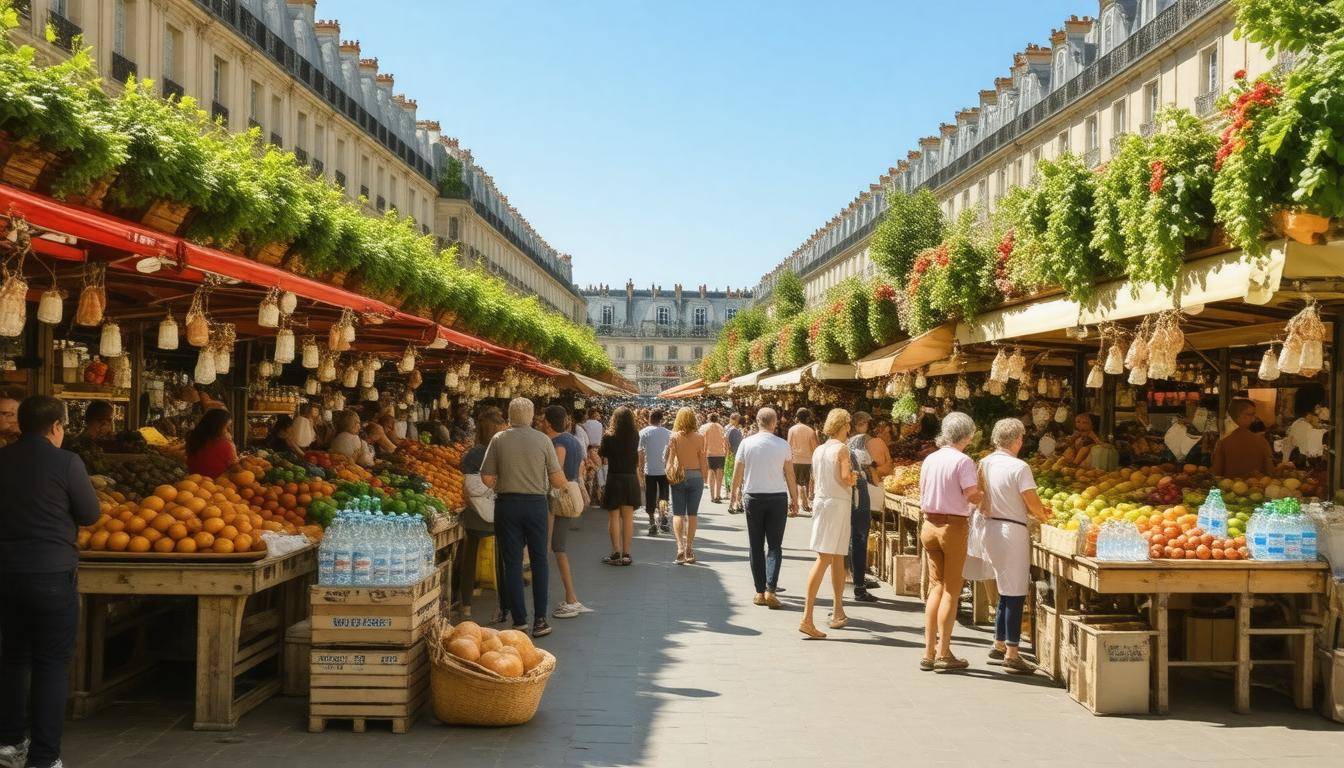
Without food and water, even the most enchanting city can become exhausting. Therefore, it’s helpful to know where to find these essentials when navigating Paris.
Let’s start with hydration, an often-overlooked necessity.
Drinkable Water
Fortunately, Paris is known for its public drinking fountains, notably the iconic Wallace fountains that offer free, drinkable water throughout the city. While some neighborhoods are blessed with many of these fountains, others might lack easy access. Carrying a reusable water bottle is not just practical—it’s a great way to stay hydrated without contributing to plastic waste.
Many places in Paris will happily refill your bottle if you ask politely; remember to say “s’il vous plaît.”
Tap water is safe to drink in Paris; if you’re ever unsure, simply inquire whether it is potable before quenching your thirst. Having a built-in filter in your reusable bottle can also help assure the quality of your water.
Accessible Food Options
Now that we’ve discussed staying hydrated, let’s shift our focus to finding food options. In a bustling city like Paris, food can be both authentic and accessible. Small supermarkets like Monoprix or Franprix serve as perfect stopovers to stock up on affordable meal essentials. Think about grabbing canned vegetable soups, nutritious snacks, or easy-to-make meals, which can be delightful during those times when dining out seems overwhelming.
But don’t overlook the charm of local boulangeries (bakeries) sprinkled across the city. Not only do they offer fresh bread and delightful pastries, but they also serve ready-made sandwiches ideal for grabbing on the go. Picture yourself enjoying a flaky croissant or a freshly baked baguette as you explore the quaint streets—it’s an experience you won’t want to miss.
It’s important to keep in mind that while enjoying street food or affordable eats can feel thrilling and even empowering when exploring the local culture, being conscious about your food choices will go a long way in keeping your energy levels up while wandering around.
So whether you’re sipping from a fountain or indulging in a warm pain au chocolat from a nearby bakery, staying refreshed and nourished enhances your experience in Paris immensely.
Being prepared and knowing where to seek nourishment is crucial so that the splendor of this lovely city doesn’t overwhelm you—after all, satisfying your hunger is just as important as savoring its beauty. As we explore more aspects of urban life here, understanding essential communication methods will also play a vital role in ensuring a smooth experience.
Communication and Connectivity
A strong communication setup is vital while exploring the intricacies of Paris, especially in unexpected situations. Acquiring a local SIM card is an excellent move; it provides instant access to mobile data, which can be a lifesaver for navigating public transport routes or finding emergency services. Companies like Orange and Bouygues offer pre-paid plans with generous data allowances that often include reliable digital maps and useful apps. This way, you’re not always scrambling to find a Wi-Fi connection when your phone acts up.
“Getting connected is not just convenient; it’s essential for quick response times during emergencies.”
But having access to mobile data isn’t the only piece of the puzzle; having various ways to connect can deepen your safety net.
Wi-Fi Spots
While walking through charming narrow streets, you might need to check directions or look up a number. That’s where free Wi-Fi comes in handy. Many cafes like Café de Flore or major chains such as McDonald’s and Starbucks provide complimentary internet to patrons. It’s wise to buy a coffee or snack while taking advantage of these resources. However, using public Wi-Fi requires caution; consider utilizing a VPN to keep your sensitive information secure on unsecured networks.
It’s equally important to keep your friends and family informed about your whereabouts. Sharing your location or sending messages back home adds an additional layer of security. You can update them on your daily plans or let them know when you arrive at different locations, which helps them feel reassured.
“The more connections you have, both digitally and personally, the clearer your safety strategy becomes.”
Communication tools are only as effective as their usage—think of ways to maximize their impact.
Consider downloading key apps that translate languages, show emergency services, or guide you through the city. Applications like Google Translate can assist in breaking language barriers if you encounter someone who doesn’t speak English fluently. Don’t forget about social media! Platforms like WhatsApp make it easy to send quick updates to friends and family.
By ensuring constant connectivity through both local SIM cards and strategic use of Wi-Fi spots, combined with proactive communication, you’re equipping yourself for any Parisian adventure while keeping safety firmly within reach.
The strategies you’ve developed around connectivity lay a solid foundation for understanding other critical aspects of safety during your stay, especially regarding temporary lodging solutions when circumstances demand them.
Temporary Shelter Options
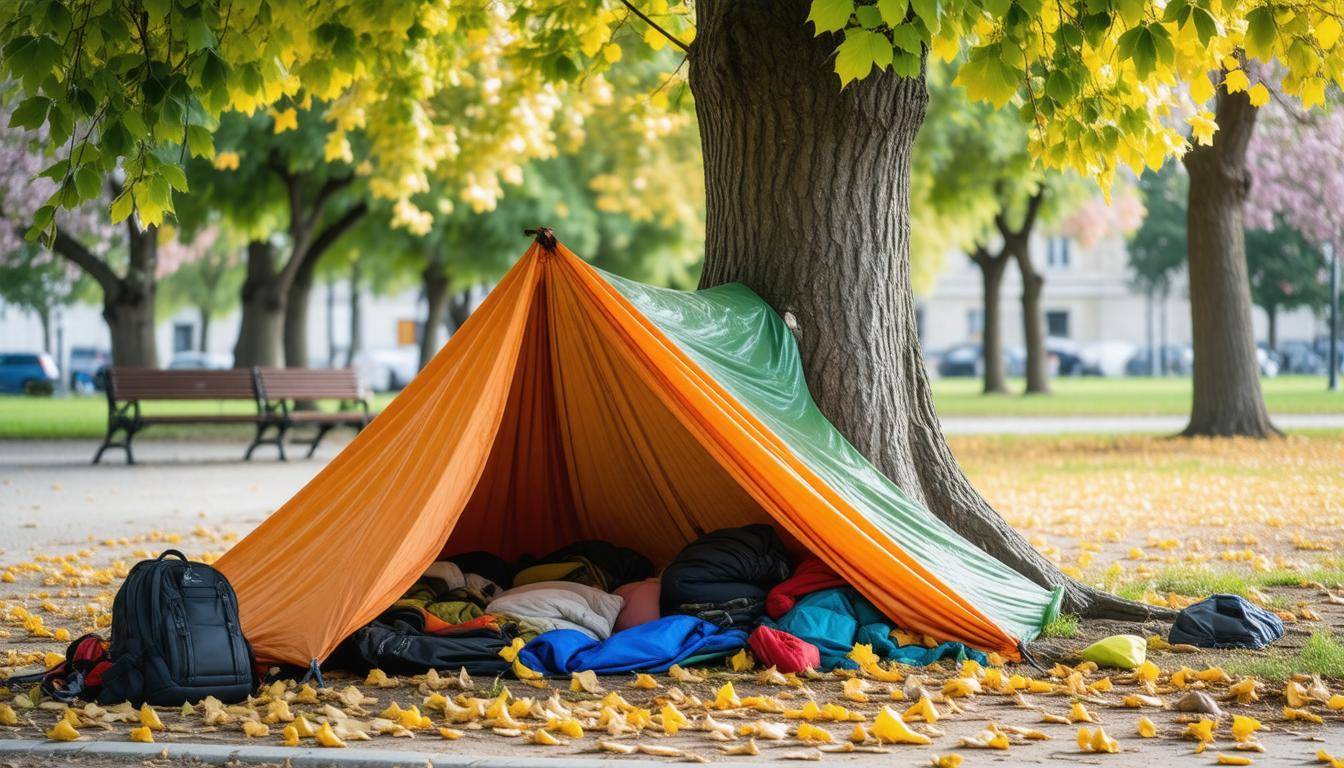
When your accommodations unexpectedly fall through, finding a place to stay is paramount. Emergency shelters serve as immediate solutions, offering safety during turbulent times. Many municipal buildings and churches often open their doors during extreme weather events, providing warmth and refuge for those in need.
For example, it’s common for local community centers to transform into emergency shelters when severe storms strike; they’re equipped to handle a large number of individuals, ensuring you have a safe environment to weather the storm.
It’s worth checking local resources ahead of time. Local governments and non-profit organizations usually keep updated lists of available shelters during emergencies. You can also reach out to fellow travelers or residents who may know of nearby options. Active communication with locals can provide invaluable insights on how best to navigate these situations.
Last-Minute Bookings
Alternative short-term rentals can also save the day if emergency shelters aren’t an option for you. Websites like Airbnb or Booking.com come into play to assist you in finding a cozy space quickly. However, always remember to review the listings carefully. Dive deep into user reviews and don’t hesitate to contact hosts directly with any questions or concerns.
One seasoned traveler shared an experience of booking a last-minute Airbnb after missing their train. They emphasized the importance of maintaining a list of alternative options handy just in case your first choice fails. This simple tactic ensures that you’ll have flexible choices at your fingertips when you need them most.
Ultimately, while unexpected challenges can arise, having reliable strategies can make all the difference in securing safe and comfortable temporary shelter during your travels.
In the face of uncertainty, being prepared with knowledge about shelter options will empower you and enhance your safety during any urban emergency. Staying informed allows you to act swiftly, ensuring that your experiences in Paris are both rewarding and secure.