
When a disaster strikes, the last thing you want to worry about is what will happen to your pets. Unfortunately, many people don’t have a plan for their furry family members in emergencies, leaving them vulnerable when chaos erupts. Having a complete Pet Emergency Evacuation Plan isn’t just nice to have; it’s essential, and it can really make a difference in keeping both you and your pets safe. Just think about it: during past disasters like hurricanes or wildfires, many pet owners were left devastated because they couldn’t easily bring their animals with them. That’s why it’s time to take action now and put together a solid plan that covers everything from transportation to supplies. We’ve gathered the vital steps you need to create an effective evacuation strategy tailored for your pets’ unique needs, ensuring no one gets left behind during tough times.
A Pet Emergency Evacuation Plan should include considerations like coordinating care with neighbors, ensuring pets are microchipped for identification, assembling a comprehensive emergency kit with food, water, medications, and first aid supplies, and familiarizing pets with their carriers to reduce stress during travel. Additionally, it’s essential to stay informed through local alerts and prepare for specific needs of larger animals if applicable.
Why You Need a Pet Evacuation Plan
Pets, just like any other family member, deserve thoughtful consideration when it comes to emergency preparedness. Unfortunately, many pet owners underestimate how critical it is to have a detailed evacuation plan in place. For instance, did you know that approximately 60% of pet owners do not have a disaster plan that includes their beloved animals? This oversight could have dire consequences during an actual crisis.
When natural disasters strike—be it floods, fires, or hurricanes—many pet owners find themselves faced with heart-wrenching decisions. Take the example of Hurricane Katrina: countless families were torn apart as they evacuated without their pets, and the emotional toll was devastating. Such incidents serve as stark reminders that we must include our furry companions in our emergency plans.
Consider the wildfires in California, where many families who hesitated risked their lives to retrieve their pets. These stories reveal a common thread: without prior planning, chaos reigns. Ensuring that your pets are accounted for can prevent panic and potential harm when every second counts during an emergency.
An effective evacuation plan not only keeps pets safe but also provides peace of mind for their owners. Knowing your furry friends will be safe can alleviate some of the stress associated with evacuating under pressure.
The best plans account for unique needs. For instance, large animals may require additional considerations, such as having appropriate transport arrangements pre-mapped for easy relocation. Remember, creating a buddy system with neighbors or relatives is essential; coordinating care can prove invaluable in an emergency situation where you might not be available personally.
In addition to being part of your evacuation plan, microchipping your pets and ensuring their identification is up-to-date can greatly enhance your chances of reuniting should separation occur during an emergency. With this critical foundation laid, let’s explore what essential items you should have ready for your pets during any crisis.
Essential Emergency Supplies for Pets
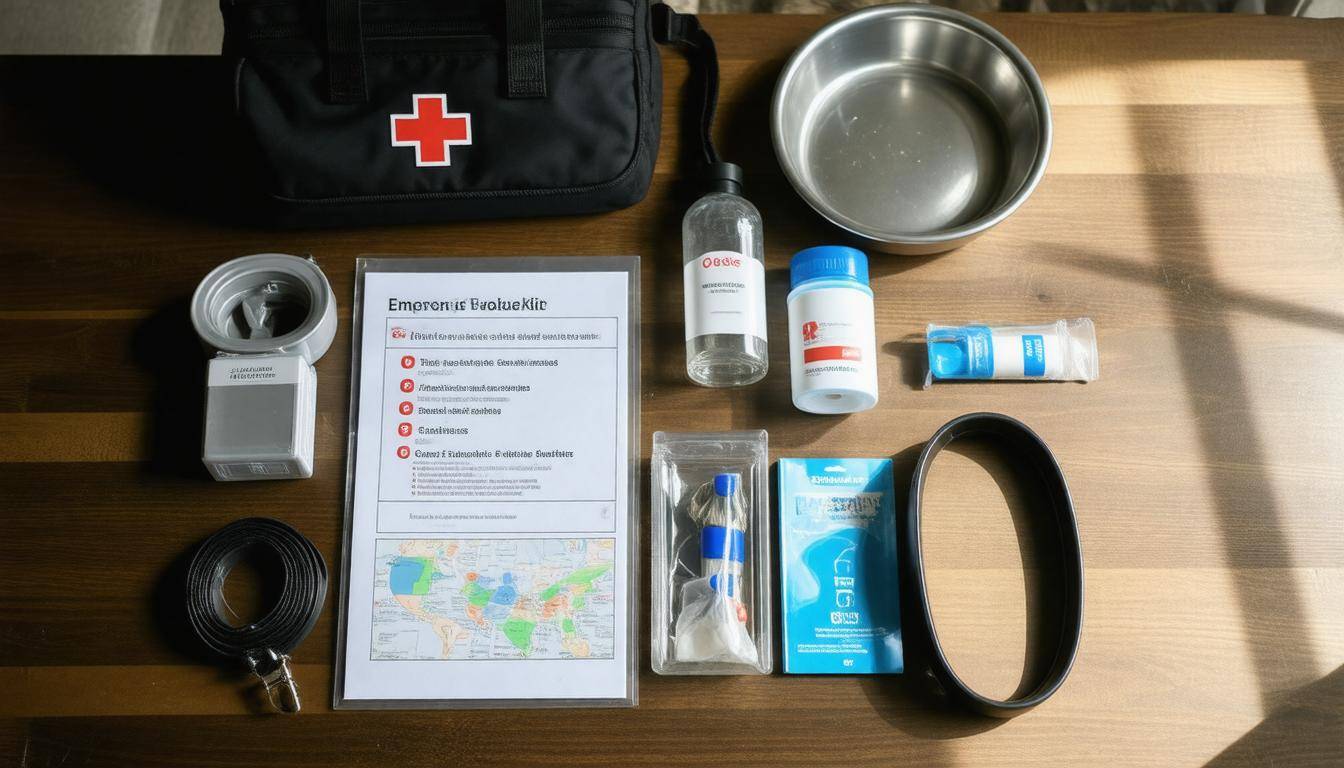
Just like you, your pets depend on specific supplies to remain safe and comfortable during times of crisis. Creating an emergency kit tailored to your furry friends can ease the stress of evacuations, ensuring their well-being amidst chaos.
First and foremost, food and water are paramount; aim for at least a week’s supply of each. When it comes to food, consider storing it in airtight containers to keep it fresh and prevent spoilage. For water, having several gallons on hand, along with portable collapsible bowls, can make all the difference during travel.
This simple preparedness move not only keeps your pet nourished but also helps maintain hydration—an often-overlooked factor when panic sets in.
In addition to food and water, here are other critical items that should be included in your emergency supply kit:
-
Medications: Keep a sufficient supply of any important medications your pet requires. Include clear instructions on dosage and administration alongside their prescriptions.
-
First Aid Kit: Tailor a first aid kit specifically for your pet’s needs. This could include bandages, antiseptic wipes, gauze, tweezers for removing splinters or ticks, and a digital thermometer.
-
Comfort Items: Familiar toys and blankets offer emotional security during stressful situations. It’s amazing how these small comforts can help your pet cope in unfamiliar environments.
-
Sanitation Supplies: Include plastic bags for waste disposal if you have dogs, and a portable litter box for cats. Having these ready fosters hygiene while you’re on the move.
While these supplies are critical for your pet’s immediate needs during an evacuation, there’s another essential aspect of preparation that deserves attention—keeping your pets identifiable and their documentation organized.
Recommended Supplies
In addition to the basics already mentioned, some thoughtful additions can greatly enhance your evacuation experience. For example, additional food and water bowls are wise investments—consider collapsible versions that you can easily stash in your bag during travel; they take up minimal space but provide great convenience.
Furthermore, having a backup leash and harness handy is crucial. Leashes can break or become unusable in unexpected ways, so having a spare ensures you’re always prepared. A durable leash will provide you with greater control over your pet during stressful moments when they may feel anxious or scared.
Remember that preparation is key: The more effort you put into assembling an effective emergency kit beforehand, the smoother any future evacuations will go for both you and your pets. Make it part of your routine to check and update this kit regularly to ensure everything stays current and functional as time goes by.
As we discuss the importance of keeping our pets safe during emergencies, it’s equally vital to focus on how we can ensure they are easily recognizable amidst the chaos that often ensues during such events.
Pet Identification and Documentation

Keeping your pets identified is fundamental not just for peace of mind, but also for reuniting with them if separated during an emergency. Emergencies can happen at any moment — and in a panic, even the most attentive pet owner might overlook critical details. That’s why it’s essential to have a solid identification strategy in place, which starts with microchipping.
Microchipping is a highly effective identification method that embeds a tiny device beneath your pet’s skin, allowing veterinarians or shelters to scan for information on who they belong to. The American Veterinary Medical Association notes that microchipped dogs are more than twice as likely to be returned to their owners compared to non-microchipped ones, greatly increasing your odds of a reunion.
Necessary Documentation
Beyond microchipping, it’s equally important to gather all necessary documentation that helps in proving ownership or securing care for your pet. Have the following documents ready in a waterproof folder:
- Vaccination Records: Proof of vaccinations can be crucial for boarding facilities or when seeking veterinary care after an emergency.
- Ownership Papers: If you’ve adopted your pet, this includes the official contracts that verify they are indeed yours.
- Recent Photos: Clear photos taken regularly can aid in identification efforts if your pet goes missing.
- Medical Records: Ongoing treatments or allergies need documentation so emergency personnel can provide appropriate care without delay.
Organizing these documents isn’t merely an act of diligence; it creates a sense of security amid chaos. Imagine finding yourself in an evacuation where quick decisions must be made—having everything sorted gives you one less thing to worry about while ensuring your furry friend has what they need.
In fact, research indicates that 70% of pet owners do not have these essential documents readily available during emergencies, which could significantly hinder reunification efforts if separation occurs.
Ensuring these documents are organized helps during stressful times. Let’s now look at practical actions you should take when the time comes for an evacuation.
Steps to Take During an Evacuation
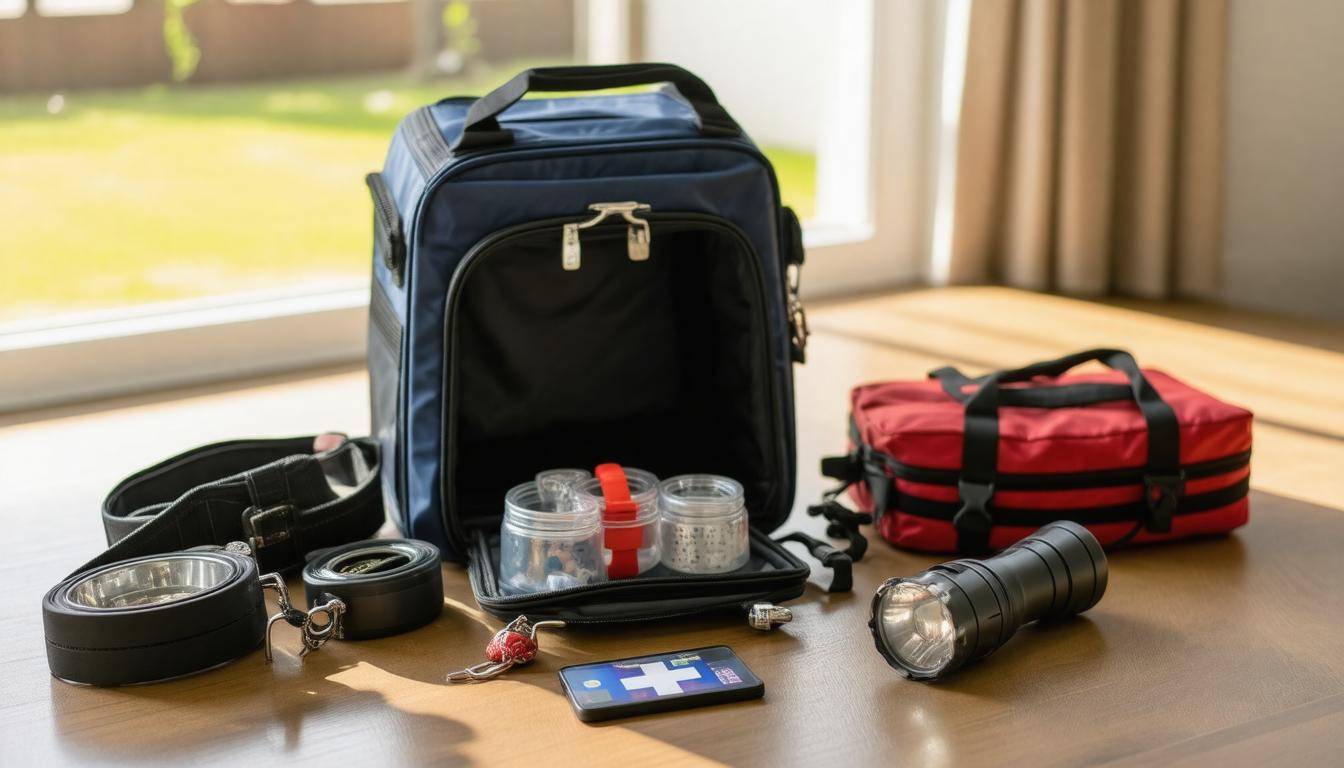
The first move during an emergency evacuation should be assembling your kits. Lay out your pet’s emergency supplies—food, water, medications, identification documents, and a first-aid kit—so that they are all easy to access. Keeping them near the designated exit of your home will save valuable minutes when time is of the essence. I recommend using a sturdy bag or bin labeled specifically for your pets, so you’ll know exactly where to look in case of an unexpected situation.
Once your kits are gathered, the next priority is securing your pets.
When it comes to securing your pets, comfort is key. For cats and smaller animals, place them gently in well-ventilated carriers they’re familiar with; consider leaving the carriers out before emergencies so they can explore them beforehand. This way, when it’s time to enter during a stressful situation, they will feel less anxious. For larger pets like dogs, using leashes is important not just for control but also for their safety. Remember, even the calmest pets may try to bolt in chaotic situations, so being prepared with proper restraints is crucial.
After ensuring your pets are safe and secure, inform your support network about your location and plans. This could be family members or neighbors who need to know where to find you in case the evacuation takes longer than expected or if there are changes to your route. Effective communication reduces anxiety and ensures everyone stays connected during a potentially overwhelming period.
Now that you’ve secured your furry friends and notified your support system, it’s time to follow evacuation orders.
Following local authorities’ evacuation orders shouldn’t be taken lightly; it’s vital for ensuring everyone’s safety during emergencies. Always stay updated on the current status of the disaster you’re facing through reliable sources—whether local news stations or mobile alerts. Adherence to these instructions can steer you clear of danger zones and unpredictable hazards.
As you move toward safety, your next focus should be on transporting pets securely.
When transporting pets, ensure they are safely confined within vehicles—using seat belts or specialized harnesses—to prevent distractions while driving. Keeping them secure protects them from sudden stops or accidents. If you have multiple pets or require additional space, it may be wise to arrange in advance for separate vehicles or specialized transport facilities as necessary. Having designated pet-friendly shelters already researched can help ease the process when you arrive at a new location.
These steps not only enhance safety but also contribute to minimizing stress for both you and your pets as you navigate through challenging circumstances.
With these preparations in hand, let’s explore more about how to effectively handle transportation logistics and find suitable accommodations once you reach safety.
Transportation and Shelter Options
Transporting pets is more than just a task; it’s an emotional commitment that requires meticulous planning to ensure their safety and comfort. When evacuating, car travel remains the safest choice for most domestic pets. The enclosed environment of a car allows for better control over the pet’s surroundings compared to public transport. It minimizes the chaos that often accompanies evacuation situations, making it easier for pets to remain calm during such stressful times. If you’re using your vehicle, secure your pet in a crate or with a harness and leash to help prevent distractions while driving.
For larger animals, such as horses, renting suitable trailers is advisable. Ensure those trailers are roomy enough to allow them to stand naturally and have adequate ventilation to keep them comfortable throughout the journey. Always check that the trailer is properly outfitted with necessary equipment, like hay nets, water buckets, and first-aid kits to address any immediate needs along the way.
Shelter Considerations
Once you arrive at your destination, staying informed about shelter options is vital, especially because not all shelters accommodate pets. This is where having a strategy becomes invaluable. Start by creating a list of pet-friendly hotels located along potential evacuation routes. This way, if you need to change course or extend your stay away from home, you’ll have recognized places ready to welcome both you and your furry companions.
In addition to hotels, consider animal shelters, which may offer temporary boarding services during emergencies. Some communities have facilities specifically designed for pet care during disasters, providing a safe haven until you can return home. For additional peace of mind, discuss potential arrangements with trusted friends or family members ahead of time who may be willing to take in your pet temporarily should you require extra help.
Interestingly enough, the Federal Emergency Management Agency (FEMA) has partnered with various hotels to expand accommodations for pets during emergencies; however, availability can still be limited during widespread evacuation events. Keeping resources in hand gives you one less thing to worry about when every second counts.
With transportation considerations and shelter options mapped out, maintaining communication with your support network will be critical during these trying times; it’s essential to ensure everyone understands their role when disaster strikes.
Communicating With Your Support Network
Establishing a reliable communication network is essential for effective pet emergency evacuation planning. It ensures that you’re not navigating these challenging situations alone. Begin by identifying friends, neighbors, and family willing to help you in a pinch. This way, you can have a well-chosen squad ready to step up when needed. As part of this preparation, it’s helpful to set up a buddy system, where at least one or two people are designated to take care of your pets if you can’t be around during an emergency.
John from San Diego shared a powerful anecdote: “During the 2020 wildfires, our neighbor helped evacuate our dog when we weren’t home. Having that support network was a lifesaver.”
Such stories emphasize the importance of exchanging contact information with your buddies so they can act swiftly in unpredictable situations. Make sure they are familiar with your pets’ needs, preferences, and routines, as this understanding can minimize stress for both you and your furry companions should an evacuation occur.
Additionally, consider sharing details regarding your evacuation plan with your support network. This means informing them of crucial elements like your planned routes, transportation arrangements for your pets, and any special requirements your animals might have. Creating a detailed instruction sheet or even hosting a casual get-together to discuss these plans can facilitate open communication.
The balance between independence and reliance on social networks often sparks debate among pet owners. While some may feel confident managing emergencies solo, experts widely agree on the value of having backup plans in place. During crises, stress levels are heightened, making clear communication more important than ever.
As preparations unfold, staying connected with your support network becomes even more crucial. Regularly updating your plans ensures everyone is on the same page and ready to take action when needed.
Practicing and Updating Your Plan
Regular practice of your emergency evacuation plan is essential for ensuring that every member of your household knows their role during a crisis. When pets are part of the family, involving them in these drills conditions them to respond to commands under stressful situations and reinforces their understanding of the environment they need to navigate swiftly.
Imagine gathering your family together, setting aside an afternoon dedicated to simulating an evacuation. Everyone—from the youngest kids to those furry friends—gets a chance to be part of the action, which brings a sense of camaraderie amidst the seriousness of preparedness.
I recommend scheduling quarterly drills, where everyone in your home participates actively. Make it a fun event! Perhaps reward your pets with their favorite treats once the drill is completed. The more positive experiences they have during practice runs, the calmer they will remain when faced with an actual emergency.
Update Checkpoints
As important as practicing is, consistently reviewing and updating your plan ensures it remains relevant. One vital aspect is conducting annual reviews. This can serve as a great opportunity to reassess your emergency kits and ensure that all contact information is current—particularly if you’ve moved or changed phone numbers.
Another key point is considering pet growth. Just like humans, our pets change over time; they may gain weight or grow larger than they were when you first acquired their carrier. You want to ensure that their carriers provide adequate space and comfort for travel during an emergency.
Additionally, if there are any new family members, such as bringing home a new pet or welcoming someone into your household, recalibrating your plan is crucial. Each individual contributes differently to the plan; knowing everyone’s role leads to smoother execution when it matters.
To streamline this process, establish a calendar reminder for yourself to review and practice the plan yearly. This ensures nothing is overlooked despite our busy lives often leading us away from critical evaluations.
While consistent practice keeps your plan effective, flexibility and adaptability in real-time situations are equally paramount; life can be unpredictable after all. So take the confidence gained from practicing and be ready to pivot as circumstances arise, allowing you and your beloved pets to navigate emergencies effectively.
It’s vital for both you and your pets to stay engaged and prepared for any unexpected situations that may arise. Regularly practicing, reviewing, and updating your emergency evacuation plan will safeguard peace of mind for everyone involved.
What factors should be considered when creating an evacuation plan for pets?
When creating an evacuation plan for pets, consider factors such as the size and mobility of your pet, access to transportation, available emergency shelters that accept animals, and the necessary supplies (like food, water, and medications) to keep them comfortable. Statistics show that during disasters, only 15% of pet owners have a comprehensive evacuation plan in place, highlighting a critical need for planning ahead to ensure both safety and well-being for pets during emergencies.
What are some common mistakes pet owners make when planning for emergencies involving their pets?
Common mistakes pet owners make when planning for emergencies involving their pets include not having a dedicated emergency kit, neglecting to create a pet-friendly evacuation route, and failing to regularly update their pet’s information (such as ID tags and microchip details). A staggering 70% of pet owners do not have an emergency plan in place for their pets, which can lead to chaos during actual emergencies. Additionally, many pet owners underestimate the importance of training their pets for travel or evacuation scenarios, which can exacerbate stress and complications when every second counts.
What essential supplies should be included in a pet emergency kit?
A pet emergency kit should include essential supplies such as a sufficient supply of food and water (enough for at least three days), medications, a first aid kit, identification tags, leashes, a sturdy carrier, and comfort items like a blanket or toy. According to the American Veterinary Medical Association, having these supplies ready can significantly improve your pet’s chances of safety and comfort during emergencies. In fact, 70% of pet owners report feeling more secure knowing they have an evacuation plan and necessary supplies in place.
How can different types of pets (e.g., dogs, cats, reptiles) be accommodated in an evacuation plan?
Different types of pets require tailored approaches in an evacuation plan to ensure their safety and well-being. For dogs, quick access to leashes, muzzles, and carriers is essential, as they are more accustomed to being walked and contained. Cats, often more skittish, should have a familiar carrier ready, along with their favorite toys to reduce stress during transport. Reptiles need insulated containers to maintain temperature and humidity levels; failure to do so can lead to serious health risks. A study showed that 60% of pet owners do not have an evacuation plan that includes all their pets’ needs, highlighting the importance of individualized strategies for diverse pets during emergencies.
How can pet owners prepare their animals for an emergency situation?
Pet owners can prepare their animals for an emergency situation by creating a comprehensive evacuation plan that includes essentials such as a pet emergency kit, updated identification tags, and familiarizing pets with their carrier or travel crate. Studies show that 65% of pet owners do not have a plan in place, which can lead to increased anxiety for both pets and owners during emergencies. Regularly practicing the evacuation routine helps reduce stress and ensures pets are comfortable during sudden situations, ultimately improving their chances of safety and survival.