
When it comes to keeping our beloved pets safe during emergencies, having the right tools in place is crucial. You might think that having a leash or a bag of treats is enough, but there’s so much more to pet safety than meets the eye. Enter the pet evacuation carrier—a simple yet effective solution for ensuring your furry friends are prepared when the unexpected strikes. As someone who has seen firsthand how chaotic evacuations can be, I can’t stress enough the importance of having a reliable pet carrier on hand. It’s not just about convenience; it’s about creating a sanctuary for your pet in moments of confusion and fear. With this guide, we’ll explore everything you need to know about choosing the perfect evacuation carrier to make those tough situations a little easier.
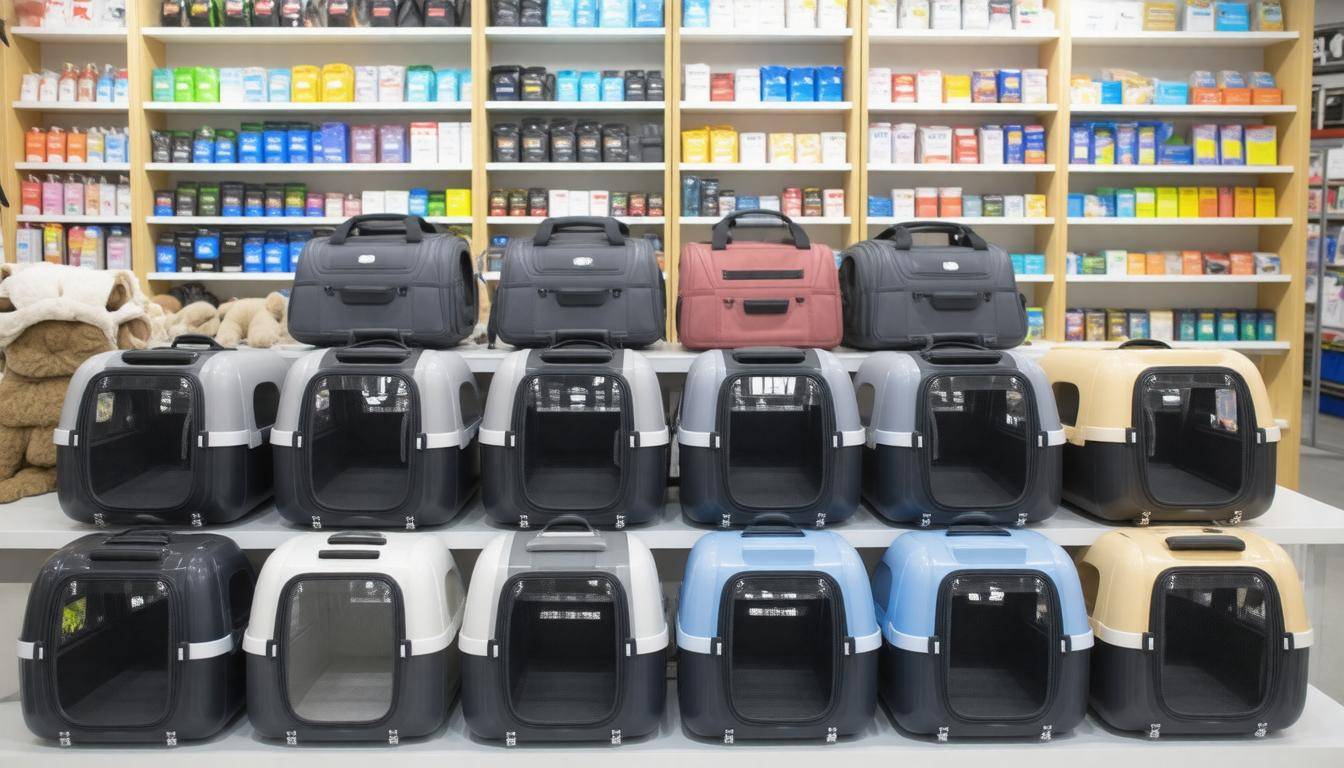
When selecting a pet evacuation carrier, it’s essential to consider factors such as the size of the carrier, ensuring it provides enough space for your pet to turn around comfortably, and the type of carrier, with hard-sided options often preferred for emergencies due to their durability and ease of cleaning. Additionally, look for designs that offer multiple access points to facilitate quick and stress-free handling during an evacuation.
Why You Need a Pet Evacuation Carrier
Pet evacuation carriers are essential tools designed for the safety and security of your pets during emergencies. The chaos of a sudden evacuation—be it due to a wildfire, flood, or hurricane—can leave even the calmest pets bewildered and scared. This fear can cause them to hide in unexpected places, or worse, they may try to flee. Having a designated carrier ready not only provides a familiar safe space but also ensures that your pet remains contained during what can be a highly stressful time.
Think about it: your family is rushing to gather items before leaving home, and in all the confusion, it’s easy for a pet to slip away or become disoriented. For instance, during Hurricane Harvey, many families faced heart-wrenching separations from their beloved pets simply because they lacked access to an appropriate carrier. A sturdy and reliable carrier equips you with a plan—a vital component of effective emergency preparedness. When it’s time to move quickly, reaching for a secure container that your pet recognizes can make all the difference.
It’s important to note that around 15% of lost pets during natural disasters are never reunited with their families, reinforcing the need for a practical solution like evacuation carriers.
Aside from facilitating transport, these carriers play various other roles in your evacuation plan. They help reduce anxiety in pets who often associate their carriers with travel or positive experiences, such as trips to the park or visits to the vet. By regularly introducing your pet to their carrier and making it a cozy resting spot at home, they’ll be less likely to resist entering it during an emergency.
Moreover, carriers come in different types and sizes, which means you can choose one that best meets your pet’s specific needs. If you’re traveling with cats, opt for hard-sided carriers that offer durability and ease of cleaning—especially helpful if accidents occur during transport. For smaller dogs or well-behaved cats, soft-sided carriers may provide extra comfort while still ensuring safety.
It’s also worth considering that many emergency shelters do not allow pets unless they are secured in carriers. In fact, statistics show that nearly 80% of emergency shelters do not accept pets without an appropriate evacuation carrier. With this in mind, planning ahead is crucial; ensure your evacuating kit includes not just food and water but also these carriers so no family member is left behind.
As importantly as choosing the right carrier is understanding its role in protecting your pet’s health during emergencies. Without proper containment, stress and anxiety can wreak havoc on an animal’s wellbeing. A secure carrier will not only keep your pet confined and safe but it also provides you peace of mind knowing that you have taken steps towards their protection.
Now imagine how prepared you would feel if you had a complete strategy in place—from having the correct carrier type to establishing routines that condition your pet for emergency situations. This careful consideration brings us closer to recognizing what features enhance the reliability of these necessities.
Key Features of Reliable Carriers
When it comes to ensuring the safety and comfort of your furry companions during an evacuation, the durability and materials of a carrier should be at the top of your list. Opting for carriers made from robust materials like reinforced plastic or metal can provide peace of mind in chaotic situations where accidents may occur. For instance, hard-sided carriers offer an additional layer of protection that soft ones cannot, especially in high-stress environments such as natural disasters. Imagine a scenario where you’re navigating rough terrain; a sturdy carrier will shield your pet from unnecessary jolts and bumps.
One exemplary choice is the Petmate Two-Door Top Load Kennel, which has garnered positive feedback for its strength and ventilation features. Such kennels are not only durable but designed with accessibility in mind, facilitating quicker loading times during emergencies.
After durability, it’s important to consider how easy the carrier is to use.
Look for pet carriers that feature multiple entry points, such as front and top doors. This thoughtful design can be a lifesaver when you’re under pressure; imagine trying to catch a scared cat who has decided that your bustling living room now looks like a plush jungle! Having multiple ways to get them inside allows for flexibility in those frantic moments. The ease of accessing your pet can provide comfort both to you and your scared animal—as they sense your calmness amidst the storm.
Having accessible entry points is particularly beneficial when every second counts. In an emergency scenario where time is of the essence, ensuring that you can quickly and efficiently secure your pet into their carrier helps mitigate stress for both you and them.
Next on the checklist is another vital aspect: ventilation and visibility.
Well-ventilated carriers are not just about comfort; they serve a critical role in keeping your pets safe. Adequate airflow helps pets breathe easier and stay cool, especially in scenarios like traffic jams or long waits outside shelters. Often smaller pets can become overheated if confined without proper ventilation, leading to undue stress or even health risks.
Look for carriers designed with ventilation holes and mesh panels that allow fresh air to circulate while maintaining visibility. Pets are naturally curious beings; being able to see their surroundings can reduce anxiety during travel. This small feature can transform an otherwise stressful experience into one that feels a bit more familiar, ultimately easing their journey through uncertain terrains.
These key features combined—durability, ease of use, and ventilation—not only ensure your pets’ safety but also contribute to their comfort during one of life’s most challenging events: an evacuation.
As you consider these essential aspects for safe travel with your pet, it’s equally important to explore the various options available to find the perfect fit for your needs.
Comparing Different Carrier Types
Not all carriers are created equal. Depending on your pet and specific travel situation, the carrier you select can significantly affect both your comfort and your pet’s safety. So what exactly should you consider?
Let’s explore some common options.
Hard-Sided vs. Soft-Sided Carriers
When it comes to hard-sided and soft-sided carriers, there’s much to weigh in on both sides. Hard-sided carriers are generally the go-to choice for larger pets or when traveling long distances. Their robust construction not only provides excellent protection but also ensures that your pet is less susceptible to sudden jolts or impacts. They often come equipped with secure locking mechanisms; hence, they can be safer if you’re concerned about escapees during chaotic situations like an emergency evacuation—much like during the recent Los Angeles wildfires. In fact, during those evacuations, organizations such as Best Friends Animal Society transported over 1,700 animals out of local shelters, underscoring the importance of sturdy carriers.
On the other hand, cleaning hard-sided carriers is a breeze; a simple wipe-down with disinfectant keeps them spotless and sanitary after each trip. With pets around, cleanliness matters.
In contrast, soft-sided carriers have their charm too, especially for smaller pets like cats or toy breeds. They are lightweight, portable, and typically easier to stow away in tight spaces, like under an airplane seat or in the back of a car. Many soft carriers also come with comfortable padded interiors that can help reduce travel anxiety for your furry friend. However, they might not stand up as well to jostling or abrupt movements compared to their hard counterparts. This could be a point of concern if you’re in an unstable environment where bumps or knocks are expected.
Next up is exploring backpacks and slings, which offer functionality tailored for smaller pets like cats or small dogs.
Backpacks and Slings
For those who prioritize convenience and hands-free travel, backpacks and slings step into the spotlight. These options allow you to keep your pet close while leaving your hands free for other tasks—perfect for errand-running or hiking adventures. A backpack might be especially useful when you’re navigating crowded urban settings or carrying additional items; it’s essentially multitasking in action.
However, one must consider comfort when opting for this kind of carrier. Extended time spent in a backpack can lead to discomfort for your pet due to their confined position. It’s important that these backpacks offer ample support for both you and your little companion; padded straps and breathable materials are key indicators of quality.
Additionally, not every backpack will suit every breed; be mindful of your pet’s size and weight when making a selection. Just remember: while these options are appealing for short trips, they may not be ideal for longer journeys where your pet may need more space or comfort—like the transitional sheltering period experienced by many animals displaced by disasters.
With so many choices at your fingertips, the next logical consideration involves assessing how to determine the correct dimensions for your chosen carrier.
Selecting the Appropriate Size
When it comes to selecting a pet carrier, size truly matters. An ill-fitted carrier can cause stress and create a negative association with the carrier itself. Imagine trying to squeeze into a space that feels too small or feeling like you’re floating around in an overly large room. Neither situation is comforting, and similarly, your pet deserves the same consideration when deciding which carrier to use for travel or evacuation.
Measure Your Pet
The first step in finding the right carrier size is to measure your pet accurately. Gather a soft measuring tape and measure your pet’s height from the floor to the top of their head while they are standing. Next, measure their length by noting the distance from the tip of their nose to the base of their tail. Having these measurements handy will help determine which carriers may be suitable for your furry friend.
Ideally, carriers should provide enough space for pets to stand up comfortably, turn around without cramping, and lie down stretched out. This kind of space allows them to shift positions, maintaining both physical comfort and psychological peace. If they feel confined or uneasy, it could lead to panic during travel or emergencies.
The American Kennel Club (AKC) provides useful guidelines—the recommended dimensions tell us that for a standard-sized cat weighing up to 15 pounds, the carrier should be at least 18 inches long, 12 inches wide, and 10 inches high. For small dogs weighing up to 20 pounds, carriers should be about 24 inches long, 16 inches wide, and 16 inches high. Keeping these dimensions in mind can prevent last-minute scrambling when you need to evacuate quickly.
A popular product that exemplifies good design is the AmazonBasics Two-Door Top-Load Pet Kennel, which comes in various sizes tailored for different pets. By selecting one that fits perfectly within your measurements, you enhance not only your beloved animal’s comfort but also smoother operations during an evacuation scenario.
With the importance of size established, we can now examine other critical factors that contribute to ensuring safe travel for your pet during an emergency.
Ensuring Comfort and Safety
Making sure that your pet is both comfortable and secure during travel isn’t just about keeping them cozy; it directly impacts their overall wellbeing. When an animal feels safe, they are less prone to stress and anxiety, which is especially important during an evacuation or chaotic situation. One practical way to create this safe space is by including familiar items in the carrier, like your pet’s favorite blanket or toy. It’s amazing how even a small piece of home can make a significant difference in keeping your furry friend calm.
As you prepare for these scenarios, be sure to line the carrier with absorbent pads as well. Not only do these pads provide comfort, but they also simplify cleanup in case of any accidents during transport. Ensuring that your carrier includes some soft padding will help absorb shock and provide a cushioned area for your pet to rest against.
Many pet owners share heartwarming stories about how their pets’ demeanor changes when they’re surrounded by familiar scents and textures. A comforting toy or blanket can work wonders; dogs and cats alike tend to remain calmer and more relaxed when they feel they have something familiar close by.
Comfort aside, let’s focus on safety measures that can enhance your pet’s travel experience further.
First off, check that the carrier has essential safety features. Carriers designed with safety straps or clips can prevent your pet from escaping during transport—this is especially crucial for skittish animals who might panic if startled. It would be heartbreaking to have your pet leap out into an unfamiliar environment unexpectedly. Additionally, ensure the carrier is made of high-quality materials, such as reinforced nylon or heavy-duty plastic, which can withstand movement and accidental bumps without compromising safety.
Moreover, ventilation cannot be overlooked. Good airflow is key to preventing overheating or discomfort while traveling. Make sure your carrier has multiple ventilation openings on opposite sides so that air circulates freely.
As you prioritize comfort, consider personalizing the interior too; opting for padded interiors or removable bedding not only boosts comfort but also allows for easier cleaning and maintenance after each trip.
Now, let’s explore effective techniques to help your pet feel at ease in their new travel environment.
Training Your Pet for the Carrier
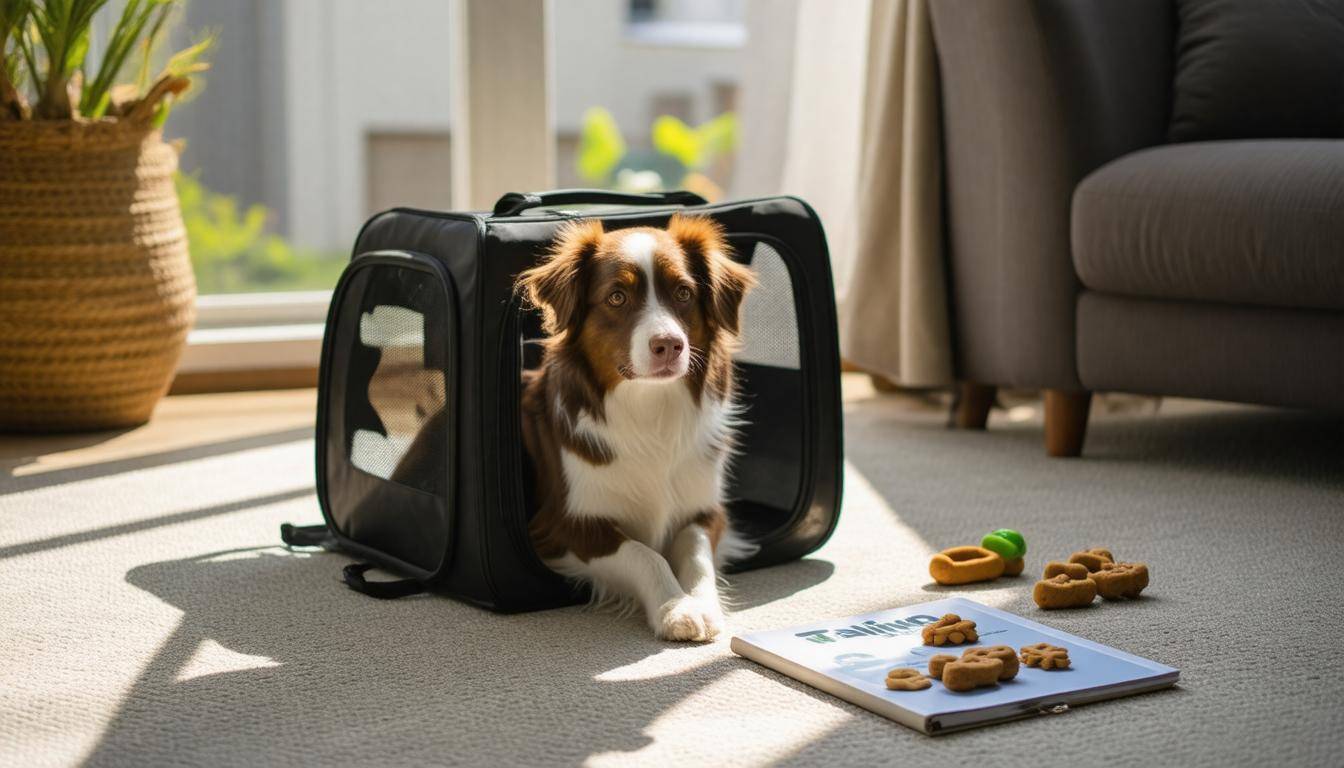
When it comes to ensuring that your pet feels at ease in a carrier, proper training is essential. The goal here is to create a positive association with the carrier so that when it’s time to evacuate or travel, your furry friend is calm and ready to go.
Start by placing the carrier in a familiar spot where your pet spends a lot of time; this helps integrate it into their environment. Imagine your cat, intrepid explorer that they are, approaching the curious new object without hesitation, drawn in by the promise of treats and a cozy resting place. Keeping the door open allows them to investigate at their own pace, reducing initial anxiety about confinement.
Now, as your pet begins to explore, be sure to offer plenty of encouragement. Rewarding them with treats or verbal praise every time they enter the carrier goes a long way. It could be a simple “good job” or giving them treats as soon as they venture inside. This process becomes an enjoyable game rather than something to avoid. The key is patience; don’t rush them. If they seem hesitant, simply leave the carrier out for a few days until they feel comfortable approaching it on their own.
Once your pet is accustomed to exploring the carrier freely, the next step involves simulating what travel will be like.
Gradual Introduction
With curiosity sparked and positive reinforcements provided, you can take it a step further. Begin doing what I call “practice runs.” You can take short trips around the block with your pet safely secured in the carrier—this creates real-world exposure without overwhelming them. During these outings, make the experience as positive as possible: play soothing music in the car, talk gently to your pet, and continue showering them with praise when you’re back home.
As you conduct these practice runs, try integrating the carrier into daily life beyond emergency scenarios. Leave it accessible alongside everyday items like feeding bowls or favorite toys. This normalization helps your pet understand that frequency and travel do not signify distress but rather opportunities for new adventures.
However, bear in mind that not every animal reacts to training similarly.
Practice Runs
Many pets will need varying lengths of time to acclimatize; some may get used to their carriers quickly while others might need extra support and encouragement. For instance, there was a story shared by one pet owner whose dog initially resisted entering the crate altogether. By gradually introducing her dog through treats and fun toys placed inside while keeping the door open, it finally began entering voluntarily—a significant emotional breakthrough!
Understanding individual preferences will also help eliminate any stressful scenarios that could arise during an unexpected emergency when time is of the essence. With steadfast commitment and gentle encouragement, often within just two weeks of consistent engagement with their carrier, many owners find their pets comfortably settled into this space—it becomes less of a necessity and more of a sanctuary for them amidst all upcoming travels.
By taking these small yet impactful steps in training your pet for traveling in their carrier, you’re not just preparing for emergencies but also fostering stronger bonds of trust between you and your beloved companion.
As you navigate these training phases, consider practical strategies to enhance travel comfort and minimize stress before embarking on any journey with your furry friend.
Tips for Stress-Free Travel
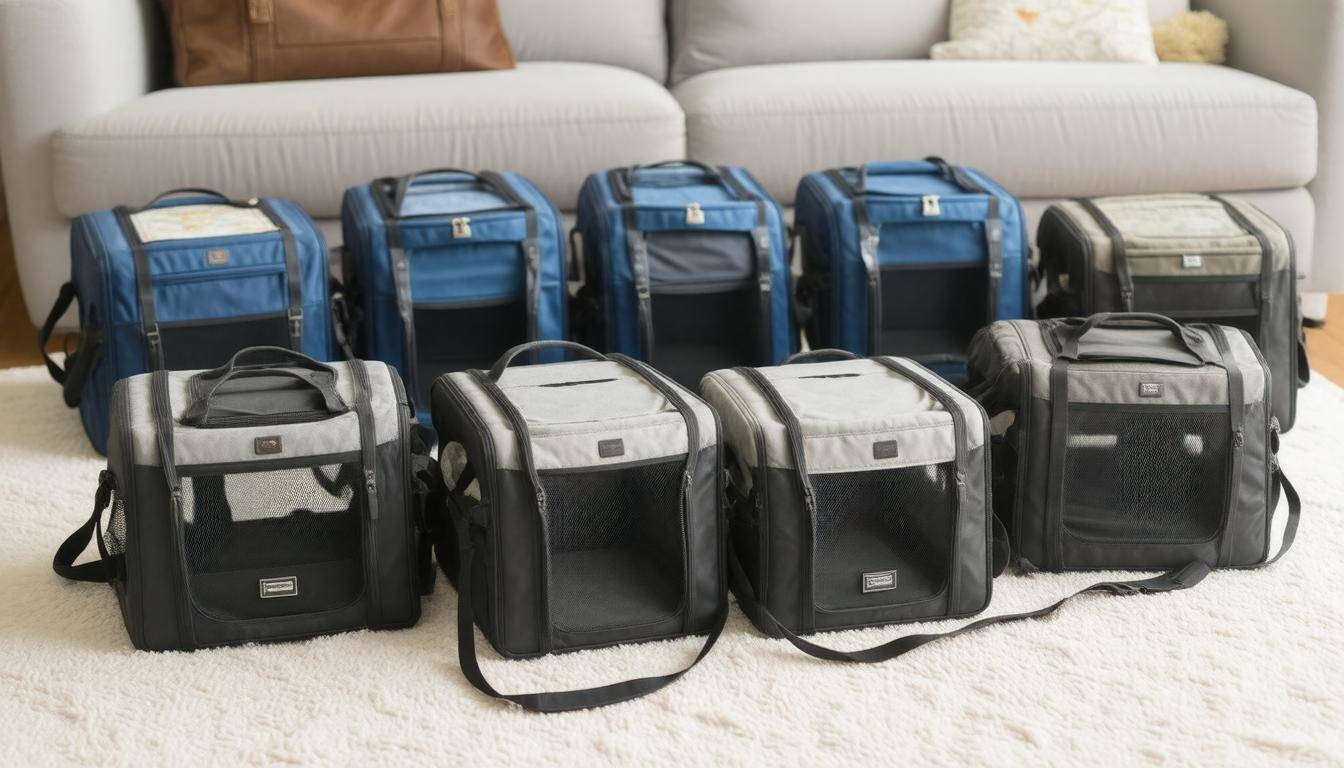
Even with the best preparations, including an appropriate carrier and comprehensive training, travel can invoke a range of stressors in pets. The key is to proactively mitigate these pressures through strategies designed to maintain a calm environment for your furry companion.
One of the most effective techniques is to keep your own demeanor relaxed; pets are incredibly perceptive and often absorb the emotions of their owners. If you’re feeling anxious or flustered, your pet will likely pick up on that energy, which can heighten their own stress levels. So, take a deep breath and approach the journey with cool confidence.
To further ease your pet’s travel experience, consider using pheromone sprays like Feliway, which are known to create a calming effect. These sprays mimic natural pheromones and can significantly reduce anxiety, helping your pet feel more secure in unfamiliar situations. Apply it to their carrier about 30 minutes before you embark—allowing it some time to settle in as part of their comfort zone.
Just as we try to shield ourselves from overwhelming stimuli when we’re feeling anxious, pets also benefit from similar consideration.
Covering the carrier with a blanket can be another game-changer during travel. This simple action minimizes visual distractions that may otherwise heighten stress, allowing your pet to focus on a safe space instead of the tumultuous world outside. A soft cover provides them with security and can help them rest better during long journeys, transforming their carrier into a cozy den reminiscent of home.
From a veteran’s perspective—as many animal experts affirm—the safety of your pet is paramount during any travel escapade. Keep some form of identification on your pet at all times—consider opting for a collar with an ID tag that includes important contact information. This small step not only ensures that your pet has identification in case they wander off but also brings peace of mind for you as an owner.
While lots of preparation goes into managing these unique challenges, remember that taking care of your pet while traveling ultimately paves the way for quality shared moments.
As you embark on these journeys together, don’t hesitate to pause frequently to let your pet stretch their legs—making those much-needed breaks during long drives can alleviate tension. Allowing your furry friend to relieve themselves and explore new surroundings contributes significantly toward creating a more enjoyable travel experience. By considering these tidbits, you ensure that both you and your beloved companion can have an unforgettable adventure without added stressors distracting from the joy of the journey.
With all these considerations in mind, it’s essential to ensure you’re prepared for any unexpected situations that might arise while on the road.
Emergency Preparedness for Pets
Keeping your furry family members safe during emergencies is immensely important. Having the right tools and strategies can make a significant difference in ensuring they stay secure and comfortable. This begins with putting together an emergency kit tailored specifically for them. The essentials listed in the table below serve as a great starting point, but let’s explore why each item matters and what additional considerations you might want to include.
Essential Items Enhanced
| Essential Item | Purpose | Additional Recommendations |
|---|---|---|
| Extra Food and Water | Sustenance during travel | Include at least a three-day supply of durable pet food. Consider using resealable bags for ease of packing and rationing. |
| First Aid Kit | Handling minor injuries | Make sure to include a guide for treating pet-specific injuries. Familiarize yourself with basic pet first aid techniques online or through a local vet class. |
| Leash and Collar | For walks and control | Opt for a sturdy leash that won’t break easily under stress. Reflective options are ideal, especially during power outages or crowded evacuation situations. |
| Comfort Items | Toys, blankets to reduce stress | Choose items that smell like home to help soothe anxiety. Stuffed toys or familiar bedding can provide comfort in new environments. |
| Documentation | Vaccination records for shelters | Keep digital copies saved on your phone alongside physical copies in your emergency kit—just in case. |
Now that we have covered the essential items, let’s talk about how to make this preparedness truly effective.
Having the right materials is just one part of the equation; understanding how to use them effectively is even more vital. For instance, knowing how to administer basic first aid can become lifesaving knowledge during stressful situations when every second counts. An excellent way to prepare is by familiarizing yourself with your pet’s behavior in emergencies, particularly how they react to loud noises during storms or during evacuations.
Furthermore, consider drafting an evacuation plan that includes not only your pet’s needs but also where they’re likely to feel most secure amidst potential chaos. Make sure that each family member knows the plan thoroughly so there won’t be confusion in a critical moment.
By preparing well in advance, you’ll ensure that both you and your beloved pet remain calm during emergencies.
Remember too, preparation is continuous—check everything regularly! This means routinely reviewing your emergency supplies, refreshing food and water supplies, updating vaccination records, and keeping your rescue/contact information current. Even if you think you’ve done everything right this time, circumstances can change quickly, necessitating further adjustments.
Finally, don’t underestimate the value of community resources. Knowing local shelters or organizations that accommodate pets in emergencies can provide peace of mind and additional safety nets when unpredictability strikes. As changes arise in your life—like moving or welcoming a new furry friend—stay vigilant and adapt your plans accordingly.
Being prepared isn’t optional; it’s a commitment you owe to your furry companions to keep them safe as you navigate unforeseen challenges together.
In essence, proactive planning coupled with ongoing assessment not only enhances your readiness but significantly contributes to your pet’s safety during unexpected situations.