
When it comes to preparing for emergencies, many of us think about our own needs—food, water, shelter—but what about our furry friends? They rely on us not just for love and companionship, but also for their nutrition and care in tough times. If a disaster strikes or you find yourself stuck at home unexpectedly, having a 30-day supply of pet food and basic supplies can make all the difference. Not only will this keep your pet healthy and content, but it’ll also save you from the panic of finding their food when stores might be closed or out of stock. In this guide, we’ll break down everything you need to know about stocking up for your pets so that they feel secure and well-fed, no matter what challenges come your way. Let’s dive into how to create an effective emergency supply plan that keeps your beloved companions happy and safe!
A 30-day emergency supply plan for pet food should include both dry kibble and wet food options tailored to your pet’s dietary needs, with a total amount sufficient to cover their daily intake. Additionally, consider stocking up on treats, ensuring proper storage methods to maintain freshness, and incorporating a first aid kit with supplies specific to your pet’s health requirements.
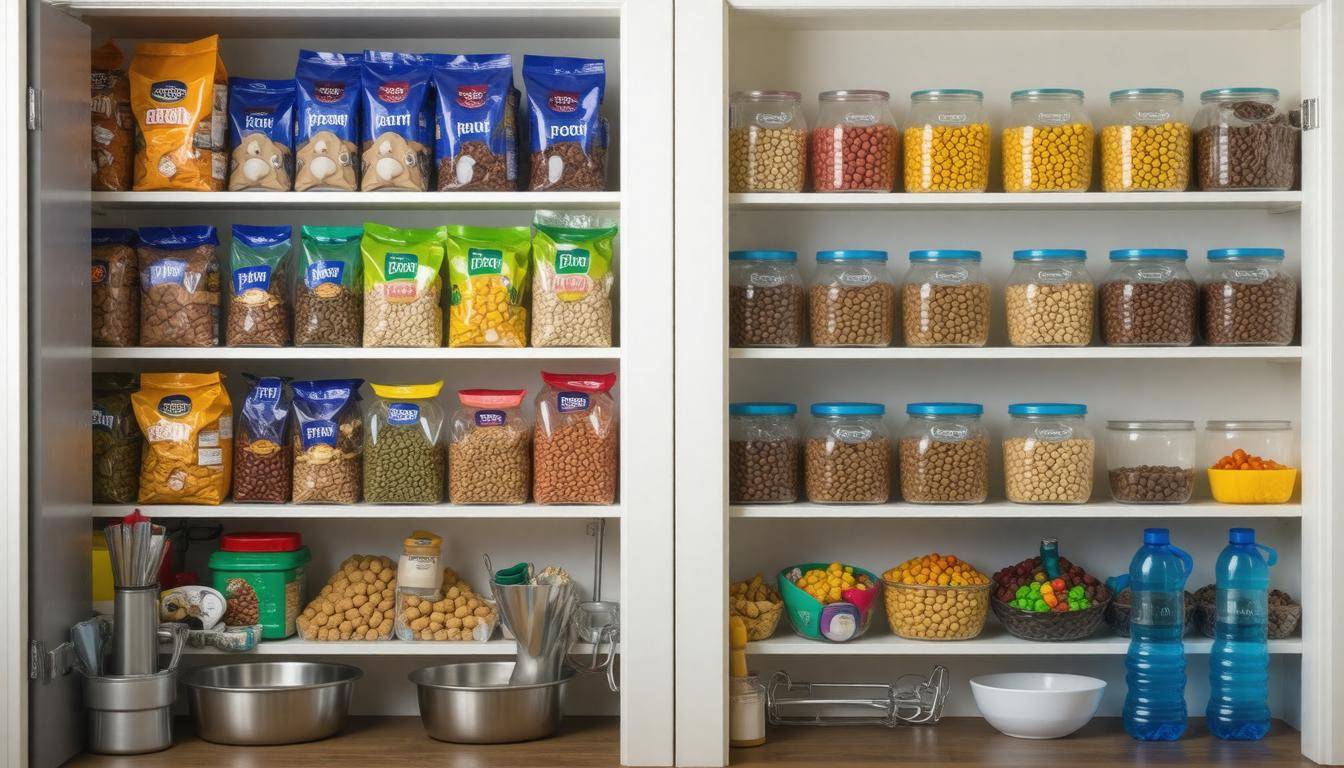
Identifying Necessary Pet Supplies
Ensuring that your pet is well-prepared in case of an emergency can make all the difference. Think about it: just as we plan for our own needs, we must also consider those of our furry companions. Having a well-rounded selection of supplies will help them feel secure and cared for during stressful times.
First on the list is food—both dry kibble and wet options—and it’s vital to have a balanced mix that caters to your pet’s dietary preferences. Remember, pets can be picky eaters, so incorporating familiar flavors into their emergency stash can ease anxiety when they may not feel like eating.
Next, water is non-negotiable; your pet will need plenty of clean drinking water, especially if you’re preparing for longer stretches without access. Aim for about one ounce of water per pound of body weight daily, ensuring you have enough stored for at least seven days. Investing in collapsible bowls is also smart; they take up minimal space and are easy to transport.
Aside from food and water, medications play a crucial role as well. Keep a checklist of any prescriptions or supplements your pet requires and store them in an easily accessible location. You wouldn’t want to be fumbling through boxes when time is of the essence.
Another often overlooked item is a comprehensive first aid kit tailored for pets. Here are some essentials to include:
- Bandages: Various sizes to cover wounds.
- Antiseptics: To cleanse cuts or scrapes.
- Special medications: Any necessary treatments your pet may need.
Comfort items should not be overlooked either. Maintaining a sense of normalcy in chaotic times can greatly benefit your pet’s emotional wellbeing. This could mean packing their favorite blanket or toy to provide familiarity amidst the stress. These simple touchstones remind them of home—even during a crisis.
Moreover, identification is an often-neglected yet vital component of thorough preparation. Keeping copies of your pet’s medical records and a recent photo in your emergency kit ensures you are ready should evacuation become necessary or if you find yourself in need of medical assistance for your beloved companion.
Lastly, don’t forget about additional specifics based on the type of pet you have; for example, cat owners should stock an extra bag of litter and pull out litter trays. Creating an environment that allows our pets to maintain their usual routines can significantly help reduce their stress during emergencies. The goal is to prepare not only for their physical needs but also for their emotional comfort during challenging times.
With these essential supplies in mind, the next step involves putting together a solid plan that ensures you’ll have everything when you need it most. This preparation will equip you for maintaining your pet’s wellbeing effectively.
Crafting a 30-Day Storage Plan
A well-structured plan guarantees that your furry friends won’t go hungry and makes the feeding process straightforward for you. The first essential step involves calculating daily needs, which serves as the foundation of your supply strategy.
To begin, check the feeding guidelines on your pet’s food packaging. That information typically lets you know how much food they should consume based on their size and activity level. For example, if you discover that your dog requires 2 cups of food per day, simply multiply that number by 30 to get a total of 60 cups for the month. This ensures that you have an adequate supply ready and reduces any last-minute panic.
Once you’ve got those numbers squared away, it’s time to focus on how to manage those portions effectively.
Step I – Calculate Daily Needs
Narrowing down the daily intake provides clarity. For some pets, especially those with special dietary requirements, you may need to adjust these calculations slightly. Always consult your vet if you’re unsure about appropriate quantities.
After determining the total amount needed, let’s move to portion control—this is where organization comes into play. When emergencies arise, having ready-to-go portions saves time. Carefully measure out daily portions in advance and store them in resealable bags. This practice not only makes feeding easier but also helps you track how much food is left at any given time. No more guessing or pouring out bags; just grab a bag and feed!
Step II – Portion Control
| Pet Type | Daily Food Requirement | 30-Day Supply Amount |
|---|---|---|
| Small Dog | 1 cup | 30 cups |
| Medium Dog | 2 cups | 60 cups |
| Large Dog | 3 cups | 90 cups |
| Cat | ¾ cup | 22.5 cups |
As we solidify portion control, consider making this system even more efficient by labeling each bag with the date it was packaged.
Labeling can be a lifesaver during emergent situations when everything feels chaotic or uncertain. Include not just the date but also the type of food inside each bag, especially if you have different varieties for varied needs or preferences within your pet family. This proactive approach streams feeding times and helps ensure nutritional balance while maintaining peace of mind.
Alongside proper storage techniques, having a consistent rotation method for your supplies is vital for ensuring freshness and avoiding waste. By placing recently bought items at the back of your storage area and using older items first, you’ll maintain high-quality nutrition throughout the month.
Lastly, don’t forget to incorporate treats or any comfort foods they enjoy! These little morale boosters can make a significant difference during challenging times.
By focusing on a structured approach for both planning and managing supplies, you’ll set yourself up for success in meeting your pets’ nutritional needs even in tougher times ahead.
Ensuring Nutritional Balance
Maintaining your pet’s health during emergencies requires careful consideration of their dietary needs. Ideally, you want to replicate their normal diet as closely as possible to reduce stress and maintain stability in their routine. This involves thinking about what they typically eat day-to-day and how you can provide similar nutrients while ensuring the food remains stable over a longer period.
To create a balanced diet for your pet, it’s important to incorporate several types of food that together cater to all their nutritional requirements. For instance, consider including protein-rich kibble as a primary staple. Kibble is convenient and easy to store, packed with essential nutrients that support your pet’s overall health. It’s the backbone of many pet diets due to its energy-boosting properties.
Alongside kibble, it’s wise to include wet food in your emergency supply. Wet food, known for its moisture content, can be especially beneficial for pets who may not drink enough water during an emergency situation. The added hydration can prevent dehydration and keep your pet feeling comfortable.
Additionally, don’t forget about treats. While treats may seem like a luxury item in an emergency, they serve a critical role in mental stimulation. A few furry friends might find themselves anxious or bored when routines change due to emergencies. Giving treats can provide comfort and encouragement, helping them feel a sense of normalcy amid uncertainty.
It’s crucial to acknowledge that not all pets have the same dietary needs—some may require specialized diets due to allergies or health conditions. So consider any specific dietary restrictions when stocking your emergency supply.
When planning your pet’s emergency nutrition plan, take stock of how much food they consume daily and aim to have at least 30 days’ worth readily available. Your care in this preparation supports their physical well-being and mental happiness during challenging times while also laying the groundwork for how you package these supplies safely and effectively.
Proper Packaging Techniques

The right packaging can dramatically improve the shelf life, freshness, and safety of pet food, making it one of the most crucial aspects of emergency preparedness. First off, let’s talk about the first step: using airtight containers. By storing pre-portioned food in airtight containers, you’re effectively creating a barrier against air and moisture. This is vital because exposure to these elements can quickly cause spoilage, turning nutritious food into something potentially harmful for your furry friend.
“Keeping pet food fresh is not just about convenience; it’s about ensuring our pets remain healthy during challenging times.”
Next up is vacuum sealing, which utilizes technology to enhance preservation significantly. Vacuum sealing removes air before sealing the bag or container, thereby slowing the degradation process caused by oxidation. If you’re unsure how to vacuum seal, simply use a vacuum sealer machine designed for home use; they are quite user-friendly! Once sealed, remember to store these bags or containers in a cool, dark place. Maintaining controlled temperature and humidity lasts longer and keeps pests at bay, which could otherwise cause contamination.
Additional Tips for Effective Packaging:
- Use BPA-free plastic or glass containers to ensure safety.
- Regularly check your pet food for signs of spoilage after an extended period.
- Label the containers with the date of purchase or sealing for effective tracking.
Moreover, another important aspect to consider is rotating your food supplies periodically. Utilizing a first-in-first-out (FIFO) method ensures that no food gets wasted or spoils while buried under newer purchases. This habit not only keeps everything fresh but also gives you peace of mind knowing your emergency stock is usable when needed.
Alongside these techniques, exploring innovative storage options can extend your supplies even further, ensuring you’re better prepared for any situation ahead.
Extending Shelf Life
Maximizing the shelf life of your pet’s food is essential to keeping it nutritious and safe to eat, especially during unforeseen circumstances. This not only supports your pet’s health but also ensures you have adequate supplies during emergencies. One crucial method of extending shelf life is by using food-grade preservatives. When considering this option, consulting with a veterinarian about which preservatives are appropriate for your specific type of pet food can make a significant difference. These preservatives can help maintain freshness and prevent spoilage, much like how certain products in our pantries benefit from similar strategies.
Regularly rotating your stock is another vital practice that should never be overlooked. By using the “first in, first out” method—where you use older supplies before newer ones—you can effectively minimize waste and keep your emergency stock fresh. Imagine opening a bag of food during a crisis only to discover it’s gone stale; that situation can lead to unnecessary panic. Therefore, always replenish your stash with new items after using up older supplies to ensure you’re well-prepared.
As you navigate your pet food storage strategy, it’s important to differentiate between types of food as they have varying shelf lives. Dry food tends to last longer than wet food, often offering around 12 to 18 months of stability when stored properly. Because of this longevity, it’s generally advisable to lean toward dry food for long-term storage while still incorporating some wet options for variety and additional hydration. A combination of both types will provide a balanced diet that keeps your pets happy even in challenging situations.
Assuring that your pet has quality meals ready during emergencies is integral to their health and wellness. Having strategies in place to extend the shelf life of their food will help you accomplish just that.
Staying proactive about your pet’s dietary needs will enhance their resilience during any crisis, showing how pivotal good preparation is for both pets and their owners alike. Next, we will explore other viable options for ensuring your pet stays fed during unexpected situations.
Alternative Feeding Sources
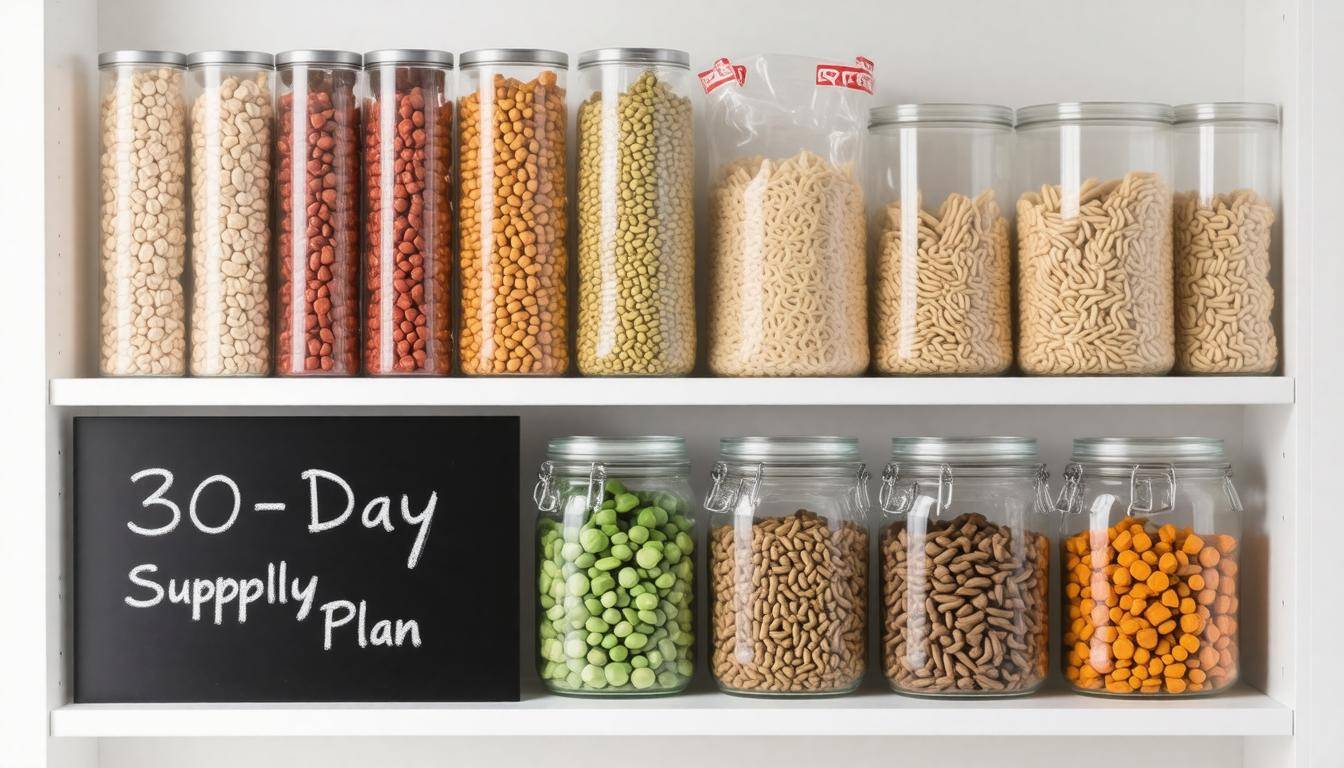
In the event that the standard pet food supply dwindles, knowing what other options are available can be a lifesaver. Many pet owners might not realize that there are several nutritious alternatives to supplement or replace their usual dog or cat food. It’s smart to familiarize yourself with these alternatives before an emergency arises, so you can act quickly and efficiently.
One fantastic option is homemade meals for your pets. Simple, wholesome ingredients like cooked chicken, turkey, carrots, rice, and even oatmeal can make a decent meal that provides good nutrition for your furry friend. Just remember to avoid toxic foods for pets such as onions, garlic, grapes, and chocolate! Preparing your own pet food allows you to control the quality of ingredients while ensuring your pet receives a balanced diet.
Alongside homemade alternatives, consider incorporating canned goods into your supply stash. Canned pumpkin (not the spiced kind) is great for soothing digestive issues in dogs, while canned fish like tuna or salmon can add essential fatty acids to their diets.
A crucial aspect of this alternative feeding strategy revolves around preserving nutritional balance. When crafting homemade meals or including human food in their diet, it’s wise to consult with your veterinarian to ensure they’re receiving all necessary nutrients. Furthermore, including some commercial supplement blends designed for pets can help round out any deficiencies, especially if you’re planning on long-term feeding shifts.
It’s also worth noting freeze-dried options that are gaining popularity among pet owners. They retain much of the nutritional value of fresh food and have a long shelf life similar to typical dry kibble. Brands like The Honest Kitchen offer these convenient choices, allowing for easy meal preparations without sacrificing quality.
By understanding these alternative feeding sources, you prepare to keep your pets nourished in any situation. As we consider nutrition’s counterpart during emergencies, it’s also essential to focus on maintaining proper fluid intake for optimal health.
Ensuring Adequate Hydration
Water is not merely an accessory to eating; it forms the foundation of your pet’s health and vitality, especially during emergencies when access to clean water can become scarce. Whether it’s a dog or a cat, their hydration needs change based on factors like size, age, activity level, and environmental conditions. That’s why understanding how much water your pet requires is essential.
To break it down simply, most dogs need about 1 ounce of water per pound of body weight daily, while cats require approximately 3.5 to 4.5 ounces per 5 pounds. Just imagine it: A 50-pound dog will need at least 50 ounces of water a day—this adds up to around 12 gallons over the course of a month! Visualizing this amount helps emphasize why you must stock enough water ahead of time.
When planning your emergency supply, don’t just rely on standard bottled water; think strategically. Consider investing in water filtration systems or portable purifiers, particularly if you live in an area where clean water might be disrupted due to crises or natural disasters. These also come in handy during camping trips or hikes where clean drinking water isn’t readily available.
Remember, pets may experience increased stress that raises their water requirements by 20-30% in emergencies. It’s not just about filling bowls; it’s about having reservoirs ready for your fur babies to stay hydrated under pressure.
Don’t forget to always check and rotate your stored water supply! While bottled water typically has a long shelf life, it’s wise to replace stored containers every six months or so to ensure freshness. As with food supplies, making this a part of your regular maintenance routine helps avoid unpleasant surprises when you actually need the water.
Also, take into account how your pet prefers its water. Some may drink more if it’s fresh and cool, so topping off their bowl regularly can encourage better hydration habits even when you’re busy preparing for emergencies. Having portable collapsible bowls can be great for outings too!
As we pivot from hydration to the next step in preparing for emergencies, let’s focus on the nutritional elements that keep your pets healthy and happy through any ordeal.
By keeping these guidelines in mind, you’ll be well-equipped to ensure your furry friends remain hydrated and healthy during any emergency situation. Being proactive can make all the difference in bustling times of crisis.
What additional supplies should I consider including in a comprehensive pet emergency kit?
In addition to food and water, consider including items like a first aid kit, medications, identification tags, a leash or harness, and comfort items such as blankets or toys. According to the American Pet Products Association, 70% of U.S. households own pets, making it crucial to prepare for emergencies that may last up to 30 days. Having these additional supplies can help ensure your pet’s safety and comfort during unforeseen situations.
How can I rotate my pet food supply to ensure it stays fresh for emergencies?
To effectively rotate your pet food supply for freshness, adopt the FIFO (First In, First Out) method by using older bags first before new ones. Store your pet food in a cool, dry place to minimize spoilage and maintain quality; high temperatures can reduce nutritional value by up to 50% after a year. Regularly check expiration dates and replenish supplies every six months to ensure no food is left outdated, ultimately keeping your pets healthy during emergencies.
How much pet food should I store for a single pet versus multiple pets?
For a single pet, it’s generally recommended to store about 30 pounds of pet food for a month, assuming an average intake of one pound per day. For multiple pets, calculate the total weight by multiplying the daily intake by the number of pets and then by 30 days; for example, three pets would require approximately 90 pounds. It’s important to ensure each pet receives the right type and amount of nutrition, so always consider individual dietary needs when stocking up for emergencies.
Are there specific storage guidelines I should follow to maintain the quality of pet food?
Yes, to maintain the quality of pet food, you should store it in a cool, dry place away from direct sunlight and humidity, ideally in an airtight container to prevent spoilage. It’s recommended to use food within a few months after opening the package for optimal freshness; studies show that improper storage can lead to nutrient loss and increase the risk of foodborne illnesses in pets. Following these guidelines helps ensure your pet’s diet remains safe and healthy.
What types of pet food are best for long-term storage?
The best types of pet food for long-term storage are dry kibble and freeze-dried options, as they typically have a shelf life of 1 to 2 years if stored in a cool, dry place. Dry kibble is nutrient-dense and less prone to spoilage, while freeze-dried food maintains its nutritional value and can last up to 25 years if sealed properly. According to the Association of American Feed Control Officials (AAFCO), high-quality commercial pet foods that avoid fillers tend to retain their stability over time, making them ideal for emergency supplies.