
When it comes to emergency preparedness, especially in a city like Philadelphia where flooding can strike unexpectedly, having the right supplies is crucial. Imagine being caught off guard by rising water levels with no plan in place—scary, right? To help you stay safe and ready, this guide breaks down everything you need to assemble a comprehensive flooding kit that not only includes the basics like food and water but also essential tools and personal care items that often get overlooked. We’ve put together this information to ensure you’re well-equipped to weather any storm, because being prepared today means a better chance of staying safe tomorrow. Let’s dive into what you need to include in your flood kit so you can face these emergencies with confidence.
A flooding kit for residents of Philadelphia should include essentials such as a three-day supply of water, non-perishable food, flashlights, batteries, a first aid kit, medications, important documents in waterproof bags, and a multi-tool. Additionally, it’s wise to include items like blankets, personal hygiene products, and a battery-powered or hand-crank radio to stay informed during emergencies.
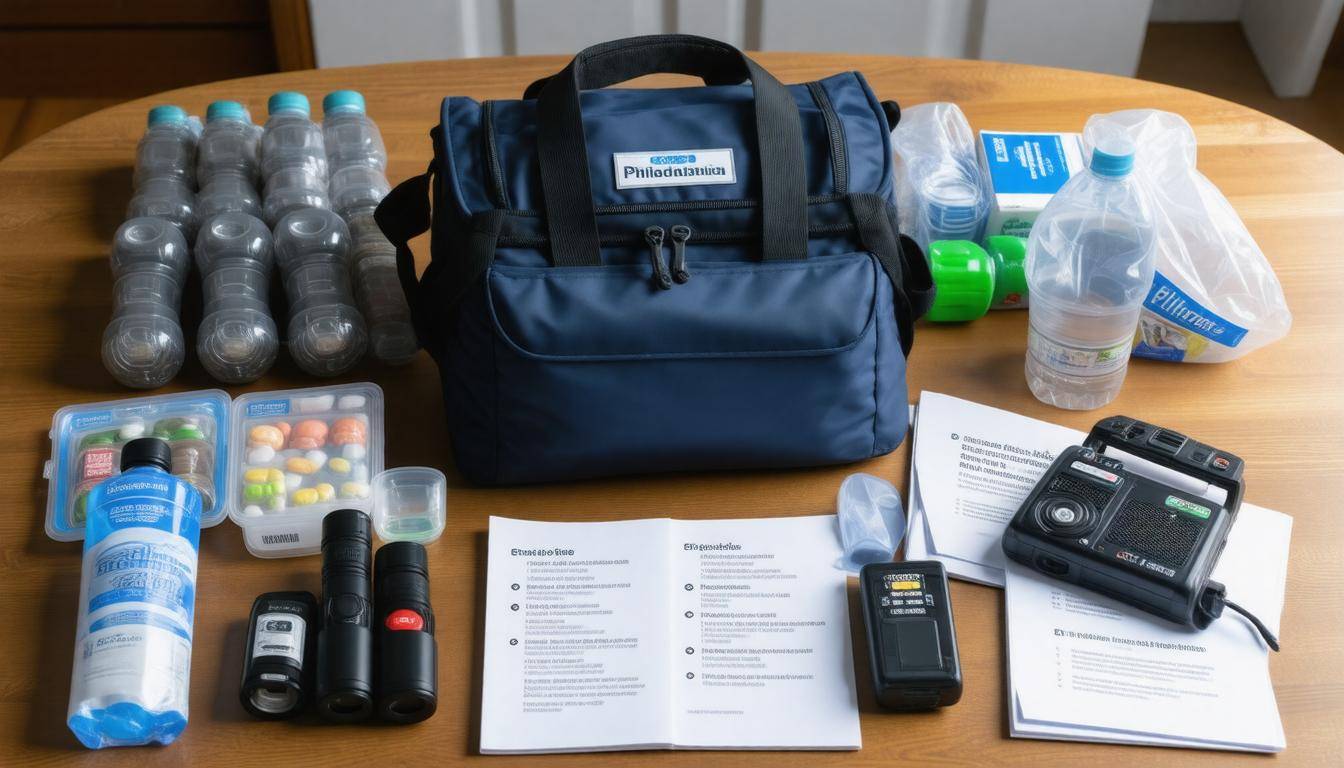
Essential Items for Your Flood Kit
A flood kit is so much more than just food and water—it’s your lifeline when emergency strikes. After ensuring you have non-perishable food, clean drinking water, and first-aid supplies, it’s time to think about personal hygiene and comfort items that will support you in maintaining well-being during stressful times.
Personal Hygiene Supplies
One of the often-overlooked aspects of preparedness is personal hygiene. Flooding can disrupt access to clean water or electricity, making routine hygiene practices challenging. To help you stay clean and healthy during such crises, it’s crucial to include items like soap, hand sanitizer, and feminine hygiene products in your kit. These can significantly reduce the risk of infection or disease during extended periods without regular access to running water.
Imagine having a portable toilet handy; it might not seem essential at first, but when faced with flooding conditions, having that small piece of comfort can make a world of difference in terms of mental well-being as well.
Comfort is key during disasters, but clear communication cannot be understated.
Communication and Documentation
For effective communication during an emergency, pack essential tools like a battery-powered or hand-crank radio. This simple device allows you to stay in touch with local news updates without relying on electrical power—which could be a game changer if you’re cut off from the grid.
Additionally, don’t neglect the importance of keeping copies of vital documents. Whether it’s identification, insurance policies, or bank records, having these stored in waterproof containers offers peace of mind when faced with uncertainty. If you ever need assistance or must make claims after a disaster, you’ll be prepared without scrambling for paperwork while dealing with other stresses.
Maintaining communication and documentation also extends to family plans that involve knowing how to reach each other if you’re separated during an evacuation. Share contact information on small cards tucked into your flood kit should phone service become unreliable.
With these thoughtful considerations for safety and well-being in mind, let’s examine specific gear and materials that can bolster your readiness in the face of emergencies.
Emergency Supplies and Tools
In an emergency, having a well-equipped supply kit can make all the difference. The right tools not only help you manage immediate needs but also provide peace of mind during chaotic situations. Think of your emergency kit as your safety net; it should be readily accessible and filled with essential items that address both your physical safety and basic survival.
Basic Tools
Among the primary tools to consider are a sturdy wrench and pliers. These items are invaluable for turning off utilities such as gas and water to prevent further hazards during a flood. Imagine standing in your home while water begins to rise—you can quickly turn off the main gas line or shut off the water supply, mitigating potential risks of explosions or additional flooding. Alongside these tools, don’t underestimate the power of a whistle; it is lightweight and easy to carry, yet profoundly important. In a crisis, when panic can strike, a whistle can effectively signal for help without exhausting your voice.
Every second counts in an emergency situation, which is why being smart about your tool choices matters so much. You want equipment that you need and can use efficiently under stress.
Water and Air Filters
Water is often one of the first resources affected during a flood. Consequently, including portable water filters or purification tablets in your kit is wise, as they ensure access to clean drinking water when standard sources become contaminated or scarce. Have you ever considered buying bottled water? It can be heavy and cumbersome to transport during an evacuation, whereas filters and tablets are compact and increasingly effective against various pathogens.
Additionally, don’t forget about air quality. When floods happen, pollutants can seep into the atmosphere, making an N95 mask an essential addition to your kit. This mask blocks particles from entering your lungs, protecting you from harmful contaminants that may arise when surfaces get submerged or disturbed during flooding events. Clean air is just as important as clean water.
As you gather these critical supplies, think about how each item fortifies your readiness for unexpected challenges. With this foundation in place, the next steps involve ensuring your living environment is equally prepared for potential flooding risks.
Preparing Your Home and Family
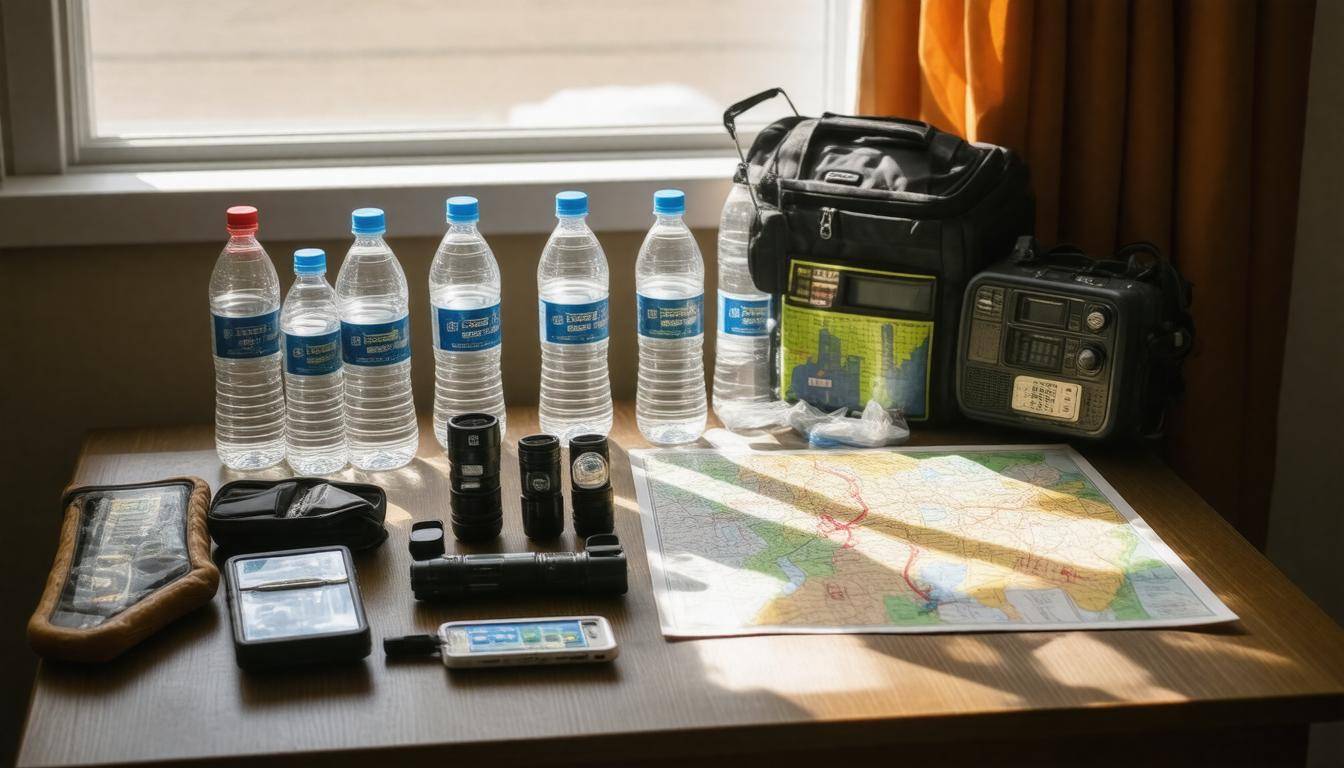
Ensuring that your household is ready for potential flooding goes beyond just stocking up on supplies; it’s about creating a supportive environment where everyone knows their role during an emergency.
One crucial aspect is the elevation of electrical appliances. By raising these appliances at least a foot above expected flood levels, you not only protect them from water damage but also avoid costly repairs or replacements. This small step can make a significant difference. Additionally, installing check valves in your plumbing system prevents floodwaters from backing up into your drains, safeguarding your home further against contamination and damage.
Equally important is preparing your family for emergencies. A structured plan should detail exactly what to do when flooding occurs. Each family member needs to understand this plan as if it’s second nature. Imagine the peace of mind you can have knowing that each person in your household is informed and confident in their actions during a crisis. It’s like having a secret superpower—everyone plays their part to keep each other safe.
- Develop a Family Emergency Plan: Ensure every member knows how to access resources and how to react in case of sudden flooding.
- Practice Evacuation Drills: Conduct these drills regularly so that when it counts, there’s no confusion—just reflexive action toward safety.
- Set Up a Rendezvous Point: Choose a familiar location where everyone can gather should you become separated during an evacuation.
Once you start working on your family’s emergency plan, keep communication lines open. Discuss why these preparations matter and encourage questions from younger members. By engaging them actively, they will likely feel more involved and less apprehensive about the situation at hand. Teaching kids about safety prepares them for challenges in the future, beyond just floods.
These proactive steps not only create a resilient home environment but also foster connection and understanding among family members. Following this approach equips everyone to handle unexpected situations with confidence as we move toward exploring additional protective measures and escape strategies in times of need.
Safety Measures and Evacuation Plans
Prioritizing safety requires more than just a sense of urgency; it necessitates a well-structured approach. When flooding threatens Philadelphia, knowing how and when to evacuate can save lives. First and foremost, create an evacuation route that everyone in your household understands. Familiarize yourself with the quickest paths to safety and higher ground, as floods can arrive quickly and unexpectedly.
Notably, having a paper map on hand is crucial—after all, GPS can falter if power lines go down or internet connectivity fails amid a crisis.
Furthermore, simply having a route isn’t enough. Make sure to practice the evacuation process. Simulate the experience so that every member of your family can navigate through the route confidently, even under stress. Perhaps schedule these drills every few months; it might feel odd at first, but familiarity breeds confidence, which is invaluable during emergencies.
However, an effective evacuation plan requires just as much attention to communication strategies as it does to physical routes.
Establishing Communication Lines
A significant part of ensuring safety translates to establishing solid communication lines among family members. When the unexpected occurs, having a designated out-of-town contact person helps keep everyone accounted for. This person serves as a reliable intermediary in case local phone networks become overwhelmed due to high call volumes or service interruptions.
Make sure everyone knows this contact’s name and number by heart. It also helps if the designated contact lives far enough away from your area that they won’t be experiencing the same flooding conditions. Encourage your family to check in with this person, preferably using text messages which are often more reliable than calls in disaster scenarios.
In addition to having an out-of-town contact, create a family communication plan that details how you will reach each other if separated. Integrate methods like social media options or emails into this plan since they can serve as useful alternatives when traditional phone services can’t be relied upon.
Alongside establishing routes and communication strategies, remaining informed about weather updates and any emergency instructions from local authorities will further enhance your preparedness strategy. Pay attention to official communications frequently during severe weather events to stay ahead of evolving situations.
With a solid framework in place for safety measures and communication strategies, the next step focuses on proactive steps you can take during an emergency situation that may arise from unpredictable weather patterns.
Actions to Take During a Flood
Immediate actions during a flood can help minimize both danger and damage. The first step is always to move to higher ground as soon as you receive a flood warning. This simple yet vital action significantly reduces the risks posed by rising water levels. If time allows, unplugging electrical appliances can prevent potential hazards like short circuits or fires when the floodwaters come into contact with these devices.
Staying Safe Indoors
Once flooding begins, it’s important to remain indoors if you are already there, keeping calm and focused. One of the most crucial pieces of advice is to avoid walking through floodwaters. You might be tempted to venture out—perhaps to check on neighbors or retrieve belongings—however, the dangers lurking beneath the surface could include hazardous debris or even snakes. Floodwaters can carry harmful materials that are invisible even in shallow depths, making this step one of the most critical for your safety.
If you find yourself trapped in a building due to floodwaters rising rapidly around you, seek refuge on the highest level possible. Positioning yourself in an upper room or even climbing onto furniture can provide an additional layer of security until help arrives.
| Action | Rationale |
|---|---|
| Move to higher ground | Minimizes exposure to floodwaters |
| Unplug electrical appliances | Prevents electrical hazards |
| Avoid walking through water | Reduces injury risk; avoids dangerous debris |
Being aware of your surroundings is also vital. As you monitor updates from local authorities and weather services about changing conditions, make sure to keep an eye out for any evacuation routes recommended by emergency services. Staying informed can help you make better decisions about your safety and when it’s appropriate to leave your home.
Additionally, understanding what supplies you might need if cut off from normal resources can be key in navigating a flood situation effectively. Next, let’s explore how to manage recovery efforts and the role insurance plays in this critical process.
Post-Flood Recovery and Insurance
Post-flood activities often determine how quickly normalcy can be restored. A proactive approach is crucial not only for your home but also for your emotional well-being. Once it’s safe to return, the first thing you should do is contact your insurance company immediately after the flood to start on claims. This step cannot be overstated; delays in contacting them may lead to complications later. Taking photos of all damage serves as vital evidence that will help expedite the claims process.
Keeping a detailed record helps ensure you get everything covered according to your policy. Remember, documentation is key.
Health and Safety
When venturing back into your space, your safety and health should come first. Wear protective clothing when cleaning up to avoid exposure to contaminated water or debris. This means sturdy gloves, boots that can handle muddy water, and even masks to filter out dust and allergens. Something as simple as a common respirator mask could make a significant difference in preventing respiratory issues.
Additionally, use disinfectants to clean surfaces thoroughly. Soot and chemicals from floodwaters can linger even after the visible mess is gone, leading to long-term health risks if not addressed promptly. It’s essential to clean any part of your home that came into contact with floodwater and sanitize it properly.
Consider using a mixture of one cup of bleach mixed with five gallons of water for disinfection purposes—but remember, bleach should never be mixed with ammonia or other cleaners! You’ll want to treat walls, floors, and any furnishings that made contact since mold can begin growing within 24 to 48 hours in damp conditions. Taking these steps seriously ensures that both you and your family remain healthy as everything gets back on track.
Beyond cleaning, focus on personal wellness too—stay hydrated and take breaks often while handling the demanding cleanup tasks ahead. The mental strain of facing flooded spaces can take its toll; don’t hesitate to lean on friends or local support services during this time.
Recognizing these immediate actions can pave the way for thorough preparedness moving forward. As we reflect on how best to equip ourselves for future events, it’s vital to consider how regular updates can enhance your readiness.
Updating Your Flood Kit Regularly
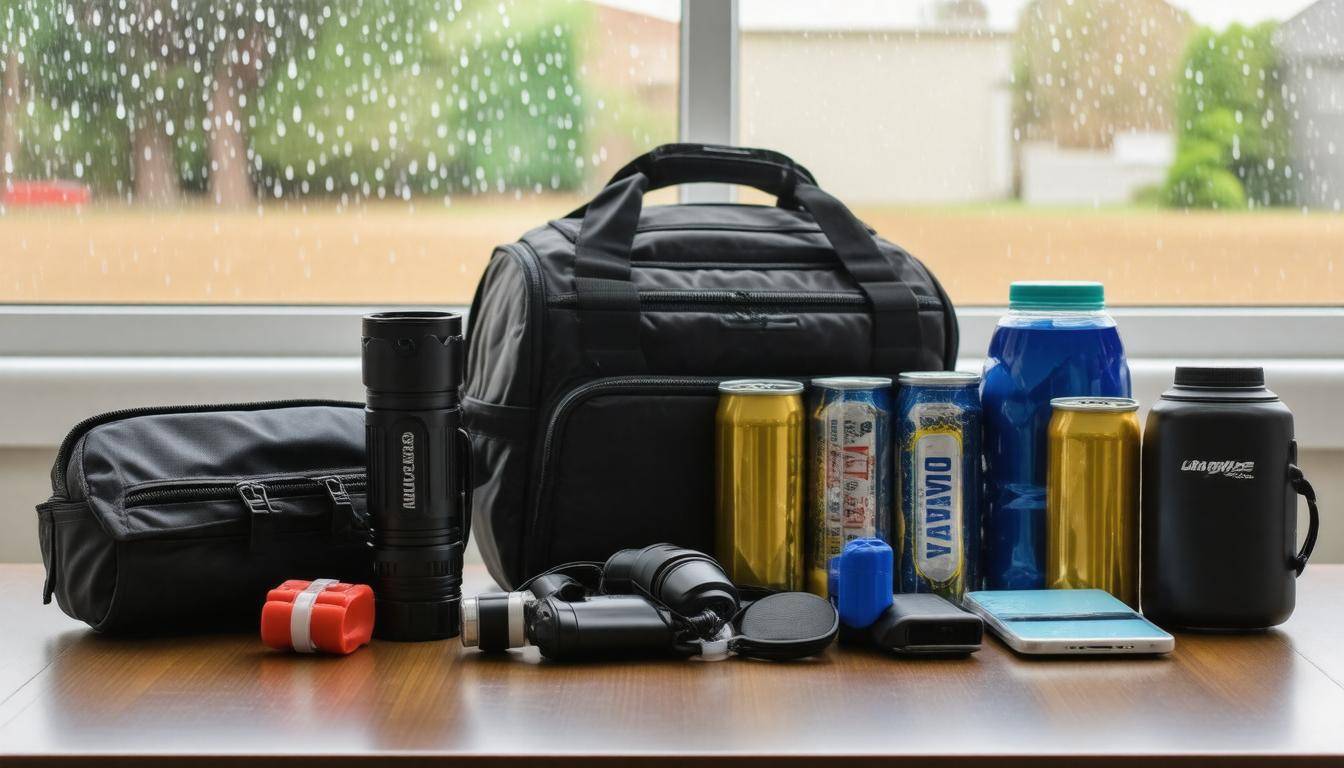
Keeping your flood kit current ensures its effectiveness. Just as you rotate the food in your pantry to avoid spoilage, it’s crucial to routinely check and replace items in your flood kit. This means looking for expired items like batteries, medications, and food every six months. Regular reviews not only maintain your kit but also enhance overall preparedness.
One important aspect of maintaining a flood kit is knowing when and how to upgrade essential items. Consider lifestyle changes—new family members, pets, or evolving technology needs may mean that what worked last year is no longer adequate. For instance, if you’ve welcomed a baby or adopted a pet, extra supplies tailored specifically for them become vital. A well-stocked first-aid kit may need additional components, such as pediatric or veterinary products.
Upgrading Essential Items
Technology is ever-evolving; incorporating newer tools can significantly improve your kit’s preparedness. Items like portable solar chargers can be lifesavers during extended power outages caused by flooding. These solar chargers keep communication devices powered, ensuring you’re informed and connected with emergency services.
“Being prepared isn’t just about having supplies; it’s about having the right supplies at the right time.”
Regular updates include discovering advanced first-aid kits equipped with specialized tools and information pamphlets that might be more relevant than those you currently own. A more compact water filtration system could replace a bulkier version that’s been taking up space without offering added benefits.
Consistently reviewing and upgrading your flood kit not only equips you with resilience to face potential flooding emergencies but also ensures peace of mind knowing you’re doing everything possible to protect yourself and your loved ones from harm. As we consider the broader landscape of Pennsylvania’s vulnerabilities, understanding specific risk areas becomes critical.
Risk Areas in Pennsylvania
Understanding risk zones can significantly enhance your emergency preparedness efforts, especially regarding flooding. In Pennsylvania, certain locations are more susceptible to floods due to their geography and proximity to bodies of water. Notably, the Schuylkill and Delaware Rivers weave through Philadelphia, presenting substantial risks during heavy rainfall or snowmelt, often leading to rising water levels that can spill over onto surrounding land.
However, Philadelphia isn’t alone in facing these challenges. Areas further inland, such as Chester County and portions of Harrisburg, are also at risk due to their geographic traits. The terrain can greatly impact local drainage patterns; for instance, hilly regions might see rapid runoff accumulating in valley areas, leading to flash flooding.
It’s important to remember that even seemingly quiet rivers can turn turbulent during unusual weather events.
FEMA Flood Maps
To navigate this landscape of risk more effectively, utilizing FEMA’s flood maps can be a game-changer. These maps provide comprehensive data on flood hazards, showing which areas are likely to experience flooding under various scenarios. By identifying your specific flood risk through these tools, you’ll gain insight needed for tailoring your preparedness plan accordingly.
For instance, if your home falls within a high-risk zone as indicated on FEMA’s map, consider enhanced insurance coverage or structural fortifications such as flood barriers or sump pumps. This proactive approach not only aids in safeguarding your property but can also minimize potential financial losses associated with flood damage.
Moreover, your preparations could extend beyond physical modifications. Knowing your area’s flood risks allows you to create an actionable evacuation plan with family members or roommates so everyone knows what to do and where to go when urgency strikes. Familiarize yourself with local emergency resources and shelters—this knowledge can save valuable time during a crisis.
By understanding the inherent flood risks associated with Pennsylvania’s landscapes and employing available resources like FEMA flood maps, you can significantly enhance your level of preparedness when disaster threatens.
In conclusion, staying informed about local flood risks and being proactive in your emergency preparedness efforts will help protect both you and your loved ones during unexpected flooding events in Philadelphia and beyond.