
As the sun beats down relentlessly on Phoenix, extreme heat becomes an unavoidable part of life. For those who live or visit this desert city, knowing how to survive the scorching temperatures is more than just a handy tip; it’s a necessity. Just imagine stepping outside on a blistering summer day, feeling that heat wrap around you like a thick blanket—without the right preparation, it can quickly become overwhelming. Not only do you risk dehydration and heat exhaustion, but being unprepared can also turn a fun outing into a dangerous situation. That’s why assembling an Extreme Heat Survival Kit is essential to keep yourself, your family, and even your pets safe during those sweltering months. Follow along as we outline the critical items needed for mastering the Phoenix heat and ensure you’re ready for whatever comes your way!
A Phoenix Extreme Heat Survival Kit Checklist should include essentials such as water (at least one gallon per person per day), electrolyte drinks, sunscreen, a wide-brimmed hat, lightweight and light-colored clothing, a portable fan or cooling towel, first-aid supplies, and non-perishable snacks. It’s also crucial to have a communication device and emergency contacts readily accessible in case of heat-related emergencies.

Preparing Your Phoenix Heat Survival Kit
Step I – Identify the Basics
When it comes to extreme heat in Phoenix, you won’t want to overlook the fundamental supplies needed for survival.
At the very top of your list should be water—a minimum of one gallon per person per day is recommended. This keeps everyone hydrated and helps to fend off heat-related illnesses.
Alongside water, a first aid kit becomes an invaluable asset. A properly stocked first aid kit holds essential tools like bandages, antiseptics, and some medications that can become helpful in case of a sudden emergency.
Step II – Categorize Items
Once you’ve identified the basics, organizing supplies into categories makes packing much more efficient.
Consider developing sections such as hydration, protection, and first aid. This way, everything has a dedicated place. For instance, in your hydration category, stock up on electrolyte packets alongside plain water; they work wonders in re-hydrating after sweat loss while minimizing fatigue symptoms from the heat.
In terms of protection items, think about sunblock (with at least SPF 30) that combats harmful UV rays and UV-blocking sunglasses to shield your eyes from the harsh sunlight.
A hat with a wide brim can also bring comfort by providing shade. In your first aid section, don’t forget to include ice packs or gel packs to ease heat exhaustion; these little additions can significantly enhance your chance of staying cool.
Step III – Use a Checklist
To ensure every crucial item is included in your kit, utilize a detailed checklist during assembly. Avoiding oversight in this process is vital; a simple yet effective checklist can mean the difference between safety and discomfort when faced with extreme conditions.
You’ll find our curated checklist available for download on our website, making it easy to tick off items with each selection.
With this foundation of essential supplies in place, we can now explore the specific components required to effectively manage high temperatures and stay safe.
Key Items for High Temperatures
Adapting to extreme heat requires specific gear tailored for high temperatures, and having the right items can make all the difference in your comfort and safety. When temperatures soar, personal cooling devices become essential allies. Consider investing in battery-powered fans or cooling vests. These innovative devices work wonders by creating a breeze that can drastically decrease your body temperature. Imagine being outdoors, feeling the oppressive heat on your skin, and then turning on a small, portable fan—suddenly, you feel that refreshing air circulation, making the heat more bearable.
Personal Cooling Devices
Battery-powered fans are compact enough to fit in your bag yet powerful enough to provide relief when you need it most. Meanwhile, cooling vests made from special materials can help replace sweat lost during hot days, regulating your temperature without you even realizing it.
In addition to personal cooling solutions, another item worth considering is a cooling towel.
Cooling Towels
Brands like Frogg Toggs offer evaporative cooling towels that stay cold for several hours. These towels become invaluable during outdoor excursions when sweat blankets your body, making it feel even warmer than it actually is. Trusted by athletes competing under sweltering sun conditions, these towels are simple: just soak them in water, wring them out, and drape them around your neck or over your shoulders. They work by utilizing the effect of evaporation—drawing moisture from the air and using it to cool your skin.
While staying cool is vital, hydration remains equally crucial in combating the harsh Phoenix heat.
Water Bottles with Filters
Opting for water bottles with built-in filters ensures you always have access to safe drinking water if you’re accessing public sources. Staying hydrated is more than just filling up a bottle; it’s about ensuring clean water is available when you need it. Filtered water bottles conveniently allow you to refill from various sources while knowing you’re protected from contaminants. In an environment like Phoenix, where access to icy cold water can be sporadic at best—having this assurance at hand can keep dehydration at bay.
With the right cooling and hydration strategies in place, we can look closer at essential gear specifically designed for maintaining optimal fluid levels and keeping cool under intense conditions.
Hydration Essentials and Gear
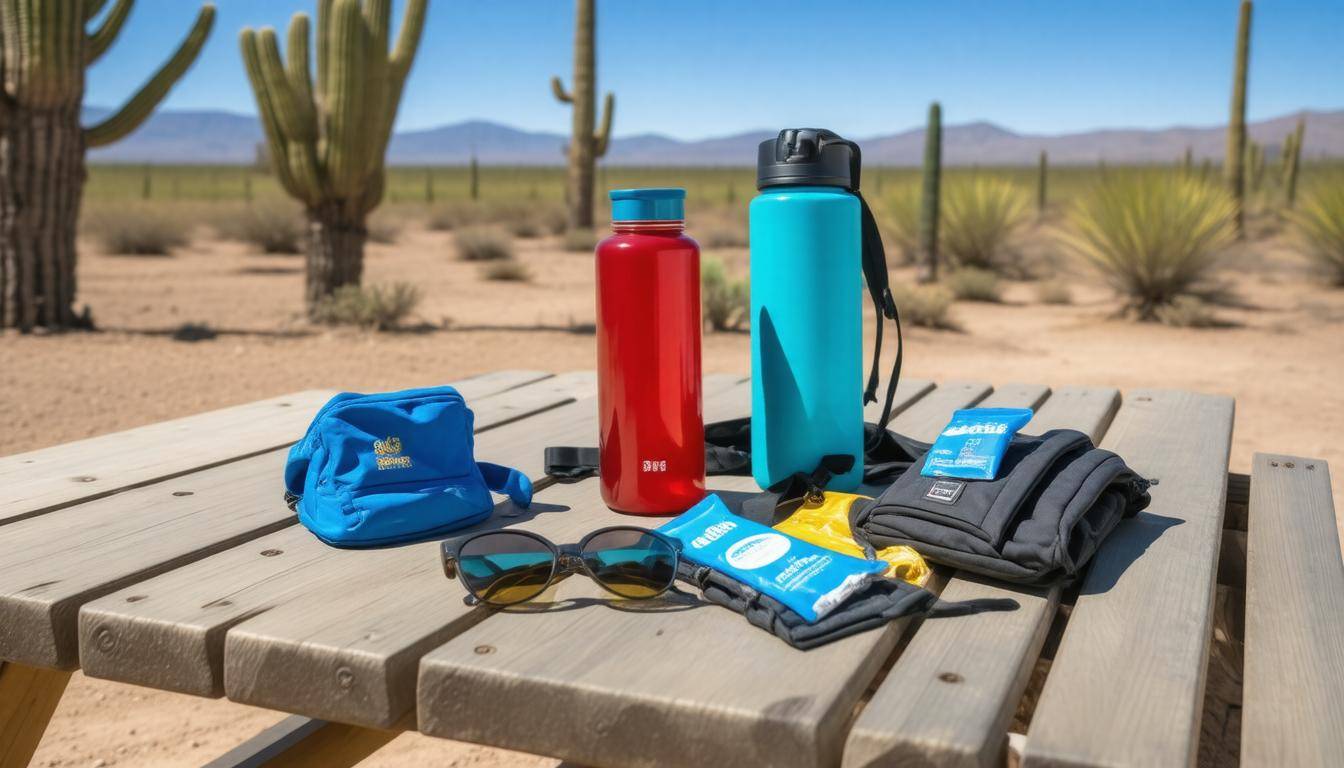
Staying hydrated in extreme heat is not merely a suggestion; it’s a necessity. According to the Mayo Clinic, individuals should aim to drink at least 96 ounces (3 liters) of water daily during such conditions. This proactive approach helps combat the effects of heat stress and reduces the risk of dehydration.
Water Storage
One effective way to maintain adequate hydration is by stockpiling sufficient water for each member of your household. A good rule of thumb is to have at least 3 gallons per person per day. This might seem like a lot, but consider it an insurance policy against dehydration. Large water containers are useful for storing and distributing throughout your home, making access easier when needed. It’s better to have more than you think you’ll need.
Once you have your water supply organized, you’ll want to consider how fast and easily you can access that water while you’re on the go.
Hydration Packs
One excellent solution is using hydration packs, such as those from CamelBak. These packs allow you to carry a substantial amount of water without the inconvenience of bulky bottles. Imagine walking, biking, or hiking with a lightweight pack that holds essential hydration right on your back. With a bite valve attached, accessing your hydration becomes effortless, ensuring you stay quenched while enjoying activities outdoors in the heat. These packs can hold anywhere from 1 to 3 liters of water, making them versatile enough for short trips or longer excursions.
However, staying hydrated isn’t just about drinking plain water; replenishing lost minerals is equally important.
Electrolyte Solutions
Products like Pedialyte or electrolyte tablets can be invaluable in these situations. They quickly replace lost minerals that result from sweating, helping to maximize your hydration strategy. Electrolytes play a crucial role in maintaining fluid balance and muscle function. By including these solutions in your hydration plan, you actively assist your body in recovering from heat exposure.
When temperatures soar, prioritizing effective hydration practices will serve as a foundation for your health and safety against Phoenix’s extreme heat.
As we transition towards safeguarding our skin from the sun’s relentless rays, let’s explore effective methods to enhance our defenses during those scorching days ahead.
Sun Protection Strategies
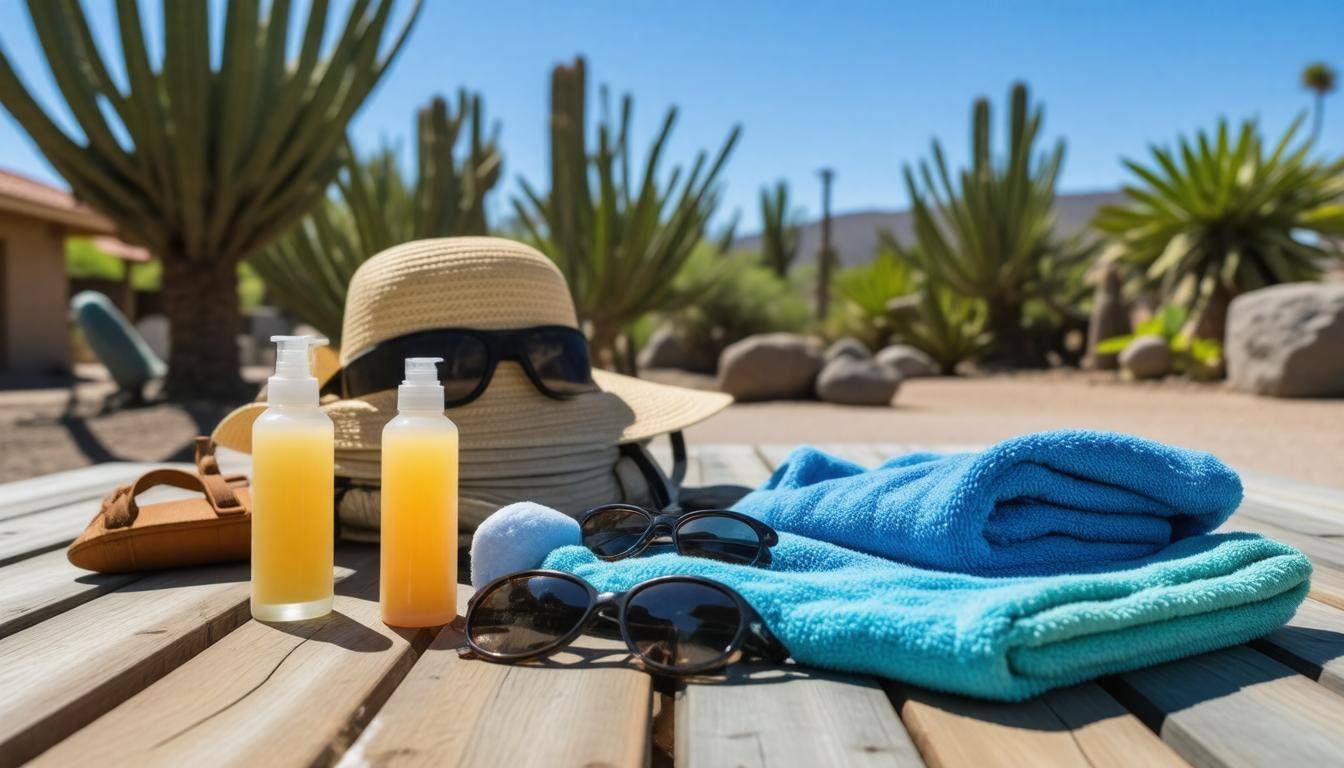
Protecting your skin from violet radiation is not just a comfort issue but a severe health concern. The simplest and most effective strategy involves the use of broad-spectrum sunscreen, which acts as a barrier against both UVA and UVB rays. It’s wise to always choose sunscreen with an SPF of 50 or higher, ideally designed for prolonged outdoor activity, and remember to reapply it every two hours, or more frequently if you’re sweating or swimming. This extra attention goes a long way in preserving your skin health.
Broad-Spectrum Sunscreen
Alongside sunscreen, it’s important to incorporate protective gear into your routine. Wide-brimmed hats are fantastic additions—not only do they provide shade but also help lower your risk of overheating. When considering hats, look for those made from lightweight, breathable materials. Pair them with UV-protective sunglasses; these shield your eyes from harmful rays while enhancing visibility on bright days.
A well-chosen hat and sunglasses not only protect you but can also make a stylish statement as you enjoy outdoor activities.
Hats and Sunglasses
Of course, what you wear matters greatly. Selecting light-colored clothing that covers your arms and legs can provide additional insulation against the sun’s harsh rays. Fabrics treated with UV protection enhance this effect. Tightly woven fabrics tend to block out more sunlight than looser weaves.
Another effective strategy is utilizing shade structures when outside. Portable canopies or pop-up tents offer excellent cover during outdoor events where natural shade is scarce. Whether you’re hiking in the hills or lounging at a picnic, having one handy can dramatically reduce your sun exposure.
Shade Structures
Always remain aware of the time of day when planning outdoor activities; the sun’s rays are typically strongest between 10 am and 4 pm. Opting for morning or late afternoon excursions can significantly decrease potential harm from direct sunlight.
Understanding the interplay of sunscreen, protective clothing, and timing is essential for minimizing sun damage.
As we explore further precautions for staying safe in the heat, it’s equally important to focus on selecting appropriate attire that can enhance your comfort and protection outdoors.
Clothing for Extreme Heat
Wearing the right clothes can significantly affect how well you handle extreme temperatures. When facing Phoenix’s blazing sun, choosing the right outfit is not merely a matter of style; it’s essential for your well-being. Imagine trying to enjoy a sunny day dressed in heavy fabrics—immediately uncomfortable, isn’t it? That’s why considering both fabric and fit is crucial in creating an effective heat-defense system.
Breathable Fabrics
One of the most important decisions you’ll make is selecting breathable fabrics. Opt for light-colored, loose-fitting clothing made from natural materials like cotton or specialized moisture-wicking fabrics. Light colors reflect sunlight rather than absorbing it, helping keep your body temperature down. In contrast, dark colors absorb heat and can quickly lead to overheating. Loose-fitting clothes also provide ventilation by allowing air to flow around your body, which helps evaporate sweat and cools you off naturally.
As you think about what to wear, layering techniques also play a vital role in beating the heat.
Layering Techniques
Think of your clothing like insulation; using light layers allows for airflow while providing basic protection against the sun’s rays. Rather than throwing on a single heavy layer, consider wearing multiple lightweight layers that you can adjust throughout the day. For instance, a long-sleeved cotton shirt over a moisture-wicking t-shirt not only protects your skin from harmful UV rays but also lets you strip down when temperatures climb. Each layer adds protection without overwhelming you with unnecessary bulk.
Footwear is another key aspect of your summer attire that deserves special attention.
Heat-Friendly Footwear
Choosing the right footwear ensures your feet stay cool and comfortable, too. Open-toed sandals or breathable sneakers allow for airflow and help prevent overheating. Ensure that whatever shoes you choose have good support—this isn’t just about comfort but also safety as leisurely walks can turn hazardous on scorching pavement. And here’s a crucial tip: avoid walking barefoot on hot surfaces to prevent painful burns; even briefly stepping onto heated concrete can lead to discomfort or injury.
With these considerations in mind, it’s time to shift our focus to other critical strategies for coping with the extreme conditions ahead.
Temporary Shelter Solutions
Immediate access to shelter can make a vast difference during peak heat hours. You might find yourself outdoors when the temperatures soar, and in that moment, having efficient shelter options can not only offer respite but also prevent heat-related illnesses.
Pop-up Tents
One fantastic solution is a pop-up tent. These tents are easy to set up, with many featuring reflective coatings designed to minimize heat absorption. While the sun beats down mercilessly, the interior of the tent can remain several degrees cooler than the surrounding environment. Imagine finding refuge in a space where you can sip water and regain your energy after being exposed to relentless heat; it’s a lifesaver.
Investing in a high-quality pop-up tent with proper ventilation can enhance your comfort levels significantly.
Emergency Blankets
Next on the list are emergency blankets—a must-have for anyone serious about preparing for extreme weather conditions. These lightweight blankets reflect heat away from your body, keeping you cooler in direct sunlight or creating a makeshift shelter. They’re incredibly versatile: drape one over your body for warmth at night or shield yourself from sweltering rays during the day.
In situations where immediate shade isn’t available, an emergency blanket can serve as an impromptu covering, reducing exposure and helping avoid heat exhaustion.
Comparing Shelter Options:
| Shelter Type | Weight | Ease of Setup | Cooling Efficiency |
|---|---|---|---|
| Reflective Pop-up Tent | Medium | Easy | High |
| Emergency Blanket | Light | Very Easy | Moderate |
| Tarp and Poles | Light | Moderate | Low |
As this table shows, each type of shelter offers unique advantages. For instance, while the reflective pop-up tent provides superior cooling efficiency due to its design, emergency blankets offer unmatched lightness and ease of use. A tarp and poles option is heavier and may require more effort to set up but has its place in more permanent or semi-permanent scenarios.
With these shelter solutions in hand, you’ll be well-equipped to beat the brutal heat when you’re out in the Phoenix sun. Now let’s transition to exploring crucial components that can enhance your safety and well-being during emergencies.
Essential First Aid Supplies
A well-stocked first aid kit tailored for heat-related issues can indeed be a lifesaver. In high temperatures, your body is vulnerable to several risks, such as dehydration and heat exhaustion. Keeping your kit equipped with specific items designed to combat these risks can make a significant difference during an emergency.
Heat-Specific Supplies
Start with essentials like electrolyte powders, which help replenish lost nutrients and minerals when sweating heavily — think of them as vital energy boosters that can keep you revitalized on scorching summer days.
Cooling gel packs are another key addition; they can reduce body temperature rapidly, providing comfort in situations of overheating. Additionally, oral rehydration salts are easy to pack and crucial for restoring fluids effectively. They work wonders for anyone suffering from signs of heat-related ailments.
Beyond these targeted supplies, it’s also critical to have basic medical items on hand to address a broader range of potential injuries or ailments.
Basic Medical Supplies
Every first aid kit should include antiseptics to clean scrapes or cuts, preventing infection when you’re out and about in the sweltering sun. Don’t overlook bandages – they come in all shapes and sizes, perfect for covering everything from minor wounds to larger abrasions that might result from outdoor activities. Pain relievers like ibuprofen or acetaminophen can provide relief from headaches, discomfort, or any injuries incurred while trying to stay cool. And don’t forget burn creams; these will be invaluable if you inadvertently get too close to hot surfaces or experience sunburn.
With the right medical supplies, having an instructional guide at your disposal ensures that everyone is prepared for emergencies regarding heat and injury.
Instruction Manual
A comprehensive first aid manual should be included in every kit, specifically detailing steps for heat-related emergencies. This manual acts as your pocket guide during high-stress situations, helping you respond quickly without second-guessing yourself or your choices. Knowing precisely what to do in case of a heat stroke or severe dehydration can save valuable time. Whether it’s guiding you through treating burns or managing fainting spells due to heat exhaustion, having those instructions accessible ensures you’re always one step ahead.
Assembling this essential kit creates a solid foundation for dealing with extreme temperatures. Preparing your living and travel spaces appropriately further complements this safety strategy.
Home and Car Heat Preparedness
Both your home and car need to be well-equipped to face the soaring temperatures that are characteristic of Phoenix summers. In your home, making a few simple adjustments can create a cooler oasis during those blistering days.
For starters, installing reflective window films serves as an effective barrier against the harsh sunlight that floods in. These films not only keep the indoor temperature down but also protect your furniture from fading. Ceiling fans can work wonders too—they help circulate air, creating a cooling breeze while using significantly less energy than air conditioning units. Moreover, utilizing blackout curtains, especially during peak afternoon hours, will further insulate your living space by blocking out heat.
Remember, every small step taken towards reducing indoor temperature counts!
While preparing your home is crucial, you must not neglect the importance of keeping your vehicle ready for extreme heat as well.
Your car is a mobile extension of your home; hence, it should be equipped with an emergency kit tailored for high temperatures. A well-stocked emergency kit should include at least one gallon of water per person—staying hydrated is vital in intense heat. Consider adding a sunshade to your collection; this simple tool effectively blocks sunlight from heating up the interior while parked. And don’t forget about a battery-powered fan, which can provide immediate relief if you’re stuck in traffic or just sitting comfortably in a parked car awaiting a slow-moving line ahead.
Key Car Preparedness Items
| Item | Quantity |
|---|---|
| Water bottles | 1 gallon per person |
| Sunshade | 1 per vehicle |
| Battery-powered fan | 1 |
| Extra coolant | 1 container |
By proactively addressing these elements—keeping both your home and car suitable for extreme heat—you not only enhance comfort but also ensure safety throughout the sweltering months in Phoenix. Creating a habit of checking your emergency supplies regularly can save you from unnecessary stress later on.
In both areas of preparation, being informed and ready makes all the difference in thriving through the heat.