
When it comes to living in the Plains, being prepared for tornado season is not a choice; it’s a necessity. These fierce storms can strike without warning, leaving families scrambling to find safety. The best way to protect your loved ones is by assembling a well-thought-out tornado preparation kit. Think of it as your lifeline during a disaster—it needs the right items packed efficiently so that you can act quickly when seconds count. By investing a little time now into crafting a thorough kit, you’re setting up your family for greater peace of mind. Let’s dive into what essential supplies you should have on hand and how to get them organized.
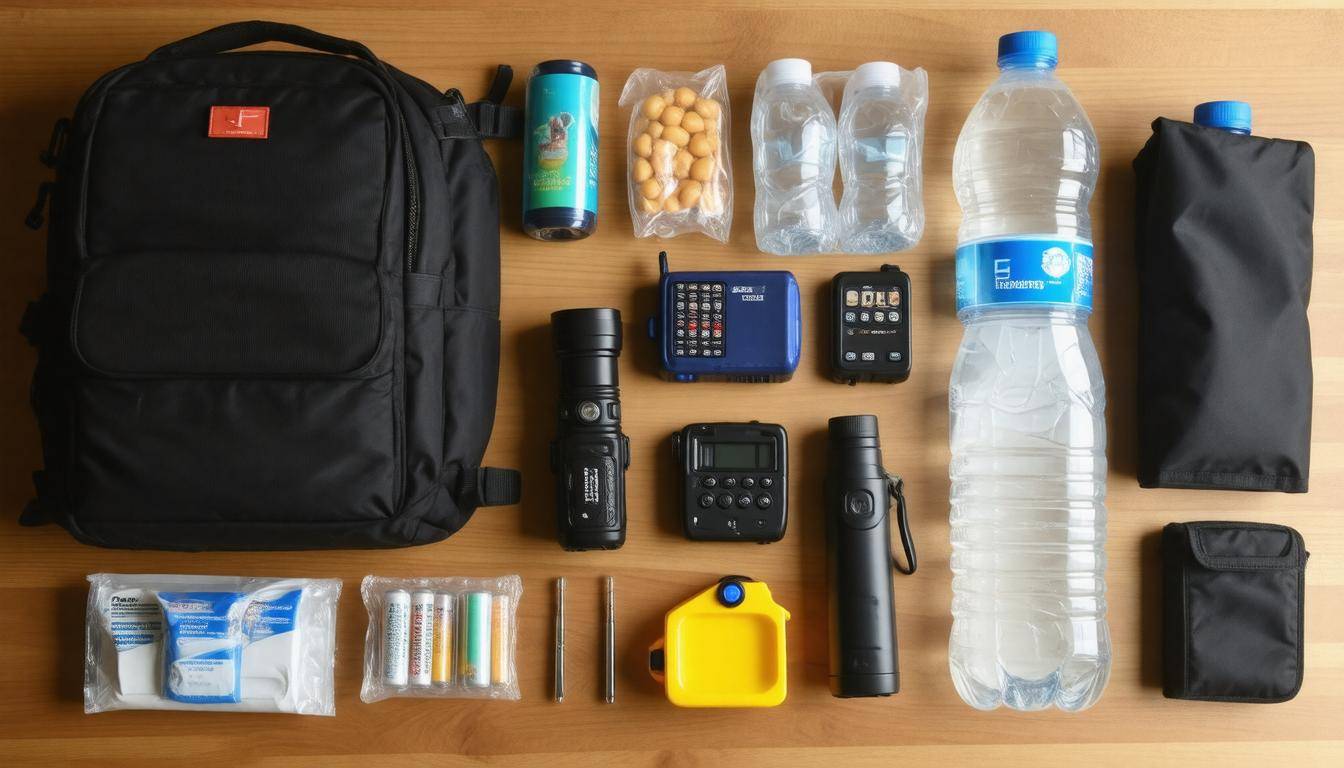
A Plains Tornado Preparation Kit should include at least one gallon of water per person for 72 hours, sufficient non-perishable food, a battery-powered radio for weather updates, a first aid kit with essential medical supplies, emergency blankets, flashlights with extra batteries, and communication tools like a whistle. Additionally, consider personal tailoring of the kit by including prescription medications, baby supplies, or pet needs as necessary to address your specific household requirements.
Assembling Your Tornado Kit
The first step in compiling your tornado kit is selecting a reliable storage solution. A durable bag is not just a convenience but a necessity. Opt for something like a heavy-duty backpack or an oversized waterproof duffel bag. These options will keep your belongings secure and organized during severe weather. Brands such as North Face or Patagonia provide reliable choices that even seasoned adventurers trust for harsh conditions.
However, it’s crucial that your physics-laden bag or duffel doesn’t become a black hole of chaos.
Step-by-Step Guide
A checklist becomes your lifeline when assembling these kits, ensuring you won’t forget important items during the critical moments of preparation. Think of it as a roadmap for your disaster readiness; it can help keep track of everything you need while enabling easy updates as your family’s requirements evolve. Consider using digital tools like Google Keep or Evernote—these allow for easy adjustments as situations or supplies change, enabling you to stay flexible and prepared.
Now that you have the right bag and a checklist, let’s consider where to keep this kit.
An often-overlooked aspect is the location of your tornado kit. Store it in easily accessible locations within your home to ensure you’re not scrambling at the last minute. Ideal spots are hall closets, under staircases, or even designated storage spaces in basements—any area conveniently located on the ground floor for quick retrieval. The last thing anyone wants when a storm rages outside is to hunt for supplies buried deep in some obscure corner of the attic.
Next, take this opportunity to personalize your kit based on specific household needs.
Customizing your tornado kit ensures that it meets the distinct requirements of everyone involved. Are there any babies, pets, or family members with special medical needs? Tailor your inventory to include extra medications, baby formula, pet food, or anything else vital for comfort and survival. Remember, what works for one family might not work for another—taking those personal needs into account makes all the difference when disaster strikes.
This careful planning allows you to be prepared for unforeseen events, setting the stage to enhance safety at home.
Home Safety Essentials
A well-constructed shelter can make all the difference when a tornado threatens your area. One prime consideration is ensuring your home has structural reinforcements. Ideally, you should have a designated storm-safe room or an adequately reinforced basement. These spaces should not be mere afterthoughts; they need to be fortified with strong walls, ideally made of concrete, and equipped with a heavy door that can withstand the forces of wind and debris that a tornado may bring.
It’s crucial that everyone in your household knows where this storm-safe area is located and how to access it quickly. Practice drills similar to fire drills so everyone feels prepared—this includes pets, as they often get anxious during storms. Having sufficient lighting, such as battery-operated lanterns or flashlights, can ease anxiety and ensure visibility in case of a power outage.
Key Tools
-
Fire extinguisher: A good quality fire extinguisher is vital. In the aftermath of a tornado, ignitions from gas lines or electrical shorts can easily lead to fires.
-
Wrench or pliers: Keep these on hand to quickly turn off utilities (gas and water) if necessary, as ruptured lines can pose additional dangers.
-
Heavy-duty gloves: These are essential for handling debris safely after the storm passes. They can protect you from sharp objects while clearing your path.
These tools aren’t just for show; they serve practical purposes in times of crisis. A simple wrench could save your home from turning into a disaster zone by shutting off gas lines before they cause fires or explosions.
Now that we’ve established that safeguarding your home involves essential tools and structural planning, let’s explore the personal safety items that should be included in your portable kit. These components are crucial for ensuring that your family feels secure and fully prepared when facing turbulent weather conditions.
Portable Kit Necessities

When it comes to tornado preparedness, a well-stocked grab-and-go bag can make all the difference in an emergency. You never know when you might need to evacuate quickly, and having essential items packed and ready provides peace of mind. Start by including a battery-powered or hand-crank NOAA weather radio in your kit. This device will keep you updated on changing weather conditions, ensuring that you stay informed even if the power goes out.
Expanding on what to include, you’ll definitely want to add the following essentials:
-
A multi-tool or Swiss Army knife which offers versatility for minor repairs or opening supplies.
-
Local maps, as GPS may become unreliable during significant storms. Familiarizing yourself with evacuation routes ahead of time can be invaluable.
-
Don’t forget your cell phone with a portable charger; keeping connected means you can reach loved ones or emergency services when needed.
While the items you choose are important, so is how they fit into your pack.
Opt for lightweight yet durable supplies. For instance, using an LED flashlight instead of bulky models ensures your kit remains compact while still providing essential light sources. The weight adds up; so every ounce counts. An emergency blanket should also find its way into your kit as it’s lightweight but incredibly useful for retaining body heat during unplanned overnight stays somewhere unfamiliar.
Additionally, consider adding personal convenience items like quick energy snacks—these can be lifesavers during stressful moments where meals might not be readily available. Non-perishable food options such as granola bars or trail mix warrant their place in your kit for easy consumption without prep required.
Furthermore, ensuring safety along with convenience should remain a priority when packing.
Don’t overlook the importance of personal safety gear in your portable kit. Adding noise-making devices like whistles can help signal rescuers if you’re trapped—a simple yet effective tool that often gets overlooked during packing. Including a dust mask can filter out contaminated air post-tornado, helping protect against debris inhalation if conditions escalate.
These key necessities lay the groundwork for being prepared when facing unpredictable tornado conditions. Now we turn our attention to tools that enhance communication and coordination during emergencies.
Communication Tools
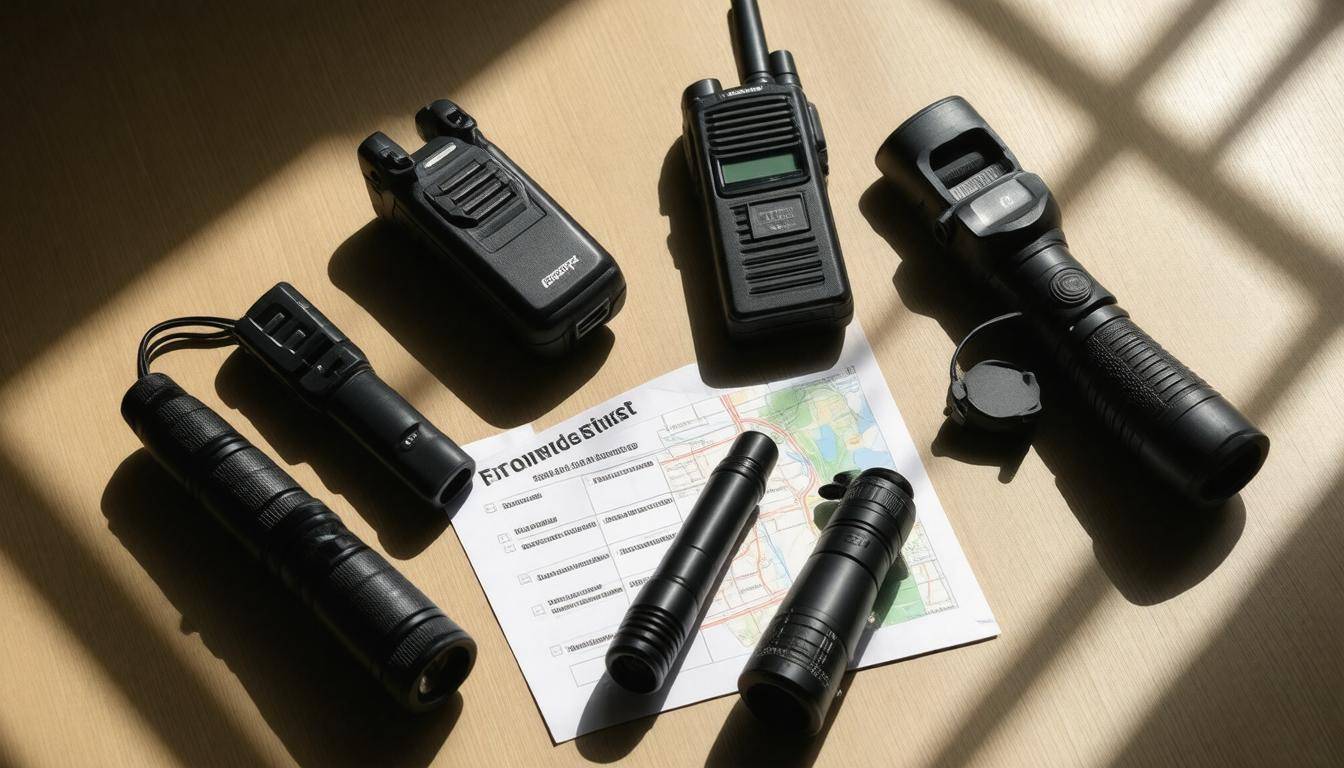
Effective communication during emergencies is crucial—this cannot be overstated. As tornadoes often strike with little warning, maintaining contact with family, friends, and emergency services becomes paramount. High-tech solutions offer convenience and real-time updates, while traditional methods remain essential in situations where technology may fail or become inaccessible.
High-Tech Solutions
Start by investing in a reliable smartphone equipped with emergency apps such as FEMA and the Red Cross. These applications provide vital information regarding weather updates, shelter locations, and safety tips that can help you make informed decisions when time is of the essence. Moreover, keep a portable power bank handy; power outages can happen in an instant, so having a fully charged power bank ensures that your devices remain operational when you need them most. Imagine being without communication after receiving alerts about impending severe weather—this is where technology plays a lifesaving role.
A well-prepared individual not only keeps themselves informed but also helps others who may be seeking guidance during chaotic times.
Traditional Methods
In addition to modern technology, do not underestimate the power of traditional signaling methods. One of the simplest yet most effective tools to include in your tornado kit is a whistle. Unlike shouting for help, which can tire you out quickly, a whistle requires minimal effort and can be heard from a distance. Store it in an easily accessible pocket of your emergency kit so that you can grab it at a moment’s notice.
Document Storage
Alongside effective communication tools, storing important documents securely is vital. Keep essential papers such as identification cards, insurance policies, and emergency contacts stored on a USB stick and within a waterproof bag to prevent damage from flooding or moisture exposure during the storm. This preparedness allows for streamlined assistance processes during crises, saving you precious time when every second counts.
| Tool | Purpose | Recommended Brand |
|---|---|---|
| Battery-powered/hand-crank radio | Updates on weather conditions | Eton, Midland |
| Portable power bank | Charging devices | Anker, RAVPower |
| Whistle | Signaling for help | Fox 40, JetScream |
While communication tools are indispensable for successful emergency preparation, balancing these with essentials like nourishment and hydration is crucial; together, they lay the groundwork for ensuring safety and readiness.
Food and Water Supplies
Tornadoes can disrupt access to basic resources, making it essential to have enough food and water on hand. It’s not just about quantity; the types of food and how you store them are equally important. Water is one of the most critical elements of your tornado preparedness kit. The CDC recommends storing at least one gallon of water per person per day for three days. For a family of four, this translates to 12 gallons, ensuring everyone has enough hydration even if utilities are disrupted for an extended period.
Water Requirements
If you have pets in the household, don’t forget to account for their hydration needs too. An extra half-gallon per pet daily will help ensure they stay hydrated while you’re managing the unpredictable circumstances following a tornado.
Moving on from water, let’s discuss food choices. Stocking up on non-perishable items should be at the forefront of your preparations. Think canned goods, energy bars, nuts, and dried fruits—these are excellent options because they require no refrigeration and can last for years if stored properly. Brands like Datrex offer multi-day emergency food bars designed specifically for survival situations.
Food Choices
Some great staples include:
- Canned vegetables and fruits: They provide essential nutrients without requiring extensive preparation.
- Peanut butter: A great source of protein with a long shelf life.
- Granola bars or energy bars: Perfect for quick energy boosts when stress levels are high.
- Dried fruits and nuts: These snacks offer convenience and pack a nutritious punch.
Once you have selected your food and water supplies, it’s crucial to focus on proper storage techniques to maximize their longevity.
Storage Tips
Keeping your food and water in a cool, dry place is key. Exposure to heat or moisture can lead to spoilage or degradation of nutrient quality. Invest in sealed containers or airtight bags to prevent contamination by pests and ensure freshness.
Regularly checking expiration dates should be part of your routine checks on your kit; rotating older supplies to the front helps ensure you’re always prepared with fresh products. Additionally, consider using a portable cooler for easier transportation should you need to evacuate quickly. This way, you’re never left scrambling at the last minute.
Remember: In a crisis like after a tornado hits, having a reliable stash of food and water isn’t just a luxury—it’s a necessity that could mean the difference between comfort and distress for you and your family.
With food and water supplies firmly in place, we now turn our attention to another vital aspect of tornado preparedness—essential medical equipment that can help safeguard your family’s health during emergencies.
Medical and First Aid Gear
Medical emergencies can arise in the chaos of a tornado, making it crucial that your first aid kit is properly stocked and organized. The goal is to ensure you have everything needed to treat minor injuries and stabilize more serious conditions while awaiting professional help. The essentials should be tailored to your household’s specific medical needs and include items for various types of injuries commonly associated with tornadoes, from cuts and scrapes to more significant traumas.
First Aid Kit Essentials
A well-rounded first aid kit should contain:
- Bandages in various sizes: Fundamental for covering wounds and preventing infections.
- Antiseptic wipes: Keeping wounds clean can prevent serious complications.
- Pain relievers (e.g., ibuprofen): Helps manage pain associated with injuries or stress headaches.
- Tweezers: Ideal for removing splinters or debris that could get lodged under the skin.
- Gauze rolls: Essential for covering larger wounds or bleeding areas.
“Our first aid kit proved invaluable when a family member got a deep cut during last year’s tornado,” recalls one resident. Such stories highlight the peace of mind that comes with being prepared; it’s not just about having the supplies but knowing they are there if needed.
Specialized Items
While first aid basics handle everyday injuries, consider personalizing your kit based on specific health needs within your household. For instance, if anyone suffers from asthma, including a spare inhaler could be life-saving during stressful situations when triggers are more prevalent. Additionally, having an EpiPen on hand for those with severe allergies ensures quick access to necessary medication when every second counts.
It’s also wise to keep any vital prescription medications easily accessible. Having a week’s supply can significantly ease anxiety during an emergency. Regularly checking expiration dates and replacing expired items not only keeps the kit functional but reinforces the practice of preparedness.
In addition to medical supplies, you’ll want to think about how comfort can contribute to mental wellbeing during such stressful times. Understanding what personal items support emotional stability is key as you prepare for challenges ahead.
Personal Comfort Items
In these high-stress moments, it’s essential to have items on hand that can help maintain your sanity and provide relaxation, especially during those long hours spent in shelter. First on your list should be sleeping bags or thermal blankets. These not only offer warmth but also a sense of security when you’re huddled together with loved ones. Thermal blankets, made from materials like fleece or mylar, can help retain body heat during power outages, ensuring you stay cozy no matter the circumstances.
Equally important is personal hygiene, as neglecting it can add unnecessary discomfort to an already stressful situation.
Comfort and Hygiene
-
Travel-sized toiletries are a must; items like hand sanitizer, toothpaste, and wet wipes can enhance cleanliness and keep spirits high among your group. After hours confined to a shelter, even a quick freshening up can feel invigorating.
-
Having extra clothing, such as T-shirts, socks, and underwear packed away ensures that everyone remains comfortable. Wet clothes or sweat-soaked garments only exacerbate feelings of unease, so a clean change can restore some normalcy amid chaos.
Beyond physical comfort, emotional well-being is just as crucial during times of crisis.
Emotional Well-being
To support emotional health, consider packing items that offer distraction and reassurance. For adults, acquiring familiar reads or journals can provide solace, while for children, small toys or cards can serve as comforting companions amidst uncertainty. Those little comforts may seem trivial at first glance, but providing age-appropriate activities can help maintain a sense of normalcy during a turbulent event.
This preparation not only addresses immediate physical needs but also fosters an environment conducive to mental resilience. As we explore the next steps in ensuring comprehensive safety measures, we’ll focus on keeping these essential supplies organized and ready for use when it matters most.
Maintaining Your Tornado Preparation Kit
Once you’ve put together your tornado kit, the responsibility of keeping it ready for action falls into your hands. It’s not a one-and-done situation; rather, it calls for ongoing commitment to ensure you have everything you need when disaster strikes. This requires more than just packing items in a backpack. Regular checks and updates are vital, since countless unforeseen situations may arise—each with its own challenges.
Monthly Checks
Begin by integrating monthly checks into your routine, perhaps during the same time you complete other household tasks. This makes it easier to remember! During these evaluations, take a moment to inspect all contents thoroughly. Look at expiration dates on food, medications, and water supplies, and replace anything stale or outdated. Don’t forget to check your communication devices like battery-powered radios—batteries can lose their charge over time even if they haven’t been used recently.
Keeping a list can also be helpful; jot down what needs replenishing and who in the family will handle it.
“A well-maintained kit can be the difference between staying safe and facing unnecessary risks.”
Post-Event Assessment
After every severe weather event, whether your area experienced a tornado or just some heavy winds, it’s crucial to reassess your kit. Have some items gone unused but proved vital? Are there new additions you would find beneficial based on lessons learned? Use these reflections to restock items that were either consumed or damaged.
Engaging in this post-event evaluation allows you to not just replenish supplies but also improve your preparedness for future incidents.
Consider taking this opportunity to involve the whole family. Sit together somewhere calming after an event and discuss what went well and what could be improved upon next time. Everyone’s viewpoint matters, and those discussions can yield valuable insights that enhance your kit.
After all, even superhero gadgets need maintenance—think of your emergency kit as your family’s trusty sidekick in the battle against nature!
With thoughtful attention to these maintenance practices, you’ll transform an ordinary supply of items into a finely tuned preparedness resource that’s ready whenever you need it. It’s all about turning potential chaos into confidence.
In conclusion, regular maintenance of your tornado preparation kit is essential in ensuring safety during emergencies. By adopting proactive habits, you not only safeguard your family but also enhance your overall readiness for unexpected events.