
When you think about living in Portland, the beauty of our surroundings can make us forget that we also sit on a fault line. The Cascadia Subduction Zone is no joke—it’s a reminder that preparing for an earthquake isn’t just a good idea; it’s essential. What if I told you that having a well-thought-out emergency kit could mean more than just surviving? It could help you maintain a sense of normalcy and even comfort during an unexpected disaster. In this guide, we’ll dive into the must-have items for your Portland Earthquake Kit and share some practical tips to ensure you’re ready when the ground shakes. After all, being prepared doesn’t just protect you; it also offers peace of mind for your loved ones, allowing everyone to face any challenge together. Let’s get started!
A comprehensive Portland Cascadia Earthquake Kit Checklist should include essential supplies such as water (at least one gallon per person per day for three days), non-perishable food, a flashlight with extra batteries, a first aid kit, and a whistle to signal for help. Additionally, it’s advisable to include personal items like medications, important documents, and a multi-tool or knife to ensure you are well-prepared for emergencies related to seismic activity.
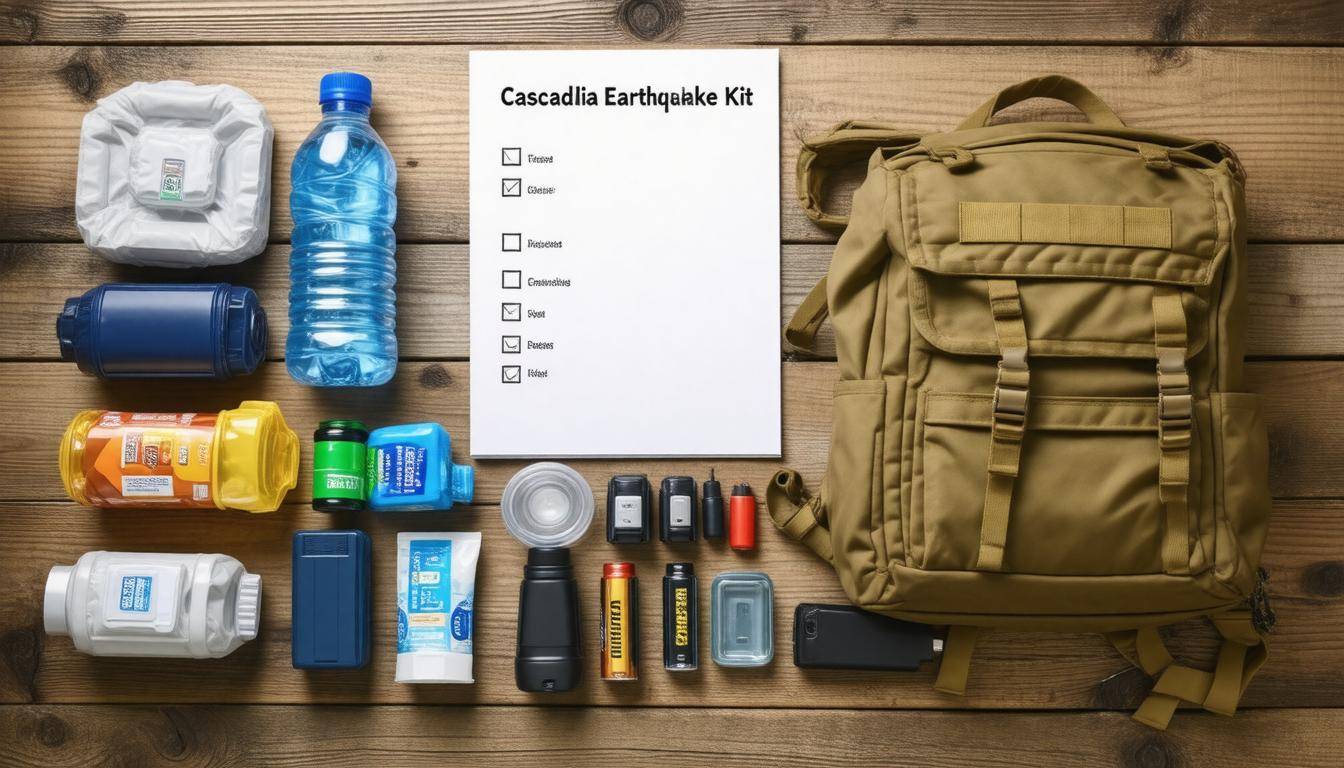
Essential Items for Your Earthquake Kit
Preparing for a Cascadia earthquake means you must carefully consider life-sustaining supplies as the foundation of your kit.
Your first objective should always be the essentials: food, water, and medication. The recommendation is simple yet crucial—aim for a minimum of one gallon of water per person per day. In a time of distress, access to fresh drinking water can mean the difference between comfort and catastrophe. Consider storing water in sturdy, BPA-free containers that won’t break easily under stress.
When it comes to non-perishable food, simplicity is key. Aim for items that can withstand the test of time without refrigeration. Canned goods are a fantastic option—think along the lines of vegetables, fruits, and meats that come ready-to-eat or can be easily heated on a camping stove. Don’t forget about energy bars and dry snacks; they offer not only nutrition but also quick fuel when you need to stay alert and mobile.
Step I – Life-Sustaining Supplies
Another pivotal component involves medications and first-aid supplies. Putting together a basic first aid kit doesn’t need to feel overwhelming. Include bandages, antiseptics, aspirin, and any personal prescription meds. Having these items on hand could very well mitigate health issues until professional help arrives.
As we dive deeper into preparation, let’s move on to emergency tools, which can play just as critical a role in your overall preparedness strategy.
Step II – Emergency Tools
Essential tools should indeed become your best friends in an emergency scenario. Start with a flashlight—a small yet mighty source of light in case power fails; make sure you keep extra batteries in your kit so you’re never left in the dark.
Additionally, equip yourself with a manual can opener; it may sound simple but believe me, being able to open that precious canned food is more important than one might think.
The versatility of a multi-tool can’t be overstated. From minor repairs to food prep, it serves countless purposes. For instance, imagine trying to fix up your tent or even fashioning makeshift cooking gear—all tasks made simpler with this handy device at your disposal.
Establishing an effective earthquake kit involves thoughtful consideration of what will sustain your body and spirit through daunting circumstances. Next, we turn our focus to vital provisions that ensure your basic needs are met during challenging times.
Food and Water Supplies
Food and water are the cornerstone of any survival kit, and you can’t underestimate their importance during an emergency. Having a well-rounded supply covers nutritional needs and helps maintain morale. Imagine being in a situation where you’re unsure of what’s to come; your food choices can make a significant difference in maintaining a positive outlook.
When selecting food items for your earthquake kit, consider those that are non-perishable, packed with nutrients, and easy to store.
According to FEMA, each person needs at least one gallon of water per day for drinking and sanitation. Therefore, if you’re preparing for a family of four, aim for at least 12 gallons to last three days. This may seem like a lot at first glance, but remember that having just enough is never as good as having a surplus.
It is wise to keep in mind that children and pets may require additional water beyond this estimate.
In terms of food staples, focus on items that provide high energy with minimal preparation. Ideal food choices include ready-to-eat canned meats, protein or fruit bars, dry cereals or granola, peanut butter, and dried fruits. These foods not only provide vital calories but are versatile and easy to consume without cooking—valuable during stressful circumstances. The goal is to have sufficient caloric intake while minimizing effort.
Angie, a preparedness enthusiast from Portland, emphasizes the emotional aspect by saying, “Including a variety of foods ensures that morale stays high even in a stressful situation.” Adding snacks or treats can elevate spirits—something as simple as chocolate can have an uplifting effect when things feel overwhelming.
Additionally, it’s important to consider how often you refresh your supplies to keep them within their expiration dates. Rotate your stock regularly by consuming older items while replacing them with new ones. This practice maximizes waste and reinforces the concept of preparedness in daily life.
Shifting our focus to hydration, it’s essential not just to stock bottled water but also to include purification tablets in your earthquake kit to ensure you’re well-equipped even if the supplies run low or become contaminated.
First Aid and Hygiene Essentials
Having a well-stocked first aid kit isn’t just a good idea—it’s critical for your safety in an emergency. When you think about the variety of situations that can arise during a disaster, having a comprehensive first aid kit can truly make the difference between a minor issue and a serious health risk. This isn’t about stashing away a few band-aids; it’s about assembling a complete arsenal of supplies to tackle injuries ranging from superficial cuts to more severe conditions that may require immediate care.
Step I – Comprehensive First Aid Kit
Begin your first aid kit with essentials such as bandages, antiseptics, pain relievers, and prescription medications tailored to your specific needs. It might surprise you how easily one can become injured in chaotic scenarios. Think beyond just scrapes; items for controlling severe bleeding, like wound dressings and tourniquets, are vital. A personal anecdote: in a hiking mishap, my group encountered someone who had fallen and severely cut their leg. The hasty scramble for supplies highlighted how crucial it is to be prepared for real emergencies rather than just minor cuts and scrapes.
Don’t overlook tools that aren’t directly related to wounds; having tweezers for splinter removal, scissors for cutting tape or gauze, and a thermometer can provide peace of mind in stressful situations. It’s smart to regularly review (and restock) your first aid kit every six months, ensuring that nothing expires and everything is organized.
Have you considered that you could face conditions requiring immobilization due to injuries? Including splints or even SAM splints can be indispensable should anyone face broken bones or sprains.
Step II – Hygiene Products
Alongside your first aid supplies, don’t forget about hygiene. Cleanliness impacts your health during emergencies, where sanitation comes into question due to stressors like contaminated water or limited resources. Hygiene products are key players in stopping the spread of infections, especially when medical assistance may be delayed.
Essential items such as hand sanitizer, toothpaste, and sanitary wipes should find their way into your kit. A practical tip is to use travel-sized containers to save space while keeping your kit lightweight and manageable.
According to a study by the American Red Cross, poor hygiene practices can lead directly to increased illness risk during emergencies. By factoring hygiene supplies into your earthquake kit, you’re not only investing in immediate comfort but also safeguarding against long-term health complications that arise from infection and unsanitary conditions.
As you gather these necessities for your safety and well-being, the next consideration focuses on how best to shelter yourself and what clothing requirements will be essential.
Shelter and Clothing Needs
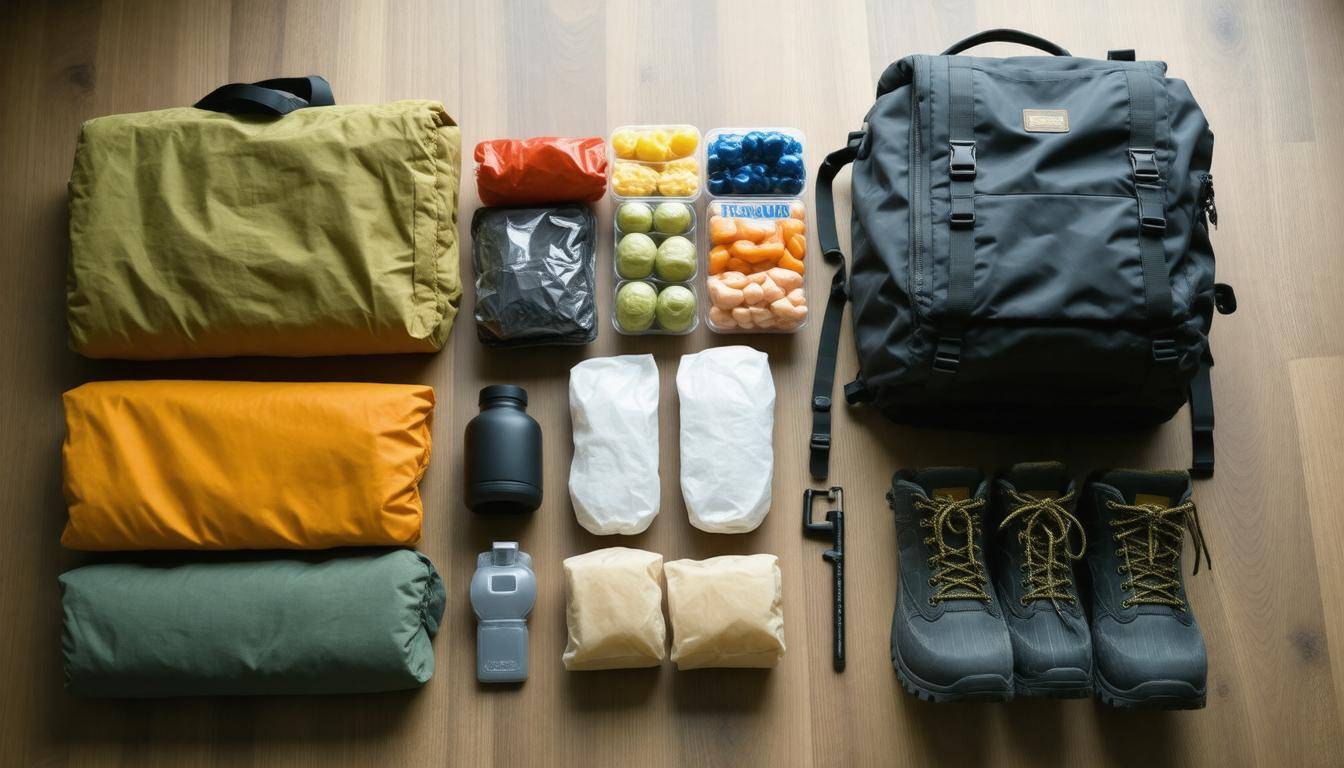
When the earth shakes, or any natural disaster occurs, having an appropriate plan for shelter and clothing is crucial. Emergency shelters such as tents, tarps, and sleeping bags can be your lifeline against harsh weather. This means being ready if you need to evacuate! Think of your emergency kit not just as a collection of items but as a mini survival system that safeguards your well-being in stressful times.
Let’s break down what constitutes effective emergency shelters. Tents provide full enclosure from wind and rain, making them ideal for longer stays outdoors. Tarps serve as quick setups that can be secured between trees for immediate protection against elements. Sleeping bags become your cocoon during cold nights; they are designed to keep body heat from escaping, especially those rated for lower temperatures.
Here’s a closer look at essential items you should include in your earthquake preparedness kit:
| Item | Recommended Quantity | Description |
|---|---|---|
| Tarp | 1-2 | For quick shelter |
| Sleeping Bag | 1 per person | Insulated, rated for low temperatures |
| Extra Clothing | 3 sets | Include underwear, socks, and warm layers |
| Rain Gear | 1 set per person | Waterproof jackets and pants |
| Sturdy Shoes | 1 pair per person | Durable and comfortable for walking |
Each item you’ve gathered plays a significant role in ensuring your comfort. Having extra clothing available can make all the difference. You might want to pack three sets of clothing: one that wicks moisture away from the skin, one that provides insulation like thermal wear, and finally an outer layer to protect you from wind and rain. Think about versatile pieces that can be easily layered.
Never underestimate the importance of sturdy shoes either! You don’t want flimsy footwear when navigating uneven terrain or debris after an earthquake. A reliable pair of boots not only protects your feet but also adds stability while walking.
Fostering such preparation allows you to establish a solid foundation for your emergency response plan—ensuring you’re equipped to navigate whatever challenges arise next.
Communication and Lighting Gear
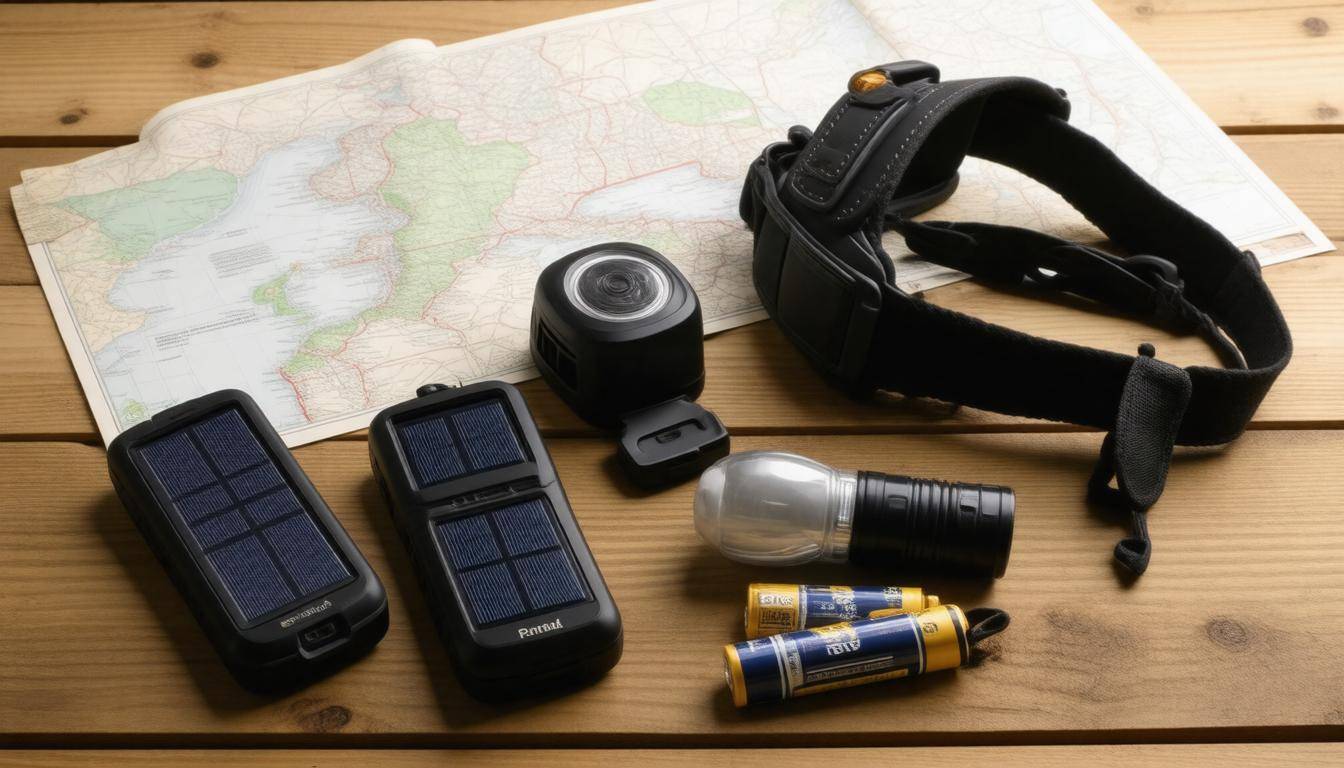
In times of uncertainty, when the world outside feels chaotic, having a reliable means of communication can make all the difference. Imagine being in an emergency where your phone is dead, and you can’t access important information. Investing in a battery-operated or hand-crank radio can save you. These devices are designed to work independently of the power grid, allowing you to receive news updates and crucial alerts when everything else fails. Think of it as your lifeline; even when you’re cut off, it can help keep you informed and calm.
Besides a radio, your smartphone remains a vital tool during emergencies—it’s just important to remember its limitations. When disaster strikes, cell networks can become overloaded, causing signals to drop. This is where two-way radios come into play. They allow for direct communication with family or friends in close proximity without relying on cellular coverage. For instance, if you’re communicating with a neighbor to check on each other’s well-being, these devices offer peace of mind by allowing you to stay connected.
But communication alone is not enough; having ample lighting solutions is equally essential.
Step II – Lighting Equipment
Picture this: you’ve just settled in for the night during a powerful storm and suddenly—darkness. Power outages are unsettling, but having sufficient lighting gear prepared turns an intimidating situation into something manageable. It’s wise to pack flashlights along with extra batteries, ensuring they are readily accessible when you need them most. However, consider opting for headlamps as well; they not only lighten up your surroundings but also free up your hands for other tasks—like trying to find your emergency kit.
While traditional flashlight bulbs have their merits, LED lanterns warrant special mention due to their efficiency and longer-lasting illumination. Unlike incandescent bulbs that drain batteries quickly, LEDs shine brighter and last significantly longer. Whether you’re reading through emergency instructions or illuminating gathering spots in the darkness, these lanterns prove invaluable.
According to Ready.gov, 20% of emergencies involve power outages, making reliable lighting indispensable.
With proper communication tools and efficient lighting equipment at your disposal, you’ll be better equipped for challenges should disaster strike. The synergy between effective communications and bright surroundings not only enhances safety but also boosts morale during uncertain times as we prepare for our next steps.
Additional Tools and Supplies
Beyond the commonly recognized gear, your Portland Cascadia earthquake kit should include some essential additional tools and supplies that could make all the difference in ensuring both safety and convenience following a seismic event. For instance, a multi-tool is not just a handy gadget; it becomes your best friend when you need to make quick repairs or tackle unforeseen challenges. With various functions like cutting, screwing, and prying, it eliminates the need to carry multiple individual tools.
Alongside a multi-tool, having a fire extinguisher readily available is absolutely vital. Earthquakes can lead to ruptured gas lines or electrical malfunctions, which may result in small fires breaking out. Having a fire extinguisher at hand can allow you to respond immediately, potentially saving your home or even lives. It’s advisable to familiarize yourself with how to use it before an emergency strikes; knowing how to operate it in a high-stress situation can be lifesaving.
As for duct tape and plastic sheeting, while we often think of these items as simple household supplies, they gain new meaning during emergencies. Duct tape is remarkably versatile: you can use it to secure broken windows by taping up glass shards or even for patching holes in walls or roofs temporarily. Plastic sheeting serves a similar function—acting as both protection against the elements and an emergency shelter when needed. These two together provide not only security but also a temporary solution until more permanent repairs can be made.
The inclusion of work gloves in your kit cannot be overstated either. Post-earthquake environments are often chaotic and littered with debris. Protecting your hands from cuts and scrapes allows you to maneuver through hazardous conditions safely while attempting to clear away wreckage or facilitate rescue efforts for trapped individuals. Similarly, dust masks protect you from inhaling harmful particles swirling around after an earthquake. Air quality may become compromised due to dust and debris, making these masks an invaluable addition to your gear.
When assembling these supplies, remember that each tool plays a distinct role in enhancing your safety and comfort, so don’t overlook any of them as part of your overarching disaster preparedness strategy. This careful planning extends to ensuring sensitive documents are readily accessible and cash is on hand for immediate needs during an emergency.
Important Documents and Cash
When it comes to earthquake preparedness, knowing how to access your critical information promptly can have a lasting impact on your recovery. Imagine facing a chaotic environment with damaged infrastructure and needing proof of identity, health information, or insurance coverage. Having copies of these documents becomes invaluable. Store essential items like your driver’s license, medical records, insurance policies, and even passports in a waterproof container to keep them safe from potential water damage or debris. A sealed plastic bag or a dedicated waterproof pouch works well for this purpose.
Cash is King
While we live in a world dominated by digital transactions, it’s vital to remember that ATMs might be down or banks may not be accessible following an earthquake. In such cases, having cash on hand becomes crucial. It ensures you can purchase necessary supplies like food and water without relying on credit cards or banking apps. Experts suggest keeping a small stash of small denominations for easy transactions, as larger bills may prove challenging to use during emergencies.
To further enhance your preparedness, consider how you store and access this cash and documentation when moments matter most.
When organizing your emergency kit, think about placing your waterproof document container and cash in a consistent location within the kit so that it is immediately accessible. This way, you won’t waste precious time searching through your supplies when every second counts. You could even create a clearly labeled compartment within your kit specifically for these vital documents and money.
By prioritizing these documents and funds in your preparedness plan, you’re equipping yourself with the tools needed to navigate potentially dire situations more effectively.
Remember, preparedness isn’t just about collecting items; it’s about strategically organizing your essentials for optimal access during emergencies.
As you continue building out your supplies, let’s focus on ensuring you have everything needed for a complete toolkit that will serve you well when disaster strikes.
Completing Your Portland Cascadia Earthquake Kit
As you prepare your earthquake kit, envision what life would look like immediately following a significant quake. The initial shock may lead to power outages, blocked roads, and disruptions to local services. This is where having a well-stocked kit becomes essential—it not only serves as your lifeline but also comforts you amidst chaos.
Essential Items for Your Kit
Begin with the foundational elements that every earthquake kit should include: food and water for at least 72 hours, a first-aid kit, flashlights, batteries, and sturdy clothing. However, for Portland residents, it’s crucial to tailor your kit further. Since earthquakes in this region are often accompanied by landslides or tsunamis, consider adding some maps of local evacuation routes. Knowing how to escape potentially dangerous areas can save precious minutes when every second counts.
Jeff’s experience highlights the importance of being prepared: “Having a well-thought-out kit that includes local resources was key to our quick recovery.” This reassures us that preparation grounded in local knowledge is invaluable.
Don’t forget to include a whistle in your kit. It’s light, compact, and can be used to signal for help in case you’re trapped. A whistle emits sound far better than yelling does, so it increases your chances of being located.
While general earthquake kits are indeed useful for anyone living in quake-prone regions, creating one specifically catered to the unique threats posed by the Cascadia Subduction Zone amplifies safety measures. It ensures you’re equipped to handle not just the initial quake but also any secondary hazards that might arise.
Maintaining Your Kit
Regularly reviewing and updating your kit is paramount. Aim to check it every six months—much like checking the smoke detectors or changing the batteries. You might find that items have expired or you may want to replace them based on changes in your lifestyle. Perhaps you’ve moved to a different neighborhood or started a family; these changes directly impact what you might need at a moment’s notice.
It’s a little like Spring cleaning but without the heavy furniture moving! Make it part of your seasonal routine: as you update your wardrobe for colder weather or pick up holiday decorations, take a moment to assess your preparedness supplies as well.
Completing your Portland Cascadia earthquake kit isn’t just about checking boxes; it’s about considering local threats and making thoughtful choices based on community experiences. Equip yourself with knowledge and supplies tailored to your environment because when disaster strikes, being prepared can make all the difference.
In preparing for an earthquake, staying ahead of potential challenges can empower you and your loved ones during uncertain times. Your readiness could truly be a lifesaver.
Are there any local resources or organizations that provide additional guidance on building an effective earthquake preparedness kit?
Yes, local organizations such as the Oregon Office of Emergency Management and the Cascadia Regional Earthquake Workgroup offer valuable resources and guidance on building effective earthquake preparedness kits. They provide checklists tailored to the specific needs of residents in seismic zones like Portland. According to FEMA, nearly 60% of Americans are unprepared for a disaster, highlighting the importance of utilizing these local resources to ensure you have a comprehensive kit and are ready for any potential earthquake events.
How often should I update my earthquake kit, and what items might expire?
You should update your earthquake kit at least once a year to ensure all items are in good condition and not expired, particularly food, medications, batteries, and water. Non-perishable food typically has a shelf life of 1-2 years, while certain medications can expire within a year or two. According to FEMA, approximately 25% of adults may not be fully prepared for natural disasters like earthquakes; regular maintenance of your kit increases your chances of being prepared and safe during emergencies.
What steps can I take to create an emergency communication plan for my household during earthquakes?
To create an effective emergency communication plan for your household during earthquakes, first establish a designated meeting place where everyone can gather post-quake, such as a local park or neighbor’s house. Next, ensure each family member has a copy of emergency contacts, including out-of-area friends or relatives, to use if local lines are down. It’s also wise to choose an alternate communication method, like text messaging or social media, since these may remain functional when traditional phone lines are overwhelmed. According to a FEMA report, having a practical communication strategy significantly improves post-disaster coordination and safety among families—so prepare ahead!
Are there specific tools or gear that are recommended for earthquake preparedness in Portland?
Yes, for earthquake preparedness in Portland, it’s recommended to include tools such as a sturdy emergency backpack, a multi-tool or Swiss army knife, a hand-crank flashlight, and a first aid kit. Additionally, water purification tablets and non-perishable food items are essential. According to the Oregon Office of Emergency Management, approximately 10% of Oregonians have an adequate emergency supply kit, highlighting the importance of being prepared. With the Cascadia Subduction Zone posing a significant risk, having these items can greatly enhance your safety during an earthquake.
How much water and food should I include in my earthquake kit for a family of four?
For a family of four, it’s recommended to include at least one gallon of water per person per day for a minimum of three days, totaling 12 gallons. Additionally, you should stock at least 72 hours’ worth of non-perishable food items, which translates to about 1 to 2 pounds of food per person each day, leading to around 12 to 24 pounds of food for the entire family. This ensures adequate hydration and nutrition during an emergency, as experts recommend having supplies that can sustain your family for at least three days following a disaster.