
In the aftermath of a disaster, effective communication can make all the difference between chaos and order. Picture a community grappling with the shock of sudden loss or damage, where misinformation spreads as rapidly as the crisis itself. At that moment, having a reliable source of information can help connect affected individuals to crucial resources and guidance. Post-disaster communication centers play a key role in providing clarity and support during such trying times. By establishing these centers thoughtfully and efficiently, we can ensure that communities are not only informed but also empowered to navigate their recovery journey. This guide will explore how to set up these vital hubs, what essential resources they should offer, and how they can effectively engage with those in need.
To find post-disaster communication centers, you can contact local government agencies or visit their official websites for real-time updates on their locations and services. These centers serve as essential hubs for resources and information, so it’s crucial to go there to access aid, receive assistance, and stay informed about recovery efforts.
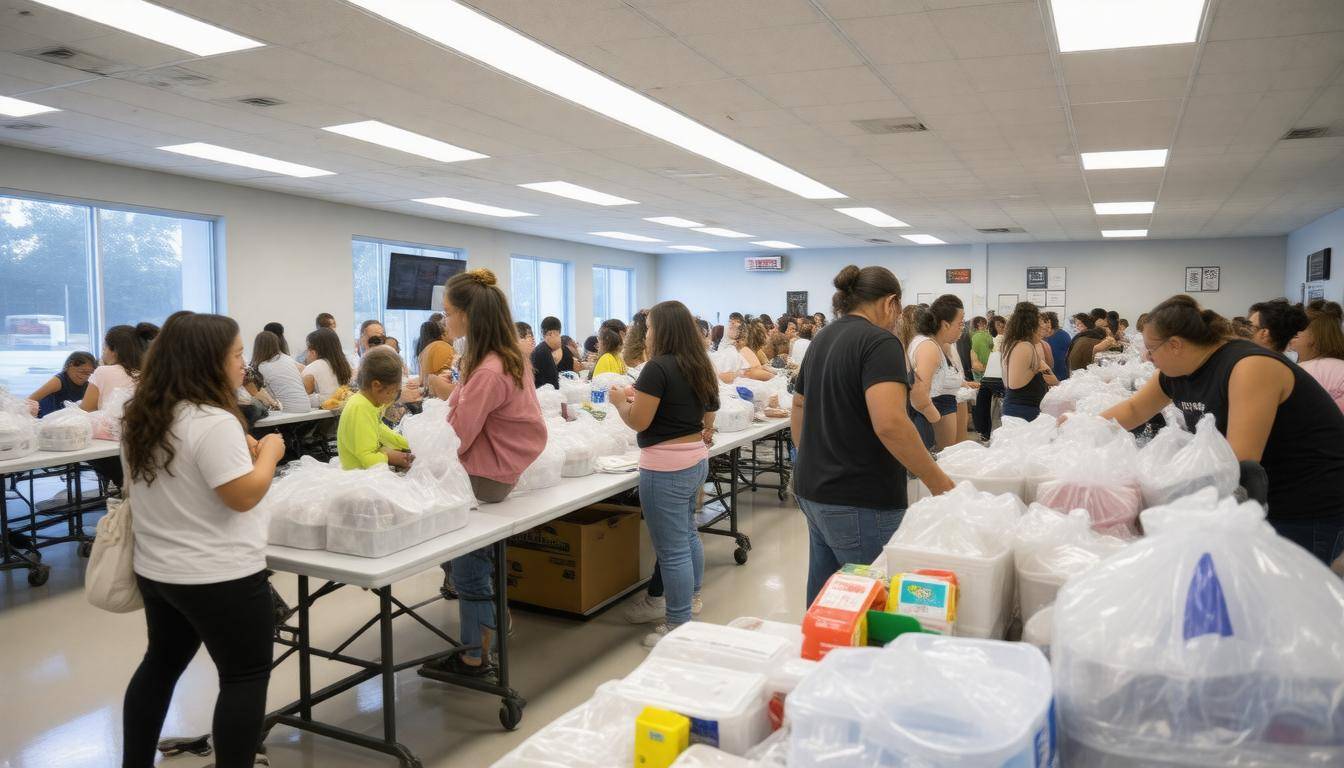
Essential Checklist for Post-Disaster Communication Centers
Establishing a post-disaster communication center is not solely about setting up equipment and gathering a team; it requires a comprehensive understanding of immediate and long-term needs to ensure effective operation during critical times. The good news is, by following a structured checklist, you can streamline the process and address key areas without panic or confusion.
Immediate Needs
-
Secure Facility: Your first priority should be obtaining a location that is not only structurally sound but also strategically placed for easy access by those needing assistance. Think about evacuation routes and where affected populations reside.
-
Power Supply: Imagine running out of power right in the middle of relaying important information. To prevent this, procure backup generators and have solar panels available whenever possible to shield your operation against outages.
-
Internet Connectivity: A reliable internet service is essential for sharing real-time updates. Whether it’s through Wi-Fi, satellite, or hard-wired connections, having fast internet can drastically improve coordination efforts.
-
Communication Devices: Being equipped with radios, satellite phones, and walkie-talkies ensures everyone can communicate effectively, especially when traditional networks fail due to high demand or damage.
-
Manpower: Assemble a dedicated team that includes trained volunteers, IT specialists, and security personnel who understand the urgency of such situations. Remember, every role is vital—effective communication often hinges on having the right people at hand.
Long-term Considerations
Beyond immediate needs, envision how your communication center will function in the weeks and even months following a disaster. Establishing a coordination plan with local emergency response units is vital; however, don’t stop there. Collaboration with non-governmental organizations (NGOs) and multinational aid agencies can enhance resource sharing and streamline communication efforts across various platforms.
Having one unified plan can ease confusion during crises where rapid responses are crucial.
Integration with Local Authorities
It is prudent to work directly with local emergency management agencies so that you can ensure a seamless flow of information. By fostering strong relationships with local officials, your communication center can become an embodiment of community resilience—a place where resources converge and actionable information is shared rapidly.
As we explore the logistics further, understanding the optimal spaces to establish these centers will play a critical role in effective disaster response.
Best Locations for Setting Up Communication Centers
When selecting the site for a communication center, it’s essential to balance practicality with accessibility. The aim is to establish a hub that provides timely information while remaining safe from secondary disasters, all within a stone’s throw of affected areas. You want spaces that enable quick access for those who genuinely need help but also protect against potential risks like flooding or falling debris.
Proximity to Affected Areas
Choose locations that are strategically positioned close to the disaster zone. For instance, schools, community centers, and vacant commercial buildings often emerge as prime candidates. They offer ample room for setup while being central enough for the local population to reach easily. However, ensure these sites are not in immediate danger; what good is a communication center if it’s swept away in the next flood? Safeguarding against secondary hazards becomes just as important in your evaluation.
Now let’s explore how you can make this center truly functional by ensuring it’s accessible to all.
Accessibility
Accessibility shouldn’t be an afterthought; it should be woven into your planning process. The ideal location will have multiple entry points to lessen congestion and logistical delays. Target places with established road infrastructure but don’t overlook alternative transport routes like bus lines or walking paths. In particular, consider how emergency vehicles can navigate to and from your center with ease. Being aware of the community’s layout can prevent unnecessary barriers when lives are at stake.
Collaboration with Local Institutions
Collaborating with local institutions can enhance your efforts significantly. By partnering with schools and universities, you can tap into their existing facilities and resources. Their built-in infrastructure means you won’t have to start from scratch; instead, you’re building on a foundation that’s already familiar to local residents. This community involvement improves outreach while ensuring that people know where to go when they’re in need.
Having secured a solid location through strategic choices and community partnerships sets the stage for determining how best to address the specific communication needs of that area.
Prioritizing Emergency Communication Needs
When disaster strikes, it’s critical to recognize that not all communication needs are created equal. The chaotic environment following an emergency can lead to confusion and misinformation if priorities aren’t clearly set. Establishing a well-defined hierarchy of communication requirements helps streamline efforts and ensures that those in dire need receive assistance as quickly as possible.
Hierarchy of Needs
First and foremost, prioritize the communication needs of emergency services and first responders. They are the frontline warriors in any disaster scenario, and their access to clear information can make the difference between life and death.
Next, efficiently coordinating with government agencies is vital; this ensures that resources are allocated correctly and timely. Following that is the distribution of public safety announcements, which keep the general populace informed about ongoing threats and safety measures.
Finally, don’t forget the media and public information outlets—they play a crucial role in relaying messages to wider communities. Individual communications for affected families should also be prioritized; connecting loved ones provides emotional support and aids in recovery processes.
This strategic approach not only helps manage expectations but also builds trust within affected communities. When people know where to turn for information, panic diminishes, and order can gradually be restored.
Real-Time Updates
To maintain effectiveness amidst changeable circumstances, implementing real-time monitoring tools is essential. These tools enable quick dissemination of crucial updates as situations evolve moment by moment. Using platforms like social media can be particularly effective given their reach and immediacy; astonishingly, up to 60% of affected populations rely on such channels for real-time updates during disasters.
By effectively utilizing emergency alert systems alongside social media, authorities can communicate vital safety instructions or evacuation notices rapidly and directly to those who need them most.
Now that we have prioritized our communication needs, the focus shifts to ensuring that survivors have access to vital resources necessary for their recovery journey.
Contacting Survivors and Affected Areas
When it comes to reaching out to those affected by a disaster, using multiple methods of communication is crucial. Efficiently connecting with survivors can determine the success of rescue operations and the allocation of critical resources. Emergency broadcast systems are the backbone of immediate alerts, ensuring that messages reach as many people as possible in a short time. This method often includes local radio and television stations broadcasting key information about safety protocols or resource locations.
In addition to traditional broadcast methods, integrating technology into your communication strategy can significantly enhance outreach efforts. For instance, SMS alerts have proven effective, especially when considering statistics from FEMA which indicate that 70% of disaster survivors preferred receiving information through text messages. Social media platforms should not be overlooked either; they have become modern lifelines where timely updates can be shared swiftly with vast networks. Utilizing drone technology for aerial surveys can further assist in initial contact methods; these drones can gather critical visual data about the affected areas, helping ground teams focus their efforts strategically.
Initial Contact Methods
Here are various channels that can be employed for initial contact during disasters:
- Emergency Broadcast Systems: Vital for alerting communities immediately.
- SMS Alerts: Quick and effective for reaching individuals directly.
- Social Media Updates: Ideal for real-time information sharing and community engagement.
- Drone Technology: Provides aerial imagery to assess damage and locate survivors.
Once initial contact channels are established, it’s essential to maintain ongoing communication with survivors.
Establishing Communication Lines
Setting up temporary call centers becomes imperative in post-disaster scenarios, allowing survivors to report their locations and needs easily. These centers can serve as hubs where residents provide information about their situations while also receiving aid updates. Portable communication units, such as satellite phones or walkie-talkies, are indispensable because they enable seamless connection even when standard cellular networks are down.
In this process, leveraging geolocation services is particularly beneficial. By accurately mapping the locations of survivors, rescue teams can prioritize areas that need immediate attention, ultimately saving lives. Not only does this enhance operational efficiency, but it also fosters trust among the affected communities when they see rapid and responsive actions being taken based on their reports.
As we explore these vital communication strategies, recognizing the importance of collaboration with emergency response units will further enhance support for those in distress.
Coordination with Emergency Teams
Strong coordination can amplify the effectiveness of both individual and collective efforts. When disaster strikes, clear lines of communication between all involved parties—such as local agencies, non-profit organizations, and volunteers—become vital. Establishing a strong foundation for collaboration can save time, resources, and ultimately lives during critical moments.
Synchronized Communication Protocols
One of the key elements of effective coordination is developing standardized communication protocols that all emergency teams adhere to. These protocols lay out clear guidelines for how information should be shared, reducing confusion in chaotic situations. For instance, designating specific channels for different types of updates—such as resource availability, logistical needs, or safety concerns—helps everyone focus on what matters most without crossing wires or sending mixed messages.
By streamlining communication strategies in such a way, each team can contribute effectively without duplicating efforts or encountering unnecessary bottlenecks. Imagine a scenario where an emergency response team calls in for supplies while multiple others are trying to do the same: chaos ensues unless there’s a structured method to relay this information.
Regular Updates and Briefings
To further enhance coordination, it’s essential to schedule regular inter-agency briefings and updates at least twice daily. These briefings serve as crucial touchpoints where representatives from various departments can come together to share insights on progress, discuss current challenges, and realign priorities. Picture this: the fire department might communicate about areas under threat while health officials might report on medical needs, creating a holistic understanding of the situation around you.
In these meetings, the importance of transparency cannot be overstated. Sharing successes and setbacks openly creates an environment where teams feel empowered to ask for help or offer assistance based on what they have learned. This kind of synergy fosters trust among agencies, allowing them to work hand-in-hand toward common goals rather than getting lost in bureaucratic silos.
Building upon these frameworks ensures that responders are equipped not just to share information effectively but also to protect it from potential threats that could undermine the response effort. As we explore methods for safeguarding these communication networks, it’s crucial to consider best practices that secure operational integrity.
Security Measures in Communication Centers
Security in post-disaster communication centers is paramount, not just for protecting sensitive information but also for maintaining the smooth operation of services that so many rely on during critical times. These centers act as lifelines, connecting people with essential resources and updates in the aftermath of natural disasters. Thus, they must establish robust security protocols to safeguard against various threats—both physical and digital.
On-Site Security
At the heart of any secure communication center are trained security personnel who monitor activities around the clock. Imagine a bustling hub where community members come in seeking assistance; having well-trained professionals ensures that any suspicious behavior can be promptly addressed.
Surveillance systems are equally important, providing a watchful eye over the premises 24/7. Not only does this deter potential intrusions, but it also aids in swiftly investigating incidents if they arise. Selecting appropriate locations for cameras is crucial; high-traffic areas and access points should be prioritized.
“Security isn’t just a necessity; it’s an investment in trust,” said one communication center director. This reflects the sentiment that when people know they’re safe, they’re more likely to engage fully with recovery efforts.
Cybersecurity
As our world becomes more digitally interconnected, cybersecurity emerges as another pillar of security within these centers. Protecting critical data involves deploying advanced firewalls to guard against unauthorized access. Furthermore, utilizing encrypted communication channels becomes essential when relaying sensitive information between various stakeholders involved in disaster response efforts. Regular IT audits help assess vulnerabilities and ensure systems are performing optimally.
Collaborating with cybersecurity agencies brings specialized expertise to enhance the security framework. For instance, these agencies can offer training for staff on recognizing phishing attempts or address growing concerns about ransomware attacks—both of which can cripple operations during emergencies.
- Install multi-factor authentication protocols for accessing sensitive systems.
- Create incident response plans detailing steps to take during a cybersecurity breach.
- Engage in regular training programs to keep personnel updated on current cyber threats.
By combining comprehensive on-site security with strong cybersecurity measures, communication centers create a fortified environment that enhances their operational integrity. This commitment to safety not only serves the immediate needs of communities but also sets the stage for further technological advancements in disaster response strategies.
Integration with Technology
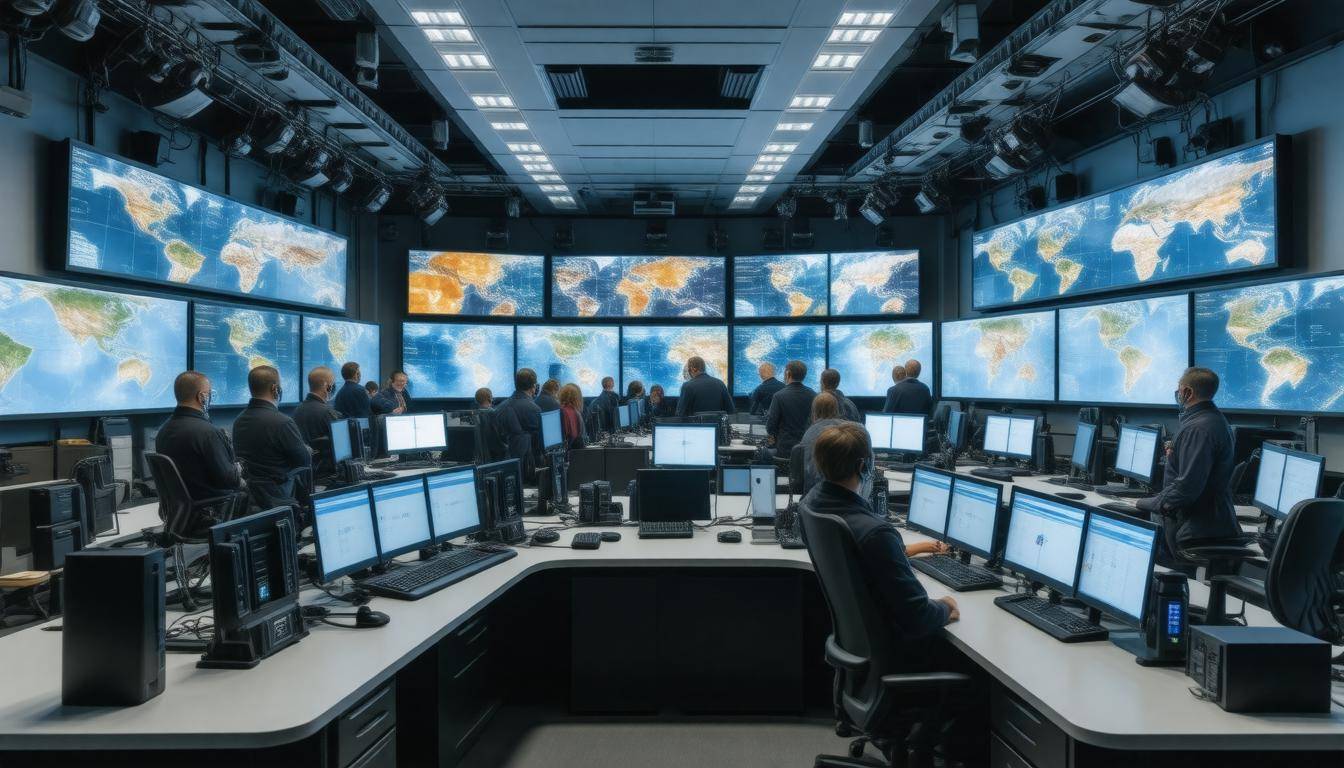
Modern communication centers thrive on innovation, and their integration with cutting-edge technology is vital to their success. Utilizing advanced systems not only aids in disaster response but also provides clearer, quicker communication channels among emergency services, governmental entities, and the community. Imagine a bustling center where every staff member can access detailed information at lightning speed. This isn’t just wishful thinking; this is becoming the norm as technology unfolds its potential.
Advanced Software Solutions
One of the best ways to enhance operational efficiency is by incorporating specialized software for emergency management. Consider systems that provide real-time mapping and resource allocation, enabling responders to visualize affected areas instantly. Platforms such as CrisisClean can consolidate data from numerous sources while offering actionable insights tailored to improve decision-making on the ground. Such tools empower communication centers to respond more adeptly during crises; it’s like having a compass in uncharted waters.
Another critical component of advanced software is its data analytics capability. When disasters strike, immediate assessments are essential for informing recovery efforts. By analyzing various metrics, these programs help identify priority areas for action, ensuring that resources are allocated where they’re needed most.
Cloud Computing
In addition to software solutions, adopting cloud-based technologies significantly enhances communication capabilities within disaster scenarios. Cloud computing allows for seamless data storage and sharing, which is particularly crucial during emergencies when traditional infrastructure may be compromised.
Having your data in the cloud means that as long as internet access is available, your team can retrieve necessary documentation or critical contact information no matter where they are located—making it an indispensable asset during an emergency situation.
| Technology | Use Case | Benefits |
|---|---|---|
| Real-time Mapping | Tracking affected areas and resource needs | Quick response and allocation |
| Data Analytics | Assessing disaster impact | Better decision-making |
| Cloud Computing | Data storage and sharing | Accessibility and reliability |
The synergy between these technologies sets the stage for a proactive rather than reactive approach in managing disasters. As we consider how these strategies unfold, it’s essential to think ahead and prepare effectively for what comes next.
Planning for Future Emergencies
Continuously planning for future emergencies is not just a best practice; it’s a fundamental necessity for any successful disaster response strategy. Just as a ship’s captain diligently checks their compass and calibrates for rough seas, communication centers must prepare themselves for the unpredictable nature of emergencies. Having robust systems in place can mean the difference between chaos and clarity when the next crisis unfolds.
Training and Drills
Conducting regular training sessions and emergency drills is paramount. These exercises not only keep staff informed about their roles but also foster teamwork, allowing everyone to coordinate effectively during an actual disaster. For instance, running simulations that mimic real-life emergencies helps identify potential pitfalls and cultivate problem-solving skills within teams. During these drills, members learn to rely on each other, building trust and cohesion, which are essential in high-pressure situations.
The National Emergency Management Association (NEMA) emphasizes that well-trained personnel significantly increase overall community resilience during disasters.
After rigorous training comes the critical evaluation of performance, leading us to the next step: gathering feedback.
Feedback and Improvement
Collecting feedback after each disaster response event should be systematic rather than sporadic. This information serves as a valuable tool for refining strategies and protocols continuously. By using a data-driven approach, communication centers can analyze what worked well and where adjustments are needed. For example, did certain communication channels operate more efficiently than others? Were there delays or misunderstandings that need addressing? By tackling these areas with a reliable feedback loop, organizations can anticipate challenges before they arise.
While it’s vital to learn from past experiences, it’s equally important to turn this insight into actionable strategies. NEMA provides various resources, including case studies and webinars, to help strengthen emergency response tactics through formalized learning experiences.
By remaining prepared and adaptable, communication centers are poised to serve as reliable lifelines during unforeseen disasters, offering hope and direction precisely when it’s needed most. When community members look to these centers during crises, they seek not just information but reassurance—because with effective planning and continuous improvement, lives can be saved and communities can remain intact even in the face of adversity.