
The aftermath of a disaster can be as chaotic as the event itself. While everyone is busy trying to recover—fixing damaged homes, finding lost belongings, or simply catching their breath—there’s often an ugly side that emerges: fraud. Scammers know that when people are vulnerable and overwhelmed, they are easier targets. The sad truth is that in times of crisis, those looking to exploit others often spring into action, creating fake charities or offering shoddy repair services. This guide aims to arm you with vital tips and resources to protect yourself from these scammers. By understanding how they operate and taking steps to safeguard your personal information and finances, you can focus on rebuilding without falling prey to fraudulent schemes. Let’s navigate this tricky landscape together!
The “Post-Disaster Fraud Prevention: Complete Guide” outlines essential strategies such as verifying the legitimacy of charities before making donations, being cautious with unsolicited offers for assistance, and documenting all interactions related to recovery efforts. Additionally, it emphasizes the importance of awareness and education about common post-disaster scams to protect individuals during vulnerable times.
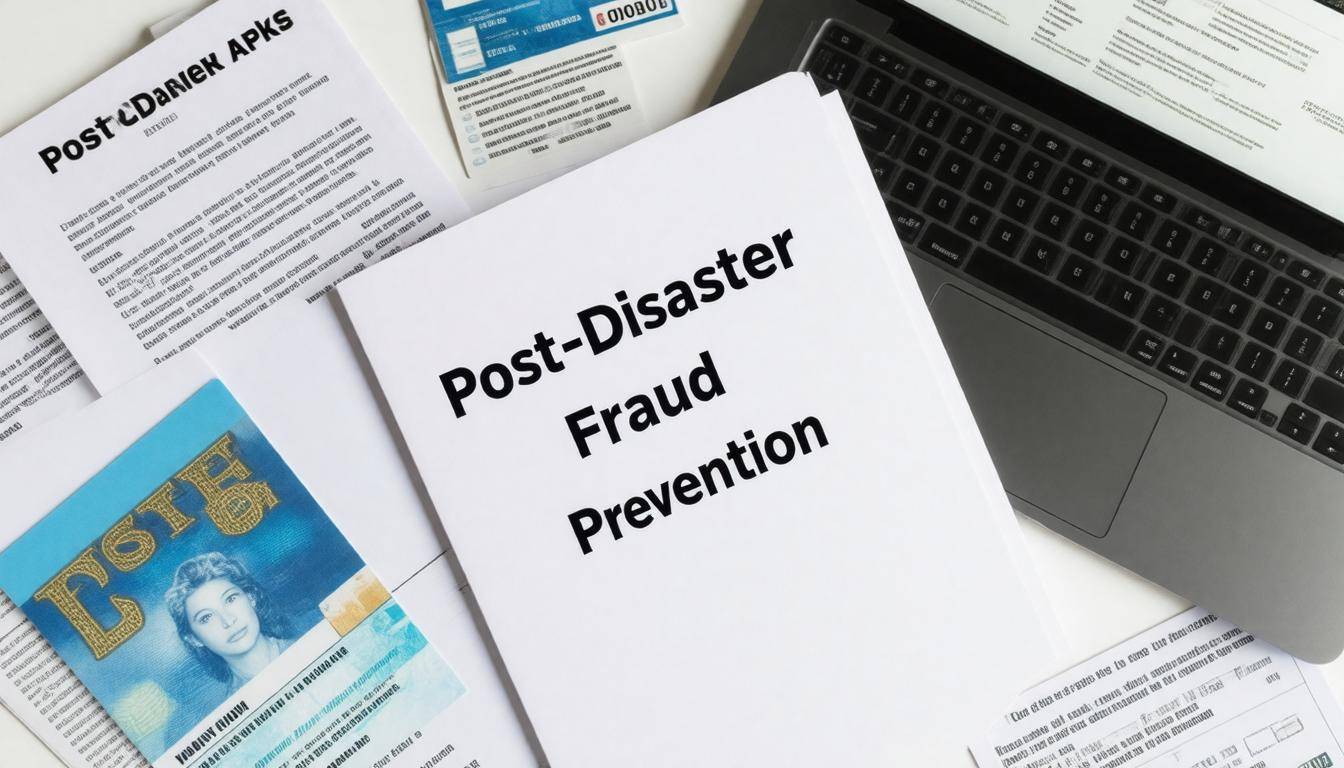
Strategies for Post-Disaster Fraud Prevention
One of the first steps in safeguarding yourself after a disaster is to verify charities and contractors before engaging with them. This may seem like a small task, but it can have significant implications. Think of it as an investment: checking their legitimacy through reliable sources like the Better Business Bureau or Charity Navigator can save you from falling victim to scams. After incidents like Hurricane Katrina, fraudulent charities sprouted up, siphoning off millions under false pretenses. Avoid clicking on web links sent via unsolicited emails, as these often lead to fake charity websites. Instead, opt to visit well-known organizations’ websites directly or call them for confirmation.
Once you’ve ensured that those you are engaging with are legitimate, the next layer of protection is to monitor your financial accounts diligently. You might underestimate how crucial this practice is, especially in the weeks and months following a disaster. Regularly checking your bank statements and credit reports should become part of your routine; this way, unauthorized transactions can be identified swiftly before any real damage is done. Most people often overlook free annual reports provided by services like Experian and Equifax—they’re an invaluable tool when keeping tabs on your finances. It’s beneficial to set alerts for transactions over certain amounts; you’ll then be immediately notified if something appears amiss.
Remember: Prevention is better than cure. Monitoring your accounts regularly gives you an edge against emerging fraud tactics.
Another wise strategy involves being cautious about unsolicited communications regarding relief efforts. Scammers often reach out pretending to be government agencies or aid organizations to gain personal information from individuals during vulnerable moments. When you receive calls or emails regarding assistance—especially if they request sensitive data—be sure to verify their identity first by contacting them through official channels instead of engaging directly. This seems like a minor effort, but it could keep you safe from potential scammers lurking in the shadows.
It’s also prudent to document every interaction with recovery organizations meticulously. By keeping thorough records of expenses and communications related to your recovery efforts, you position yourself favorably should discrepancies arise later on. A well-maintained log detailing conversations and receipts can serve as critical evidence if an issue arises or you encounter fraudulent entities claiming they assisted you.
Finally, raise awareness amongst friends and family about post-disaster scams. Informing those in your circle about common schemes helps build a more vigilant community. The more discussions we have about these pitfalls, the less likely we are to allow ourselves and our loved ones to fall prey to fraudsters looking to exploit vulnerability in times of need.
While these strategies provide a solid foundation for protection, it’s essential to explore the diverse manifestations of fraud that can occur in the aftermath of a disaster.
Types of Fraud Post-Disaster
One common type of post-disaster fraud is charity scams. In the wake of a disaster, genuine charities are often overwhelmed with public generosity; however, this creates an opportunity for unscrupulous individuals who set up fake organizations. These scammers mimic legitimate charities, soliciting donations from well-meaning citizens only to pocket the funds without providing any real aid. It’s crucial to verify the legitimacy of any charity you choose to support by researching their reputation through resources like the Better Business Bureau.
While charity scams are alarming, another prevalent issue is contractor fraud.
Unscrupulous contractors may take advantage of desperate homeowners looking to repair or reconstruct their damaged properties. After significant disasters like Superstorm Sandy, many individuals were deceived by companies that promised quick and affordable repairs. Victims would pay deposits only to find that these contractors either vanished or delivered shoddy work. To combat this, always check licenses and references before hiring anyone for home repairs or renovations. Reputable contractors will often present their credentials willingly and have reviews from previous satisfied clients.
Beyond construction, there are those who exploit financial distress through financial relief scams.
Fraudsters often impersonate government representatives, claiming to offer financial assistance for disaster recovery. They create urgency, pushing potential victims to provide personal information under the guise of securing much-needed help. To avoid falling prey to such scams, remember that government agencies typically do not request sensitive information via phone or email. Legitimate communications will come through established channels and should always be independently verified before sharing any details.
Now that we’ve covered some primary types of fraud, it’s essential to recognize warning signs associated with them.
Look out for unsolicited offers for help—these might come from unfamiliar faces in your neighborhood or unexpected calls and emails. A common tactic involves high-pressure sales pitches urging you to act quickly regarding donations or repairs. If something feels off, trust your instincts! Keeping a cool head and doing your due diligence can significantly lessen your chances of becoming a victim.
Understanding these types makes it easier to protect yourself and avoid falling for these scams. By familiarizing yourself with the methods employed by fraudsters, you can better safeguard your interests and ensure that your post-disaster recovery contributes to meaningful efforts rather than misleading endeavors.
Arming yourself with knowledge about potential threats is just the first step; understanding how to secure your valuable information is equally critical in navigating this landscape effectively.
Protecting Personal Information
Your personal information is invaluable, especially during vulnerable times following a disaster when emotions are running high and help appears necessary. Fraudsters exploit these circumstances to target individuals who may not be thinking clearly. Proactive measures can significantly reduce your risks.
Implement strategies to ensure your personal information remains safe. The first step is to never share your Social Security number unnecessarily. This number unlocks many doors—bank accounts, loans, and more. Only provide it on forms or documents where it’s absolutely essential. Even if someone claims they need it for a legitimate purpose, ask if there’s an alternative method they can use.
Next, secure important documents. Whether it’s birth certificates, financial statements, or other sensitive materials, store them in a locked safe or consider digitizing them using encrypted software. Digital records are efficient, but without proper security measures, they can be easily accessed by cybercriminals. The fine balance between convenience and safety must always be kept in mind.
Another crucial aspect is using strong passwords for online accounts. Avoid easily guessable passwords like “123456” or your birthday; instead, aim for a mix of letters, numbers, and symbols that only make sense to you. A password manager can help generate and remember complex passwords across various sites, reducing the temptation to use the same password multiple times—a common pitfall that weakens security.
Statistics show that 60% of consumers do not regularly check their credit reports, further increasing vulnerability to fraud. Regular monitoring of your credit can alert you to unauthorized activities or anomalies linked to your identity.
With these protective measures in place, it’s equally important to remain vigilant about the tactics fraudsters might employ.
| Action Item | Description |
|---|---|
| Social Security Number | Never share unless essential. |
| Secure Document Storage | Use safes or encrypted digital formats. |
| Strong Passwords | Regularly update using a mixed character approach. |
An unfortunate case involved a victim after Hurricane Harvey who reported losses of $10,000 due to their Social Security number being stolen. Such stories remind us that vigilance can truly pay off during recovery.
Staying informed about how personal data can be compromised—and taking steps to prevent that—is essential for protecting yourself from post-disaster fraud. Robust awareness combined with precautionary measures creates a layer of defense that keeps your information secure during challenging times.
As we move forward, understanding the specific strategies used by scammers will further enhance our ability to protect ourselves effectively.
Recognizing Scam Tactics
When disasters occur, the landscape becomes ripe for those looking to exploit the vulnerable. Understanding common red flags is your first line of defense against falling victim to fraud. Many scams follow identifiable patterns, and being aware of these can empower you to navigate these treacherous waters confidently.
Common Red Flags
The art of deception often lies in subtlety; knowing what to look for can make all the difference.
One of the most prevalent tactics is urgency and pressure. Scammers often create a false sense of urgency, insisting that you must act quickly—sometimes within mere hours. “Your donation is needed right now!” they might say, pushing you to make decisions without the time needed to research or think critically. This tactic is designed to bypass your logical defenses so that you don’t analyze the situation thoroughly.
- Urgency and Pressure: Always take a moment to breathe, regardless of how convincing the message seems.
Another common method is presenting offers that seem simply too good to be true. Whether it’s extremely high returns on investments or miracle recovery services, if something sounds excessively favorable, it probably is! Scammers often use enticing figures and graphics to lure victims into trusting their propositions without proper scrutiny.
- Too Good to Be True Offers: Maintain skepticism when confronted with extravagant promises.
Additionally, be wary of unsolicited contact. Authentic agencies rarely reach out first unless you’ve initiated communication. If you receive unexpected phone calls or messages requesting donations or sensitive information, treat them with caution. Scammers know how to make their approach seem legitimate but look for inconsistencies or lack of verifiable contact details.
- Unsolicited Contact: Verify the source before engaging; it’s wise not to give away personal information without confirming who you’re dealing with.
Recognizing these tactics will serve as a crucial foundation as you learn how to protect your information effectively, ensuring that you remain vigilant in maintaining your security during trying times.
Safe Sharing Practices
When disaster strikes, the instinct to connect with others can be strong. However, maintaining safety on social media requires more than just friendly updates; it demands a strategic approach. Limiting the information you share on social platforms is crucial. For one, avoid posting too many personal updates that might expose your vulnerabilities. Sharing your exact location or the extent of damage to your property could inadvertently make you a target for those seeking to exploit your circumstances.
-
Think Before You Post: Ask yourself if the information could be harmful if it fell into the wrong hands.
-
Adjust Privacy Settings: Regularly updating your privacy settings can help control who sees your posts and safeguard against unsolicited invasions.
-
Limit Personal Details: Consider delivering updates later when you’re out of immediate danger and can provide a more general summary.
You may feel inclined to reach out for help openly, but it’s critical to distinguish between safe sharing and oversharing. The latter can lead to unwanted attention from scammers or thieves. A study conducted after the 2018 California wildfires revealed startling statistics—a reported 30% increase in scams linked to social media oversharing. This serves as a sobering reminder of how our actions online resonate beyond our intentions.
Practicing caution means being aware that the very act of connecting with others should not compromise your safety or put you at risk.
Seeking help responsibly can also aid in reinforcing your defenses against fraud.
To enhance your protection during times of crisis, recognize when and who to seek assistance from. This can range from reaching out for financial help to simply asking for support in recovery efforts. Finding reputable organizations and trusted individuals is paramount. Scrutinize offers from both charities and other resources before engaging, ensuring they have positive reputations and established histories within disaster recovery contexts. Verify claims through trusted sources such as the Iowa Insurance Division or local consumer protection agencies.
While sharing compassion is vital in difficult times, maintaining personal security is equally significant. By implementing these safe sharing practices and staying vigilant, you contribute not only to your own safety but also assist in creating an informed community ready to combat post-disaster fraud collectively.
With awareness of safe sharing practices established, we next look at how to navigate encounters with authorities and organizations that can provide essential support during recovery efforts.
Seeking Help from Officials
Public officials and verified agencies are often your greatest allies in navigating the murky waters of post-disaster recovery. These institutions provide essential information and insights on how to protect yourself from fraudsters eager to exploit vulnerable situations. For instance, reaching out to local emergency management offices can yield valuable guidance tailored to your specific circumstances. They are familiar with the unique challenges that arise in your region following a disaster and can help you identify legitimate resources as well as any emerging scams.
It’s wise to keep the contact information of these agencies handy. Initiate those connections even before a disaster strikes; having established relationships can pay off when emergencies happen. The Federal Trade Commission (FTC) is another vital resource, providing robust consumer protection information, including tips for identifying and reporting fraudulent activities. Their guidance has proven invaluable to many, especially during times like the COVID-19 pandemic when misinformation and counterfeit products were rampant.
In retrospect, many turned to state health departments for support during the pandemic, allowing them to avoid falling victim to counterfeit personal protective equipment that could do more harm than good.
If you experience or observe fraudulent activity, swift action is critical.
Reporting fraudulent behavior not only helps protect yourself but also safeguards your community against similar threats. Use established channels such as complaint hotlines or online reporting tools provided by regulatory bodies. Don’t overlook local law enforcement agencies, which can offer insights about specific scams circulating in your area. Logging incidents thoroughly can create a clearer picture for officials investigating potential fraud while providing necessary documentation should disputes arise later.
Creating your own record-keeping system is an excellent idea too—documenting all interactions with recovery organizations, along with expenses incurred during the disaster recovery process, will be instrumental if discrepancies come into play later.
Here are some key contacts to remember when seeking help or reporting fraud:
- Local Law Enforcement: They often know about current scams affecting your community.
- State Emergency Management Offices: They coordinate disaster relief efforts and provide guidance.
- Federal Trade Commission: A hub for consumer protection laws and reporting fraud.
Staying informed about available resources and authorities enhances your ability to respond effectively to potential threats during these challenging times. Being proactive ensures you’re better equipped to navigate recovery processes while safeguarding not just your interests but those of others around you too.
Now that we’ve explored how to seek help and report suspicious activities, let’s shift our focus toward understanding the mechanisms involved in alerting authorities about fraudulent conduct more effectively.
Reporting Fraudulent Activities
Reporting scams is a crucial step in seeking justice while protecting others from potential exploitation. Whenever someone encounters a fraudulent situation, it can feel isolating; however, you have the power to help stop the cycle. By reporting suspicious activity, you’re contributing to a system designed to catch scammers and prevent them from targeting more victims. Imagine if every person impacted by fraud reported it—you could create a tidal wave of information that law enforcement agencies could leverage.
To take action, start by contacting reputable organizations such as the Federal Trade Commission (FTC) or your local law enforcement agency. The FTC serves as an essential resource, compiling cases and delivering critical analyses of fraud trends across the nation. It’s surprising to note that only about 30% of incidents of fraud are reported. This leaves many life savings at risk and creates an environment where scammers can thrive unchallenged. By reporting, you play a direct role in changing this narrative.
Reporting is essential not just for personal restitution but for building awareness around prevalent tactics used by fraudsters today.
Additionally, utilizing state resources and consumer protection offices can provide valuable guidance on navigating the reporting process and understanding what information you might need to assist investigators.
When filing a report, it’s beneficial to provide as much detailed information as possible. Gather key data such as dates, interactions, and any documentation that supports your claim—this could include emails, texts, or screenshots. By presenting clear evidence, you enhance the likelihood that action will be taken against those who perpetrated the fraud.
Consider documenting:
- Names and contact information of individuals involved
- Specific details of the scam, including how it was presented to you
- Dates and times when incidents occurred
- Financial transactions relating to the fraud
Each report contributes to building a profile of fraudulent activity within your area, making it easier for authorities to act swiftly against those responsible. Moreover, remember that state laws often protect whistleblowers; your identity should remain confidential when necessary.
Lastly, don’t forget that regional law enforcement agencies frequently make public announcements regarding scams currently affecting your community. Staying informed not only protects you but also empowers your friends and family with the same knowledge—creating a safer environment for everyone around you.
When faced with fraudulent activities post-disaster, proactively reporting risks can make significant strides toward recovery—from ensuring community safety to attracting attention from regulatory bodies that could halt further criminal actions. Taking action after experiencing wrongdoing positions you as part of a vital network aimed at disrupting fraudulent schemes and preserving integrity in crisis recovery efforts.
With the foundations in place for how to report and protect yourself from fraud, let’s explore additional avenues available to help navigate these turbulent times effectively.
Utilizing Government Resources
The importance of utilizing government resources cannot be overstated, especially when you’re dealing with the stress and confusion that can follow a disaster. Websites like disasterassistance.gov provide a plethora of information tailored specifically for disaster survivors, including ways to report fraudulent activities. These platforms serve as a lifeline, presenting real-time fraud alerts as well as resource guides to help you remain informed and vigilant.
For instance, the Federal Trade Commission’s (FTC) Consumer Sentinel Network compiled over 3.2 million reports of fraud in 2024 alone. This staggering figure underscores the necessity of being aware of potential scams during such vulnerable times. As you interact with these resources, you gain both knowledge and tools that enhance your decision-making process—a vital component in successfully navigating recovery.
Moreover, initiatives by the Department of Homeland Security are also critical. They not only share safety protocols and best practices during emergencies but actively update communities about ongoing threats in times of recovery. By consistently following these updates, families can better protect themselves from scams specifically targeting disaster survivors, such as offers too good to be true or requests for personal information that appear legitimate yet are anything but.
Utilizing government resources ensures that you stay informed and resilient against fraud schemes that could exploit your vulnerability after a disaster.
It’s essential to remember that accessing these resources is just one aspect of safeguarding yourself; reporting suspected fraud is equally important. Many governmental bodies encourage public cooperation to combat scams effectively. Your vigilance helps not only yourself but also contributes to broader community efforts in tracking and shutting down fraudulent operations.
Therefore, make it a habit to check these websites regularly as you continue in your recovery journey. Being proactive about utilizing governmental resources truly provides peace of mind during these challenging times and ensures that you’re well-equipped to defend against those who may seek to take advantage of your situation.
By staying connected with available resources and remaining vigilant, you can significantly reduce the risk of falling victim to post-disaster fraud while supporting the recovery of your entire community.
Are there specific laws or regulations in place designed to protect consumers from fraud following disasters?
Yes, there are specific laws and regulations aimed at protecting consumers from fraud following disasters. For example, the Federal Trade Commission (FTC) enforces several consumer protection laws, including the Truth in Lending Act and the Fair Credit Reporting Act, which help to safeguard against misleading claims and ensure fair treatment. Additionally, many states have adopted “disaster relief” legislation that imposes stricter penalties for fraud committed in the aftermath of a disaster. According to a report by the National Association of Insurance Commissioners, fraudulent claims after disasters can increase by up to 30%, highlighting the importance of these protective measures.
How can communities collaborate to raise awareness about post-disaster fraud prevention?
Communities can collaborate to raise awareness about post-disaster fraud prevention by organizing joint workshops with local government agencies and non-profits, where they can share information on common scams and resources for reporting fraud. By leveraging social media campaigns and community events, they can reach a broader audience. According to the Federal Trade Commission, 70% of Americans are unaware of specific post-disaster scams; thus, targeted educational efforts can significantly reduce victimization rates and empower individuals to proactively protect themselves.
What types of fraud are most commonly associated with disaster recovery situations?
Common types of fraud associated with disaster recovery situations include contractor fraud, where unscrupulous contractors overcharge for services or fail to deliver them altogether, and fraudulent claims, where individuals exaggerate damages or falsify documents to receive improper benefits. According to the Federal Emergency Management Agency (FEMA), there has been a significant increase in post-disaster fraud cases, with estimates suggesting that approximately 10-15% of all insurance claims may involve some form of fraud. This highlights the critical need for vigilance and effective prevention strategies in disaster recovery efforts.
How can individuals verify the legitimacy of aid organizations after a disaster?
Individuals can verify the legitimacy of aid organizations after a disaster by checking for accreditation with recognized bodies such as GuideStar or the Better Business Bureau’s Wise Giving Alliance, which provide transparency data and ratings on nonprofits. Additionally, searching for reviews and testimonials online, verifying their physical address and contact information, and ensuring they have proper tax-exempt status (501(c)(3) in the U.S.) can help in assessing credibility. According to a 2022 survey, only 30% of donors felt confident in their ability to identify legitimate charities post-crisis, highlighting the importance of diligence in research before donating.
What steps should homeowners take to protect themselves from contractor fraud during rebuilding efforts?
Homeowners should take several key steps to protect themselves from contractor fraud during rebuilding efforts, including conducting thorough research on potential contractors by checking their licensing, insurance, and reviews; obtaining multiple written estimates to compare prices; and insisting on a clear, detailed contract that outlines the scope of work, payment schedule, and timelines. Additionally, homeowners should avoid paying large upfront deposits and consider establishing a payment schedule tied to completed milestones. Statistics show that nearly 30% of homeowners who engage with unverified contractors face issues such as incomplete work or cost overruns, making due diligence essential in safeguarding both finances and quality of repairs.