
After an earthquake, you might feel a strong urge to check your home for damage and ensure everything is safe. One of the most critical areas to inspect is your gas line system, often overlooked but loaded with potential hazards. Earthquakes can easily jostle pipes and connections, leading to dangerous gas leaks that can threaten your home and loved ones. In this article, we will guide you through essential steps for ensuring your gas lines are safe and secure, from simple visual checks to more detailed tests. With proper knowledge and precautions, you can significantly reduce risks and protect your space from hidden dangers post-earthquake. Let’s dive into the important measures you can take for peace of mind.
After an earthquake, you should first turn off your gas supply if you suspect any leaks or damage, and then visually inspect gas lines for visible cracks or disconnections. It is important to engage a qualified HVAC professional to perform a thorough inspection and testing of your gas lines to ensure their integrity and prevent future hazards like leaks or explosions.

Post-Earthquake Safety Precautions
Following an earthquake, ensuring the safety of gas lines is vital. The tremors can disrupt gas connections, causing leaks that could lead to explosive situations. It’s essential to begin your precautions with a thorough assessment of your utility systems as soon as it’s safe to do so.
One key consideration is to conduct a visual inspection of exposed gas lines. Look for visible signs of damage—cracks, dents, or disconnections. If you notice anything unusual, it’s crucial to be cautious. Your nose also plays an important role in safety; the distinct odor of natural gas is often likened to rotten eggs, which serves as an early warning system that something might be off.
In addition to using your senses for immediate identification, applying a little science can further ensure safety.
A practical method is the soapy water test. By mixing soap and water and applying it to joints and connections, you can easily detect leaks. Bubbles forming where there shouldn’t be any indicate that gas is escaping. This non-invasive approach helps identify potential risks without needing specialized equipment.
Of course, while these methods help assess the situation from the outside, it’s equally important to take precautionary actions if you suspect a leak.
If there’s any hint of a gas leak—whether through smell or sound—evacuate the area immediately and contact emergency services or the gas company for assistance. Do not attempt repairs yourself unless you’re a qualified professional; improper handling can exacerbate the issue and create additional hazards.
Additionally, remember that once you’ve checked the interior for safety, you’ll want to turn off utilities at their main sources if you haven’t done so already. This includes water and electricity but emphasizes the need for prompt action regarding gas lines. Turning off these utilities helps prevent further exposure to gas leaks and preserves system integrity while awaiting professional inspection.
Finally, seeking expertise from licensed professionals is always recommended when it comes to utility assessments after seismic activity.
Particularly for gas lines, having trained HVAC technicians inspect your systems thoroughly can illuminate hidden issues that may not be immediately apparent. They bring specialized knowledge of how earthquakes can affect gas systems and are trained to properly evaluate and restore them safely. Their expertise ensures that you protect not only yourself but also others in your vicinity.
By understanding effective assessment strategies and the role of professionals in ensuring system integrity, you equip yourself with valuable knowledge about maintaining safety in your home environment during uncertain times.
Importance of Gas Line Safety
The importance of maintaining gas line safety cannot be overstated in the aftermath of an earthquake. When seismic activity occurs, the physical integrity of gas lines can be compromised, leading to leaks that pose serious dangers, not just from explosions, but also from toxic exposure. It’s alarming to note that about 20% of fire incidents reported post-earthquake stem from gas leaks, making diligent inspection and maintenance essential for household safety.
Imagine returning home after a quake, your heart racing not just from the trembling earth but from the anxiety of what might have shaken loose inside your home. Your gas lines might seem hidden and secure but think again; a small crack can release a significant amount of gas into your living space before you’re even aware. Ironically, this colorless and odorless substance can lead to catastrophic consequences, including explosions. It’s known that 50% of urban gas-related explosions occur due to damage sustained during seismic events. That’s why it’s vital to adopt a proactive approach toward your home’s gas line system. After all, effective gas line management starts long before an earthquake strikes; routine inspections play a huge part.
Taking precautionary measures after noticeable tremors can save lives. To put it simply, do not wait until you suspect damage before checking your gas lines. Check for visible signs such as cracks or disconnections at the connections—this should be done cautiously to avoid accidents while assessing potential hazards. If you suspect a leak, the safest course of action is to turn off the utility at its source immediately and evacuate—never use matches or lighters as the risk of fire escalates dramatically alongside such actions.
Research shows that up to 95% of leaks can be detected through proper pressure testing methods, emphasizing how crucial it is to routinely assess these systems—especially in areas prone to earthquakes. A simple pressure test could help reveal vulnerabilities that might otherwise go unnoticed until disaster strikes.
With these facts in mind, prioritizing gas line inspections becomes a critical task for those living in earthquake-prone regions. This necessity leads us to explore how one can effectively assess these utility systems for any signs of damage following seismic events.
Inspecting Gas Lines for Damage
After identifying any obvious issues during your visual inspection, the next step is to test for potential leaks or weaknesses in your gas line system. Testing ensures safety and helps pinpoint areas needing repair before they become serious hazards.
Visual Inspection Rethought
While spotting cracks and loose fittings is crucial, don’t underestimate the power of your other senses. Take a moment to listen closely around the connections and joints; a faint hissing sound can indicate a leak. Moreover, if you catch a whiff of that sulfur-like odor commonly added to natural gas for detection, it’s essential to act swiftly.
As they say, “Trust but verify.” Visual checks should never be an absolute substitute for more reliable testing methods.
The Soapy Water Test
One simple way to check for leaks is with the soapy water test. Mix some dish soap with water in a spray bottle and apply it generously along joints and connections. If bubbles start forming, you’ve found a leak. This straightforward yet effective method is often overlooked by many homeowners. Remember, this technique works because escaping gas bubbles up through the soap solution, giving you visual confirmation of the leak’s location.
Hissing Sounds and Their Importance
Quiet noises can easily be dismissed as background sounds in our busy lives. However, those hissing sounds near gas lines should never be ignored; they could signify something critical about your environment. Even if you don’t see anything wrong visually or smell gas, listening carefully might save you from larger issues down the line.
Professional Assessment
Although DIY checks are vital, know when to call in an expert. If any signs of damage appear or if you’re uncertain about the integrity of your system, reach out to a qualified gas technician. They have the tools and expertise required to conduct a detailed assessment beyond what can be done at home. A professional can also identify hidden issues that might not be immediately visible, ensuring everything is safe and sound.
By following these steps on inspecting gas lines for damage after an earthquake, you minimize risks and ensure your home remains safe and secure. Understanding what to look for is crucial in creating a safer environment when dealing with utility systems that may be compromised.
As we move forward, let’s explore various techniques for assessing those gas lines effectively.
Methods for Testing Gas Lines
One of the most straightforward strategies for confirming the integrity of gas lines is through the soap solution test. To carry out this test, you simply create a mixture of soapy water. Combine some dish soap with water in a spray bottle or a bowl, then apply the solution generously to all joints and connections within your gas line system. If any bubbles start to form, you have found a leak that needs immediate attention. It’s an effective, low-cost method that can help identify potential issues before they escalate into serious problems. This test is easy enough for homeowners to conduct themselves and essential for safety.
Moving on from the soap solution test, another effective option in your toolbox should be investing in electronic gas leak detectors. These sophisticated devices offer real-time monitoring of hazardous gases present in your environment. By placing them near suspected leaks or key areas in your home, these monitors can continuously assess air quality and alert you if any gas escapes. They can detect even tiny amounts of escaping gas, giving you peace of mind and ensuring the safety of your household.
Navigating safety measures should not be an overwhelming task; instead, it should be part of a regular routine to guarantee that your home remains a safe haven.
While using traditional methods and technology significantly enhances safety post-earthquake, it’s advantageous to stay informed about the latest advancements in detection techniques. Many local utility companies are upgrading their services with smart technologies enabling smarter monitoring systems for gas lines. This shift has been driven by increased investment toward more proactive responses to emergency situations like earthquakes. With these advancements, utilities can act faster to address potential risks associated with gas leaks.
As a homeowner focused on safety, consider developing community protocols for promptly reporting suspected leaks following an earthquake. Not only will this facilitate faster responses from utility companies and emergency services, but it creates a culture of awareness and accountability among residents for one another’s safety.
With effective testing methods established and community engagement emphasized, understanding how to implement practical safety measures becomes paramount as we explore next steps tailored for ensuring robust pressure testing in your gas line system.
Step-by-Step Pressure Testing Guide
Pressure testing stands as a pivotal technique for diagnosing leaks in gas lines. To kick things off, Preparation is absolutely key. First, turn off all gas appliances in your home, then locate and shut off the main gas valve. This step eliminates any potential interference from remaining gas within the system. Once that’s complete, disconnect the gas line from the house, ensuring a clear workspace. Attach a pressure gauge to the line—this will be your primary tool for monitoring pressure levels throughout the test.
With everything set up, you’re now ready to proceed to the next step: pressurizing your line.
Step I – Preparation
The preparation phase ensures there are no external influences that could skew your readings or impact safety during testing. With the pressure gauge securely connected, it’s time to get into the meat of the process: Pressurizing the Line. An air compressor becomes invaluable in this stage, allowing you to fill your gas line with air to a specified level—typically around 15 psi for most systems. Monitoring this closely is essential, as different systems might have unique requirements.
After pressurizing comes a critical yet often overlooked stage: monitoring those pressure levels.
Step II – Pressurize the Line
Now, while air pressure fills your gas line, move on to Monitoring Pressure. Allow about 15 minutes for this part of the test; it’s not just about watching numbers—you’re actively checking for potential leaks. If you see a drop in pressure during this timeframe, it signals that there’s an issue somewhere within your system. Remember, even a seemingly small reduction can indicate a significant problem that needs addressing before turning your system back on.
If you’ve encountered a drop in pressure, it’s time to take action and identify where that leak might be hiding.
Step III – Monitor Pressure
As you approach Locating and Fixing the Leak, visually inspecting is essential. Start by examining your gas line for any signs of wear or damage—look for cracks or loose fittings primarily. If your visual inspection yields no results but you still notice a pressure drop, don’t hesitate to call in a professional technician who can utilize more advanced diagnostic tools that can pinpoint issues beyond your reach.
By understanding these steps clearly, you’re putting yourself in control of your gas safety measures.
Step IV – Locate and Fix the Leak
Knowing how to perform these tests yourself not only saves time but also enhances safety in your home. Regular pressure testing can prevent minor issues from escalating into major hazards. It’s primarily about creating peace of mind; when you’re aware of how to effectively manage your gas line’s health, you can relax knowing that everything is functioning safely and efficiently.
This understanding sets the stage for finding skilled experts who can ensure the integrity of your systems remains intact.
Hiring Qualified Technicians
The labyrinth of pipes and connections that make up your gas line system can be intricate and puzzling, especially after an earthquake. Some issues may involve hidden damage that only a trained technician can discover. This is where hiring qualified technicians becomes crucial. Their expertise not only gives you confidence but also ensures compliance with local safety regulations.
Credentials to Look For
Start by verifying that your technician holds the necessary certifications. Look for professionals certified by reputable organizations like the American Gas Association (AGA), which standardizes training and knowledge in the industry. Additionally, check their experience specifically with gas line repairs in seismic areas—these technicians are better equipped to understand the nuances of potential damage caused by tremors and aftershocks.
It’s one thing to have a certification, but real-world experience is what truly counts. A seasoned technician should have a history of working on various gas line systems and an understanding of how seismic activity could impact each one differently. A good rule of thumb is to ask about recent jobs—if they can recount relevant experiences, you’ll feel more confident handing over your safety priorities.
Many homeowners happily share stories regarding the peace of mind they gain from having professionals validate their gas line integrity. As one homeowner put it, “After the earthquake, I didn’t want to take any chances with my family’s safety. Getting an expert to check our gas lines felt like the right investment.” While hiring a professional may seem like an extra expense, when safety is at stake, it’s an investment worth every penny.
Understanding what to look for in qualified technicians equips you for smart decision-making while keeping your home safe against gas leaks and other hazards post-earthquake. Your focus on personnel is critical as we turn our attention toward another vital aspect of home safety—ensuring that your appliances can withstand potential risks.
Assessing Appliance Integrity
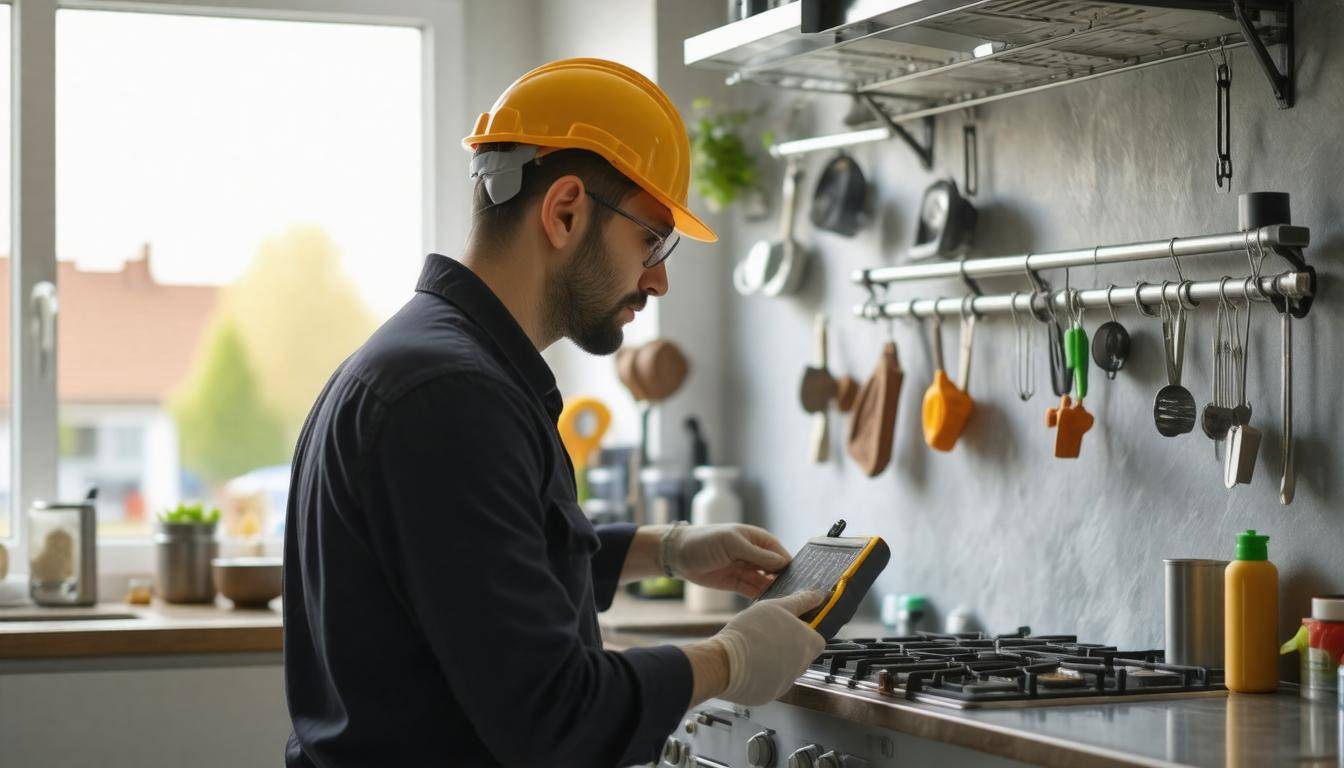
Once you’ve ensured that gas lines themselves are intact, it’s crucial to turn your attention to the appliances connected to those lines. Each unit should undergo a meticulous examination, starting with an understanding of the potential risks. Appliances like stoves, water heaters, and dryers can be vulnerable after seismic events, and neglecting to check them can lead to serious accidents.
Steps for Appliance Inspection
-
Look for Visible Signs of Damage: Begin your inspection by checking for any physical damage such as cracks, dents, or rusted components on the exterior of the appliances. Pay special attention to areas around pilot lights or burners where soot may accumulate. If you see dark stains or wear marks, they may indicate leaks or that the appliance has been compromised during an earthquake.
-
Verify Connection Points: Next, focus on the connection points where each appliance interfaces with the gas line. Look for any loose fittings or connections and ensure that there are no gaps between the hose and the appliance itself. Over time, even minor movement can lead to disconnections that pose significant risks. Tighten any loose screws carefully, but do so without forcing anything. Remember that a secure connection is a barrier between safety and disaster.
-
Testing the Appliance: After confirming everything looks fine visually, it’s time for a brief performance test. Turn on each appliance one at a time and observe how it operates. Listen for abnormal sounds like hissing or popping, which could suggest problems with gas flow. Additionally, take note of any irregularities in ignition; if a burner doesn’t light promptly or emits a strange odor, turn it off immediately and consult a technician.
Being aware of these steps—physical signs of damage, checking connections, and running basic functionality tests—can significantly reduce risks in your home after an earthquake.
Each inspection must be done methodically with care taken so as not to overlook minor details that could escalate into severe problems later on. Routine checks protect your family and extend the life of your appliances by catching issues early. Being diligent today means you can enjoy peace of mind each evening when you sit down for dinner or take a hot shower knowing everything is in order.
Following these steps closely can help safeguard not just your appliances but also ensure that your household remains secure against any post-quake challenges. With safety as your priority, understanding what actions to take when potential hazards arise becomes critical.
Actions When a Leak Is Detected

Detecting a gas leak can understandably trigger an adrenaline rush, but it’s crucial to handle the situation with composure to minimize risks. The very first step is to immediately evacuate the premises calmly. Ensure that everyone—family members, pets, and even neighbors—is at a safe distance away from the building. Practicing an emergency plan beforehand can be incredibly useful in these high-stress moments; it allows everyone to react quickly and efficiently without panicking.
Once you are clear of the structure, resist the urge to use your phone or any electrical devices, as they may create sparks that could ignite the gas in the air. Instead, move at least 100 feet away from the affected area before making any calls. This distance will increase your safety while you contact help.
Contact Emergency Services
- If you suspect a gas leak, call emergency services immediately. They are trained to manage such situations and can assist in determining if it’s safe to re-enter.
- Report details such as the address, nature of the problem, and any potentially injured individuals.
- It’s also important to inform your neighbors about the leak so they can evacuate if necessary.
After ensuring everyone is out of harm’s way, turn your attention to what comes next: handling repairs.
Professional Repairs
Once you’re safely positioned away from your home or building, it’s time to call for help. Contact a certified gas technician rather than attempting any DIY fixes. Gas systems are complex and require specialized knowledge for repair work. Interfering yourself without proper training can lead to further complications or even exacerbate the situation.
Many homeowners share experiences about how turning to professionals not only resolves gas leaks promptly but also ensures adherence to local safety regulations. These technicians inspect for issues using specialized tools that most homeowners lack, allowing them to pinpoint problems quickly. Moreover, they can offer insights into preventive measures to avoid future leaks.
Remember, leaks often indicate underlying problems within your gas system that need professional evaluation. This form of preventative care will help ensure that you are protected against future incidents.
Finally, always adopt a proactive mindset regarding ongoing safety measures after you’ve had repairs made; awareness is key in maintaining a secure household post-leak detection.
The importance of taking timely actions when detecting a gas leak cannot be overstated; following these steps not only aids in your immediate safety but also contributes significantly toward long-term peace of mind.