
Power outages can happen when we least expect them, leaving us feeling anxious and unprepared. Whether it’s due to a storm, equipment failure, or other unforeseen events, knowing how to navigate these situations is critical for your safety and comfort. Picture this: it’s a sweltering summer day, and suddenly the lights flicker out. As panic sets in, you remember that you’ve got an emergency kit packed with supplies and strategies ready to go. This guide will walk you through essential power outage survival skills—everything from gathering supplies and creating a communication plan to maintaining warmth and comfort. By the end, you’ll be well-equipped, feeling empowered rather than defeated when the lights go out!
The “Power Outage Survival Skills: Complete Guide” covers critical preparedness strategies, including how to prioritize essential supplies like water, non-perishable food, and sanitation items, as well as practical skills for maintaining safety and comfort during extended outages. Additionally, it offers advice on creating communication plans and fostering community support, ensuring you are well-equipped to handle a power outage confidently.
Essential Power Outage Preparation Tips
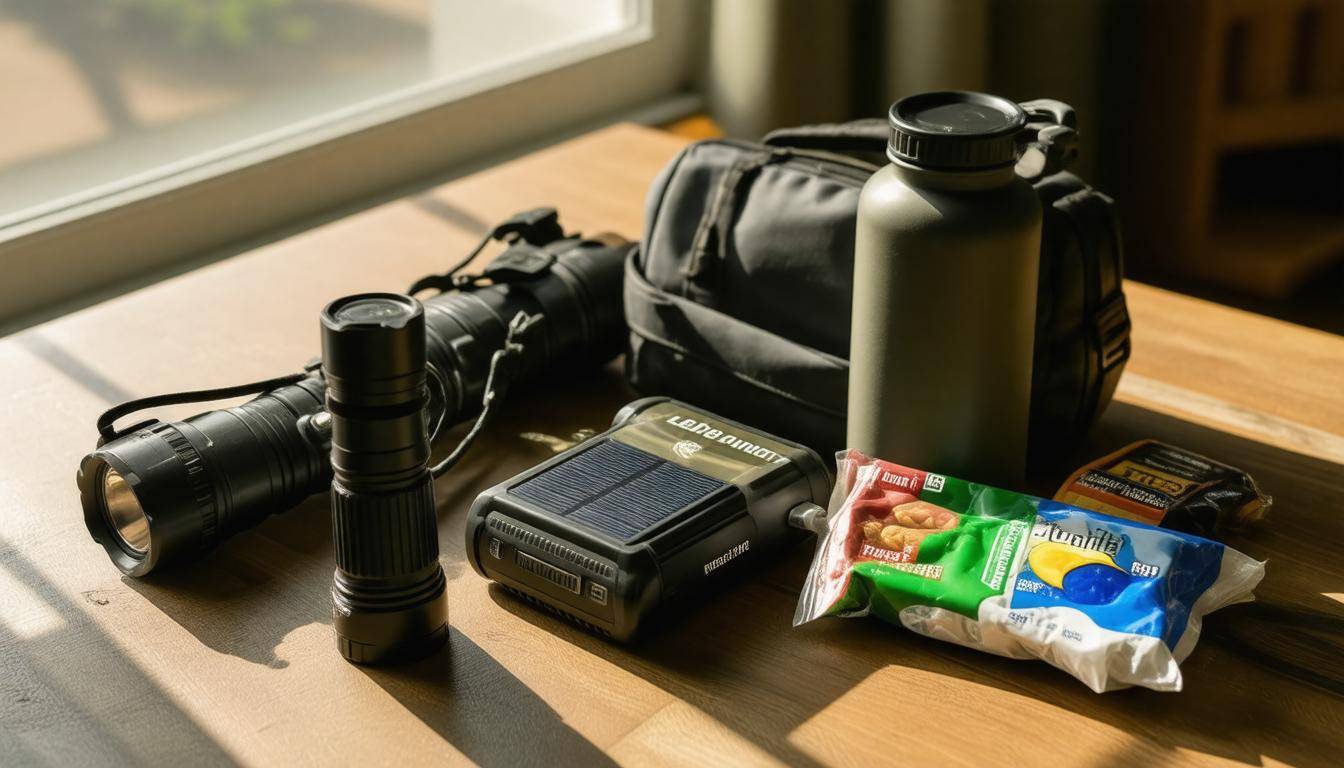
One of the first steps involves gathering essential supplies that will ensure you and your family remain safe and comfortable when the power goes out. A well-thought-out emergency kit can make all the difference. Start by assembling at least a three-day supply of non-perishable food and water—approximately one gallon per person per day is the standard recommendation. Items like canned goods, trail mix, and dried fruits are excellent choices because they don’t require cooking or refrigeration.
Prioritize Your Supplies
Beyond food and water, consider investing in items that enhance your comfort and safety during an outage. It’s wise to have flashlights with fresh batteries available. At least two flashlights are recommended, alongside a supply of batteries—AA, AAA, and D batteries—to last for a week or longer. A small butane stove can serve as a makeshift cooking solution; it’s easy to use and offers options to prepare warm meals despite the lack of electricity.
Remember: Sanitation supplies should not be overlooked. Think about how you’ll manage human waste during an extended outage. Having five-gallon buckets with liners and kitty litter is an effective solution that many find practical.
With food, water, and sanitation secured, let’s turn our focus on how to stay connected and navigate communication challenges during outages.
Stay Connected
Often during power outages, staying informed can be just as critical as having supplies on hand. Compile a list of local emergency contacts—including nearby shelters, utility companies, and essential family members—and keep this list in accessible locations throughout your home. It can also be beneficial to invest in a portable phone charger or power bank (ideally with at least 10,000 mAh capacity) so you have backup energy for your devices.
Flexibility Is Key
Emergency situations often unfold unexpectedly, requiring adaptability from whoever is involved. Establishing a family plan prior to an outage helps everyone understand their roles and reduces confusion when the lights cut out. Ensuring that everyone knows where to meet in case separation occurs is crucial; additionally, being able to manually open the garage door can aid evacuation if necessary.
As one family remarked after successfully managing through a sudden storm: having these clear plans in place alleviated panic and provided structure amidst chaos.
Now that we’ve covered vital preparedness strategies, let’s explore how to gather essential resources effectively for emergencies.
Stockpiling Necessary Supplies
No preparation is complete without a thorough stockpile of essential supplies. When facing a prolonged power outage, having a variety of resources at your disposal can mean the difference between comfort and chaos.
Picture this: a storm rolls in, knocking out electricity for days. Seeing neighbors huddled in the dark while you enjoy your flashlight’s glow and sip water from your stocked stash creates a significant sense of security.
Consider these must-haves:
- Water: At least one gallon per person per day is crucial for hydration and cooking. Ensure you have extra for pets because they get thirsty too and deserve comfort during emergencies.
- Non-perishable food: Focus on items that can sustain each person in your household for at least a week. Think canned goods, dried fruit, nut butter, and energy bars—nourishing, easily stored, and packed with calories.
- Medicine: Ensure a robust supply of ongoing medications or necessary over-the-counter aids like painkillers or anti-diarrheal medicines.
- Batteries: Change out-of-date batteries every six months for flashlights, radios, and other battery-operated devices to ensure they’re ready when needed most.
- First-aid kit: Make sure yours includes adhesive bandages, antiseptic wipes, gauze pads, and burn ointments; these are invaluable during minor injuries.
However, stockpiling all these supplies is only part of the equation; comfort matters greatly during trying times as well.
Invest in additional supplies that enhance your quality of life during an outage. Imagine cooking on a small gas stove while others make do with cold meals! Portable cooking gear like butane stoves can be excellent options for preparing warm food without draining resources quickly. It’s efficient to store some fuel canisters alongside your stove.
In addition to food and water, consider lighting options: battery-operated lights or LED headlamps contribute significantly to atmosphere and safety in the dark nights following an outage. Solar charging devices are increasingly essential; they provide long-lasting illumination without relying on traditional power sources.
Lastly, don’t overlook sanitation supplies, such as biodegradable products for cleanliness when facilities are unavailable. Having a solid plan for waste disposal with makeshift portable toilets or sealed bags will help manage discomfort when nature calls.
Overall, preparing is more than just gathering; it’s about ensuring you have what you need to thrive when circumstances turn challenging. Thoughtfully considering both essential resources and comforts alike lays the groundwork for effective survival strategies during unexpected blackouts.
As we explore these vital survival skills further, let’s shift our focus towards creating reliable lighting and heating solutions to help navigate through these tough times.
Setting Up Alternative Lighting and Heating

Power outages frequently usher in darkness and cold, which is why understanding how to establish alternative light and heat sources is essential for any emergency preparedness toolkit. A variety of options exist, ranging from solar-powered lanterns to battery-operated lamps that help illuminate your space while also providing a sense of security.
When considering lights, choose LED flashlights with at least 100 lumens for effective illumination—these little wonders are also energy-efficient and long-lasting. Additionally, keep several solar-powered lights on hand; they charge during the day and can provide up to 12 hours of light at night.
It’s important to remember that having a proper lighting setup contributes not just to visibility but also aids in reducing stress levels during emergencies.
Transitioning into heating solutions, it’s crucial to stay warm when temperatures plunge following a power loss. Portable propane heaters and wood stoves are often reliable choices, but it’s mandatory to ensure adequate ventilation to prevent carbon monoxide buildup, which can be fatal. You might even consider stocking up on thermal blankets—these simple yet effective layers can retain body heat without requiring electricity at all, turning a treacherous scenario into a more bearable experience.
Emergency Heating Solutions
- Portable Gas Heaters: Compact and convenient, these heaters typically output between 4,000 to 18,000 BTUs and keep small areas comfortably warm.
- Wood Stoves: Not only do they serve as functional heat sources, but many modern models boast impressive efficiency ratings of 70-80%, making them excellent long-term investments.
- Space Heaters: According to the U.S. Department of Energy, if used safely, space heaters can reduce the risk of fire by up to 50%. However, always ensure you’re familiar with their operation before an outage occurs.
Planning ahead with alternative lighting and heating can make all the difference during extended power outages. Imagine sitting by a glowing lantern or warming your hands beside a properly ventilated stove—this transforms a potentially perilous situation into an opportunity for connection with loved ones.
Once you’ve established lighting and heating sources, the next essential aspect revolves around preserving food; implementing effective preservation methods and cooking techniques will be vital for maintaining sustenance during an outage.
Ensuring Safe Cooking and Food Storage
Cooking can be a challenge without electricity, but it’s essential to have the right strategies in place. A propane camp stove or barbecue grill can be invaluable in these situations, offering a reliable source of heat for preparing meals. However, one key rule to remember is that cooking must always take place outdoors. The fumes produced by these cooking methods can cause carbon monoxide poisoning if used indoors, which can be deadly.
According to safety experts, always prioritize ventilation when using any propane equipment; your health depends on it.
Now let’s shift our focus to food storage. After a power outage, maintaining the safety and quality of your food supplies becomes critical. The best way to safeguard perishable foods is by utilizing a cooler effectively packed with ice packs or dry ice. This simple measure can keep your items cool for quite some time. Just remember that after about four hours without power, it’s prudent to err on the side of caution; perishable items like dairy products and meats should be discarded to prevent the risk of foodborne illnesses. Your health—and that of your loved ones—matters most during times like these.
One storm survivor recounted how their portable camping equipment was a lifesaver during a week-long winter power outage. Cooking meals on their grill not only kept spirits high but also allowed them to manage their food supply effectively.
When it comes to non-perishable items, stockpiling canned goods, dried fruits, nuts, and grains will ensure you have enough nutrition available during longer outages. Having snacks handy can help maintain energy levels without relying solely on cooking equipment. Furthermore, consider creating an inventory list to keep track of your supplies. This organization enables you to monitor expiration dates and rotate your stock effectively.
“A well-prepared pantry is your fortress against uncertainty,” says one preparedness enthusiast.
To maximize efficiency in your cooking process when power is out, plan your meals ahead of time. Focus on dishes that require minimal preparation and use fewer ingredients from cold storage. Easy-to-make options like soups and stews are great choices—they can be easily prepared on a grill or camp stove while making effective use of perishable ingredients you have on hand.
Lastly, keep this in mind: It’s not just about surviving the outage but also maintaining morale throughout the experience. Good food is integral to comfort during these times. Cooking together as a family or involving kids in meal preparation can foster unity and resilience against the struggles power outages may bring.
By considering safe cooking practices alongside food storage tips, you set the stage for a more comprehensive understanding of what it takes to be truly prepared for unforeseen challenges.
Comprehensive Survival Kit Checklist
To ensure you’re truly prepared for a power outage or any emergency situation, your survival kit should be comprehensive. This means not just gathering a few random items but thoughtfully assembling a collection that covers all your basic needs. An effective survival kit can make life considerably easier during emergencies when access to food, water, and communication can become limited. The first step in enhancing your preparedness is to rethink what belongs in your kit.
-
Emergency Contact Information: Include important phone numbers for family members, local authorities, and healthcare contacts. Keep a hard copy in case your phone runs out of battery or is inaccessible.
-
Cash in Small Denominations: While we increasingly rely on digital payments, cash remains crucial during outages when cards may not work. Your stash shouldn’t just be bills but small denominations for buying essentials.
-
A Multi-Tool: A multi-tool can be invaluable for tasks such as opening cans or making minor repairs. Choose one with multiple functions – it saves space while providing essential tools at your fingertips.
-
Maps of Your Area: In case GPS devices fail or lose battery power, having physical maps can help you navigate safely. They also provide information on nearby shelters or resources.
-
Portable Phone Chargers and Power Banks: Staying connected can be vital during emergencies; portable chargers ensure you won’t be cut off when you need to reach someone.
But there’s much more to consider to make this kit truly effective beyond these basics.
Think about your specific circumstances; different environments require different preparations. Are there kids in the household? Do you have pets? It’s essential to tailor your survival kit to accommodate everyone in your family, which could include adding supplies like medications for chronic illnesses, baby formula, or pet food. Adaptability can significantly improve outcomes during a crisis.
Next, don’t forget personal hygiene items and sanitation supplies. Including wipes, hand sanitizer, and even a few trash bags will help maintain cleanliness when traditional facilities are unavailable. Consider adding a portable toilet option if necessary – practicality goes a long way when faced with prolonged outages.
Regular checks on the contents of your survival kit are crucial as well. Items like food and batteries may expire or degrade over time. Make it a ritual to review and refresh your kit seasonally—this not only guarantees fresh supplies but keeps you aware of what you have on hand, preventing panic during actual emergencies.
As the saying goes, “An ounce of prevention is worth a pound of cure.” In the case of power outages and other emergencies, being prepared means peace of mind in uncertain times.
Enhancing your survival skills doesn’t just stop here; considering long-term strategies is essential for ensuring you’re equipped for extended challenges that may arise due to prolonged blackouts.
Long-Term Planning for Extended Blackouts
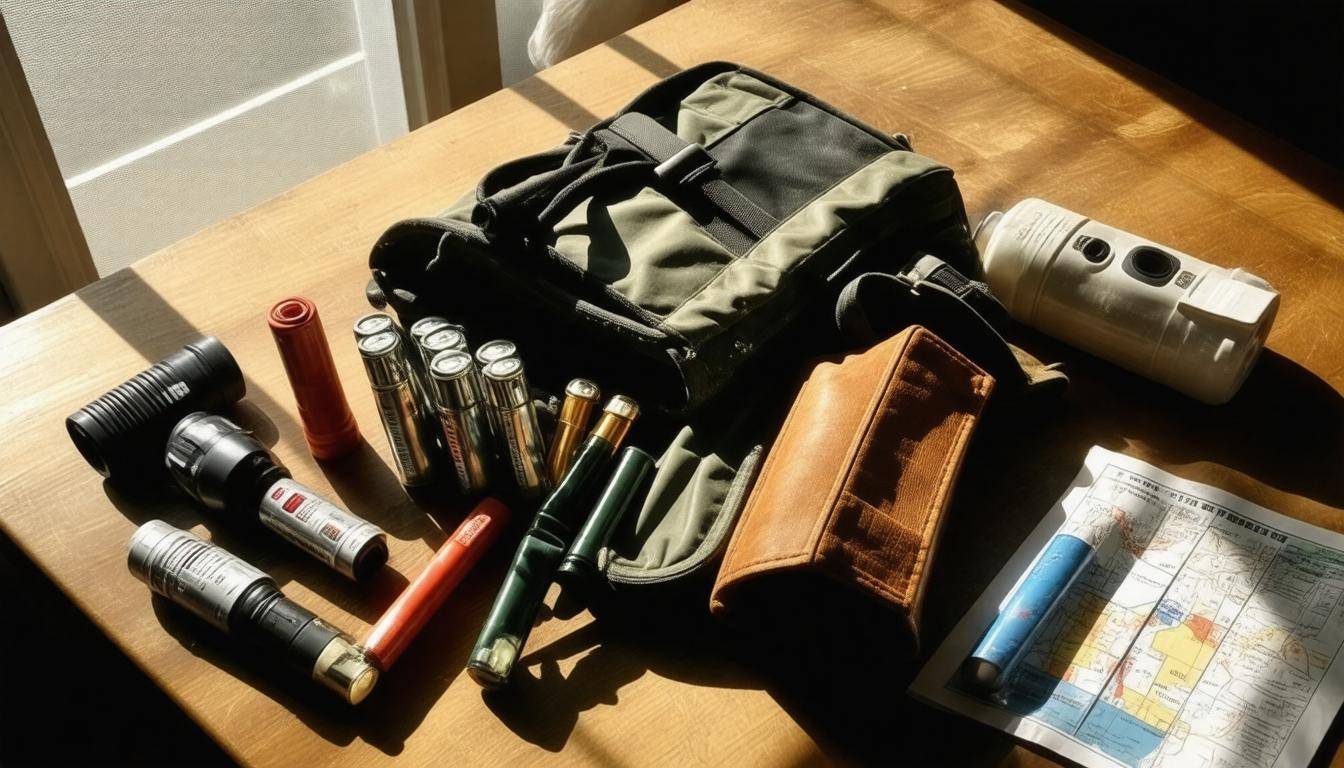
When preparing for extended blackouts, it’s crucial to think beyond immediate needs and prioritize sustainability. Every detail matters when contemplating how life will function without electricity for an extended period.
For instance, having a plan to establish alternative water sources can significantly impact your living conditions. Collecting rainwater is a straightforward yet highly effective solution. You can set up a rain barrel system to catch water from your roof, which can be filtered and purified for drinking and cooking. If you have a well, consider investing in a manual pump; this keeps your access to clean water independent of power.
Now, let’s talk about energy. Traditional power sources may fail during prolonged outages, making renewable energy options not just appealing but essential. Solar panels paired with battery storage systems provide an off-grid power supply that can maintain your household’s energy needs when the utilities fail. Over the past decade, solar energy costs have dropped by approximately 70%. This decline makes it a more feasible long-term investment for homeowners wishing to fortify their energy independence.
As we explore the essentials of preparing for extended blackouts, it’s clear that food security plays a significant role in sustaining yourself over time.
Establishing a Sustainable Food Supply
Creating a sustainable food supply will require thoughtful planning and some initial effort. Ideally, stockpiling non-perishable food items like canned goods, dried grains, and legumes is crucial. However, if you want to go beyond just stockpiling groceries, consider starting a small garden if your living situation allows for it. A home garden can supplement your food supply with fresh vegetables and herbs, which are invaluable during outages because they can significantly enhance nutrition quickly compared to processed foods.
Moreover, once food supplies dwindle, having food preservation methods becomes vital.
Food Preservation Methods
Knowing how to preserve food is an invaluable skill in long-term survival scenarios. Techniques such as canning, dehydrating, and fermenting extend the life of perishable items and ensure you won’t run out of fresh food in lean times. For example, if you find yourself with an abundance of tomatoes during the peak season, do not waste them—can or dehydrate them to enjoy later in the year when fresh produce is scarce.
An important takeaway here is that practicing these skills regularly leads to automaticity; you’ll find it easier to recall how to preserve food effectively when needed.
Lastly, let’s touch on mental preparedness—the often overlooked yet critical aspect of surviving through extended outages.
Mental Resilience
Building mental resilience can be just as important as gathering physical supplies. You want to maintain a positive mindset during difficult times. Engaging in immersive experiences—perhaps through workshops or community gatherings focused on survival skills—can help cultivate this mindset alongside practical skills. After all, emergencies test not just our preparedness but also our psychological strength.
By considering each of these aspects—water sources, renewable energy solutions, sustainable food supplies, mental resilience—you are taking vital steps towards tactical planning that ensures safety and sustainability during potential long-term blackouts.
With these foundational elements in place for enduring emergencies, we can shift focus to enhancing your setup further with methods for tapping into backup power sources effectively.
Utilizing Backup Solutions for Electricity
In today’s world, where power outages can occur without warning, having a backup solution is a vital aspect of emergency preparedness. Whether it’s from storms, equipment failure, or other unforeseen events, a dependable backup system minimizes disruptions in daily life. Key to success is understanding what options are available and how to implement them effectively.
Generator Types
Let’s start with the two primary types of generators that can serve your needs during outages: portable generators and standby generators.
Portable generators shine in their versatility. They’re easier to maneuver and often more affordable, making them a popular choice for short outages or recreational uses like camping trips. Yet, portability has its limits; these generators require manual operation and refueling, which can be inconvenient during extended blackouts.
On the other hand, standby generators offer unparalleled convenience. Installed permanently outside your home, they automatically kick in when the power goes out, ensuring there’s no interruption in service. This type of generator seamlessly provides essential power for all household needs—from keeping food refrigerated to powering medical devices—making them invaluable for families that require constant electricity. Remarkably, leading brands like Generac have made these systems reliable and easy to use.
Maintenance Tips
A homeowner I spoke with recounted how regular maintenance checks on his standby generator made all the difference during an intense 72-hour blackout caused by a fierce storm. Without any worries about fuel levels or technical issues, he was able to focus on keeping his family comfortable while others scrambled for candles and flashlights.
Taking proactive steps ensures that your generator is prepared when you need it most. Establish a routine for checking fuel levels every month, examining electrical connections for wear and tear, and testing the functionality through brief runs every few months. Such diligence can prevent minor issues from becoming significant setbacks when faced with an outage.
Remember: A little time spent maintaining your generator can save you from frustration down the line.
Now that we’ve covered power solutions and how to maintain them, let’s explore additional innovative methods that can help keep your home powered during unexpected outages, broadening our understanding of effective strategies in emergency situations.
Creative Solutions and Best Practices
The beauty of survival skills often lies in the ability to think outside the box. Using everyday items creatively can make an enormous difference when you’re faced with a blackout. For instance, those solar garden lights lying around your yard are not just for show; they can serve as a source of light indoors during an outage. Just bring them inside at night, and you’ll have free light that you’ve harvested from the sun during the day. It’s like utilizing nature’s energy without going through intricate setups or additional costs.
Similarly, consider repurposing old-fashioned windup clocks and radios. They might not be as flashy as their electronic counterparts, but their reliability during long-term blackouts makes them invaluable. Unlike battery-operated devices that may drain quickly, these windup options will function efficiently, keeping you aware of the time and connected with any local news broadcasts.
Beyond individual ingenuity, fostering community involvement can exponentially enhance your preparedness efforts.
Community Involvement
Collaborating with your neighbors can forge a powerful support network. In one neighborhood I learned about, residents established a resource-sharing system centered around communal generators. By pooling resources and sharing large freezers, they preserved food effectively for everyone involved during longer outages. This not only alleviated panic but fostered camaraderie among community members who looked out for one another.
You could start by organizing meetings to discuss what household items people are willing to share or barter during emergencies—this could include tools, food supplies, or even skills like cooking or first-aid training. An informal gathering can lead to structured plans that will benefit all participants when disaster strikes.
By thinking creatively and working together, you can turn potential chaos into efficiency and solidarity during power outages.
Through imaginative thinking and strong community ties, you’ll find it easier to navigate unexpected challenges while remaining safe and secure in your home environment.
In moments of crisis, the collective strength forged through shared knowledge and resources ensures not only survival but also a sense of unity amongst individuals facing adversity together.
What safety precautions should be taken when using generators or alternative power sources?
When using generators or alternative power sources, always operate them outdoors to prevent carbon monoxide buildup, as it can lead to serious health risks or fatalities—about 70% of generator-related deaths stem from carbon monoxide poisoning. Ensure proper ventilation, keep fuel stored safely away from heat sources, and use heavy-duty extension cords that are rated for outdoor use to avoid electrical hazards. Additionally, regularly check and maintain your equipment to ensure optimal performance and safety during emergencies.
What are the essential supplies to keep on hand for a long-term power outage?
Essential supplies for a long-term power outage include non-perishable food items (like canned goods and dried fruits), water (one gallon per person per day is recommended), batteries for flashlights, a first aid kit, and blankets for warmth. According to the Federal Emergency Management Agency (FEMA), having these supplies can significantly enhance your safety and comfort during emergencies. Additionally, portable chargers and solar-powered devices can help keep communication lines open.
What are some practical cooking methods during a power outage?
During a power outage, practical cooking methods include using a camp stove, propane grill, or a charcoal barbecue, as these options don’t rely on electricity. Additionally, you can utilize a fire pit for outdoor cooking or even make use of your car’s engine to heat food (though this requires caution). A survey by the American Red Cross indicates that over 60% of households experience at least one power outage each year, making it essential to have alternate cooking methods ready. Always ensure proper ventilation when using gas or charcoal to avoid carbon monoxide hazards.
How can one stay informed about impending power outages and their expected duration?
To stay informed about impending power outages and their expected duration, individuals should utilize various resources such as local news channels, weather apps, and official social media accounts of utility companies, which often provide real-time updates. According to the U.S. Energy Information Administration, around 60% of states have robust outage reporting systems in place that keep consumers informed about outages and restoration timelines. Additionally, investing in a NOAA weather radio can ensure you receive timely alerts even when the power is out, making it an essential tool for emergency preparedness.
How can individuals prepare their homes for potential power outages?
Individuals can prepare their homes for potential power outages by investing in a reliable backup power source, such as a generator, and ensuring they have an emergency kit stocked with non-perishable food, water, flashlights, and first aid supplies. Furthermore, installing surge protectors and maintaining clear pathways to exits can enhance safety during outages. According to the U.S. Energy Information Administration, over 17 million Americans experience significant power outages each year; being proactive can mitigate risks and ensure greater resilience during emergencies.