
Pregnancy is an exciting yet unpredictable journey, filled with moments of joy and the unexpected. As you navigate each trimester, being prepared for emergencies becomes a vital part of your experience. It’s not just about planning for a joyful arrival; it’s also about anticipating challenges that could arise along the way. From understanding potential risks in the early weeks to ensuring you have the right resources at hand during labor, preparation can make all the difference. In this guide, we’ll explore essential steps to help expectant parents feel more secure and ready for whatever surprises pregnancy may bring. So grab your notepad; let’s dive into making your pregnancy adventure as smooth as possible!
Pregnancy emergency preparation involves essential steps tailored to each trimester: in the first trimester, create a birth plan and research healthcare facilities; for the second trimester, pack a hospital bag with necessary items by Week 30; and in the third trimester, finalize your birth plan and closely monitor fetal movements. By following these guidelines, you can ensure safety and readiness throughout your pregnancy journey.
First Trimester Alerts
The first trimester is indeed a whirlwind of emotions, physical changes, and the joy of discovery; however, it also presents several risks that every pregnant woman should be vigilant about. One major concern during this period is the risk of miscarriage. Approximately 20% of pregnancies result in miscarriage during the first trimester according to the CDC. Understanding what signs to watch for can help you communicate with your healthcare provider effectively and get timely assistance if needed.
Common Miscarriage Risks
Symptoms can vary widely from one woman to another, but it’s important to keep an eye out for key indicators. Heavy bleeding is often one of the first signs that might suggest trouble. If you experience this alongside severe cramping or notice a sudden drop in pregnancy symptoms—like losing that feeling of nausea—you shouldn’t hesitate to contact your doctor. It’s always better to err on the side of caution; reaching out for advice can offer peace of mind.
Beyond just noticing these signs, it’s vital to understand why they happen. The body undergoes significant changes during early pregnancy due to hormonal fluctuations. Sometimes these changes can lead to thrombophilia, which increases the risk of developing blood clots and may contribute to complications like Mesenteric Venous Thrombosis (MVT). Understanding such medical conditions prepares you not only emotionally but also mentally as you approach your prenatal care.
Safe Medication Use
Another critical aspect to consider is medication safety. Always consult your healthcare provider before taking any medication—even seemingly harmless over-the-counter drugs like anti-inflammatory medications or common supplements. Many substances could adversely affect fetal development during sensitive early weeks of gestation. Your healthcare provider’s expertise will guide you toward safe alternatives or adequate precautions if specific medications are genuinely needed during this time.
Being mindful of these risks is crucial; preparing yourself with knowledge and resources in case an emergency arises is equally important. Having a detailed checklist for emergencies will not only make you feel more secure but ensure you’re ready for anything from unexpected symptoms to needing immediate medical attention.
With this understanding, it’s essential to develop a targeted plan that anticipates potential emergencies and ensures preparedness when they arise.
Crafting an Early Emergency Plan
Being prepared for emergencies early on can significantly reduce stress and ensure swift action when needed. When you’re pregnant, having a well-documented emergency plan fosters confidence and readiness. It’s not just about your comfort but also about the safety of your little one. You want to create a seamless process where every necessary detail is easily accessible when time is of the essence.
Step I: Research Local Hospitals and Birthing Centers
Start by investigating the nearest medical facilities and their maternity services. Having this knowledge equips you with essential information about where to go in an emergency. Look into their protocols for handling emergencies and prenatal care. It could be beneficial to visit these hospitals, take tours, or attend informational sessions to familiarize yourself with their environment. This proactive step can alleviate anxiety later on in your pregnancy.
“Visiting hospitals early on and knowing their emergency protocols gave us peace of mind,” shares one expectant mother. It solidifies the idea that being informed transforms uncertainty into preparedness.
Step II: Create a Birth Plan
Next, outline your preferences for labor and delivery, including pain relief options, who will be present during the birthing process, and any other wishes you may have—in essence, a clear vision of how you want your experience to unfold. Creating a birth plan allows you to communicate your desires effectively with your healthcare team while also preparing them to better support you during labor.
To craft a useful document, consider including specific points such as whether you’d prefer an epidural or natural pain management techniques like breathing exercises or water therapy. While it’s important to remain flexible, knowing what you want particularly eases anxiety as your due date narrows in.
This will be especially helpful as you approach the end of your pregnancy; taking time to revisit your plan can provide reassurance that you’re still on course.
Step III: Essential Contacts
Finally, it’s critical to compile a list of emergency contacts—these should include individuals who can assist you directly in case of urgent situations and those who need to know about your labor progress. Your list might feature:
- Your healthcare provider’s contact information.
- The nearest hospital details, including distance and phone numbers.
- A trusted friend or family member who can drive you or stay with you during labor.
Additionally, enumerate at least two backup contacts in case your primary support network is unavailable because emergencies often occur unexpectedly.
Having this list handy allows for effective communication during what might be a whirlwind experience. Posters on the refrigerator or notes tucked inside your purse can help ensure that no time is wasted locating vital information when seconds count.
With these essential preparations complete, one can focus more intently on health and safety measures that are crucial as each trimester unfolds ahead.
Second Trimester Safety
The second trimester often represents a time of renewed energy and excitement as you welcome changes in your body. However, it also comes with responsibilities. Maintaining regular prenatal check-ups is crucial during this period. These visits are more than just routine; they allow healthcare providers to monitor your baby’s growth and ensure everything is developing as it should. Studies indicate that consistent prenatal care can significantly reduce complications by detecting potential issues early, giving you peace of mind and helping you prepare for the future.
But while you’re soaking in those check-ups, don’t forget one vital aspect: packing for the big day.
Don’t Forget To Pack
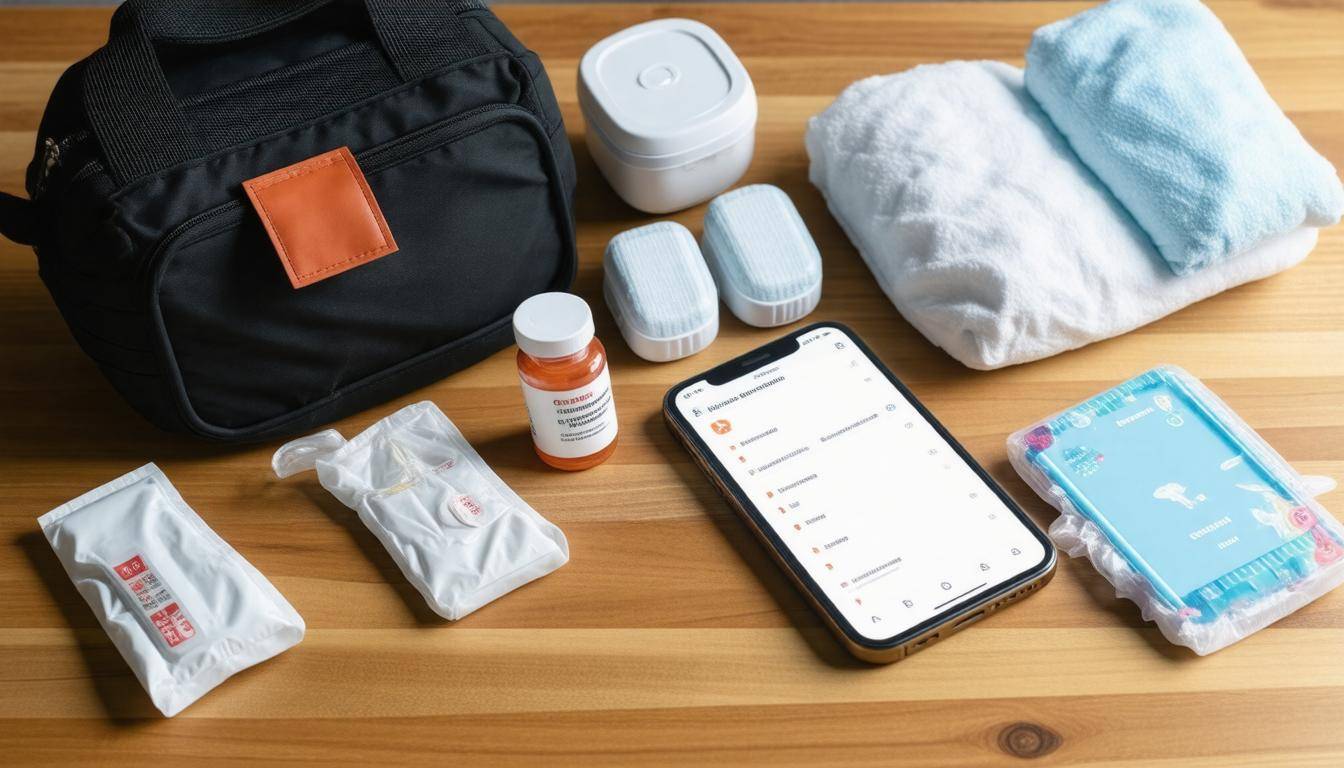
As anticipation grows, it’s time to start organizing your hospital bag—a task best begun by week 30. Packing early alleviates last-minute stress and helps ensure you have everything when labor begins. It’s about creating a sense of readiness and comfort. Here’s a useful checklist to guide your preparations:
| Essentials | Items |
|---|---|
| Clothing | Maternity robe, nursing bras |
| Toiletries | Toothbrush, deodorant |
| Baby Essentials | Diapers, baby clothes |
| Documentation | ID, insurance card |
Each item serves a purpose—from comfy clothing to make you feel at ease during your stay to toiletries that provide familiarity amidst the whirlwind of birth. Having these essential items ready helps create an environment where both you and your newborn can feel secure and cared for.
With your health routine established and your bag packed, we now shift our focus to another critical factor—your supportive network.
Building Your Support System
While focusing on personal preparedness is important, surrounding yourself with a supportive network is equally crucial. Whether it’s friends or family members offering emotional support or practical assistance, having a solid foundation can make a world of difference during pregnancy. Engaging with those who understand what you’re going through creates a sense of community and reassurance.
Remember Dr. Mandy Cohen, CDC Director’s words: “Our top recommendation for protecting yourself and your loved ones from respiratory illness is to get vaccinated.” Seek out loved ones who prioritize health and safety—especially regarding vaccinations against COVID-19 and influenza—as these are key factors in safeguarding both you and your baby during this sensitive time.
By weaving together consistent prenatal check-ups and careful preparation while building a solid support system, you create an environment that fosters health and well-being throughout the second trimester.
Each of these elements will contribute to the pivotal journey ahead, enhancing not just your experience but also the connections you forge along the way.
Building a Support System

A strong support system is essential during pregnancy, especially when navigating the myriad challenges involved. When you consider who will be in your corner, think about both emotional and practical support. Your partner or designated support person is typically the first line of assistance; their role transcends beyond just being there physically. This person should provide moral support, help with daily tasks, and ensure you get to medical appointments without a hitch.
Having someone by your side ensures that no moment feels daunting—every step becomes manageable when shared.
However, it may be beneficial to expand your network beyond just your primary support person. That’s where community groups come into play. Joining local or online support groups connects you with other expectant parents going through similar experiences. Websites like BabyCenter or WhatToExpect provide platforms for discussion, advice, and shared stories. Here, you can find individuals who have faced similar challenges and gain insights into how they navigated them. These communities not only offer emotional backing but also an opportunity to share practical tips or even a comforting word on a tough day.
Create an Emergency Contact List
While building this network of supportive individuals, it’s wise to create an emergency contact list ahead of time. Aim for at least five contacts who are familiar with your situation—these could include healthcare providers, family members, friends, and neighbors who can lend a helping hand quickly if needed. This proactive approach gives peace of mind and ensures swift communication when the unexpected arises.
Remember, it’s important that these contacts know about your needs during pregnancy so they can respond appropriately if called upon.
Finally, discuss your expectations with each person on your list. They should be well-informed about the nature of support you’re looking for—whether it’s help with errands, keeping you company during a long hospital stay, or simply being available for encouragement over the phone.
By effectively constructing your support system now, you’ll be better prepared to handle the unique challenges that arise later in pregnancy when attention shifts toward more pressing concerns and potential emergencies.
Third Trimester Emergencies

The third trimester of pregnancy is a time filled with excitement, anticipation, and understandably, some anxiety. With the baby growing rapidly and nearing delivery, it’s crucial to be extra aware of any changes in both your health and your baby’s. One of the most important indicators is monitoring fetal movements.
You should make it a daily practice to track these movements; it can be as simple as noting down when you feel kicks or rolls throughout the day. An active baby is often a sign of good health. However, if you notice a significant decrease in movement, this could indicate distress.
It is advisable to inform your healthcare provider right away about any substantial changes. Remember, it’s always better to seek reassurance than to ignore potential warning signs.
In addition to tracking movements, close attention should also be paid to other health signs that may signal complications. Caution is key during this final stage.
Recognizing Warning Signs
Various symptoms can be indicative of emergencies in the third trimester. If you experience difficulty breathing or chest pain, these warrant immediate medical attention. Be vigilant about sudden swelling in your face or hands, severe headaches that don’t go away with usual remedies, or vision changes like blurriness or seeing spots. All of these can signal conditions such as preeclampsia, which requires urgent care.
Another aspect to consider is fever—especially when paired with chills and cough—this could raise concerns regarding infections like COVID-19 which poses increased risks for pregnant individuals. Therefore, continual communication with your healthcare provider is essential if flu-like symptoms develop.
Knowing when and how to seek help becomes increasingly critical as labor approaches; preparation plays a big role in easing anxiety.
Emergency Preparedness
Ensure that you have an emergency plan in place before the moment arrives. This includes knowing exactly who to call and where to go should an emergency arise. Keep a list of symptoms that require immediate attention easily accessible, perhaps on your fridge or entryway.
It’s also wise to familiarize yourself with the quickest route to your healthcare facility. That way, should you find yourself needing assistance late at night or during off-hours when traffic might be unpredictable, you’re prepared.
Additionally, consider discussing the differences between normal pregnancy-related discomforts versus concerning symptoms with your healthcare provider ahead of time. This proactive measure will enhance your peace of mind and result in quicker decision-making if urgent matters arise.
Preparation and vigilance today can lead to a smoother transition into motherhood tomorrow. Always stay informed and engaged with your body and your baby’s well-being!
As we navigate the complexities of planning for what’s next, focusing on essential details will prove beneficial in making the transition as seamless as possible.
Finalizing Birth Preparations
Reviewing Your Birth Plan
It’s essential to carefully review your birth plan with your healthcare provider as you approach labor. This document outlines your preferences regarding the birthing process, from pain management options to who you want by your side during delivery. Engaging in this conversation helps clarify any uncertainties and set realistic expectations. For instance, if you initially wanted a natural birth but are now considering medication due to discomfort, this is the perfect time to discuss it openly. Regular modifications based on guidance from your provider can cater to any changes in your health or newfound insights about what might work best for you during labor.
Each detail matters, yet one crucial administrative step shouldn’t be overlooked as you finalize preparations.
Hospital Pre-Registration
Pre-registering at your hospital or birthing center facilitates a smoother admission experience when labor kicks in. By doing this early on, you ensure that vital information such as insurance details and personal preferences are documented ahead of time, reducing stress when the moment arrives. During my third trimester, I took the time to complete the pre-registration process at my chosen facility, and it’s one of the best decisions I made. Not only did it save us precious time during a chaotic moment, but also provided me with a reassuring sense of readiness.
“Pre-registering saved us valuable time and stress when I went into labor unexpectedly,” reflects one mother who experienced spontaneous labor after thinking she had more time to prepare. Being organized front-loads some predictability into an otherwise unpredictable situation.
As you approach this monumental moment in your life, don’t forget to keep track of key personal information.
Emergency Contact List
Compile an emergency contact list containing critical individuals such as your obstetrician, pediatrician, partner, family members, and trusted friends. This ensures that whoever is accompanying you knows exactly whom to reach out to if needed and helps provide additional support during labor. Additionally, list contact numbers and establish communication protocols with them so they know how best to assist.
Alongside your list of contacts, maintain a clear record of important hospital information. Include the name, address, phone number of the facility you’ve chosen, along with directions and parking details. Having everything written down makes information retrieval immediate and stress-free.
To further empower yourself during this transition into parenthood, consider documenting various signs of labor.
Signs of Labor
Understanding and documenting key signs of labor—like consistent contractions resembling menstrual cramps or water breaking—can help ease anxiety and prepare you for that pivotal moment. Most pregnancies will follow a generally predictable timeline leading up to delivery—typically between 38 to 41 weeks—but being aware of these signs allows for timely communication with healthcare providers if anything seems off.
With each element in place, you’re not just preparing for childbirth; you’re also setting up for a healthier parenting journey ahead.
General Health Tips
Healthy habits can greatly alleviate the physical and emotional challenges of pregnancy, allowing you to embrace this unique journey. One of the most pivotal aspects of maintaining good health is ensuring that you have access to reliable information and resources that support your well-being and your baby’s development.
Balanced Diet
A balanced diet plays a crucial role in both your health and your baby’s. Following a nutritious eating plan that includes an abundance of proteins, vitamins, and minerals forms the foundation for a healthy pregnancy. Adequate intake of iron, for example, is essential as it prevents anemia—a condition that some expectant mothers face due to increased blood volume. Foods like lean meats, beans, spinach, and fortified cereals are excellent choices to help keep your iron levels in check.
Moreover, it’s not just about getting enough iron; ensuring your diet features foods rich in folic acid is equally important since it aids in fetal brain development and helps prevent neural tube defects. Think leafy greens, citrus fruits, and whole grains. It’s also wise to incorporate calcium-rich foods such as dairy products, almonds, or fortified plant-based milks into your meals since calcium is vital for the baby’s bone development.
Embracing a colorful plate reflects a variety of nutrients that are beneficial for both mom and baby.
Regular Exercise
Engaging in moderate exercise can significantly enhance your stamina for labor and delivery while helping manage stress levels during pregnancy. Activities like prenatal yoga or gentle walks are fantastic options, allowing you to stay active without overexerting yourself. Regular movement not only supports cardiovascular health but also improves flexibility and reduces common discomforts like back pain.
Nevertheless, always consult your healthcare provider before starting any exercise routine. They can provide personalized recommendations based on your specific needs throughout each trimester. A simple guideline is to aim for at least 150 minutes of moderate-intensity activity weekly if you’re cleared for it.
As important as these lifestyle choices are, staying informed about available resources is critical to enhancing your overall experience during pregnancy. Now let’s explore what additional support systems can make this journey smoother and more enriching.
Essential Resources and Support
Utilizing a variety of resources not only keeps you informed but also immerses you in a network of support throughout your pregnancy. When it comes to online tools, platforms like BabyCenter and WhatToExpect stand out as robust hubs of information. These websites offer everything from pregnancy tracking features to articles about what changes to expect during each trimester.
But perhaps more importantly, they foster community support where expecting parents share accolades, concerns, and questions—creating a sense of belonging that can be invaluable during this time.
Understanding what to anticipate at various stages of your pregnancy can alleviate anxiety and set your mind at ease. For instance, being aware of common discomforts experienced in each trimester prepares you for what’s ahead, making the journey feel less daunting.
Online Tools
The beauty of these online platforms is their accessibility and wealth of structured content. They are designed not just for information but also for connection. Surveys show high user satisfaction rates among expectant mothers who frequent these sites due to their comprehensive resources that cater directly to prenatal needs.
You can track your baby’s development week by week, access expert advice on everything from nutrition tips to fetal health, and read firsthand experiences from other parents. This shared knowledge feeds into your confidence as you prepare for motherhood.
In addition to virtual support, engaging with professionals can provide significant emotional benefits and assurance.
Professional Help
Seeking professional help is another key component in feeling empowered during your pregnancy. Hiring a doula can profoundly enrich your experience—doulas provide emotional support through prenatal classes, childbirth preparation, and postpartum advice tailored specifically to your needs.
Additionally, consulting with a prenatal counselor can offer guidance on managing stress, anxiety, or any feelings related to this life shift. Their expertise helps demystify your choices regarding birth plans and parenting styles.
Having this support network, whether through online communities or professional resources, highlights an often-overlooked aspect of pregnancy: the emotional journey. It is easy to focus solely on the physical changes occurring during pregnancy, but mental wellness is equally crucial.
By actively investing in both informational and emotional resources, you tilt the balance towards a richer prenatal experience.
Ultimately, embracing all available resources equips you with knowledge, support, and reassurance as you navigate the exciting yet challenging path your pregnancy offers.
In summary, combining extensive research with professional guidance not only enhances your preparation but also ensures that you are mentally ready for the journey ahead.
How can expectant parents identify warning signs that may require immediate attention during pregnancy?
Expectant parents should be vigilant for warning signs that require immediate attention, such as severe abdominal pain, heavy bleeding, sudden swelling of hands and feet, or pronounced headaches. According to the American Pregnancy Association, around 20% of pregnancies may experience complications that can lead to serious health risks if not addressed promptly. Immediate consultation with a healthcare professional in these situations can be crucial for both maternal and fetal well-being.
What resources or contacts should be part of an emergency plan for pregnant individuals?
An effective emergency plan for pregnant individuals should include essential contacts such as an obstetrician, midwife, nearby hospitals, and a designated support person. Additionally, having a list of local emergency services, poison control, and lactation consultants can be crucial. Statistics show that timely access to prenatal care can reduce complications by up to 30%, so these resources ensure quick responses to any emergencies that may arise during pregnancy.
What specific items should be included in a pregnancy emergency kit for each trimester?
A pregnancy emergency kit should include trimester-specific items: For the first trimester, include prenatal vitamins, a nausea remedy (like ginger candies), and a list of important contacts. In the second trimester, add ultrasound photos, a hospital bag checklist, and maternity clothes for comfort. By the third trimester, ensure the kit includes baby essentials (like diapers and wipes), a birth plan copy, and snacks for energy. According to surveys, 75% of expectant mothers find having organized kits reduces stress during emergencies.
What role does prenatal care play in minimizing emergencies during pregnancy?
Prenatal care plays a crucial role in minimizing emergencies during pregnancy by ensuring that both the mother and fetus are regularly monitored for potential health issues. It allows for early detection and management of complications such as gestational diabetes, hypertension, or preterm labor, significantly reducing risks associated with these conditions. According to the CDC, women who receive timely prenatal care are 70% less likely to experience low birth weight and other complications, highlighting the importance of systematic healthcare throughout the pregnancy journey.
How do the risks and potential emergencies differ between the first, second, and third trimesters?
The risks and potential emergencies during pregnancy vary significantly across the three trimesters. In the first trimester, complications such as miscarriage (which can occur in about 10-20% of known pregnancies) and ectopic pregnancy are most prevalent, necessitating early monitoring. The second trimester typically sees a lower risk of miscarriage but can introduce issues like gestational diabetes and preterm labor signs. By the third trimester, concerns shift towards high blood pressure disorders, placental abruption, and labor-related emergencies, with about 6-8% of pregnancies experiencing preeclampsia. Awareness of these risks is crucial for timely interventions and optimal maternal-fetal health.